
7 Signs You Need to Upgrade Your Gold Refining Equipment
Why Gold Refining Equipment Matters
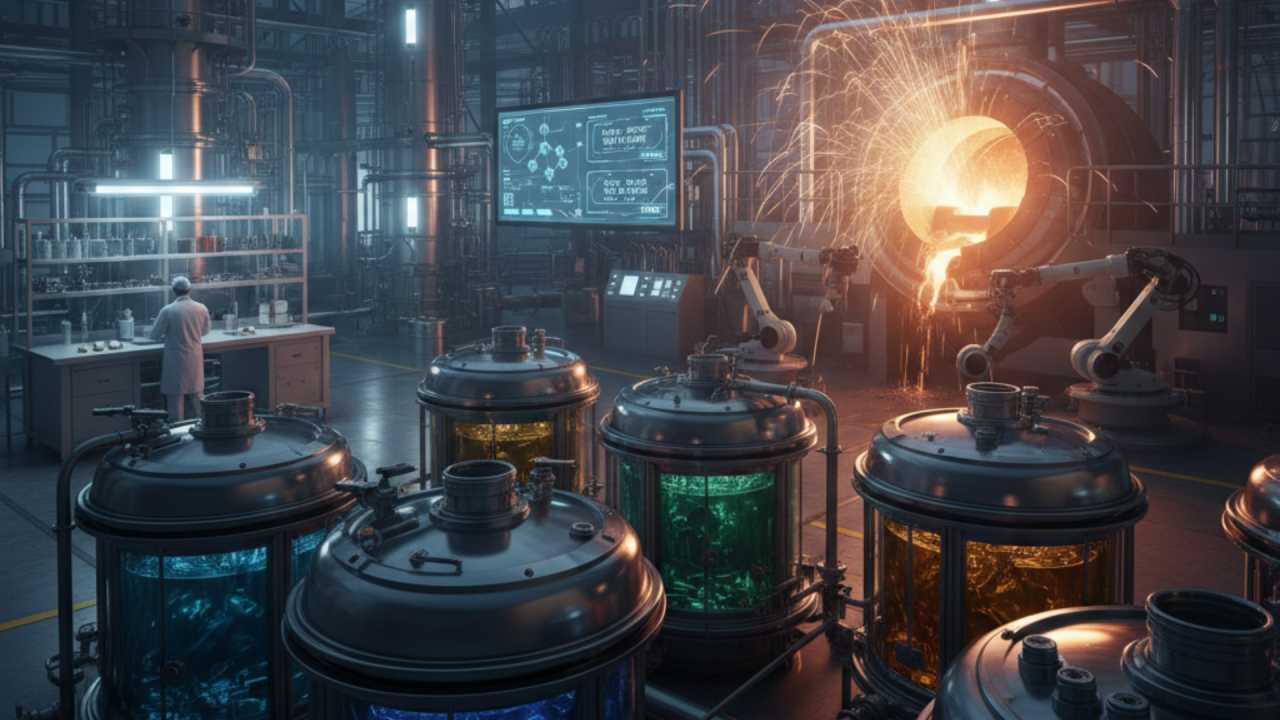
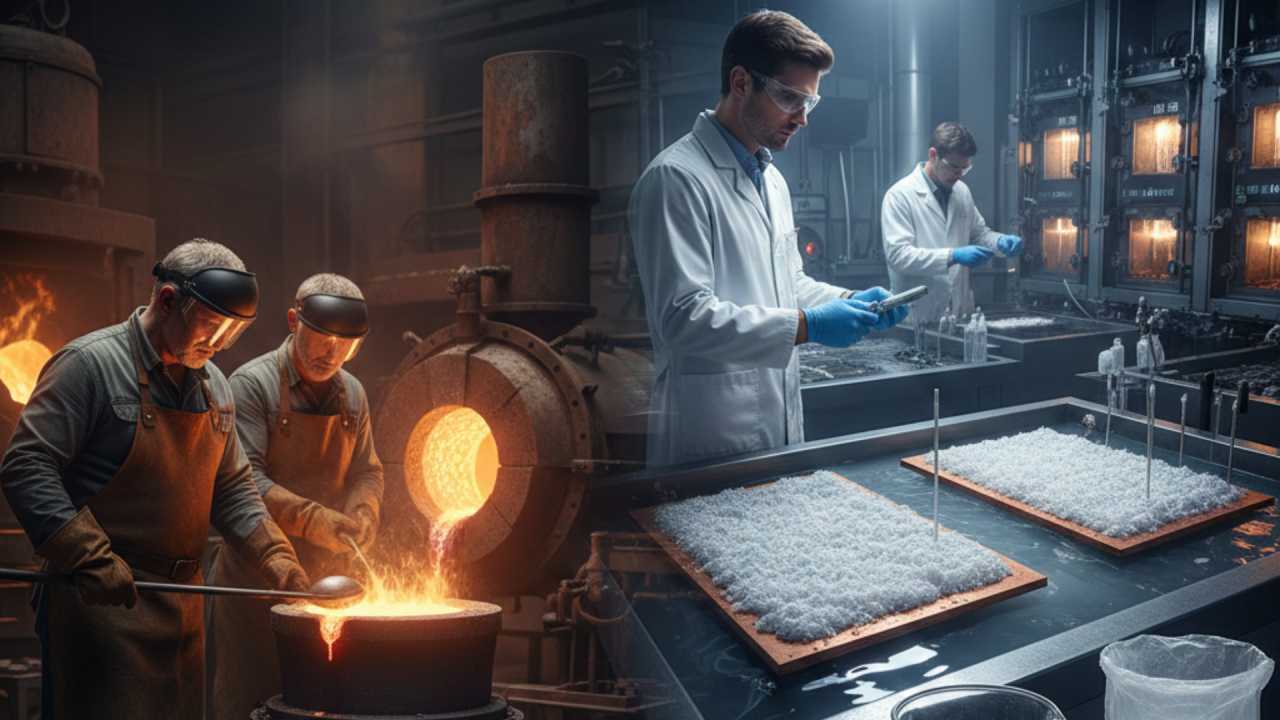
Gold refining is an industry built on the foundation of precision. Whether you are processing scrap jewelry, industrial e-waste, mining by-products, or high-purity bullion, the efficiency of your operation is dictated by the tools you use. In an era where gold prices remain volatile and environmental regulations are tightening globally, the margin for error has never been thinner. Gold refining equipment is not merely a set of tools; it is the heartbeat of your business. Its quality directly influences gold purity, recovery rates, worker safety, regulatory compliance, and, ultimately, your bottom line.
A common pitfall for many refining operations is the “run it until it breaks” mentality. Refiners often view equipment as a sunk cost rather than a dynamic asset. They continue to use outdated or undersized machinery, unaware that they are losing significant amounts of money through microscopic inefficiencies. These losses manifest in “lost” gold trapped in slag, excessive chemical use, and slow processing times that prevent the business from scaling.
Many refiners are losing money without even realizing it. They attribute lower yields to “bad batches” or rising costs to “market inflation,” when the reality is that their equipment is simply no longer fit for purpose. This article explores seven definitive signs that your gold refining equipment is holding you back and why upgrading is a strategic necessity for long-term profitability.
Sign #1: Declining Gold Recovery Rates
The most critical metric in any gold refining operation is the recovery rate. This refers to the percentage of gold successfully extracted from the raw input material compared to the theoretical amount available. In a perfect system, your recovery rate should be as close to 100% as chemically possible. However, as equipment ages or technology becomes obsolete, that percentage begins to slip.
How Older Equipment Causes Losses
Older refining setups often suffer from technical limitations that lead to gold being left behind. Incomplete dissolution is a primary culprit. If your reaction vessels cannot maintain the precise temperatures or agitation levels required for aqua regia or other leaching processes, a portion of the gold remains undissolved in the residue.
Furthermore, poor filtration systems in outdated units can lead to “mechanical loss.” If filters are inefficient or prone to clogging, gold-bearing solutions may be trapped in the filter cake or lost during the cleaning process. Similarly, inefficient precipitation—often caused by lack of proper pH control or poor mixing—results in gold remaining in the “barren” solution, which is then discarded as waste.
Warning Signs and Hidden Costs
The warning signs are often subtle at first. You might notice a slightly lower yield from a batch of scrap jewelry that you’ve processed successfully for years. Or perhaps your assay of the residues and slags shows a higher concentration of gold than it used to. These aren’t just technical hiccups; they are direct hits to your profit margins.
The hidden costs of low recovery rates are staggering. Over a year, a 1% loss in recovery for a medium-sized refiner can equate to tens of thousands of dollars in lost revenue. Additionally, trying to recover this “lost” gold often requires reprocessing the tailings, which doubles your labor, chemical, and energy costs.
The Modern Advantage
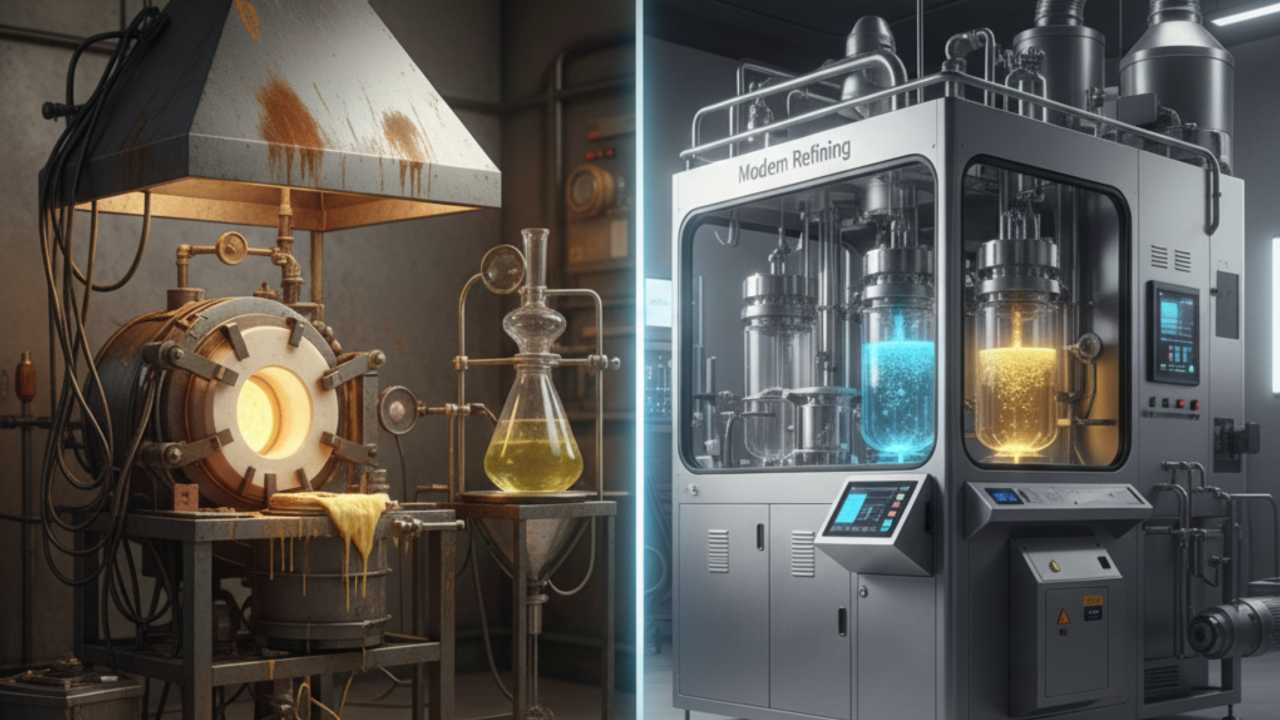
Modern refining equipment addresses these issues through better reaction control. Automated dosing systems ensure that chemicals are added at the exact moment and in the precise volume needed to maximize dissolution. Advanced filtration and separation technologies, such as vacuum-assisted systems and high-precision centrifuges, ensure that every drop of gold-bearing liquid is captured, leaving nothing but clean waste behind.
Sign #2: Inconsistent Gold Purity and Quality
In the gold market, reputation is everything. Whether you are selling to banks, jewelry manufacturers, or international bullion markets, your product must meet strict purity standards, often 99.9% (three nines) or 99.99% (four nines). If your equipment cannot consistently produce these results, your business is in jeopardy.
The Risks of Inconsistency
Inconsistent purity creates a ripple effect of problems. For jewelry manufacturers, even minor impurities can change the working properties of the gold, leading to brittle alloys or discoloration. For exporters, failing an assay at a delivery point can result in rejected batches, heavy penalties, and a tarnished reputation that can take years to repair.
Why Old Equipment Fails the Purity Test
Outdated equipment often lacks the precision controls necessary for high-purity refining. Temperature fluctuations during the melting or precipitation phases can lead to the co-precipitation of base metals like copper, silver, or iron. Furthermore, older, open-air systems are highly susceptible to environmental contamination. Dust, debris, or cross-contamination from previous batches can easily enter the system.
Symptoms of this problem include variable assay results from the same input material or the need to “double-refine” batches to reach the desired purity. Re-refining is an expensive admission of equipment failure, as it consumes twice the resources for the same amount of sellable product.
Precision Through Modern Solutions
Upgrading to modern, enclosed refining systems eliminates many of these variables. Advanced monitoring tools allow refiners to track temperature, pH levels, and chemical concentrations in real-time. Enclosed systems protect the gold from external contaminants, while precision heating elements ensure that the chemical reactions occur under optimal conditions. This level of control ensures that every batch meets the required specifications, eliminating the need for costly reprocessing.
Sign #3: Rising Operating and Maintenance Costs
There is a point in the lifecycle of any machinery where the cost of keeping it running exceeds the value it provides. If you find yourself spending more time and money on repairs than on actual refining, you have reached the tipping point.
The Breakdown Cycle
Older equipment is prone to frequent breakdowns. In a chemical-heavy environment like gold refining, acid fumes and heat accelerate the wear and tear on components. Finding replacement parts for discontinued models becomes a scavenger hunt, often leading to long periods of downtime where no gold is being processed, but overhead costs continue to pile up.
Labor costs are another factor. Outdated systems are often manual, requiring constant supervision and physical handling. This means you need more staff to manage the same volume of gold that a modern, automated system could handle with a single operator.
Resource Inefficiency
Excess chemical consumption is a major hidden expense of old equipment. Without automated dosing, operators tend to “over-acidify” batches to ensure dissolution, leading to wasted chemicals and higher costs for waste neutralization. Similarly, older furnaces and boilers are notoriously energy-inefficient, consuming far more electricity or gas than modern induction-based or high-efficiency systems.
ROI: New vs. Old
When calculating the cost of a new system, refiners must look beyond the initial price tag. Compare the annual maintenance budget, chemical waste, and energy bills of your current setup against a modern system. In many cases, the savings in chemicals and energy alone can pay for the new equipment within 18 to 24 months.
Sign #4: Safety Risks and Regulatory Non-Compliance
Gold refining involves hazardous chemicals, including nitric acid, hydrochloric acid, and cyanide, as well as extreme heat. In the past, “basement” setups or poorly ventilated shops were common, but the industry has moved toward much higher safety and environmental standards.
Safety Hazards
Outdated equipment often lacks integrated safety features. Common hazards include:
-
Acid Fumes: Poorly sealed tanks and inadequate ventilation lead to the release of toxic NOx fumes, which are harmful to workers and the environment.
-
Chemical Spills: Old, brittle plastic or corroded metal tanks are prone to leaks.
-
Manual Handling: Requiring workers to manually pour acids or move heavy, hot crucibles increases the risk of catastrophic accidents.
Regulatory Pressure
Environmental agencies worldwide are cracking down on the discharge of untreated waste and toxic emissions. If your refining equipment does not include modern fume scrubbers or effluent treatment systems, you are at risk of heavy fines, legal action, or the permanent revocation of your operating license. Compliance is no longer optional; it is a prerequisite for staying in business.
The Safety Upgrade
Modern refining systems are designed with a “safety-first” architecture. Closed-loop systems ensure that fumes are captured and neutralized before they ever reach the atmosphere. Automated chemical delivery systems remove the need for manual handling, and integrated sensors can automatically shut down the system if a leak or overheating is detected. By upgrading, you aren’t just buying a machine; you are buying insurance against accidents and legal liabilities.
Sign #5: Limited Production Capacity and Scalability
A successful refining business is one that can grow with the market. However, many refiners find themselves hitting a “glass ceiling” where they simply cannot process gold fast enough to meet demand. This is often a sign that your equipment is undersized or that your process flow is inefficient.
Identifying Bottlenecks
Signs of limited capacity include long processing times and significant backlogs. If your precipitation tanks are full and your filtration unit is still working on yesterday’s batch, you have a bottleneck. Overloading old equipment to compensate for these delays is dangerous; it leads to equipment failure, safety risks, and poor recovery rates.
The Cost of Missed Opportunities
In the gold industry, speed is a competitive advantage. If a client needs five kilograms of gold refined by the end of the week and your equipment can only handle two, they will take their business elsewhere. Furthermore, the inability to handle larger volumes prevents you from bidding on high-value contracts from mines or large-scale industrial recyclers.
Scalability Through Modern Design
Upgraded equipment is often modular, meaning you can add capacity as your business grows. Modern systems also offer much higher throughput. For example, replacing a gravity-fed filtration system with a vacuum-pressure filter can reduce processing time from hours to minutes. This increased speed allows for a faster turnaround, improved cash flow, and the ability to say “yes” to larger clients.
Sign #6: Difficulty Processing New or Complex Materials
The sources of gold are changing. While traditional scrap jewelry is still a staple, there is a growing market for gold recovered from e-waste (circuit boards, connectors), complex dental alloys, and low-grade mining concentrates. These materials often contain a cocktail of base metals and contaminants that older refining systems were never designed to handle.
The Complexity Problem
Older equipment was often optimized for relatively clean gold alloys. When faced with e-waste, which may contain high levels of copper, nickel, lead, and plastics, these systems struggle. Common problems include poor dissolution of the gold due to the presence of passivating metals, and difficulty in separating gold from complex chemical mixtures.
If you find that your “barren” solutions still contain high amounts of gold when processing complex feeds, or if your final product is contaminated with rare earth metals, your current technology has reached its limit.
Adapting to the Market
The future of refining lies in flexibility. Modern refining technology allows for multi-material compatibility. Advanced process configurations can be adjusted based on the specific chemistry of the input material. For example, specialized electrolytic cells or advanced ion-exchange resins can selectively target gold in complex solutions that would baffle a traditional aqua regia setup. Upgrading allows you to diversify your business and tap into the lucrative e-waste and industrial recycling markets.
Sign #7: Falling Behind Competitors Using Modern Technology
The global gold refining industry is becoming increasingly automated and data-driven. If your competitors are using modern technology and you are not, you are operating at a significant disadvantage.
The Competitive Edge
Technology is no longer a luxury; it is a strategic weapon. Competitors with modern equipment can offer:
-
Lower Fees: Their lower operating costs allow them to undercut your pricing while maintaining higher margins.
-
Faster Turnaround: They can return refined gold to the client in 24-48 hours, whereas manual processes might take a week.
-
Higher Purity Guarantees: Their automated systems provide a level of consistency that manual shops cannot match.
The Risk of Stagnation
Staying with outdated equipment sends a signal to the market that your operation is behind the times. In an industry where trust and precision are paramount, clients will naturally gravitate toward refiners who invest in the best technology. As market trust shifts, you may find it harder to secure high-volume contracts or maintain relationships with premium buyers.
Upgrading is not just about the machinery; it is a statement about your commitment to excellence. It positions your business as a leader rather than a follower, ensuring that you remain relevant in a rapidly evolving marketplace.
How to Evaluate When and What to Upgrade
Deciding to upgrade is a major business decision that requires a clear-eyed assessment of your current state. You should begin by asking several critical questions:
-
What are my current losses? Conduct a thorough audit of your recovery rates and compare them to industry benchmarks.
-
Where are the bottlenecks? Identify which specific stage of your process—dissolution, filtration, precipitation, or melting—is slowing everything down.
-
What regulations apply? Check your local and national environmental and safety laws to ensure your current setup isn’t a legal liability.
Partial vs. Full Upgrades
You don’t always have to replace your entire refinery at once. In some cases, upgrading a specific component—such as moving from a manual furnace to an induction melting system or adding a high-efficiency fume scrubber—can provide an immediate boost to efficiency and safety. However, if your core reaction vessels and filtration systems are failing, a full system replacement is often the more cost-effective long-term solution.
Choosing the Right Partner
When upgrading, the vendor you choose is as important as the equipment itself. Look for companies with deep expertise in precious metals refining, not just general chemical engineering. Demand custom solutions tailored to your specific input materials and volume requirements. Finally, ensure they provide robust after-sales support, including training for your staff and a reliable supply of replacement parts.
Final Thoughts: Turning Signs into Opportunity
Ignoring the signs that your equipment is failing is a recipe for long-term decline. Outdated machinery costs you money every single day through lost gold, wasted chemicals, and excessive labor. It limits your ability to grow, exposes you to safety and regulatory risks, and allows your competitors to pull ahead.
Proactive evaluation is the key to longevity in the refining industry. By recognizing these seven signs early, you can turn a potential crisis into an opportunity for growth. Upgrading your gold refining equipment should not be viewed as a painful expense, but as a high-return investment in the future of your business.
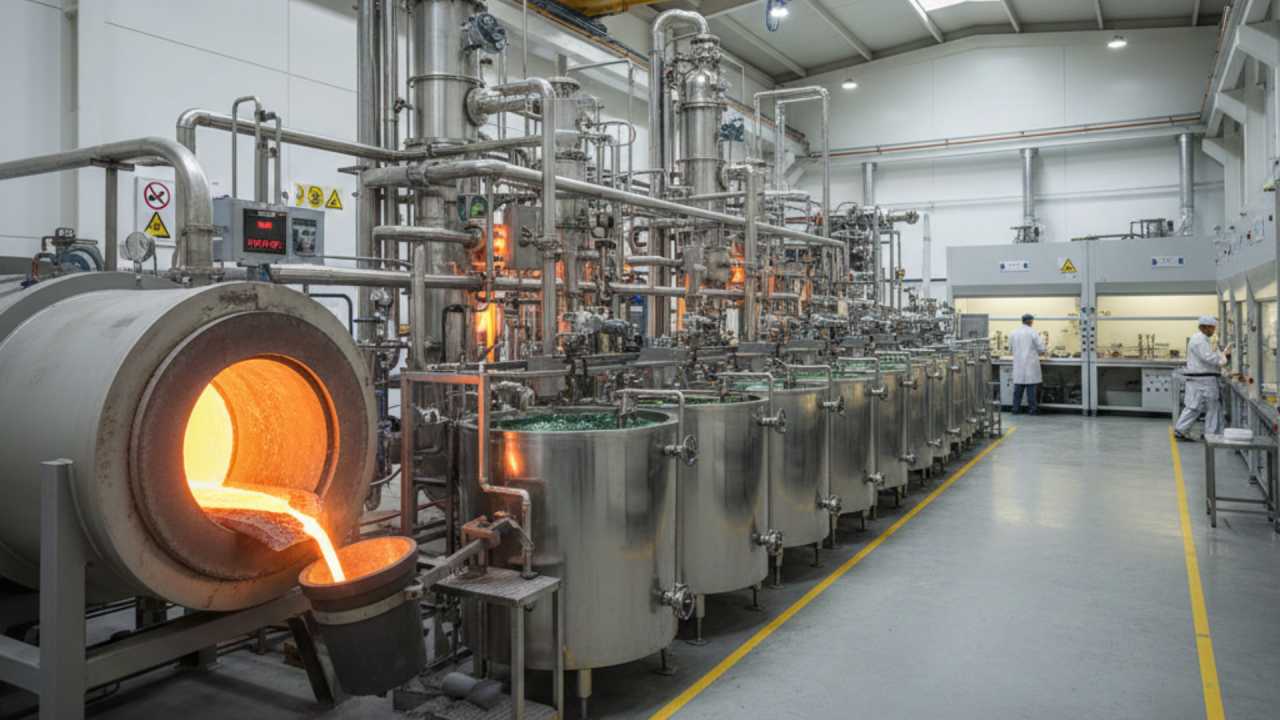
A modern refinery is more profitable, safer, and more efficient. It allows you to process a wider range of materials, meet the highest purity standards, and scale your operations to meet any market demand. If you recognize even two or three of the signs mentioned in this article, now is the time to consult with an equipment expert and begin the transition to a more modern, productive, and profitable operation.