
What to Look for in a Gold Refining Machine: A Buyer’s Checklist
The allure of gold, whether for its aesthetic appeal, industrial applications, or investment value, ensures a constant demand. From intricate jewelry pieces to essential electronic components and the raw output of mining operations, gold plays a pivotal role in numerous industries. However, the gold extracted from the earth or recovered from various sources is rarely in its purest form. This is where gold refining comes into play – a critical process that separates gold from other metals and impurities, yielding a product of high purity.
Choosing the right gold refining machine is not merely a purchase; it’s a strategic investment that directly impacts the efficiency, profitability, and safety of your operation. A well-selected machine can significantly enhance recovery rates, reduce operational costs, and ensure compliance with environmental and safety standards. Conversely, a poor choice can lead to inefficiencies, higher waste, safety hazards, and financial losses. This comprehensive guide will delve into the essential factors to consider when purchasing a gold refining machine, offering a detailed buyer’s checklist to ensure you make an informed decision.
1. Understanding Gold Refining: Basics and Methods
Gold refining is the process of purifying gold to a higher degree by removing other metals and impurities. This purification is crucial for various reasons:
- Jewelry: High purity gold ensures durability, luster, and hypoallergenic properties.
- Electronics: Pure gold offers superior conductivity and corrosion resistance.
- Investment: The value of gold is directly tied to its purity.
- Recycling: Recovering gold from scrap materials reduces waste and conserves resources.
Several methods are employed for gold refining, each with its advantages and limitations:
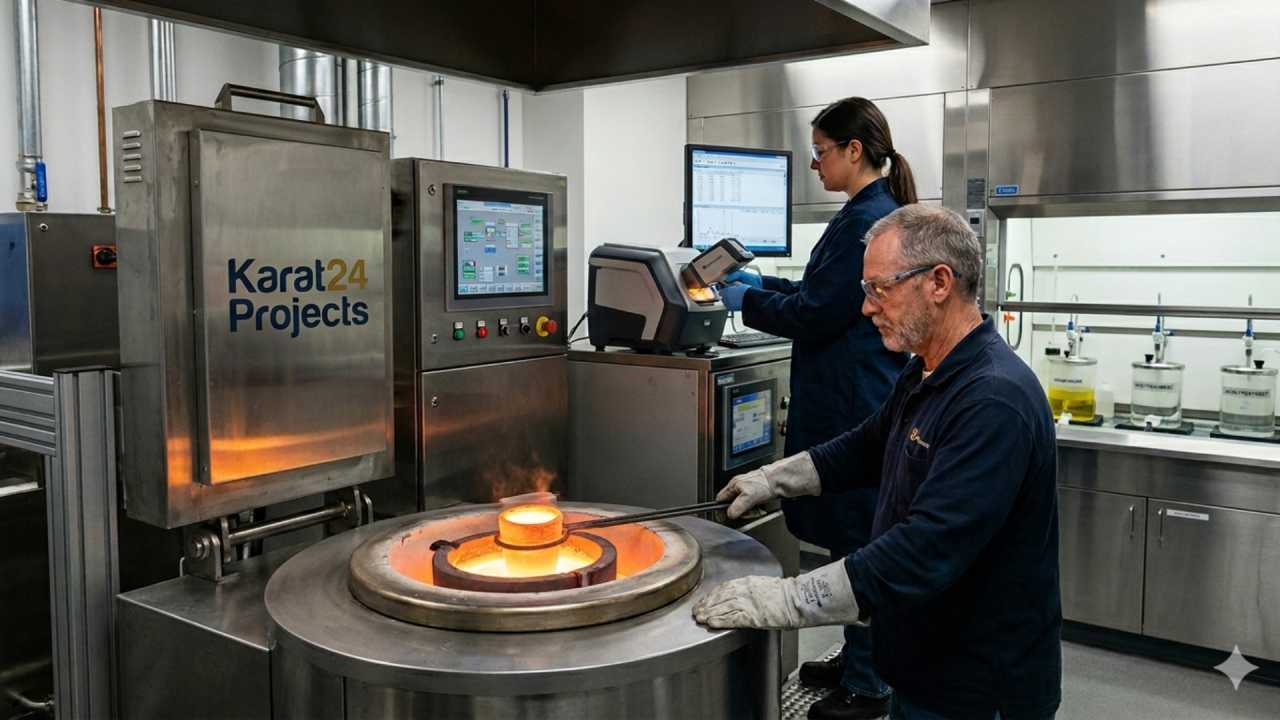
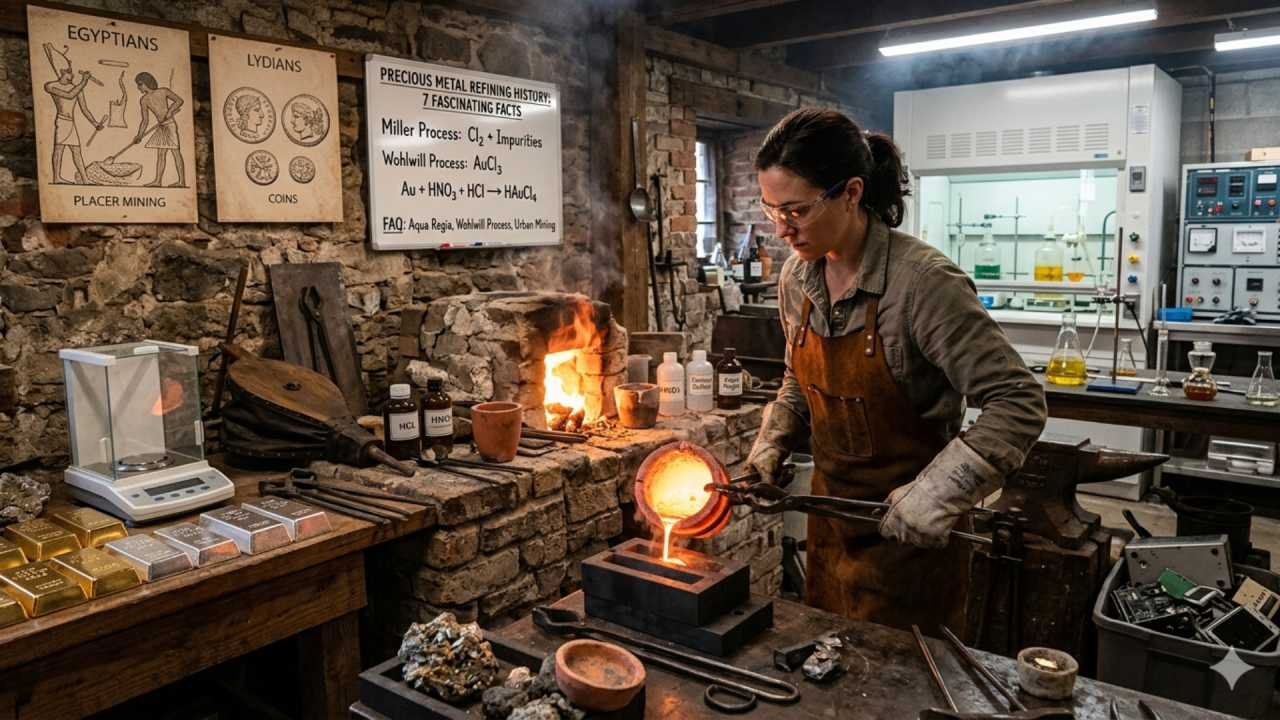
- Chemical Refining (Aqua Regia Method): This is one of the most common methods. Gold is dissolved in aqua regia (a mixture of nitric acid and hydrochloric acid), leaving impurities behind. Gold is then precipitated out of the solution. This method is effective for various gold-bearing materials but requires careful handling of corrosive acids and management of fumes.
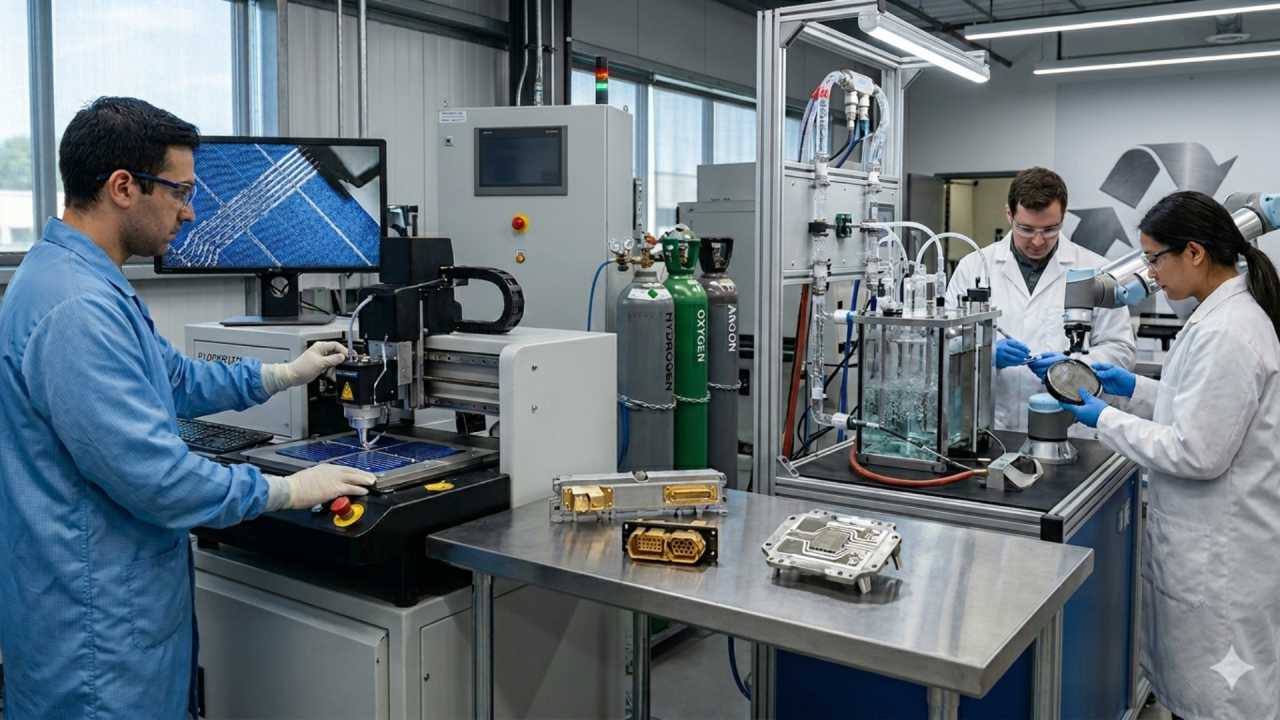
- Electrolytic Refining (Wohlwill Process): This highly effective method uses an electrolytic cell where impure gold acts as the anode and pure gold as the cathode. As current passes through the electrolyte (typically gold chloride solution), pure gold is deposited onto the cathode. This method yields very high purity gold (up to 99.999%) and is suitable for larger-scale operations.
- Fire Assay: While primarily an analytical method used to determine the exact gold content in an ore or alloy, it can also be used as a preliminary refining step. It involves melting the gold-bearing material with fluxes to separate gold from base metals.
- Inquartation: This pre-refining step involves adding silver to the gold-bearing alloy to reduce the gold concentration, making it easier to dissolve the base metals in nitric acid.
- Miller Process: This method uses chlorine gas to remove base metals and silver from molten gold, producing gold of approximately 99.5% purity.
The choice of refining method, and consequently the machine, often depends on the scale of operation. Small-scale refiners might opt for chemical methods due to lower initial investment, while industrial-scale operations typically prefer electrolytic processes for their higher purity yields and throughput.
2. Machine Capacity and Throughput
One of the first and most critical considerations is the machine’s capacity and throughput. This refers to:
- Batch Capacity: How much gold-bearing material the machine can process in a single cycle or batch. This can range from a few grams for small-scale desktop units to several kilograms or even tons for industrial systems.
- Daily/Weekly/Monthly Throughput: The total amount of material the machine can process over a given period. This is influenced by batch capacity, cycle time, and the number of batches that can be run in a day.
Matching Capacity to Your Operation’s Scale:
- Small-Scale Operations (e.g., jewelers, small e-waste recyclers): A machine with a capacity of a few hundred grams to a few kilograms per batch might suffice. Over-investing in a large machine will lead to unnecessary capital expenditure and underutilization.
- Medium-Scale Operations (e.g., mid-sized scrap buyers, regional refiners): Look for machines capable of processing several kilograms to tens of kilograms per batch, with a corresponding daily throughput of tens to hundreds of kilograms.
- Industrial-Scale Operations (e.g., major mining companies, large-scale recyclers): These operations require machines with capacities ranging from hundreds of kilograms to multiple tons per batch, designed for continuous operation and high daily throughput.
Accurately assessing your current and projected processing volume is crucial to avoid bottlenecks or wasteful investments. Consider potential growth in your business when determining the ideal capacity.
3. Purity Levels and Efficiency
The ultimate goal of gold refining is to achieve high purity. The machine’s ability to consistently produce gold at the desired purity level is paramount.
- Purity Percentage: Most refining machines aim for 99.5% to 99.9% purity. For specialized applications like investment bars or high-tech electronics, 99.99% or even 99.999% purity (known as “five nines” gold) might be required, typically achieved through electrolytic refining.
- Efficiency in Terms of Yield: This refers to the percentage of gold recovered from the input material. A highly efficient machine minimizes gold loss during the refining process, directly impacting your profitability. Recovery rates should ideally be 98% or higher, depending on the input material and method.
- Efficiency in Terms of Time: How quickly can the machine complete a refining cycle? Faster cycle times contribute to higher throughput.
When evaluating machines, inquire about guaranteed purity levels and typical recovery rates. Request data from the manufacturer or, if possible, observe the machine in operation or request samples of refined gold. High efficiency means less gold left behind in residues or waste, maximizing your return.
4. Type of Input Materials Supported
Gold refining machines are designed to handle specific types of gold-bearing materials. It’s vital to ensure the machine you choose can effectively process your primary input.
-
Common Input Materials:
- Gold Dust and Nuggets: Directly from mining operations.
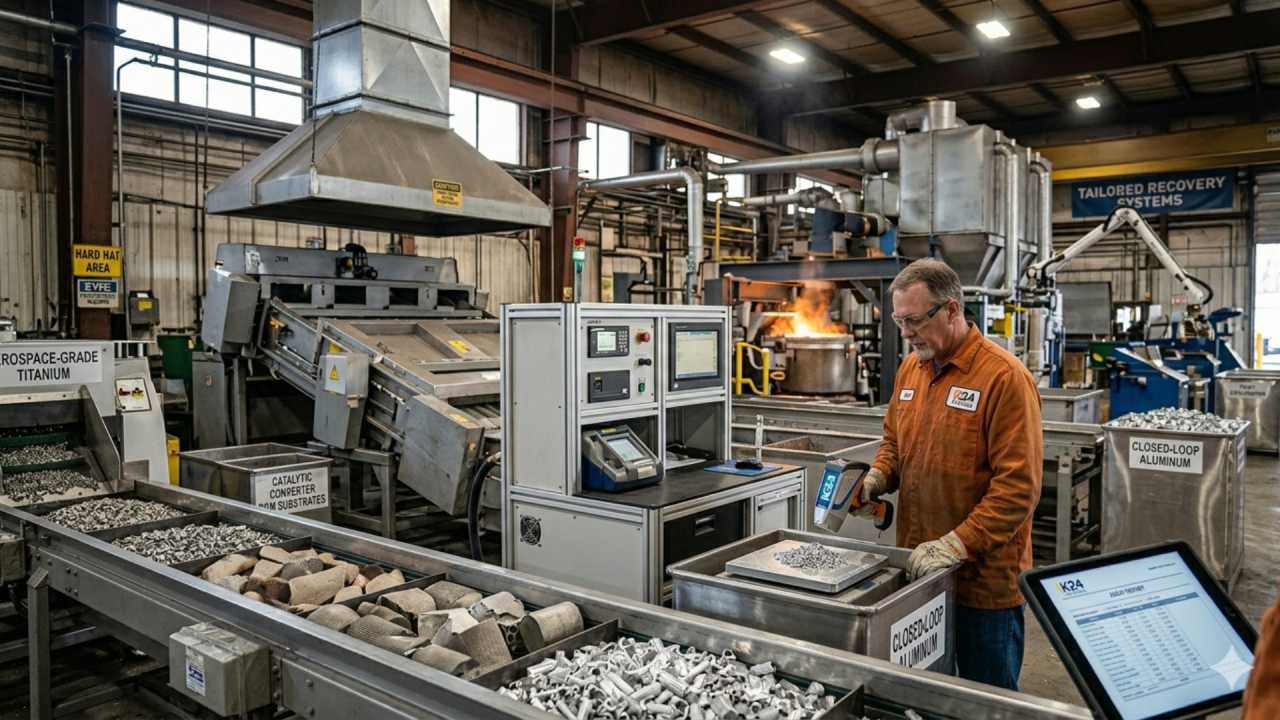
- Gold Scrap: Jewelry scrap, dental gold, old coins, watch cases, etc.
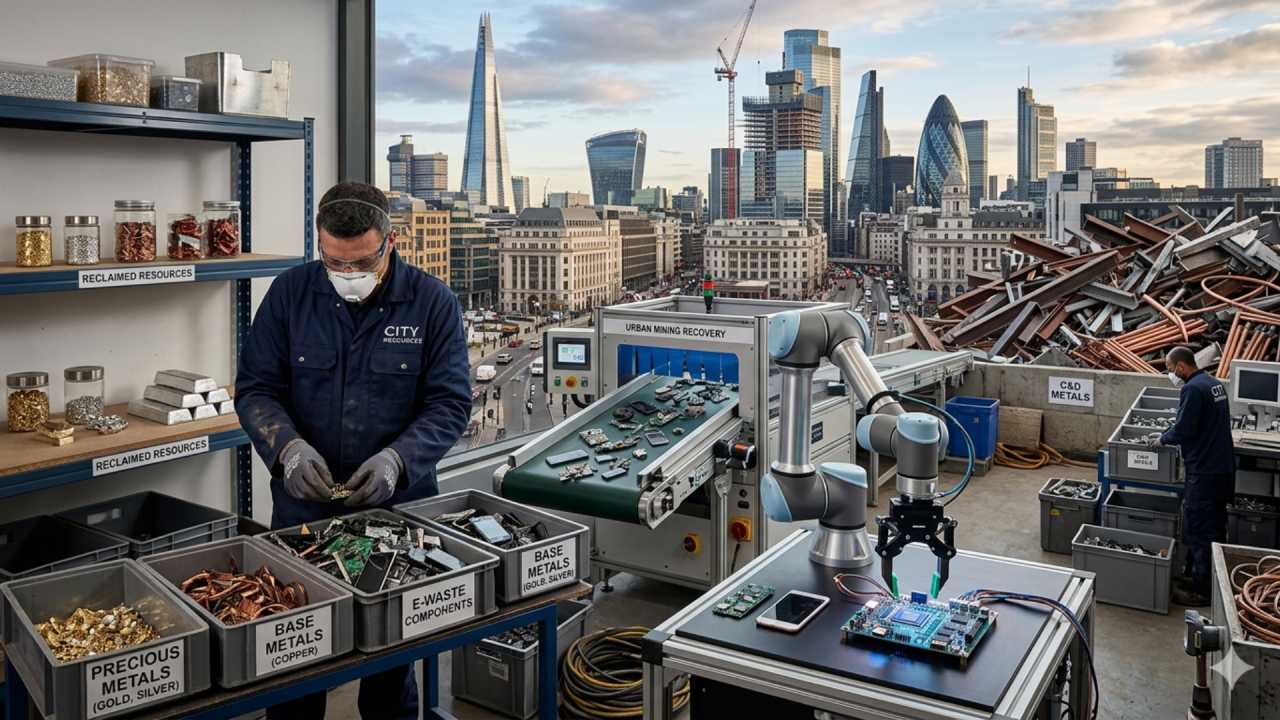
- E-waste (Electronic Waste): Circuit boards, connectors, CPUs, etc., which contain small but significant amounts of gold.
- Gold Alloys: Mixtures of gold with other metals (e.g., gold and silver, gold and copper).
- Catalytic Converters: Contain platinum group metals, often with some gold.
- Refining Slags and Residues: By-products from other metallurgical processes that may still contain recoverable gold.
-
Versatility in Input Formats: Some machines are highly specialized, while others offer greater versatility. For example, a machine designed for pure gold scrap might struggle with heavily contaminated e-waste without significant pre-processing.
-
Pre-processing Needs: Understand what pre-processing steps are required for your chosen machine. This could include crushing, grinding, magnetic separation, incineration (for e-waste), or pre-melting. These steps add to the overall cost and time of the refining process.
If your operation deals with a diverse range of input materials, look for a machine or a system that offers flexibility or can be easily integrated with pre-processing units.
5. Safety Features and Compliance
Working with chemicals, high temperatures, and precious metals necessitates stringent safety measures. A robust gold refining machine will prioritize operator safety and environmental protection.
- Fume Extraction Systems: Chemical refining methods produce noxious fumes (e.g., nitrogen oxides from nitric acid). Effective fume hoods, scrubbers, and ventilation systems are crucial to protect operators from inhaling hazardous gases.
- Chemical Handling Safety: Features like spill containment, resistant materials for chemical contact, automatic chemical dosing, and secure storage solutions are vital.
- Explosion Protection: For processes involving hydrogen generation or flammable gases, explosion-proof components and proper ventilation are essential.
- Emergency Shut-off Mechanisms: Clearly marked and easily accessible emergency stops are a must.
- Interlocks and Guards: To prevent accidental exposure to moving parts, high temperatures, or chemical splashes.
Environmental and Health Regulations:
- OSHA (Occupational Safety and Health Administration) / Local Equivalent: Ensure the machine complies with workplace safety standards regarding chemical exposure, electrical safety, and general machinery operation.
- EPA (Environmental Protection Agency) / Local Equivalent: Adherence to regulations concerning wastewater discharge, air emissions, and hazardous waste disposal is critical. In India, the Central Pollution Control Board (CPCB) and State Pollution Control Boards (SPCBs) set these standards.
- Certifications: Look for recognized certifications like CE marking (for machines sold in the European Economic Area), ISO standards (e.g., ISO 14001 for environmental management, ISO 45001 for occupational health and safety), and any country-specific certifications. These indicate that the machine has met certain safety and quality benchmarks.
Ignoring safety and compliance can lead to severe penalties, environmental damage, and harm to personnel. Always prioritize machines with comprehensive safety features and verifiable compliance.
6. Automation and User-Friendliness
The level of automation in a gold refining machine can significantly impact operational efficiency, labor requirements, and consistency of results.
-
Level of Automation:
- Manual: Requires significant operator intervention for each step (e.g., adding chemicals, monitoring temperatures, decanting). Best for very small-scale operations with experienced personnel.
- Semi-Automatic: Some steps are automated (e.g., temperature control, stirring), but others require manual input. Offers a balance between control and automation.
- Fully Automated: The machine handles most or all steps of the refining process with minimal human intervention once started. Ideal for high-volume operations, ensuring consistency and reducing labor costs.
-
Ease of Use: A user-friendly interface with clear instructions, intuitive controls, and easily readable displays reduces the learning curve and potential for errors.
-
Training Required: Consider the amount of training operators will need. Fully automated systems often require less hands-on training but more understanding of the control software.
-
Interface Design: Look for touchscreens, graphical interfaces, and logical menu structures.
-
Smart Controls and Monitoring: Features like real-time monitoring of process parameters (temperature, pH, flow rates), error detection, alarm systems, and data logging capabilities can significantly improve efficiency and troubleshooting. Some advanced systems offer remote monitoring and diagnostic capabilities.
While fully automated systems come with a higher initial cost, they can offer substantial long-term benefits in terms of reduced labor, consistent output quality, and fewer operational errors.
7. Material Build Quality and Durability
The harsh environment of gold refining, involving corrosive chemicals and high temperatures, demands exceptional build quality and durable materials.
- Construction Materials:
- Stainless Steel (e.g., 304, 316L): Commonly used for external casings, frames, and non-contact parts due to its corrosion resistance. 316L offers superior resistance to pitting corrosion, especially important in acidic environments.
- PTFE (Polytetrafluoroethylene) or PVDF (Polyvinylidene Fluoride) Linings: Essential for components that come into direct contact with highly corrosive acids (like aqua regia) due to their excellent chemical inertness.
- Borosilicate Glass: Used for reaction vessels where visual inspection of the process is desired, as it resists thermal shock and chemical attack.
- High-Temperature Alloys: For heating elements and other parts exposed to extreme heat.
- Resistance to Corrosion and Chemical Wear: The machine’s ability to withstand prolonged exposure to aggressive chemicals without degrading is crucial for its longevity and safety. Look for robust sealing mechanisms and easy-to-clean surfaces.
- Maintenance Requirements: A well-built machine will have fewer breakdowns and simpler maintenance procedures. Inquire about the recommended maintenance schedule and the availability of spare parts.
- Expected Lifespan: A quality machine is a long-term investment. Manufacturers should be able to provide an estimated lifespan for their equipment under normal operating conditions.
Investing in a machine made from high-quality, chemically resistant materials will reduce downtime, extend the machine’s operational life, and ensure consistent performance.
8. Energy Consumption and Environmental Impact
Beyond direct operational costs, the environmental footprint of your refining operation is an increasingly important consideration.
- Power Usage and Cost-Efficiency: Gold refining processes can be energy-intensive, especially those involving heating or electrolysis. Inquire about the machine’s power consumption (kW) and estimated energy costs per batch or per unit of gold refined. Energy-efficient designs can lead to significant long-term savings.
- Waste Generation: All refining processes generate waste. Understand the types and quantities of waste produced (e.g., chemical solutions, sludge, spent filters, wastewater).
- Water Usage: Some methods require substantial amounts of water for rinsing and dilution. Look for machines that minimize water consumption or offer water recycling capabilities.
- Pollution Control:
- Air Emissions: Beyond fume extraction, some machines may have integrated scrubbers or filters to neutralize harmful gases before release into the atmosphere.
- Wastewater Treatment: What provisions are made for treating wastewater to comply with discharge regulations? Some systems may include neutralization tanks or filtration units.
- Hazardous Waste Disposal: Understand the proper procedures and costs associated with disposing of any hazardous by-products.
Choosing an environmentally conscious machine not only demonstrates corporate responsibility but can also lead to long-term cost savings by reducing waste disposal fees and avoiding environmental penalties.
9. Cost and ROI Considerations
The financial aspects of purchasing a gold refining machine are complex, involving both upfront capital expenditure and ongoing operational costs.
- Price Range and Features: Gold refining machines vary widely in price, from a few thousand dollars for small, basic units to hundreds of thousands or even millions for large, fully automated industrial systems. Key factors influencing cost include:
- Capacity and Throughput: Larger machines are more expensive.
- Level of Automation: Automated systems cost more than manual ones.
- Refining Method: Electrolytic systems typically have higher initial costs than simple chemical setups.
- Purity Levels Achieved: Machines designed for higher purity often use more sophisticated and costly components.
- Material Build Quality: Durable, chemically resistant materials increase the price.
- Safety Features and Compliance: Machines with advanced safety and environmental controls tend to be more expensive.
- Brand Reputation and After-Sales Support: Premium brands with excellent support often command higher prices.
- Operational Costs:
- Chemicals: Acids (nitric, hydrochloric), precipitants (e.g., sodium metabisulfite), and other reagents are significant recurring costs.
- Energy: Electricity consumption for heating, pumps, and automation.
- Water: For process and cleaning.
- Labor: Cost of operators, especially for manual or semi-automatic systems.
- Maintenance: Regular servicing, spare parts, and unforeseen repairs.
- Waste Disposal: Costs associated with treating and disposing of hazardous waste.
- ROI (Return on Investment) Calculation:
- For Small Businesses: Calculate the payback period by comparing the cost of the machine and its operational expenses against the value of the gold recovered. For example, if you recover an additional 50 grams of gold per month at $70 per gram ($3500) and the machine costs $15,000 with $500 monthly operational costs, your net gain is $3000/month. The payback period would be 5 months.
- For Medium Businesses: Consider the increased throughput, reduced labor costs due to automation, and higher purity leading to better selling prices. A more complex ROI calculation might include factors like enhanced market reputation for producing high-purity gold.
A thorough cost-benefit analysis is essential. Don’t just look at the purchase price; consider the total cost of ownership over the machine’s lifespan and its potential to generate revenue.
10. Support, Warranty, and Manufacturer Reputation
The relationship with the manufacturer extends far beyond the initial purchase. Robust after-sales support and a reputable manufacturer are invaluable.
- After-Sales Service and Support:
- Technical Support: Availability of skilled technicians for troubleshooting, maintenance, and operational guidance. Is support available remotely or on-site? What are the response times?
- Spare Parts Availability: Crucial for minimizing downtime. Are spare parts readily available, or do they have long lead times?
- Training: Does the manufacturer offer training programs for your operators on how to use and maintain the machine safely and efficiently?
- Length and Coverage of Warranty: A comprehensive warranty indicates the manufacturer’s confidence in their product. Understand what components and issues are covered, and for how long. A longer warranty period provides greater peace of mind.
- Manufacturer Reputation:
- Reviews and Testimonials: Look for feedback from existing customers regarding product quality, reliability, and support.
- Industry Presence: How long has the manufacturer been in business? Do they specialize in refining equipment?
- Track Record: Inquire about their history of innovation, customer satisfaction, and problem resolution.
- Case Studies: Some manufacturers provide case studies demonstrating the success of their machines in various settings.
A reputable manufacturer provides not just a machine, but a partnership, ensuring you have the necessary support to maximize your investment.
11. Comparison Checklist
To simplify your decision-making process, here’s a summarized buyer’s checklist to compare different gold refining machine models:
| Criteria | Model A | Model B | Model C | Notes / Considerations |
| Refining Method(s) | Aqua Regia, Electrolytic, etc. Does it suit your needs? | |||
| Batch Capacity | e.g., 500g, 5kg, 50kg. Match to your processing volume. | |||
| Daily Throughput | e.g., 2kg/day, 10kg/day. Important for scaling operations. | |||
| Achievable Purity | e.g., 99.9%, 99.99%. Does it meet market requirements? | |||
| Gold Recovery Rate (%) | Higher is better (e.g., >98%). Minimizes loss. | |||
| Input Material Versatility | Can handle dust, scrap, e-waste, alloys, etc.? Consider pre-processing needs. | |||
| Fume Extraction | Integrated scrubber, external system required? Critical for safety. | |||
| Safety Certifications | CE, ISO, local regulations. Verifies compliance. | |||
| Level of Automation | Manual, Semi-Auto, Fully Auto. Impacts labor needs and consistency. | |||
| User-Friendliness | Intuitive interface, training required. | |||
| Material Build (Corrosion) | Stainless steel, PTFE/PVDF lining? Crucial for durability. | |||
| Energy Consumption (kW/h) | Lower is better for operational costs. | |||
| Waste Management | Wastewater treatment, hazardous waste considerations. Environmental compliance. | |||
| Purchase Price | Initial investment. | |||
| Estimated ROI / Payback | Financial justification for the investment. | |||
| Warranty Length & Coverage | e.g., 1 year parts, 2 years labor. | |||
| Technical Support | Remote, on-site, response time. | |||
| Spare Parts Availability | Crucial for minimizing downtime. | |||
| Manufacturer Reputation | Reviews, industry standing, reliability. |
Final Thoughts
Investing in a gold refining machine is a significant decision that can profoundly impact your business’s success. By carefully evaluating factors such as capacity, purity, safety, automation, durability, cost, and after-sales support, you can select a machine that not only meets your current needs but also supports your future growth. Remember that the cheapest option is rarely the best in the long run. Prioritize quality, efficiency, and safety, and conduct a thorough cost-benefit analysis. A well-chosen gold refining machine is an investment in higher purity, greater efficiency, and a more profitable and sustainable operation. Make an informed choice, and watch your gold refining endeavors shine.