
Maintenance Tips for Long-Lasting Gold Refining Machines
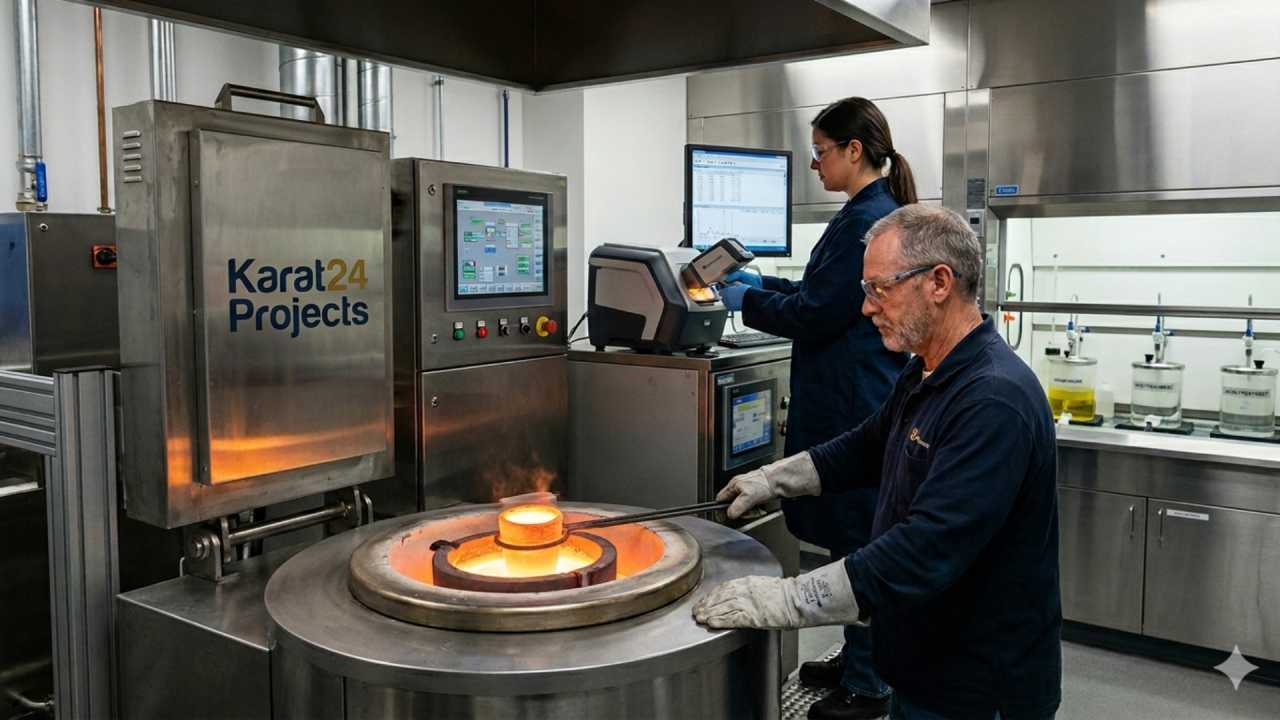
Gold refining is a critical process in the precious metals industry, transforming raw materials into high-purity gold suitable for various applications, from jewelry to electronics. At the heart of this transformation are sophisticated gold refining machines, engineered to withstand extreme conditions and handle corrosive chemicals. The longevity and consistent performance of these machines are paramount for profitability and operational efficiency. Neglecting their upkeep can lead to costly breakdowns, compromised product quality, and significant safety hazards. This article delves into comprehensive maintenance strategies designed to ensure your gold refining machines operate at peak efficiency for years to come, safeguarding your investment and optimizing your refining operations.
Understanding Gold Refining Machines
Gold refining machines are diverse, each employing specific methodologies to achieve high purity. Understanding the different types and their core components is fundamental to effective maintenance.
Types of Gold Refining Machines:
- Electrolytic Refining (Wohwill Process): This method uses an electrolytic cell where impure gold acts as the anode, pure gold as the cathode, and a gold chloride solution as the electrolyte. An electric current causes gold to dissolve from the anode and deposit onto the cathode as high-purity gold.
- Aqua Regia Refining: A classical method involving the dissolution of gold in aqua regia (a mixture of nitric acid and hydrochloric acid), followed by selective precipitation of pure gold.
- Induction-Based Refining: These systems utilize induction heating to melt gold, often in conjunction with other refining processes like borax or soda ash fluxing to remove impurities.
- Miller Process: A pyrometallurgical method where chlorine gas is bubbled through molten gold, reacting with base metals to form chlorides that float to the surface as slag.
Key Components and Systems:
Despite their differing methodologies, most gold refining machines share common critical components:
- Heating Elements: Crucial for melting gold or maintaining reaction temperatures (e.g., induction coils, electric heaters).
- Electrodes: In electrolytic systems, these facilitate the transfer of ions and play a direct role in the refining process.
- Filters: Essential for removing solid impurities from solutions or gases, preventing contamination and protecting downstream equipment.
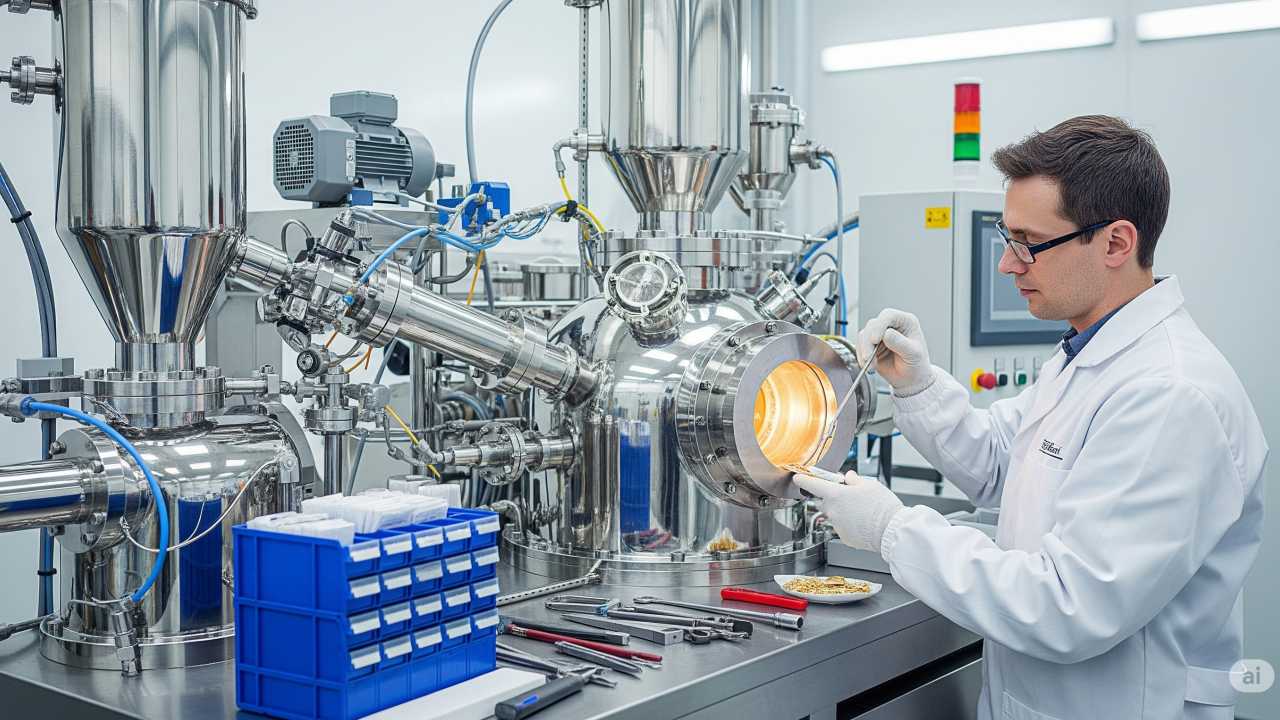
- Control Panels: The brain of the machine, housing PLCs, sensors, and operational controls that manage temperature, current, pressure, and other parameters.
- Pumps and Piping: Used for circulating solutions, chemicals, and cooling water.
- Fume Extraction Systems: Vital for safely removing hazardous fumes generated during refining.
- Crucibles and Tanks: Vessels designed to withstand high temperatures and corrosive chemicals where the refining reactions occur.
Common Materials Processed and Their Impact on Wear and Tear:
Gold refining machines process various forms of gold, from scrap jewelry and dental alloys to dore bars and electronic waste. The presence of impurities such as copper, silver, nickel, and iron, along with the use of highly corrosive chemicals like nitric acid, hydrochloric acid, and cyanide (in some older or specific processes), significantly impacts machine wear and tear. These materials can lead to corrosion of internal components, erosion of linings, and clogging of filters, necessitating robust maintenance practices.
Importance of Regular Maintenance
Regular maintenance is not merely an operational chore; it’s a strategic imperative for any business involved in gold refining. Its importance resonates across various aspects of an operation, delivering both immediate and long-term benefits while mitigating significant risks.
Why Maintenance is Essential:
- Cost-Saving: Proactive maintenance prevents minor issues from escalating into major, expensive repairs or complete system failures. Replacing a small, worn part is significantly cheaper than replacing an entire damaged system. It also minimizes downtime, which directly translates to lost production and revenue.
- Safety: Gold refining processes involve high temperatures, corrosive chemicals, and sometimes hazardous fumes. Well-maintained equipment reduces the risk of leaks, explosions, and exposure to dangerous substances, ensuring a safer working environment for personnel.
- Production Quality: Consistent machine performance directly correlates with the purity and quality of the refined gold. Malfunctioning components can introduce impurities or lead to incomplete refining, impacting the value of the final product.
- Extended Equipment Lifespan: Just like a car, a gold refining machine has a finite lifespan, but proper care can significantly extend it, delaying the need for costly capital expenditure on new equipment.
- Compliance: Many industries have regulations regarding safety and environmental protection. Regular maintenance ensures that equipment operates within specified parameters, aiding compliance with relevant standards and avoiding penalties.
Short-term vs. Long-term Benefits:
In the short term, regular maintenance minimizes unexpected breakdowns, ensuring smoother daily operations and consistent output. It also immediately addresses safety concerns. In the long term, it contributes to a significantly lower total cost of ownership by reducing repair costs, extending the asset’s useful life, and maintaining high resale value. It also builds a reputation for reliability and quality.
Consequences of Neglect:
Ignoring maintenance can have severe consequences:
- Frequent Breakdowns: Leading to unpredictable production schedules and missed deadlines.
- Reduced Efficiency: Machines operating below optimal performance consume more energy and take longer to process material.
- Compromised Product Quality: Impure gold, requiring re-refining or resulting in discounted sales.
- Increased Operating Costs: Higher energy consumption, more frequent part replacements, and increased labor costs for emergency repairs.
- Safety Hazards: Leaks, fires, explosions, or exposure to toxic chemicals.
- Environmental Damage: Uncontrolled release of hazardous substances.
- Shortened Equipment Lifespan: Premature failure and the need for early replacement, leading to significant capital outlay.
Daily/Weekly Maintenance Checklist
Consistent, routine checks are the bedrock of effective maintenance. Implementing a daily and weekly checklist ensures early detection of potential issues before they escalate.
Visual Inspections (Daily):
- Overall Cleanliness: Check for any spills, dust accumulation, or debris around the machine. A clean environment prevents contamination and allows for easier detection of leaks.
- External Damage: Look for visible cracks, dents, or signs of wear on the machine’s casing, pipes, and tanks.
- Cable and Hose Integrity: Inspect power cables, control wires, and chemical hoses for fraying, kinks, or leaks. Ensure all connections are secure.
- Indicator Lights and Displays: Verify that all operational indicator lights are functioning correctly and that control panel displays show normal readings.
Cleaning Filters and Crucibles (Daily/Weekly, depending on usage):
- Air Filters: Check and clean air intake filters to ensure proper ventilation and prevent dust buildup in electrical components.
- Liquid Filters: Inspect and clean or replace filters in chemical lines to prevent blockages and maintain fluid purity.
- Crucibles/Tanks: After each batch or at the end of the day/week, thoroughly clean crucibles and reaction tanks to remove residual materials, slag, or built-up impurities. This prevents cross-contamination and ensures efficient operation. Follow manufacturer guidelines for cleaning agents.
Checking for Leaks or Corrosion (Daily):
- Pipes and Connections: Systematically inspect all pipe joints, valves, and connections for any signs of leaks or drips of refining solutions. Even minor leaks can indicate a compromised seal and lead to significant material loss and safety hazards over time.
- Tank Linings: Look for any bubbling, discoloration, or thinning of the internal linings of tanks, which could indicate chemical corrosion.
- Pump Seals: Check around pumps for any signs of leakage, as worn seals are a common point of failure.
- Corrosion on Metal Surfaces: Inspect exposed metal parts, especially near chemical handling areas, for rust or other forms of corrosion. Address minor corrosion spots immediately to prevent further deterioration.
Testing Control Systems and Sensors (Weekly):
- Temperature Sensors: Verify that temperature readings are accurate and consistent with expected values. Calibrate if necessary.
- Pressure Gauges: Check pressure readings in relevant systems (e.g., fume extraction, liquid lines) to ensure they are within operational limits.
- Flow Meters: Confirm accurate flow rates of chemicals or cooling water.
- Emergency Stop Buttons: Regularly test the functionality of all emergency stop buttons to ensure they immediately cut power to the machine.
- Alarms: Verify that all warning alarms (e.g., over-temperature, low-level) are functional.
Lubricating Moving Parts (Weekly, if applicable):
- While gold refining machines may have fewer traditional moving parts than other industrial machinery, some components, such as certain pump types, valves, or access door hinges, may require lubrication. Refer to the manufacturer’s manual for specific lubrication points, types of lubricants, and frequency. Using the correct lubricant prevents friction, reduces wear, and ensures smooth operation.
Monthly/Quarterly Preventive Maintenance Tasks
Moving beyond daily checks, monthly and quarterly tasks involve more in-depth inspections and proactive measures to prevent common issues.
Calibration of Instruments and Controls (Quarterly):
- Temperature Controllers: Ensure accurate temperature regulation is critical for refining processes. Calibrate temperature probes and controllers to maintain optimal reaction conditions.
- pH Meters: If your process involves pH sensitive reactions, ensure pH meters are calibrated regularly using buffer solutions.
- Flow Meters and Pressure Sensors: Re-calibrate these instruments to guarantee precise measurement of fluid dynamics, which impacts chemical dosing and safety.
- Weight Scales: If integrated, calibrate any scales used for measuring materials.
Inspection of Heating Coils or Electrodes (Monthly/Quarterly):
- Heating Elements (Induction Furnaces, Electric Heaters): Inspect for signs of wear, cracking, or damage. Over time, high temperatures can degrade these components, leading to reduced efficiency or failure. Check electrical connections for tightness and signs of overheating.
- Electrodes (Electrolytic Cells): Examine anodes and cathodes for uniform wear and build-up. Remove any deposits that could hinder the refining process. Replace electrodes if they show significant deterioration or damage that affects their performance.
Replacement of Consumables (Monthly/Quarterly, based on usage):
- Filter Cartridges: Replace all types of filter cartridges (liquid, air, fume) according to the manufacturer’s recommended schedule or when pressure differential indicates clogging. Clogged filters reduce efficiency and can strain pumps.
- Gaskets and Seals: Proactively replace critical gaskets and seals in pumps, valves, and pipe connections, especially those exposed to corrosive chemicals, to prevent leaks.
- Crucible Linings: If applicable, inspect and replace refractory linings or crucible inserts as they wear down from high temperatures and chemical exposure.
Checking Chemical Storage and Disposal Systems (Monthly):
- Storage Tanks: Inspect chemical storage tanks for integrity, ensuring no leaks or signs of corrosion. Verify proper labeling and ventilation in storage areas.
- Pumps and Dosing Systems: Check pumps used for transferring chemicals for wear and tear, especially their diaphragms or impellers. Calibrate dosing systems to ensure accurate chemical additions.
- Waste Disposal Systems: Ensure that waste collection tanks, neutralization systems, and effluent treatment systems are functioning correctly and that all discharge lines are clear and intact. Adherence to environmental regulations is crucial.
Ventilation and Fume Extraction Checks (Monthly):
- Ductwork Integrity: Inspect all sections of the fume extraction ductwork for cracks, leaks, or blockages.
- Fan Functionality: Verify that extraction fans are operating efficiently, drawing fumes away from the refining area. Check for unusual noises or vibrations.
- Filters and Scrubbers: Inspect and clean/replace filters and check the effectiveness of any scrubbers or air purification systems designed to neutralize or capture hazardous fumes before release. Ensure proper airflow and negative pressure in the refining area.
Annual Maintenance and Professional Servicing
While daily, weekly, and monthly checks cover immediate concerns, annual maintenance and professional servicing are crucial for a deep dive into the machine’s health, ensuring long-term reliability and compliance.
Deep Cleaning and Disassembly (If Safe and Possible):
- Thorough Internal Cleaning: Once a year, or as recommended by the manufacturer, schedule a more extensive shutdown for deep cleaning. This may involve partial disassembly (where safe and feasible) to access hard-to-reach areas. Remove accumulated sludge, scale, and residue from tanks, pipes, and reaction chambers.
- Inspection of Internal Components: With components exposed, this is an opportune time to inspect the integrity of internal linings, heating elements, and the structural soundness of the machine’s core. Look for any signs of pitting, stress cracks, or material fatigue that might not be visible during routine checks.
- Component Overhaul: Consider overhauling or replacing major components nearing the end of their predicted lifespan, even if they appear to be functioning, to prevent unexpected failures.
External Service Technician Inspections:
- Specialized Expertise: Engage certified service technicians from the machine manufacturer or reputable third-party specialists at least once a year. They possess specialized knowledge and tools to identify issues that in-house teams might miss.
- Diagnostic Checks: Technicians can perform advanced diagnostic tests on electrical systems, control logic, and fluid dynamics, often using proprietary software.
- Performance Optimization: Professional servicing can include fine-tuning the machine for optimal performance and energy efficiency.
- Warranty Compliance: Many manufacturer warranties require annual professional servicing to remain valid.
Software/Firmware Updates (If Computerized):
- System Upgrades: For machines with computerized control systems (PLCs, HMI), ensure that the operating software and firmware are updated to the latest versions. These updates often include performance enhancements, bug fixes, and improved security features.
- Data Backup: Before any updates, always perform a complete backup of the machine’s configuration settings and operational data.
- Cybersecurity: Review the cybersecurity posture of networked machines to protect against unauthorized access or data breaches.
Documentation of Servicing and Part Replacements:
- Comprehensive Logbook: Maintain a detailed logbook or digital tracker for all annual maintenance activities. Record dates of service, specific tasks performed, parts replaced (including serial numbers), readings from diagnostic tests, and the names of technicians involved.
- Benefit of Documentation: This documentation is invaluable for several reasons:
- Troubleshooting: Helps in diagnosing recurring issues by providing a historical record of past problems and solutions.
- Warranty Claims: Essential for validating warranty claims.
- Resale Value: A well-documented maintenance history significantly enhances the resale value of the equipment.
- Compliance: Aids in demonstrating compliance with regulatory requirements.
- Predictive Maintenance: Allows for the identification of trends in component wear and tear, enabling a shift towards more predictive maintenance strategies.
Common Maintenance Mistakes to Avoid
Even with the best intentions, certain pitfalls can undermine your maintenance efforts. Being aware of these common mistakes can save you significant time, money, and hassle.
Skipping Scheduled Checks:
- The Domino Effect: The most frequent and detrimental mistake. Skipping a daily visual inspection might seem harmless, but it can lead to a minor leak going unnoticed, which then escalates into significant corrosion or equipment damage over weeks. Similarly, missing a quarterly calibration can result in inaccurate readings, affecting product quality or even leading to unsafe conditions.
- “If It’s Not Broken, Don’t Fix It” Mentality: This mindset is a recipe for disaster in industrial settings. Preventive maintenance is about addressing potential issues before they become actual failures. Waiting for a component to break before replacing it often results in more extensive damage, longer downtime, and higher repair costs.
Using Non-Recommended Parts or Consumables:
- Compromised Performance: While cheaper generic parts might seem appealing, they often do not meet the same quality, material specifications, or tolerances as OEM (Original Equipment Manufacturer) parts. This can lead to premature wear, reduced efficiency, or even catastrophic failure.
- Voiding Warranties: Using non-recommended parts often voids the manufacturer’s warranty, leaving you exposed to full repair costs if a problem arises.
- Safety Risks: Substandard consumables, such as incorrect filters or incompatible chemicals, can pose significant safety risks and compromise the purity of your refined gold.
Ignoring Unusual Noises or Smells:
- Early Warning Signs: Gold refining machines, like any complex machinery, often give audible or olfactory warnings before a major breakdown. A new grinding noise from a pump, a high-pitched whine from an induction coil, or an unusual chemical smell could indicate a failing bearing, an electrical short, or a leak, respectively.
- Investigate Immediately: Never dismiss these subtle cues. They are often the earliest indicators of a developing problem. Prompt investigation and diagnosis can prevent a minor issue from escalating into a costly repair or a dangerous situation.
Improper Shutdown/Startup Procedures:
- Stress on Components: Gold refining machines, especially those involving high temperatures and corrosive chemicals, require specific shutdown and startup sequences. Abrupt shutdowns can cause thermal shock to heating elements, stress on pumps and seals, and improper settling of chemicals.
- Safety Protocols: Incorrect startup procedures can lead to uncontrolled reactions, chemical spills, or electrical hazards. Always adhere strictly to the manufacturer’s recommended procedures for both shutdown and startup to ensure the longevity of components and the safety of personnel.
Safety Measures During Maintenance
Working with gold refining machines involves inherent risks due to the presence of high temperatures, corrosive chemicals, and electrical components. Prioritizing safety during maintenance is non-negotiable.
PPE Requirements (Personal Protective Equipment):
- Gloves: Chemical-resistant gloves (e.g., nitrile, butyl rubber) are essential to protect hands from acids, bases, and other hazardous chemicals. The type of glove should be selected based on the specific chemicals being handled. Heat-resistant gloves may be needed when working near hot surfaces.
- Goggles/Face Shields: Splash-proof safety goggles and/or a full-face shield are critical to protect eyes and face from chemical splashes, fumes, and flying debris.
- Respirators: Depending on the chemicals involved and the ventilation system, a respirator with appropriate cartridges (e.g., acid gas, particulate filters) may be necessary to protect against inhaling hazardous fumes or dust. Ensure fit testing and proper training for respirator use.
- Protective Clothing: Chemical-resistant aprons or full-body suits should be worn to prevent skin contact with corrosive liquids. Long sleeves and pants are always recommended.
- Safety Footwear: Steel-toed, chemical-resistant safety boots protect against chemical spills and falling objects.
Handling of Chemicals:
- Material Safety Data Sheets (MSDS/SDS): Before handling any chemical, technicians must review its Safety Data Sheet (SDS). The SDS provides crucial information on hazards, safe handling procedures, storage requirements, first aid measures, and spill cleanup.
- Spill Kits: Ensure appropriate spill kits are readily available and stocked with absorbents, neutralizers, and containment materials for the specific chemicals used.
- Ventilation: Always ensure adequate ventilation when handling or working near open chemical containers.
- Neutralization and Disposal: Understand and follow proper procedures for neutralizing chemical residues and disposing of chemical waste in accordance with local environmental regulations. Never mix incompatible chemicals.
- Emergency Showers/Eyewash Stations: Ensure these facilities are easily accessible, well-marked, and regularly tested for functionality.
Lockout/Tagout Procedures:
- Energy Isolation: This is a critical safety procedure to prevent accidental startup of machinery during maintenance. Before any work begins, all energy sources (electrical, mechanical, hydraulic, pneumatic, thermal, etc.) must be isolated and locked out.
- Procedure:
- Notify: Inform all affected personnel that a lockout/tagout procedure is being initiated.
- Shutdown: Turn off the machine using the normal shutdown procedure.
- Isolate: Disconnect or isolate all energy sources (e.g., turn off circuit breakers, close valves).
- Lockout/Tagout: Apply locks and tags to all energy-isolating devices. Each lock should be unique to the authorized employee.
- Verify: Attempt to start the machine or activate its controls to confirm that energy has been isolated.
- Perform Maintenance: Only then should maintenance work begin.
- Returning to Service: Follow strict procedures for returning the machine to service after maintenance, ensuring all tools are removed, guards are reinstalled, and all personnel are clear.
Training Requirements for Technicians:
- Comprehensive Training: All personnel involved in maintenance must receive comprehensive training on the specific gold refining equipment, its hazards, and all relevant safety procedures.
- Refresher Courses: Regular refresher training should be conducted to reinforce safety practices and update personnel on any changes in procedures or equipment.
- Emergency Response: Train technicians on emergency response protocols, including spill containment, fire suppression, and first aid for chemical exposures.
- Competency Assessment: Regularly assess the competency of maintenance personnel to ensure they can safely and effectively perform their duties.
Tips for Maximizing Lifespan and Performance
Beyond routine maintenance, several strategic practices can significantly extend the operational life and enhance the performance of your gold refining machines.
Storing Equipment Properly (If Applicable):
- Environmental Control: If a machine is taken out of service for an extended period, store it in a clean, dry, and temperature-controlled environment. Extreme temperatures and humidity can accelerate corrosion and degrade electronic components.
- Protective Measures: Drain all liquids (chemicals, cooling water) completely, clean all surfaces, and apply protective coatings or rust inhibitors to vulnerable metal parts. Cover the machine to protect it from dust and debris.
- Component Removal: For long-term storage, consider removing sensitive components like electrodes, sensors, or control panels and storing them separately in optimal conditions.
- Battery Maintenance: If the machine has backup batteries for control systems, ensure they are properly charged or removed to prevent leakage and damage.
Training Staff Regularly:
- Knowledge is Power: Well-trained operators and maintenance technicians are your most valuable asset. Regular training sessions ensure they are familiar with the latest operating procedures, safety protocols, and troubleshooting techniques.
- Hands-on Experience: Incorporate hands-on training for maintenance tasks, allowing technicians to practice procedures under supervision.
- Manufacturer Training: Leverage training programs offered by the machine manufacturer, especially for new equipment or significant upgrades.
- Cross-Training: Cross-train staff on different aspects of the machine and various maintenance tasks to ensure continuity of operations even if key personnel are unavailable.
Creating a Maintenance Logbook or Digital Tracker:
- Centralized Record-Keeping: Implement a comprehensive maintenance logbook (physical or digital) to record every maintenance activity. This should include:
- Date and time of service
- Description of the task performed
- Parts replaced (with part numbers and serial numbers)
- Readings from diagnostic tests (e.g., temperatures, pressures, electrical values)
- Any abnormalities observed
- Name of the technician(s) who performed the work
- Cost of parts and labor
- Benefits of Tracking:
- Trend Analysis: Helps identify recurring issues or components that fail prematurely, allowing for proactive replacement or design improvements.
- Warranty Compliance: Provides documented proof for warranty claims.
- Budgeting: Aids in predicting future maintenance costs and optimizing spare parts inventory.
- Regulatory Compliance: Demonstrates a commitment to equipment upkeep and safety.
- Resale Value: A detailed service history enhances the equipment’s value if you decide to sell or upgrade.
Investing in OEM Parts:
- Quality Assurance: While often more expensive, Original Equipment Manufacturer (OEM) parts are designed and manufactured to the exact specifications and quality standards of your gold refining machine. They are tested for compatibility, performance, and durability, ensuring optimal fit and function.
- Performance and Longevity: Using OEM parts minimizes the risk of premature failure, ensures the machine operates as intended, and contributes to its overall longevity.
- Warranty Protection: Many manufacturers explicitly state that using non-OEM parts will void the machine’s warranty.
- Technical Support: Purchasing OEM parts often comes with the added benefit of technical support from the manufacturer, which can be invaluable for troubleshooting and ensuring correct installation.
Final Thoughts and Final Recommendations
The operational efficiency and economic viability of a gold refining operation are inextricably linked to the health and longevity of its machinery. As we’ve explored, a proactive and systematic approach to maintenance is not just an operational necessity but a strategic investment that yields significant returns in safety, productivity, and profitability.
By consistently implementing daily and weekly visual inspections, meticulously cleaning filters and crucibles, and vigilantly checking for leaks and corrosion, you establish a strong foundation of care. Moving into monthly and quarterly preventive tasks like instrument calibration, thorough inspections of heating elements and electrodes, and timely replacement of consumables, you pre-empt minor issues from escalating into major disruptions. The annual deep cleaning and professional servicing by certified technicians provide a comprehensive health check, ensuring all complex systems are functioning optimally and receiving necessary software/firmware updates.
Equally important is avoiding common pitfalls such as skipping scheduled checks, using non-recommended parts, or ignoring unusual noises. These seemingly small oversights can lead to costly breakdowns, compromised product quality, and dangerous working conditions. Prioritizing safety measures—through rigorous PPE adherence, proper chemical handling, and strict lockout/tagout procedures—protects your most valuable asset: your personnel.
To truly maximize the lifespan and performance of your gold refining machines, invest in regular staff training, maintain a comprehensive maintenance logbook, and commit to using OEM parts. These practices ensure that your team is competent, your maintenance records are verifiable, and your equipment operates with components designed for its specific demands.
Ultimately, integrating maintenance as a core business practice rather than an afterthought transforms it from a cost center into a value driver. It’s about striking a careful balance between maximizing productivity today and preserving your invaluable assets for continued success tomorrow. A well-maintained gold refining machine is not just a piece of equipment; it’s a reliable workhorse that consistently delivers high-purity gold, ensuring your business remains competitive and profitable for years to come.
What steps will you take this week to strengthen your gold refining machine’s maintenance regimen?