The Future of Precious Metal Refining: Trends to Watch
The global precious metals industry, a cornerstone of finance, technology, and luxury, stands at the precipice of a transformative era. From the glittering allure of gold and silver to the critical industrial applications of platinum and palladium, precious metals play an indispensable role in the modern world. At the heart of this intricate value chain lies refining—the process of purifying these metals from their raw forms or recovering them from complex waste streams.
The future of precious metal refining is not merely a matter of incremental improvements; it’s a dynamic landscape shaped by profound environmental imperatives, evolving economic pressures, and rapid technological advancements. Understanding these shifts is crucial for stakeholders across the entire precious metals ecosystem, from miners and refiners to manufacturers, investors, and consumers.
Technological Advancements in Refining
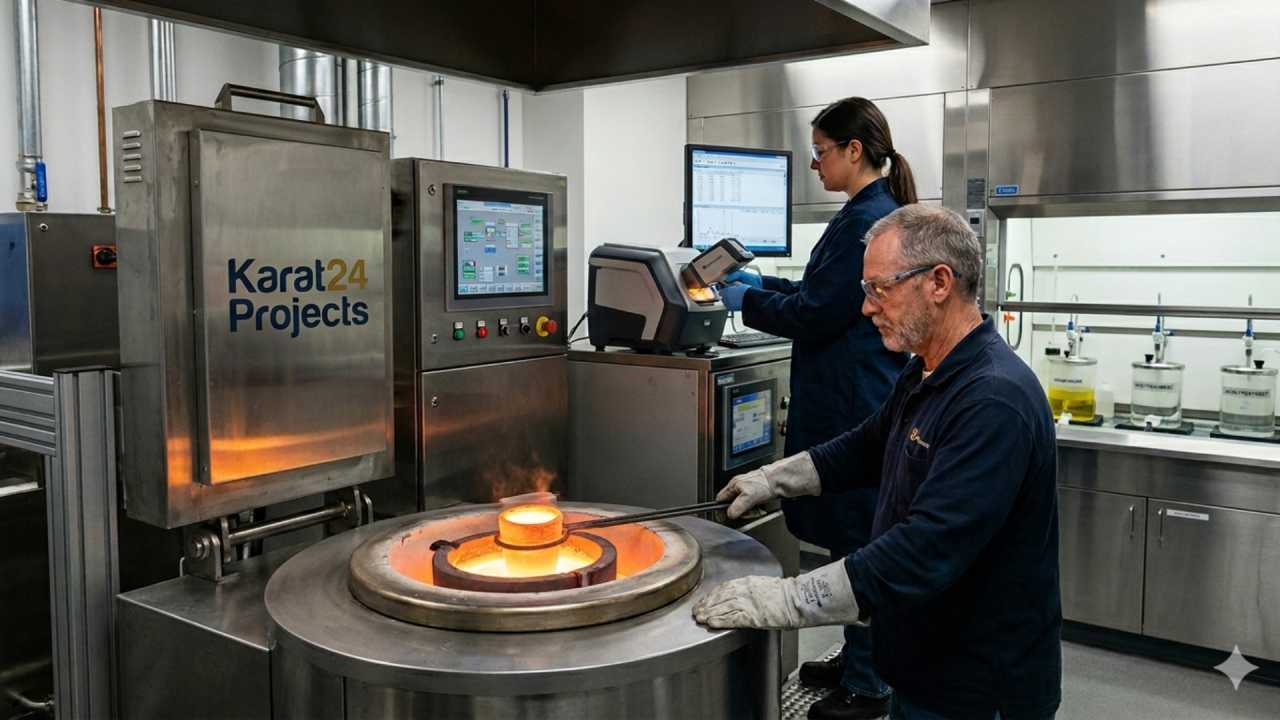
The refining industry, traditionally reliant on established pyrometallurgical and hydrometallurgical processes, is experiencing a profound technological overhaul driven by the pursuit of greater efficiency, purity, and environmental responsibility. Automation and artificial intelligence (AI) are rapidly moving from theoretical concepts to practical applications, revolutionizing how refining operations are managed and executed.
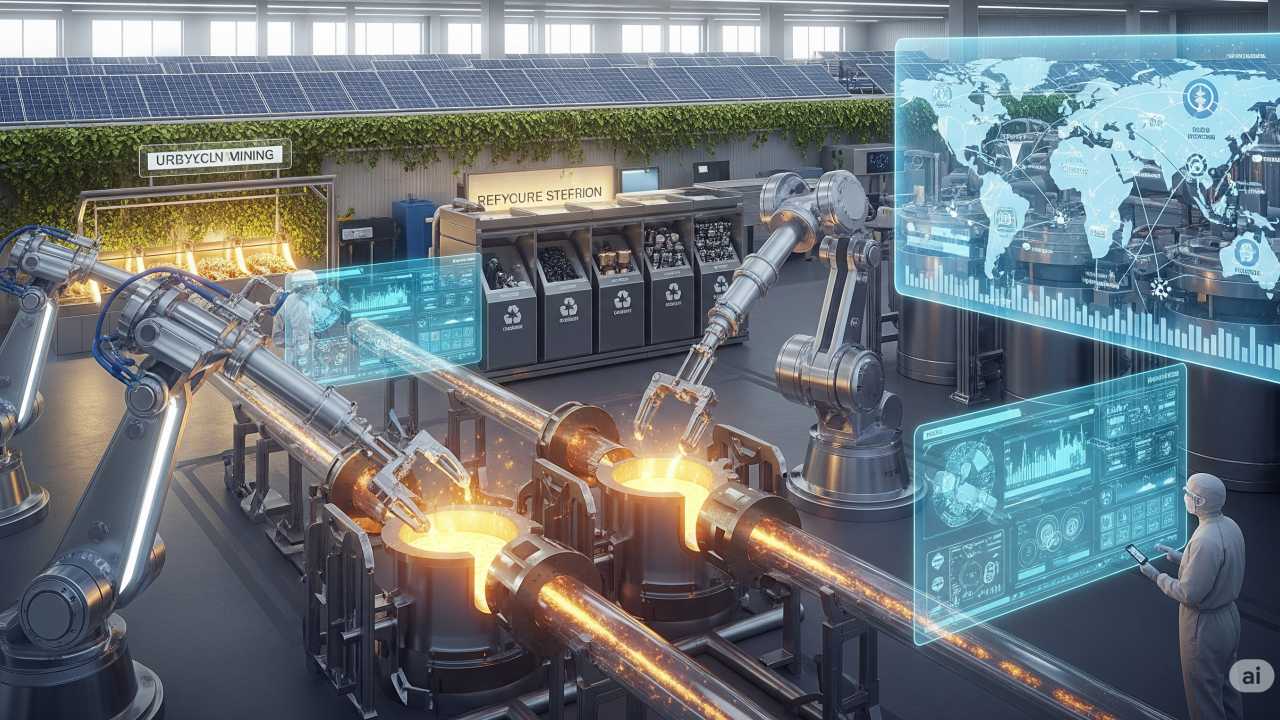
Robotics is increasingly being deployed for repetitive and hazardous tasks, such as material handling, sampling, and furnace loading, thereby enhancing safety and precision while reducing human exposure to harsh environments. AI, specifically machine learning and data analytics, is proving instrumental in process optimization. By analyzing real-time sensor data on temperature, pressure, feed quality, and energy consumption, AI systems can predict and autonomously adjust operating parameters to optimize yields, minimize energy waste, and extend uptime. This predictive capability translates directly into improved profitability and reduced operational costs. Companies like Umicore, known for their innovative chemistry and metallurgy, are already leveraging advanced in-house sampling and assaying processes that incorporate automation and information management for maximum accuracy and efficiency.
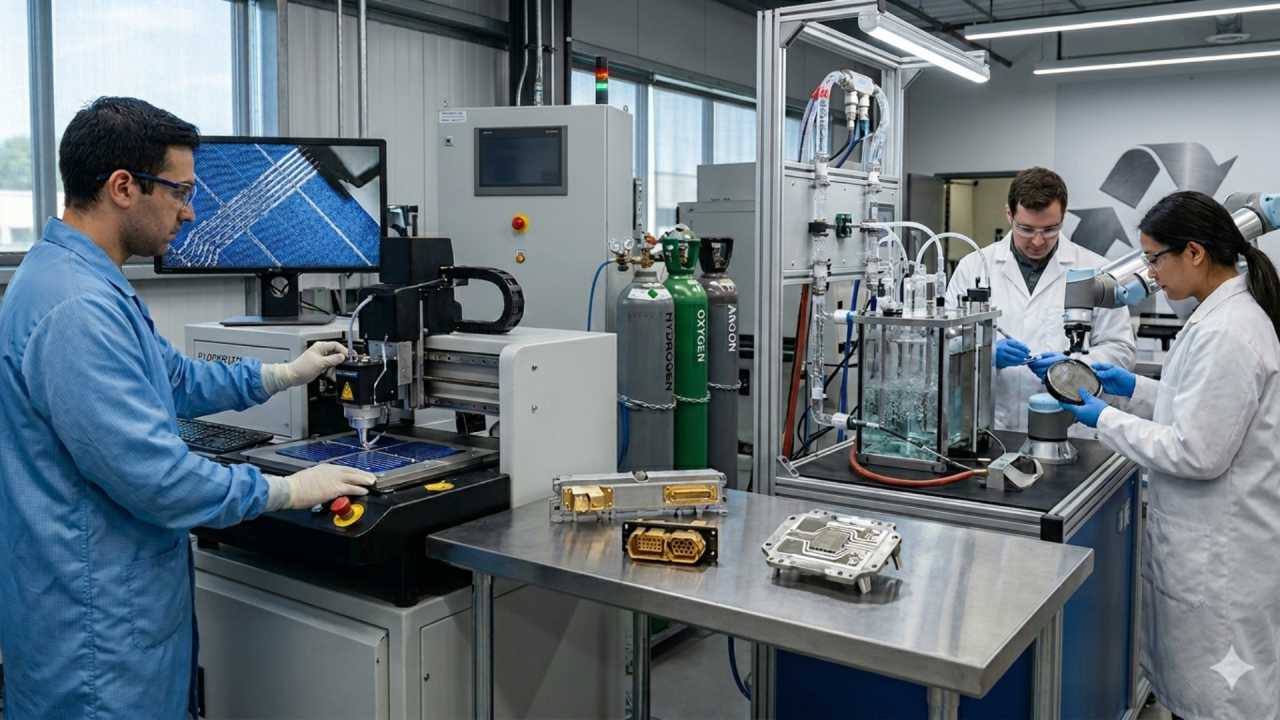
Beyond automation, the refining industry is witnessing the emergence and refinement of advanced refining techniques. While traditional methods like cupellation and electrowinning remain foundational, innovations such as plasma arc refining offer the potential for faster processing and higher recovery rates for certain complex materials. Electrorefining, a cornerstone for high-purity metal production, continues to see improvements in cell design, electrolyte composition, and energy efficiency.
The concept of “digital twins” is gaining traction, creating virtual replicas of physical refining plants. These digital models allow refiners to simulate various scenarios, test process changes, and predict equipment performance without disrupting live operations. Coupled with predictive analytics, digital twins enable proactive maintenance, identify potential bottlenecks, and optimize resource allocation, leading to significant operational efficiencies and reduced downtime.
Perhaps one of the most disruptive technological trends is the role of blockchain in enhancing transparency and traceability within the precious metals supply chain. By creating an immutable, distributed ledger of transactions, blockchain can track metal origins from mine to refined product, recording every step of the refining history. This technology addresses the growing demand for verifiable ethical sourcing and provides an unprecedented level of accountability, a critical factor for both consumers and regulators. While challenges exist regarding interoperability and the integration with legacy systems, “permissioned blockchains” are being explored to record physical and virtual transactions on a shared, tamper-evident ledger, helping to reduce administrative costs and mitigate supply chain risks.
Green & Sustainable Refining
The precious metals refining sector is under escalating pressure to adopt more sustainable practices, driven by stringent environmental regulations, growing public awareness, and investor demand for Environmental, Social, and Governance (ESG) compliance. The traditional refining processes, often energy-intensive and reliant on hazardous chemicals, are being scrutinized for their carbon emissions and toxic waste generation.
The imperative to reduce carbon emissions is leading to a focus on energy efficiency and the integration of renewable energy sources into refining operations. Innovations in furnace design, heat recovery systems, and process optimization (often powered by AI) are contributing to lower energy consumption. Simultaneously, the industry is exploring alternatives to conventional chemical processes.
Bioleaching and phytomining represent promising eco-friendly alternatives. Bioleaching utilizes microorganisms to extract metals from ores or waste materials, offering a less energy-intensive and less chemically demanding approach. This method can effectively recover metals from low-concentration ores that would be uneconomical for traditional refining, often achieving extraction yields of over 90%. Phytomining, still largely in the research phase, employs plants to absorb metals from soil, which are then harvested and processed. While these biological methods are slower than conventional techniques, their significantly lower environmental footprint makes them attractive for future development.
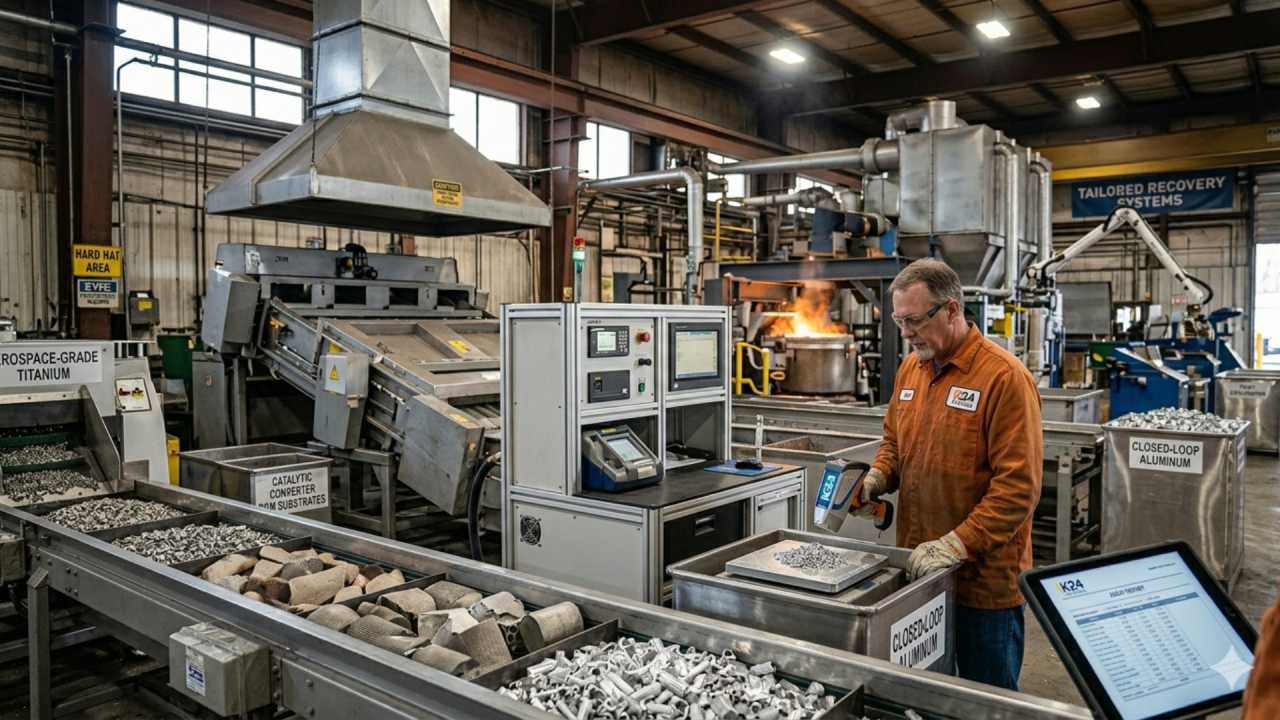
The adoption of closed-loop systems and circular economy models is becoming a central tenet of sustainable refining. This involves minimizing waste generation by recycling process byproducts, recovering valuable chemicals, and maximizing metal recovery from all input streams. The goal is to create a more resource-efficient system where materials are continuously reused rather than discarded. Innovations in wastewater treatment and chemical recovery are vital components of this shift, ensuring that effluent streams are clean and that valuable reagents are recycled back into the process.
Regulatory frameworks such as the EU Green Deal are setting ambitious targets for decarbonization and resource efficiency, directly impacting refining operations in Europe and influencing global standards. These regulations, alongside the increasing emphasis on ESG standards by investors, are compelling refiners to invest in cleaner technologies and demonstrate a verifiable commitment to sustainable practices. Companies like Heraeus emphasize environmental protection, regulatory compliance, and resource conservation as top priorities, undergoing regular audits to maintain high compliance standards.
Urban Mining and E-Waste Recycling
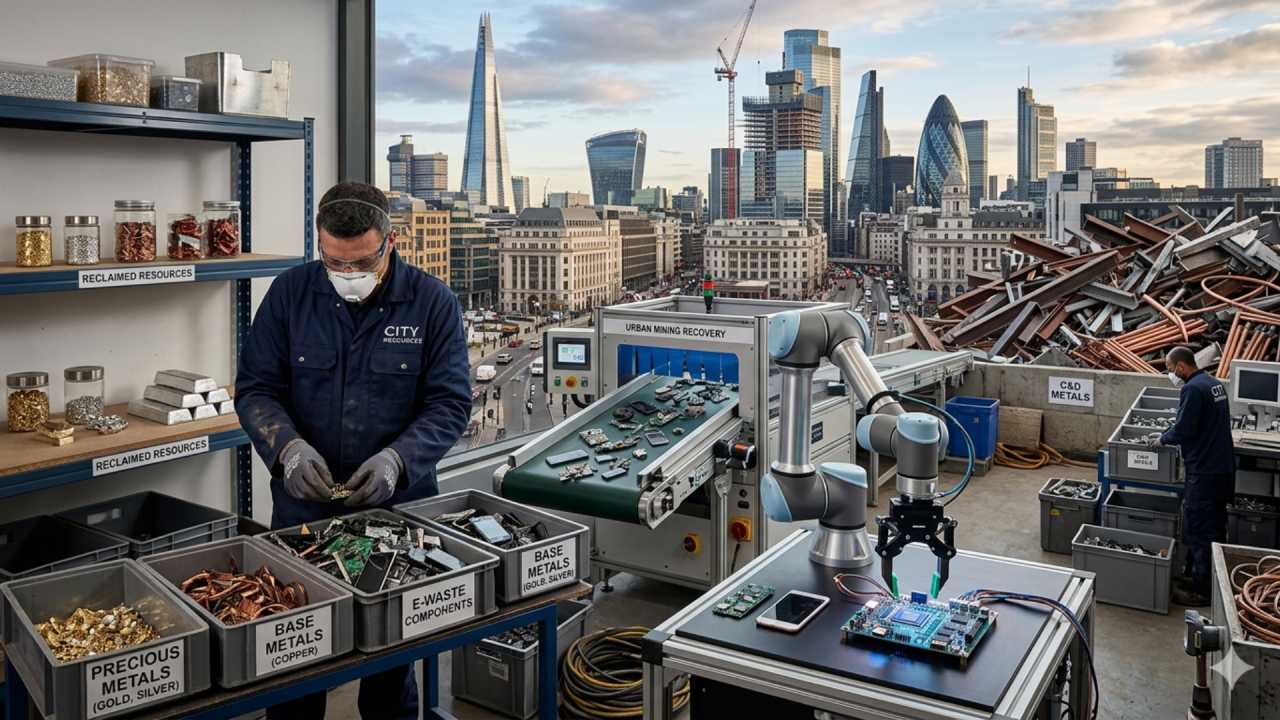
As primary ore deposits become more challenging and costly to access, the significance of “urban mining”—recovering precious metals from electronic waste (e-waste) and other industrial waste streams—is rapidly ascending. E-waste, a complex cocktail of valuable metals, plastics, and hazardous substances, represents a rich, albeit challenging, untapped resource.
The rising tide of discarded electronics, from smartphones and laptops to industrial catalysts and automotive components, presents a compelling economic and environmental opportunity. These waste streams contain significant quantities of gold, silver, platinum group metals (PGMs), and other critical raw materials. Extracting these metals reduces the reliance on virgin mining, conserves natural resources, and mitigates the environmental impact of waste disposal. Umicore, for instance, has developed comprehensive recycling operations focused on fast throughput and maximized yields from complex feed materials like e-scrap and catalysts, using innovative chemistry and metallurgy.
However, refining metals from e-waste comes with its own set of challenges. The heterogeneous nature of e-waste, with its diverse range of materials and complex alloys, makes efficient sorting and separation difficult. Contamination with hazardous substances like lead, mercury, and brominated flame retardants requires specialized handling and processing to prevent environmental harm and ensure worker safety. Manual dismantling is labor-intensive and risky, while automated processes demand sophisticated and costly technology capable of handling a wide variety of device types and sizes. Extracting critical raw materials like rare earth elements remains particularly difficult and often yields low recovery rates.
Despite these hurdles, numerous companies are successfully leveraging urban mining. Johnson Matthey, a leader in PGM recycling and refining, has developed highly advanced processes for extracting and separating PGMs from complex materials, including spent catalysts and electronic scrap, with refineries in Europe, the US, and China. Policy trends are increasingly supporting urban mining as a critical resource supply. Governments are implementing extended producer responsibility (EPR) schemes, incentivizing the collection and recycling of e-waste, and promoting research and development into more efficient recycling technologies.
Supply Chain Transparency and Ethics
In an era of heightened social consciousness and corporate accountability, the demand for ethical sourcing and responsible refining of precious metals has never been more pronounced. Consumers, investors, and regulators are increasingly scrutinizing the origins of metals, particularly concerning issues like conflict financing, human rights abuses, and environmental degradation in mining areas.
“Conflict-free” metals and responsible refining practices are no longer niche concerns but mainstream expectations. Industry initiatives and certifications are playing a pivotal role in establishing and enforcing ethical standards. Blockchain and other traceability technologies are emerging as powerful tools to meet this demand. By providing an immutable and auditable record of a metal’s journey through the supply chain, from its point of extraction or collection (in the case of recycled materials) through refining and onwards to the end product, blockchain ensures transparency and accountability. This helps to verify claims of conflict-free sourcing and adherence to responsible labor and environmental practices.
Consumer and investor pressure for transparent supply chains is manifesting through ESG (Environmental, Social, and Governance) investing and demand for responsible sourcing certifications. Investors are increasingly evaluating companies based on their ESG performance, recognizing that ethical practices can mitigate reputational risks and enhance long-term value. Certifications like the London Bullion Market Association (LBMA) Responsible Sourcing Programme and Fairmined certification provide independent assurance that precious metals have been sourced and refined responsibly. The LBMA’s Good Delivery List, for instance, includes strict requirements for responsible sourcing due diligence. Fairmined certification specifically focuses on artisanal and small-scale mining (ASM), ensuring strict requirements for environmental protection, fair labor conditions, and economic development in mining communities. These initiatives not only build trust with stakeholders but also drive continuous improvement in industry practices.
Market and Geopolitical Trends
The future of precious metal refining is inextricably linked to broader market dynamics and geopolitical shifts. Global demand patterns for precious metals are evolving, driven by technological advancements and the transition to a low-carbon economy. For example, the burgeoning electric vehicle (EV) market and the expansion of renewable energy technologies are increasing the demand for certain platinum group metals, silver, and gold in components like catalytic converters, electrical contacts, and solar panels. This industrial demand diversifies the traditional drivers for precious metals, which have historically been dominated by jewelry and investment.
Geopolitical instability can significantly impact refining capacity and supply chains. Disruptions in mining regions, trade wars, or sanctions can lead to shortages of raw materials or affect the ability to transport and refine metals. This vulnerability is prompting many nations to reconsider their reliance on distant supply chains. National strategies to localize refining capacity are gaining momentum, particularly in regions like the US, EU, and China. These policies aim to enhance supply chain resilience, reduce geopolitical risks, and create domestic value-added industries. For instance, some countries are investing in advanced refining facilities and incentivizing urban mining to secure critical metal supplies within their borders.
The role of precious metals in a low-carbon economy is becoming increasingly prominent. Beyond their use in green technologies, gold and silver continue to serve as safe-haven assets amidst economic uncertainties, influencing investment demand. The interplay of industrial demand, investment trends, and geopolitical considerations will continue to shape the profitability and strategic importance of the refining sector. The global precious metals market is projected to grow significantly, with Asia Pacific expected to lead in market share due to its industrial hubs, mining operations, and supportive government policies.
Challenges and Risks Facing Refiners
Despite the promising trends, precious metal refiners face a unique set of challenges and risks that require strategic navigation. The inherent volatility of metal prices poses a significant financial risk. Refining is a capital-intensive process, requiring substantial investment in advanced equipment, technology, and infrastructure. Fluctuations in the price of gold, silver, or PGMs can impact profitability, particularly for refiners with long processing cycles or those holding significant metal inventories.
Environmental and regulatory compliance burdens are continuously increasing. Refiners must adhere to stringent air and water quality standards, waste disposal regulations, and responsible sourcing mandates. Compliance often necessitates significant capital expenditure in pollution control technologies, process improvements, and robust reporting systems. Failure to comply can result in hefty fines, reputational damage, and even operational shutdowns.
A looming challenge is the potential for talent shortages and an aging workforce in metallurgy and related technical fields. The highly specialized nature of precious metal refining requires a skilled workforce, and attracting and retaining talent, especially younger generations, can be difficult. As experienced professionals retire, there is a risk of knowledge drain, underscoring the need for robust training programs and succession planning.
Finally, with the increasing digitalization of refining operations, cybersecurity threats are becoming a significant concern. Automated systems, digital twins, and blockchain integration introduce new vulnerabilities to cyberattacks, which could disrupt operations, compromise sensitive data, or even lead to environmental incidents. Protecting these increasingly interconnected systems requires continuous investment in cybersecurity infrastructure and protocols.
The Road Ahead: Predictions for the Next 10–20 Years
Looking ahead to the next two decades, the precious metal refining industry is poised for profound transformation. The integration of AI, green technologies, and automation will become the standard, not the exception. AI will power increasingly sophisticated process optimization, predictive maintenance, and quality control, leading to highly efficient and autonomous refining operations. Green technologies, including bioleaching, advanced wastewater treatment, and closed-loop systems, will be universally adopted as refiners strive for near-zero emissions and waste. Automation, from robotics in material handling to fully automated process control, will enhance safety, precision, and productivity across the board.
We may witness the rise of decentralized refining units or mobile refining technologies, particularly for processing e-waste and other secondary raw materials closer to their source. This could reduce transportation costs and environmental footprints, fostering a more localized and agile refining ecosystem. Such decentralized models could also make precious metal recovery more accessible to smaller communities or specialized recyclers.
A significant long-term trend will be the convergence of mining, recycling, and refining into a more unified and integrated industry. As primary ore grades decline and environmental pressures mount, recycling will become an increasingly vital source of precious metals, blurring the lines between traditional mining and secondary material recovery. Refiners will play a central role in this circular economy, serving as critical intermediaries that bridge raw material supply with end-user demand, irrespective of the material’s original source.
Ultimately, the refining industry will be a key enabler of the clean energy transition. Precious metals are indispensable components in electric vehicles, solar panels, wind turbines, and other green technologies. The ability to efficiently and sustainably refine and re-refine these metals will be paramount to meeting the growing demand for clean energy solutions and ensuring the circularity of critical materials.
Final Thoughts
The future of precious metal refining is characterized by dynamic shifts driven by technological innovation, environmental imperatives, and evolving market demands. From the pervasive influence of automation and AI in optimizing operations to the critical adoption of green refining techniques and the growing reliance on urban mining, the industry is undergoing a fundamental metamorphosis. Simultaneously, increasing demands for supply chain transparency and ethical sourcing, alongside the complexities introduced by geopolitical volatility, underscore the need for robust and adaptable strategies.
Success in this evolving landscape will hinge on the industry’s ability to embrace adaptability, foster continuous innovation, and prioritize sustainability. Refiners that can integrate cutting-edge technologies, commit to eco-friendly practices, and ensure transparent, ethical supply chains will not only thrive economically but also contribute significantly to a more responsible and resource-efficient global economy. The future of precious metal refining is a delicate balance between maximizing profit, upholding responsibility, and building resilience in an increasingly interconnected and environmentally conscious world.