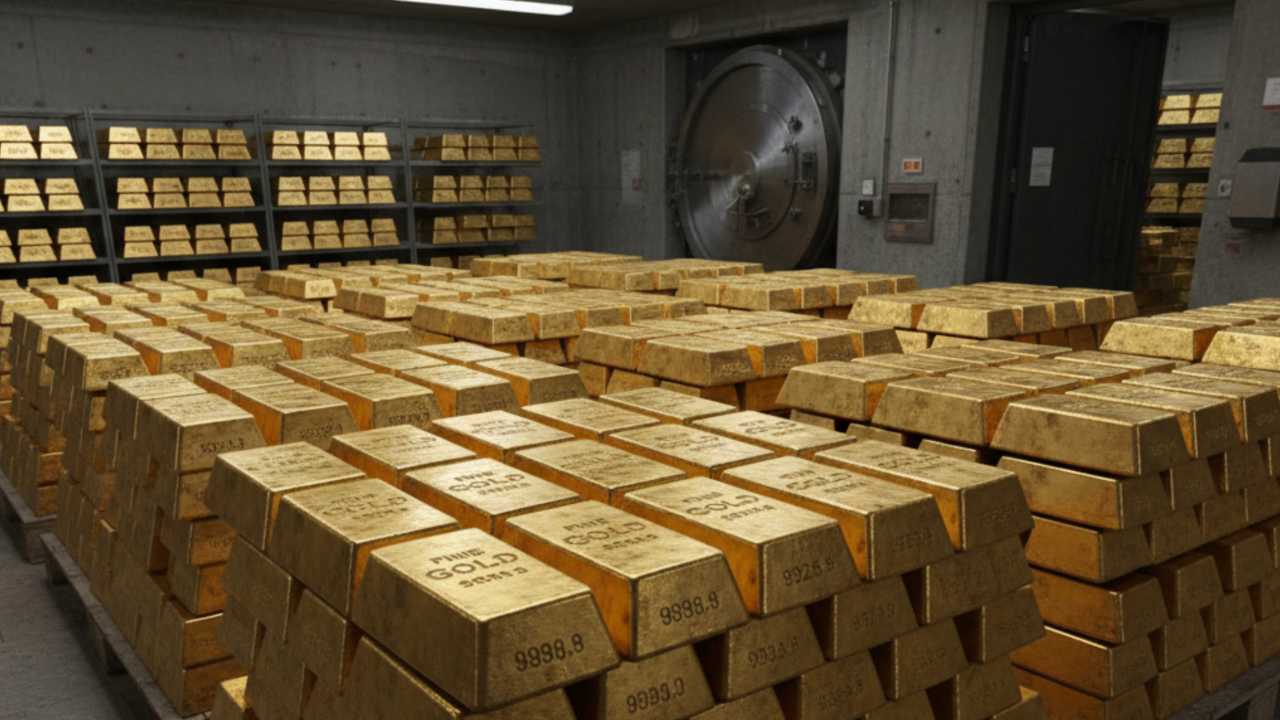
Exporting Gold? What You Need from a Refining Perspective
Exporting gold is a lucrative business, but it’s also a highly regulated and technically demanding one. At the core of successful gold export operations lies a single word: refining. Gold must not only be pure—it must be certifiably pure, traceable, responsibly sourced, and documented to international standards.
In this article, we explore the refining perspective of gold exporting—from processing methods and equipment, to regulatory compliance, certification, and best practices. Whether you’re an established refiner, a miner entering the export space, or an investor evaluating the opportunity, this guide covers what you need to know.
1. Why Refining Is the Cornerstone of Gold Exports
Gold, in its raw form, is rarely suitable for direct export. Dore bars, mined material, or recycled jewelry contain varying levels of impurities—from base metals like copper or lead, to traces of silver, platinum, or other contaminants. While these materials may have intrinsic value, global buyers typically only accept high-purity, properly refined gold, which meets certain commercial and technical standards.
Here’s why refining matters in gold exports:
- Quality Assurance: Most global markets accept only gold that meets minimum purity levels—typically 99.5% or higher. This is impossible to guarantee without refining.
- Market Access: Some buyers only deal with certified refiners or require gold to be produced through audited refining systems.
- Price Premiums: Higher purity equals higher payout. The more refined the gold, the closer to spot market prices you can get.
- Legal Compliance: Many countries (India, UAE, Ghana, etc.) have strict export policies requiring certification and documentation of gold’s purity and origin.
- Reputation Management: Selling substandard or uncertified gold can damage your credibility and close doors to future international deals.
For exporters, refining is not optional—it’s foundational.
2. Understanding Refining Methods and Their Export Implications
The goal of refining is to produce gold of consistent purity, suitable for international buyers. Several refining techniques are used globally, and the choice of method impacts the output quality, environmental compliance, scalability, and cost structure.
2.1 Miller Process (Chlorination)
A cost-effective way to remove base metals by blowing chlorine gas through molten gold. Impurities form chlorides and rise to the surface as slag.
- Purity Level: ~99.5%
- Export Suitability: Acceptable for bullion-grade markets and standard industrial buyers.
- Limitations: Cannot remove all impurities—especially traces of platinum-group metals.
2.2 Wohlwill Process (Electrolytic Refining)
An advanced method using electrolysis to purify gold up to 99.99% or higher.
- Purity Level: 99.99% (four nines fine)
- Export Suitability: Ideal for investment-grade bullion and electronics sectors.
- Considerations: Requires significant capital and operational expertise.
2.3 Aqua Regia Refining (Chemical Method)
A versatile chemical refining process that dissolves gold using a mixture of nitric and hydrochloric acid, followed by precipitation and filtration.
- Best For: Small- to mid-scale refiners handling scrap or mixed input.
- Output: High-purity gold, though with more manual steps.
2.4 Automated Refining Systems
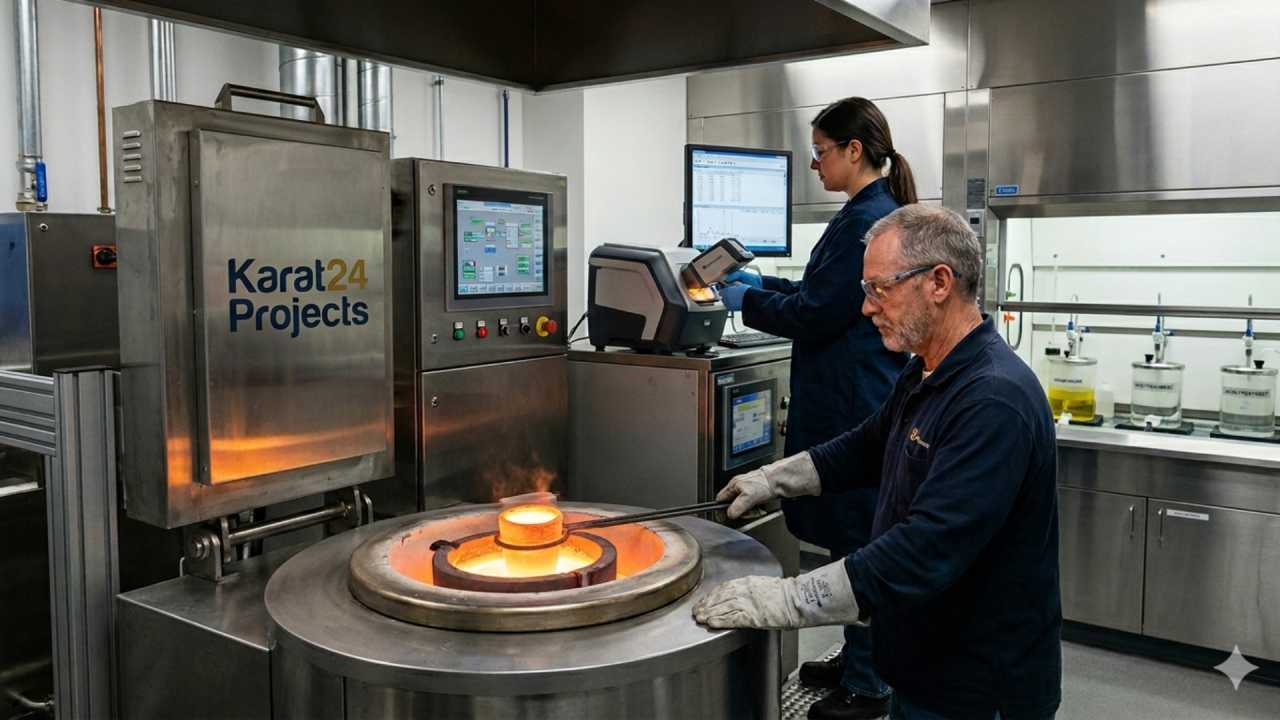
To meet international expectations efficiently, many businesses are moving toward automatic gold refining machines. These systems combine multiple stages—melting, acid treatment, filtering, and final recovery—in one compact setup. For consistent output and scale, these are ideal.
For example, an automatic gold refining machine automates key steps, reducing operator error, boosting safety, and improving turnaround time.
3. Certification, Traceability, and Responsible Refining
Your refining process must produce more than just pure gold—it must create verifiable, certifiable, and traceable products.
3.1 The Assay Certificate
The most critical document for export. It confirms:
- Purity (e.g., 99.95% or 99.99%)
- Method used
- Source batch or bar number
- Certified signature (from an independent or in-house lab)
Without this, customs agents or buyers may refuse your shipment.
3.2 Hallmarking and Serializing
Each gold bar intended for export must be individually marked with:
- Hallmark or refinery stamp
- Serial number
- Purity grade (e.g., 999.9)
- Weight
These help prevent fraud, enable tracking, and reassure buyers.
3.3 Chain of Custody & AML Compliance
Many jurisdictions now require gold exporters to prove ethical sourcing. That means documenting the entire journey of the metal—from mine or supplier to final export bar.
You’ll need to show:
- Source-of-material documents
- Refining batch logs
- Waste disposal reports
- Payment and customer identification (KYC)
This is essential to comply with anti-money laundering (AML) and conflict minerals regulations.
4. Regulatory and Licensing Considerations for Export
Gold export is heavily regulated to prevent smuggling, money laundering, and illegal sourcing. As a refiner or exporter, you must ensure you’re compliant with both domestic and international requirements.
4.1 Export Permits and Licensing
In most countries, exporters need:
- A registered business license
- Export permit specific to precious metals
- Valid refinery registration (for locally refined gold)
- Environmental and tax clearances
Always ensure your licenses are current and align with the volume and nature of your exports.
4.2 Export Documentation Checklist
Your refined gold must be accompanied by:
- Commercial Invoice
- Packing List
- Assay Certificate
- Certificate of Origin
- Export Declaration
- Transport Insurance Documents
- Customs Clearance Documents
Missing or incorrect paperwork can result in customs seizure, fines, or shipment delays.
4.3 Import Country Regulations
Don’t forget: the buyer’s country may also have rules about gold imports. These may include:
- Minimum purity standards
- Import tariffs or exemptions
- Specific accepted refiners or hallmarking institutions
- Requirements for conflict-free certification
Stay in communication with your overseas partners to ensure smooth delivery.
5. Choosing the Right Refining Equipment for Export Goals
Not all refining machines are built for export-grade output. Here’s what to look for if you’re building or upgrading a refinery to focus on gold exports.
5.1 Purity Capability
Can the system achieve 99.9% or 99.99% consistently? If not, your output may be rejected or discounted internationally. For large-scale needs, an industrial gold refinery machine provides the necessary throughput and consistency.
5.2 Automation and Safety
Manual refining is risky, inconsistent, and inefficient. Systems like those from karat24project.com include automation features for:
- Smelting
- Acid dosing
- Filtration
- Drying
- Temperature control
Automation improves output quality and reduces operator exposure to hazardous chemicals.
5.3 Waste Management Integration
A key part of export compliance is responsible refining. Your system should include:
- Fume scrubbers
- Acid neutralizers
- Metal recovery from sludge
- Secure wastewater discharge
These are not just ethical—they’re often legally required.
5.4 Multi-Metal Capability
If you also process silver, you’ll want a dedicated silver refinery machine that handles silver independently or alongside gold without cross-contamination.
6. Packaging, Logistics, and Export Risk Management
After refining and documentation, it’s time to move the gold. But logistics in precious metals is not business as usual.
6.1 Secure Packaging and Tamper-Evidence
Exported gold should be packed in:
- Heat-sealed plastic or blister packs
- Tamper-evident boxes
- Barcoded, serial-labeled containers
- Foam-padded cases to prevent damage
Each package must align with customs and buyer requirements.
6.2 Transport Security and Insurance
Choose armored transport services or airlines certified for valuables. All shipments should be:
- Fully insured at replacement value
- Accompanied by trained security personnel
- Monitored via GPS and transit logs
Risk during transport is high, and insurance is mandatory for international buyers and banks.
6.3 Export Clearance and Inspections
Coordinate with customs to schedule inspections, if required. Many authorities will:
- Weigh bars independently
- Validate assay certificates
- Match serial numbers to manifests
Having a transparent system reduces delays and inspections.
7. Case Study: From Scrap to Export
Let’s walk through a real-world scenario to illustrate how refined gold moves to export.
Input: 25 kg of mixed gold scrap from jewelry manufacturers
Step 1: Fire assay to estimate gold content (~90%)
Step 2: Miller Process to remove base metals
Step 3: Aqua regia refining for higher purity
Step 4: Electrolytic refining to reach 99.99% purity
Step 5: Gold is cast into 1 kg bars
Step 6
: Bars are weighed, assayed, and stamped
Step 7: All documents prepared: invoice, assay cert, COO
Step 8: Shipment packed in tamper-proof containers
Step 9: Cleared through customs and flown to Dubai
Result: On delivery, the buyer reconciles assay and serial numbers and remits payment through bank transfer.
8. Common Pitfalls to Avoid
Exporting gold without refining knowledge can lead to costly mistakes. Here are some of the most common:
- Inconsistent Purity: Unreliable refining leads to rejected shipments.
- Documentation Errors: Missing or mismatched paperwork triggers customs issues.
- Poor Packaging: Damage or tampering reduces buyer trust.
- Neglecting Regulations: Every region has unique laws—ignorance is not an excuse.
- Low-Capacity Machinery: Failing to meet demand can delay delivery and break contracts.
9. Conclusion: Refining Is More Than Purity—It’s Your Passport
Gold exporting is as much about trust as it is about metal. Buyers demand not just purity, but proof. Refining enables you to back your gold with documentation, certification, and traceability.
From choosing the right equipment to staying compliant, every decision affects your ability to succeed in international markets. Businesses that invest in high-grade, automated, and scalable refining systems—like those from Karat24 Refining Machine—position themselves to thrive in the global gold trade.
If you’re serious about gold exports, start by mastering the refining process. It’s the first step to crossing borders with confidence—and profit.