Breaking Into the Gold Refining Business: What You Should Know
Gold has captivated humanity for thousands of years — prized not just for its beauty but also as a stable store of value and a critical industrial commodity. The gold refining business is a vital part of the precious metals ecosystem, transforming raw, impure gold into a high-purity product that can be used in jewelry, electronics, investment, and more.
If you’re thinking about breaking into the gold refining industry, it’s essential to understand the technical processes, regulatory landscape, market dynamics, and business considerations involved. This article offers a comprehensive overview to help you navigate the complexities and set a strong foundation for success.
What Is Gold Refining?
At its core, gold refining is the process of purifying gold extracted from ores, scrap jewelry, electronic waste, or bullion. The goal is to remove impurities — such as silver, copper, lead, or other metals — to achieve a standardized purity level, usually ranging from 99.5% up to 99.99%.
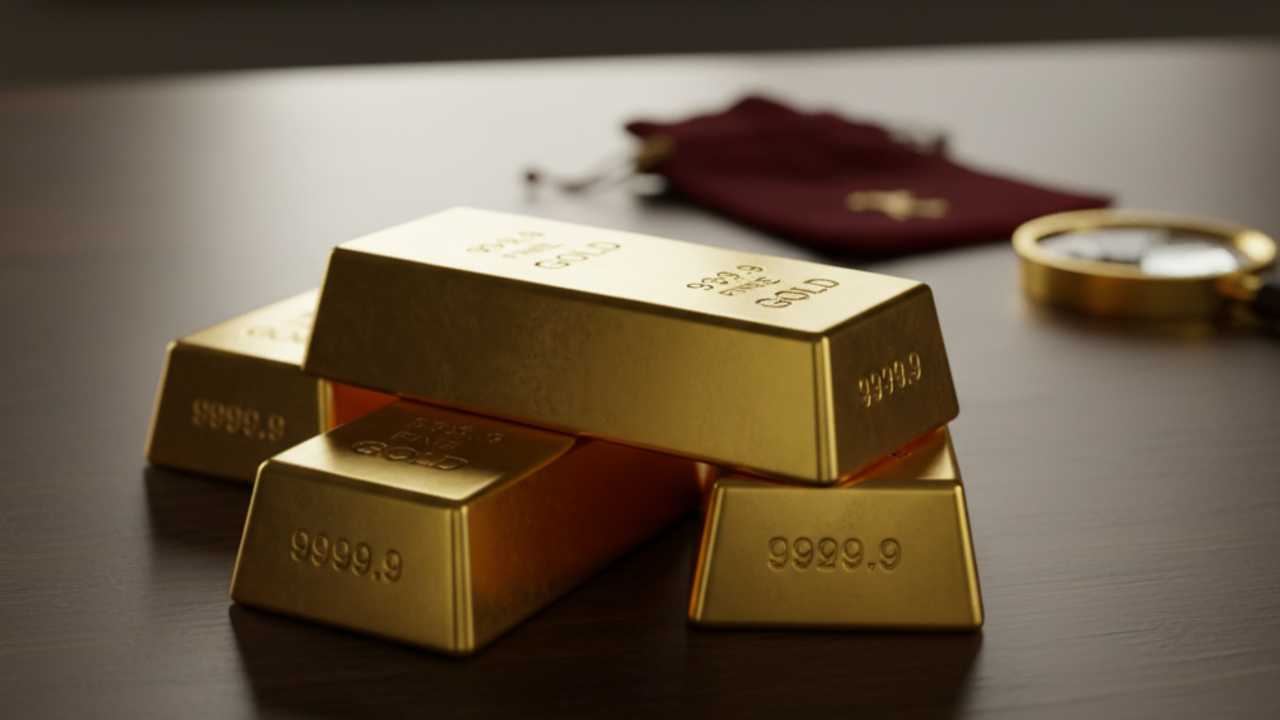
Refined gold is then sold as bars, granules, or coins to jewelers, investors, manufacturers, or central banks. The refining process must meet stringent quality standards and often involves complex chemical or electrochemical techniques.
Gold refining bridges the gap between raw gold sources and the end-users demanding a consistent, reliable product.
Why Enter the Gold Refining Business?
High Demand and Diverse Applications
Gold is not just a precious metal for investment and adornment; it is critical in electronics, medical devices, aerospace, and even nanotechnology. This broad demand underpins a steady market for refined gold.
Profitable Margins
Refiners earn money by buying impure gold at lower prices and selling refined gold closer to the market spot price. The difference, minus costs, forms the refining margin. Larger operations with efficient technology often enjoy better margins.
Growing Focus on Recycling
With increasing attention on sustainability, recycling gold from scrap and electronic waste (“urban mining”) is expanding. This shift presents opportunities for refiners skilled in processing diverse feedstocks.
Market Stability
Despite price fluctuations, gold remains a globally recognized asset, often considered a hedge against inflation or currency volatility, offering relative stability compared to other commodities.
The Gold Refining Process in Detail
Understanding the refining process is critical, as your choice of method affects costs, output purity, environmental footprint, and equipment requirements.
1. Miller Process: Quick but Moderate Purity
Developed in the 19th century, the Miller Process uses chlorine gas blown into molten gold to form metal chlorides with impurities, which separate out as slag. This method produces gold of about 99.5% purity and is favored for its speed and simplicity.
Advantages:
- Fast processing times.
- Lower operational costs.
- Suitable for large-scale refining.
Limitations:
- Cannot remove all impurities, especially base metals like platinum or palladium.
- Often requires a secondary refining step for higher purity.
2. Wohlwill Process: Electrolytic Perfection
The Wohlwill Process is an electrochemical refining method that uses an electrolytic cell with gold anodes and cathodes in a chloroauric acid solution. By applying electrical current, pure gold is deposited onto the cathode at 99.99% purity.
Advantages:
- Produces the highest purity gold available.
- Essential for investment-grade bullion.
Limitations:
- Capital-intensive setup.
- Slower and more complex than the Miller Process.
- Requires careful handling of corrosive chemicals.
Many large refiners use the Miller Process followed by Wohlwill for final purification.
3. Aqua Regia Refining: Chemical Refining for Scrap
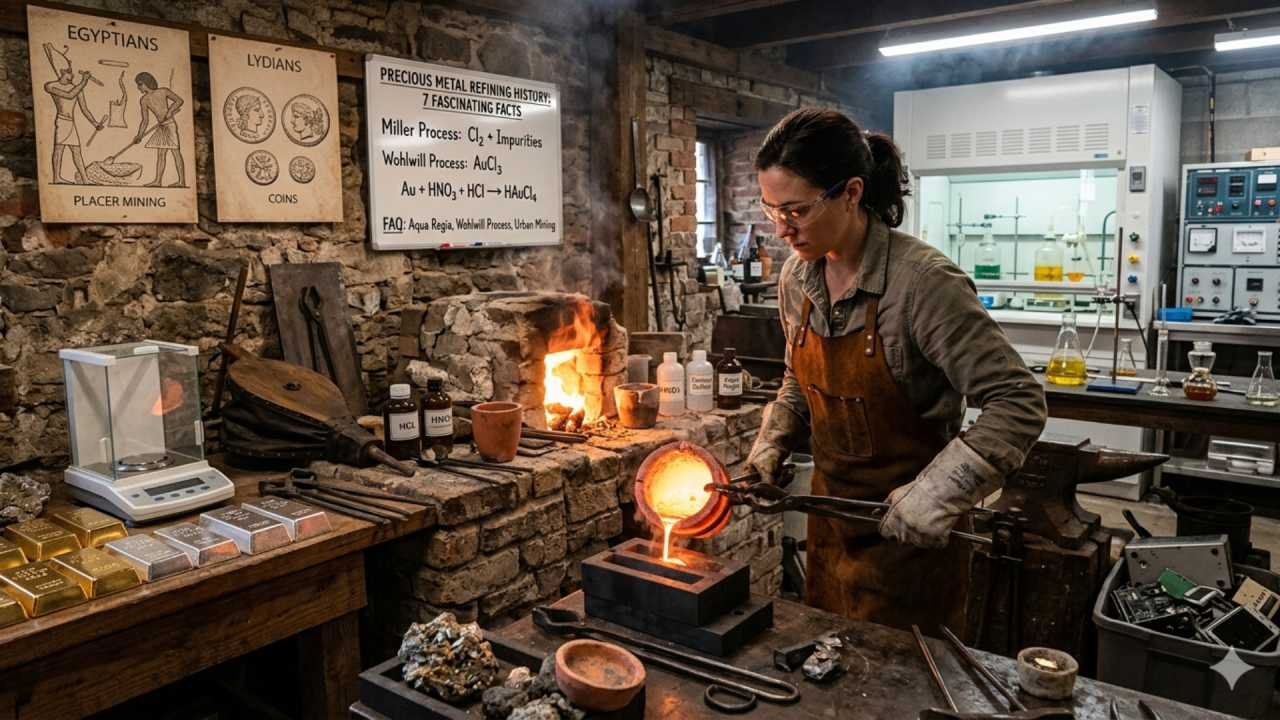
Aqua regia, a mix of nitric and hydrochloric acids, dissolves gold, separating it from base metals and impurities. Gold is then precipitated out using reducing agents like ferrous sulfate or sodium metabisulfite.
Advantages:
- Suitable for small to medium volumes.
- Ideal for scrap gold and recycled materials.
Limitations:
- Produces hazardous waste.
- Requires strict safety and environmental controls.
- May need repeated cycles for high purity.
4. Other Refining Methods
- Cupellation: Used mainly for lead and silver extraction from ores but can be a preliminary refining step.
- Dry Chlorination: Uses chlorine gas at high temperatures; suitable for removing silver and copper.
- Electrolytic Refining: General term for processes using electric current to refine metals.
Equipment and Facility Requirements
Starting a refining operation requires careful planning and investment in specialized equipment and facilities:
Furnaces and Melting Equipment
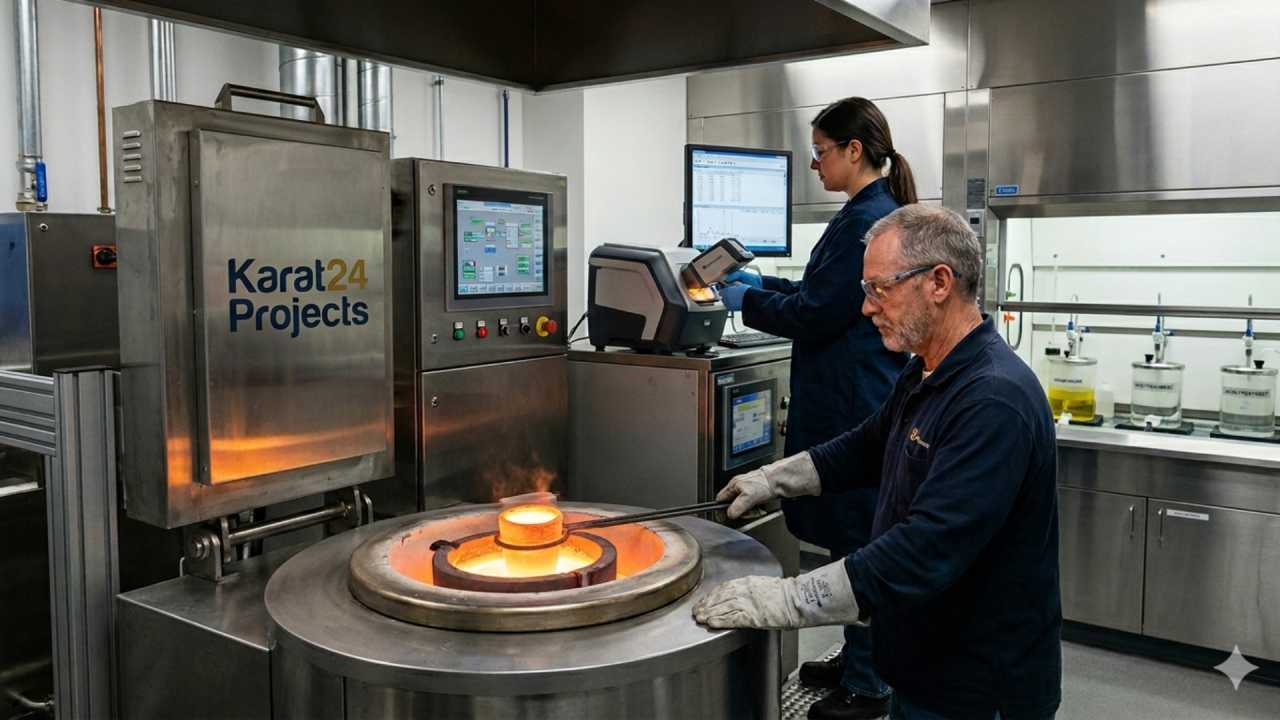
- Crucibles and induction or gas-fired furnaces capable of reaching gold’s melting point (1064°C).
- Temperature control is vital to avoid contamination or metal loss.
Electrolytic Cells
- For the Wohlwill Process, custom-designed electrochemical cells with corrosion-resistant components.
- Power supply systems to maintain consistent electrical current.
Chemical Handling and Storage
- Safe containment systems for acids, chlorine gas, and reducing agents.
- Ventilation and scrubbers to manage toxic fumes.
Assay Laboratory
- Fire assay equipment or spectrometers (XRF, ICP-MS) for precise purity testing.
- Clean rooms to prevent contamination during testing.
Waste Treatment Systems
- Neutralization tanks for acidic effluents.
- Filters or precipitating systems to remove heavy metals.
- Compliant disposal or recycling methods for hazardous waste.
Safety Infrastructure
- Protective gear (gloves, goggles, respirators).
- Fire suppression and emergency response systems.
Regulatory Landscape: What You Need to Know
Gold refining is tightly controlled for economic, environmental, and security reasons. Regulations vary by country but share common themes:
Licensing and Permits
- Business licenses for precious metals handling.
- Environmental permits for emissions and waste discharge.
- Occupational safety approvals.
Anti-Money Laundering (AML) and Know Your Customer (KYC)
- Precious metals are high-risk for illicit trade.
- Refiners must verify identities, monitor transactions, and report suspicious activities under local AML laws.
- Compliance reduces risk of fines and legal sanctions.
Quality Certification
- Many customers demand refined gold certified by LBMA or similar bodies.
- Accreditation involves audits, strict process controls, and traceability.
Environmental Compliance
- Proper handling and disposal of toxic chemicals.
- Emission limits for gases like chlorine and nitrogen oxides.
- Wastewater treatment to prevent soil and water contamination.
Sourcing Raw Gold: Building Your Supply Chain
Your supply chain is your lifeline. Raw gold sources include:
Mining Companies
- Purchasing dore bars (semi-pure gold) directly from miners.
- Long-term contracts for steady supply.
Jewelry and Scrap Dealers
- Collecting old, broken, or unwanted jewelry.
- Requires expertise to assay material and ensure purity.
Electronic Waste Processors
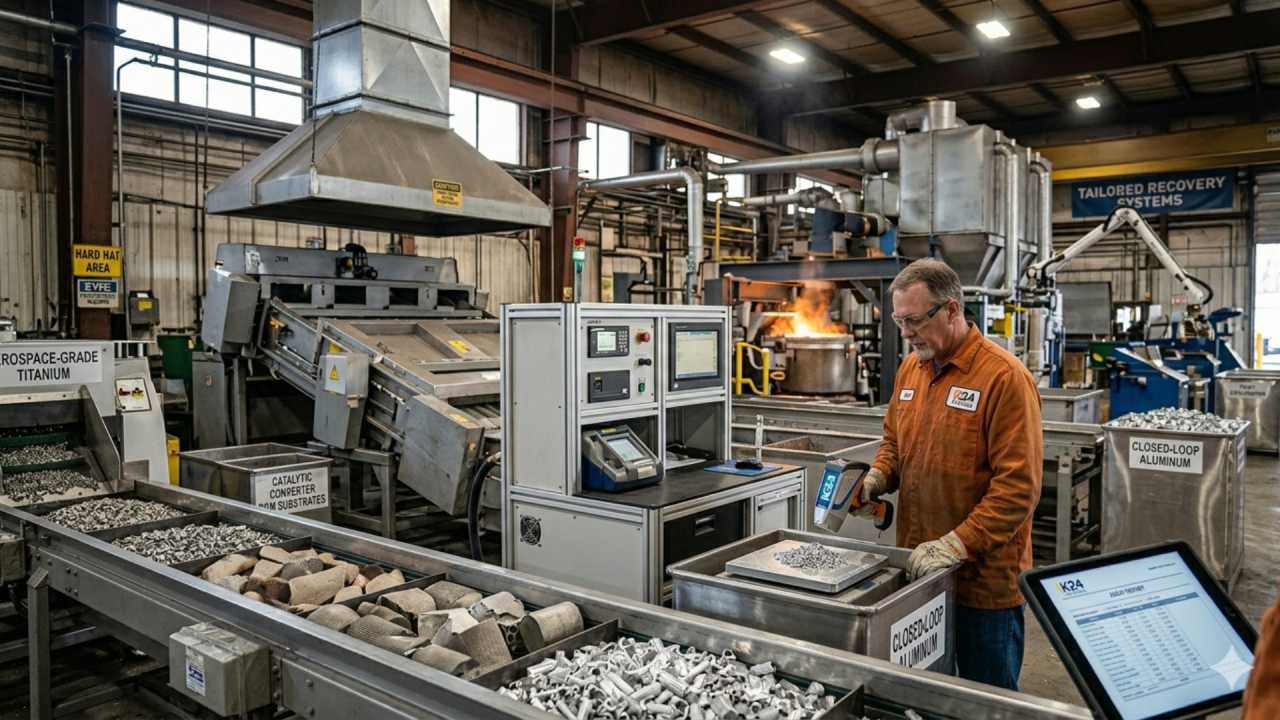
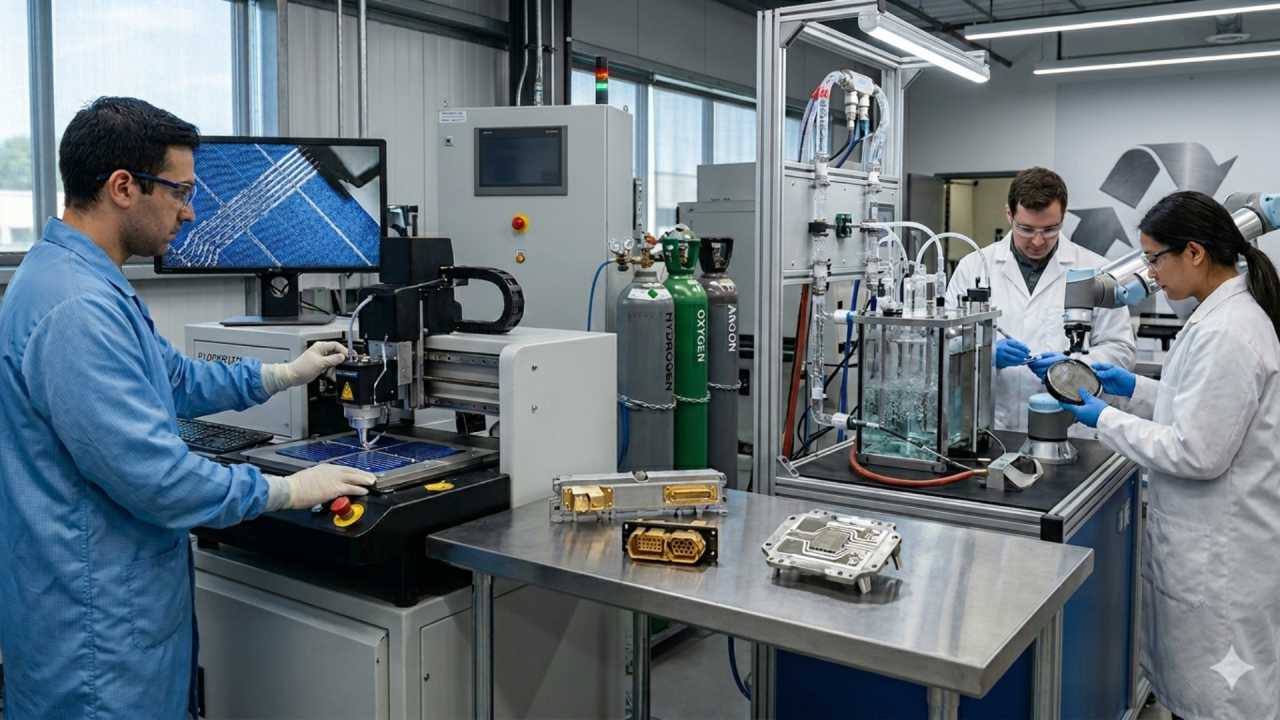
- Recovering gold from printed circuit boards, connectors, and chips.
- Complex due to mixed materials but increasingly important due to urban mining trends.
Bullion Dealers and Investors
- Refining coins or bars that do not meet desired standards.
- May involve re-melting or recasting.
Establish trusted partnerships to ensure consistent quality and volume. Vet suppliers rigorously to avoid counterfeit or illicit material.
Navigating Market Dynamics and Pricing
Gold prices fluctuate based on global economic indicators, geopolitical events, and currency movements. Refiners must be financially savvy:
Understanding Spot Prices and Refining Charges
- Spot price reflects the current market value of pure gold.
- Refiners buy gold with impurities at a discount, factoring in processing costs.
- Refining charges can range from a few dollars to hundreds per ounce depending on feedstock quality.
Hedging Strategies
- Using futures contracts or options to lock in prices.
- Protects margins but requires financial expertise.
Customer Segments
- Jewelry manufacturers seeking consistent supply.
- Investors buying certified bullion.
- Electronics and industrial users reclaiming gold.
- Central banks and government mints.
Understanding customer needs allows you to tailor your refining and delivery.
Financial and Operational Challenges
Initial Capital and Operating Costs
- Equipment purchase and facility setup can require millions.
- Chemical reagents and raw material purchases require working capital.
- Staffing and training costs must be budgeted.
Skilled Workforce
- Refining demands metallurgists, chemists, lab technicians, and safety officers.
- Training programs and retention policies are critical.
Safety and Environmental Risks
- Chemicals are corrosive and toxic.
- Fire and explosion hazards from flammable materials.
- Environmental liabilities from improper waste disposal.
Supply Chain Risks
- Fluctuating raw material availability.
- Price volatility.
- Counterfeit or contaminated inputs.
Developing a Comprehensive Business Plan
A strong business plan should include:
- Market Research: Competitor analysis, demand forecasts, and pricing strategies.
- Technical Blueprint: Detailing refining methods, capacity, and technology choices.
- Financial Modeling: Projected revenues, costs, cash flow, and ROI.
- Compliance Roadmap: Licensing, certifications, and environmental management.
- Risk Assessment: Identifying operational, market, regulatory, and safety risks.
- Growth Strategy: Plans for scaling, diversification, and innovation.
Investors and banks will scrutinize these elements, so clarity and detail matter.
Industry Trends and Future Outlook
The gold refining business is evolving with:
Environmental Sustainability
- New “green” refining technologies reduce toxic waste.
- Circular economy principles encourage more recycling and less mining.
Automation and Digitization
- Robots and sensors improve consistency and safety.
- Blockchain technology offers gold provenance tracking to enhance ethical sourcing.
Urban Mining Growth
- E-waste refining is a growing, lucrative segment.
- Advances in chemical and mechanical extraction increase yields.
Global Market Shifts
- Emerging markets increasing gold consumption.
- Changing regulations in key gold-producing countries.
Adapting to these trends can future-proof your business.
Practical Tips for Success
- Start Small: Pilot projects help you understand technical and market realities without excessive risk.
- Build Strong Supplier Networks: Trustworthy raw material sources are essential.
- Invest in Quality Control: Precise assay and certification build customer confidence.
- Prioritize Safety and Compliance: Avoid costly accidents and regulatory penalties.
- Stay Market-Informed: Monitor price trends and emerging opportunities.
- Leverage Partnerships: Work with jewelers, recyclers, and financial institutions.
- Plan for Waste Management: Implement effective environmental controls from day one.
- Train Continuously: Keep your team updated on new processes and regulations.
Final Thoughts
Entering the gold refining business requires a blend of scientific knowledge, business savvy, regulatory awareness, and environmental responsibility. It is a capital-intensive and complex industry but offers substantial rewards for those who manage the risks effectively.
By thoroughly understanding refining methods, sourcing, market dynamics, and compliance requirements, you can position yourself as a reliable and profitable player in the precious metals supply chain. Whether refining scrap gold from jewelry or processing dore bars from mines, careful planning and continuous innovation will be your keys to success in the glittering world of gold refining.