Top 10 Countries With the Highest Demand for Gold Refining Machines
Gold has remained the ultimate symbol of wealth, stability, and industrial utility for millennia. However, the gold that is pulled from the earth or recovered from old jewelry is rarely in its purest form. This is where gold refining machines become indispensable. These machines are the technological backbone of the precious metals industry, transforming raw “doré” bars, scrap jewelry, and industrial waste into 99.9% or 99.99% pure gold bullion. In the current global economy of 2025, the demand for these machines has reached an all-time high, driven by a combination of record-breaking gold prices, a surge in “urban mining” from electronic waste, and a geopolitical shift toward domestic resource sovereignty.
The importance of gold refining extends far beyond the glimmer of jewelry. It is a critical component of the global financial system, providing the liquidity and standardized purity required for central bank reserves and international trade. Furthermore, as the world moves toward a greener economy, the industrial demand for gold—particularly in high-efficiency electronics and green energy components—has intensified. This article explores the top 10 countries that are currently leading the world in the acquisition and implementation of gold refining technology, examining the unique economic and cultural drivers that place them at the forefront of this essential industry.
What Is a Gold Refining Machine?
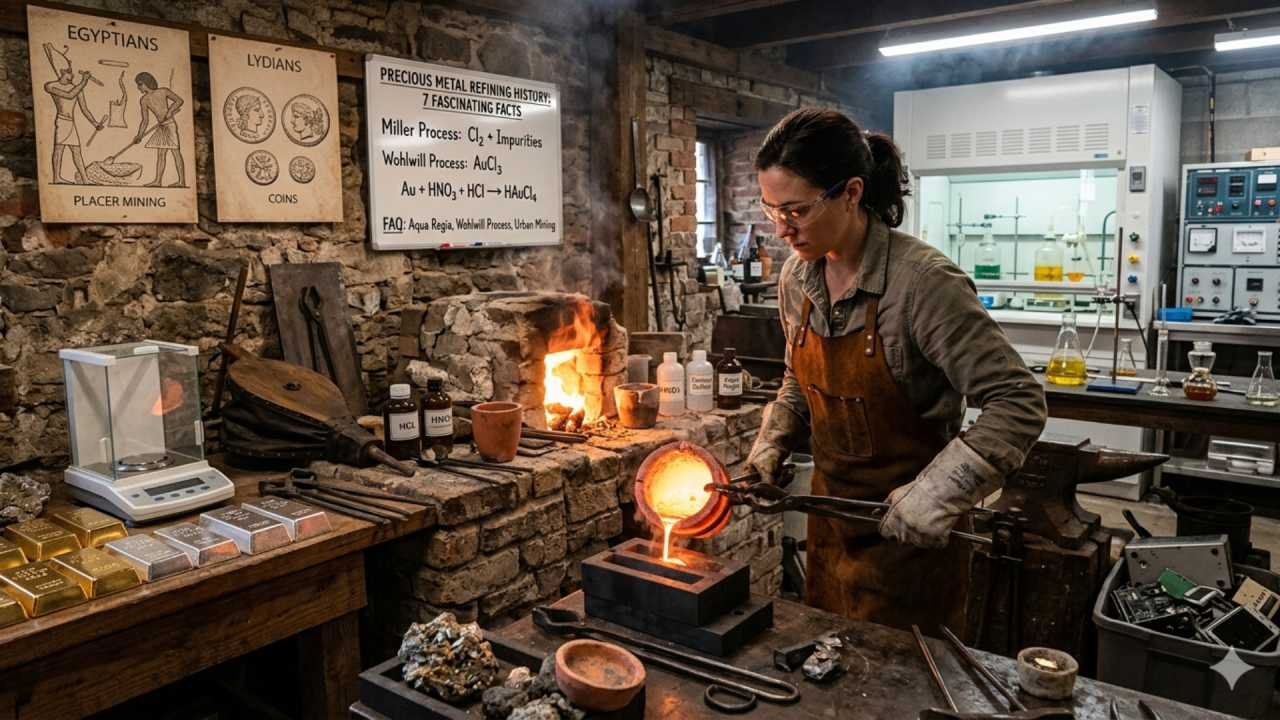
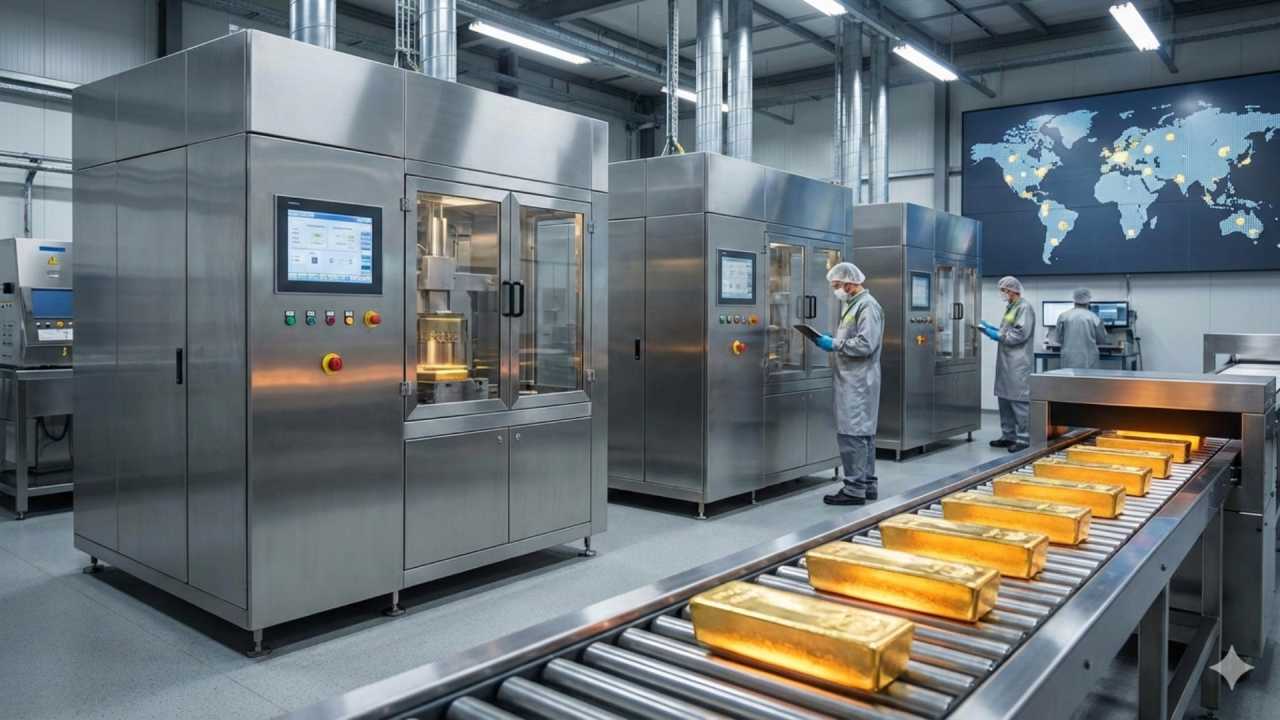
A gold refining machine is a sophisticated piece of equipment designed to separate gold from other metals (such as silver, copper, and platinum group metals) and impurities. While ancient civilizations used basic smelting and cupellation, modern machinery utilizes advanced chemical and physical processes to achieve extreme purity levels.
Primary Technologies Used in Refining
-
Aqua Regia Systems: This is the most common chemical method. The machine facilitates the dissolution of gold in a mixture of nitric and hydrochloric acids. The gold is then precipitated out of the solution using a reducing agent. Modern machines automate this process to ensure safety and environmental compliance by capturing toxic fumes.
-
Electrolytic Refining (Wohlwill Process): Often used for large-scale industrial refining, these machines use an electric current to transfer gold from an impure anode to a pure gold cathode through a gold chloride electrolyte. This method can achieve “four nines” purity (99.99%).
-
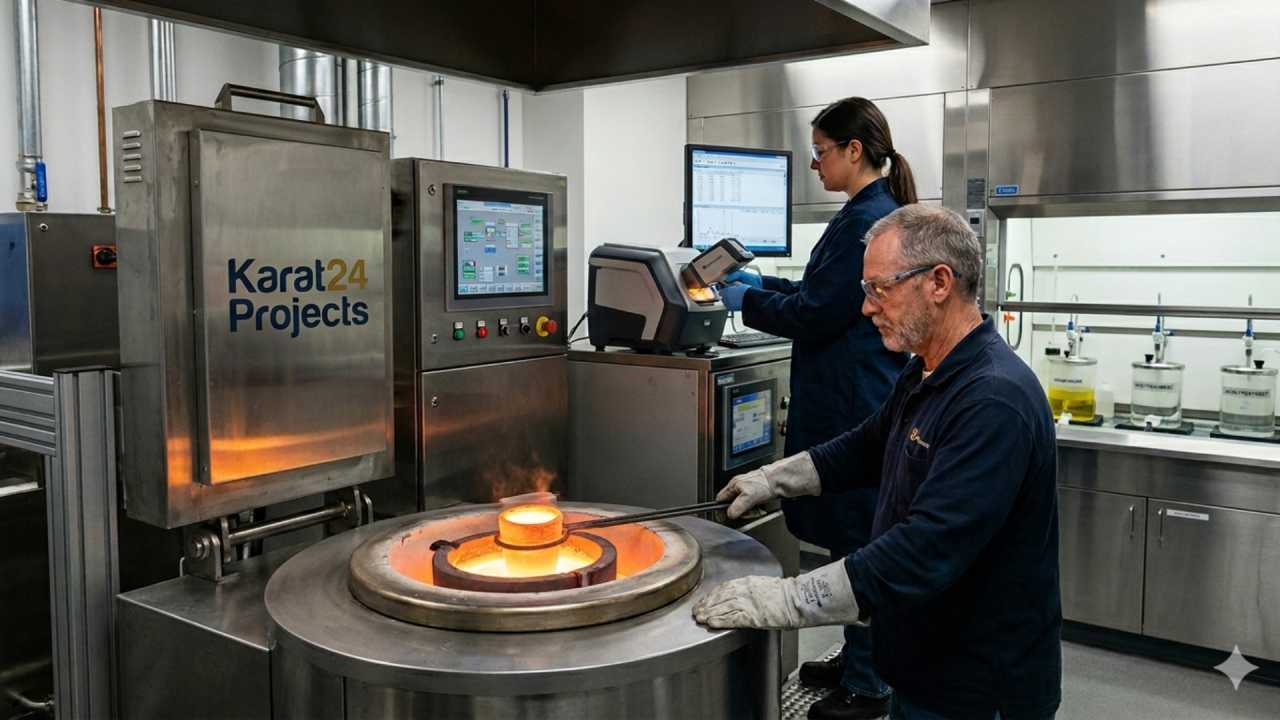
Induction Furnaces and Smelting Machines: These are used to melt down gold scrap or concentrates into uniform bars. Induction technology allows for precise temperature control, which is vital for minimizing “melt loss” and ensuring the integrity of the alloy.
These machines are used by a wide range of operators, from small-scale jewelry workshops and “back-of-the-store” recyclers to massive industrial refineries that process hundreds of tons of gold annually.
Global Gold Refining Industry Overview
The global gold refining industry is currently undergoing a massive transformation. As of late 2025, the market for gold smelting and refining is projected to grow at a compound annual growth rate (CAGR) of over 7%. This growth is not merely a result of increased mining; in fact, the “secondary” market—recycling—is becoming a dominant force.
The industry is increasingly defined by sustainability and ESG (Environmental, Social, and Governance) compliance. Modern refining machines are no longer judged solely on their speed or purity levels, but also on their energy efficiency and their ability to operate in a “closed-loop” system that minimizes chemical waste. Major refining hubs like Switzerland and the UAE are setting new standards for transparency, requiring machines that can integrate with blockchain-based tracking systems to prove the ethical origin of every gram of gold processed.
Criteria for Ranking Demand
To determine which countries have the highest demand for gold refining machines, we analyze several key metrics:
-
Refining Capacity Growth: The rate at which new refineries are being commissioned or existing ones are being upgraded.
-
Jewelry Market Volume: Countries with high jewelry consumption generate massive amounts of “scrap” gold that must be re-refined.
-
Electronic Waste (E-waste) Volume: As a major source of “urban gold,” the volume of discarded electronics correlates with the need for specialized recovery and refining machinery.
-
Mining Output: Nations with high domestic gold production require on-site or regional refining solutions to convert ore into tradeable bullion.
-
Government Policies: Import duty exemptions for machinery and mandatory hallmarking regulations often trigger a surge in equipment purchases.
Top 10 Countries With High Demand
1. India
India remains the world’s most consistent driver of gold refining machine demand. Traditionally known for its massive jewelry consumption, India has undergone a regulatory revolution in recent years. The government’s push for mandatory hallmarking has forced thousands of smaller jewelers to professionalize their operations, leading to a surge in demand for small-scale, high-precision refining and testing equipment.
Furthermore, India is actively working to reduce its reliance on imported refined gold. The “Atmanirbhar Bharat” (Self-Reliant India) initiative has encouraged the establishment of large-scale, world-class refineries. In 2025 alone, several multi-million dollar manufacturing and refining facilities opened in hubs like Hyderabad and Gujarat. The demand here is split between massive industrial electrolytic systems and compact chemical refining units used by the sprawling network of urban jewelry workshops.
2. China
China is the world’s largest producer of mined gold and one of its top consumers. This dual status creates a colossal and continuous demand for refining machinery. Unlike many other nations, China’s demand is heavily driven by industrial and technological applications. As the global leader in semiconductor and 5G infrastructure manufacturing, China requires high-purity gold that can only be produced by advanced refining machines.
In 2025, Chinese demand has pivoted toward “green” refining technologies. The government’s strict environmental regulations have made older, high-pollution refining methods obsolete, triggering a nationwide replacement cycle. Large state-owned enterprises like Zijin Mining and China Gold Group are investing heavily in automated, AI-driven refining plants to maximize recovery rates from lower-grade ores and complex industrial scrap.
3. United States
The United States represents a mature but rapidly evolving market. The primary driver for refining machines in the U.S. is no longer traditional mining, but urban mining and electronics recycling. With millions of tons of e-waste generated annually, American companies are investing in specialized machines capable of extracting gold from circuit boards and components with high efficiency.
Additionally, the U.S. investment market for gold bars and coins remains robust. This necessitates high-capacity refining machinery for private mints and refineries that process “recycled” investment gold. The focus in the U.S. is on automation and “smog-free” chemical refining systems that can operate within strict EPA guidelines in urban environments.
4. UAE (United Arab Emirates)
The UAE, and Dubai in particular, has solidified its position as the “City of Gold.” The demand for refining machines here is driven by the UAE’s role as a global transshipment and trading hub. Gold arrives in Dubai from all over the world—especially from Africa and South America—often in the form of raw doré bars that require immediate refining.
In 2025, the UAE has implemented rigorous new compliance standards for refineries to meet international “Good Delivery” requirements. This has led to a wave of upgrades, with refineries replacing older equipment with state-of-the-art machines that offer better traceability and lower environmental impact. The tax-free environment for machinery imports makes the UAE a primary market for European and Asian equipment manufacturers.
5. Turkey
Turkey’s demand for gold refining machines is deeply rooted in its culture of gold as a primary savings vehicle. In periods of high inflation, Turkish citizens frequently trade in “scrap” jewelry for more liquid investment bars or newer designs. This creates a high-velocity recycling loop that requires constant refining capacity.
Istanbul is home to some of the most advanced jewelry-focused refineries in the world. The Istanbul Jewelry Show, held in 2025, highlighted a massive interest in “modular” refining systems—machines that allow medium-sized businesses to refine their own scrap on-site rather than sending it to a third party. This trend toward decentralized refining is a unique characteristic of the Turkish market.
6. Switzerland
Switzerland is the global center of gravity for precious metals refining, processing approximately one-third of all the gold mined globally. While the number of refineries is small compared to India or China, the sophistication and scale of the machinery required are unparalleled. Swiss refineries like Valcambi, PAMP, and Argor-Heraeus are early adopters of the most advanced electrolytic and chemical technologies.
Current demand in Switzerland is focused on “Ultra-Pure” refining (99.999% purity) for specialized medical and aerospace applications. Furthermore, Swiss firms are leading the way in integrating AI into refining machines to predict melt loss and optimize chemical usage, ensuring they remain the most efficient operators in the world.
7. South Africa
As a historic mining superpower, South Africa’s demand for refining machinery is closely tied to its mining output. However, the nature of this demand is shifting. Rather than exporting raw gold, there is a growing national movement toward “beneficiation”—the process of adding value to raw materials within the country.
This shift has created a market for modernization. Older, energy-intensive refineries are being replaced with modern induction-based smelting and electrolytic refining units. South Africa also serves as a refining hub for neighboring nations, meaning its demand for high-capacity industrial machinery remains steady even as domestic mining faces geological challenges.
8. Russia
Russia is the world’s second-largest gold producer, and its demand for refining machines is currently driven by a pivot toward domestic processing. Due to international sanctions, Russia has had to internalize much of the refining that was previously done in European hubs. This has necessitated a rapid expansion of domestic refining capacity.
In 2025, Russian demand is characterized by a need for rugged, high-capacity machinery capable of operating in the remote, harsh environments of Siberia and the Far East. There is also a significant market for machines that can handle “complex” ores that contain a mix of gold, silver, and other industrial metals.
9. Thailand
Thailand is a powerhouse in the global jewelry manufacturing industry. The demand for gold refining machines here is driven by thousands of Small and Medium Enterprises (SMEs). In Thailand, the “back-of-the-store” refinery is common, where jewelers refine their own casting scrap and “old gold” from customers.
A new driver in the Thai market for 2025 is the sustainability movement. Leading Thai jewelry exporters are increasingly using “salvaged gold” from e-waste to market their products to eco-conscious consumers in the West. This has created a niche but rapidly growing demand for specialized e-waste gold recovery machines that are affordable for smaller factory setups.
10. Japan
Japan is the world leader in “urban mining.” With few natural mineral resources, Japan has perfected the art of recovering gold from its massive domestic supply of discarded electronics. The demand for refining machines in Japan is almost exclusively focused on high-technology recovery systems.
Japanese companies are at the forefront of developing “hydrometallurgical” refining machines that use less water and fewer harsh chemicals than traditional methods. In 2025, as the world faces a shortage of rare metals, Japan’s investment in machines that can refine gold alongside other critical minerals has made it a key market for the next generation of refining technology.
Key Factors Driving Demand
Several global trends are converging to push the demand for gold refining machines to new heights in 2025.
1. The Rise of “Urban Mining”
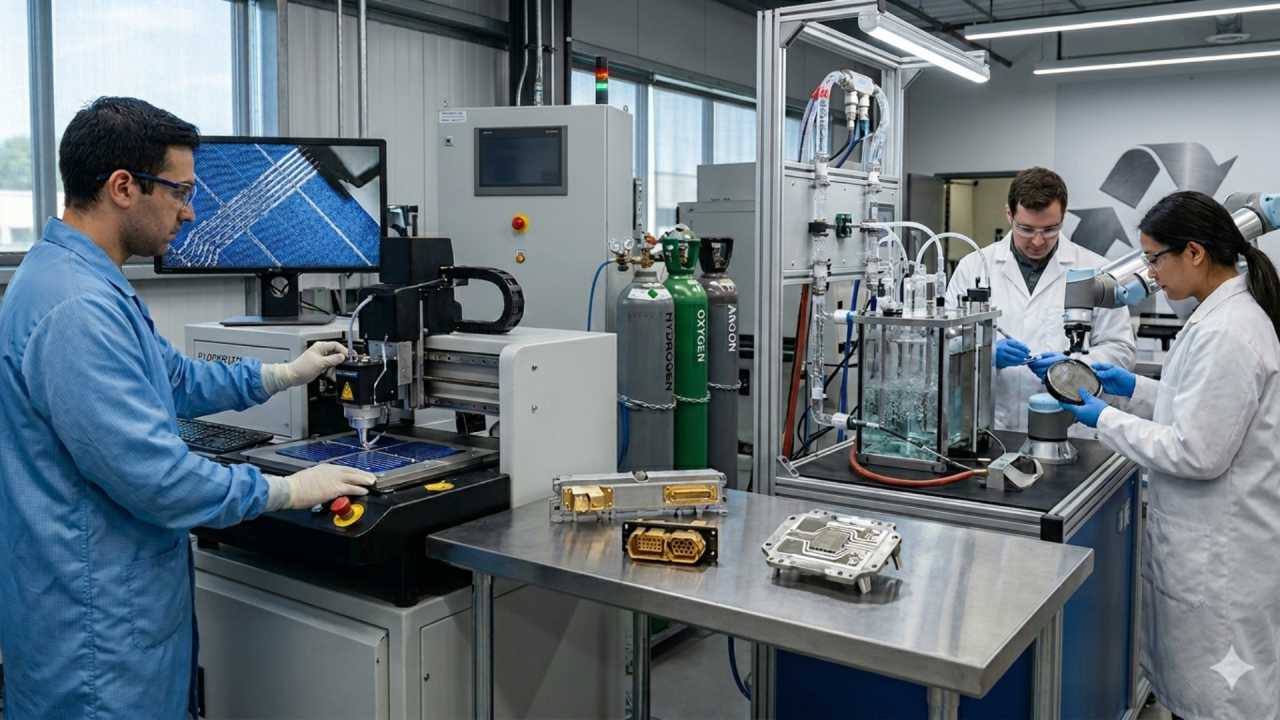
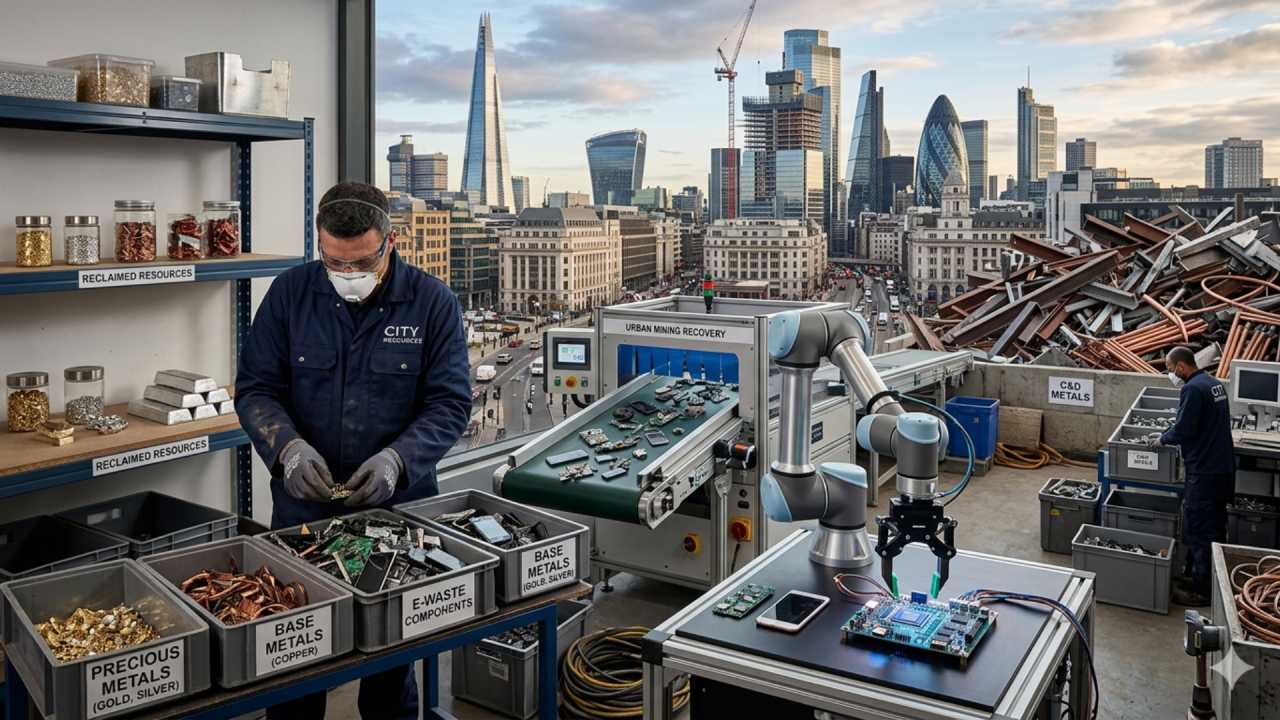
The electronic waste stream is the fastest-growing waste category in the world. A single ton of circuit boards can contain 40 to 800 times more gold than a ton of gold ore. As traditional mining becomes more expensive and environmentally damaging, companies are turning to refining machines that can efficiently “mine” our landfills.
2. Record Gold Prices
When gold prices are high, “melt-and-sell” activity spikes. Consumers sell old jewelry, and investors rotate their holdings. This increased volume of scrap gold puts immense pressure on existing refining capacity, prompting businesses to invest in new, faster machinery to capitalize on the high margins.
3. Government Regulation and Hallmarking
Governments in major markets like India and Turkey are tightening purity standards. To comply with mandatory hallmarking, businesses must ensure that the gold they sell is exactly the purity it claims to be. This requires not only refining machines but also advanced assaying (testing) equipment.
4. Technological Advancements
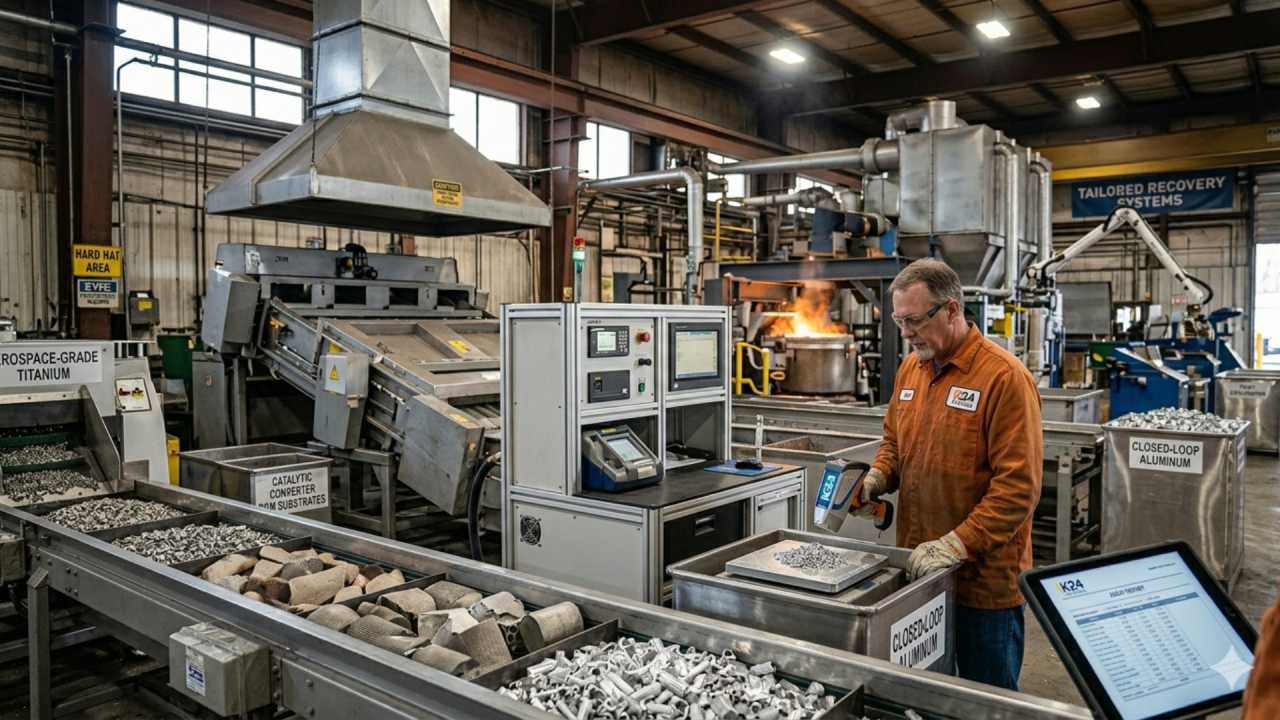
The transition from manual chemical processes to automated “closed-loop” systems is a major driver. Modern machines are safer for workers, more environmentally friendly, and significantly more efficient, reducing “melt loss” (the small amount of gold lost during the refining process) to near zero.
Challenges Facing the Gold Refining Machine Market
Despite the high demand, the market faces several significant hurdles:
-
High Upfront Costs: A professional-grade, environmentally compliant refining setup can cost hundreds of thousands of dollars. This is a major barrier for small businesses in developing nations.
-
Technical Expertise: Operating advanced electrolytic or chemical refining machines requires specialized training. A lack of skilled technicians can lead to machine downtime or, worse, dangerous chemical accidents.
-
Environmental Compliance: Many countries are cracking down on the use of mercury and cyanide in gold processing. Refiners must invest in expensive “scrubber” systems to neutralize toxic fumes, increasing the total cost of ownership for machinery.
-
Energy Consumption: Smelting and refining are energy-intensive processes. In regions with unstable power grids or high electricity costs, the operating expenses of these machines can be prohibitive.
Future Outlook & Trends
The future of gold refining is digital, green, and automated. Looking toward 2030, several trends are expected to redefine the market:
-
AI and Machine Learning: Future refining machines will use sensors and AI to analyze the composition of scrap gold in real-time, automatically adjusting the chemical or electrical parameters to ensure maximum recovery with minimum waste.
-
Modular and Portable Units: There is a growing demand for “plug-and-play” refining units that can be housed in a standard shipping container. This allows mining companies to refine gold on-site in remote locations, reducing the security risks and costs of transporting raw doré.
-
Eco-Friendly Solvents: Researchers are developing new, non-toxic chemical solvents that can replace the traditional Aqua Regia process. The first machines utilizing these “green” chemicals are expected to hit the mainstream market by late 2026.
-
Blockchain Integration: To combat “blood gold” and money laundering, future refining machines will likely be equipped with “Internet of Things” (IoT) devices that automatically record every step of the refining process to a secure, immutable blockchain ledger.
Final Thoughts
The demand for gold refining machines is a powerful barometer for the health and direction of the global economy. From the jewelry-driven markets of India and Turkey to the high-tech “urban mines” of Japan and the United States, the need to purify and standardize gold remains a universal constant.
As we have seen, the top 10 countries—India, China, the USA, UAE, Turkey, Switzerland, South Africa, Russia, Thailand, and Japan—each play a distinct role in this ecosystem. Whether they are mining the earth, recycling electronics, or facilitating global trade, their continued investment in refining technology ensures that gold remains a liquid, trusted, and essential asset for the modern world. For investors, manufacturers, and technologists, the gold refining machine market represents a sector where tradition meets cutting-edge innovation, promising sustained growth for years to come.