
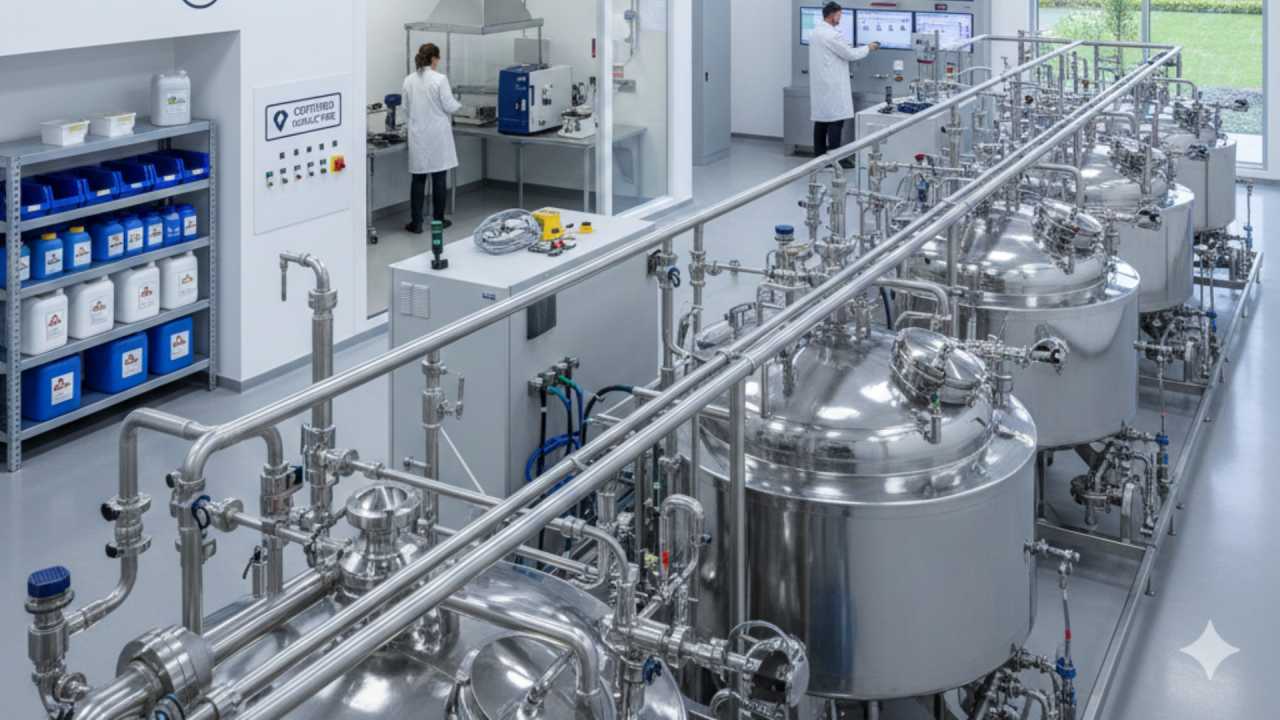
How to Refine Precious Metals in a Regulatory-Compliant Way
Why Compliance Matters in Precious Metal Refining
The global appetite for precious metals—gold, silver, platinum, and palladium—has reached unprecedented levels. Driven by the transition to green energy, the ubiquity of high-end electronics, and the perennial status of bullion as a safe-haven asset, the demand for refined metals continues to outpace traditional mining outputs. Consequently, the secondary market, which involves recovering and refining metals from existing products, has become a cornerstone of the global economy. However, as the value of these materials rises, so does the scrutiny regarding how they are processed.
Regulatory compliance in precious metal refining is not merely a legal hurdle; it is a fundamental requirement for operational viability and ethical integrity. In decades past, informal or “backyard” refining was often overlooked. Today, such practices carry catastrophic risks, including severe environmental degradation, significant legal penalties, and exclusion from the global marketplace.
For the modern stakeholder—whether a small-scale refiner, a recycling business owner, an investor, or a sustainability professional—understanding the regulatory landscape is essential. Compliance protects three primary pillars: the workers who handle hazardous materials, the communities surrounding refining facilities, and the credibility of the end-market. In an era where “greenwashing” is a legal liability, the ability to prove that gold or platinum was refined through legal, safe, and transparent channels provides a distinct competitive advantage. This article explores the high-level frameworks and best practices required to operate a refining entity that meets the highest standards of international and local law.
Overview of Precious Metal Refining (High-Level)
Before diving into the legalities, it is crucial to define what refining actually entails in a commercial context. Refining is the process of removing impurities from metal feedstock to achieve a specific purity level, often exceeding 99.9%. It is distinct from mining (extracting ore from the earth) and recycling (the collection and initial dismantling of goods). Refining is the final industrial stage that returns metal to its “fine” state, ready for re-entry into the supply chain.
Feedstock Sources
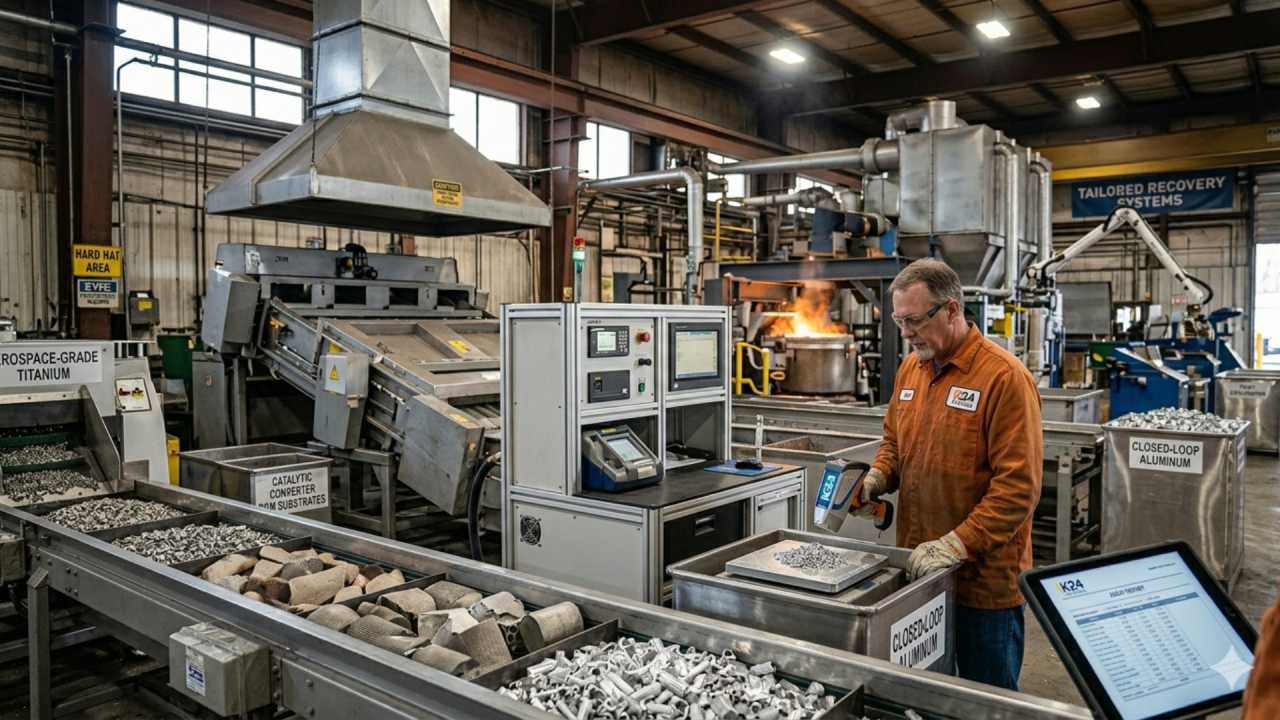
Commercial refiners typically deal with four main categories of feedstock:
-
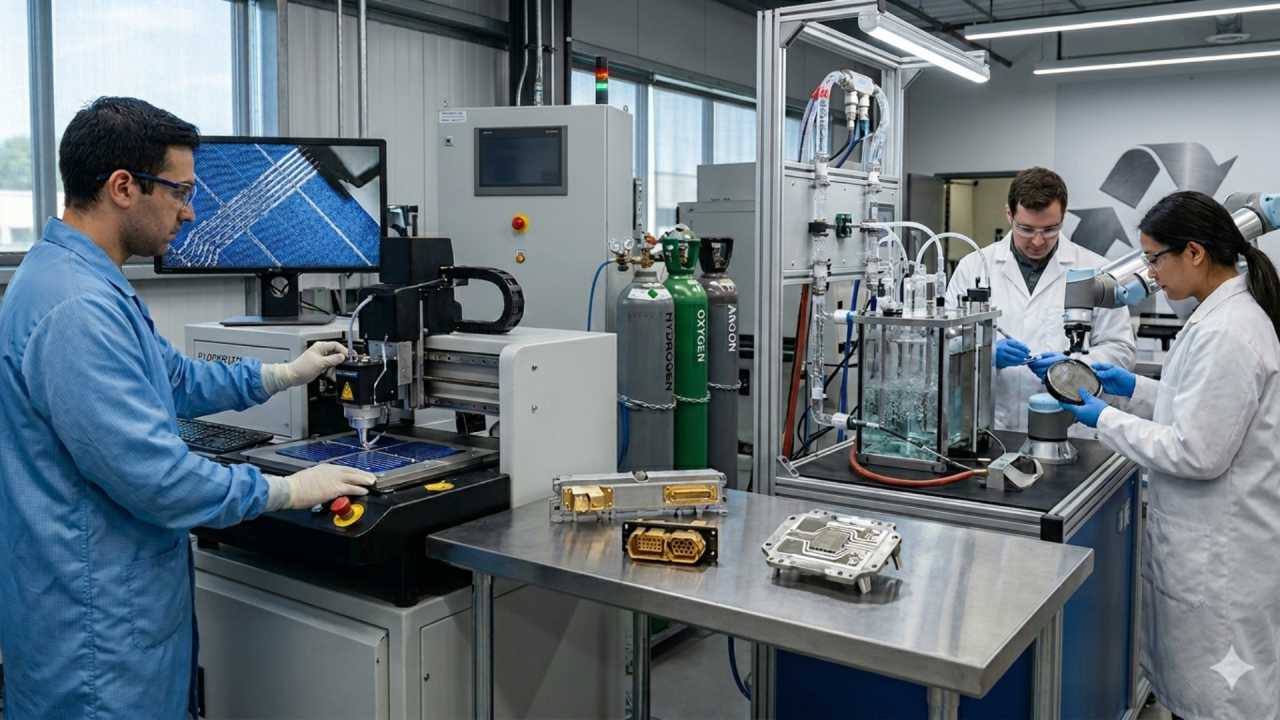
Electronic Waste (e-Waste): Circuit boards, connectors, and components containing gold, silver, and palladium.
-
Jewelry Scrap: Old or broken jewelry, often referred to as “bench sweeps” or post-consumer scrap.
-
Industrial Catalysts: Automotive catalytic converters (rich in platinum group metals) and industrial chemical catalysts.
-
Bullion Recycling: Refining lower-purity bars or coins into investment-grade products.
The Conceptual Flow of Refining
The refining process is a sophisticated industrial journey. It begins with collection and sorting, where materials are categorized by their estimated metal content. This is followed by pre-processing, which may involve mechanical shredding, burning of organic materials (incineration), or smelting to create a homogenous alloy.
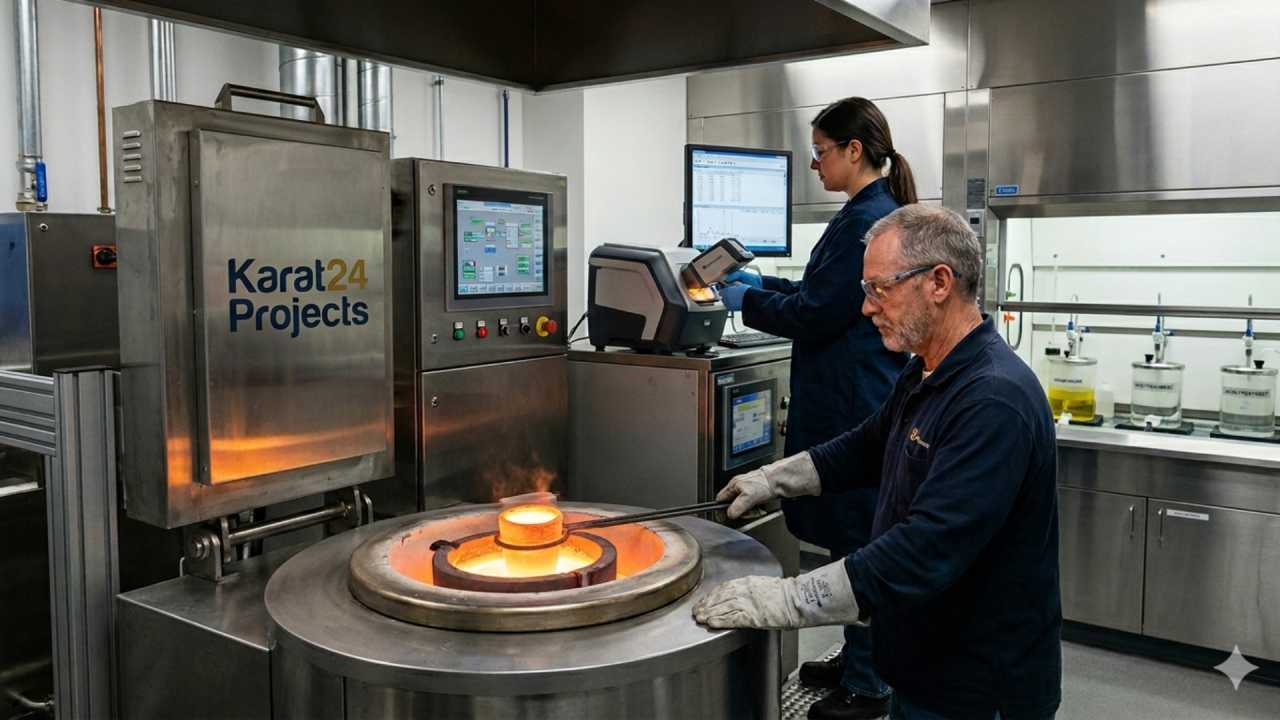
The core of the operation is separation and purification. This involves complex chemical or electrochemical processes designed to isolate specific elements. Finally, metal recovery occurs, where the isolated metals are precipitated or deposited into a solid form, melted, and cast into bars, grains, or sponges.
In a compliant environment, traceability is integrated into every one of these stages. From the moment a shipment of scrap arrives until the fine metal bar is stamped, a digital or paper trail must exist to account for the material’s origin and the chemicals used to treat it.
Legal and Regulatory Frameworks Governing Precious Metal Refining
Navigating the legalities of refining requires a multi-faceted approach. Because refining involves both hazardous chemistry and high-value financial transactions, it falls under the jurisdiction of environmental, safety, and financial regulators.
1. Environmental Regulations
Refining is an intensive process that generates byproducts. Compliance starts with the classification of hazardous waste. Spent acids, filter cakes, and slag must be identified, labeled, and tracked from “cradle to grave.”
-
Wastewater Discharge: Refiners use significant amounts of water for cooling and chemical processing. Facilities must possess permits that dictate the pH levels and heavy metal concentrations allowed in discharge water.
-
Air Emissions: Smelting and chemical dissolution can release nitrogen oxides, sulfur dioxide, and particulate matter. Compliance requires high-efficiency scrubbing systems and regular air quality monitoring.
-
Chemical Storage: Laws govern how bulk acids and volatile chemicals are stored, requiring secondary containment areas to prevent leaks from reaching the soil.
2. Occupational Health & Safety
The human element is protected by agencies like OSHA (USA) or the Health and Safety Executive (UK).
-
Exposure Limits: Refiners must regularly test the air inside the facility to ensure workers are not inhaling toxic fumes or metal dust.
-
PPE Requirements: Beyond standard boots and hats, this includes specialized respirators, acid-resistant clothing, and face shields.
-
Training: Employees must be certified in handling specific hazards, such as cyanide or concentrated nitric acid, and must be trained in emergency evacuation procedures.
3. Business and Licensing Requirements
Operating a refinery is not a “by right” business activity. It usually requires specific zoning and land-use approvals, as industrial refining is often restricted to heavy industrial zones. Furthermore, Customs and Import/Export rules are critical; moving precious metals across borders requires strict documentation to ensure taxes are paid and the movement of wealth is monitored.
4. International vs. Local Regulations
Compliance is a moving target that changes based on geography. In the United States, the Environmental Protection Agency (EPA) and OSHA set the floor. In the European Union, the REACH (Registration, Evaluation, Authorisation and Restriction of Chemicals) and RoHS (Restriction of Hazardous Substances) directives impose even stricter controls on chemical usage and electronic waste processing. In contrast, emerging markets in Asia may have different local requirements, but any refiner wishing to sell to the London Bullion Market Association (LBMA) must adhere to global standards regardless of local laxity.
Ethical Sourcing and Chain-of-Custody Compliance
In the modern market, the “how” is just as important as the “what.” A refiner could follow every environmental law perfectly but still be shut down if they process “blood gold” or metals linked to human rights abuses.
Conflict-Free Sourcing and OECD Guidance
The OECD Due Diligence Guidance for Responsible Supply Chains of Minerals is the gold standard for ethical refining. It requires refiners to perform a five-step framework:
-
Establish strong company management systems.
-
Identify and assess risks in the supply chain.
-
Design and implement a strategy to respond to identified risks.
-
Carry out independent third-party audits.
-
Report annually on supply chain due diligence.
AML and KYC Obligations
Because precious metals are highly liquid and hold value, they are susceptible to money laundering. Refiners must implement Anti-Money Laundering (AML) and Know-Your-Customer (KYC) policies. This means verifying the identity of every supplier and ensuring that the funds or materials they provide are not the proceeds of crime.
Traceability Technologies
To meet these burdens, many refiners are adopting blockchain technology and digital ledgers. These systems create an immutable record of a metal’s journey, allowing an end-user to scan a QR code on a gold bar and see exactly which recycling centers or mines contributed to its composition.
Environmentally Responsible Refining Practices
Compliance is the floor; responsibility is the ceiling. Environmentally responsible refining focuses on the “Circular Economy,” where the goal is to minimize the footprint of the refining process itself.
Waste Minimization and Closed-Loop Systems
A compliant refinery aims for a closed-loop system. In such a setup, chemicals are not used once and discarded. Instead, acids are regenerated and reused, and metals are recovered from rinse waters that would otherwise be flushed. This not only meets environmental laws but also improves the bottom line by reducing chemical procurement costs.
Proper Neutralization
When waste must be disposed of, it must be neutralized. For example, acidic waste must be treated with basic solutions to reach a neutral pH before it is considered for disposal. The residues—often called “filter cakes”—contain concentrated heavy metals and must be handled by certified hazardous waste contractors who provide a manifest proving the waste reached a legal landfill or processing site.
Energy Efficiency
Industrial refining, especially smelting, is energy-intensive. Modern compliant facilities are increasingly looking at heat recovery systems and renewable energy inputs to reduce their carbon footprint, which is becoming a reporting requirement for many corporate clients.
Safe Handling of Hazardous Materials (Non-Technical Overview)
Safety is the most immediate concern in any refining operation. The chemicals used to dissolve and isolate precious metals are among the most dangerous used in any industry.
Categories of Hazards
-
Corrosive Acids: Aqua regia, a mixture of nitric and hydrochloric acid, is a staple of gold refining. It can cause severe chemical burns and permanent respiratory damage.
-
Toxic Gases: The chemical reactions in refining often produce nitrogen dioxide (a brown, suffocating gas) or chlorine gas. Without high-end ventilation and scrubbing, these gases are lethal.
-
Heavy Metal Dust: Long-term exposure to lead, cadmium, or even fine particulates of precious metals can lead to chronic health issues, including kidney damage and neurological disorders.
Emergency Preparedness
A compliant facility must have an Emergency Response Plan (ERP). This includes specialized fire suppression systems (as some metal fires cannot be put out with water), chemical spill kits, and on-site medical stations equipped with neutralizing agents.
The complexity of these safety requirements is the primary reason why uncertified operators should never attempt refining. The risk of an uncontrolled chemical reaction or a localized environmental disaster is too high for anyone lacking industrial-grade equipment and training.
Quality Control, Assaying, and Certification
A refiner’s reputation is built on the accuracy of their numbers. Assaying is the process of testing a metal to determine its ingredients and purity.
The Role of the Assay
Compliance in a business sense means delivering what was promised. If a refiner sells a bar as .999 fine gold, and it is later found to be .995, they may face fraud charges or heavy financial penalties. Assaying methods, such as X-ray Fluorescence (XRF) or Fire Assay, must be conducted by trained professionals in controlled laboratory settings.
Third-Party Verification
To gain market trust, many refiners seek ISO 9001 (Quality Management) or ISO 17025 (Testing and Calibration Laboratories) certifications. Furthermore, being listed on a “Good Delivery List” by organizations like the LBMA or the LPPM (London Platinum and Palladium Market) requires rigorous, ongoing audits of the facility’s assaying accuracy and ethical sourcing.
Technology and Innovation in Compliant Refining
The future of refining is digital and automated. Innovation is making it easier for companies to remain compliant while increasing throughput.
Automation and Monitoring
Modern refineries use sensors to monitor every pipe and vat. If a scrubber fails or a pH level in a waste tank spikes, the system can automatically shut down the process to prevent an illegal discharge. These systems also log data automatically, providing a ready-made “compliance report” for regulators.
Greener Refining Methods
Research is currently focused on hydrometallurgical and biometallurgical processes. These methods use less toxic chemicals or even bacteria to leach metals from ore or scrap. While still emerging at the commercial scale, these technologies promise a future where refining has a much smaller environmental “handprint.”
Digital Compliance Tools
Software platforms now exist specifically for the precious metals industry. These tools manage everything from KYC documentation to hazardous waste manifests, ensuring that no regulatory deadline is missed and no supplier remains unvetted.
Common Compliance Mistakes and How to Avoid Them
Even well-intentioned businesses can run afoul of the law. Recognizing common pitfalls is the first step toward avoiding them.
-
Operating Without Proper Permits: Many small businesses start refining as a “pilot” and forget that even small-scale operations require environmental permits.
-
Improper Waste Disposal: Thinking that “neutralized” acid can go down a standard drain is a common and expensive mistake. Municipal sewer systems are not designed for industrial byproducts.
-
Inadequate Documentation: In an audit, if it isn’t written down, it didn’t happen. Failing to keep precise logs of chemical purchases, worker training, and material origin is a major red flag for regulators.
-
Underestimating Impact: Refining produces invisible hazards. Failing to account for the “fugitive emissions” that escape through doors or windows can lead to heavy fines.
-
Static Compliance: Laws change. A process that was legal three years ago may now be restricted. Continuous education and legal counsel are necessary to stay current.
When to Outsource Refining Operations
For many businesses—such as jewelry manufacturers or electronics recyclers—the burden of maintaining a compliant refining facility is too high. In these cases, outsourcing to a certified, professional refiner is the most responsible choice.
Benefits of Professional Refiners
-
Liability Reduction: When you send material to a certified refiner, the legal burden of processing and waste disposal shifts to them.
-
Cost vs. Compliance: The cost of building a compliant facility (including scrubbers, water treatment, and safety systems) can run into the millions. A professional refiner offers economies of scale.
-
Expertise: Professional refiners have dedicated compliance officers and master assayers who ensure the highest possible yield and the lowest possible risk.
Due Diligence in Choosing a Partner
If you choose to outsource, your compliance responsibility becomes vetting your partner. You must ensure they have valid environmental permits, ethical sourcing certifications (like the Responsible Jewellery Council), and a transparent assaying process.
Final Thoughts: Responsible Refining as a Competitive Advantage
Precious metal refining is no longer a “hidden” industry. It is at the forefront of the global conversation on sustainability and ethical trade. While the regulatory landscape is complex and the chemical processes are inherently hazardous, compliance should not be viewed as a barrier to entry. Instead, it is a business enabler.
A refinery that operates with transparency, protects its workers, and respects the environment is a refinery that will attract institutional investment and high-tier clients. In the circular economy, the ability to transform waste into wealth in a way that is clean and ethical is more than just a legal requirement—it is a hallmark of excellence.
As the industry moves forward, the divide between compliant, professional operations and informal, high-risk practices will only widen. For those committed to the long term, the path is clear: prioritize safety, embrace transparency, and treat regulatory compliance as the foundation of your success.