Precious Metals Refining: Process, Recovery & Purity
Precious metals—primarily gold, silver, and the platinum group metals (PGMs) like platinum, palladium, and rhodium—occupy a unique space in the global economy. Unlike base metals such as iron or copper, which are valued for their structural utility, precious metals derive their worth from a combination of scarcity, high luster, chemical stability, and exceptional conductivity. These attributes make them indispensable across diverse sectors, ranging from high-stakes investment and central bank reserves to cutting-edge medical devices and aerospace engineering.
Refining is the critical bridge between raw, impure material and the high-purity products required by global markets. It is a sophisticated industrial process designed to strip away contaminants and isolate pure elemental metal. The importance of this industry cannot be overstated. Economically, refining allows for the monetization of low-grade scrap and complex ores. Industrially, it ensures that materials meet the exacting specifications of manufacturers who cannot afford even trace amounts of impurities.
In the modern era, refining has also become a cornerstone of the circular economy. As the environmental cost of traditional mining rises, the ability to recover precious metals from secondary sources—such as discarded electronics, automotive catalysts, and jewelry—has transformed refining into a vital sustainability effort. The primary goals of any refinery are clear: achieving maximum recovery rates to minimize waste, reaching ultra-high purity levels to meet international standards, and operating within a framework of strict environmental and ethical compliance.
What Is Precious Metals Refining?
At its simplest, precious metals refining is the process of purifying an impure metal to a specific standard of excellence. However, it is important to distinguish refining from related metallurgical processes like mining and smelting. While mining involves the extraction of ore from the earth, and smelting involves melting that ore to separate the bulk metal from the rock (gangue), refining is the final stage. It is the surgical purification of that bulk metal, removing other metallic and non-metallic impurities to reach purities of 99.9% or higher.
The industry is generally categorized into two streams:
-
Primary Refining: This deals with “virgin” material sourced directly from mining operations. This material often arrives as “dore” bars—semi-pure alloys of gold and silver—that require further processing to reach investment grade.
-
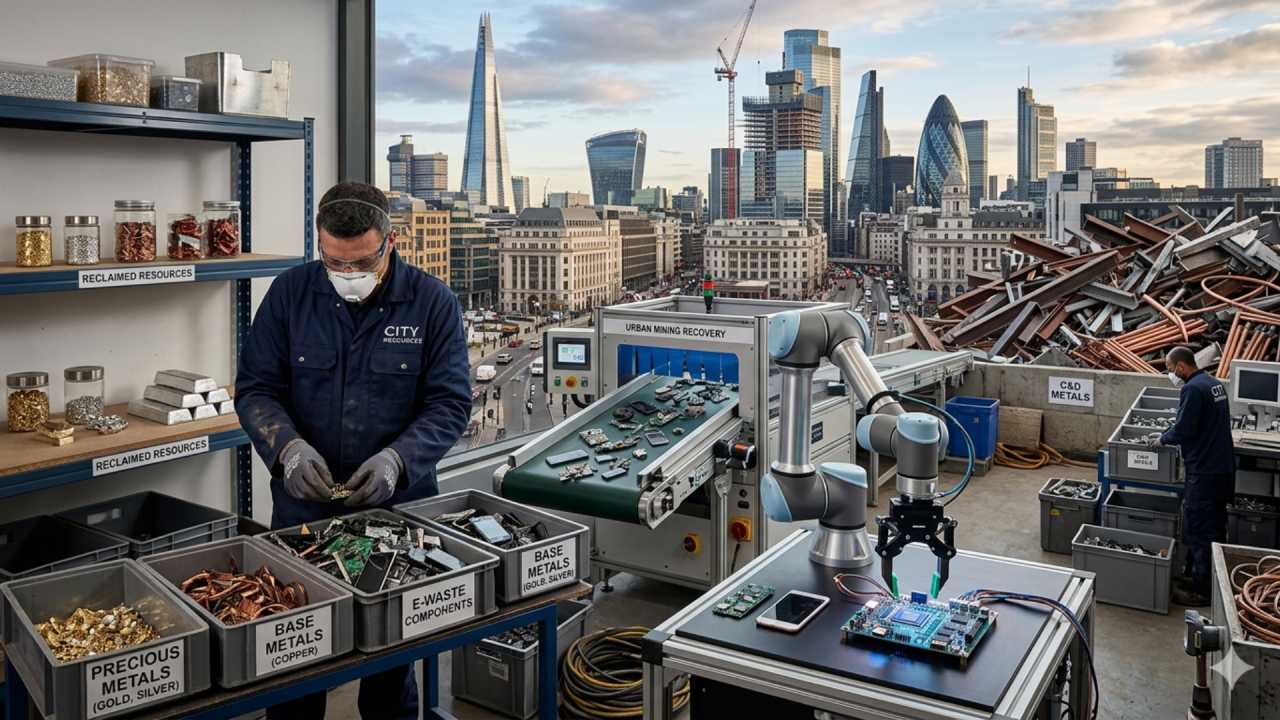
Secondary Refining: This is the practice of “urban mining,” where metals are reclaimed from end-of-life products. This includes everything from old wedding bands to the microscopic gold wires found in smartphones.
Refining is a multi-billion dollar industry that serves as the backbone for the London Bullion Market Association (LBMA) and the New York Mercantile Exchange (NYMEX). Without the standardized outputs of refineries, the global trade of precious metals would lack the fungibility and trust required for liquid markets.
Types of Precious Metals Refined
The refining world is broadly divided by the chemical behavior and market application of the metals involved.
1. Gold
Gold remains the most iconic precious metal. Most refined gold originates from either mined ores or “old scrap” (jewelry). Because gold is chemically inert, it does not tarnish or corrode, making it ideal for the electronics industry, where it is used in connectors and switch contacts. In the medical field, gold’s biocompatibility makes it a staple in dentistry and certain surgical implants.
2. Silver
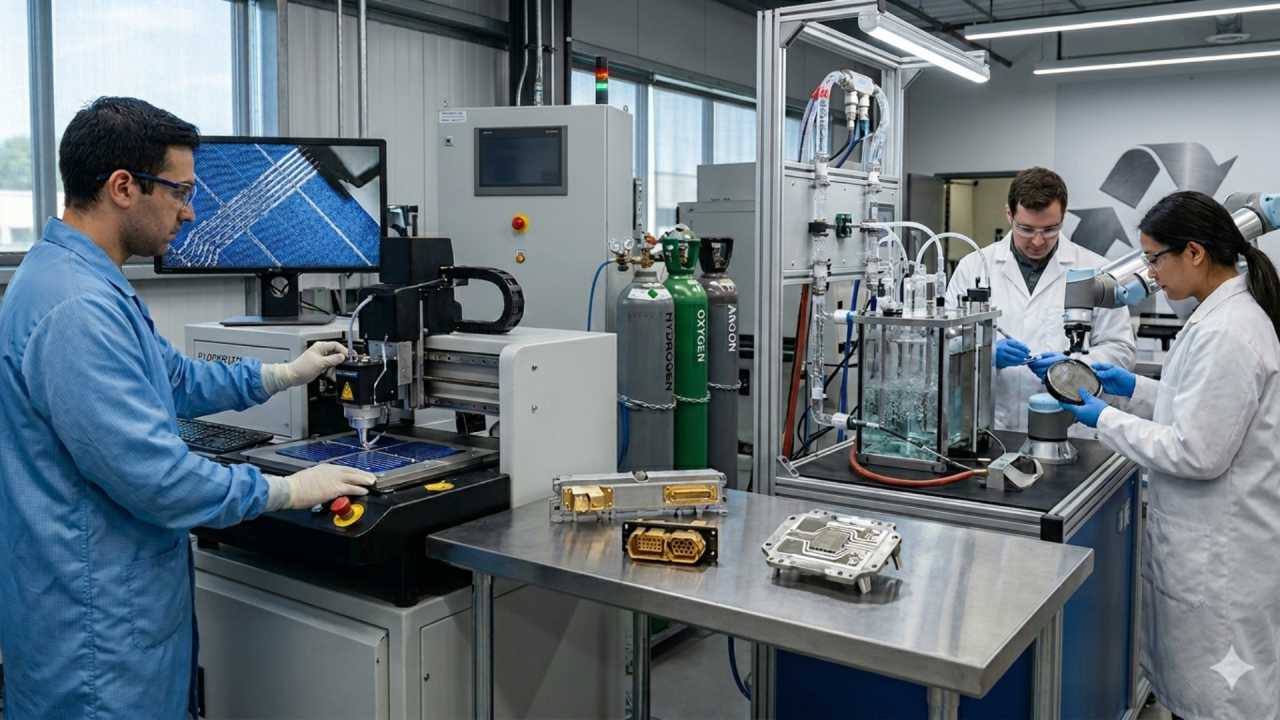
Silver is unique because it is often produced as a byproduct of lead, zinc, and copper mining. Despite its lower price point compared to gold, it is refined in massive volumes. It possesses the highest electrical and thermal conductivity of any element, which has led to an explosion in demand for silver refining within the solar energy sector (photovoltaic cells) and the automotive industry.
3. Platinum Group Metals (PGMs)
The PGM family includes platinum, palladium, rhodium, iridium, ruthenium, and osmium. These metals are incredibly rare and share similar physical and chemical properties, often occurring together in the same mineral deposits.
-
Platinum and Palladium: Highly valued for their catalytic properties, particularly in reducing harmful emissions from internal combustion engines.
-
Rhodium: One of the rarest elements on earth, primarily used in the three-way catalytic converters of gasoline engines to reduce nitrogen oxides.
Sources of Precious Metal Feedstock
The “feedstock” refers to the raw material entering the refinery. The diversity of these sources defines the complexity of the refining process.
-
Mined Ore: Often the most consistent feedstock, though it requires significant energy to process from raw rock into dore.
-
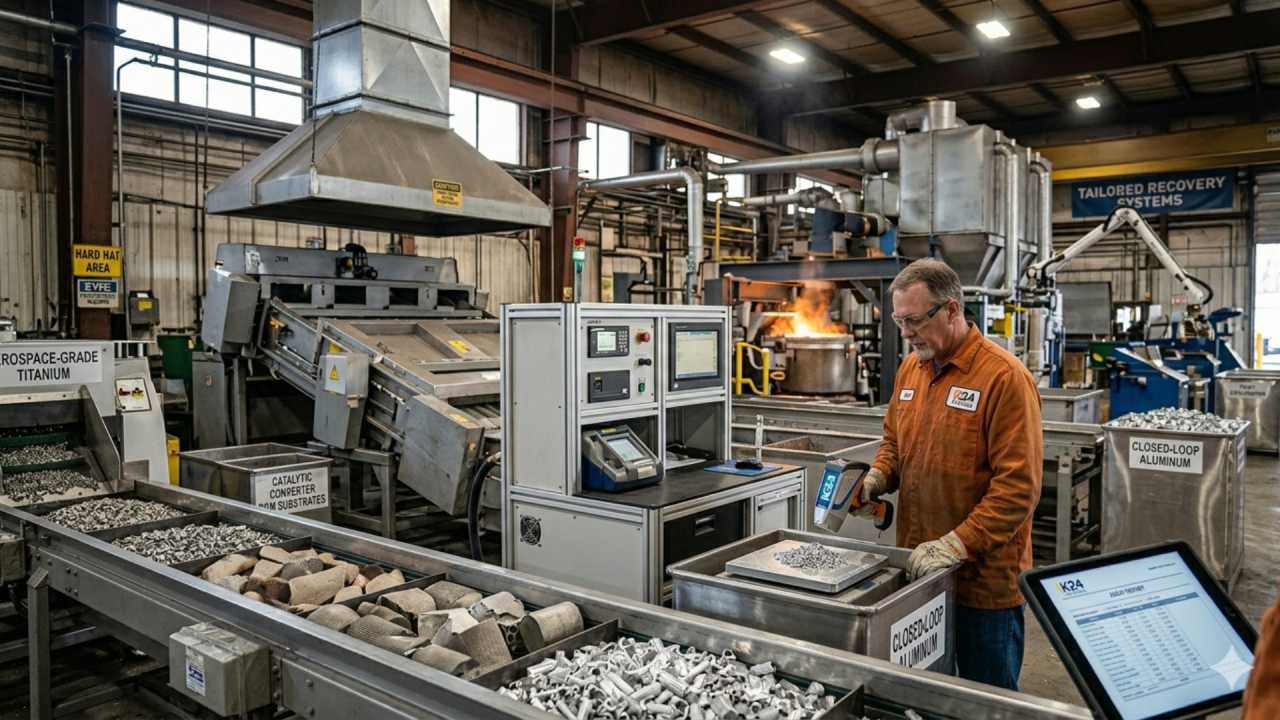
Industrial Scrap: This includes offcuts from manufacturing, spent chemical catalysts, and plated components from the aerospace industry.
-
Electronic Waste (E-Waste): A rapidly growing sector. High-end circuit boards contain significant amounts of gold, silver, and palladium. However, e-waste is notoriously difficult to refine due to the presence of plastics, flame retardants, and hazardous base metals like lead and mercury.
-
Dental and Jewelry Scrap: High-grade gold and silver scrap that often requires less aggressive refining than industrial waste.
-
Catalytic Converters: These are the primary secondary source for PGMs. A single converter contains only a few grams of metal, necessitating large-scale collection and sophisticated processing to be economically viable.
The economic value of these materials is dictated by the “recovery rate.” If a refinery cannot extract 98-99% of the contained metal, the thin margins of the industry quickly evaporate.
The Precious Metals Refining Process
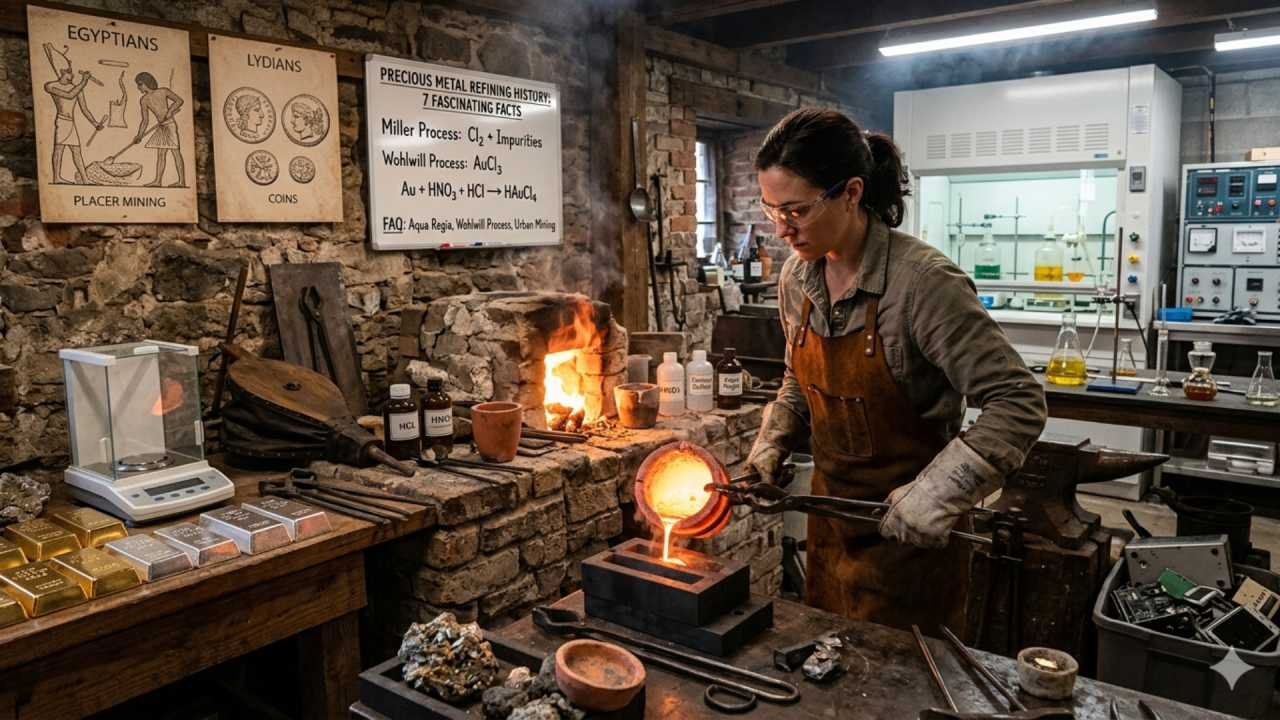
The refining process is a blend of ancient metallurgy and modern chemical engineering. It is generally divided into three major phases: preparation, smelting, and purification.
1. Sampling and Assaying
Before a single flame is lit, a refinery must know exactly what is in the feedstock. Sampling involves taking a representative portion of the material. For solids, this might involve “drilling” or “sawing” a bar. For liquids, it involves homogenization.
Assaying is the scientific determination of metal content.
-
Fire Assay: The “gold standard” for gold and silver. It involves melting the sample with fluxes and lead, then “cupelling” it to leave a bead of pure metal.
-
ICP (Inductively Coupled Plasma) Analysis: A modern technique used for complex samples, especially PGMs, where the material is vaporized in a plasma torch and the light spectrum is analyzed to detect elements at parts-per-billion levels.
2. Smelting
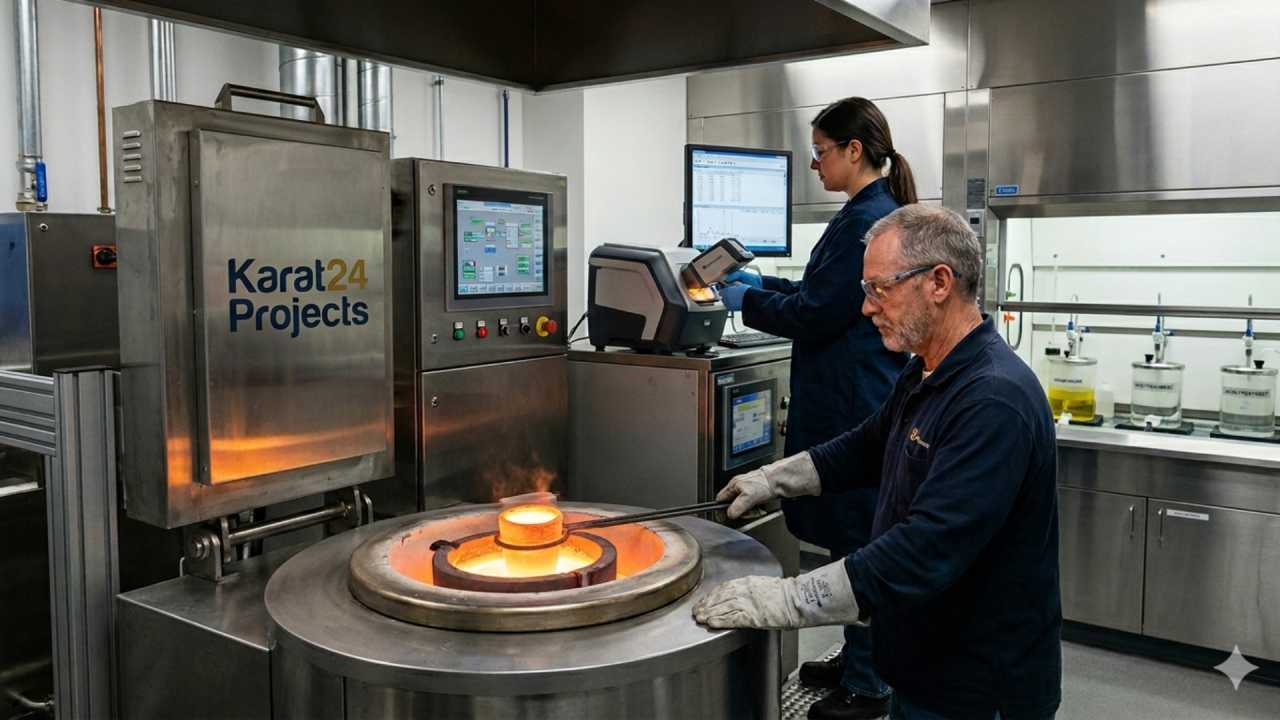
Smelting is the primary heat-driven separation process. The feedstock is placed in a furnace with fluxes (like borax or silica). These fluxes react with impurities—such as iron, copper, or nickel—to form a liquid “slag” that floats on top of the molten precious metal. The slag is skimmed off, leaving behind a more concentrated metallic alloy.
3. Chemical Refining Methods
A. Pyrometallurgical Refining
This involves high-temperature oxidation. Cupellation is a classic example, where air is blown over a molten alloy of precious metals and lead. The lead and other base metals oxidize and are absorbed into a porous hearth or blown away, leaving the unreactive precious metals behind.
B. Hydrometallurgical Refining
This uses aqueous chemistry to dissolve and then recover metals.
-
Aqua Regia: A potent mixture of nitric and hydrochloric acid. It is one of the few substances that can dissolve gold and platinum. Once dissolved, specific chemicals (like sulfur dioxide or ferrous sulfate) are added to “precipitate” the gold back into a solid, high-purity powder.
-
Cyanidation: Primarily used in mining, this involves dissolving gold in a weak cyanide solution. While controversial due to toxicity, it remains the most efficient way to extract gold from low-grade ores.
C. Electrolytic Refining
For the highest levels of purity, refineries turn to electrolysis.
-
Wohlwill Process: An impure gold anode is placed in a gold chloride electrolyte. When an electric current is applied, the gold dissolves from the anode and deposits onto a pure gold cathode. This process can achieve 99.999% purity (five-nines), effectively removing even the most stubborn PGM contaminants.
-
Moebius Process: The silver equivalent, which uses a silver nitrate electrolyte to produce high-purity silver crystals.
Recovery Techniques and Efficiency
Efficiency in refining is measured by how much metal is lost during the process. In a world where rhodium can cost thousands of dollars per ounce, a 1% loss is a financial disaster.
Gravity Separation and Flotation
In the early stages, physical properties are exploited. Gravity separation uses the high density of precious metals to “sink” them away from lighter rock. Flotation uses chemical reagents to make metal particles stick to air bubbles, which are then skimmed from the surface of a tank.
Solvent Extraction and Precipitation
In complex PGM refining, solvent extraction is used to separate chemically similar metals. Different organic solvents are used to “pull” specific metals (like palladium) out of an acidic solution while leaving others behind. Once isolated, the metal is precipitated into a solid salt and then reduced to its metallic form via heat.
Factors Affecting Efficiency
The primary enemy of efficiency is “lock-up”—metal that gets trapped in furnace linings, slag, or chemical waste. Refineries employ strict “loss control strategies,” which involve re-processing slag and filtering all wastewater and air emissions to catch microscopic particles.
Achieving High Purity
In the precious metals trade, purity is expressed in “fineness.”
-
999 (99.9%): Standard investment-grade bullion.
-
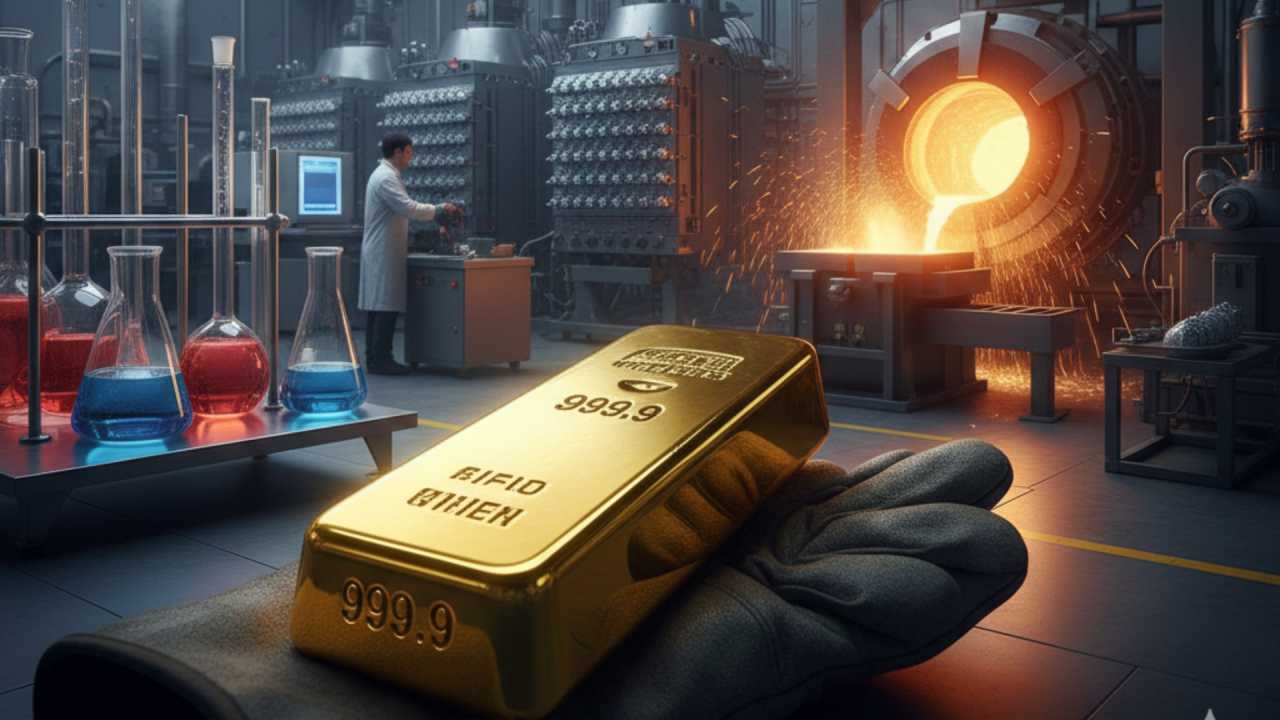
999.9 (99.99%): Known as “four-nines,” this is the requirement for most central bank gold.
-
999.99 (99.999%): “Five-nines,” used in specialized semiconductor manufacturing.
To ensure these levels are met, refineries must adhere to Good Delivery standards set by organizations like the LBMA. This involves rigorous audits of the refinery’s laboratory, its weighing equipment, and its sourcing records. ISO certifications (such as ISO 9001 and ISO 17025) provide further assurance that the analytical testing is accurate and reproducible.
Environmental and Regulatory Considerations
Modern refining is under intense scrutiny. The chemicals used—cyanide, strong acids, and chlorine gas—are inherently dangerous.
-
Waste Treatment: Refineries must operate closed-loop systems where wastewater is neutralized and heavy metals are precipitated out before any discharge.
-
Emission Controls: Scrubbers are used to neutralize acidic fumes and capture “metal drift” from furnaces.
-
Ethical Sourcing: The industry is moving toward “Responsible Gold” initiatives. Refineries must prove that their feedstock does not come from conflict zones, involve child labor, or fund criminal enterprises. This “chain of custody” is now as important to many buyers as the purity of the metal itself.
By recycling metals from e-waste, refineries significantly reduce the carbon footprint of the industry. Recovering an ounce of gold from circuit boards requires a fraction of the energy and water needed to mine that same ounce from the ground.
Challenges in Precious Metals Refining
The path to purity is fraught with technical and economic hurdles.
-
Complexity of Feedstock: Modern electronics contain a “cocktail” of elements. Separating gold from a mix of plastics, copper, tantalum, and flame retardants is a chemical nightmare.
-
Contamination: Even a tiny amount of selenium or bismuth can “poison” a batch of silver, making it brittle and unsuitable for industrial use.
-
Price Volatility: Refineries operate on tight margins. If the price of gold drops significantly while a large batch is being processed, the refinery faces substantial financial risk.
-
Capital Intensity: Building and maintaining a refinery requires massive investment in specialized furnaces, chemical reactors, and high-security storage.
Future Trends in Precious Metals Refining
The industry is currently undergoing a technological revolution.
-
Urban Mining: As high-grade ore deposits are depleted, the focus is shifting entirely to recycling. We are seeing “micro-refineries” being built closer to cities to process local e-waste.
-
AI and Automation: Artificial Intelligence is being used to optimize furnace temperatures and predict the chemical composition of scrap, reducing the need for manual sampling.
-
Green Refining: Researchers are developing “deep eutectic solvents”—essentially green chemicals—to replace toxic cyanide and aqua regia.
-
EV Battery Recycling: While primarily focused on lithium and cobalt, the recycling of electric vehicle electronics will provide a new, steady stream of silver and PGMs.
Final Thoughts
Precious metals refining is an invisible but vital pillar of modern civilization. It is the process that turns the “waste” of yesterday into the high-tech components and investment assets of tomorrow. From the ancient practice of cupellation to the futuristic precision of ICP analysis, the industry has evolved into a high-stakes discipline where chemistry meets finance.
As the global demand for electronics and green energy technology grows, the pressure on refiners to achieve higher recovery rates and greater purity will only increase. By balancing technical excellence with environmental stewardship and ethical sourcing, the refining industry ensures that these “precious” materials remain a sustainable resource for generations to come.