Silver Refining: Techniques for Recovery and Purification
Silver has occupied a unique position in human civilization for millennia. Once valued primarily as a medium of exchange and a symbol of wealth, it has transitioned into one of the most critical industrial commodities of the twenty-first century. As the most conductive element on the periodic table, silver is indispensable to the green energy transition, high-end electronics, and advanced medical applications. However, silver rarely exists in its pure form in nature. Whether it is being extracted from the earth alongside copper and lead or recovered from a discarded smartphone, the metal must undergo rigorous refining processes to achieve the high purity required by modern industry.
The science of silver refining is a complex intersection of chemistry, metallurgy, and environmental engineering. As primary ore deposits become leaner and more difficult to mine, the focus has shifted toward “urban mining”—the recovery of silver from industrial and consumer waste. This article explores the comprehensive landscape of silver refining, detailing the sources, the fundamental chemical principles, and the various techniques used to purify this versatile precious metal.
Sources of Silver for Refining
Before the refining process can begin, the silver must be collected from its various sources. These sources are generally categorized into primary mining and secondary recycling streams.
Primary Sources
Silver is seldom the primary target of a large-scale mining operation. Instead, it is most frequently recovered as a by-product of mining other base and precious metals.
-
Silver Ores: Dedicated silver minerals like silver sulfide and silver chloride are direct sources. These are typically processed using liquid leaching or flotation.
-
Lead and Zinc Refining: A significant portion of the world’s silver is recovered during the smelting of lead ores. Silver has a high affinity for molten lead and is concentrated during the initial smelting stages before being separated through specific refining steps.
-
Copper Mining: During the electrolytic refining of copper, silver (along with gold and other precious metals) does not dissolve in the liquid. Instead, it settles at the bottom of the tank as a metallic slime. This slime is a concentrated “treasure chest” for refiners.
-
Gold Mining: Silver and gold are natural companions. Almost all gold found in nature contains some percentage of silver, forming a natural alloy.
Secondary Sources (Recycling)
The circular economy has made secondary recovery a vital pillar of the silver market. Secondary silver recovery often requires significantly less energy than primary mining.
-
Jewelry and Sterling Scrap: Old jewelry and silverware are high-grade sources. Sterling silver, consisting of ninety-two point five percent silver and seven point five percent copper, is a common feedstock.
-
Electronic Waste (E-waste): Modern circuit boards, connectors, and switches contain silver due to its superior conductivity. Though the amount per device is small, the sheer volume of global e-waste makes this a critical source.
-
Photographic Waste: Historically, the photographic industry was the largest consumer of silver. While digital technology has reduced this, X-ray films and traditional cinema stock remain important for silver recovery via liquid development solutions.
-
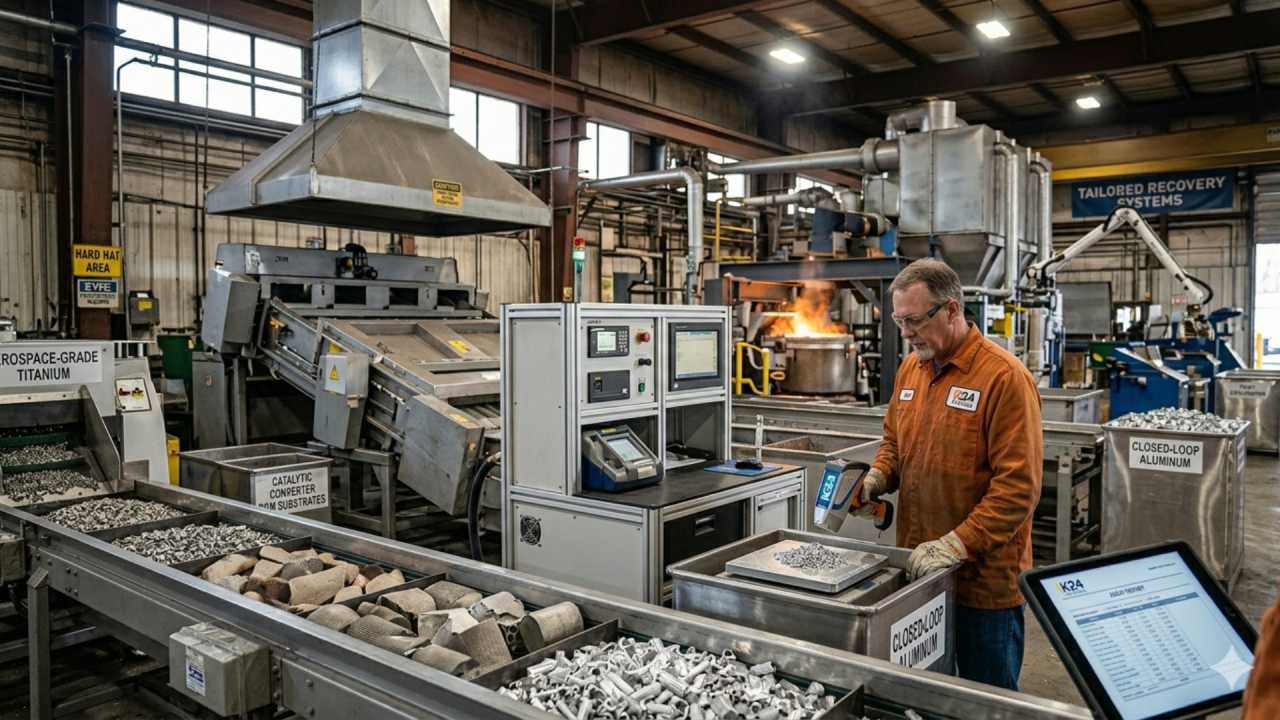
Industrial Catalysts: Silver is used as a catalyst in the production of chemicals like ethylene oxide. Once the catalyst is spent, the silver is recovered from its support structure and recycled.
Fundamentals of Silver Refining
Refining is the process of removing impurities to reach a specific standard of purity. To understand how silver is purified, one must first understand the chemical personality of the metal.
Physical and Chemical Properties
Silver is a transition metal that is the most reflective and conductive of all metals. It is relatively unreactive compared to base metals but more reactive than gold or platinum. It does not oxidize easily in air, but it reacts readily with sulfur (forming tarnish) and strong acids.
A key reaction in refining is the formation of Silver Chloride. When silver in a solution encounter chloride ions (often from salt or specific acids), they form a heavy, white, curd-like solid that is virtually insoluble in water. This property allows refiners to “lock” silver away from other dissolved metals like copper or nickel, which remain in the liquid.
Refining Goals
The ultimate goal of refining is the removal of:
-
Base Metals: Copper, lead, zinc, and iron, which are often alloyed with silver to increase its hardness or reduce costs.
-
Precious Metals: Gold and Platinum Group Metals. These must be separated not just to purify the silver, but because they are often more valuable than the silver itself.
Refining vs. Smelting
It is common to confuse these two terms, but they represent different stages. Smelting is a crude, high-heat process used to extract metal from its ore, often resulting in an alloy mixture. Refining is the “finish work” that takes that alloy and strips away the final percentages of impurities to reach ninety-nine point nine percent or ninety-nine point nine-nine percent purity.
Pyrometallurgical Refining Methods
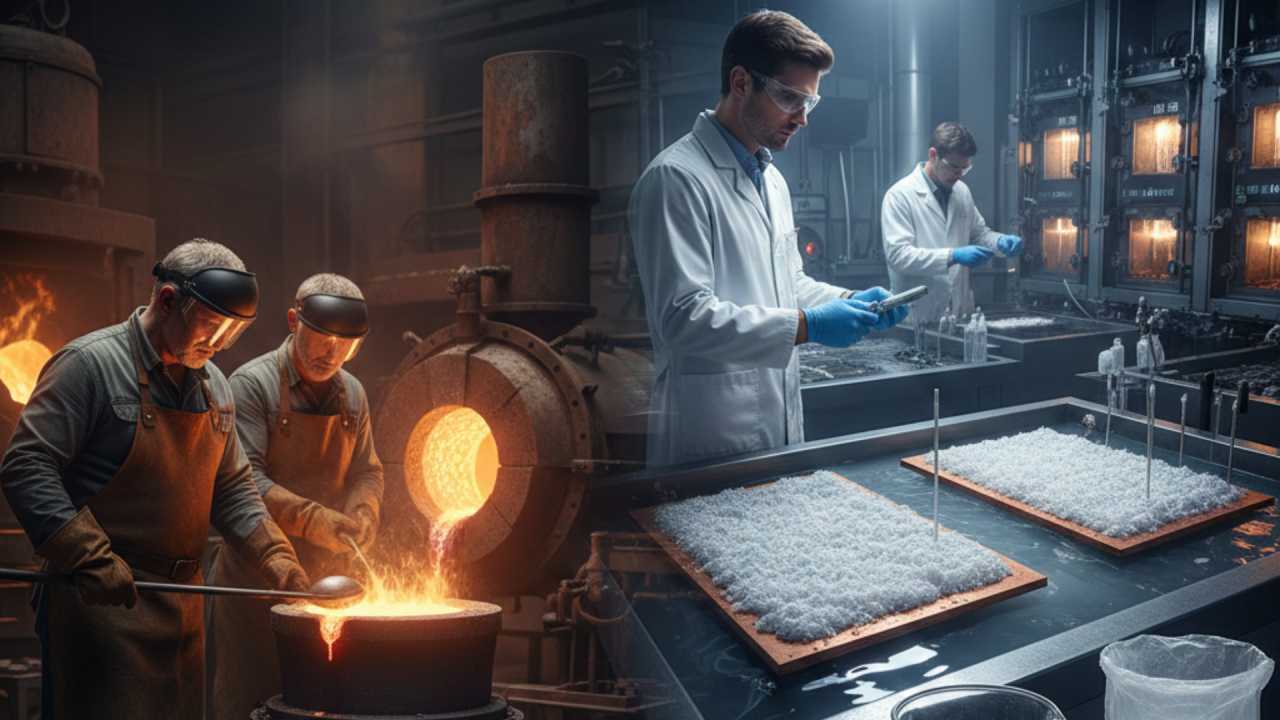
Pyrometallurgy involves the use of high temperatures to separate metals based on their melting points, densities, and affinities for oxygen. These are some of the oldest techniques in human history.
Smelting and Flux Use
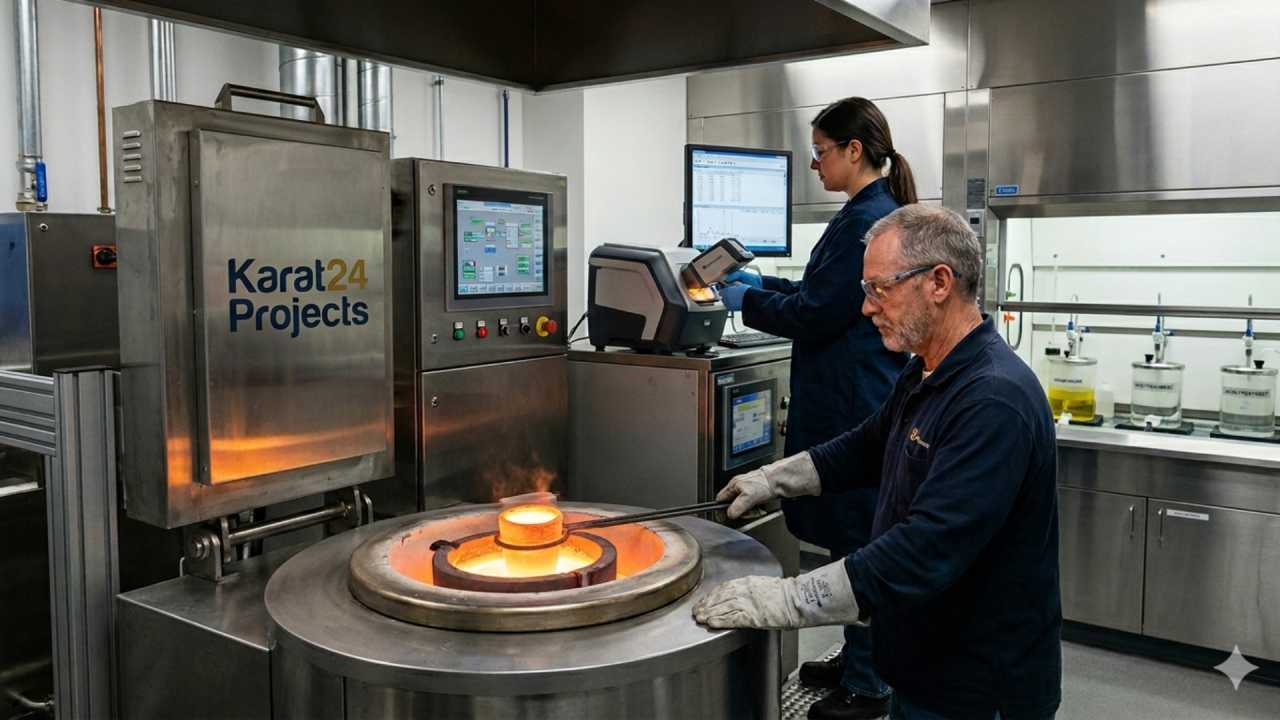
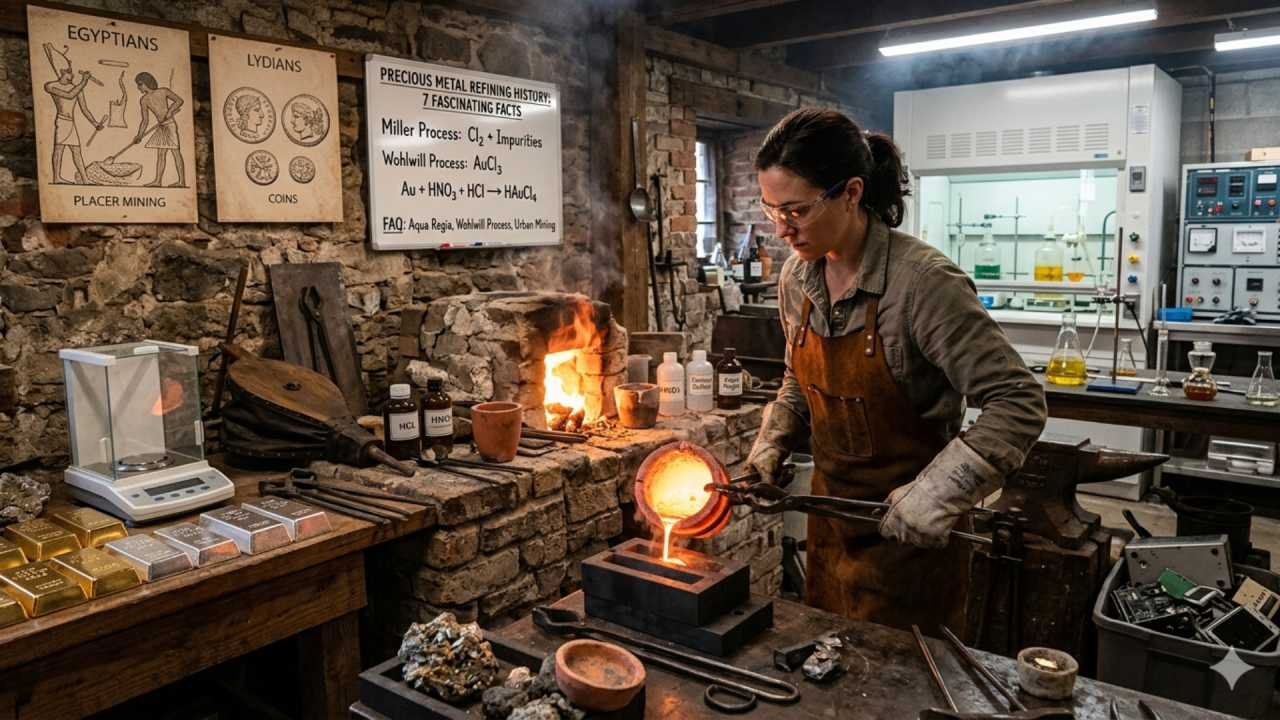
In a furnace, impure silver is melted with various chemical agents known as fluxes, such as borax, silica, or soda ash. These fluxes react with impurities to form a liquid “slag”—a glass-like waste product that floats on top of the molten metal. The silver is collected at the bottom, while the slag is skimmed off the top.
Cupellation: A Traditional Technique
Cupellation is a classic metallurgical process used to separate precious metals from base metals like lead.
-
The Process: The impure silver-lead alloy is melted in a shallow hearth or porous bowl called a cupel. A blast of air is blown over the surface of the molten metal.
-
Oxidation: The lead reacts with the oxygen to form lead oxide. The silver does not oxidize at these temperatures. The molten lead oxide is either absorbed by the porous cupel or blown off the surface as a liquid.
-
Historical Significance: This method was used for centuries and was particularly important during the Industrial Revolution for producing large quantities of silver, though it struggles to reach the extreme purity levels required for modern high-tech applications.
Hydrometallurgical Refining Methods
Hydrometallurgy uses water-based chemistry to recover and purify metals. This is the preferred route for achieving high purity and for processing complex scraps like jewelry or e-waste.
Nitric Acid Dissolution and Cementation
This is a common method for small-to-medium-scale refiners.
-
Dissolution: Impure silver is dissolved in strong nitric acid, creating a liquid silver nitrate solution.
-
Filtration: Gold or platinum in the original scrap will not dissolve in this acid. They stay behind as a black mud or solid pieces, which can be filtered out.
-
Cementation: Copper plates are suspended in the silver nitrate solution. Because copper is more chemically active than silver, it displaces the silver. The silver “cements” out of the solution as a fine metallic powder (often called silver sand), while the copper takes its place in the liquid.
The Silver Chloride Process
This method is highly effective for separating silver from a wide array of contaminants.
-
Precipitation: Salt water or hydrochloric acid is added to a liquid silver nitrate solution. The silver immediately turns into a white solid called silver chloride.
-
Conversion: The white powder is washed and then converted back to metallic silver. This is often done through a “reduction” process using chemicals like sugar and sodium hydroxide (lye), which strip away the chlorine to leave pure metallic silver.
Electrorefining (The Moebius and Thum Processes)
For the highest purity, electrolysis is the industry standard.
-
The Setup: Anodes are cast from impure silver bullion. The cathodes are made of pure silver or stainless steel. The tank is filled with a liquid solution of silver nitrate and acid.
-
The Reaction: When an electric current is applied, silver atoms at the impure block lose electrons and enter the liquid. They migrate through the liquid to the cathode, where they regain electrons and deposit as high-purity silver crystals.
-
Residue Recovery: Metals like gold and platinum do not dissolve; they fall to the bottom of the tank as a slime, which is then collected and processed separately for its high value.
Recovery of Silver from Electronic Waste
As we transition into a digital-first society, the “mines” of the future are the recycling centers. E-waste silver recovery presents unique challenges due to the complex mix of plastics, ceramics, and multiple metals.
The E-Waste Process
-
Pre-processing: Shredding and grinding of circuit boards to liberate the metallic fractions from the plastic boards.
-
Leaching: The shredded material is treated with a liquid solvent to dissolve the metals. While cyanide has been the industry standard for decades, the industry is moving toward “green” alternatives.
-
Selective Precipitation: Once in the liquid, silver is selectively recovered using specialized resins or chemicals, ensuring that the copper and nickel do not contaminate the final silver product.
This “circular economy” approach reduces the energy footprint of silver production and helps manage the growing problem of global electronic waste.
Advanced and Emerging Techniques
The refining industry is undergoing a technological shift aimed at increasing efficiency and reducing the use of harsh chemicals.
-
Solvent Extraction: This involves using organic liquids that “grab” silver ions specifically, leaving other metals behind. It is highly precise and used for high-purity industrial requirements.
-
Ion Exchange Resins: These are specialized beads that can capture silver even from very dilute waste streams, such as industrial wastewater, allowing for the recovery of silver that would otherwise be lost.
-
Bioleaching: Certain bacteria can be used to break down minerals, releasing the silver. While slower than chemical leaching, it is far more environmentally friendly and operates at lower temperatures.
-
Green Chemistry: Development of closed-loop refining systems aims to recycle all acids and water used in the process, minimizing toxic waste and reducing operational costs.
Environmental and Safety Considerations
Silver refining involves hazardous materials and by-products that require strict management.
Handling Acids and Fumes
Strong acids used in dissolution are highly corrosive and can cause severe chemical burns. Furthermore, the reaction of silver with these acids produces nitrogen-based gases, which are toxic. Refiners must use sophisticated ventilation and scrubbing systems to neutralize these fumes before they are released.
Waste Treatment and Compliance
Refining creates wastewater that often contains trace amounts of heavy metals like copper, nickel, and lead. Modern refineries use precipitation and filtration to ensure water is “metal-free” before discharge. Adhering to environmental management systems and worker safety protocols is essential for regulatory compliance and ethical operation.
Economic Considerations
The choice of refining method is often a balance between purity, volume, and cost.
-
Refining Costs: Electrorefining is energy-intensive but yields the highest purity. Chemical precipitation is faster and cheaper for small batches but may require multiple cycles to reach high purity.
-
Market Purity Standards: The market differentiates between “bullion” grade silver (used for investment and bars) and industrial-grade silver. Achieving the “four nines” (ninety-nine point nine-nine percent) purity required for high-tech applications is more expensive but commands a higher price.
-
Recovery Efficiency: In large-scale operations, recovering even tiny percentages of silver that might otherwise be lost in the slag or wastewater can represent millions of dollars in annual revenue.
Comparison of Refining Methods
| Method | Purity | Cost | Scale | Environmental Impact | Best For |
| Cupellation | 98–99% | Medium | Large | High (Lead Fumes) | Removing lead from silver |
| Acid Dissolution | 99.5–99.9% | High | Small/Med | High (Toxic Gases) | Jewelry scrap, small batches |
| Electrorefining | 99.99% | Medium | Industrial | Medium | Producing bullion bars |
| Chlorination | 99.9% | Low | Large | Medium | Separating silver from gold |
| Bioleaching | Variable | Low | Large | Very Low | Low-grade waste streams |
Technical Challenges in High-Purity Refining
Achieving the highest grades of silver purity requires addressing subtle technical challenges that can compromise the final product.
Contamination Control
In an industrial refinery, contamination can come from unexpected sources. Dust in the air, impurities in the water used for washing, or trace elements in the graphite crucibles used for melting can all lower the final purity percentage. High-purity refineries often operate in controlled environments with multi-stage water filtration.
Electrolyte Management
In electrorefining, the chemistry of the liquid electrolyte must be perfectly maintained. As the process continues, base metals like copper build up in the liquid. If the copper concentration becomes too high, it may begin to deposit on the cathode alongside the silver, ruining the batch. Refiners must constantly monitor the liquid and periodically “bleed” the system to remove these impurities.
Silver Loss in Slag
During pyrometallurgical stages, some silver always gets trapped in the glass-like slag. Advanced refiners re-process this slag multiple times to ensure that every possible grain of silver is recovered. The “assay” (testing) of slag is a critical part of a refinery’s accounting process.
The Role of Silver in Modern Technology
The demand for refined silver is driven by its unique properties that no other metal can match.
-
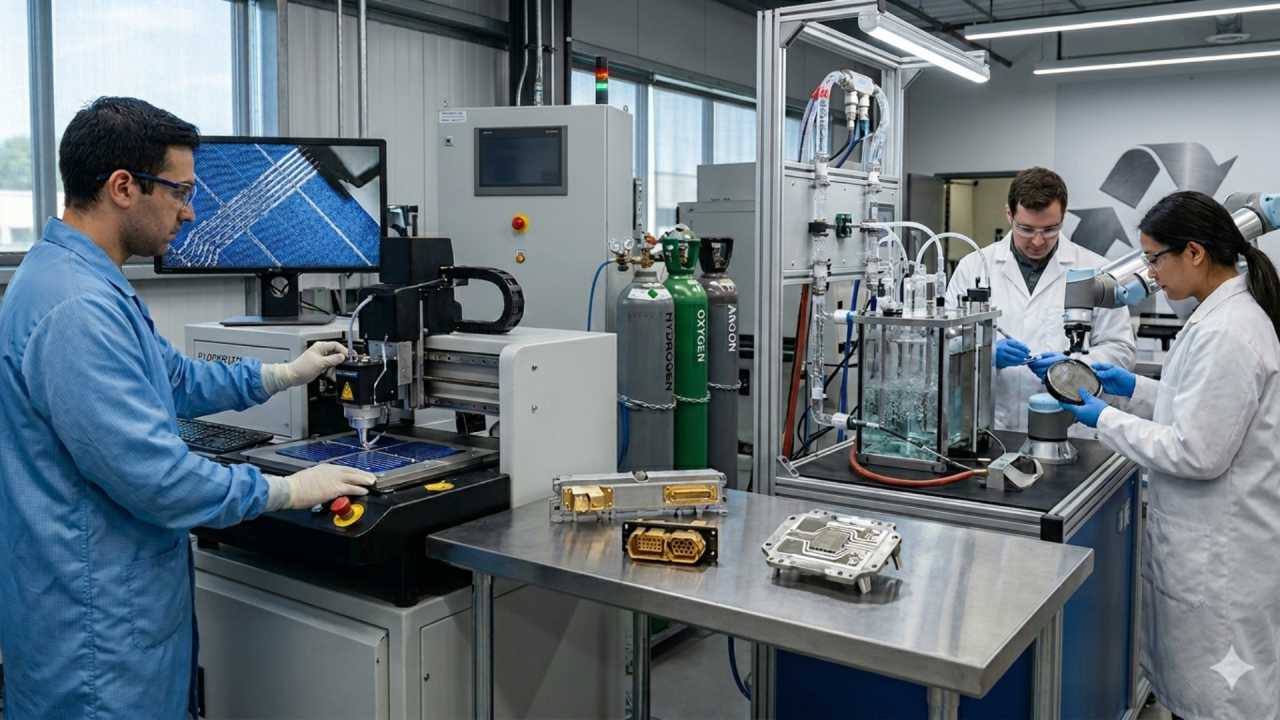
Photovoltaics (Solar Power): Silver paste is used on almost every silicon solar cell to collect and carry the electrical current produced by the cell. As the world moves toward renewable energy, this has become one of the largest industrial uses for silver.
-
Electronics: From the buttons on a microwave to the processors in a high-speed computer, silver’s conductivity makes it the preferred material for high-reliability switches and solder.
-
Medical Applications: Silver has natural antimicrobial properties. It is refined into specialized forms for use in wound dressings, surgical equipment, and coatings for medical devices to prevent infection.
-
Automotive Industry: Modern vehicles, especially electric ones, contain hundreds of electrical contacts made of silver to manage power distribution and sensor data.
Future Outlook of Silver Refining
As we look toward the future, the silver refining industry is facing a landscape of shifting supply and increasing environmental pressure.
The Shift to Urban Mining
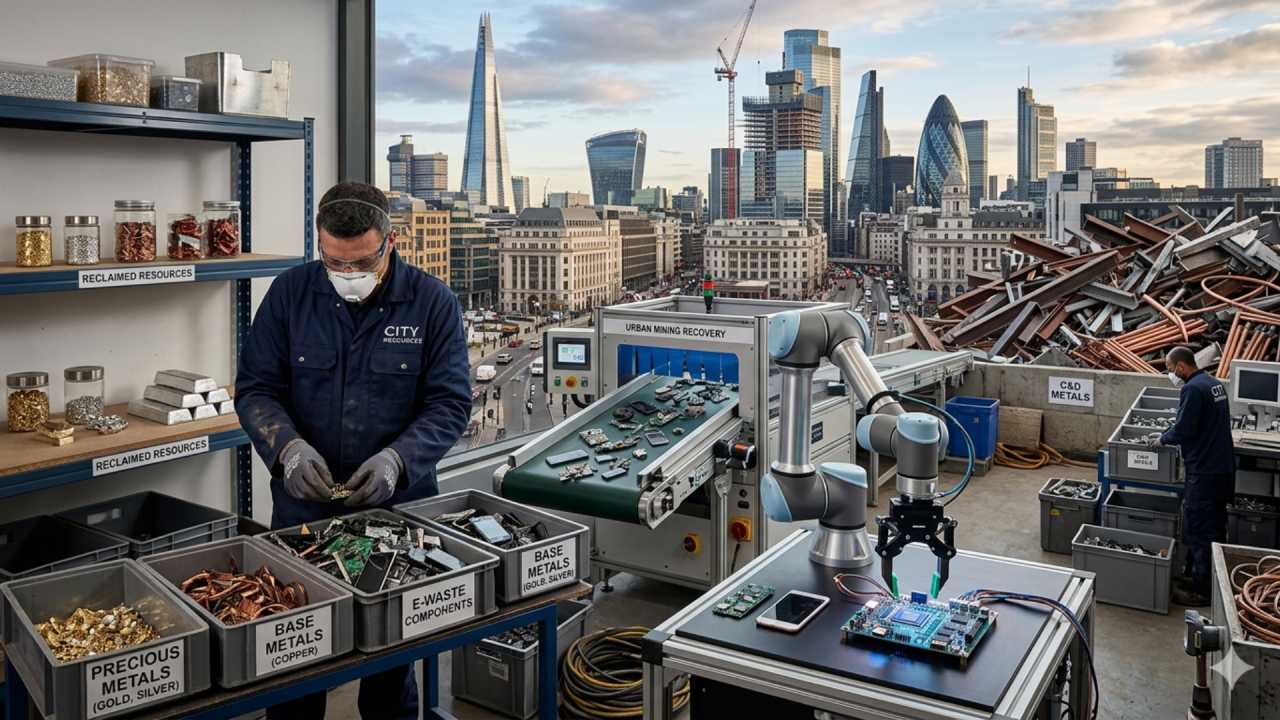
With primary ore grades declining globally, the infrastructure for recycling silver from e-waste and industrial scrap is becoming more advanced. We can expect to see refineries located closer to major cities rather than just near remote mines.
Automation and Digital Monitoring
Modern refineries are increasingly automated. Digital sensors can monitor the color and clarity of a liquid solution in real-time, adjusting the flow of chemicals automatically to maximize recovery. This reduces human error and increases the safety of the work environment.
Sustainable Chemistry
The push for “Green Silver” is leading to the development of refining processes that use biodegradable liquids and renewable energy. The goal is a carbon-neutral refinery that produces zero liquid waste, returning only pure metal to the market and clean water to the environment.
Final Thoughts
Silver refining is an evolving discipline that bridges the gap between ancient metallurgical traditions and modern technological innovation. While the fundamental chemical principles—the movement of ions and the separation of elements—remain consistent, the methods have become increasingly sophisticated, precise, and environmentally conscious.
The growing demand for silver in green energy and advanced electronics ensures that refining will remain a cornerstone of industrial progress. By selecting the appropriate technique—whether it be the high-heat separation of cupellation or the molecular precision of electrorefining—the industry can continue to provide the high-purity silver required for our modern world while moving toward a more sustainable and circular global economy.