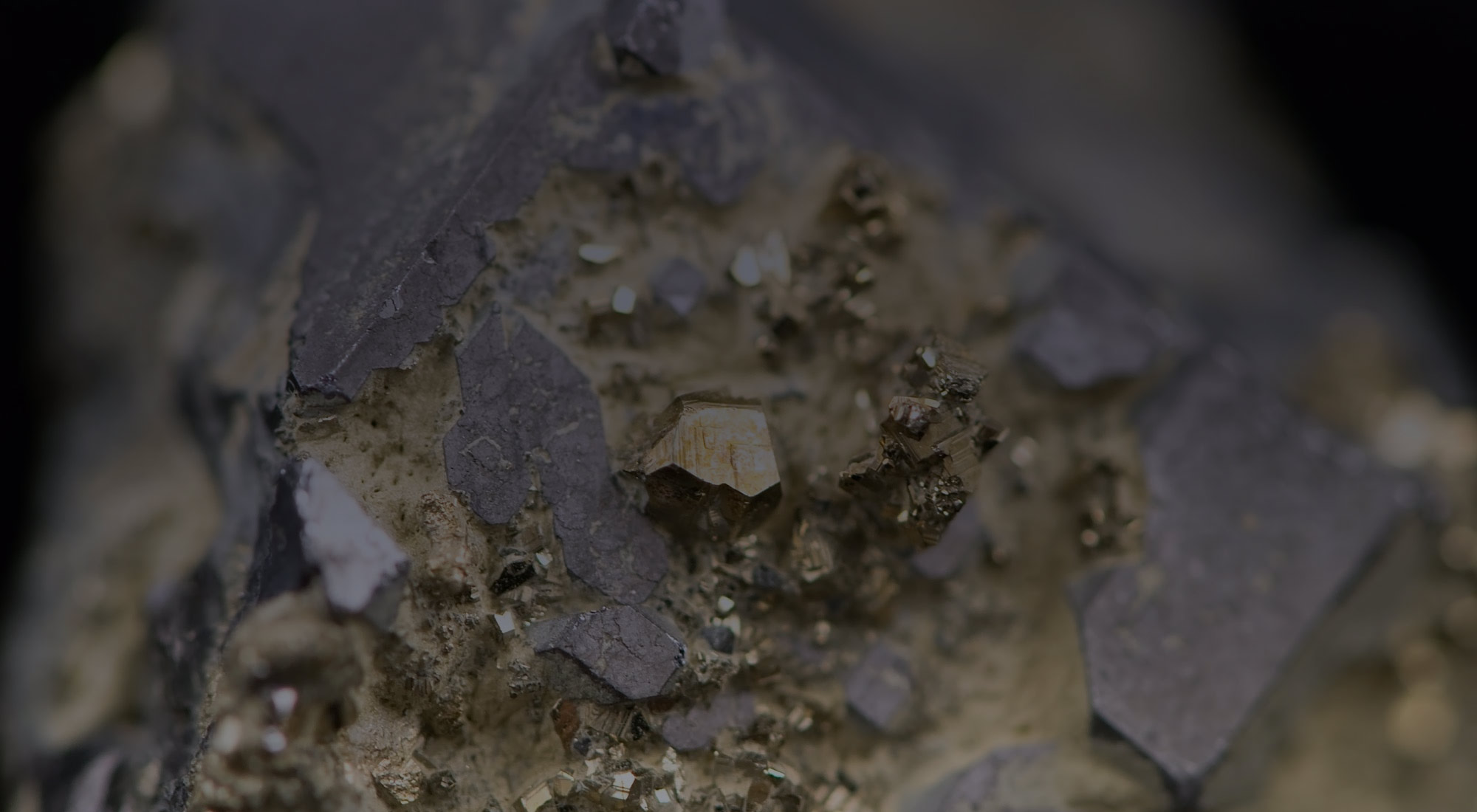

Platinum Group Metals (PGM) Refining: Extraction & Analysis
The Platinum Group Metals (PGM) represent a family of six transition metals clustered together in the periodic table: platinum (Pt), palladium (Pd), rhodium (Rh), ruthenium (Ru), iridium (Ir), and osmium (Os). These elements are renowned not only for their rarity but for their extraordinary physical and chemical properties. Often referred to as “noble metals” due to their remarkable resistance to oxidation and corrosion—even at high temperatures—they serve as the backbone of modern industrial catalysts, high-performance electronics, and the rapidly advancing green energy economy.
The economic importance of PGMs is disproportionate to their physical abundance in the Earth’s crust. While they are found in concentrations significantly lower than more common precious metals like gold or silver, their utility in automotive catalytic converters, hydrogen fuel cells, and complex chemical synthesis makes them strategic assets of the highest order. The global supply of these metals is highly concentrated geographically. The Bushveld Igneous Complex in South Africa remains the world’s premier source, accounting for the vast majority of global platinum production. Other significant producing regions include the Norilsk-Talnakh region in Russia (which is primarily palladium-rich), the Sudbury Basin in Canada, and the Great Dyke in Zimbabwe.
The refining of these metals is one of the most complex undertakings in extractive metallurgy. Because they possess extremely high melting points, varying degrees of chemical solubility, and tend to occur alongside base metals like nickel and copper, the path from raw ore to a 99.9% pure metal requires a sophisticated integration of pyrometallurgy, hydrometallurgy, and precision analytical chemistry.
Occurrence and Ore Mineralogy
PGMs rarely occur in their native metallic form in quantities sufficient for simple mechanical extraction. Instead, they are typically found locked within complex mineral matrices or as trace constituents in base metal sulfide deposits. Understanding the specific mineralogy of a deposit is the first step in designing an effective refining circuit.
Primary Sources and Magmatic Deposits
Primary PGM deposits are generally associated with magmatic sulfide deposits and layered igneous intrusions. In these formations, the metals are concentrated through the fractional crystallization of ultramafic melts. As the magma cools, droplets of sulfide liquid form and “scavenge” the PGMs from the surrounding silicate melt due to their high chalcophilic (sulfur-loving) nature. These droplets then settle to the base of the intrusion, forming enriched layers.
PGM-Bearing Minerals
The chemical diversity of PGMs leads to a wide variety of mineral forms. Some of the most industrially significant include:
-
Sperrylite (PtAs2): A platinum arsenide and one of the most common and widespread platinum minerals.
-
Cooperite (PtS): A platinum sulfide often found in the Merensky Reef of South Africa.
-
Braggite ((Pt,Pd,Ni)S): A mixed sulfide containing platinum, palladium, and nickel, highlighting the intimate link between PGMs and base metals.
-
Laurite (RuS2): A rare ruthenium sulfide, typically found as inclusions within chromite deposits.
Secondary Sources and the Circular Economy
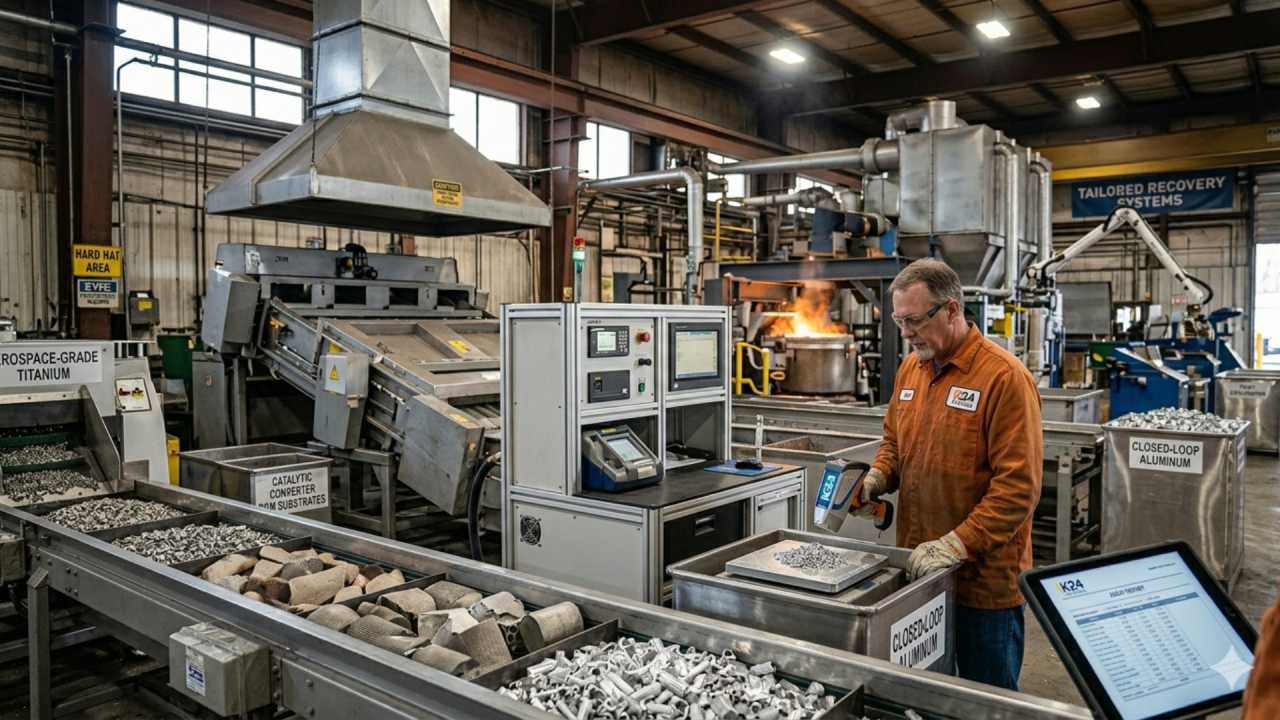
As primary ores become deeper and lower in grade, “urban mining” has transitioned from a niche activity to a vital pillar of the global supply chain. The recycling of spent automotive catalytic converters, electronic scrap (PCBs), and industrial catalysts now accounts for a significant portion of the annual palladium and platinum supply. These secondary materials present unique challenges, as the PGMs are often embedded in ceramic substrates like cordierite or aluminum oxides that must be chemically or thermally separated during the initial stages of refining.
The Base Metal Connection
PGMs are almost always found in the company of “base metals,” specifically nickel, copper, and iron sulfides. In many Canadian and Russian deposits, PGMs are actually recovered as by-products of nickel and copper mining. The chemical similarity between PGMs and these base metals necessitates a multi-stage separation process where the bulk metals are removed first, leaving behind a concentrated PGM residue for fine refining.
Mining and Concentration
The journey from a deep underground mine to a refined ingot begins with physical liberation. Because the grade of PGM ore is incredibly low—often measured in just 3 to 6 grams per ton (g/t)—vast amounts of waste rock must be processed to recover even small amounts of metal.
Physical Processing: Crushing and Milling
The ore is first subjected to primary and secondary crushing, followed by intensive milling in ball or SAG (semi-autogenous grinding) mills. The goal is to reduce the rock to a fine powder (often less than 75 microns) to physically liberate the PGM-bearing mineral grains from the surrounding silicate gangue.
Concentration via Froth Flotation
Once the ore is finely ground, it is mixed with water and specific chemical reagents (collectors, frothers, and activators) to form a slurry.
-
Collectors: These chemicals selectively attach to the surface of the sulfide minerals, making them hydrophobic (water-repellent).
-
Flotation: Air is bubbled through the tanks. The hydrophobic minerals attach to the air bubbles and rise to the surface, forming a mineral-rich froth.
-
Recovery: The froth is skimmed off, dried, and sent to the smelter.
This stage typically produces a concentrate where PGMs are significantly enriched, though they are still primarily associated with nickel, copper, and iron sulfides. Typical concentrate grades might range from 100 to 1,000 grams of PGM per ton.
Smelting and Matte Production
The flotation concentrate is next subjected to pyrometallurgical processing to further separate the valuable metals from the unwanted “gangue” (waste rock like silicates and magnesium oxides).
Electric Furnace Smelting
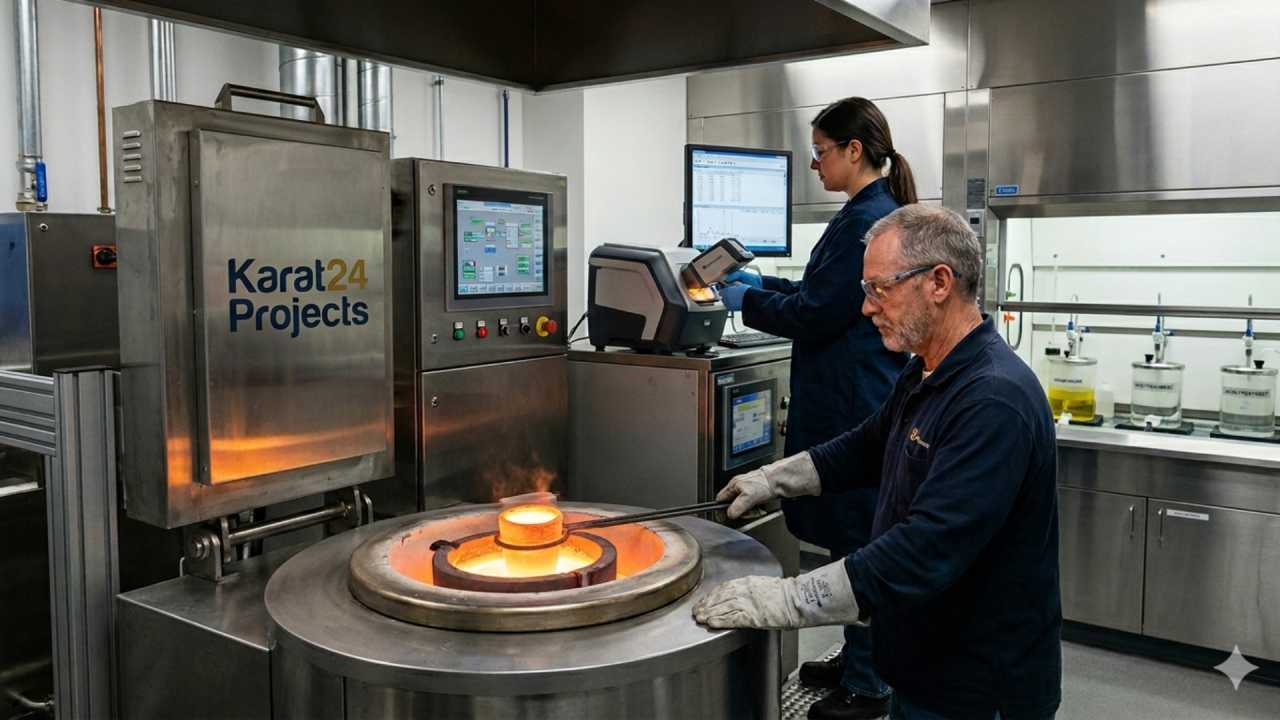
Smelting typically occurs in large electric arc furnaces at temperatures ranging between 1300°C and 1600°C. At these temperatures, the material melts and separates into two distinct liquid phases based on density and chemical affinity:
-
Matte: A dense sulfide melt containing the nickel, copper, iron, and the PGMs.
-
Slag: A lighter silicate melt containing the impurities.
Because PGMs have a high affinity for sulfur and metallic phases, they “report” (migrate) almost entirely to the matte phase. The slag is periodically tapped off and either discarded or reprocessed to recover entrained metals, while the matte is moved to the next stage of processing.
Environmental Management
A major environmental challenge during smelting is the liberation of sulfur dioxide (SO2) gas from the sulfide minerals. Modern smelters must be equipped with sophisticated gas-capture systems that direct these emissions to an acid plant, where they are converted into industrial-grade sulfuric acid. This prevents the formation of acid rain and provides a secondary revenue stream for the mining operation.
Converting and Base Metal Removal
The furnace matte, while enriched, still contains significant amounts of iron and sulfur that must be removed before the PGMs can be isolated into their pure forms.
The Converting Process
The molten matte is charged into a converter (often a Peirce-Smith converter). High-pressure air or oxygen-enriched air is blown through the liquid. This process oxidizes the iron into a slag phase and converts the sulfur into SO2 gas. The result is a “converter matte” or “white metal,” which is essentially a high-grade nickel-copper sulfide concentrate containing the PGMs.
The Base Metal Refinery (BMR)
The converter matte is solidified, crushed, and transported to a Base Metal Refinery. Here, hydrometallurgical leaching—often using sulfuric acid under pressure—is employed to dissolve the nickel and copper.
-
Nickel Recovery: The nickel is typically recovered via electrowinning or hydrogen reduction to produce high-purity nickel briquettes or cathodes.
-
Copper Recovery: Copper is similarly recovered as high-purity cathode copper.
Crucially, the PGMs are “noble” and resistant to these relatively mild leaching conditions. They do not dissolve but instead remain in the solid residue. This residue, which may look like a fine black mud, is often referred to as anode slime or refinery residue. This material contains PGMs in concentrations of 20% to 60%, making it the primary feedstock for the Precious Metal Refinery (PMR).
Hydrometallurgical Refining of PGMs
The Precious Metal Refinery is where the most sophisticated and delicate chemistry in the mining industry occurs. The goal is to take the PGM-rich residue and separate the six individual metals into their pure, marketable forms.
Dissolution Strategies
The first step in the PMR is to bring the solid PGMs into a solution where they can be chemically manipulated. Because of their stability, this requires aggressive oxidizing environments.
-
Aqua Regia Leaching: A traditional mixture of one part nitric acid and three parts hydrochloric acid. This creates nascent chlorine and nitrosyl chloride, which are powerful enough to dissolve platinum and palladium.
-
Chlorination: Modern refineries often use hydrochloric acid through which chlorine gas is bubbled. This is generally more controllable and easier to manage in a large-scale industrial setting.
-
Pressure Leaching: For particularly resistant residues, high-pressure autoclaves are used to force the dissolution of the metals.
It is important to note the varying solubilities: Platinum and palladium dissolve relatively easily. However, rhodium, iridium, and ruthenium are much more resistant and often require specialized “fusion” steps—where they are melted with an oxidizing flux like sodium peroxide—to become water-soluble.
Selective Separation and Solvent Extraction
Once the metals are in a chloride solution, they must be separated one by one. Historically, this was done through a series of “selective precipitations,” but this was slow and required many repetitions to reach high purity. Modern refineries now primarily use Solvent Extraction (SX).
In Solvent Extraction, an organic solvent containing a specific “extractant” molecule is mixed with the acidic aqueous solution. The extractant is designed to selectively bind to one specific PGM (for example, palladium), pulling it into the organic phase while leaving the other metals in the water-based phase. The organic and aqueous phases are then separated, and the metal is “stripped” from the organic phase into a high-purity aqueous solution.
The standard separation sequence often follows this order:
-
Gold and Silver Removal: If present, these are usually extracted first.
-
Palladium Extraction: Utilizing organic sulfur compounds or specific amines.
-
Platinum Extraction: Often using tributyl phosphate (TBP) or specialized amines.
-
Rhodium, Iridium, and Ruthenium: These are handled in the “refining of the insolubles” section.
Individual Metal Refining Techniques
After the separation stages, each metal exists as a purified chemical solution. The final task is to convert these chemicals back into a solid, metallic state.
Platinum Refining
The purified platinum solution is usually treated with ammonium chloride to precipitate ammonium hexachloroplatinate (NH4)2PtCl6. This bright yellow salt is filtered, washed, and then “calcined”—heated to temperatures exceeding 800°C. This process drives off the nitrogen and chlorine, leaving behind a high-purity platinum “sponge,” which can then be melted into bars.
Palladium Refining
Palladium is often precipitated as a diamino-palladium chloride complex or reduced directly from solution using hydrogen gas. Like platinum, the final product is typically a metallic sponge. Palladium’s ability to absorb massive amounts of hydrogen gas makes it a critical material for the future of hydrogen storage and purification.
Rhodium Refining
Rhodium is notoriously difficult to refine due to its complex aqueous chemistry. It often requires fusion with sodium bisulfate to convert it into a water-soluble sulfate form. After several stages of purification to remove trace amounts of iridium, it is finally reduced to a metallic state, usually as a fine gray powder.
Iridium and Ruthenium
These metals are often recovered from the insoluble residues of the initial leaching stages.
-
Ruthenium: It is unique because it can be converted into ruthenium tetroxide (RuO4), a volatile compound that can be distilled away from other metals at low temperatures.
-
Iridium: Requires high-temperature chlorination or fusion with oxidizing agents to be brought into a state where it can be precipitated as a complex chloride.
Osmium Refining
Osmium refining requires extreme safety precautions. Like ruthenium, it forms a volatile tetroxide (OsO4). However, OsO4 is highly toxic and can cause permanent eye damage and respiratory failure even at very low concentrations. Refining is conducted in strictly closed systems where the gas is distilled, trapped in an alkaline solution, and eventually reduced to metal powder.
Analytical Methods for PGM Determination
Accuracy in PGM analysis is a matter of immense financial and legal consequence. Because these metals are worth thousands of dollars per ounce, an error of even a few parts per million (ppm) in a shipment of concentrate can result in a valuation error of millions of dollars.
Fire Assay: The Bedrock of Analysis
Fire assay remains the definitive method for PGM determination. The process involves:
-
Fusion: The sample is mixed with a flux (borax, silica, soda ash) and a collector (usually lead or nickel sulfide) and melted at 1000°C.
-
Collection: The collector “scavenges” the precious metals and sinks to the bottom, forming a metallic button.
-
Cupellation: The lead button is heated in a porous crucible called a cupel. The lead is oxidized and absorbed by the cupel, leaving behind a tiny, shining bead of precious metal.
Instrumental Analysis and Trace Detection
While fire assay concentrates the metals, modern instruments provide the final, high-precision measurement:
-
ICP-OES (Inductively Coupled Plasma Optical Emission Spectrometry): This is the workhorse of the refinery laboratory, capable of measuring multiple PGMs at once by analyzing the light emitted by atoms in a high-temperature plasma.
-
ICP-MS (Mass Spectrometry): Used for trace-level detection (parts per billion), which is essential for verifying that a refined product has reached the “four nines” (99.99%) purity standard.
-
XRF (X-ray Fluorescence): Frequently used for rapid, non-destructive screening of recycled materials and mineral concentrates.
The primary challenge in PGM analysis is matrix interference. The presence of massive amounts of iron, nickel, or copper can mask the signals of the trace PGMs, requiring analytical chemists to perform complex chemical separations before the final instrumental measurement.
Environmental and Sustainability Considerations
The PGM industry is currently undergoing a massive transformation to meet modern ESG (Environmental, Social, and Governance) standards. Mining and smelting are inherently energy-intensive and produce large volumes of waste.
-
Emission Control: Modern smelters utilize “Double Contact Double Absorption” (DCDA) plants to capture nearly all sulfur emissions.
-
Water Management: Refineries require vast amounts of water and acid. Closed-loop systems are increasingly the standard, where process water is recycled and acids are regenerated, minimizing the volume of treated effluent discharged into the environment.
-
Tailings Management: The massive amounts of waste rock (tailings) generated must be stored in secure facilities. Research is ongoing into “dry stacking” tailings to reduce the risk of dam failures and to recover any remaining trace metals.
-
The Recycling Advantage: Refining recycled platinum requires only about 10% to 20% of the energy needed to mine and process primary ore. This makes the recycling of automotive and industrial catalysts a critical component of the industry’s sustainability goals.
Industrial Applications Driving Refining Demand
The demand for PGMs is driven by their unique properties that cannot be easily replicated by more common metals.
-
Automotive Industry: The largest consumer of platinum, palladium, and rhodium. They are used in catalytic converters to transform toxic carbon monoxide, hydrocarbons, and nitrogen oxides into harmless CO2, water, and nitrogen.
-
The Hydrogen Economy: Platinum is the essential catalyst for Proton Exchange Membrane (PEM) fuel cells and electrolyzers. As the world shifts toward hydrogen as a clean fuel, this is expected to become the dominant driver of platinum demand.
-
Electronics: Palladium is a key component in multi-layer ceramic capacitors (MLCCs) found in every smartphone and laptop, while ruthenium is used in the manufacturing of high-density hard disk drives.
-
Chemical Industry: PGMs serve as catalysts for the production of nitric acid (for fertilizers) and the refining of crude oil into high-octane gasoline.
-
Medicine: Platinum-based drugs like cisplatin are fundamental in chemotherapy, and iridium is used in pace-makers and other medical implants due to its extreme biocompatibility.
Future Trends in PGM Refining
The future of PGM refining lies in the development of “Green Hydrometallurgy.” Researchers are currently exploring the use of bio-leaching—using specialized bacteria to recover metals from low-grade tailings—and the application of deep eutectic solvents (DES), which are far less toxic and corrosive than traditional mineral acids.
Furthermore, Automation and Artificial Intelligence are beginning to play a role in the refinery. Automated sampling systems and real-time ICP monitoring allow for tighter control over the solvent extraction stages, reducing the number of chemical “re-runs” needed to achieve high purity. As palladium prices remain volatile, the industry is also seeing a trend toward substitution, where platinum is engineered to perform the tasks of palladium in gasoline-powered vehicles.
Finally, the rise of Urban Mining will likely see the construction of specialized PGM refineries located closer to major metropolitan areas rather than remote mining sites. Processing the “technosphere”—the accumulated waste of our electronic age—will be the next great frontier in ensuring a stable and ethical supply of these six noble metals.
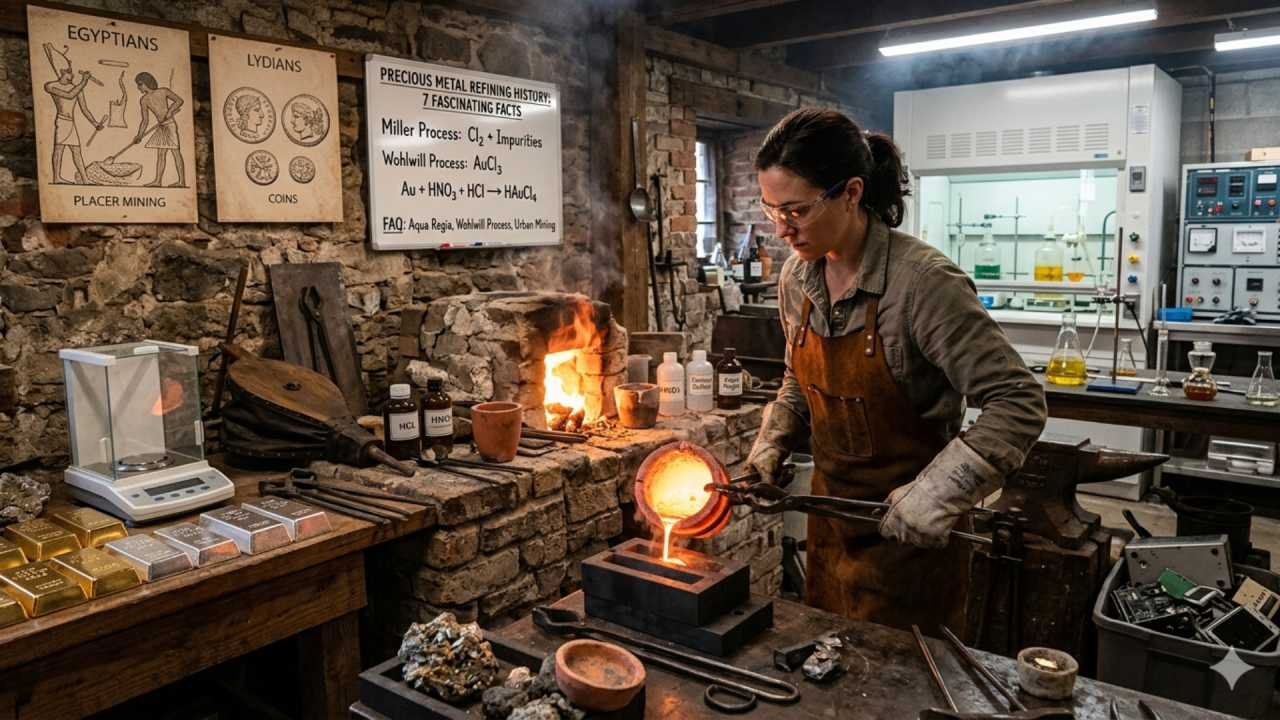
Through a combination of ancient fire-based techniques and cutting-edge molecular separation, the PGM refining industry continues to evolve, ensuring that these rare and vital elements remain available for the technologies that define the modern world.