

How to Start a Small-Scale Gold Refinery: Step-by-Step
The gold refining industry represents one of the most stable and potentially lucrative sectors in the precious metals market. Unlike gold mining, which is subject to the geological uncertainties of the earth, gold refining focuses on the “urban mine”—the vast quantities of gold already in circulation through jewelry, electronics, and industrial scrap. As global demand for recycled gold continues to climb due to environmental concerns and the rising costs of traditional mining, the opportunity for small-scale refineries has never been greater.
Why Start a Small-Scale Gold Refinery?
Starting a small-scale gold refinery is an attractive venture for several reasons. First, the supply of raw material is ubiquitous. From broken jewelry in pawn shops to gold-plated circuit boards in discarded computers, gold is everywhere. Second, the barriers to entry, while significant in terms of technical knowledge and safety, are much lower than those of a full-scale mining operation.
For jewelers, a refinery allows for the vertical integration of their business, turning scrap back into usable bullion or casting grain without paying third-party fees. For recyclers and investors, it offers a way to capitalize on market fluctuations and the high liquidity of gold. This guide provides a comprehensive roadmap for establishing a small-scale refinery, focusing on the transition from a hobbyist or small workshop to a professional, compliant, and profitable business entity. We will explore the technical processes, the rigorous safety and legal requirements, and the operational strategies needed to succeed in this competitive field.
Understanding Gold Refining Basics
Gold refining is the process of removing impurities from gold-bearing material to produce metal of a specific, high purity—typically 99.9% (24K) or higher. It is essential to distinguish between smelting and refining. Smelting involves melting the material to separate the metal from the ore or non-metallic components, usually resulting in “doré” bars which still contain significant impurities like silver, copper, or zinc. Refining is the subsequent chemical or electrochemical process that purifies that metal.
Common Purity Levels
In the refining world, you will deal with various “fineness” levels:
-
10K to 18K Gold: Common in jewelry, containing 41.7% to 75% gold mixed with alloys.
-
22K Gold: Often found in coins and high-end jewelry, containing 91.6% gold.
-
24K Gold: Pure gold, the ultimate goal of the refining process.
Types of Feedstock
A small-scale refinery typically processes three types of materials:
-
Jewelry Scrap: This is the most common feedstock. It includes old rings, chains, and dental gold. It is generally high-grade but requires the removal of stones and non-gold attachments.
-
Electronic Waste (E-Waste): Gold is used in pins, connectors, and CPUs. While the concentration is lower than jewelry, the volume available is immense.
-
Gold Dust and Doré: Often sourced from small-scale miners, these materials require professional refining to reach investment-grade purity.
Legal Requirements and Environmental Regulations
Before a single drop of acid is poured, a refinery must navigate a complex web of legal and environmental hurdles. Because gold refining involves hazardous chemicals and high-value assets, it is one of the most regulated small businesses in the world.
Business Registration and Compliance
You must register your business according to local laws, but you must also pay special attention to Anti-Money Laundering (AML) and Know Your Customer (KYC) regulations. Because gold is easily transported and untraceable once melted, refineries are often targeted for money laundering. You will need a robust system to document every gram of gold that enters and leaves your facility, including the identification of your suppliers.
Environmental and Waste Management
The chemicals used in refining, particularly nitric and hydrochloric acids, produce toxic fumes and hazardous liquid waste. You will likely need:
-
Air Quality Permits: To ensure your fume scrubbing systems meet local emission standards.
-
Hazardous Waste Disposal Agreements: You cannot pour refining byproducts down the drain. You must contract with certified waste management firms to handle neutralized acids and heavy metal slurries.
-
Chemical Storage Licenses: Depending on the volume of acids stored on-site, fire departments may require specific containment systems and inspections.
Choosing the Right Gold Refining Method
Selecting the right method depends on your budget, the desired purity, and the volume of material you intend to process.
1. Aqua Regia Refining
This is the “gold standard” for small-scale operations. Aqua Regia (a mixture of nitric and hydrochloric acid) dissolves gold into a solution, which is then filtered and precipitated back into solid form.
-
Pros: Low initial equipment cost, produces 99.9% purity, and is relatively fast.
-
Cons: Produces highly toxic nitrogen dioxide fumes and requires careful chemical handling.
2. Miller Process (Chlorination)
In this process, gaseous chlorine is bubbled through molten gold. The impurities react with the chlorine to form chlorides, which float to the top and are skimmed off.
-
Pros: Very fast and handles large volumes.
-
Cons: Requires specialized equipment for handling lethal chlorine gas. It generally only reaches 99.5% purity, which may require further refining via the Wohlwill process for investment-grade bullion.
3. Electrolytic Refining (Wohlwill Process)
This involves using a gold anode and a gold chloride electrolyte. Gold is dissolved from the anode and deposited onto a pure gold cathode.
-
Pros: Can achieve extreme purity (99.99%).
-
Cons: High capital cost, takes days rather than hours, and requires a large “gold float” (gold tied up in the process) which can hurt cash flow for a small business.
Which Method Is Best for Beginners?
For most small-scale startups, Aqua Regia is the recommended starting point. It offers the best balance between purity, speed, and startup cost.
Required Equipment and Tools
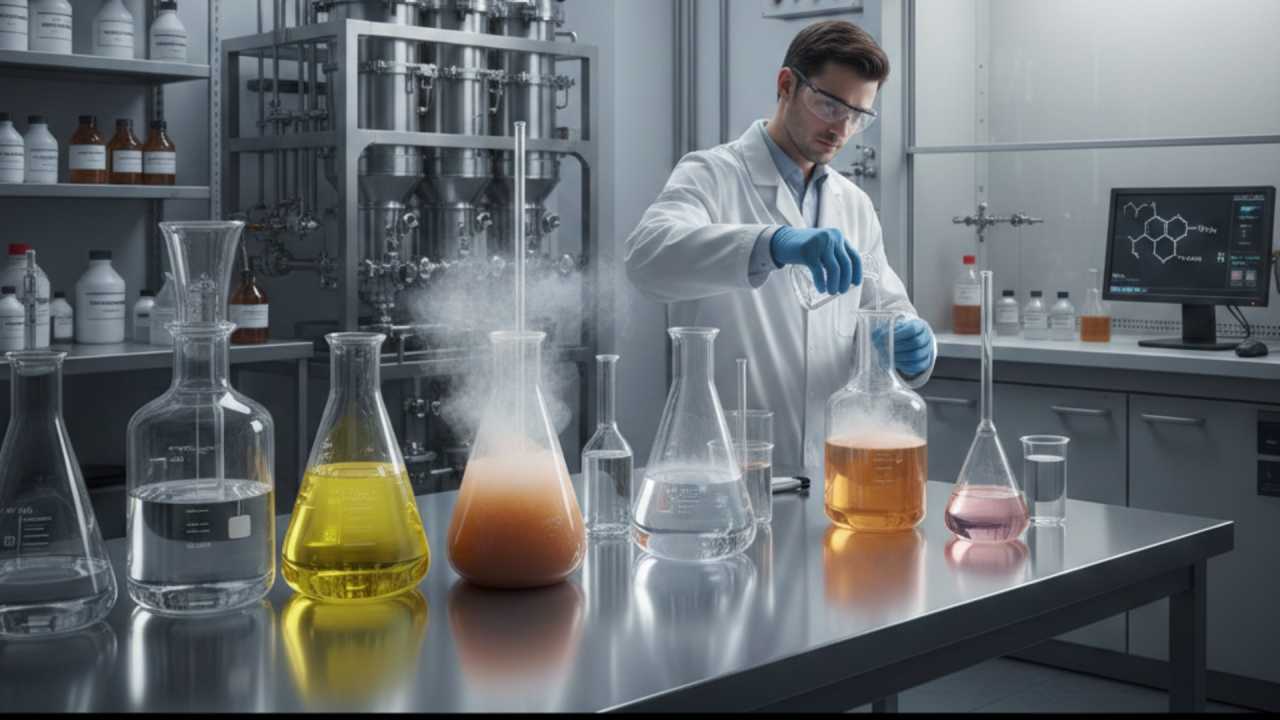
Setting up a professional refinery requires more than just beakers and heat. You need industrial-grade equipment designed to withstand corrosive environments.
Essential Equipment List
| Equipment | Purpose | Estimated Cost (USD) |
| Fume Hood & Scrubber | Neutralizes toxic acid fumes (Non-negotiable) | $3,000 – $8,000 |
| Induction Furnace | Melting gold scrap and final bars cleanly | $2,000 – $5,000 |
| Borosilicate Glassware | High-heat resistant beakers and flasks | $500 – $1,500 |
| Vacuum Filtration System | Separating gold solution from silver chloride | $800 – $2,000 |
| Analytical Balance | Precision weighing (to 0.01g or 0.001g) | $400 – $1,200 |
| Crucibles and Molds | Containing molten metal | $200 – $500 |
| XRF Analyzer | For non-destructive purity testing (Optional but vital) | $10,000 – $15,000 |
Chemicals and Raw Materials Needed
The chemistry of gold refining is precise. Using low-grade chemicals can introduce new impurities into your final product.
-
Hydrochloric Acid (32-37%): The primary solvent for gold in the Aqua Regia process.
-
Nitric Acid (60-70%): Acts as the oxidizer in Aqua Regia.
-
Urea: Used to neutralize excess nitric acid after the gold has dissolved.
-
Sodium Metabisulfite (SMB): The most common precipitating agent used to turn dissolved gold back into a solid powder.
-
Fluxes (Borax, Silica): Used during the melting process to collect impurities and protect the metal from oxidation.
-
Distilled Water: Essential for washing gold powder; tap water contains minerals that can contaminate the batch.
Storage Warning: Acids must be stored in specialized cabinets. Nitric acid and Hydrochloric acid should ideally be stored separately to prevent the accidental formation of Aqua Regia fumes in the storage area.
Step-by-Step Gold Refining Process (High-Level Overview)
While the specific chemistry is complex, the operational workflow of a small refinery follows a logical progression.
Phase 1: Preparation and Inquartation
You cannot simply drop an 18K ring into acid and expect it to work efficiently. The gold is often “shielded” by silver or copper. Most refiners use inquartation, where they melt the gold scrap with additional copper or silver until the gold content is only about 25%. This “quartation” ensures the acids can reach all the impurities.
Phase 2: Digestion (The Aqua Regia Step)
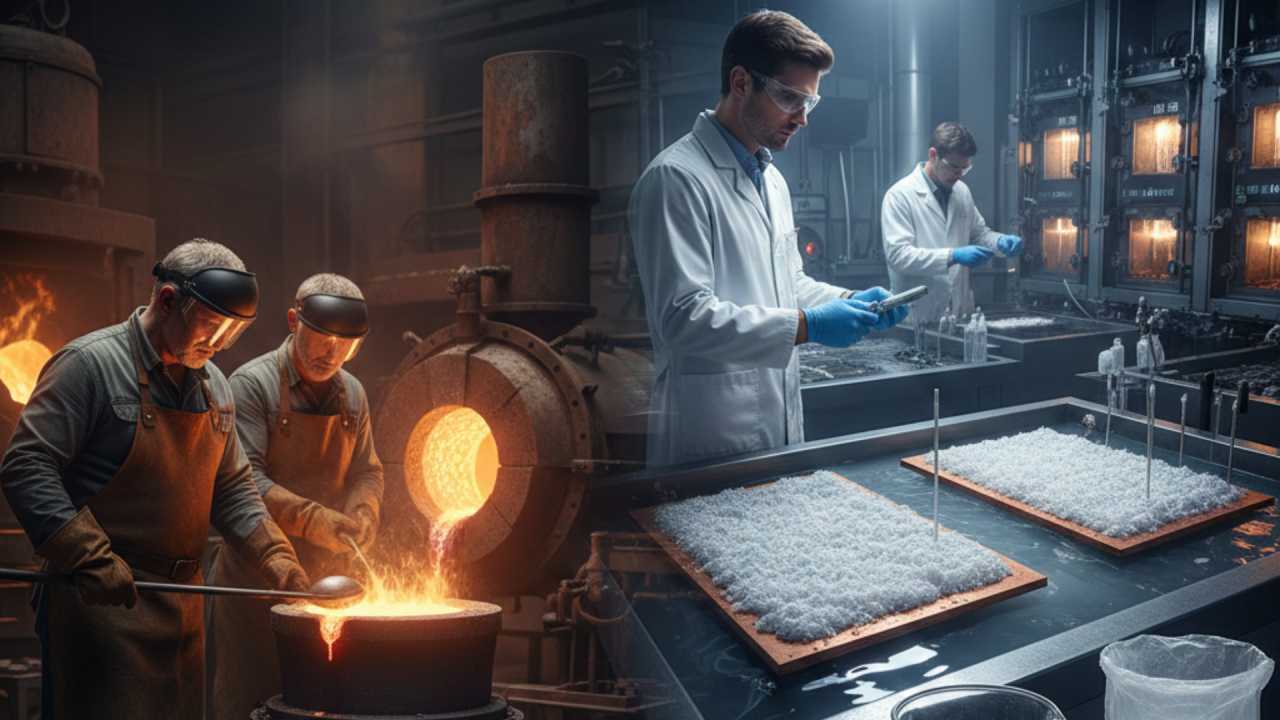
The granulated metal is placed in a reaction vessel. Hydrochloric acid is added, followed by controlled additions of nitric acid. This creates Aqua Regia, which dissolves the gold and base metals. Silver, however, reacts to form silver chloride, a solid white precipitate that settles at the bottom.
Phase 3: Filtration and Neutralization
The liquid (now containing dissolved gold) is filtered to remove the silver chloride and any other solids. Once you have a clear, emerald-green or gold-colored liquid, urea is added to neutralize the remaining nitric acid. This step is critical; if nitric acid remains, the gold will not precipitate.
Phase 4: Precipitation
The precipitating agent (usually SMB) is added to the solution. Over several hours, the gold “drops” out of the liquid as a heavy, brown mud. This “mud” is actually 99.9% pure gold in micro-powder form.
Phase 5: Washing and Refining
The liquid is siphoned off, and the gold powder is washed multiple times with boiling distilled water and sometimes ammonia to remove any lingering silver or copper salts.
Phase 6: Final Melt
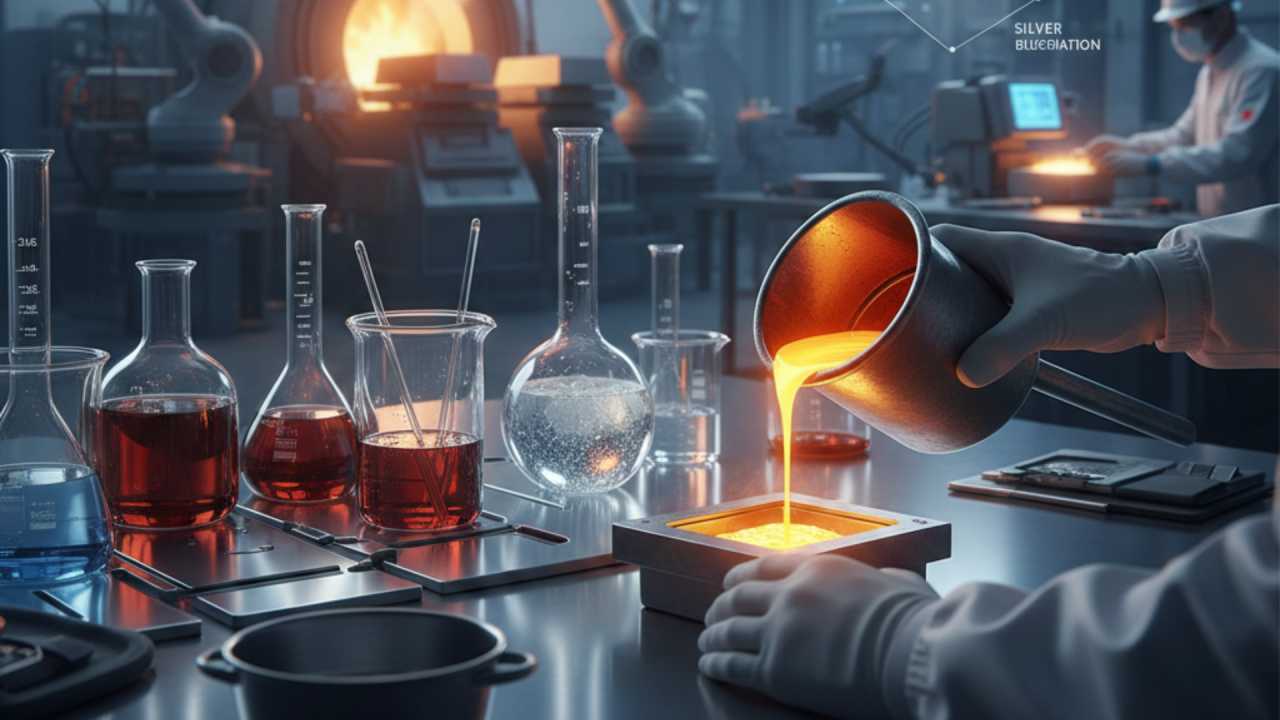
The dried gold powder is placed in a crucible with borax and melted in a furnace. The result is a shining, 24K gold bar or “button.”
Safety Measures and Risk Management
Gold refining is inherently dangerous. You are working with boiling acids, lethal gases, and molten metals at temperatures exceeding 1,000°C.
-
Respiratory Protection: Even with a fume hood, a full-face respirator with acid gas cartridges should be worn during critical chemical transfers.
-
Personal Protective Equipment (PPE): This includes acid-resistant aprons, heavy-duty nitrile gloves (double-gloving is common), and face shields.
-
The “Delayed Effect”: Nitrogen dioxide (NOx) fumes are particularly insidious. You might breathe them in and feel fine, only to develop life-threatening pulmonary edema hours later. Never work in a space without verified, high-velocity ventilation.
-
Spill Containment: Your work area should have acid-neutralizing spill kits (sodium bicarbonate) and specialized floor coatings to prevent acid from eating through the concrete.
Cost Breakdown and Startup Capital
The cost of starting a refinery varies wildly based on your intended scale.
Low-Budget “Garage” Setup ($5,000 – $10,000)
This relies on manual processes, smaller batches, and basic fume extraction. It is suitable for a hobbyist transitioning to a small business, but it lacks the efficiency and safety redundancies of a professional lab.
Professional Small-Scale Facility ($30,000 – $70,000)
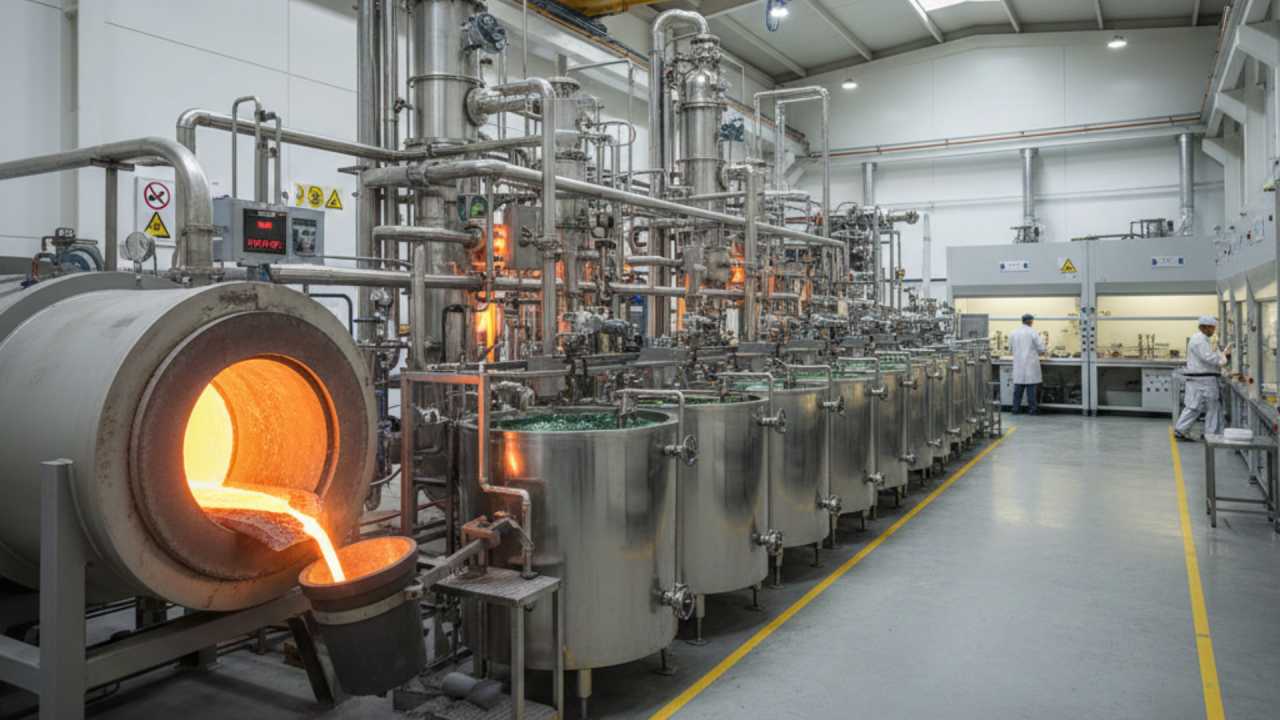
This includes a high-end induction furnace, a certified fume scrubbing system, an XRF analyzer for instant testing, and proper hazardous waste storage. This setup is capable of processing several kilograms of gold per week.
Operating Costs
-
Chemicals: Expect to spend a significant percentage of your margin on acids and precipitants.
-
Labor: Refining is time-intensive. You will eventually need a technician to handle the “wet” chemistry while you manage sourcing and sales.
-
Utilities: Induction furnaces and high-powered ventilation fans consume significant electricity.
Sourcing Gold Scrap and Raw Materials
A refinery is only as successful as its ability to source material at a “discount” to the spot price of gold.
-
Jewelry Buyers and Pawn Shops: These are your primary suppliers. They often accumulate scrap gold but don’t have the means to refine it. You can offer them a better “payback” percentage than a large industrial refinery because your overhead is lower.
-
Dental Labs: Old crowns and bridges are high-gold-content alloys.
-
Industrial/E-Waste Recyclers: While the gold is harder to extract, the competition is lower. You can often buy “gold fingers” or “pins” by the pound.
-
Pricing Strategy: Most refineries pay between 90% and 98% of the contained gold value, depending on the volume and the complexity of the material. Your profit is the difference between what you pay and what you receive after refining costs.
Verification: Always use an XRF (X-Ray Fluorescence) gun or a traditional “fire assay” to test material before buying. Relying on “hallmarks” is a recipe for losing money to counterfeits.
Selling Refined Gold and Market Access
Once you have 24K gold bars, you need to turn them back into cash to restart the cycle.
-
Jewelers: Many independent jewelers prefer buying casting grain or small bars directly from a local refiner to avoid the shipping costs and premiums of big bullion houses.
-
Bullion Dealers: Large dealers will buy your gold, but they will often require an assay (a certified test of purity) from a recognized third-party lab if your refinery is not yet “LBMA accredited.”
-
Branding: In the gold world, trust is everything. Stamping your bars with a unique logo, weight, and purity (and standing behind those numbers) allows you to eventually charge a small premium over the spot price.
Scaling and Automation Opportunities
As your business grows, you will find that beakers and manual pouring become bottlenecks.
-
Rotary Reactors: Instead of stationary beakers, used sealed, rotating glass reactors. They increase the surface area contact between the acid and the metal, significantly speeding up the digestion phase.
-
Automated Precipitation: Systems that use sensors to monitor pH and ORP (Oxidation-Reduction Potential) can automate the addition of chemicals, ensuring perfect precipitation every time with zero wasted chemicals.
-
Diversification: Once you master gold, the same equipment can often be adapted for refining silver or Platinum Group Metals (PGMs) like palladium and platinum, which are often found in the same scrap materials as gold.
Common Mistakes to Avoid
-
Ignoring the “Silver Shield”: Trying to refine high-karat gold without inquartation. The acid will dissolve the surface and then stop, leaving a core of unrefined alloy.
-
Inaccurate Weighing: At $2,000+ per ounce, a 1-gram error on a large batch can wipe out your entire profit margin for the day.
-
Cutting Corners on Fumes: Thinking a simple window fan is enough. Acid fumes will destroy every piece of electronics and steel in your building within months—and your lungs shortly after.
-
Poor Waste Management: Getting caught dumping acid will result in fines that can permanently shutter your business.
-
Buying “Street Gold”: Purchasing gold from unverified individuals without proper KYC documentation can lead to legal seizures if the gold is found to be stolen.
Final Thoughts: Is a Small-Scale Gold Refinery Right for You?
Starting a small-scale gold refinery is a journey that combines the precision of a chemist with the grit of a metalworker and the savvy of a commodities trader. It is not a “get rich quick” scheme; the margins are often thin, and the risks—both physical and financial—are substantial.
However, for those who are disciplined, safety-conscious, and detail-oriented, gold refining offers a unique way to participate in the precious metals market. You are providing a vital service in the circular economy, turning waste into one of the world’s most desired assets. As long as gold remains a global standard for value, there will be a place for the refiner who can turn the old and broken into something pure and shining.
If you are ready to take the next step, start by researching your local environmental regulations and practicing the chemistry on very small, controlled batches of scrap. Build your knowledge, prioritize your safety, and the gold will follow.