
Why Investing in Automation Improves Gold Refining Output
The allure of gold has captivated humanity for millennia, positioning it as a cornerstone of global finance, a crucial industrial material, and a coveted symbol of wealth. The gold refining industry, therefore, plays an indispensable role in the global economy, transforming raw doré and scrap into high-purity gold essential for investment, jewelry, and technological applications. This intricate process demands precision, efficiency, and safety. In an era defined by rapid technological advancements, automation has emerged as a transformative force across various industries, revolutionizing operations, enhancing productivity, and improving overall performance. From manufacturing to logistics, automation streamlines complex tasks, minimizes human intervention, and optimizes resource utilization.
This article delves into the profound impact of automation on the gold refining sector. We’ll explore how the strategic integration of automated systems and technologies can significantly enhance refining output, leading to higher purity levels, increased throughput, improved operational efficiency, and a safer working environment. By examining the traditional challenges faced by refiners and juxtaposing them with the capabilities offered by modern automation, this piece aims to elucidate the compelling reasons why investing in automation is not merely an option but a strategic imperative for the future of gold refining.
Overview of the Gold Refining Process
Gold refining is a sophisticated metallurgical process designed to separate pure gold from other metals and impurities found in various sources, such as gold ore, scrap jewelry, electronic waste, and industrial by-products. Historically, several methods have been employed, each with its own advantages and disadvantages.
One of the most common and widely adopted methods is the Miller Process, an electrolytic refining technique. In this process, impure gold is melted, and chlorine gas is bubbled through the molten metal. The chlorine reacts with most base metals and silver, forming chlorides that float on top of the molten gold or volatilize, leaving behind a gold melt of approximately 99.5% to 99.9% purity. While efficient for removing most impurities, it’s less effective at removing platinum group metals (PGMs).
For even higher purity levels, the Wohlwill Process is often used. This is another electrolytic refining method where impure gold (typically from the Miller Process) is cast into anodes and placed in an electrolytic cell containing a solution of gold chloride and hydrochloric acid. Pure gold is deposited onto a cathode, achieving purities exceeding 99.99%. This process is particularly effective for separating gold from silver and PGMs.
The Aqua Regia Process involves dissolving gold in aqua regia, a fuming yellow or red solution of concentrated nitric acid and hydrochloric acid, usually in a 1:3 molar ratio. While highly effective at dissolving gold and many other metals, it’s a complex process requiring careful handling of corrosive and toxic chemicals. After dissolution, gold is selectively precipitated from the solution.
Despite their proven effectiveness, traditional gold refining methods present several inherent challenges. Impurities remain a constant battle, requiring multiple refining cycles to achieve desired purity levels, which in turn impacts processing time and cost. Throughput limits are often dictated by batch sizes, manual handling, and the time-consuming nature of chemical reactions. Human error is another significant concern; even minor mistakes in chemical measurements, temperature control, or timing can lead to reduced purity, material loss, or safety incidents. Furthermore, the use of highly corrosive acids and high-temperature operations inherently raises considerable safety concerns for personnel, necessitating stringent protocols and protective equipment. These challenges underscore the need for more advanced and reliable solutions to optimize gold refining operations.
What is Automation in Gold Refining?
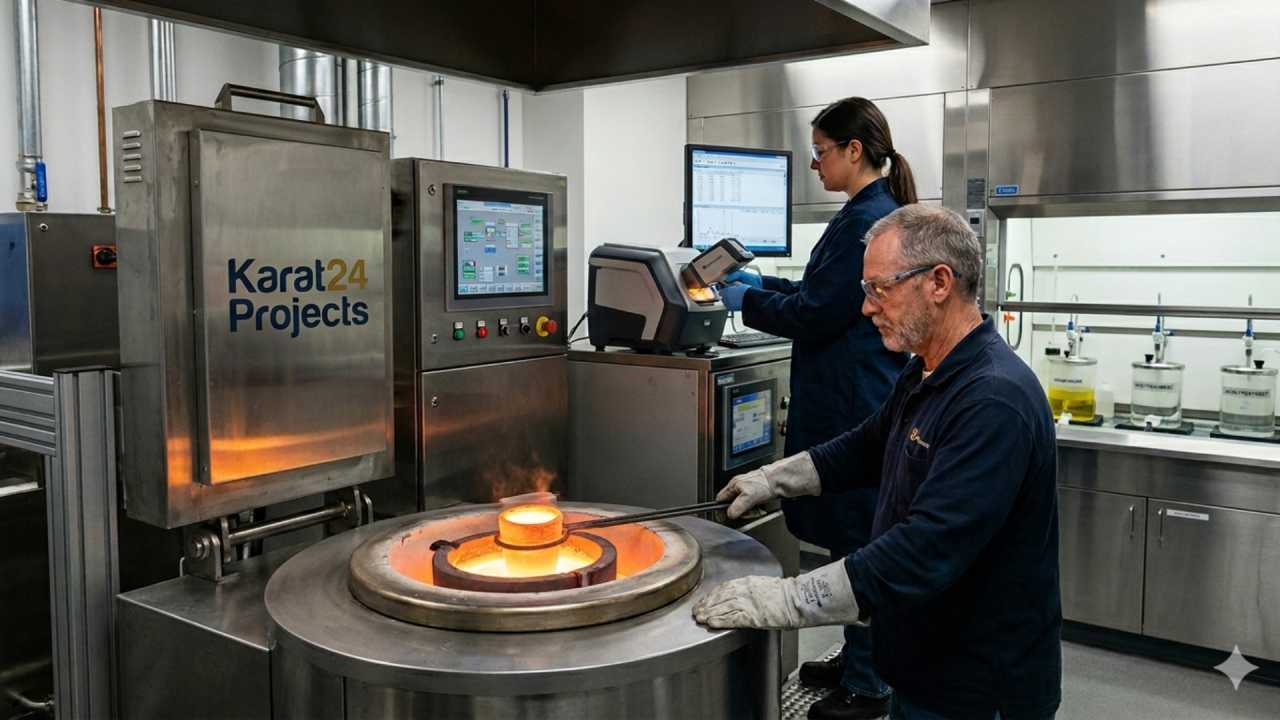
In the context of gold refining, automation refers to the application of various technologies and systems to control and monitor the refining process with minimal human intervention. This encompasses a broad spectrum of sophisticated tools designed to enhance precision, efficiency, and safety.
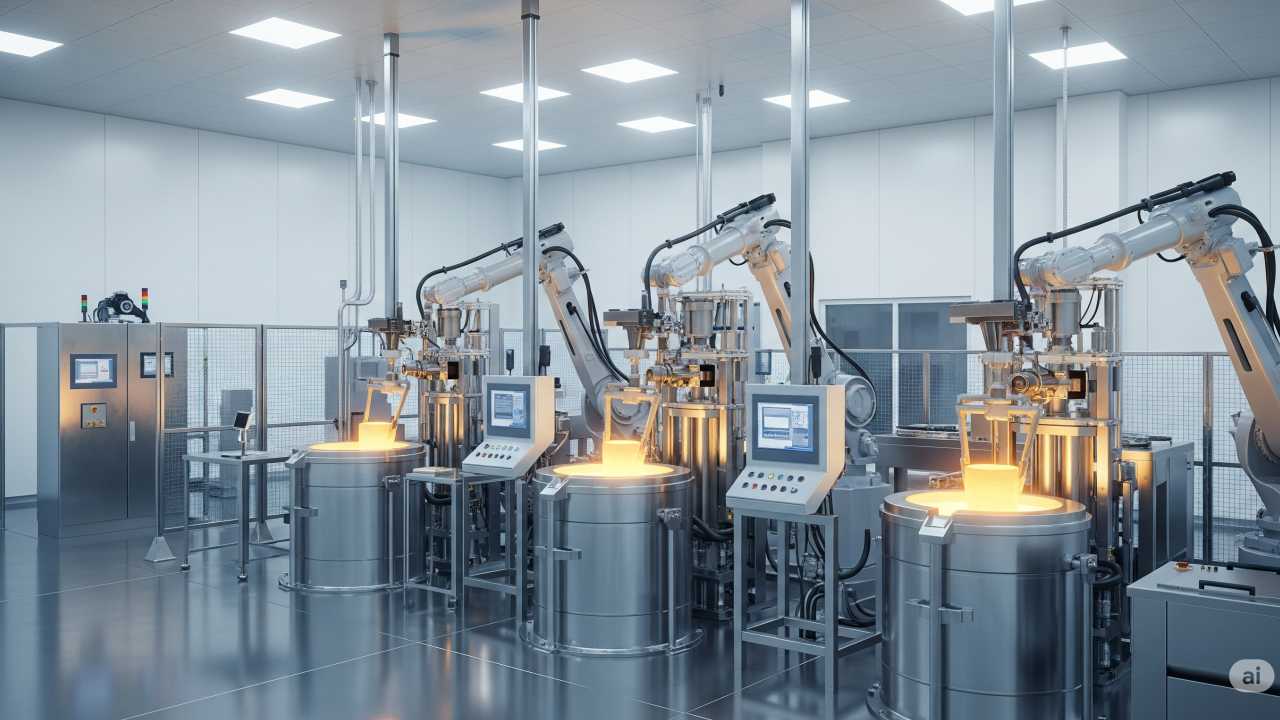
At its core, automation in refining involves the deployment of robotics for tasks such as material handling, sample preparation, and even hazardous chemical manipulation, thereby reducing human exposure to dangerous environments. Process control systems are central to automation, ensuring that refining parameters such as temperature, pressure, chemical concentrations, and flow rates are maintained within optimal ranges with extraordinary accuracy. This is achieved through the integration of a vast array of sensors that continuously collect real-time data from various points in the refining chain. These sensors provide crucial feedback to the control systems, enabling immediate adjustments to maintain desired conditions.
The integration of Artificial Intelligence (AI) and Machine Learning (ML) takes automation to a new level by enabling predictive maintenance. AI algorithms can analyze sensor data to identify patterns and predict equipment failures before they occur, allowing for proactive maintenance and minimizing costly downtime. ML can also optimize process parameters over time, learning from past refining cycles to continually improve efficiency and yield.
Different types of automation technologies are crucial for comprehensive integration. Programmable Logic Controllers (PLCs) are industrial computers that control various electromechanical processes, such as conveyor systems, pump operations, and valve sequencing, based on pre-programmed logic. Supervisory Control and Data Acquisition (SCADA) systems provide a high-level overview of the entire refining process, allowing operators to monitor real-time data, control operations remotely, and generate reports. Internet of Things (IoT) integration connects various sensors, machines, and systems, enabling seamless data exchange and remote monitoring. This interconnectedness allows for comprehensive data analysis and proactive decision-making. Furthermore, digital twins, virtual replicas of physical refining facilities, allow for real-time simulation and optimization of processes, enabling refiners to test changes and predict outcomes before implementing them in the physical plant, thereby minimizing risks and maximizing efficiency. These technologies collectively create a highly intelligent and responsive refining environment.
Benefits of Automation in Refining Output
The strategic implementation of automation in gold refining yields a multifaceted array of benefits, significantly improving output across several critical dimensions.
a. Improved Throughput
One of the most immediate and tangible benefits of automation is a dramatic increase in throughput. Automated systems can operate continuously, executing tasks with precision and speed that are unachievable through manual labor. This translates directly into faster processing times for each batch of gold. For instance, automated dispensing of chemicals, precise temperature control in furnaces, and robotic transfer of materials between refining stages reduce bottlenecks and accelerate the entire process. Unlike human operators who require breaks, shift changes, and are susceptible to fatigue, automated systems facilitate 24/7 operations with minimal downtime. This continuous operation maximizes the utilization of refining equipment and infrastructure, leading to a significantly higher volume of refined gold produced over any given period. The ability to process more material in less time directly contributes to a substantial boost in overall output.
b. Consistent Product Quality
Automation is instrumental in achieving and maintaining consistent product quality, a paramount concern in gold refining where purity directly impacts value. The inherent limitations of human involvement, such as fatigue, distraction, or slight variations in manual execution, can introduce inconsistencies. Automation, however, virtually eliminates reduced human error. Automated systems execute tasks with unfailing precision and repeatability, ensuring that every step of the refining process adheres to pre-defined parameters. This includes accurate measurement and dispensing of reagents, precise temperature and pressure control, and consistent timing of chemical reactions. Through precise control of refining parameters, automated systems can maintain optimal conditions throughout the entire process, minimizing impurities and maximizing gold recovery at desired purity levels. This consistency not only enhances the marketability of the refined gold but also reduces the need for re-refining, further improving overall efficiency.
c. Operational Efficiency
Beyond throughput and quality, automation significantly enhances overall operational efficiency in gold refining. One key aspect is the optimization of resources, particularly energy and chemicals. Automated systems can precisely control the amount of energy consumed by furnaces and other equipment, ensuring that only the necessary power is used, thereby reducing electricity bills. Similarly, automated dosing systems for chemicals ensure that reagents are added in the exact required quantities, minimizing waste and maximizing their effectiveness. This precision directly leads to reduced waste and higher gold recovery rates. By tightly controlling reaction conditions and minimizing human handling, the chances of material loss through spillage, inaccurate measurements, or incomplete reactions are significantly diminished. Furthermore, advanced analytical systems integrated with automation can identify and address potential issues proactively, preventing costly material losses and ensuring maximum yield from raw materials. The cumulative effect of these efficiencies is a leaner, more productive refining operation.
d. Worker Safety and Risk Reduction
The gold refining industry inherently involves significant safety risks due to the use of hazardous chemicals, high temperatures, and heavy machinery. Automation plays a critical role in worker safety and risk reduction by minimizing human exposure to these dangerous environments. The automation of hazardous processes, such as the handling of concentrated acids like aqua regia, the transfer of molten metals, or working near high-temperature furnaces, removes personnel from direct contact with these risks. Robots can be deployed to perform tasks that would otherwise expose workers to toxic fumes, corrosive spills, or extreme heat. This directly leads to reduced exposure to toxic chemicals and high-temperature environments. Automated systems can be designed with robust containment measures and ventilation systems that further mitigate risks. In the event of a chemical spill or equipment malfunction, automated shutdown protocols can be instantly activated, preventing or minimizing the impact on personnel. By safeguarding the health and well-being of the workforce, automation not only improves employee morale but also reduces the likelihood of accidents, injuries, and associated liabilities, creating a safer and more secure working environment.
Economic Impact of Automation Investment
While the initial capital outlay for implementing automation in gold refining can be substantial, the long-term economic benefits often far outweigh the upfront costs, leading to a compelling return on investment (ROI). The transition from manual or semi-automated processes to fully automated systems typically involves significant investments in advanced machinery, sophisticated software, and specialized training. However, these costs are frequently amortized over time through substantial long-term savings.
One of the most direct economic benefits is reduced labor costs. While automation may necessitate a smaller, more skilled workforce for monitoring and maintenance, it significantly diminishes the need for extensive manual labor in repetitive or hazardous tasks. This reduction in operational expenditure, coupled with the ability to operate 24/7 and achieve higher throughput, translates directly into increased output value. More refined gold produced at higher purity levels means greater revenue generation.
Consider a hypothetical model: A traditional gold refinery processes 100 kg of gold per month with a recovery rate of 99.5% and a labor cost of $50,000. Implementing automation, while costing $1,000,000 initially, could increase throughput to 150 kg per month and the recovery rate to 99.9%, while reducing direct labor costs to $20,000 per month (due to reduced headcount and focus on highly skilled roles). Assuming gold prices remain constant, the increased output and higher recovery rate alone would generate substantial additional revenue. The reduction in chemical waste, energy consumption, and maintenance due to predictive analytics further contributes to operational savings, shortening the ROI period. While specific case studies are proprietary, anecdotal evidence from the industry suggests that sophisticated automation projects can achieve ROI within 3-5 years, driven by a combination of increased production volume, enhanced product quality, and significant reductions in operational expenses, including less rework and fewer safety incidents. This long-term strategic value makes automation a financially prudent investment for forward-thinking refiners.
Case Studies and Industry Examples
While precise, publicly available data on specific gold refiners and their automation ROI can be proprietary, the general trend across the precious metals industry strongly indicates a move towards increased automation due to its clear benefits. We can examine generalized examples and highlight common outcomes.
Consider a large-scale precious metals refinery, for instance, a hypothetical “Global Gold Refiners Inc.” that specializes in high-purity gold. Traditionally, their aqua regia refining process involved manual chemical additions, visual monitoring of reactions, and human-operated transfer of solutions. This often led to variations in purity, inconsistent batch times, and significant exposure risks for operators.
Upon implementing a comprehensive automation strategy, Global Gold Refiners Inc. integrated:
- Automated reagent dosing systems: Precision pumps and sensors ensured exact quantities of acids and reducing agents were added, minimizing chemical waste and optimizing reaction kinetics.
- Real-time sensor networks: pH, temperature, and conductivity sensors provided continuous data feedback to a centralized control system (SCADA), allowing for immediate adjustments.
- Robotic arm for sample preparation and transfer: Hazardous intermediate products were moved robotically, removing human operators from direct contact.
- Digital twin technology: A virtual model of the refining plant allowed for simulation of new processes and optimization of existing ones, reducing physical trials and errors.
The reported outcomes from such an implementation, based on industry averages, would be significant:
- Increased Production Rates: A typical increase of 15-25% in monthly refined gold output, driven by reduced batch times, fewer re-runs, and 24/7 operational capability.
- Reduced Loss: A decrease in gold loss (e.g., in slag or wastewater) from 0.05% to 0.01-0.02% due to more precise process control and optimized recovery methods. This seemingly small percentage translates to substantial gold savings over large volumes.
- Improved Purity Consistency: The percentage of gold achieving 99.99% purity on the first pass could increase from 85% to over 98%, reducing the need for costly secondary refining steps.
- Enhanced Sustainability: Optimized chemical usage and reduced energy consumption per kilogram of gold refined, contributing to lower environmental impact and reduced operating costs.
- Significantly Improved Safety: A drastic reduction in reportable incidents related to chemical exposure or high-temperature burns, leading to a safer work environment and lower insurance premiums.
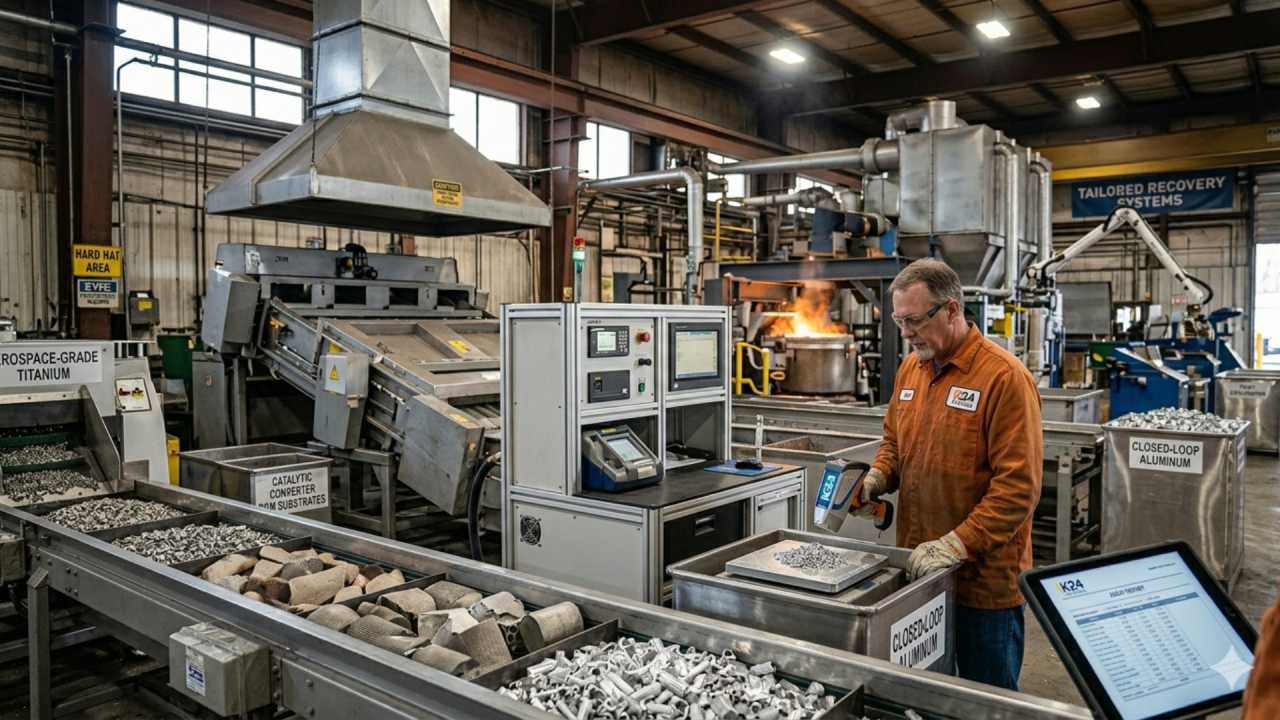
Similarly, in countries with stringent environmental and safety regulations, such as those in Europe and North America, automation has become a de facto standard in modern gold refining facilities. These facilities prioritize automated material handling, closed-loop systems for chemical recovery, and advanced air filtration, not only for efficiency but also for compliance and corporate social responsibility. While specific company names are often confidential regarding their proprietary operational data, these trends are observable across the industry, demonstrating the clear advantages that automation brings to increasing output, ensuring quality, and promoting sustainable practices in gold refining.
Challenges and Considerations
While the benefits of automation in gold refining are compelling, implementing such systems is not without its challenges and considerations. Addressing these effectively is crucial for a successful transition and realizing the full potential of automation.
One of the primary hurdles is the high initial cost and integration complexity. Investing in state-of-the-art robotics, advanced sensors, sophisticated control systems (PLCs, SCADA), and specialized software requires a significant upfront capital investment. For smaller refineries or those with limited budgets, this can be a prohibitive barrier. Furthermore, integrating these disparate technologies into an existing operational framework can be highly complex. Legacy systems may not be compatible with newer automated equipment, requiring extensive overhauls or custom-built interfaces. The planning, design, and execution phases of such integration projects demand meticulous attention to detail and specialized expertise.
Another critical consideration is the need for skilled labor to manage and maintain automated systems. While automation reduces the need for manual labor in repetitive tasks, it creates a demand for a highly skilled workforce capable of operating, monitoring, troubleshooting, and maintaining complex automated machinery and software. Refineries must invest in training their existing staff or recruit new talent with expertise in industrial automation, robotics, data analytics, and cybersecurity. A lack of adequately trained personnel can negate many of the benefits of automation, leading to downtime, operational inefficiencies, and missed opportunities.
Finally, with the increasing connectivity of automated systems and the reliance on digital data, cybersecurity concerns in connected systems become paramount. An automated gold refinery is a high-value target for cyberattacks. A breach could lead to intellectual property theft, operational disruption, data manipulation (affecting purity or yield records), or even physical damage to equipment. Protecting proprietary refining processes, ensuring data integrity, and safeguarding against malicious intrusions requires robust cybersecurity protocols, continuous monitoring, and regular system audits. Investing in secure networks, encryption, and threat detection systems is as crucial as investing in the physical automation hardware itself. Addressing these challenges proactively through careful planning, adequate investment in training, and robust cybersecurity measures is essential for a smooth and successful automation journey in gold refining.
Future of Automation in Gold Refining
The trajectory of automation in gold refining points towards an increasingly sophisticated and integrated future, driven by advancements in artificial intelligence, machine learning, and comprehensive monitoring capabilities.
One significant trend is the deeper integration of AI and machine learning algorithms into every facet of the refining process. Beyond predictive maintenance, AI will increasingly optimize real-time refining parameters, learning from vast datasets to achieve unprecedented levels of efficiency, purity, and yield. Imagine AI-driven systems dynamically adjusting chemical concentrations and temperatures based on real-time impurity analysis, or predicting the optimal moment to switch refining stages to maximize recovery. Machine learning will enable systems to autonomously adapt to variations in raw material composition, ensuring consistent output quality even with fluctuating input.
Remote monitoring and control will become even more prevalent, allowing engineers and supervisors to oversee and manage refining operations from anywhere in the world. This not only enhances flexibility and responsiveness but also contributes to greater safety by minimizing the need for human presence in hazardous zones. The development of more sophisticated autonomous systems could eventually lead to largely self-operating refineries, where human intervention is primarily limited to strategic decision-making, high-level oversight, and emergency response. This evolution would further reduce operational costs, increase continuous operation capabilities, and minimize human error.
Furthermore, automation is inextricably linked to the growing emphasis on sustainability and ESG (Environmental, Social, and Governance) benefits. Automated systems inherently offer greater precision in resource utilization, leading to reduced energy consumption, minimized chemical waste, and lower emissions per unit of gold produced. By optimizing processes, automation contributes to a smaller environmental footprint, aligning with global sustainability goals. The enhanced worker safety facilitated by automation also directly contributes to the “Social” aspect of ESG. As the industry moves towards more responsible and environmentally conscious practices, automation will serve as a foundational technology, enabling refiners to meet stringent regulatory requirements and demonstrate a commitment to sustainable precious metals production.
Final Thoughts
The gold refining industry stands at a pivotal juncture, where the traditional methods, while effective, are increasingly challenged by demands for higher efficiency, greater purity, enhanced safety, and improved sustainability. As we have explored, investing in automation offers a powerful and comprehensive solution to these challenges, fundamentally transforming the gold refining output.
The benefits are clear and compelling: significantly improved throughput through faster processing times and 24/7 operation, leading to a substantial increase in refined gold volume. Consistent product quality is ensured by the elimination of human error and the precise control of critical refining parameters, yielding higher purity gold with greater reliability. Operational efficiency is maximized through optimized resource utilization, reduced waste, and higher gold recovery rates, translating into considerable cost savings. Crucially, automation dramatically enhances worker safety and risk reduction by removing personnel from hazardous environments and automating dangerous processes.
While the initial capital investment and the complexities of integration may seem daunting, the long-term economic impact, demonstrated through compelling ROI examples, underscores the financial prudence of such an investment. The ability to reduce labor costs, increase output value, and minimize operational expenditures positions automation as a strategic financial decision. Real-world and generalized industry examples further solidify the tangible gains in production rates, reduced losses, and improved environmental stewardship.
Despite the inherent challenges, including the need for a skilled workforce and robust cybersecurity measures, these are surmountable obstacles with thoughtful planning and strategic investment. Looking ahead, the future of automation in gold refining is bright, promising even greater advancements with AI, machine learning, remote monitoring, and truly autonomous systems, all contributing to a more sustainable and efficient industry.
In a global economy where demand for high-purity gold remains robust, innovation is not merely an advantage but a necessity. The strategic embrace of automation in precious metals refining is paramount, ensuring that the industry not only meets current demands but also evolves to lead the way in safety, efficiency, and environmental responsibility, securing its vital role for decades to come.