
How to Upgrade Your Gold Refining Machine Without Breaking the Bank
The allure of gold has captivated humanity for millennia, not just for its beauty but for its intrinsic value and diverse applications. In the modern era, the gold refining industry stands as a critical pillar, transforming raw materials into a highly pure and valuable commodity. At the heart of this transformation lie gold refining machines, indispensable tools that dictate the efficiency, purity, and overall profitability of gold recovery. However, like all industrial equipment, these machines have a lifespan, and their performance can diminish over time. Upgrading your refining machine isn’t just about keeping up with technology; it’s about enhancing efficiency, boosting yield, ensuring compliance with increasingly stringent environmental regulations, and ultimately, improving your bottom line.
This article aims to demystify the process of upgrading your gold refining machine, offering practical, affordable strategies that ensure you can enhance your operations without incurring exorbitant costs.
Understanding Your Current Setup
Before embarking on any upgrade, a thorough understanding of your existing gold refining setup is paramount. Gold refining encompasses various methods, each with its own set of machinery and operational nuances. Common types include:
- Aqua Regia Systems: These chemical-based systems utilize a mixture of nitric and hydrochloric acids to dissolve gold, followed by precipitation. Components typically include reaction vessels, fume hoods, filtration units, and heating elements.
- Electrolytic Refining Systems: This method uses an electric current to dissolve impure gold anodes and deposit pure gold onto cathodes. Key components are electrolytic cells, power supplies, and circulation pumps.
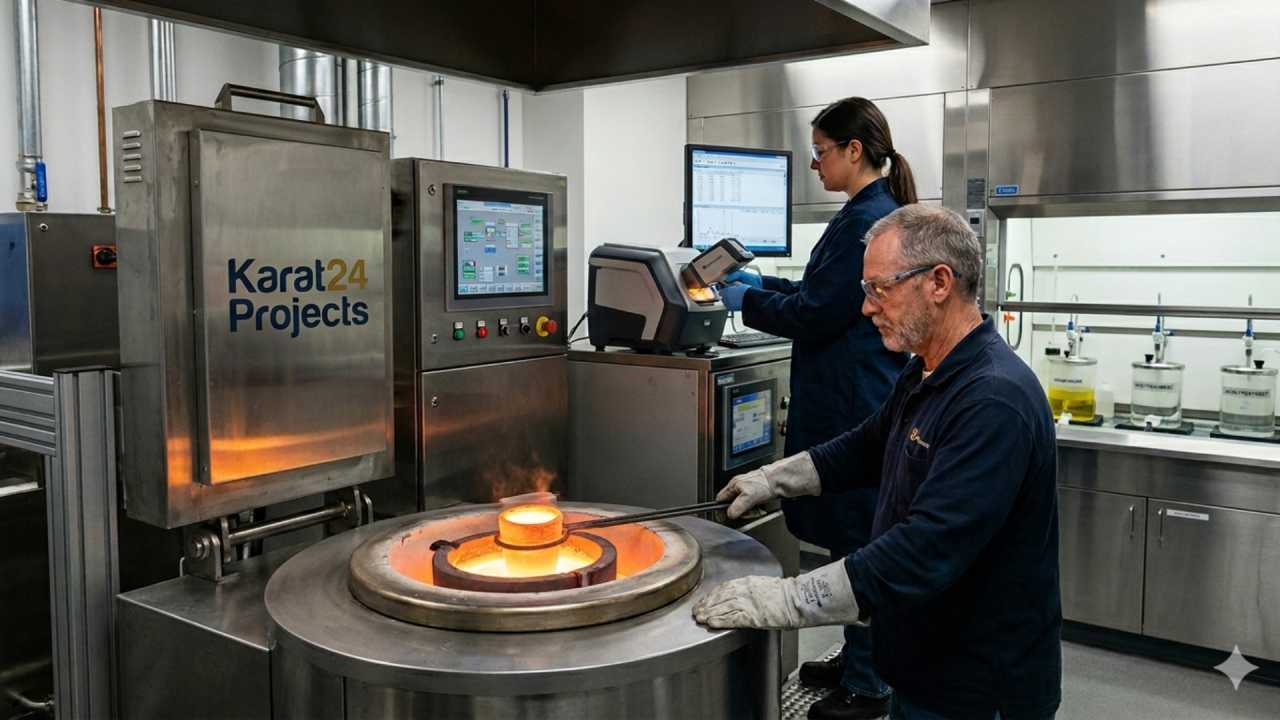
- Induction Furnace Systems: Primarily used for melting and casting gold, these furnaces are crucial for preparing gold for refining or for producing ingots after purification. They consist of an induction coil, a power supply, and crucibles.
- In-Quart Refining Systems (Wet Chemical Methods): These involve a series of chemical reactions to separate gold from other metals, often requiring multiple tanks, filters, and pumps.
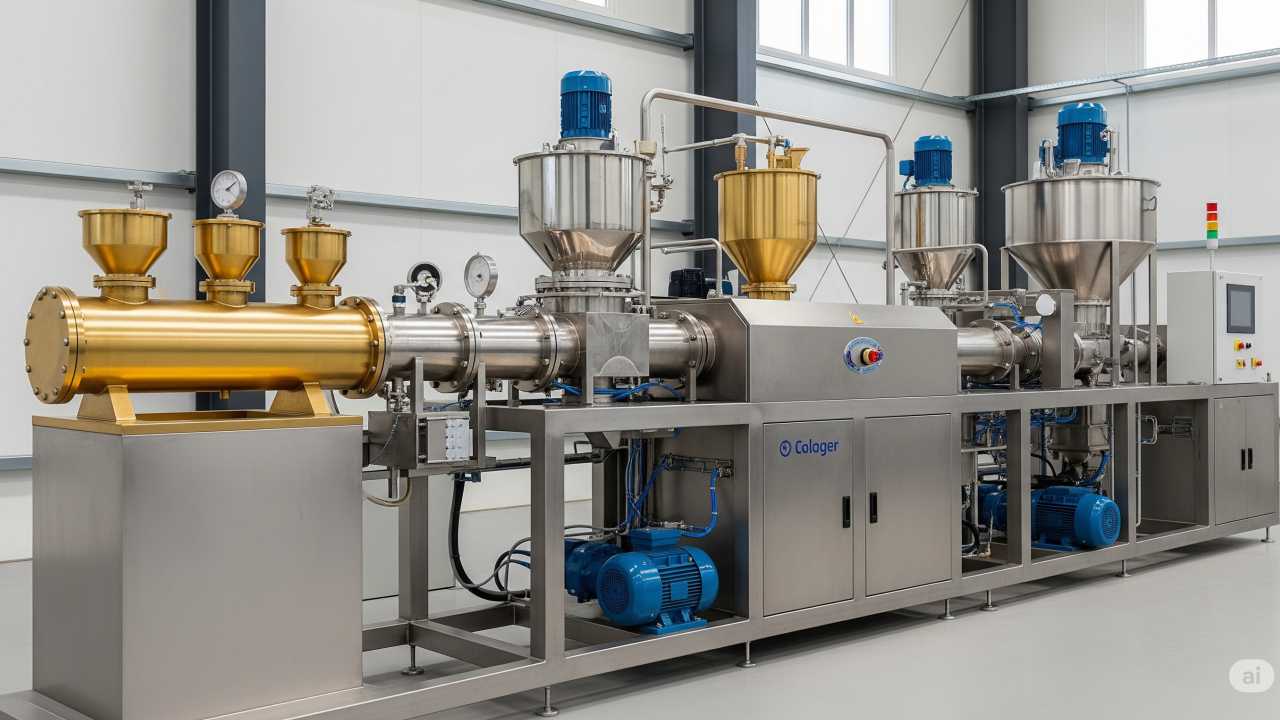
To assess your current machine, focus on key components such as crucibles (for melting), reactors or tanks (for chemical reactions), fume hoods and scrubbers (for safety and emission control), filters (for separating solids), pumps (for fluid transfer), and control systems (for process management).
Signs that your machine is ripe for an upgrade are often evident in its performance. Slow processing times, a noticeable drop in gold yield, increased operational costs due to excessive waste generation (chemical or metallic), or persistent issues with meeting purity standards are all clear indicators. Furthermore, if your current setup struggles to comply with evolving environmental regulations or poses safety concerns, an upgrade is not just beneficial but necessary. A detailed assessment will reveal the specific areas that need attention, allowing for targeted and cost-effective improvements.
Set Upgrade Goals and Budget
Before investing in any upgrades, it’s crucial to define what you aim to achieve. Without clear goals, you risk making arbitrary purchases that don’t align with your operational needs or financial capacity. Your upgrade goals could range from improving the purity of your refined gold to increasing your processing capacity, introducing automation, or enhancing safety protocols. For instance, if your primary goal is to achieve higher purity (e.g., from 99.5% to 99.99%), your focus might be on refining the final purification stages. If you need to process more material, you might look into larger reactors or more efficient filtration systems.
Once your goals are clear, evaluate the Return on Investment (ROI). How long will it take for the upgrade to pay for itself through increased efficiency, higher yields, reduced waste, or improved safety? For example, an upgrade that reduces chemical consumption by 20% might pay for itself in a year through material cost savings. Calculating this helps justify the expenditure and prioritize upgrades.
Setting a realistic budget is equally important. This involves not only the cost of the new components or systems but also potential installation costs, downtime during the upgrade, and any necessary training for your staff. Explore different scenarios: what can you achieve with a minimal budget, and what are the benefits of a slightly higher investment? Being realistic about your financial constraints will guide your choices and prevent overspending.
Affordable Upgrade Strategies
Upgrading your gold refining machine doesn’t always necessitate a complete overhaul. Often, strategic, affordable modifications can yield significant improvements.
a. Component-Level Upgrades
One of the most cost-effective ways to enhance your machine’s performance is by replacing or upgrading individual components. These small changes can have a surprisingly large impact:
- Filters: Upgrading to finer or more durable filters can improve gold recovery, reduce loss, and enhance purity by effectively separating impurities. Consider ceramic or specialized polymer filters for better chemical resistance and longer lifespan.
- Pumps: Replacing old, inefficient pumps with modern, energy-efficient models (e.g., peristaltic or diaphragm pumps) can improve chemical circulation, reduce energy consumption, and ensure more consistent flow rates, crucial for precise chemical reactions.
- Sensors: Integrating new, highly accurate sensors for temperature, pH, or specific gravity can provide real-time data, allowing for tighter process control and optimized chemical additions, leading to higher yields and purity.
- Heaters: Upgrading to more efficient heating elements, such as immersion heaters with precise temperature control, can reduce energy consumption and accelerate reaction times in chemical refining processes.
- Software or Control Systems: Modernizing your machine’s control system can revolutionize its operation. This might involve upgrading to a Programmable Logic Controller (PLC) for automated process control or implementing Supervisory Control and Data Acquisition (SCADA) systems for remote monitoring and data logging. These upgrades can lead to greater consistency, reduced human error, and optimized process parameters.
- Digital Scales, Flow Meters, or Temperature Regulators: Adding these precision instruments can significantly improve accuracy in chemical dosing, material handling, and process control, directly impacting yield and purity.
b. DIY and Modular Enhancements
For those with a knack for tinkering and a tighter budget, DIY and modular enhancements offer creative solutions:
- Open-Source Control Software: Platforms like Arduino or Raspberry Pi can be incredibly versatile for developing custom control systems. For example, you could use an Arduino board to precisely regulate the temperature of a reaction vessel or control the timing of pump cycles, all at a fraction of the cost of proprietary systems. These setups are also highly customizable and can be programmed to suit your specific refining protocols.
- 3D-Printed or Modular Parts: For non-critical components or prototypes, 3D printing can be a game-changer. You can design and print custom brackets, fittings, or even small impellers for pumps, reducing lead times and manufacturing costs. Modular designs allow for easier replacement and upgrades of individual sections of your machine, rather than replacing the entire unit.
- Retrofitting Old Systems with New Components: Instead of buying a brand-new machine, consider retrofitting your existing robust framework with modern components. For example, an old, sturdy reaction vessel could be fitted with new, more efficient heating coils, updated sensors, and a modern control panel. This approach leverages the durability of older equipment while integrating the efficiency of new technology.
c. Refurbishing vs. Replacing
When considering an upgrade, a critical decision is whether to refurbish your existing machine or replace it entirely.
- Cost-Benefit of Refurbishing: Refurbishing often involves repairing or replacing worn-out parts, recalibrating instruments, and generally bringing the machine back to optimal working condition. This is typically far less expensive than purchasing a new machine. The cost-benefit analysis should consider the remaining lifespan of the core machine, the cost of parts, and the labor involved. If the machine’s core structure is sound, refurbishment can extend its life by many years, offering a high ROI.
- Where to Find Refurbished Parts/Machines: Reputable industrial equipment suppliers often offer refurbished components or even entire machines. Websites specializing in used industrial equipment, liquidation sales, and auctions are also good sources. Always verify the quality and ensure any refurbished parts come with a warranty. Networking within the refining community can also lead to valuable leads for parts or even entire used setups.
Where to Source Affordable Equipment
Finding affordable yet reliable equipment is crucial for a budget-friendly upgrade. Several avenues can help you achieve this:
- Online Platforms: E-commerce giants like Alibaba and eBay host a vast array of industrial equipment, often at competitive prices. While Alibaba is excellent for new equipment from manufacturers, eBay can be a treasure trove for used parts and specialized components. Industry-specific online marketplaces and forums also often have classified sections where businesses sell surplus or used equipment. Always exercise due diligence, check seller ratings, and confirm specifications before purchasing.
- Local Auctions or Industrial Surplus Suppliers: Keep an eye out for local industrial auctions, especially those stemming from business liquidations or factory closures. These can be excellent opportunities to acquire high-quality equipment at significantly reduced prices. Industrial surplus suppliers specialize in selling excess inventory, returned items, or slightly used machinery. Building relationships with these suppliers can grant you early access to new inventory.
- Trade-ins and Exchange Programs from Equipment Manufacturers: Many original equipment manufacturers (OEMs) offer trade-in programs when you purchase a newer model. While this might not be ideal for a “no-breaking-the-bank” upgrade, some manufacturers also have exchange programs for specific components, where you can return an old part in exchange for a discounted new or refurbished one. Inquire directly with the manufacturers of your current machine.
- Networking within Refining Communities or Forums: Professional forums, online groups, and industry associations can be invaluable resources. Members often share information about where to find affordable parts, or even sell their own surplus equipment. These communities can also provide peer reviews and recommendations, helping you avoid unreliable sellers.
Energy Efficiency and Waste Reduction Upgrades
Beyond operational improvements, upgrading your gold refining machine presents a significant opportunity to enhance energy efficiency and reduce waste, leading to substantial long-term cost savings and improved environmental compliance.
- Installing Energy-Efficient Heating Systems: Heating is often a major energy consumer in gold refining, particularly in aqua regia or induction furnace systems. Upgrading to modern, insulated heating elements, or even exploring alternative heating methods like microwave heating for specific processes, can drastically cut electricity or fuel consumption. Implementing intelligent temperature control systems that prevent overheating and optimize energy use during different stages of the refining process also contributes to efficiency.
- Improved Fume Scrubbing and Filtration Systems: Gold refining processes can generate hazardous fumes and particulate matter. Investing in more efficient fume scrubbers (e.g., wet scrubbers with higher removal efficiencies) and advanced air filtration systems is crucial. This not only ensures compliance with air quality regulations but also protects your workforce. The recovery of valuable materials from these emissions, though often in trace amounts, can also be a minor source of cost recovery.
- Closed-Loop Chemical Recovery Systems: Many refining processes involve the use of strong acids and bases. Implementing closed-loop systems for chemical recovery and recycling can dramatically reduce the consumption of fresh chemicals and minimize the volume of hazardous waste requiring disposal. For example, systems that regenerate nitric acid or recover precious metal salts from waste streams can significantly reduce operational costs and environmental impact.
- Cost-Saving from Better Environmental Compliance: Non-compliance with environmental regulations can result in hefty fines and reputational damage. Proactive upgrades that improve waste management, reduce emissions, and enhance chemical handling often pay for themselves through avoided penalties and improved public perception. Furthermore, some governments offer incentives or grants for businesses that invest in environmentally friendly technologies.
Safety and Compliance Upgrades
Safety and regulatory compliance are non-negotiable in the gold refining industry. Upgrading your machine offers an opportunity to enhance workplace safety and ensure adherence to current standards, protecting both your employees and your business.
- Upgrading Ventilation, PPE Systems, Spill Containment: Ensuring adequate ventilation is paramount to dissipate hazardous fumes. This might involve upgrading existing fume hoods, installing additional exhaust fans, or implementing localized ventilation systems. Personal Protective Equipment (PPE) systems should be regularly reviewed and updated; this includes ensuring access to appropriate respirators, chemical-resistant gloves, eye protection, and protective clothing. Investing in robust spill containment systems, such as chemical-resistant trays, bunding, and emergency shower/eyewash stations, is crucial for mitigating the risks associated with chemical spills.
- Meeting Current Environmental and Workplace Safety Standards (OSHA, EPA, etc.): Regulatory bodies like OSHA (Occupational Safety and Health Administration) in the US and similar organizations globally, along with environmental protection agencies (EPA in the US), frequently update their guidelines. Your upgrade strategy should include a review of these current standards and ensure your modifications bring your machine into full compliance. This might involve updating safety interlocks, emergency stop mechanisms, or installing proper labeling and signage for hazardous materials.
- Affordable Certifications or Audits to Ensure Compliance: While not direct equipment upgrades, investing in third-party safety audits or obtaining relevant certifications can be a cost-effective way to ensure compliance and identify potential areas for improvement. These audits can pinpoint vulnerabilities in your existing setup and provide recommendations for upgrades that are both necessary and affordable. Sometimes, minor procedural changes or additional training can achieve compliance goals without significant capital expenditure on new equipment.
Financing and Budgeting Options
Even with affordable upgrade strategies, securing financing and managing your budget effectively are critical.
- Leasing vs. Buying: Leasing equipment can be an attractive option, especially for high-cost components. It typically involves lower upfront costs and predictable monthly payments, which can help manage cash flow. However, you won’t own the equipment at the end of the lease term unless there’s a purchase option. Buying, on the other hand, offers full ownership and potential tax deductions for depreciation, but requires a larger initial investment. Evaluate your long-term needs and financial capacity when making this choice.
- Government or Environmental Grants: Many governments and non-profit organizations offer grants or incentives for businesses that invest in environmentally friendly technologies, improve workplace safety, or enhance energy efficiency. Research local, regional, and national programs that align with your upgrade goals. These grants can significantly offset the cost of eligible upgrades.
- Small Business Loans and Tax Deductions: Traditional small business loans from banks or credit unions can provide the capital needed for upgrades. Prepare a detailed business plan outlining the ROI of your proposed upgrades to strengthen your loan application. Furthermore, many countries offer tax deductions or credits for business investments in equipment, particularly those that promote energy efficiency or environmental protection. Consult with a tax advisor to understand what deductions you may be eligible for.
- Second-Hand Purchase Financing Tips: If you’re considering purchasing second-hand equipment, be cautious and always conduct thorough inspections. When financing such purchases, ensure the loan terms are favorable and that the equipment’s remaining useful life justifies the financing period. Consider obtaining an independent appraisal of the used equipment to ensure you’re paying a fair price.
Common Mistakes to Avoid
Even with the best intentions, several pitfalls can derail your affordable upgrade efforts. Being aware of these common mistakes can help you navigate the process smoothly.
- Over-investing in Unnecessary Features: It’s easy to get caught up in the excitement of new technology. However, adding features that don’t directly contribute to your defined upgrade goals (purity, capacity, safety) can lead to unnecessary costs. Stick to your initial assessment and prioritize what truly matters for your operation.
- Ignoring Training Costs or Workflow Integration: A new component or system, no matter how advanced, is only as effective as the people operating it. Neglecting to budget for proper staff training on new equipment or failing to consider how the upgrade will integrate into your existing workflow can lead to inefficiencies and operational disruptions.
- Not Verifying Compatibility with Current Systems: Before purchasing any new part or software, thoroughly verify its compatibility with your existing machine and infrastructure. An incompatible component can render your upgrade useless and lead to additional unexpected costs for rework or further replacements.
- Sacrificing Safety for Cost Savings: This is perhaps the most critical mistake to avoid. Under no circumstances should cost savings come at the expense of safety. Cutting corners on ventilation, spill containment, or proper chemical handling protocols can lead to serious accidents, legal liabilities, and long-term health issues for your employees. Prioritize safety upgrades, as they are an investment in your people and your business’s longevity.
Final Tips and Conclusion
Upgrading your gold refining machine doesn’t have to be a daunting or financially overwhelming endeavor. By adopting a strategic and cost-conscious approach, you can significantly enhance your operations, improve efficiency, and ensure compliance without breaking the bank.
To recap the best practices:
- Start with a clear plan and budget: Define your goals, assess your current setup, and set realistic financial parameters.
- Prioritize component-level upgrades: Often, small, targeted changes to filters, pumps, or sensors can yield substantial improvements.
- Explore DIY and modular solutions: Leverage open-source technology and 3D printing for customizable and affordable enhancements.
- Consider refurbishing before replacing: Maximize the lifespan of your existing robust machinery.
- Source affordably: Utilize online platforms, auctions, and industry networks to find cost-effective equipment.
- Focus on energy efficiency and waste reduction: These upgrades offer long-term cost savings and environmental benefits.
- Never compromise on safety and compliance: These are non-negotiable investments in your business and workforce.
- Explore diverse financing options: Look into leasing, government grants, and small business loans to support your investment.
Remember, even small, incremental upgrades can collectively lead to significant gains in purity, yield, safety, and overall operational efficiency. With careful planning, smart sourcing, and a focus on essential improvements, you can elevate your gold refining capabilities and solidify your position in the market. The journey to a more efficient and profitable refining operation begins with a thoughtful and affordable upgrade strategy.