The Growing Need for Customized Scrap Metal Refining
The global industrial landscape is experiencing a massive shift toward sustainable resource management. As natural ore reserves dwindle and mining costs skyrocket, the rising demand for recycled metals has transformed from a corporate social responsibility initiative into an economic necessity. Industrial manufacturing, electronics production, automotive engineering, and construction sectors all rely heavily on a steady supply of high-quality raw materials. However, relying solely on virgin mining is no longer viable or environmentally responsible.
This is where sustainable metal recycling and advanced scrap metal refining services become critical. The path from raw industrial scrap to pure, reusable metal is rarely straightforward. Modern businesses face significant challenges with mixed, complex, or heavily contaminated scrap streams. Standard, one-size-fits-all recycling processes often fail to separate high-value alloys from base contaminants, leading to downgraded material value, lost revenue, and unnecessary waste.
To overcome these challenges, tailored refining services matter now more than ever. Every industrial facility, construction site, and technological enterprise produces a unique footprint of scrap metal. Generic processing cannot maximize the intrinsic value of these complex materials. Customized metal refining solutions ensure that specific chemical compositions, sorting requirements, and purity targets are met with exact precision.
In this comprehensive guide, we will explore the intricate world of scrap metal management, detailing how professional metal purification services operate, the distinct requirements of various industrial sectors, and how Karat24 Projects delivers specialized, high-yield scrap metal refining services tailored precisely to your operational and financial goals.
What Is Scrap Metal Refining?
To understand the value of specialized metal reclamation services, it is essential to establish a clear definition of scrap metal refining and distinguish it from basic recycling. While the terms are frequently used interchangeably in casual conversation, they represent fundamentally different stages in the material lifecycle.
Scrap metal recycling is primarily concerned with the collection, basic sorting, and compaction of discarded metal items. A standard recycler buys mixed scrap, shears or shreds it into manageable sizes, and sells it as bulk melting feed.
In contrast, scrap metal refining is an advanced chemical, thermal, and mechanical process designed to purify contaminated alloys down to their base elemental forms or specific, high-purity industrial grades. Refining eliminates metallurgical impurities, non-metallic inclusions, and protective coatings, upgrading the material so it can be reintroduced into demanding manufacturing supply chains without degrading final product quality.
A wide variety of metals undergo this rigorous purification process, categorized into distinct commercial streams:
-
Copper: Vital for electrical grids, electronics, and plumbing systems, requiring exceptionally high purity levels for optimal conductivity.
-
Aluminum: Extensively used in aerospace and automotive applications where structural integrity and precise alloying are non-negotiable.
-
Brass and Bronze: Copper-based alloys used in marine, industrial, and decorative applications that require precise zinc or tin ratios.
-
Stainless Steel: Valued for its corrosion resistance, requiring exact chrome and nickel balances during reclamation.
-
Nickel Alloys: High-performance metals capable of withstanding extreme temperatures and corrosive environments in chemical processing and aerospace power plants.
-
Precious Metals: Gold, silver, platinum, and palladium found in industrial catalysts, electronics, and medical equipment, demanding maximum precious metal recovery rates.
Dozens of global industries rely heavily on these refined metals. From heavy industrial foundries and telecommunication hardware manufacturers to aerospace engineers and battery production facilities, the modern economy depends on a predictable, high-purity supply of refined metals to keep production lines moving efficiently.
Understanding Different Types of Scrap Metal
An effective, customized approach to industrial scrap processing requires a deep understanding of the three primary categories of metal scrap. Each classification possesses unique physical properties, chemical behaviors, and economic values, meaning they demand completely different refining methodologies.
Ferrous Metals
Ferrous metals are defined by the presence of iron as their primary elemental component. This category represents the largest volume of scrap processed globally.
-
Steel: Found in everything from structural I-beams and automotive bodies to shipping containers and heavy machinery.
-
Iron: Including cast iron and wrought iron, commonly derived from old industrial piping, engine blocks, and manufacturing fixtures.
-
Industrial Machinery Scrap: Large-scale components, stampings, and turnings generated during manufacturing and heavy industrial operations.
Because ferrous metals are magnetic, they require large-scale magnetic separation infrastructure. Refining ferrous scrap focuses on removing carbon excesses, sulfur, phosphorus, and tramp elements like copper or tin, which can embrittle the steel if left unaddressed.
Non-Ferrous Metals
Non-ferrous metals do not contain iron in significant quantities. While lower in volume than ferrous scrap, non-ferrous metals carry a much higher market value per ton and are vital for advanced technological applications.
-
Copper: Including bare bright wire, heavy copper solids, and bus bars.
-
Aluminum: Derived from industrial extrusions, aerospace components, and automotive castings.
-
Brass: Found in plumbing fixtures, valves, and machined components.
-
Zinc and Lead: Sourced from die-cast components, chemical tanks, and industrial batteries.
Non-ferrous metal refining relies heavily on density separation, eddy-current systems, and pyrometallurgical techniques to separate closely related alloys and restore the base metal to maximum purity.
High-Value Specialty Metals
This category represents the pinnacle of value in the scrap management industry. Specialty and exotic metals require highly sophisticated, low-tolerance refining methods to prevent material degradation and ensure maximum recovery.
-
Nickel and Cobalt Alloys: Used in high-temperature turbine blades, medical implants, and specialized chemical reactors.
-
Titanium: Sourced from aerospace structures, military components, and medical equipment.
-
Precious Metals: Platinum-group metals from industrial catalysts, gold and silver from electronic circuitry, and palladium from chemical processing equipment.
The refining of high-value specialty metals requires advanced hydrometallurgical extraction, chemical precipitation, and precise thermal processing. Karat24 Projects designs dedicated processing lines for these premium assets to guarantee that your high-value materials are fully accounted for, accurately analyzed, and expertly purified.
The Scrap Metal Refining Process Explained
The transformation of raw, unrefined industrial waste into premium-grade raw material follows a strict, scientifically managed sequence. At Karat24 Projects, we maintain rigid quality controls at every stage of the refining lifecycle to ensure maximum material yield and complete transparency.
Collection and Inspection
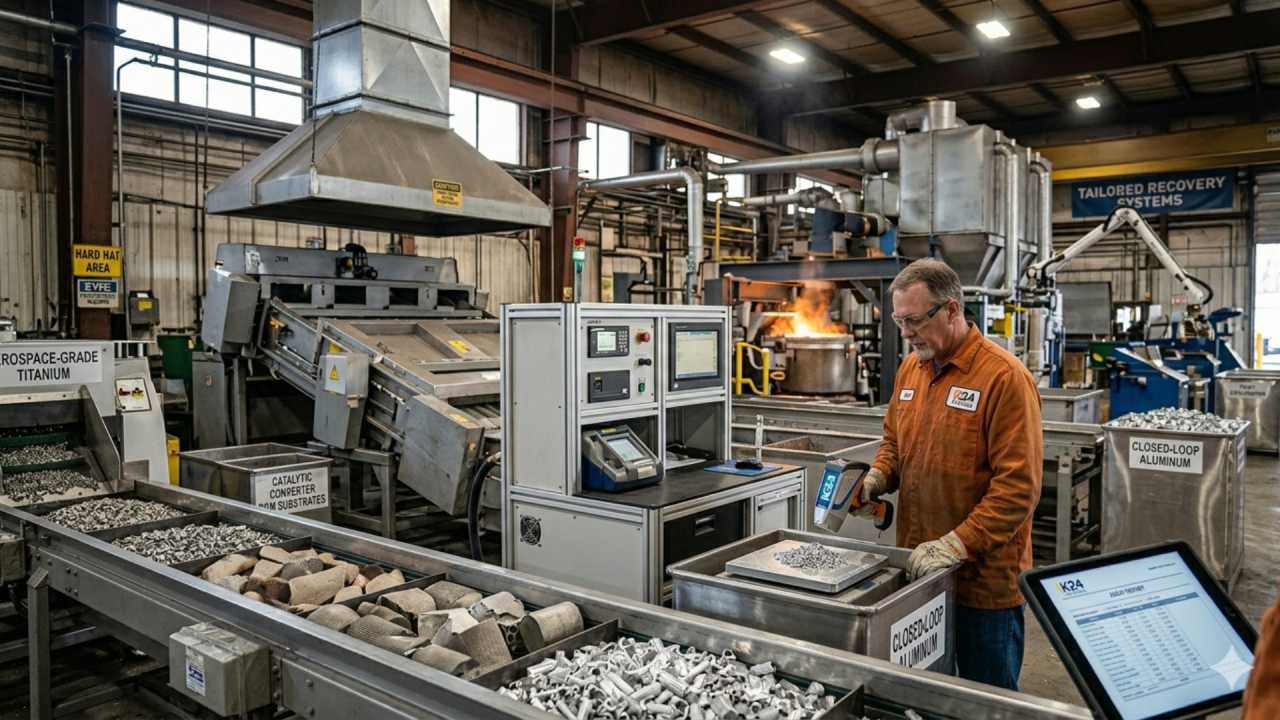
The process begins the moment scrap material arrives at the processing facility. Every inbound shipment undergoes an initial material assessment and rigorous quality evaluation. Technicians log the physical form of the scrap, its origin, and its estimated composition, checking for hazardous contaminants, radiation levels, and excessive moisture or non-metallic debris.
Sorting and Separation
Once cleared, the scrap enters the sorting phase to isolate individual metal streams.
-
Magnetic Separation: Powerful cross-belt magnets quickly extract ferrous metals from non-ferrous streams.
-
Density Separation: Media separation tanks and air classifiers isolate metals based on their specific gravity, floating away light plastics, insulation, and aluminum from heavier copper and brass.
-
Manual Sorting: Highly trained technicians conduct manual inspections for complex items, ensuring that distinct alloy families are not mixed prior to melting.
Cleaning and Preparation
Before metals can be melted efficiently, surface contaminants must be removed. This stage involves removing paint, protective plastic coatings, anodized layers, grease, oils, and insulation. Mechanical shredding, shot-blasting, and thermal decoating systems clean the metal surfaces, which dramatically reduces slag formation and emissions during the subsequent melting stages.
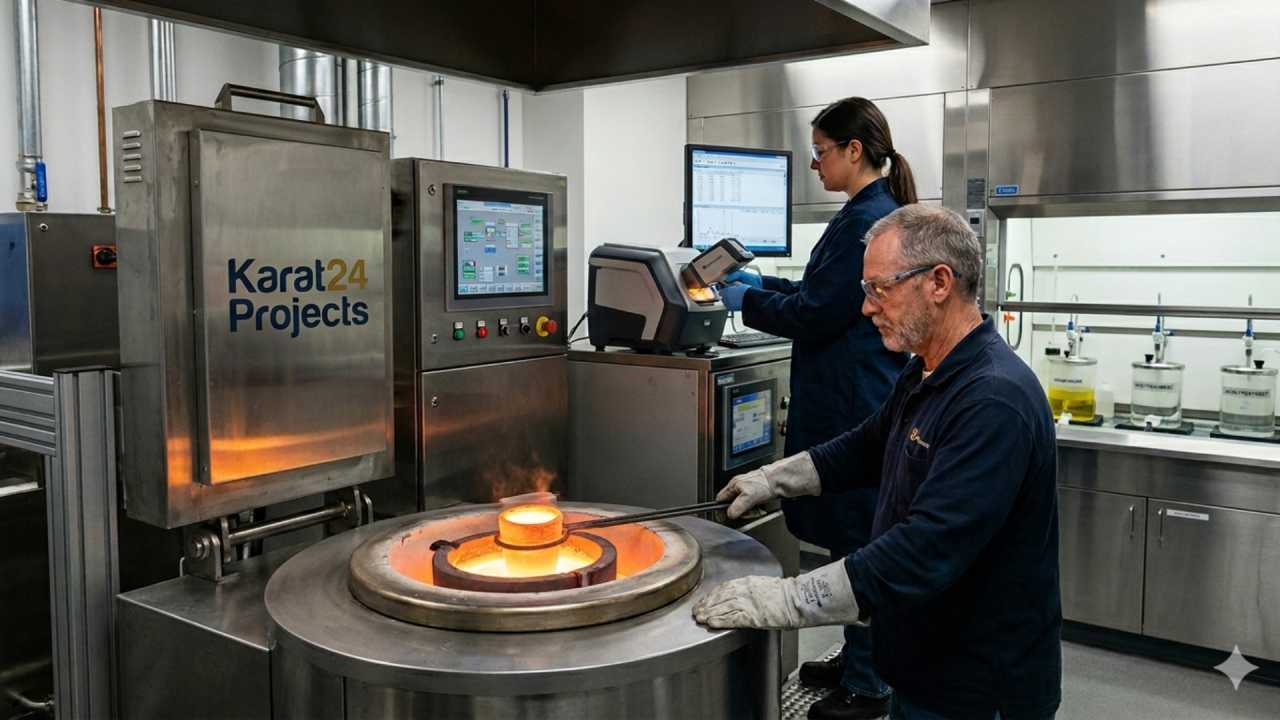
Melting and Purification
The clean, sorted metal is introduced into specialized furnaces tailored to the specific melting points and chemical properties of the material.
-
Furnace Operations: Utilizing energy-efficient electric arc furnaces, induction furnaces, or reverberatory furnaces depending on the metal type.
-
Refining Technologies: During the molten phase, purification techniques such as gas purging, fluxing, and slag skimming are employed to bind and remove trace impurities. For ultra-high purity requirements, chemical dissolution or electrolytic refining is utilized to isolate the target atoms cleanly.
Quality Testing
The final step in the refining sequence is comprehensive quality testing. Before any batch is certified for reuse, it undergoes rigorous chemical analysis and purity verification. Using advanced laboratory instrumentation, refiners confirm that the metal meets exact international standards (such as ASTM or ISO specifications), providing customers with certified documentation of composition and purity.
Why Customized Refining Services Matter
No two industrial operations generate identical scrap profiles. A high-volume automotive stamping plant produces clean, uniform clips of a single aluminum or steel alloy. In contrast, an electronics recycler or an aerospace maintenance facility generates highly complex, multi-layered scrap streams containing a mixture of precious, non-ferrous, and synthetic materials. This stark contrast is why customized refining services matter so much to modern commercial enterprises.
| Feature or Requirement | Standard Bulk Recycling | Customized Refining (Karat24 Projects) |
| Material Sorting Approach | Automated bulk shredding and mass magnetic separation. | Hand-sorting, alloy-specific segregation, and targeted processing. |
| Purity Outcomes | Lower purity, often down-cycled into lower-grade applications. | Ultra-high purity tailored to strict manufacturing specifications. |
| Volume Flexibility | Requires massive, continuous tonnage of uniform scrap. | Adaptable processing lines for small, high-value batches or large runs. |
| Compliance and Traceability | Basic chain-of-custody tracking. | End-to-end documentation, environmental compliance certificates. |
| Financial Returns | Flat-rate bulk pricing based on lowest-common-denominator alloy. | Itemized assay-based returns that maximize the value of every element. |
By opting for a custom metal refining partner like Karat24 Projects, businesses can move away from rigid, low-yield processing arrangements. Manufacturing facilities can arrange for closed-loop recycling systems where their specific alloy turnings are kept segregated, refined, and returned directly to their own production lines.
Automotive companies can optimize their recovery of high-value catalysts and aluminum components. Construction firms can manage large-scale demolitions with targeted strategies for separating structural steel from high-value copper piping, while electronics recyclers can count on precision hydrometallurgical lines to extract trace precious metals that would otherwise be lost in a traditional shredder. Tailored processing ensures that you only pay for the exact level of refining your material requires, maximizing your financial returns and optimizing material efficiency.
Industries That Benefit from Tailored Scrap Metal Refining
Customized scrap metal processing is vital across a wide range of industrial applications. By tailoring the recovery process to the distinct realities of each sector, specialized refiners unlock hidden value while solving complex operational issues.
Manufacturing
Industrial manufacturing operations generate massive volumes of scrap in the form of stampings, turnings, borings, and machine shavings. These byproducts are frequently saturated with cutting oils, lubricants, and coolant fluids. Standard recycling options often penalize manufacturers for this moisture and oil weight.
Customized refining services address this directly by utilizing advanced centrifugal dryers and thermal decoating systems to clean the turnings, allowing the manufacturer to capture the true, unpenalized weight of their raw metal assets.
Automotive
The automotive sector produces a diverse mix of metals, including advanced high-strength steels, aluminum body panels, copper wiring harnesses, and platinum-group metals found within catalytic converters. As vehicles become more advanced, separating these materials becomes increasingly difficult. Tailored refining ensures that high-value aluminum alloys are not contaminated with copper wire scrap during processing, preserving the integrity and cash value of both material streams.
Construction
Deconstruction projects yield large structural components, heavy industrial piping, HVAC units, and complex electrical networks. These materials are often bound to concrete, insulation, and wood. Tailored scrap metal management services provide on-site sorting guidance and specialized industrial processing to cleanly liberate valuable copper, brass, and structural steel from demolition debris, lowering landfill costs and accelerating project timelines.
Aerospace
Aerospace manufacturing and maintenance demand the highest levels of material traceability and purity. The metals used—such as titanium, superalloys, and specialized nickel-chromium compounds—are highly expensive and sensitive to contamination. A single stray piece of tool steel in a batch of titanium turnings can ruin an entire melt. Karat24 Projects provides dedicated, isolated refining runs for aerospace scrap, ensuring total segregation, comprehensive chemical verification, and transparent chain-of-custody reporting.
Electronics and E-Waste
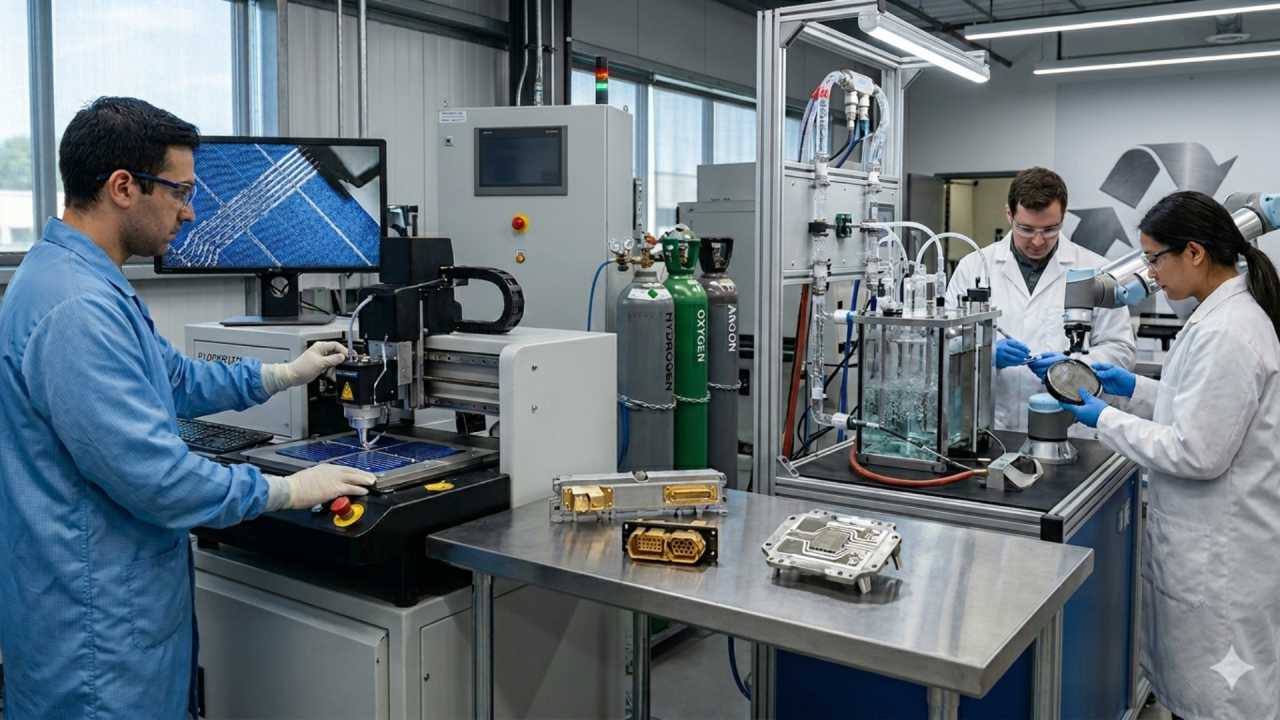
Printed circuit boards, telecommunication switches, and server components contain a dense concentration of high-value metals, including gold, silver, copper, and palladium, alongside toxic flame retardants and heavy metals. Traditional crushing systems lose a significant portion of these precious elements in dust collection networks. Custom refining services deploy specialized hydrometallurgical and pyrometallurgical systems to isolate and recover precious metals down to the parts-per-million level while safely managing environmental hazards.
Energy Sector
From decommissioned electrical transformers and high-voltage transmission cables to solar panel frames and wind turbine components, the energy sector is an immense source of premium industrial metals. Processing transformer scrap requires specialized handling to safely manage residual insulating oils while recovering clean, high-grade electrical copper and silicon steel laminations. Customized refining processes accommodate these complex parameters safely and efficiently.
Key Benefits of Professional Scrap Metal Refining Services
Partnering with a specialized refining firm like Karat24 Projects offers significant advantages that directly improve a company’s bottom line, operational efficiency, and market reputation.
Maximum Material Recovery
The primary objective of custom industrial metal recovery is maximizing yield. Traditional recycling often results in significant material downgrading; for example, high-value copper-nickel alloys might be mixed into a general ferrous scrap melt, effectively destroying the premium value of the nickel. Professional refining isolates every single element, ensuring that high-value metals are recovered completely rather than being lost as trace elements in bulk melts.
Improved Scrap Value
When you sell raw, unrefined scrap, buyers build high risk margins into their pricing to account for unknown contaminants, moisture, and mixed alloys. By utilizing an assay-based, professional refining service, you receive compensation based on the exact, verified chemical purity of your materials. Eliminating the middleman’s guesswork translates directly into significantly higher financial returns for your organization.
Reduced Waste
Advanced refining processes ensure that hazardous residues, slag, and non-metallic contaminants are captured, treated, and disposed of in strict accordance with environmental regulations. This comprehensive approach minimizes the volume of material directed to landfills, transforming what would have been hazardous industrial waste into clean, marketable raw materials.
Environmental Sustainability
Sustainable metal recycling plays a massive role in reducing global carbon footprints. Refining scrap metal requires a fraction of the energy needed to mine, crush, transport, and smelt primary virgin ore. For example, recycling and refining aluminum saves up to ninety-five percent of the energy required for primary production, directly supporting global conservation efforts and preserving fragile ecosystems from the impacts of open-pit mining.
Regulatory Compliance
Modern environmental laws hold corporations strictly liable for the lifecycle of their waste products. Working with a certified, transparent refiner protects your business from liability. Karat24 Projects provides full documentation, processing certificates, and environmental compliance verifications, giving you complete legal peace of mind and clear audit trails.
Reliable Supply Chain Support
For businesses that consume large amounts of metal, custom refining offers an exceptional opportunity for a closed-loop supply chain. By refining your own production scrap back to virgin-quality standards, you secure a reliable, predictable source of raw materials that protects your business from volatile global commodity markets and geopolitical shipping disruptions.
Advanced Technologies Used in Modern Metal Refining
The days of relying solely on visual inspection and hand magnets to sort scrap metal are long gone. Modern metal purification services leverage cutting-edge technology to achieve remarkable separation accuracy and high material purity.
Automated Sorting Systems
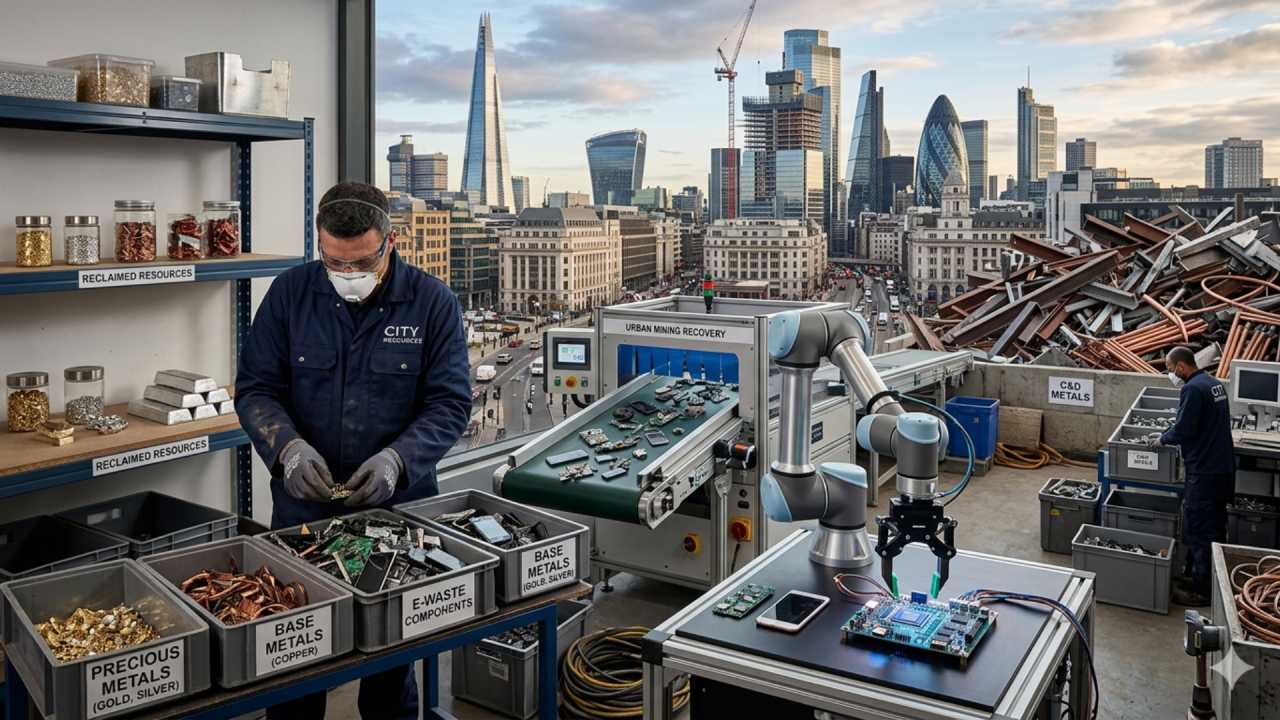
High-speed sensor-based sorting lines process tons of scrap per hour with incredible precision. These systems utilize near-infrared sensors, color cameras, and electromagnetic sensors to identify different material types moving on high-speed conveyor belts, using targeted bursts of compressed air to deflect specific alloys into dedicated collection bins.
XRF Metal Analysis and Spectrometry Testing
Handheld and laboratory-grade X-Ray Fluorescence (XRF) analyzers allow technicians to determine the exact elemental composition of a metal sample within seconds. For even more precise verification, Optical Emission Spectrometry (OES) and Inductively Coupled Plasma (ICP) testing are used to detect trace elements down to parts-per-million levels, ensuring final products meet exact chemical tolerances.
Energy-Efficient Furnaces
Modern refining relies heavily on highly controllable electric induction furnaces. These systems use alternating magnetic fields to heat the metal directly, providing precise temperature control and natural stirring actions that ensure a completely homogeneous melt. These closed-loop systems are paired with advanced baghouses and thermal oxidizers to capture emissions, neutralizing air pollutants before they can escape into the atmosphere.
AI-Driven Material Identification
Artificial intelligence and machine learning are revolutionizing scrap processing lines. AI vision systems can identify complex shapes, component types, and specific manufacturing markings on scrap items, separating high-value components from general scrap at speeds and accuracies that human sorters cannot match.
Environmental Monitoring Systems
To ensure absolute compliance with global air and water quality metrics, modern refineries integrate continuous emissions monitoring networks. These automated systems sample stack gases and facility water runoff in real time, guaranteeing that the purification process remains clean and entirely safe for the surrounding community.
How to Choose the Right Scrap Metal Refining Partner
Selecting a refining partner is a critical commercial decision that impacts your operational security, financial performance, and regulatory standing. To ensure you choose a partner that aligns with your corporate standards, utilize the following evaluation criteria and selection checklist:
-
Industry Experience: Look for a partner with a proven history of handling complex industrial scrap within your specific economic sector.
-
Certifications: Verify that the provider holds valid environmental permits, workplace safety certifications, and international quality management standards (such as ISO 9001 and ISO 14001).
-
Processing Capabilities: Ensure their facility is equipped with modern analytical instruments and advanced furnaces capable of processing your specific volume and material type.
-
Environmental Practices: Verify that they prioritize green processing methods and hold a clean record of ecological responsibility.
-
Transparency in Pricing: A trustworthy partner will provide clear, detailed assay reports and transparent fee structures based on verifiable market indices.
-
Logistics Support: Confirm that they offer secure transport, locked collection containers, and comprehensive chain-of-custody tracking.
-
Customer Service: Choose a partner that assigns dedicated account managers to handle your account and provide clear progress updates.
-
Turnaround Times: Efficient processing lines mean your capital isn’t locked up in scrap inventory for months at a time.
Partner Selection Checklist
Before signing a contract with a metal reclamation services provider, review this quick assessment checklist:
-
Does the provider offer certified weight tickets and formal assay analysis reports for every shipment?
-
Are they fully licensed to transport, process, and manage the specific types of scrap your facility generates?
-
Can they customize their pickup schedules, storage containers, and processing runs around your operational workflow?
-
Do they maintain a clear, auditable environmental compliance record with local and national regulators?
-
Do they offer flexible financial arrangements, such as toll-refining options or direct purchase programs?
Sustainability and the Circular Economy
The concept of a linear economy—where materials are extracted, used, and permanently discarded—is rapidly becoming obsolete. Progressive corporations are embracing circular economy principles, where products and industrial byproducts are intentionally designed to be recovered, restored, and endlessly reused.
Professional scrap metal refining is a cornerstone of this circular framework. By systematically upgrading scrap back to virgin-equivalent specifications, refiners eliminate the need for fresh raw material extraction. This proactive approach significantly lowers global carbon emissions, drastically reduces industrial water consumption, and keeps valuable metal assets out of municipal landfills.
Aligning your business with an advanced refiner like Karat24 Projects does more than just optimize your scrap revenue; it strengthens your corporate sustainability profile, positions your brand as an environmental leader, and directly helps your organization meet its corporate sustainability goals.
Why Tailored Refining Solutions Deliver Better Results
When industrial operations settle for standard, generic recycling options, they leave substantial financial value and environmental benefits on the table. Every contaminated batch, mixed bin, or unverified alloy run represents a lost opportunity to improve your bottom line.
Tailored refining solutions eliminate these inefficiencies completely. By engineering a custom processing strategy around your facility’s specific output, you ensure maximum material recovery rates, capture the highest possible market value for your metals, and maintain absolute confidence in your environmental compliance. Customized processing shifts scrap management from an operational headache into a highly organized, predictable, and lucrative profit center. Long-term partnerships with a dedicated refiner create a reliable loop where your production wastes are transformed back into premium operational assets year after year.
Final Thoughts
Maximizing the value of your industrial scrap requires more than a basic disposal service; it demands a sophisticated, technologically advanced partner capable of delivering customized refining solutions tailored directly to your business requirements.
Karat24 Projects stands at the forefront of the scrap metal refining industry, combining state-of-the-art purification technologies, absolute chemical testing accuracy, and an unwavering commitment to environmental sustainability. Whether your business handles high-volume manufacturing turnings, complex electronic scrap, or high-value aerospace alloys, our expert team provides the precision processing, clear asset tracking, and maximum financial returns your organization deserves.
Don’t let your valuable metal assets be downgraded by standard bulk recycling. Contact Karat24 Projects today to schedule a comprehensive review of your material streams, request a detailed technical consultation, or receive a customized refining quote tailored to your operational needs. Let us help you transform your industrial waste into a high-yield sustainable resource.
Frequently Asked Questions
What is the difference between commercial scrap metal recycling and industrial scrap metal refining services?
While commercial scrap metal recycling focuses on the basic collection, mechanical sorting, and bulk shredding of mixed scrap materials, industrial scrap metal refining services involve advanced chemical, pyrometallurgical, and hydrometallurgical purification. Traditional recycling simply aggregates and down-cycles metals into lower-grade applications. Custom refining services from Karat24 Projects thermally or chemically strip away impurities, coatings, and trace contaminants, restoring the scrap metal to ultra-high purity levels so it can be cleanly reintroduced into high-precision manufacturing supply chains.
How do manufacturing plants set up a closed loop sustainable metal recycling program?
Setting up a closed-loop sustainable metal recycling program involves a dedicated partnership with a specialized custom metal refining expert. Karat24 Projects assists manufacturing facilities by conducting an initial on-site industrial scrap processing audit. We provide segregated storage containers for different alloy types to prevent cross-contamination directly at the production line. Once collected, your specific turnings, stampings, or filings undergo dedicated, isolated refining runs. The purified metal is then certified and returned directly to your facility for production reuse, protecting your supply chain from market volatility and significantly lowering your corporate carbon footprint.
What advanced metal purification services are used to recover precious metals from electronics e-waste?
Recovering high-value elements from electronic components requires specialized hydrometallurgical extraction and chemical precipitation systems. Traditional shredding loops lose a high percentage of premium metals through dust emissions or bulk contamination. Our precious metal recovery process uses state-of-the-art chemical dissolution to separate gold, silver, platinum, and palladium from circuit boards, server components, and telecommunication switches down to the parts-per-million level. This precise approach guarantees maximum material recovery while ensuring that hazardous secondary components are safely contained in line with strict environmental standards.
How does an assay-based pricing model improve industrial scrap processing financial returns?
Standard scrap yards typically offer a flat, lower-common-denominator bulk price based on visual estimates to mitigate their own risk regarding moisture, oil weight, or lower-tier alloys. An assay-based pricing model eliminates the middleman’s guesswork by using precise laboratory testing like X-Ray Fluorescence (XRF) and Optical Emission Spectrometry (OES). When you partner with Karat24 Projects, your returns are calculated from the exact, verified chemical purity of your batch. By paying you for the precise elemental weight of the metals recovered, you secure substantially higher financial returns on your complex industrial scrap.
What environmental regulations and certifications apply to high-volume non-ferrous metal refining?
High-volume non-ferrous metal refining is strictly regulated by national and international environmental protection laws governing air emissions, industrial wastewater treatment, and hazardous waste disposal. When selecting an industrial scrap management partner, it is critical to verify they hold valid environmental permits and international quality standards, such as ISO 9001 for quality management and ISO 14001 for environmental management systems. Karat24 Projects complies with all regulatory tracking mandates, providing your company with formal destruction and processing certificates that establish a bulletproof audit trail and protect you from liability.
Can custom metal refining facilities process oil-saturated machine turnings and borings efficiently?
Yes, advanced custom metal refining facilities utilize specialized pretreatment systems to handle oil-saturated or coolant-soaked turnings and machine shavings. Processing raw, wet scrap directly in a furnace creates dangerous slag buildup and excessive air emissions. To prevent this, we utilize high-speed centrifugal dryers to mechanically extract surface fluids, followed by thermal decoating systems that cleanly vaporize remaining oils. This advanced industrial scrap processing sequence ensures you receive an unpenalized, true-weight financial return on your metal assets while keeping the smelting phase entirely eco-friendly.