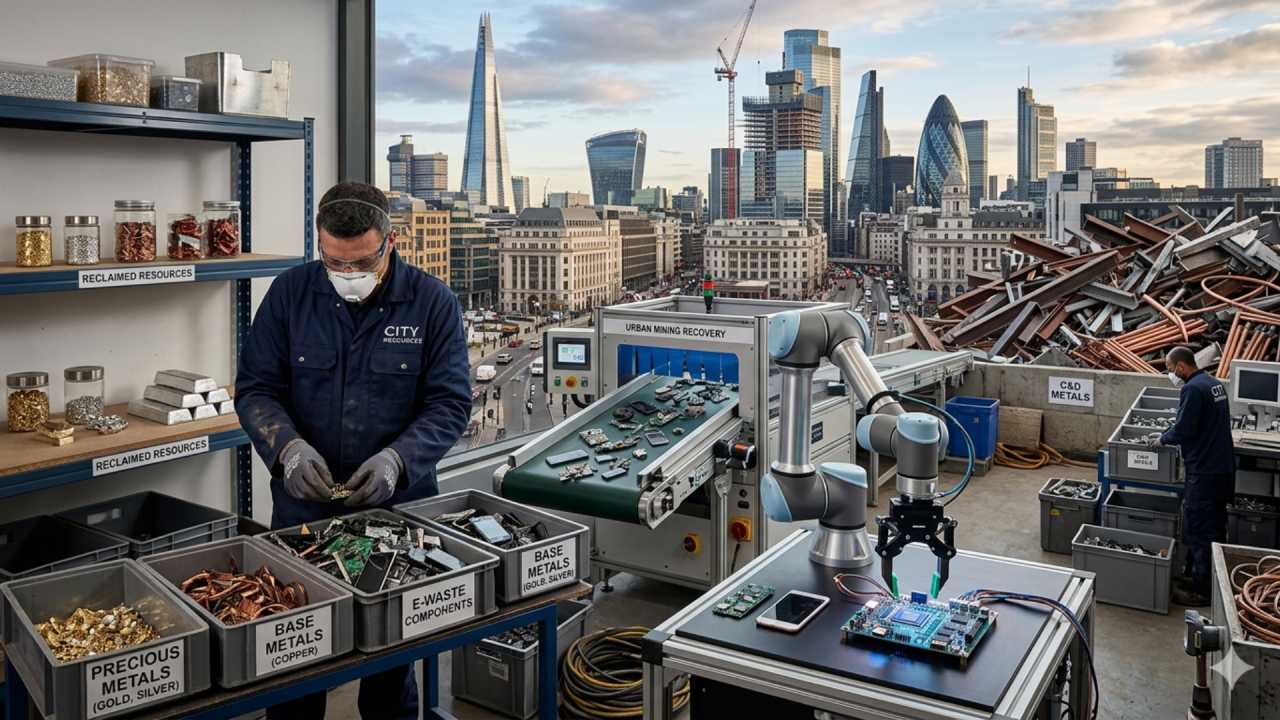
Urban Mining: How Cities Become Precious Metal Sources
The New Gold Rush in Cities
For centuries, humanity has looked deep beneath the earth to satisfy its insatiable demand for metals. Massive machinery, deep open pits, and subterranean shafts have been the traditional hallmarks of resource extraction. Today, however, a new kind of gold rush is quietly taking shape, not in remote mountain ranges or desolate deserts, but within the hearts of our busiest metropolitan areas. This shift is known as urban mining: the systematic process of reclaiming raw materials from discarded products, buildings, infrastructure, and waste streams already circulating within human settlements.
Cities have become dense, highly concentrated reservoirs of valuable elements. Every skyscraper, decommissioned factory, subterranean power grid, and discarded electronic device represents an anthropogenic deposit of raw materials. The concentration of these metals within urban spaces often dramatically surpasses the concentration found in natural geological formations. For instance, while a traditional gold mine might extract a few grams of pure gold from a whole ton of raw earth, a single ton of discarded smartphones can yield up to a hundred times more gold, alongside significant quantities of silver, copper, and palladium.
Beyond precious metals, urban centers hold vast reserves of copper structural materials, steel beams, aluminum framing, and critical rare earth elements sealed inside discarded consumer electronics. As global supply chains face increasing volatility and the environmental devastation of primary extraction becomes harder to justify, the imperative to tap into these local resources intensifies. This comprehensive shift transforms our understanding of waste management, repositioning our metropolitan areas as self-sustaining resource hubs. Cities are no longer merely consumers of resources; they are evolving into major producers of raw materials, serving as the foundational bedrock for a truly circular economy.
Understanding Urban Mining
To fully appreciate this modern resource revolution, one must understand the structural framework of urban mining. The term refers to the reclamation of compounds and elements from products that have reached the end of their operational lifespans. The concept first gained academic traction in the late twentieth century, when researchers realized that the sheer volume of metals locked away in human-made structures was beginning to rival the total quantity remaining untouched in the earth.
Central to this field is the concept of the “anthropogenic stock.” This term encompasses the collective pool of all materials that have been extracted, processed, and integrated into the human built environment. Unlike natural geological reserves, which are static and finite until discovered, the anthropogenic stock is dynamic, continuously expanding as populations urbanize and technology proliferates. When a product is manufactured and sold, its constituent metals do not vanish; they enter this artificial reservoir, waiting for the day they are discarded or replaced.
This anthropogenic stock manifests across four primary urban waste sectors:
-
Electronic Waste (E-Waste): The fastest-growing component, comprising obsolete smartphones, computers, servers, household appliances, and telecommunications equipment.
-
Construction and Demolition Waste: The structural remains of demolished buildings, decommissioned bridges, and renovated facilities, which yield immense quantities of structural steel, copper piping, and aluminum fixtures.
-
Industrial Scrap: Residues, trimmings, and defective components generated during manufacturing processes within industrial zones.
-
Vehicles and End-of-Life Batteries: Discarded automobiles, public transit machinery, and a rapidly expanding volume of spent lithium-ion and lead-acid batteries.
By treating these waste streams not as liabilities to be buried in landfills but as highly accessible superficial ore deposits, urban mining turns a massive waste management crisis into a predictable, localized source of raw materials.
Why Urban Mining Matters Today
The transition toward urban mining is propelled by an intersection of global resource scarcity, ecological urgency, and profound economic incentives.
Resource Scarcity
The primary driver is the accelerating depletion of high-grade natural ores. For decades, mining companies have had to process increasingly poor-quality geological deposits to extract the same volume of usable metal. This reality, combined with a skyrocketing global population demanding advanced electronics, electric vehicles, and modern infrastructure, has placed unprecedented stress on primary mining operations.
Environmental Concerns
Conventional extraction exacts a devastating toll on the planet. Open-pit mining obliterates native ecosystems, causes widespread habitat destruction, and generates billions of tons of toxic tailings. Furthermore, extracting metals from deep underground requires immense amounts of energy and water, contributing heavily to global carbon emissions and polluting vital local watersheds. Urban mining drastically diminishes this ecological footprint by bypassing the destructive primary extraction phase entirely.
Economic Opportunity
The economic argument for urban mining is grounded in sheer material density. The concentration of precious metals in urban waste stream deposits is remarkably high. Consider the following comparison of material yields:
| Material Source | Average Gold Yield (Grams per Ton) | Primary Material Yield Focus |
| Natural Gold Ore | 1 to 5 grams | Raw rock matrix |
| Discarded Computer Circuit Boards | 100 to 200 grams | Multi-metal configurations |
| End-of-Life Smartphones | 300 to 400 grams | High-purity microscopic components |
Every year, humanity generates tens of millions of metric tons of electronic waste globally. When millions of tons of obsolete electronics are thrown away annually, billions of dollars worth of gold, silver, platinum, and copper are buried or burned. Recognizing that our cities contain highly concentrated, pre-refined material deposits allows societies to insulate their economies from volatile international commodity markets while transforming waste disposal costs into lucrative revenue streams.
Where Precious Metals Are Hidden in Cities
To extract materials from the urban landscape, recyclers must understand exactly where these valuable assets reside across various sectors of the built environment.
Electronic Devices
The most lucrative target for urban miners sits within our personal and enterprise electronics. Modern circuit boards are masterpieces of metallurgy. Inside smartphones, personal computers, data servers, and enterprise telecommunications equipment, precious metals are utilized for their superior electrical conductivity and corrosion resistance.
Gold coats connection pins and micro-wires, while silver serves as a vital component in high-performance solder and conductive inks. Palladium is used extensively in multi-layer ceramic capacitors, and copper forms the complex pathways of every printed circuit board.
Buildings and Infrastructure
While electronics offer high concentrations of precious metals, the sheer volume of structural metals is found in building systems and civil infrastructure. When older commercial and residential structures are renovated or demolished, they expose extensive networks of heavy-gauge metals:
-
Electrical Wiring: Kilometers of high-purity copper cables power building grids.
-
Plumbing Systems: Heavy brass fittings and copper pipes transport water.
-
HVAC Equipment: Large heating, ventilation, and air conditioning units contain substantial copper coils and aluminum heat exchangers.
Vehicles
The transportation sector provides an exceptionally concentrated source of specialized metals. Conventional internal combustion vehicles contain catalytic converters that rely on a trio of exceptionally rare and expensive platinum group metals: platinum, palladium, and rhodium. Concurrently, the transition toward electromobility has turned electric vehicles into rolling treasure troves, containing massive battery packs rich in lithium, cobalt, nickel, and copper foil.
Renewable Energy Systems
Even our clean energy infrastructure represents a massive future urban mine. Early-generation solar panels are beginning to reach the end of their operational life, containing silver pastes and silicon cells. Wind turbines utilize immense quantities of copper in their generators alongside rare earth elements like neodymium in their permanent magnets, while grid-scale energy storage systems warehouse tons of critical industrial metals.
The Urban Mining Process
Extracting pure metals from complex urban waste streams requires an intricate, multi-stage supply chain that balances logistics, advanced sorting mechanics, and complex chemical processes.
The initial phase focuses on collection and consolidation. Materials are diverted from everyday disposal streams using municipal recycling networks, dedicated drop-off sites, and regional electronics take-back frameworks. Efficient logistics are vital because getting a high volume of uniform electronics or building materials directly affects how profitable the next stages will be.
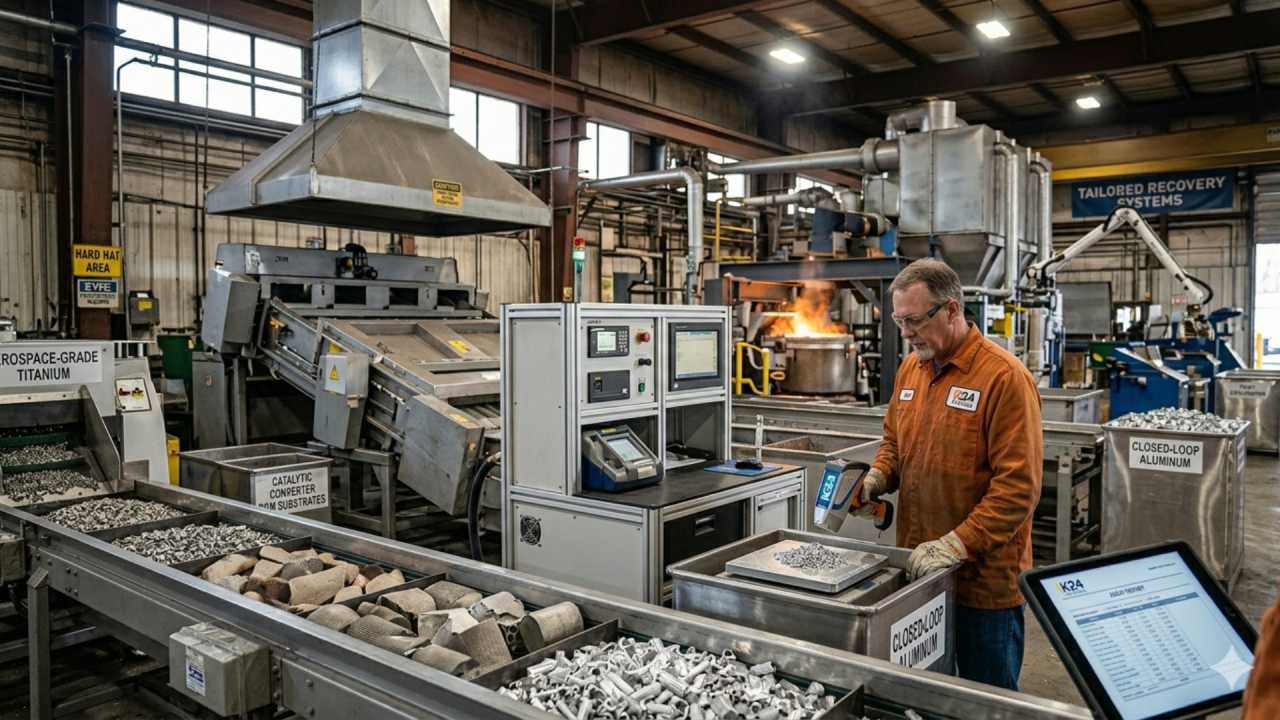
Once collected, the material moves to sorting and disassembly. While workers historically tore items apart by hand, modern urban mining plants lean heavily on automation. Automated scanning equipment uses infrared sensors, X-ray cameras, and advanced sorting algorithms to pick out different types of metals and structural plastics. Robotic pickers can then lift circuit boards directly out of their frames, isolating the highest-value parts early.
Next comes the material recovery stage, which uses mechanical and chemical engineering to unlock the metals. This occurs across several distinct methods:
First, mechanical processing breaks down the bulky scrap. Industrial shredders chop items into small fragments, then magnets and air separators pull apart iron, steel, copper, and aluminum based on weight and magnetic properties.
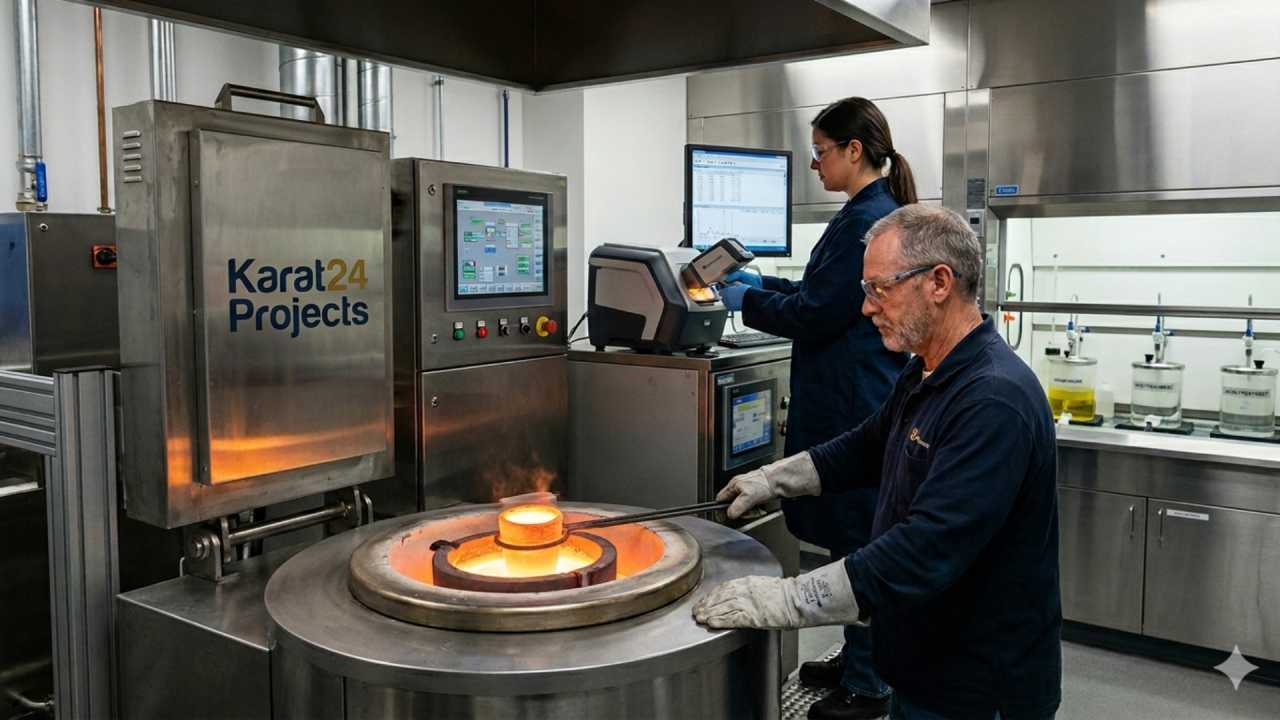
Second, pyrometallurgy uses high-temperature furnaces to melt down mixed electronic fragments. This is highly effective for processing massive tons of material at once, separating base structural metals from precious gold and silver, though it requires substantial energy and air-filtration setups.
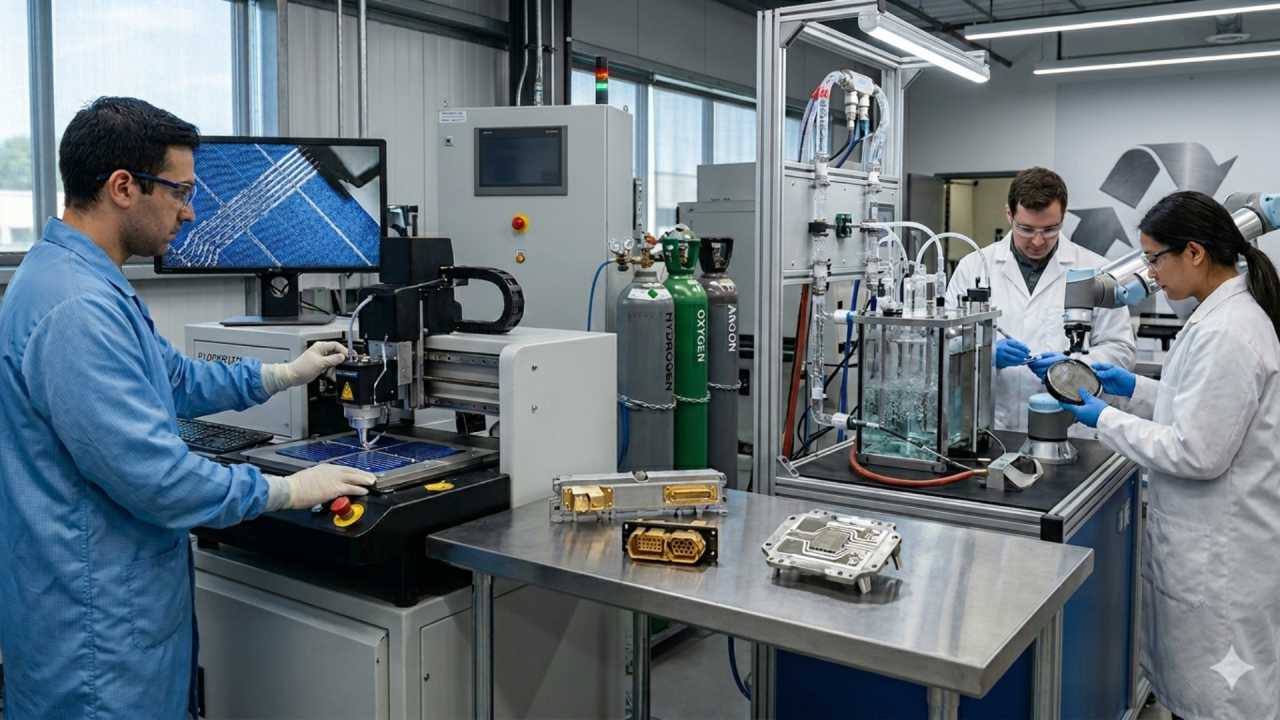
Third, hydrometallurgy offers a chemical alternative by using liquid solutions to dissolve and isolate targeted metals. Acidic or alkaline mixtures strip gold, silver, and copper off crushed circuit boards at lower temperatures, recovering them through chemical precipitation.
Fourth, bioleaching relies on biotechnology. This process introduces specialized strains of bacteria or fungi that naturally feed on or react with low-yield electronics scrap, pulling out metals like copper or nickel safely without using harsh chemicals.
Finally, the process concludes with refining and reuse. Recovered materials are chemically purified until their grade matches or exceeds virgin metals straight from the earth. These metals are then reshaped into bars, wires, or chemical inputs and sold back to manufacturers, completing the circular loop.
Technologies Transforming Urban Mining
The economic viability and scaling potential of urban mining have been accelerated by recent breakthroughs in engineering, automated computation, and biotechnology.
Artificial Intelligence
AI-driven machine vision systems have revolutionized material sorting. By processing real-time video feeds of fast-moving conveyor belts, deep learning algorithms can identify specific electronic models or distinct alloy compositions based on subtle visual markers, instructing pneumatic sorters to deflect them into targeted bins with millisecond precision.
Robotics
Advanced robotic disassembly lines are replacing dangerous manual labor. Using specialized tools and adaptive gripping systems, robots can safely unscrew device casings, isolate hazardous components like lithium-ion batteries without puncturing them, and cleanly detach high-value printed circuit boards from structural frames.
Digital Material Passports
A major challenge for urban miners is knowing exactly what elements reside inside an item. The advent of digital material passports solves this by embedding data logs within products. By scanning a QR code or an RFID tag, a recycling facility can instantly access a complete inventory of the chemicals, plastics, and metals contained inside an object, alongside optimized instructions for disassembly.
Advanced Metallurgical Techniques
Innovations in low-energy chemical extraction are making urban refining safer and cleaner. New organic solvents and green chemistry formulations can selectively dissolve gold or palladium from mixed e-waste at room temperature without generating the toxic wastewater or air pollution traditionally associated with industrial metal recovery.
Bio-Mining
Biotechnology is proving to be a highly effective tool for resource recovery. Scientists have cultivated specific strains of bacteria and fungi capable of extracting copper, nickel, and gold from low-yield electronic scrap. These microorganisms metabolize the target elements, bonding with them so they can be easily filtered out, presenting a highly sustainable path forward for processing low-grade urban deposits.
Economic Benefits of Urban Mining
Embracing the urban mine yields transformative economic rewards for municipalities, private enterprises, and national economies alike.
Supply Chain Resilience
By sourcing materials from local waste streams, countries can significantly reduce their dependence on volatile foreign commodity imports. Many critical minerals and precious metals are geographically concentrated in geopolitical hot spots, exposing global manufacturing lines to trade disputes, export restrictions, and transport bottlenecks. Urban mining establishes an internal, highly reliable loop of raw materials right where manufacturing occurs.
Job Creation and Business Opportunities
The establishment of urban mining infrastructure stimulates local economies by generating a wide spectrum of jobs. From high-tech research roles in metallurgy and software engineering to operational positions in collection, sorting, and facility management, urban mining creates localized employment opportunities that cannot be easily outsourced. Furthermore, it opens up entirely new business models focused on resource recovery, remanufacturing, and specialized recycling services.
Lower Production Costs
When optimized, urban mining operations can deliver refined metals at a lower cost per unit than primary mining companies. Because the metals in the anthropogenic stock are already in a highly refined and concentrated state, processing them requires a fraction of the energy and logistical expenditure needed to excavate, transport, and crush millions of tons of raw subterranean rock.
Global urban centers are demonstrating the viability of this model:
-
Japan: Leading the way in domestic e-waste recovery, Japan leverages its vast electronic reserves to secure high-purity precious metals without relying entirely on foreign imports.
-
The European Union: Guided by comprehensive circular economy directives, EU member states have implemented mandatory collection frameworks to retain critical raw materials within regional borders.
-
Singapore and South Korea: These highly urbanized, resource-scarce nations have built state-of-the-art processing hubs that turn electronic waste and industrial scrap into high-tech manufacturing inputs.
Environmental Advantages
The ecological rationale for urban mining extends far beyond basic waste reduction. It represents a fundamental pillar in the global strategy to combat climate change and environmental degradation.
Lower Carbon Footprint
The reduction in energy consumption achieved by switching from primary extraction to urban reclamation is profound. Refinement of recycled aluminum requires roughly five percent of the energy demanded by primary smelting from bauxite ore. For precious metals like gold and palladium, the energy savings are even more dramatic, translating directly into a massive drop in greenhouse gas emissions for the manufacturing sector.
Reduced Land Disturbance
By sourcing metals from existing urban products, society reduces the need to develop new open-pit mines. This protects vulnerable ecosystems, prevents deforestation, and halts the destruction of indigenous lands and natural habitats around the world, preserving biodiversity in ecologically sensitive regions.
Less Water Consumption
Conventional mining consumes vast amounts of water to suppress dust, process ore, and transport tailings, frequently depleting and polluting local aquifers. Urban mining processes, particularly modern closed-loop hydrometallurgical and mechanical separation methods, use significantly less water and recycle their chemical solutions to prevent environmental runoff.
Circular Economy Contribution
Ultimately, urban mining operationalizes the concept of a circular economy, where waste is entirely designed out of the system. Rather than adhering to the linear model of “take, make, dispose,” urban mining ensures that the valuable material investments made during a product’s initial manufacture are preserved, reused, and kept in circulation indefinitely.
Challenges and Limitations
Despite its undeniable promise, urban mining faces an array of systemic hurdles that prevent it from completely replacing traditional extraction methods today.
Collection Challenges
The biggest bottleneck is consumer behavior and informal waste management streams. Millions of obsolete laptops and smartphones sit forgotten in drawers and closets, locked away from the recycling ecosystem. In other instances, valuable e-waste is improperly discarded in standard trash bins, ending up in landfills where recovery becomes economically unviable and environmentally hazardous.
Economic Barriers
The financial health of urban mining operations is closely tied to volatile global commodity markets. When primary metal prices drop significantly, the profit margins for recovered metals compress, making it difficult for recycling facilities to cover their collection, sorting, and refining overheads without state subsidies or regulatory support.
Technological Limitations
Modern product design presents a major technical challenge. Electronics are increasingly built to be ultra-thin and lightweight, with precious metals bonded to plastics, complex adhesives, and flame retardants at a microscopic scale. This intricate material blending makes cleanly separating different elements without cross-contamination difficult and energy-intensive.
Regulatory and Safety Issues
The presence of hazardous materials within older products requires strict handling protocols. Lead, cadmium, mercury, and brominated flame retardants are common in legacy electronic devices and industrial scrap. Without proper worker protection, advanced air filtration systems, and strict environmental regulations, processing these items can expose workers and surrounding communities to serious health risks. Furthermore, navigating complex transboundary waste shipment regulations often restricts the efficient flow of materials to specialized regional recycling centers.
Global Success Stories
Across the globe, forward-thinking nations and industries are demonstrating that urban mining is not merely a theoretical concept, but a highly scalable, economically viable reality.
Japan’s Electronic Bounty
Faced with a lack of domestic natural resources, Japan pioneered the commercialization of the urban mine. The nation built a highly disciplined nationwide collection framework for consumer electronics. A notable display of this system occurred when the country manufactured thousands of Olympic medals entirely from gold, silver, and bronze recovered from donated smartphones and small household appliances, proving to the world that urban waste could meet the highest material standards.
Switzerland’s E-Waste Recycling System
Switzerland has created one of the world’s most efficient electronic waste recovery networks. By embedding a recycling fee into the retail price of all electronics, the Swiss system guarantees stable funding for collection and advanced processing infrastructure. The country consistently achieves exceptionally high collection rates, turning old devices into clean streams of industrial-grade secondary raw materials.
China’s Resource Recovery Initiatives
To power its massive manufacturing sector, China has established massive industrial parks dedicated exclusively to resource circularity. Facilities in areas like Suzhou and Tianjin process massive volumes of domestic electronic waste, industrial scrap, and decommissioned manufacturing gear, creating highly efficient, localized material loops that feed right back into neighboring assembly plants.
The Future of Urban Mining
Looking ahead, urban mining is set to evolve from an emerging alternative industry into a core pillar of global industrial strategy.
Cities are increasingly being re-conceptualized as dynamic material banks. Future municipal planning will utilize advanced geospatial mapping to track the lifecycle of buildings, utility networks, and infrastructure, logging exactly where valuable copper, steel, and aluminum assets reside so they can be seamlessly reclaimed during urban renewal phases.
Concurrently, manufacturing philosophies are shifting toward “design for recycling.” To circumvent current disassembly bottlenecks, progressive companies are engineering products that avoid complex chemical glues and integrated components. Future devices will feature modular architectures, allowing robots to easily pop out valuable component blocks for immediate sorting and refining.
The accelerating demand for clean energy technologies will also drive a massive battery recycling boom. As the first generation of electric vehicles and grid-scale storage units reach retirement, dedicated urban mining centers will scale rapidly to capture lithium, cobalt, and nickel, ensuring the clean energy transition is powered by sustainable, recycled materials.
Final Thoughts
Urban mining represents a fundamental rethink of how humanity interacts with the material world. By recognizing that our metropolitan areas are dense, highly concentrated repositories of precious and industrial metals, society can move past the archaic, linear model of resource extraction that has long dominated industrial production.
While urban mining cannot completely replace traditional primary mining overnight due to growing global demand, it provides an indispensable, environmentally sound, and economically resilient complement to traditional sourcing. By recovering precious metals from the products and structures we already use daily, we can build a resilient, circular economy where the cities of today become the sustainable mines of tomorrow.
Frequently Asked Questions
What is urban mining of electronic waste and how does it work? Urban mining of electronic waste is the process of reclaiming valuable precious metals and critical raw materials from discarded consumer electronics, such as old smartphones, computers, and tablets. Instead of excavating new geological sites, specialized recycling facilities collect e-waste, use automated AI or robotics to disassemble the devices, and apply chemical or mechanical processing to separate high-purity elements like gold, silver, copper, and palladium so they can be safely reintroduced into the manufacturing supply chain.
Why is electronic waste considered a rich source of gold and precious metals? Electronic waste is a remarkably rich source of precious metals because modern micro-components require superior electrical conductivity and high corrosion resistance. To achieve this, manufacturers use high-purity gold plating, silver solder, and palladium capacitors. As a result, the concentration of precious metals inside a ton of discarded electronic circuit boards can be up to a hundred times denser than the natural metal veins found inside a traditional primary rock mine.
What are the environmental benefits of urban mining vs traditional mining? Urban mining offers massive environmental advantages over traditional primary extraction by completely bypassing destructive excavation. It eliminates open-pit habitat destruction, prevents toxic tailings from contaminating local watersheds, and drastically lowers carbon emissions. For instance, processing recycled aluminum requires roughly ninety-five percent less energy than smelting raw bauxite ore, resulting in a much smaller carbon footprint and a cleaner transition toward a circular economy.
What types of metals can be recovered from building demolition waste? Construction and demolition waste yields vast volumes of structural and industrial base metals. When old commercial or residential structures are dismantled, recyclers extract heavy-gauge copper from structural electrical wiring and plumbing systems, brass from heavy fittings, high-grade aluminum from window frames and heat exchangers, and massive quantities of structural steel from beams and reinforcement bars.
How does artificial intelligence improve the efficiency of urban metal recycling? Artificial intelligence transforms urban mining by automating the slow, historically dangerous tasks of manual sorting and disassembly. Advanced machine vision systems use deep learning algorithms to process real-time video feeds of moving conveyor belts, instantly identifying specific electronic models or exact metal alloy types. The system then directs automated pneumatic sorters or high-speed robotic arms to separate high-value components with millisecond precision, drastically reducing material contamination.