Environmental Concerns About Gold Refining | Sustainable Solutions
Why Gold Refining Raises Environmental Concerns
Gold has held a unique position in human civilization for millennia. From the intricate jewelry of ancient empires to the critical components in modern semiconductors and the bedrock of global financial reserves, its value is undisputed. However, as the demand for this precious metal continues to climb, the methods used to extract and refine it have come under intense scrutiny. The primary challenge lies in the fact that gold is rarely found in its pure state; it must be separated from ore or recovered from complex alloys and electronic waste through intensive industrial processes.
These processes, while effective, often carry a significant environmental price tag. Gold refining is inherently resource-intensive, requiring vast amounts of water, energy, and potent chemicals. The environmental challenges range from the management of toxic wastewater and the release of harmful air emissions to the safe disposal of hazardous sludge. As the global community becomes more environmentally conscious, the industry faces a pivotal moment. The goal is no longer just about the purity of the final product, but the purity of the process itself.
At Karat24 Projects, we believe that industrial progress and environmental stewardship are not mutually exclusive. Balancing the high global demand for gold with ethical responsibility requires a fundamental shift in how refineries operate. It involves moving away from outdated, high-pollution methods and embracing a philosophy that prioritizes the health of the planet and the safety of the people involved.
Understanding the Gold Refining Process
To appreciate the necessity of sustainable practices, one must first understand the journey gold takes from its source to its final high-purity form. Gold generally enters the refining cycle from two primary sources: mined ore (primary gold) and recycled materials (secondary gold).
Overview of Raw Gold Sources
Mined gold involves the extraction of rock from the earth, which is then crushed and processed. Often, thousands of tons of earth are moved to retrieve just a few grams of gold. Recycled gold, on the other hand, comes from existing sources such as old jewelry, industrial scrap, and increasingly, electronic waste. Regardless of the source, the material must undergo refining to reach the standard purity required for trade and industry, typically 99.9% or 99.99%.
Common Refining Methods
There are two main technical paths used in the industry today:
-
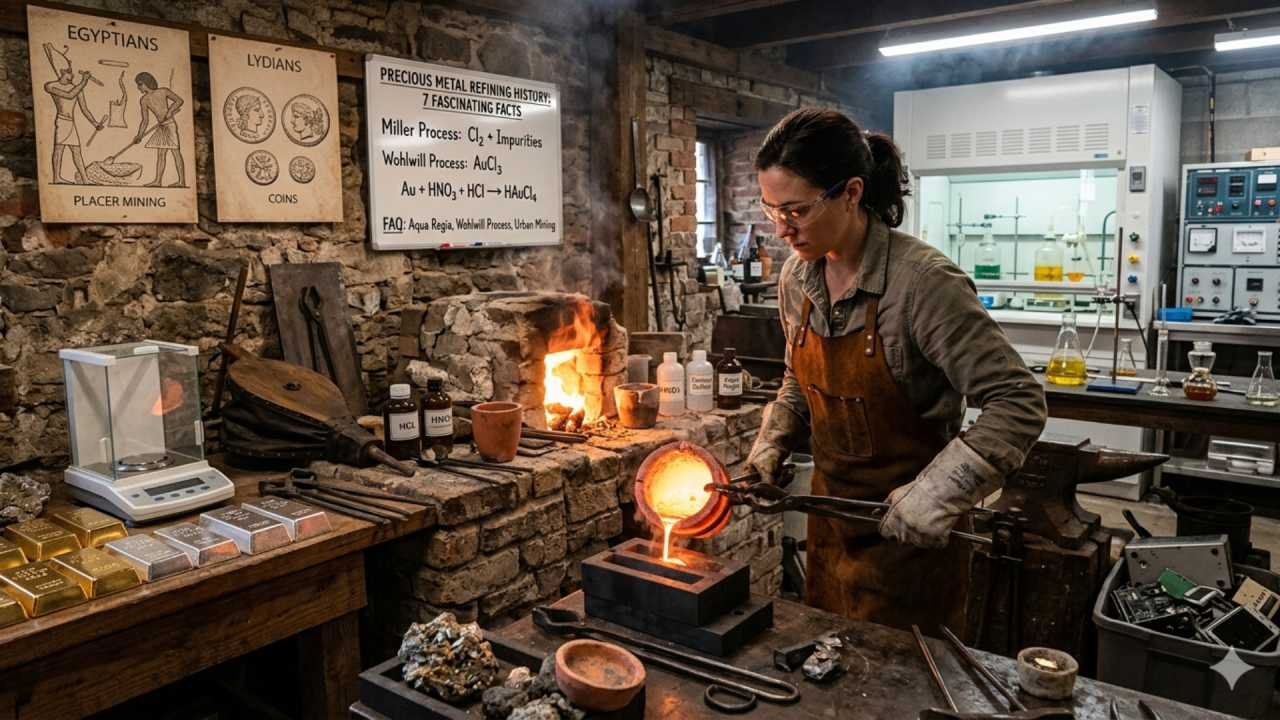
Pyrometallurgy: This method relies on extreme heat to separate metals. Smelting is the most common form, where the gold-bearing material is melted in a furnace. While effective for bulk processing, it is incredibly energy-intensive and can release significant amounts of particulate matter and sulfur gases into the atmosphere.
-
Hydrometallurgy: This approach uses aqueous chemistry to dissolve and then recover the gold. In large-scale mining, this often involves cyanidation, where a cyanide solution leaches gold from the ore. In high-purity refining, the aqua regia process is frequently employed. While these chemical-based processes are highly efficient at achieving extreme purity, they introduce the risk of toxic spills and the generation of hazardous liquid waste.
The environmental risks are present at every turn. In pyrometallurgy, the risk is primarily atmospheric. In hydrometallurgy, the threat is localized to soil and water systems. Recognizing these risks is the first step toward innovating safer, cleaner alternatives.
Major Environmental Concerns in Gold Refining
The environmental footprint of a traditional gold refinery is multifaceted. Each stage of the process presents a different set of hazards that must be managed with precision.
Toxic Chemical Use
The most well-known environmental risk in gold processing is the use of toxic chemicals. Sodium cyanide is a standard reagent in the mining industry because of its ability to dissolve gold, but it is also highly lethal to wildlife and humans even in small concentrations. In refining environments, strong acids such as hydrochloric acid and nitric acid are used. If these chemicals are not handled in a strictly controlled environment, they can lead to soil acidification and water contamination. Long-term ecosystem damage from accidental spills can take decades to remediate, often destroying local aquatic life and rendering groundwater undrinkable.
Water Consumption and Pollution
Refining is a “thirsty” industry. Water is used for cooling machinery, creating chemical solutions, and scrubbing air emissions. Traditional refineries often operate on a “linear” water model: they take fresh water from the environment, use it once, and discharge it as wastewater. This wastewater is often laden with heavy metals, acidic residues, and suspended solids. If discharged without proper treatment, it can devastate local biodiversity and impact the health of communities living downstream.
Air Emissions
The high-temperature processes and chemical reactions inherent in refining can produce a cocktail of air pollutants. Sulfur dioxide, a major contributor to acid rain, is a common byproduct when sulfur-bearing ores are processed. Additionally, nitrogen oxides and fine particulate matter can be released. Without sophisticated filtration and scrubbing systems, these emissions contribute to poor local air quality and broader atmospheric issues.
Energy Consumption
The carbon footprint of gold refining is largely a result of its energy intensity. Furnaces must be kept at temperatures exceeding 1,000 degrees Celsius for extended periods. Furthermore, the ventilation systems required to keep workers safe from fumes consume massive amounts of electricity. Traditionally, this energy has been sourced from fossil fuels, linking the production of gold directly to greenhouse gas emissions.
Waste Generation
Every refining operation produces waste. This includes “tailings” (the leftover material after the gold is removed) and “sludge” (the semi-solid waste from wastewater treatment). These materials often contain concentrated levels of hazardous substances. The challenge lies in ensuring that this waste is stabilized and stored in a way that prevents leaching into the environment over time.
Regulatory and Ethical Pressures
The shift toward sustainability is not just a moral choice; it is a response to a changing global landscape. Governments around the world are tightening environmental laws, imposing stricter limits on emissions and waste discharge. In India and elsewhere, pollution control boards and regulatory bodies now require comprehensive environmental impact assessments and ongoing monitoring.
Beyond laws, the industry is seeing the rise of responsible sourcing frameworks. Organizations such as the Responsible Jewellery Council (RJC) and the London Bullion Market Association (LBMA) have set high standards for environmental and social governance. Furthermore, consumers—particularly younger generations—are demanding to know the origin of their gold. They want assurance that their wedding ring or smartphone didn’t contribute to environmental destruction or human rights abuses. This “ethical gold” movement is a powerful driver for change, forcing refiners to prove their green credentials to maintain market access.
Our Commitment to Sustainable Gold Refining
At Karat24 Projects, sustainability is not a buzzword or a secondary goal; it is a foundational pillar of our business model. We recognize that the long-term viability of the precious metals industry depends on our ability to operate within the limits of our natural environment.
Sustainability Philosophy
Our philosophy is built on the concept of “Total Care.” This means taking responsibility for every liter of water we use, every cubic meter of air we vent, and every gram of waste we produce. We operate with a transparency-first approach, ensuring that our clients and stakeholders understand the measures we take to mitigate environmental impact. Our long-term goal is to decouple gold production from environmental degradation, proving that high-yield refining can be achieved through clean technology.
Responsible Sourcing
The journey toward sustainability begins before the material even reaches our facility. Karat24 Projects adheres to strict responsible sourcing protocols. We prioritize materials that have a clear chain of custody, ensuring we do not process “conflict gold” or gold from operations that use child labor or environmentally catastrophic mining practices. By supporting certified suppliers, we help create a market incentive for responsible behavior throughout the entire supply chain.
Eco-Friendly Refining Technologies We Use
Credibility in sustainability is built on the specific technologies an organization implements. We have invested heavily in engineering solutions that address the core environmental pain points of refining.
Reduced Chemical Dependency
One of our primary goals has been to minimize the volume and toxicity of chemicals used in our processes. We utilize advanced aqua regia systems designed for maximum efficiency, ensuring that the chemicals are used to their full potential with minimal waste. Our equipment is engineered to handle chemicals in a completely sealed environment, which prevents evaporation and reduces the risk of accidental exposure to both the environment and our operators.
Closed-Loop Water Systems
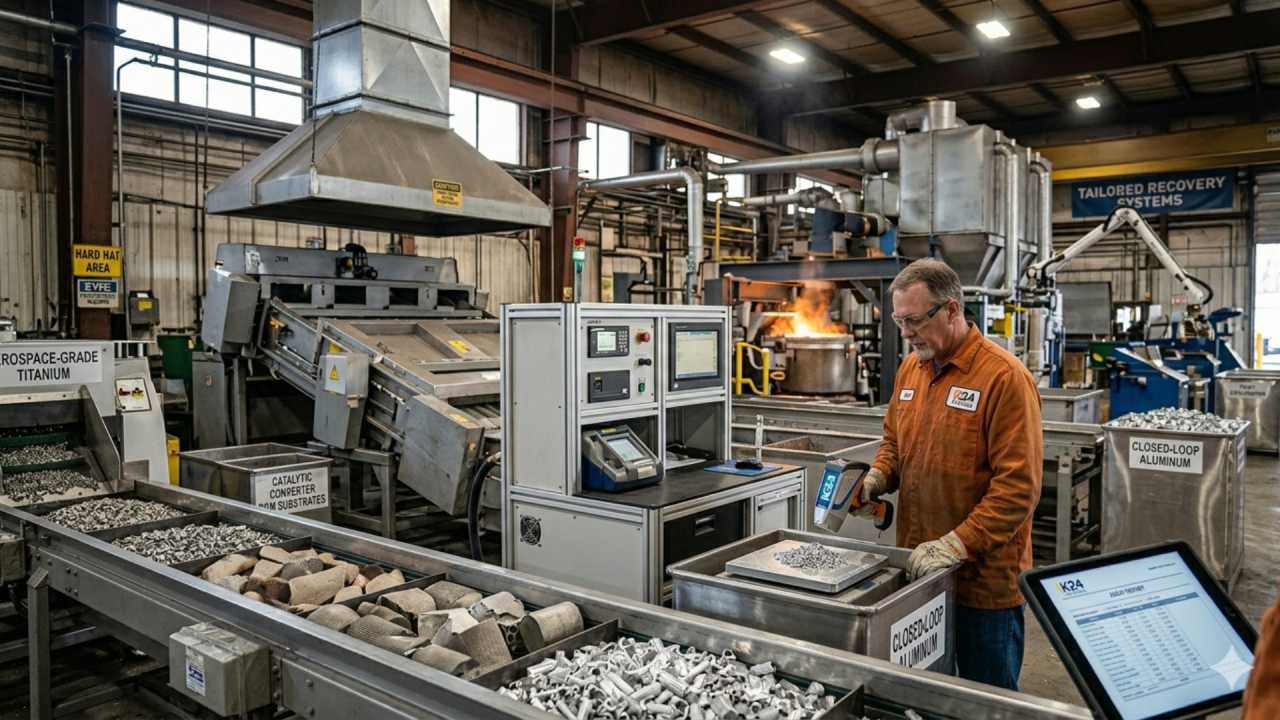
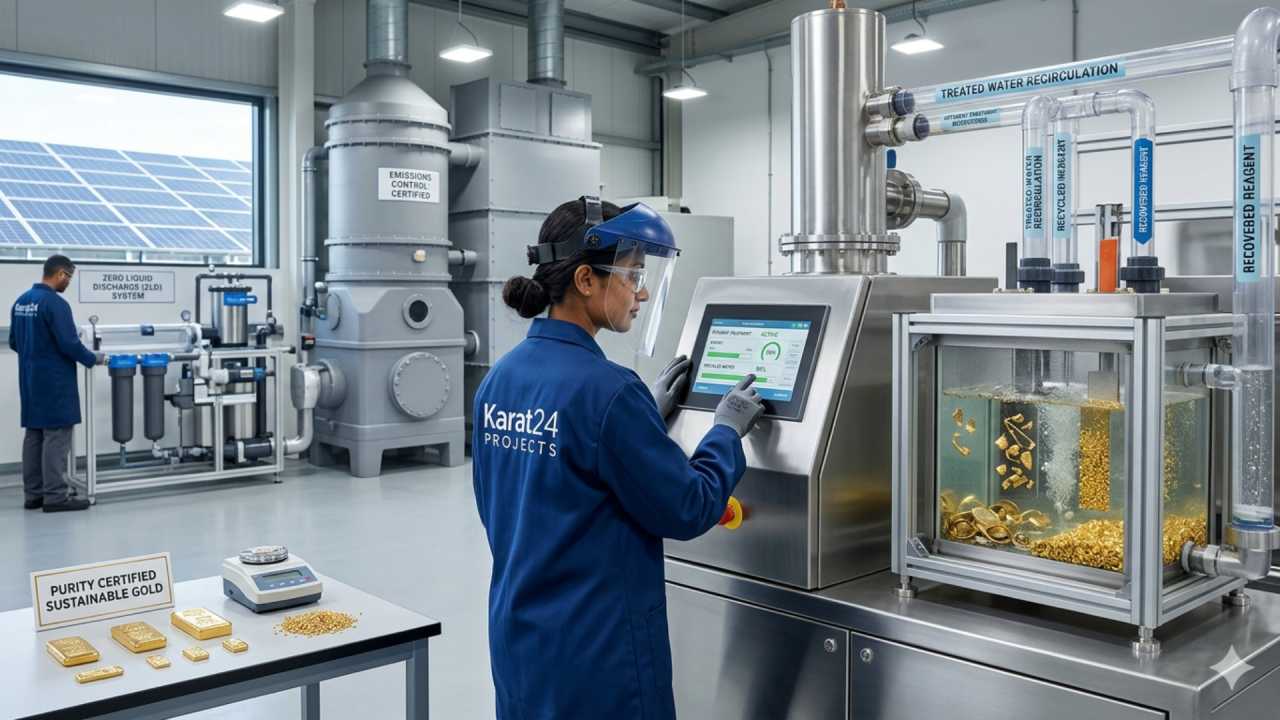
To combat the issue of water scarcity and pollution, we have moved toward a closed-loop water management system. Instead of discharging wastewater, our facilities are equipped with integrated Effluent Treatment Plants (ETP). These systems treat the water to remove acids and heavy metals, allowing the purified water to be pumped back into the refining cycle. This “zero liquid discharge” approach significantly reduces our fresh water intake and ensures that no contaminated water ever leaves our site.
Energy Efficiency Measures
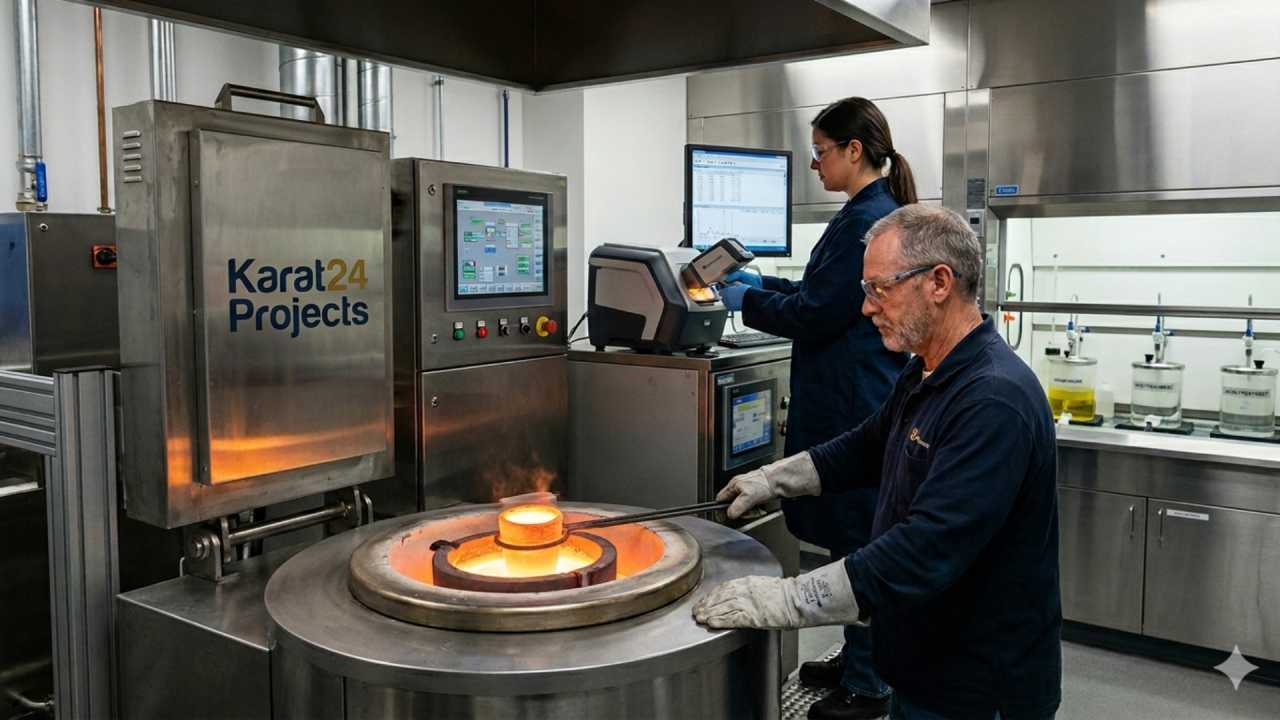
Energy conservation is at the heart of our equipment design. We have replaced traditional, inefficient heating elements with high-efficiency induction melting systems. These systems provide rapid, localized heating, reducing energy loss and lowering the overall power consumption of the refinery. Additionally, we are exploring the integration of solar power to offset the electricity needs of our ventilation and administration systems, further shrinking our carbon footprint.
Emissions Control
Protecting the air we breathe is a non-negotiable priority. Our refining units are paired with multi-stage air scrubbing systems. As fumes are generated, they are pulled through a series of chemical neutralizers and high-efficiency filters. These scrubbers remove acidic gases and particulate matter before the air is released, ensuring that our emissions meet and often exceed the most stringent environmental standards. Our fume hoods are specifically designed from acid-resistant materials like polypropylene to ensure long-term durability and safety without the risk of corrosion-induced leaks.
Waste Management and Circular Practices
True sustainability requires a transition from a linear “take-make-waste” model to a circular economy. In gold refining, this means finding value in what was once considered garbage.
We treat our waste streams as potential resources. For example, the neutralized salts and filtered solids from our effluent treatment processes are analyzed for trace metals. If any valuable materials remain, they are re-processed. For hazardous waste that cannot be reused, we partner with government-authorized disposal facilities that specialize in the secure, long-term storage of industrial byproducts. By meticulously tracking our waste from generation to final disposal, we ensure that our operational “tail” does not become an environmental burden for future generations.
The Role of Recycling in Sustainable Gold Refining
Perhaps the most significant contribution to sustainability in our industry is the rise of “urban mining.” While traditional mining remains necessary for global supply, the recovery of gold from existing products offers a much cleaner path forward.
The Power of Urban Mining
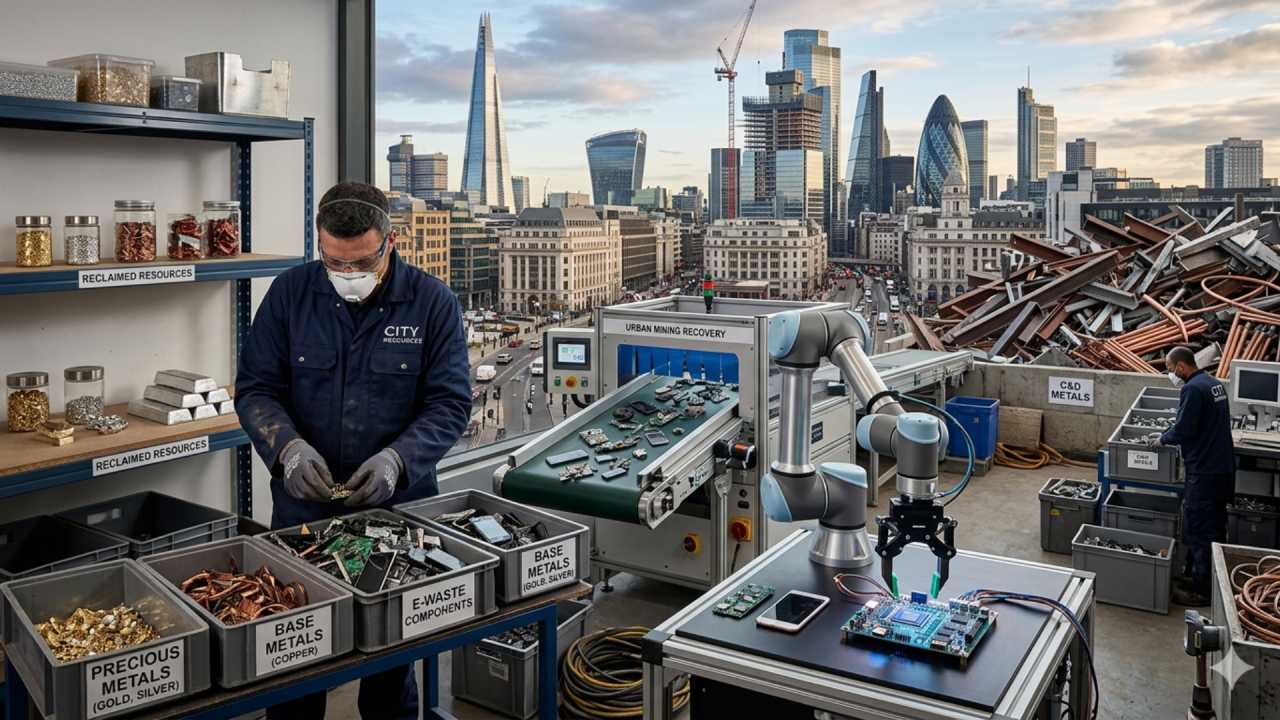
Electronic waste (e-waste) is a gold mine in the most literal sense. Modern circuit boards, connectors, and processors contain significant amounts of gold, silver, and palladium. Recovering gold from e-waste requires a fraction of the energy and water compared to mining it from the earth. Furthermore, it prevents toxic components like lead and mercury found in electronics from ending up in landfills.
Supporting a Circular Economy
Karat24 Projects is a vocal advocate for the recycling sector. Our equipment is specifically designed to handle the complexities of recycled material, including the safe processing of jewelry that contains stones. We have developed specialized techniques to ensure that diamonds and other precious gemstones are protected and preserved during the gold recovery process, allowing for a truly circular lifecycle for high-value jewelry. By focusing on recycled gold, we are reducing the pressure on natural ecosystems and helping to create a more resilient, self-sustaining industry.
Community and Environmental Impact Initiatives
An industrial facility does not exist in a vacuum; it is part of a local ecosystem and a human community. Our commitment to sustainability extends beyond the walls of our refinery.
Local Engagement and Safety
We believe that a sustainable business is a safe business. Our worker safety protocols are among the most rigorous in the industry, focusing on air quality monitoring and protective equipment to ensure that our employees are never at risk. Beyond our walls, we engage with local communities to provide education on environmental safety and the importance of responsible waste management.
Environmental Restoration
Where possible, we support initiatives aimed at restoring the local environment. Whether it is through water conservation projects or supporting local reforestation, we aim to leave a “positive footprint.” We view our presence in the industrial landscape as an opportunity to lead by example, showing that heavy industry can be a good neighbor.
Transparency, Certifications, and Reporting
In the world of sustainability, “trust but verify” is the golden rule. We maintain our credibility through rigorous internal and external audits. We track our energy usage, water consumption, and waste output with meticulous detail. This data allows us to identify areas for improvement and provides our clients with the peace of mind that their gold is being processed responsibly.
We actively pursue industry-recognized certifications that validate our environmental claims. These certifications serve as a benchmark, ensuring that our operations remain at the cutting edge of global best practices. We believe that regular, transparent reporting is essential for building long-term relationships with our partners and the public.
Challenges in Achieving Full Sustainability
While we are proud of our progress, we recognize that the path to 100% sustainability is filled with challenges. It is important to be honest about these hurdles to build genuine trust with our stakeholders.
The Cost of Innovation
Green technology is often more expensive than traditional methods. High-efficiency scrubbers, closed-loop water systems, and advanced induction furnaces require significant capital investment. For many smaller refiners, these costs can be a barrier to entry. At Karat24 Projects, we view these costs as an investment in our future, but we acknowledge the economic pressure it creates in a competitive market.
Supply Chain Complexity
Achieving full traceability in the gold supply chain is an ongoing battle. Gold is highly portable and easily melted down, making it difficult to track once it has changed hands several times. While we have strict protocols, the global nature of the trade means there are always risks of “dirty” gold entering the system. Overcoming this requires international cooperation and the widespread adoption of digital tracking technologies.
Future of Sustainable Gold Refining
The future of gold refining is green. We are seeing a rapid acceleration in the development of “green chemistry”—the search for non-toxic, biodegradable alternatives to cyanide and strong acids. Researchers are experimenting with bio-leaching, where specialized bacteria are used to extract gold from ore, and the use of cornstarch-based solutions for recovery.
At Karat24 Projects, our roadmap includes the continuous integration of these emerging technologies as they become commercially viable. We are also looking toward the potential of “green hydrogen” to power our furnaces and the implementation of artificial intelligence to optimize our chemical processes for zero waste. The goal is a refinery that operates in perfect harmony with the environment, producing a product of the highest purity with a footprint that is virtually invisible.
Final Thoughts
The environmental concerns surrounding gold refining are real and significant, but they are not insurmountable. The industry is moving away from the era of unchecked pollution and toward a future defined by responsibility, innovation, and transparency.
At Karat24 Projects, we are proud to be at the forefront of this transformation. By investing in closed-loop systems, energy-efficient equipment, and responsible sourcing, we are proving that the value of gold does not have to come at the expense of our planet. Sustainability is a journey of continuous improvement, and we remain committed to refining our processes as much as we refine the metal itself.
We encourage consumers, jewelers, and industrial partners to choose their refining partners wisely. By demanding sustainability, you are helping to build a world where the most precious metal on earth is also the most responsible. Together, we can ensure that the luster of gold remains untarnished by the way it is produced.
Frequently Asked Questions
To help you better understand the intersection of precious metal refining and environmental stewardship, we have compiled answers to some of the most common questions regarding sustainable industrial practices.
What are the main environmental concerns of gold refining?
The primary environmental concerns include the management of toxic chemical waste (such as acids and cyanide), high water consumption, and the release of harmful air emissions like sulfur dioxide. Traditional refining can lead to soil acidification and groundwater contamination if wastewater and hazardous sludge are not treated and disposed of through certified industrial channels.
Is gold refining more sustainable than gold mining?
In general, yes. Gold refining—especially when focused on “urban mining” or recycling—is significantly more sustainable than primary mining. Extracting gold from old jewelry or electronic waste requires up to 90% less energy and water compared to mining raw ore from the earth. By choosing refined, recycled gold, we reduce the need for large-scale land clearance and the generation of massive amounts of mining tailings.
How can a gold refinery achieve zero liquid discharge?
A refinery achieves zero liquid discharge (ZLD) by implementing a closed-loop water system. This involves using an integrated Effluent Treatment Plant (ETP) where process wastewater is chemically neutralized and filtered to remove heavy metals. The treated water is then recycled back into the refining machinery rather than being discharged into local sewers or water bodies, effectively eliminating liquid waste.
What is the most eco-friendly gold refining technology available?
Modern hydrometallurgical processes, specifically advanced aqua regia systems paired with multi-stage air scrubbers, are currently among the most eco-friendly options for high-purity refining. These systems offer a safer alternative to mercury-based amalgamation or large-scale heap leaching. When these units are engineered for chemical recovery—such as recapturing nitric acid fumes—they significantly reduce the overall environmental footprint.
How does Karat24 Projects ensure air quality during the refining process?
At Karat24 Projects, we utilize high-efficiency air purification systems and specialized fume scrubbers. These units pull chemical vapors through a series of neutralizing solutions that “wash” the air before it is released. This ensures that any acidic fumes generated during the dissolution of gold are neutralized, preventing air pollution and protecting the health of both our workers and the surrounding community.
Can gold be refined without using harmful chemicals?
While gold refining inherently requires chemical reactions to separate the metal from alloys, the industry is moving toward “green chemistry.” This includes using safer leaching agents and highly controlled, sealed systems that prevent chemical escape. By maximizing chemical efficiency and recycling reagents within a closed system, we minimize the environmental risk typically associated with traditional chemical refining.
Why is responsible sourcing important for a sustainable refinery?
Responsible sourcing ensures that the gold entering the refinery does not fund conflict or contribute to human rights abuses and environmentally catastrophic mining practices. For a refinery to be truly sustainable, it must maintain a transparent supply chain, prioritizing recycled materials and certified suppliers who adhere to global environmental and ethical standards.
Is it possible to refine gold jewelry without damaging diamonds?
Yes. Professional refining systems are designed to recover gold from jewelry while protecting precious stones. By using specialized equipment and precise chemical controls, the gold is dissolved and recovered while diamonds and other gemstones remain unharmed. This process supports the circular economy by allowing both the metal and the stones to be reused in new jewelry pieces without the need for new mining.
How does recycling e-waste contribute to environmental sustainability?
Recycling electronic waste (e-waste) prevents hazardous materials like lead and mercury from entering landfills, where they could leach into the soil. Simultaneously, it allows for the recovery of gold, silver, and palladium with much lower environmental impact than traditional mining. This practice of “urban mining” is a critical component of a sustainable future for the precious metals industry.