Sustainable Precious Metal Recycling and Refining: The Path to a Circular Economy
Precious metals—primarily gold, silver, and the platinum group metals (PGMs)—have served as the bedrock of human currency and adornment for millennia. However, in the modern era, their value extends far beyond the aesthetic or the monetary. These elements are the silent enablers of the digital revolution, the transition to green energy, and the advancement of medical technology. From the semiconductors in a smartphone to the catalytic converters reducing automotive emissions, precious metals are indispensable.
As global demand surges, driven by the rapid expansion of electronics, electric vehicles (EVs), and renewable energy infrastructure, the world faces a critical dilemma. Traditional primary mining, while necessary to meet initial demand, is an environmentally taxing and finite endeavor. The extraction of a single ounce of gold often requires the displacement of tons of earth, the use of toxic chemicals, and the consumption of vast amounts of energy.
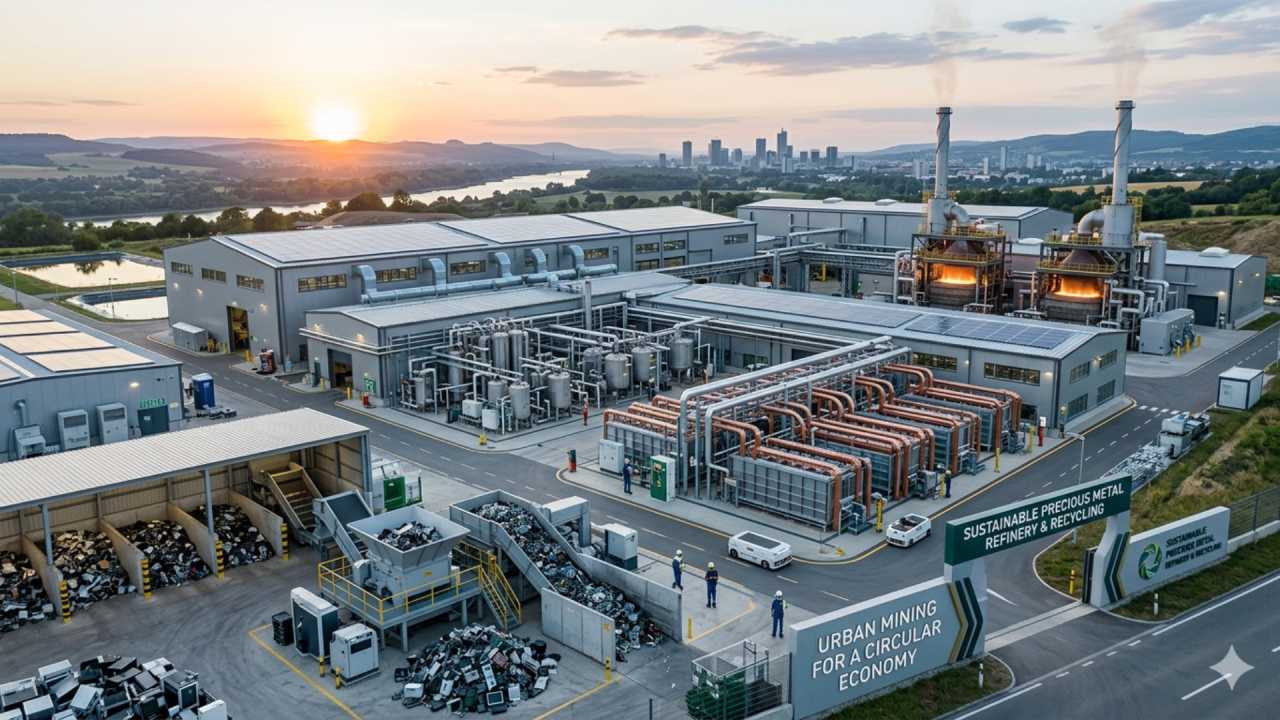
Sustainable precious metal recycling and refining offer a necessary alternative. By reclaiming these materials from end-of-life products—a process often termed “urban mining”—we can create a closed-loop system that preserves natural resources, slashes carbon footprints, and secures supply chains. This article explores the technical, environmental, and economic landscapes of precious metal recovery, outlining how the industry is evolving to meet the demands of a sustainable future.
What Are Precious Metals and Where Are They Used?
Precious metals are rare, naturally occurring metallic chemical elements of high economic value. Chemically, they are less reactive than most elements, making them resistant to corrosion and oxidation, which contributes to their longevity and utility in industrial applications.
Key Types of Precious Metals
-
Gold (Au): Renowned for its conductivity and resistance to tarnish, gold is essential in high-end electronics and jewelry.
-
Silver (Ag): The most thermally and electrically conductive of all metals, silver is a cornerstone of the solar energy sector and printed circuit boards.
-
Platinum Group Metals (PGMs): This group includes Platinum (Pt), Palladium (Pd), and Rhodium (Rh). They are prized for their catalytic properties, particularly in the automotive and chemical industries.
Industrial Applications
The modern economy is heavily reliant on these materials:
-
Electronics: Smartphones, laptops, and servers contain gold-plated connectors and silver-based solders. As devices become smaller and more powerful, the precision offered by these metals becomes even more critical.
-
Automotive: Palladium and rhodium are the primary active components in catalytic converters, which strip nitrogen oxides and carbon monoxide from exhaust gases.
-
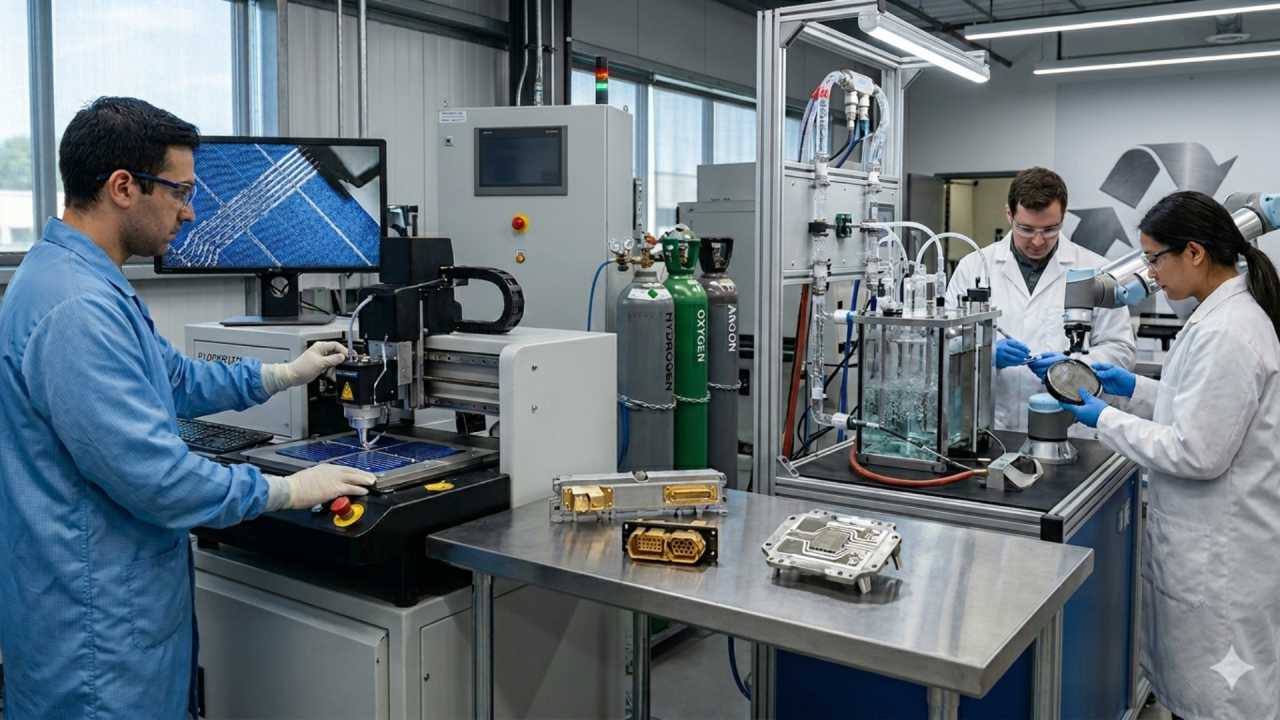
Renewable Energy: Silver is a primary component in photovoltaic (PV) cells for solar panels. Platinum is a critical catalyst in hydrogen fuel cells and electrolyzers.
-
Investment and Healthcare: Beyond jewelry, gold and silver remain vital hedges against inflation, while platinum and gold compounds are used in anti-cancer drugs and dental implants.
The scarcity of these metals, combined with their geographical concentration in specific regions, makes them “critical raw materials.” Their difficulty to replace without compromising performance makes recycling not just an environmental choice, but a strategic necessity.
The Environmental Impact of Traditional Mining
To understand the value of recycling, one must first look at the “hidden” cost of a wedding ring or a circuit board. Primary mining is one of the most ecologically invasive industries on Earth.
Land Degradation and Biodiversity Loss
Open-pit mining requires the removal of massive amounts of overburden. This leads to permanent deforestation, habitat fragmentation, and the loss of topsoil. In regions like the Amazon or Sub-Saharan Africa, gold mining has been a leading driver of ecosystem collapse.
Toxic Contamination
The extraction process often relies on hazardous chemicals. Cyanide heap leaching is a common method for gold extraction, posing a severe risk to local watersheds if liners leak or tailings dams fail. In artisanal mining, mercury is frequently used to amalgamate gold, leading to neurological damage in workers and the poisoning of aquatic food chains.
Energy and Carbon Footprint
Mining is energy-intensive. From the diesel-powered heavy machinery used for excavation to the high-heat furnaces required for smelting ore, the carbon intensity of primary metal production is staggering.
Comparison: Producing one kilogram of gold through primary mining generates approximately 12,500 to 18,000 kilograms of $CO_2$. In contrast, recovering the same amount through advanced recycling can reduce that carbon footprint by over 90%.
Social and Ethical Concerns
The mining industry is frequently linked to “conflict minerals,” where metal extraction funds armed groups or involves forced labor and child labor. While certifications like the “Responsible Gold Standard” exist, the complexity of global supply chains makes oversight difficult.
What is Precious Metal Recycling?
Precious metal recycling is the process of recovering these valuable elements from secondary sources—products that have reached the end of their useful life or industrial by-products.
Sources of Recyclable Materials
-
E-Waste: Discarded electronics are the fastest-growing waste stream. A ton of circuit boards can contain 40 to 80 times the concentration of gold found in a ton of gold ore.
-
Automotive Catalysts: Spent catalytic converters are a major source of platinum, palladium, and rhodium.
-
Industrial Scrap: This includes spent catalysts from the petroleum and chemical industries, as well as plating solutions.
-
Jewelry and Dental Waste: Old jewelry and dental alloys are among the easiest sources to refine due to their high purity levels.
The Concept of Urban Mining
Urban mining shifts the perspective of waste management. Instead of seeing a landfill as a site of disposal, it is viewed as a concentrated “resource deposit.” By mining our cities and junk drawers, we utilize materials that have already been extracted, refined, and transported, significantly lowering the cumulative energy required for production.
Collection and Pre-Processing of Scrap
The journey from “trash” to “treasure” begins with sophisticated logistics and mechanical preparation.
Collection and Supply Chains
The primary hurdle in recycling is the “collection gap.” For jewelry, the supply chain is well-established. However, for e-waste, only a fraction of discarded devices are formally collected. Improving consumer participation and manufacturer take-back programs is essential for a steady supply of feedstock.
Sorting and Dismantling
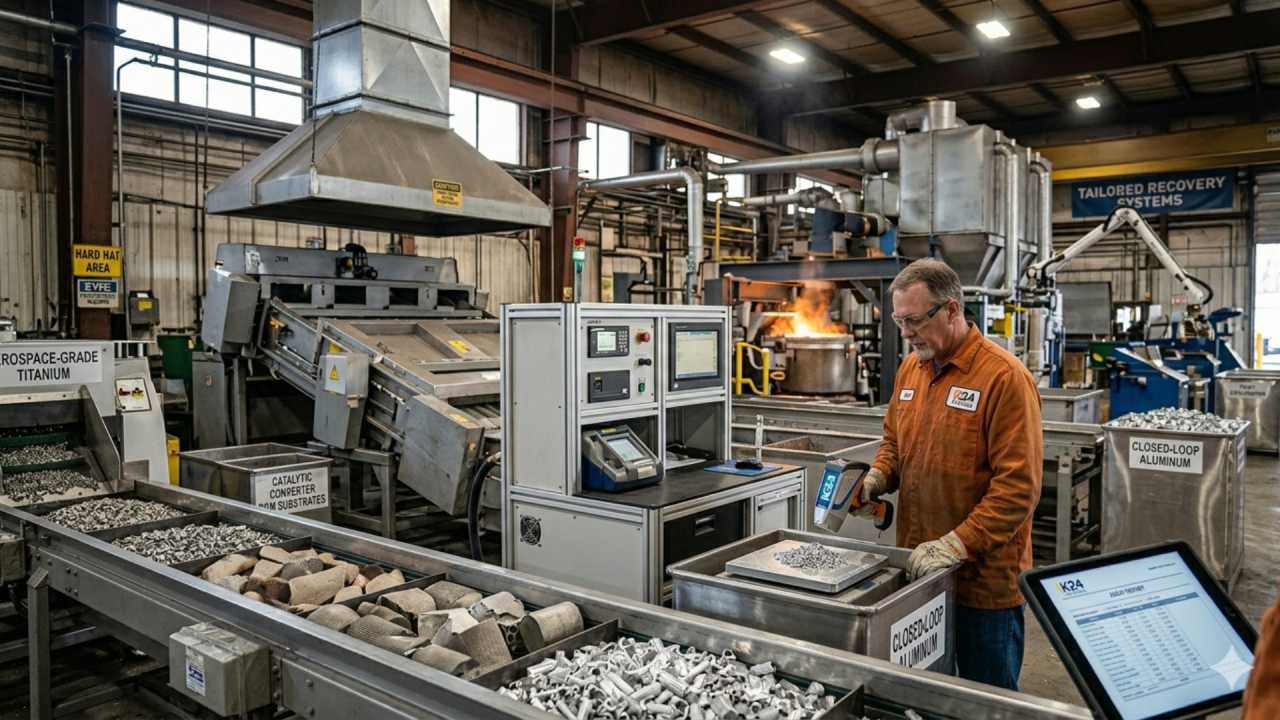
Once collected, materials must be sorted. Manual dismantling is often the first step, where batteries, screens, and plastic housings are removed to isolate the metal-bearing components, such as Printed Circuit Boards (PCBs).
Mechanical Processing
To prepare the material for chemical refining, it undergoes several stages:
-
Shredding: PCBs and automotive catalysts are ground into small particles.
-
Magnetic Separation: Powerful magnets remove ferrous metals like iron and steel.
-
Density Separation: Air tables or water-based systems separate light plastics from heavy metallic fractions.
Efficient pre-processing is vital; the cleaner the “concentrate” sent to the refinery, the higher the recovery rate and the lower the chemical waste generated during the final stages.
Refining Technologies
The heart of the industry lies in the chemical and physical separation of metals. To achieve 99.99% purity, several complex processes are utilized.
A. Pyrometallurgical Processes
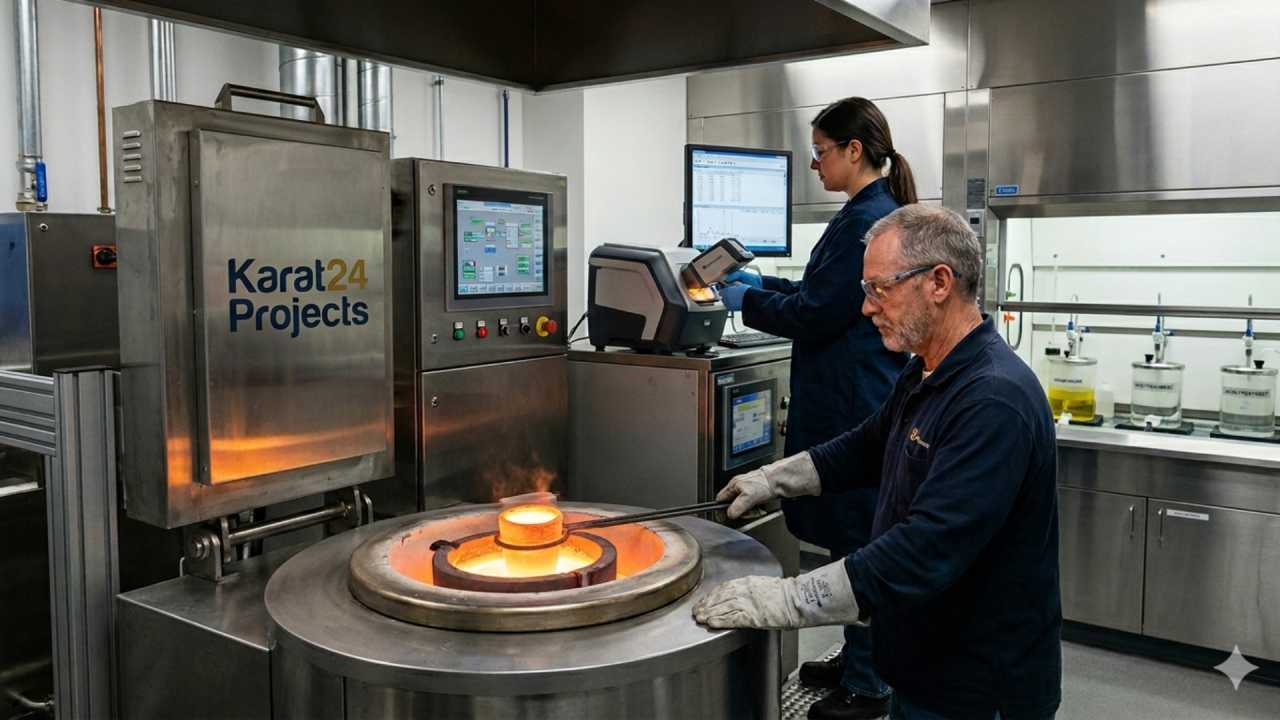
Pyrometallurgy involves high-temperature smelting. The scrap is placed in a furnace along with fluxes and a collector metal (usually copper or lead). At temperatures exceeding 1,200°C, the precious metals dissolve into the collector metal, while impurities form a slag that can be skimmed off.
-
Pros: It can handle massive volumes of diverse materials and is highly effective at recovering gold and PGMs.
-
Cons: It is extremely energy-intensive and produces atmospheric emissions that require complex filtration systems.
B. Hydrometallurgical Processes
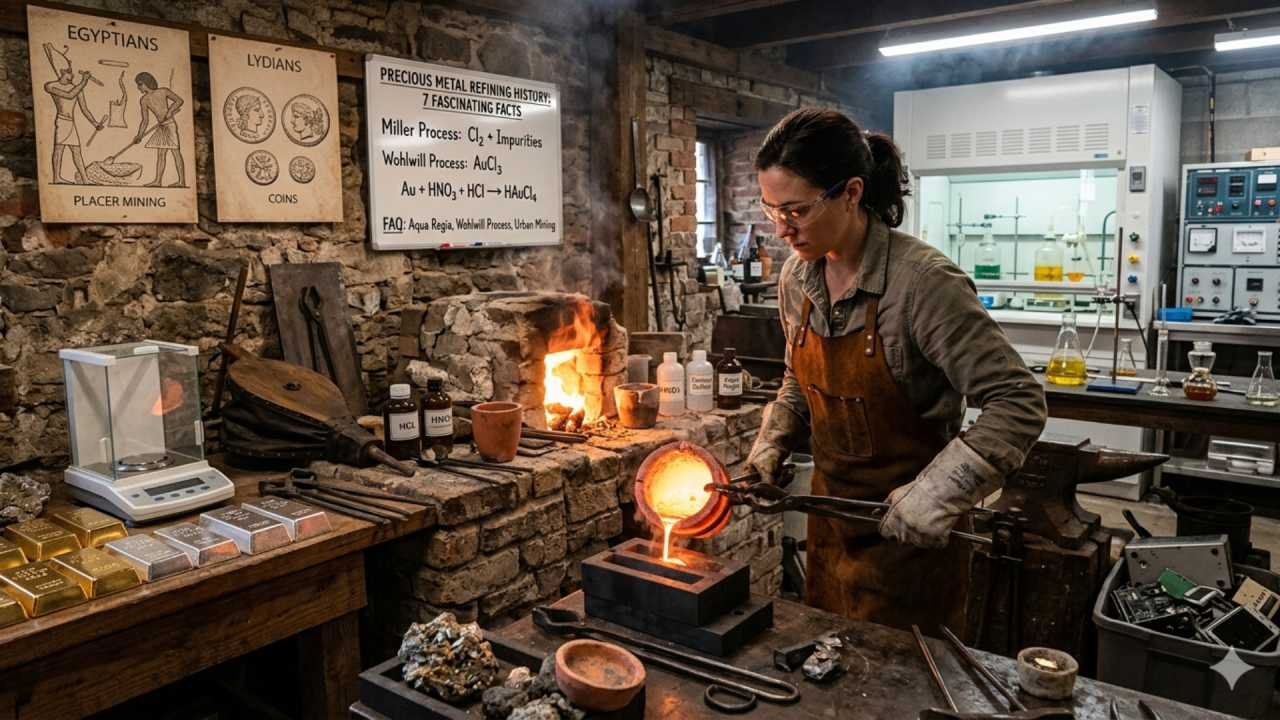
This method uses aqueous chemistry to dissolve metals. The most common solvent is Aqua Regia (a mixture of nitric and hydrochloric acids), though more sustainable “green” solvents are being developed.
-
Leaching: The metals are dissolved into a solution.
-
Precipitation: Specific chemicals are added to the “pregnant” solution to make individual metals drop out as solids.
-
Pros: It is more selective than smelting, operates at lower temperatures, and allows for the recovery of metals with very high purity.
C. Electrometallurgy
Electrometallurgy, specifically electrorefining, involves placing an impure metal anode in an electrolyte solution. When an electric current is applied, the metal dissolves from the anode and deposits as pure metal on the cathode. This is often the final step used to reach “four-nines” (99.99%) purity for gold and silver.
D. Emerging Green Technologies
Innovation is driving the industry toward more eco-friendly methods:
-
Bioleaching: Certain bacteria and fungi can “eat” minerals, naturally leaching out gold or copper. While slower than acid leaching, it is far less toxic.
-
Ionic Liquids: These are salts in liquid state at room temperature. They can dissolve metals without the volatile emissions associated with traditional acids.
-
Closed-Loop Hydrometallurgy: Systems that regenerate and reuse acids indefinitely, eliminating liquid waste.
Sustainability in Recycling and Refining
True sustainability goes beyond just “not mining.” It requires the recycling process itself to be as clean as possible.
Energy Efficiency
Modern refineries are increasingly powered by renewable energy sources. Furthermore, “waste heat recovery” systems capture the thermal energy from smelting furnaces to provide steam or electricity for other parts of the facility.
Waste Minimization
A sustainable refinery aims for “Zero Waste.” The slag from pyrometallurgy can be used in road construction, and the plastics stripped from electronics can be recycled or used for energy recovery. Water recycling is also crucial; many facilities now operate with closed-circuit water systems to prevent any discharge into the local environment.
Life Cycle Assessment (LCA)
Refiners use LCAs to quantify their environmental impact. By measuring every gram of $CO_2$ and every liter of water used per kilogram of gold produced, companies can identify “hotspots” and optimize their processes to minimize their footprint.
Economic Benefits
The transition to a circular economy for precious metals is driven as much by profit as by ethics.
Cost vs. Mining
While the technology for refining is expensive, the “yield” per ton of material is significantly higher than in primary mining. A gold mine might consider 5 grams of gold per ton of rock a “high-grade” find. In contrast, a ton of mobile phone circuit boards can yield over 300 grams of gold.
Supply Chain Resilience
Geopolitical tensions can often disrupt the supply of metals like palladium (heavily sourced from Russia) or platinum (South Africa). By developing robust domestic recycling capabilities, nations can reduce their dependence on volatile foreign markets and ensure their tech industries remain operational.
Job Creation
The recycling sector is a significant employer. From collection and logistics to high-tech chemical engineering, the industry creates a “green” workforce. Unlike mining, which eventually ends when a deposit is depleted, recycling is a perpetual industry.
Regulatory and Compliance Landscape
To prevent “sham” recycling and environmental dumping, the industry is governed by strict regulations.
-
E-Waste Management Rules: Many regions have implemented “Extended Producer Responsibility” (EPR) laws, requiring manufacturers to fund the end-of-life recycling of their products.
-
Responsible Sourcing: Organizations like the London Bullion Market Association (LBMA) and the Responsible Jewellery Council (RJC) provide certifications. To be “Good Delivery” certified, a refiner must prove they do not source materials from conflict zones or contribute to human rights abuses.
-
ESG Pressures: Investors are increasingly looking at Environmental, Social, and Governance (ESG) scores. Companies that cannot demonstrate a sustainable supply of materials face higher capital costs and reputational risks.
Challenges in Sustainable Recycling
Despite its benefits, the path to 100% circularity is fraught with obstacles.
Complex Material Composition
Modern devices are masterpieces of miniaturization. Metals are often alloyed or used in microscopic quantities, making them difficult to separate. The use of adhesives rather than screws in electronics also makes manual dismantling nearly impossible.
The Informal Sector
In many developing nations, “backyard” recycling is common. Workers burn circuit boards to melt away plastic, releasing dioxins and lead into the air. This not only harms health but also results in very poor metal recovery rates compared to industrial facilities.
High Capital Expenditure
Building a state-of-the-art, environmentally compliant refinery requires hundreds of millions of dollars. This high barrier to entry can slow the expansion of recycling infrastructure in emerging markets.
Future Trends and Innovations
The future of precious metal refining lies in the integration of Industry 4.0 technologies.
-
Artificial Intelligence and Robotics: AI-powered cameras can identify specific components on a conveyor belt, allowing robotic arms to sort e-waste with speeds and precision humans cannot match.
-
The Hydrogen Economy: As the world moves toward hydrogen as a fuel source, the demand for platinum and iridium will skyrocket. This is fueling research into specialized recycling methods for electrolyzer membranes.
-
Blockchain for Traceability: Blockchain technology is being used to create “digital passports” for metals. A gram of gold could be tracked from its initial scrap source through the refinery to the final consumer, ensuring 100% ethical transparency.
Case Studies: Success in the Circular Economy
The “Urban Mine” of Japan
With few natural mineral resources, Japan has become a world leader in “urban mining.” During the preparation for a major international sporting event, the nation collected enough discarded electronics from citizens to manufacture all the gold, silver, and bronze medals for the games. This demonstrated the power of public participation in the circular economy.
Integrated Smelting in Europe
Some European refiners have developed “multi-metal” plants. These facilities can take in anything from copper scrap to complex e-waste and, through a series of integrated pyrometallurgical and hydrometallurgical steps, recover up to 20 different metals with high efficiency.
Final Thoughts
Sustainable precious metal recycling and refining represent one of the most vital frontiers in our global effort to balance technological progress with environmental stewardship. As we move further into a century defined by electrification and digitalization, the demand for these rare elements will only grow. We cannot continue to dig deeper and wider into the Earth’s crust to satisfy this hunger.
By perfecting the art of “urban mining,” investing in green refining technologies, and enforcing ethical supply chains, we can ensure that the precious metals of today become the resources of tomorrow. This is more than just a business model; it is a fundamental shift in how we value the materials that power our world.
The responsibility lies with everyone: manufacturers must design for recyclability, governments must provide the regulatory framework for collection, and consumers must view their old devices not as trash, but as a valuable contribution to a sustainable future.