Recover Valuable Metals from E-Waste with Advanced Refining Equipment | Efficient Recycling Solutions
The digital age has brought unprecedented convenience, connectivity, and industrial efficiency. However, this progress comes with a physical footprint that is growing at an alarming rate. Electronic waste, or e-waste, has become one of the fastest-growing waste streams in the world. As we upgrade our smartphones, replace our laptops, and integrate “smart” technology into every household appliance, the discarded versions of these devices accumulate in landfills and informal dumping grounds.
The scale of the problem is staggering. Millions of metric tons of electronics are discarded annually, and only a small fraction is documented as being collected and recycled properly. This mismanagement leads to severe environmental risks, as toxic substances like lead, mercury, and cadmium leach into soil and groundwater. Yet, within this environmental crisis lies a massive economic opportunity. E-waste is not just “trash”; it is a concentrated source of precious and base metals.
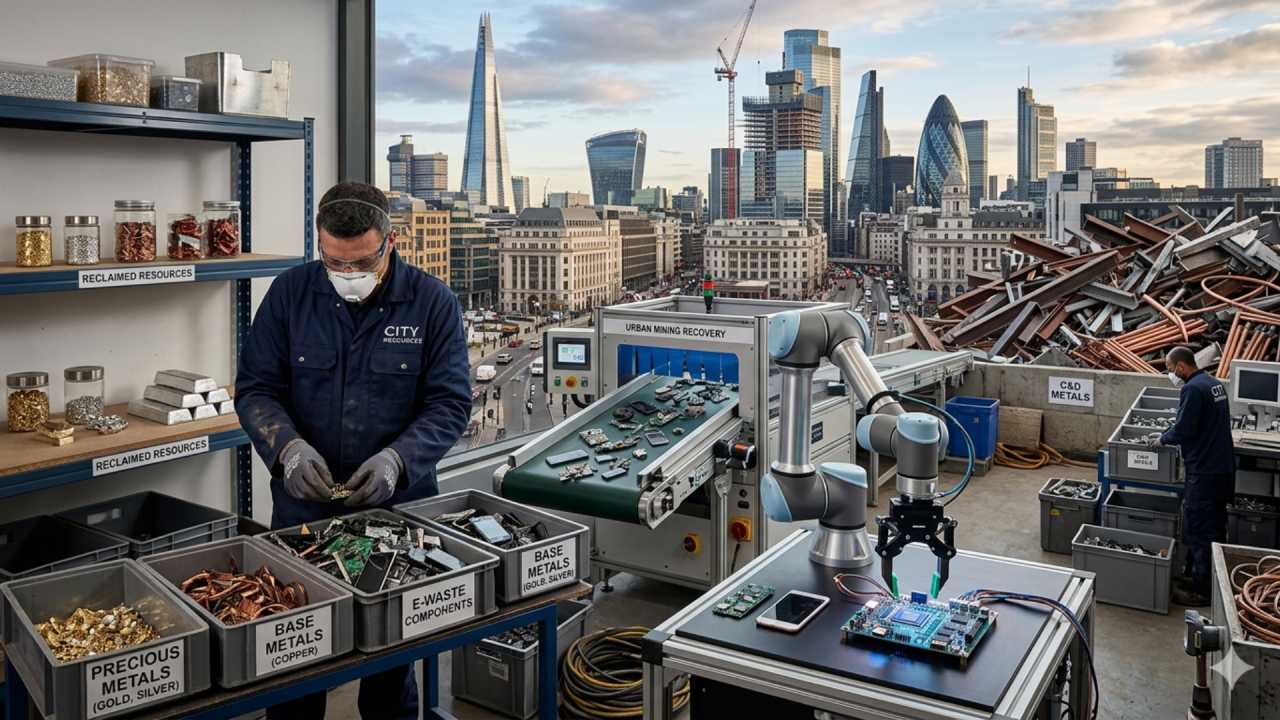
Recovering these materials through professional refining equipment is the key to turning an environmental burden into a sustainable, profitable industry. By shifting our perspective from disposal to recovery, we can participate in “urban mining,” a process that is often more efficient and less damaging than traditional primary mining.
What Is Electronic Waste (E-Waste)?
Electronic waste encompasses any electrical or electronic equipment that has been discarded, is intended for disposal, or is no longer fit for its intended use. It is a broad category that covers everything from large household appliances like refrigerators and washing machines to small personal devices like electric toothbrushes and smartwatches.
Broadly, e-waste is categorized into several streams:
-
Consumer Electronics: Devices used for entertainment and communication, including televisions, smartphones, tablets, and gaming consoles.
-
Information Technology (IT) and Telecommunications: Servers, desktop computers, laptops, routers, and switches that power the modern office and data center.
-
Large and Small Household Appliances: Microwave ovens, vacuum cleaners, and coffee makers.
-
Industrial and Medical Equipment: Specialized electronics found in manufacturing plants, laboratories, and hospitals.
At the heart of almost every electronic device is the Printed Circuit Board (PCB). This is where the highest concentration of value resides. While a computer casing might be made of plastic or aluminum, the board inside contains a complex architecture of connectors, capacitors, and processors, many of which are plated with or composed of rare and precious metals. Understanding the composition of these components is the first step in effective metal recovery.
Valuable Metals Found in E-Waste
The value of e-waste is derived from its chemical complexity. Modern electronics require a diverse range of elements to function, many of which are finite and expensive to extract from the earth.
Precious Metals
This is the most lucrative segment of the e-waste stream. Precious metals are used because of their excellent conductivity and resistance to corrosion.
-
Gold: Primarily found in the plating of connectors, pins, and integrated circuit (IC) contact points.
-
Silver: Used in solder, switch contacts, and conductive pastes on circuit boards.
-
Platinum and Palladium: Often found in multilayer ceramic capacitors and specialized industrial components.
Base Metals
While they have a lower per-gram value than gold, base metals exist in much higher volumes, making their recovery essential for the financial viability of a recycling operation.
-
Copper: The backbone of electronics, found in wiring, motor windings, and the conductive layers of circuit boards.
-
Aluminum: Used extensively in heat sinks, housings, and hard drive components.
-
Nickel: Common in battery components and various metal alloys.
Rare and Critical Metals
These metals are essential for modern green technology and high-end computing.
-
Cobalt and Lithium: The primary components of the rechargeable batteries found in laptops and phones.
-
Rare Earth Elements (REEs): Such as neodymium, used in the high-strength magnets found in hard drives and speakers.
As global demand for these metals increases—driven by the expansion of renewable energy and electric vehicles—the market value of e-waste recovery continues to climb.
Why Recover Metals from E-Waste?
The business case for e-waste refining is built on three pillars: economics, environment, and regulation.
Economic Benefits: Urban Mining
Traditional mining requires moving tons of earth to extract a few grams of gold. In contrast, one ton of circuit boards can contain 40 to 800 times the concentration of gold found in gold ore. This “urban mining” is significantly more efficient. By using specialized refining equipment, businesses can extract high-purity metals that can be sold directly back into the global commodity market or to manufacturers.
Environmental Benefits
Mining is an energy-intensive process that often leads to deforestation and water contamination. Recovering metals from existing products uses significantly less energy than extracting them from the ground. Furthermore, keeping e-waste out of landfills prevents hazardous chemicals from entering the ecosystem.
Circular Economy and Regulation
Governments worldwide are implementing “Extended Producer Responsibility” (EPR) laws, which require manufacturers to take responsibility for the entire lifecycle of their products. This is part of the transition toward a circular economy, where resources are reused rather than discarded. Companies that invest in refining technology today are positioning themselves at the forefront of a mandatory global shift in manufacturing and waste management.
Traditional vs Modern Recovery Methods
Historically, e-waste was handled through crude methods that were both inefficient and dangerous.
Manual Dismantling
The most basic form of recycling involves breaking down units by hand. While useful for separating large components like batteries or aluminum frames, it cannot extract the microscopic layers of gold or silver embedded in the components.
Pyrometallurgy (Smelting)
This involves heating the e-waste to extreme temperatures to melt the metals. While effective for some base metals, smelting is energy-intensive and often loses a significant percentage of precious metals in the slag. It also produces hazardous air emissions that require incredibly expensive filtration systems.
Hydrometallurgy (Chemical Leaching)
Modern refining has shifted toward hydrometallurgy. This process uses aqueous chemistry to dissolve and then selectively precipitate metals. While more efficient than smelting, traditional chemical leaching can be slow and involves high volumes of hazardous acids if not managed by modern, closed-loop equipment.
Our refining equipment represents the next evolution, combining the precision of chemical leaching with advanced automation and safety controls to ensure maximum recovery with minimal environmental footprint.
Overview of E-Waste Recycling Process
To understand how our equipment operates, it is helpful to look at the standard workflow of an e-waste refining facility.
-
Collection and Sorting: E-waste is gathered and categorized by type (e.g., laptops vs. telecommunication servers).
-
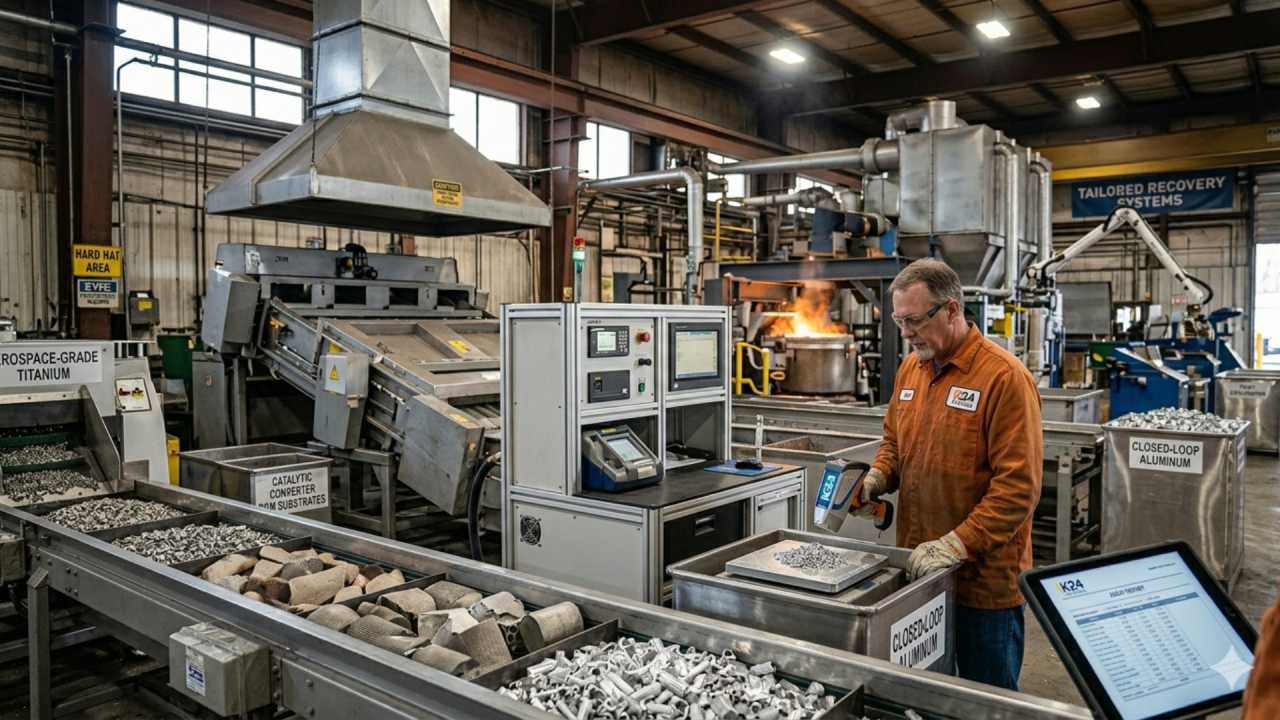
Dismantling and Segregation: Hazardous components like batteries and mercury switches are removed. High-value circuit boards are separated from plastic and steel frames.
-
Shredding and Crushing: The boards are shredded into small pieces or ground into a fine powder. This increases the surface area for chemical processing.
-
Physical Separation: Magnetic separators remove ferrous metals (iron/steel), and eddy current separators pull out non-ferrous metals like aluminum.
-
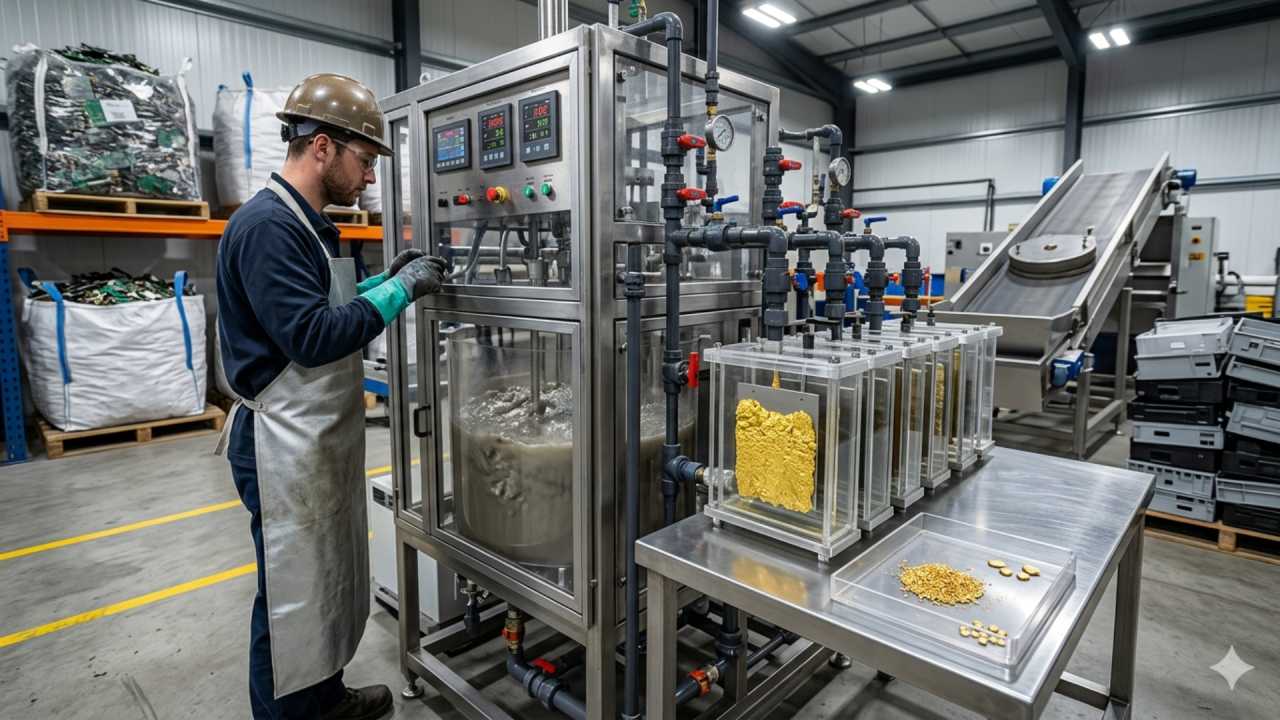
Chemical Extraction and Refining: This is where our specialized equipment takes over. The concentrated metallic powder is processed through chemical or electrochemical cells to isolate pure gold, silver, copper, and other metals.
Our Refining Equipment: Key Features and Capabilities
We provide state-of-the-art refining systems designed specifically for the complexities of electronic waste. Our equipment is built for operators who demand high purity, high yield, and operational safety.
Precision Leaching Units
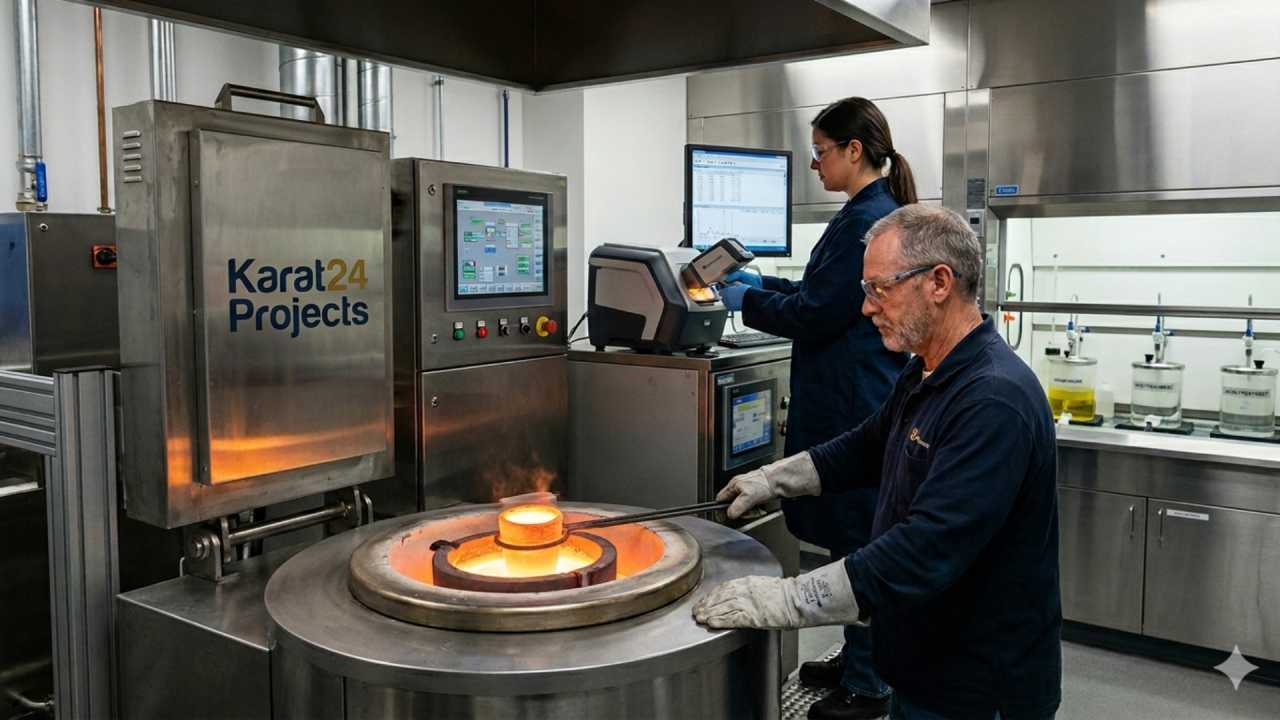
Our leaching reactors are designed to handle the variable chemistry of shredded PCBs. Using optimized agitation systems and temperature controls, these units ensure that every milligram of precious metal is dissolved into the pregnant solution, leaving no value behind in the waste solids.
Advanced Electrochemical Recovery
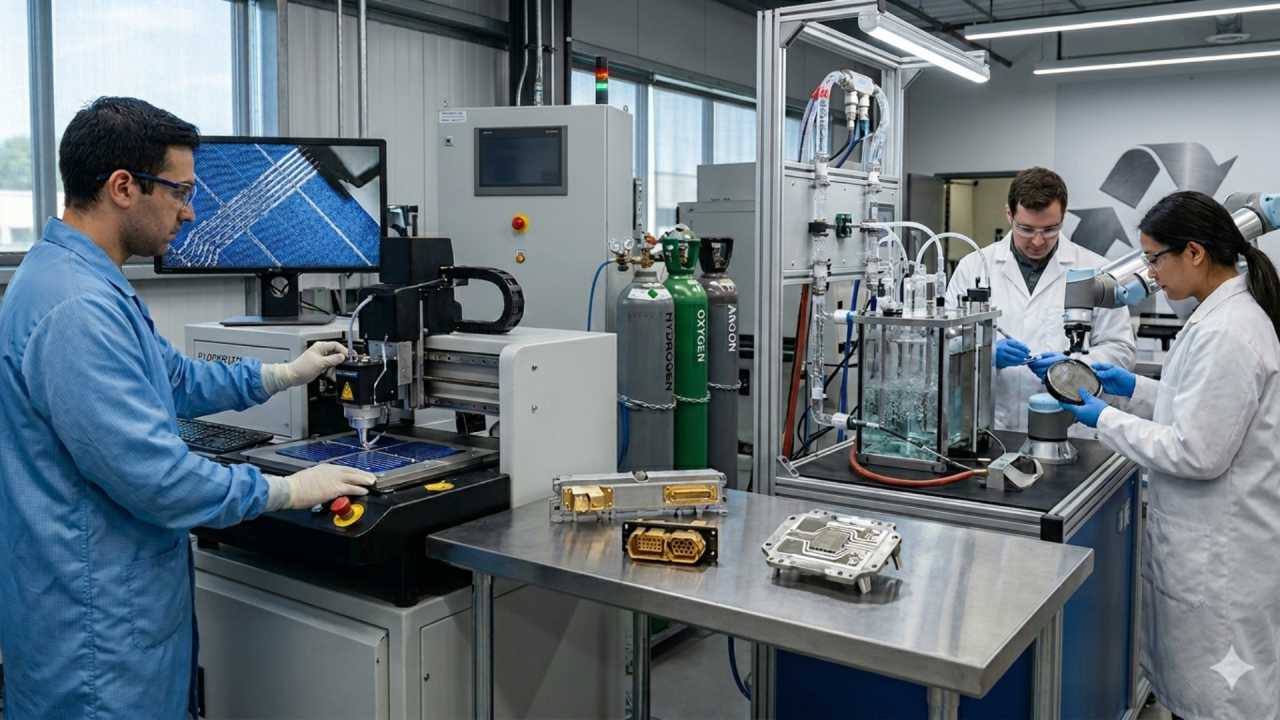
Once metals are in a liquid solution, our electrowinning cells use precise electrical currents to plate the metals onto cathodes. This allows for the recovery of 99.9% pure gold and silver, which can be easily harvested and sold.
Automation and Control Systems
Modern refining shouldn’t be a “guessing game.” Our equipment features integrated sensors that monitor pH levels, temperature, and metal concentrations in real-time. This automation reduces the need for manual intervention, lowering labor costs and reducing the risk of human error.
Scalability
Whether you are a local scrap dealer looking to move up the value chain or a large-scale industrial processor, our systems are modular. You can start with a small-capacity refining unit and add modules as your volume increases.
Technologies Used in Our Systems
Our equipment leverages several sophisticated technological processes to achieve industry-leading recovery rates.
Selective Precipitation
By carefully adjusting the chemical environment within our tanks, we can force specific metals to drop out of the solution one by one. This ensures that the gold you recover isn’t contaminated with copper or nickel, maintaining its market value.
Ion Exchange and Carbon Adsorption
For ultra-low concentrations of metals, we utilize specialized resins and carbon filters that “catch” gold and palladium ions that might otherwise be lost. This ensures that even the most difficult-to-reach value is captured.
Emission Control Systems
Refining involves chemicals, and managing the vapors is critical. Our equipment includes integrated scrubbers and filtration units that neutralize acidic fumes and prevent any harmful gases from being released into the atmosphere. This makes our units suitable for operation in regions with strict environmental regulations.
Advantages of Using Our Equipment
Investing in professional refining equipment is a significant decision. Our systems are designed to provide a rapid return on investment through several key advantages:
-
Higher Yield and Purity: Because our chemical processes are optimized for electronics, you get more metal out of every ton of waste than you would with traditional smelting or crude acid baths.
-
Cost-Effectiveness: By automating the most labor-intensive parts of the refining process, we help you keep your overhead low.
-
Environmental Compliance: Our closed-loop systems are designed to minimize waste. The chemicals used can often be neutralized or even recycled back into the process, reducing the cost of waste disposal.
-
Ease of Operation: You don’t need a PhD in chemistry to run our systems. We provide comprehensive training and a user-friendly interface that guides operators through the process safely.
Applications and Use Cases
Who can benefit from our e-waste refining equipment? The applications are diverse across the recycling and manufacturing sectors.
Dedicated Recycling Facilities
Established recycling centers can use our equipment to stop selling their shredded circuit boards to third-party smelters. By refining in-house, they retain the full profit margin of the gold and silver they collect.
Precious Metal Recovery Businesses
Specialized firms that focus exclusively on high-value materials can use our modular units to process “gold-heavy” scrap like telecommunications switching equipment and high-end server boards.
Electronics Manufacturers
Large OEMs (Original Equipment Manufacturers) are increasingly looking to close the loop. By installing refining units at their service centers, they can recover components from warranty returns and incorporate the recycled metals back into their supply chain.
Scrap Dealers
Small to medium scrap dealers can upgrade their operations from simple collection to value-added processing. Moving from selling “scrap” to selling “refined metal” is a major step up in revenue and business stability.
Safety and Environmental Considerations
Refining is a chemical process, and safety is our top priority. Our equipment is engineered with multiple layers of protection for both the operator and the environment.
-
Hazardous Material Handling: Our systems include spill containment features and specialized pumps to ensure that acids and reagents are handled safely.
-
Worker Safety: All reactive stages of the process are enclosed. This prevents accidental exposure to chemicals or fumes. Emergency shut-off systems and clear safety labeling are standard on all units.
-
Certifications: Our equipment is designed to meet international safety and environmental standards, helping you secure the necessary permits for your operation.
Operating a refining business requires responsibility. We provide detailed guidelines on how to manage the “tails” or the leftover materials after refining, ensuring that your entire operation remains eco-friendly.
Market Trends and Future of E-Waste Recycling
The future of metal recovery is exceptionally bright. Several trends are converging to make e-waste refining more important than ever:
-
The EV Revolution: Electric vehicles use significantly more copper and specialized metals than internal combustion engines. As the first generation of EVs begins to reach the end of their life, the demand for battery and motor recycling will skyrocket.
-
Resource Scarcity: Geopolitical tensions often affect the supply of rare earth metals and precious metals. Domestic e-waste refining provides a secure, local source of these critical materials.
-
Consumer Sentiment: Modern consumers prefer to buy from brands that demonstrate a commitment to sustainability. Companies that can prove they use recycled metals in their products gain a significant marketing advantage.
Technological innovation continues to drive the industry forward. We are constantly updating our equipment to handle new types of electronics, such as flexible displays and advanced thin-film batteries, ensuring that our clients are always ready for the next wave of e-waste.
How to Choose the Right Refining Equipment
When selecting equipment for your facility, consider the following factors to ensure a successful long-term investment:
-
Input Capacity: How many tons of waste do you expect to process per month? Ensure the equipment can handle your current volume with room for growth.
-
Feedstock Type: Different devices require different chemical approaches. If you are primarily processing cell phones, your needs will differ from someone processing industrial medical equipment.
-
Level of Purity Required: Are you selling to a local jeweler or an international commodity exchange? Higher purity requirements may necessitate more advanced electrochemical modules.
-
Space and Infrastructure: Consider the footprint of the equipment and whether your facility has the necessary power and water hookups.
-
Support and Maintenance: Refining equipment operates in a harsh chemical environment. Choose a provider that offers robust technical support and a reliable supply of replacement parts.
Case Study: From Scrap to Pure Gold
To illustrate the potential of our equipment, let’s look at a typical processing scenario for a mid-sized recycling operation.
An operator processes 5 tons of mixed high-grade computer circuit boards. Using traditional manual sorting and selling the boards to a middleman, their profit margin is limited by the middleman’s fees and the shipping costs of heavy, unrefined material.
After installing our Modular Refining System, the operator shreds the boards and runs the concentrated powder through our chemical leaching and electrowinning cells.
-
Input: 5 tons of high-grade PCBs.
-
Process Time: 72 hours of total cycle time.
-
Recovered Metals: Approximately 1,250 grams of gold, 2,500 grams of silver, and over 1,000 kilograms of high-purity copper.
-
Purity: The gold recovered is 99.9% pure, allowing for a 25% increase in the sale price compared to selling unrefined scrap.
By refining in-house, the operator paid off the cost of the equipment in less than a year and now operates a high-margin business that is independent of external smelting schedules.
Final Thoughts
The rising tide of electronic waste is a challenge that we must meet with innovation and industrial efficiency. The metals locked inside our discarded devices are too valuable to be left in the ground or lost in a landfill.
By investing in professional e-waste refining equipment, you are doing more than just building a business; you are participating in a global movement toward resource independence and environmental stewardship. Our systems provide the technology, safety, and efficiency needed to turn a waste stream into a wealth stream.
Whether you are looking to start a new venture in precious metal recovery or seeking to upgrade your existing recycling facility, we have the tools and expertise to help you succeed. The opportunity of urban mining is here. It is time to recover the value that the world has been throwing away.
Contact us today for a detailed consultation and find out which refining solution is right for your operation.