Beginner’s Guide to Precious Metal Refining: Safety, Costs & Basics
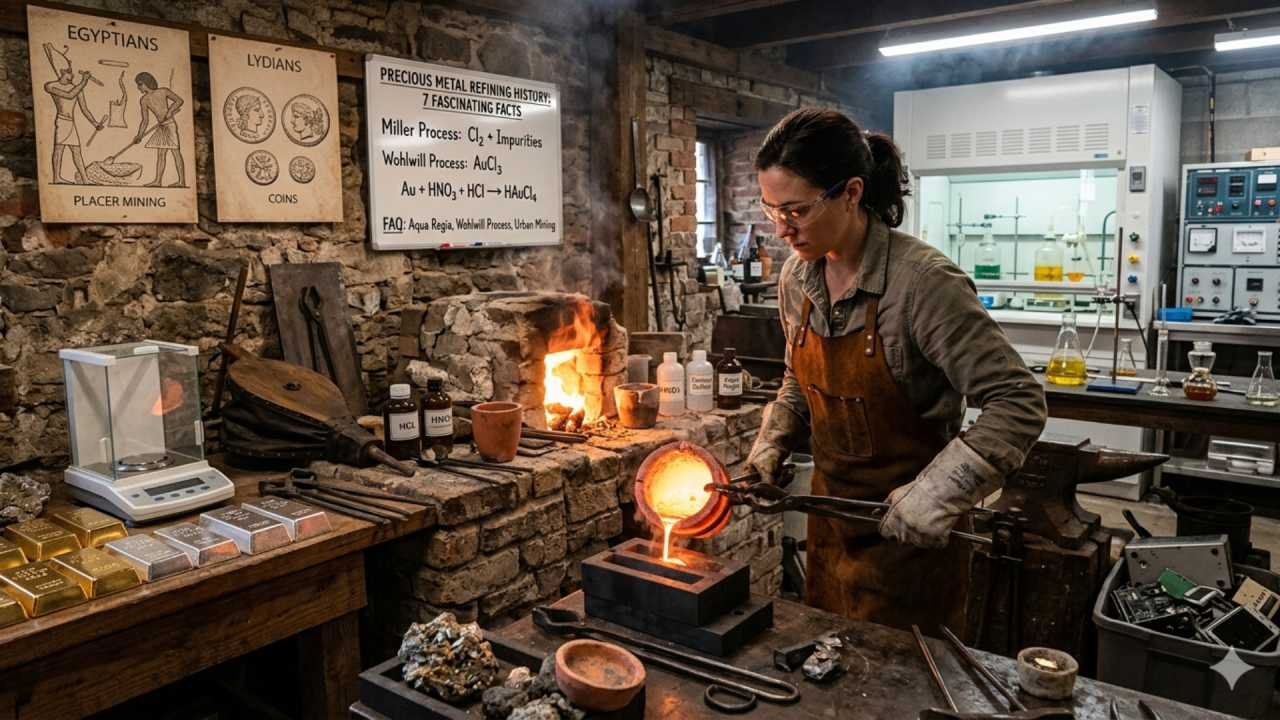
The allure of precious metals has captivated humanity for millennia. From the golden masks of ancient pharaohs to the high-tech components of modern smartphones, gold, silver, and platinum remain symbols of wealth, utility, and permanence. In recent years, a new movement has emerged: “urban mining.” This is the practice of recovering precious metals from discarded electronics, jewelry, and industrial scrap. For many, the idea of refining these metals at home is an enticing prospect, promising a blend of chemistry, craftsmanship, and potential profit.
However, the path from scrap to pure bullion is paved with complexity, significant risk, and a steep learning curve. At Karat24 Projects, we believe that education is the first step toward responsible engagement with the world of metallurgy. This guide serves as an introductory roadmap for those interested in the science and reality of refining precious metals, emphasizing safety, legality, and the sheer technical discipline required to succeed.
Introduction: Why Precious Metal Refining Interests Beginners
The surge in interest surrounding home refining can be attributed to several factors. Primarily, the rising market value of gold and silver has made the “hidden” wealth in our junk drawers more apparent. A broken gold chain or a defunct motherboard is no longer just trash; it is a source of raw material.
The Appeal of Urban Mining
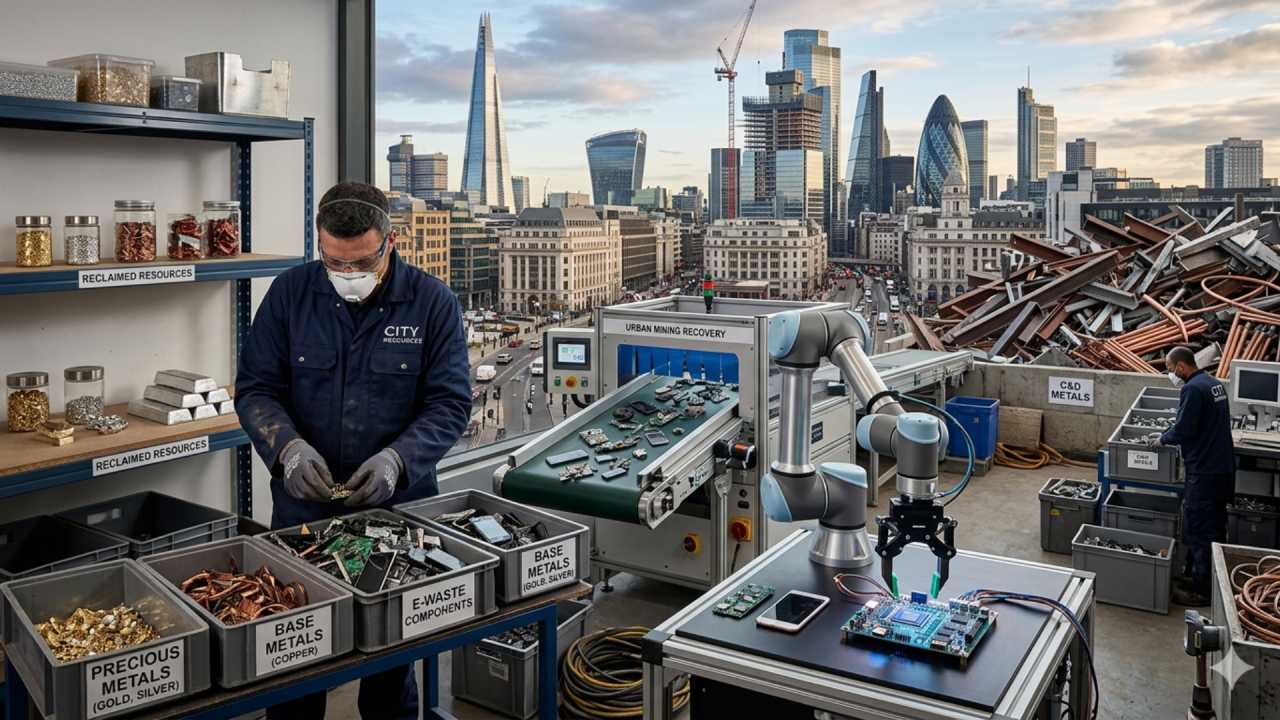
Urban mining represents a shift in how we view waste. Instead of digging deep into the earth, enthusiasts look toward the massive volume of e-waste generated annually. This process feels environmentally conscious and technologically savvy. There is a deep sense of satisfaction in taking a pile of green circuit boards and, through a series of chemical reactions, ending up with a small, shimmering bead of pure gold.
Misconceptions vs. Reality
The most common misconception is that refining is a “get rich quick” scheme. Social media often portrays refining as a simple process of “dipping boards in acid and getting gold.” The reality is far more sobering. Refining is a low-margin, high-risk endeavor. When you account for the cost of chemicals, safety equipment, waste disposal, and the time required, the “profit” often vanishes. For the beginner, refining should be viewed as a technical hobby or a scientific pursuit rather than a primary source of income.
What Is Precious Metal Refining?
To understand refining, one must first distinguish it from other related metallurgical processes. While the terms are often used interchangeably by laypeople, they represent very different actions in the lab.
Defining Refining
Refining is the process of removing impurities from a metal to achieve a high level of purity (often 99.9% or “three nines fine”). It is a chemical or electrochemical process that separates the target metal (like gold) from base metals (like copper, nickel, or zinc) and other contaminants.
Refining vs. Smelting vs. Recycling
-
Recycling: This is the broad umbrella term for collecting and processing materials that would otherwise be thrown away.
-
Smelting: This involves heating an ore or scrap metal to its melting point, often using a flux to separate the metal from stony waste (slag). Smelting produces an alloy but does not necessarily result in high purity.
-
Refining: This follows smelting or collection. It takes the impure alloy and uses acids, electricity, or specialized gases to isolate the specific precious metal atoms.
Common Metals of Interest
The primary targets for the home enthusiast are:
-
Gold (Au): The most sought-after, found in jewelry and electronics.
-
Silver (Ag): Found in cutlery, jewelry, and industrial contacts.
-
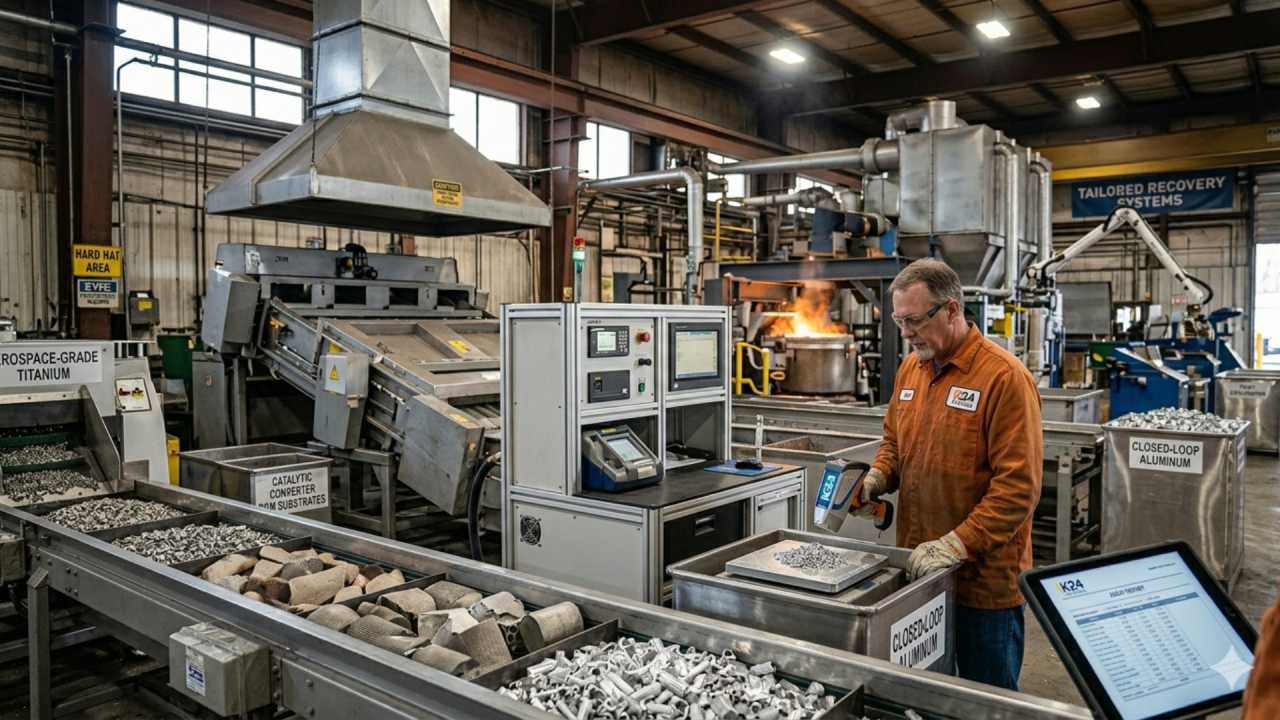
Platinum Group Metals (PGMs): Including Platinum, Palladium, and Rhodium, often found in catalytic converters and specialized high-end electronics. These are significantly more difficult to refine than gold or silver.
Where Precious Metals Come From
Before a refiner can begin, they must source their “feedstock.” The quality and type of scrap determine the refining method required.
Jewelry Scrap
Often referred to as “bench sweeps” or “scrap gold,” this includes broken rings, mismatched earrings, and dental gold. This material is usually already high in purity (10k, 14k, or 18k), making the refining process more straightforward compared to electronics.
Electronics (E-Waste)
This is the most popular source for beginners. Mobile phones, computer towers, and servers contain gold-plated connectors, silver-bearing solder, and palladium in multi-layer ceramic capacitors (MLCCs). However, the amount of gold per ton of e-waste is actually quite small, requiring the processing of vast amounts of material to see a significant yield.
Industrial Waste
This includes silver-plated wires, X-ray films (which contain silver), and various catalysts used in the automotive and chemical industries. These often require more advanced chemical knowledge to process safely.
Coins and Bullion
While rarely refined (as they are usually already pure), some collectors may refine damaged or “junk” silver coins to create pure silver grain for casting.
The Science Behind Refining (High-Level)
Refining is not magic; it is applied chemistry. At Karat24 Projects, we emphasize that understanding the “why” is just as important as the “how.”
Purity and the Karat System
Gold purity is measured in Karats (K), with 24K being pure gold. Most jewelry is an alloy—a mixture of gold and base metals like copper or silver to increase hardness. The goal of refining is to move from 14K (58.3% gold) to 24K (99.9% gold).
Chemical Separation Principles
Most refining processes rely on “selective dissolution.” This involves using a reagent that dissolves certain metals while leaving others in solid form, or dissolving everything and then “precipitating” the target metal back into a solid state. The most famous reagent is Aqua Regia (Royal Water), a mixture of nitric and hydrochloric acids capable of dissolving gold.
Electrochemistry
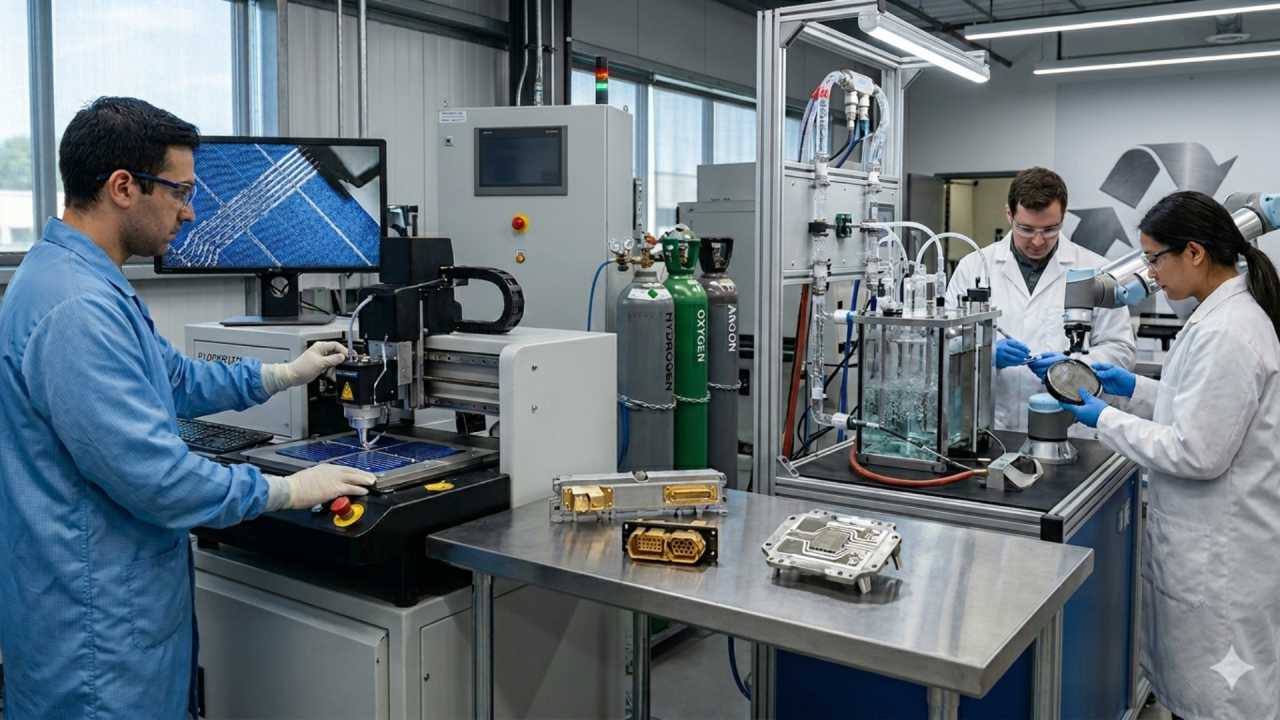
In silver refining, an electrolytic cell is often used. An impure silver bar acts as an anode, and through the application of a specific electrical current in an electrolyte solution, pure silver crystals grow on the cathode. This requires precise control of voltage and chemistry.
The Complexity of Expertise
Refining is complex because metals don’t always behave predictably in mixtures. “Inquartation,” for example, is a process where a refiner must actually add more silver to gold scrap to lower the gold concentration enough for acids to work effectively. Without this deep understanding of chemical ratios, the process will fail.
Tools and Equipment (Overview Only)
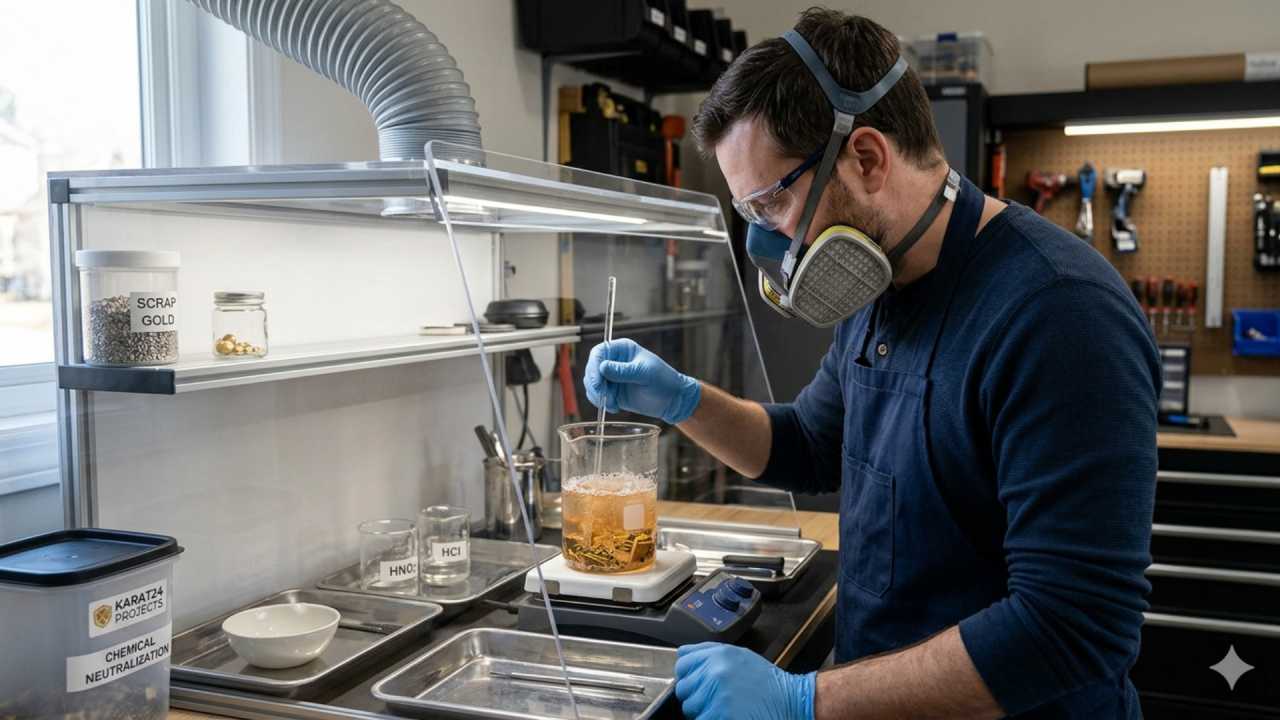
A kitchen table is not a laboratory. To refine precious metals safely and effectively, specialized equipment is mandatory.
Protective Gear
This is the most critical “tool.” A beginner must invest in:
-
Respirators: Specifically rated for acid fumes (not just dust masks).
-
Chemical-resistant gloves: Usually heavy-duty nitrile or butyl rubber.
-
Face shields and aprons: To protect against accidental splashes.
-
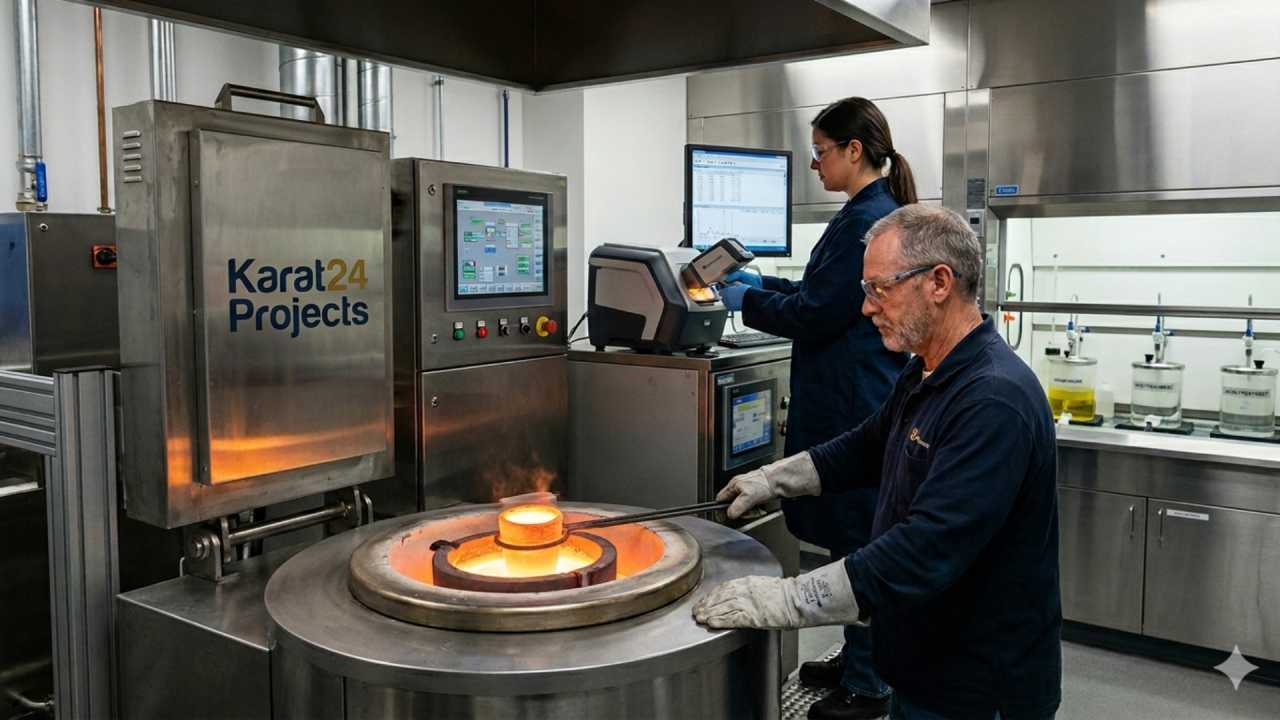
Ventilation: A professional fume hood is the gold standard. Refining indoors without a fume hood is life-threatening.
Lab-Grade Containers and Instruments
Household glassware will shatter under the thermal stress or chemical reactivity of refining.
-
Borosilicate Glass (Pyrex): Beakers and flasks must be high-quality lab grade.
-
Filtering Equipment: Buchner funnels and vacuum pumps are often used to separate liquids from solids.
-
Heating Elements: Magnetic stirring hot plates allow for even heating and constant agitation of solutions.
Professional vs. Household Setups
There is a dangerous trend of using plastic buckets and coffee filters for refining. While these might work for very small, cold-process experiments, they are prone to melting, tearing, and leaking. A professional-grade setup, like those advocated by Karat24 Projects, ensures that the chemicals remain contained and the user remains safe.
Safety Risks and Hazards
This section is the most important part of this guide. Refining involves some of the most dangerous chemicals available to the public.
Toxic Gases and Chemical Burns
The reaction between acids and metals produces nitrogen dioxide ($NO_2$), a thick, orange-brown gas that is highly toxic. Inhaling even small amounts can lead to pulmonary edema (fluid in the lungs), which may not manifest until hours after exposure. Furthermore, concentrated nitric and sulfuric acids can cause permanent blindness and third-degree burns instantly.
Fire and Explosion Risks
Many refining processes involve flammable solvents or produce hydrogen gas. If a heat source is mismanaged or if chemicals are mixed in the wrong order, the risk of a fire or a violent “boil-over” is high.
Environmental Contamination
Refining produces “barren” solutions that are heavily contaminated with heavy metals like copper, nickel, and lead. These cannot be poured down the drain. They are toxic to aquatic life and can contaminate local groundwater for decades.
Long-term Health Effects
Exposure to lead fumes (during smelting) or mercury (found in some vintage electronics) can lead to neurological damage and chronic organ failure. Refining is a serious industrial process that carries industrial-level health risks.
Legal and Environmental Considerations
Before you buy your first beaker, you must understand the legal landscape.
Chemical Handling and Waste Disposal
In many jurisdictions, the purchase of concentrated acids is tracked. Furthermore, as a “generator” of hazardous waste, you are legally responsible for its proper disposal. This usually involves neutralizing the acids and taking the heavy metal sludges to a certified hazardous waste facility, which often charges a fee.
Local Laws on Refining
Some areas have strict zoning laws regarding industrial activities in residential neighborhoods. The smell of acid fumes or the sight of chemical containers can lead to fines or legal action from neighbors and local environmental agencies.
The Impact of Improper Disposal
Pouring metal-laden acid down a sink can corrode plumbing and destroy the bacterial balance in septic systems or municipal waste treatment plants. Ethical refining means taking full responsibility for the “tailings” of your work.
Common Beginner Mistakes
Most failures in home refining stem from a lack of patience and a lack of respect for the chemistry involved.
Underestimating Danger
Beginners often assume that “it won’t happen to me.” They may refine outside on a breezy day, thinking that is enough ventilation, only to have the wind shift and blow a cloud of $NO_2$ into their face.
Using “Shortcut” Methods
The internet is full of “vinegar and salt” gold recovery methods. While these may work on a microscopic scale for science fair projects, they are inefficient, slow, and often produce more waste than metal. There are no true shortcuts to high-purity refining.
Poor Waste Handling
A common mistake is focusing so much on the gold that the refiner forgets they are also creating a gallon of toxic blue liquid. Without a plan for that liquid, the project becomes a liability.
Alternatives to Home Refining
If the risks and costs of home refining seem daunting, there are other ways to engage with the industry.
Selling Scrap to Professional Refiners
This is the most profitable route for most people. Large-scale refiners have the equipment to process material at a 98% or 99% return rate. By the time a beginner buys chemicals and equipment, they have often spent more than the value of the gold they recover.
Melting vs. Refining
If your goal is simply to consolidate gold jewelry into a single piece, you can “melt” it without “refining” it. This involves using a torch and a crucible to turn various pieces of 14K gold into a single 14K gold button. This is much safer and requires fewer chemicals.
Certified Recycling Services
For e-waste, using a certified R2 or e-Stewards recycler ensures that the material is processed in a way that doesn’t harm the environment or exploit workers in developing nations.
Partnering with Licensed Facilities
Some community colleges or maker spaces have jewelry departments with proper ventilation. Working in a supervised, equipped environment is the best way to learn the ropes.
Cost vs. Profit Reality Check
Let’s look at the numbers. To refine one ounce of gold from computer fingers, you might need:
-
$500 in laboratory glassware and safety gear.
-
$100 in acids and precipitants.
-
40 to 60 hours of labor (including collection, preparation, and refining).
-
$50 in waste disposal fees.
If gold is at $2,000 an ounce, and you recover $1,800 worth of gold from your scrap, you are still in the “red” after your initial investment. Refining only becomes profitable at scale or when the scrap is obtained for free or at a very low cost. Karat24 Projects advises beginners to run a strict “paper trial” of costs before spending a single dollar on hardware.
Learning Path for Interested Beginners
If you are still undeterred, the best way to start is with education, not action.
Studying Chemistry Basics
You don’t need a PhD, but you should understand the periodic table, the concept of molarity, and how different acids interact with metals. Understanding the “reactivity series” of metals is the foundation of all refining.
Formal Training
Look for courses in jewelry making, assaying, or metallurgy. Many vocational schools offer introductory courses that cover the safe handling of chemicals and high-heat torches.
Observation Over Practice
Watch detailed, safety-oriented videos from reputable sources. Avoid “life hack” style videos. Look for content that focuses on the waste stream and the fume scrubbing systems, as these are the hallmarks of a serious refiner.
Joining Communities
Forums like the Gold Refining Forum are invaluable resources. They are populated by professional refiners who are often willing to help beginners, provided the beginners show a commitment to safety and a willingness to do their own research.
Ethical and Sustainable Refining
Refining is not just about the end product; it’s about the process.
Responsible Sourcing
Ensure your scrap is obtained legally. The refining industry is often targeted by those looking to “wash” stolen jewelry. Always keep records of where your material came from.
The Benefits of E-Waste Recycling
By recovering metals from electronics, you are preventing heavy metals from leaching out of landfills. This is a vital part of the “circular economy,” where materials are reused indefinitely.
Reducing Harm
The most ethical refiner is the one who produces the least amount of waste. This means using the exact amount of acid required and potentially “regenerating” acids where possible to minimize the environmental footprint.
Final Thoughts
Refining precious metals is a fascinating intersection of history, science, and treasure hunting. However, as we have explored in this Karat24 Projects guide, it is far from a casual hobby. It is a disciplined industrial process that requires a significant investment in safety equipment, a deep understanding of chemistry, and a profound respect for the environment.
For the vast majority of enthusiasts, the best “entry point” isn’t a beaker of acid, but a book on metallurgy or a partnership with a professional facility. By approaching the world of precious metals with patience and a “safety-first” mindset, you can appreciate the value of these materials without putting your health or your home at risk. Whether you choose to pursue refining as a serious study or simply decide to sell your scrap to the pros, being an informed participant in the gold and silver market is the most valuable asset you can have.