The Ultimate Guide to Choosing the Right Gold Refining Machine for Your Needs
Gold has remained the ultimate symbol of wealth and stability for millennia. However, the gold we see in shimmering jewelry or stored in central bank vaults rarely starts in that pristine, high-purity state. Whether it is extracted from the earth, reclaimed from old jewelry, or salvaged from discarded electronics, gold often comes bound to impurities like silver, copper, nickel, or zinc. The process of removing these base metals to achieve 99.9% or higher purity is where gold refining machines become indispensable.
In the modern landscape, gold refining is no longer restricted to massive industrial plants. Technological advancements have democratized the process, allowing small-scale jewelers, medium-sized recycling centers, and specialized e-waste processors to refine their own metal. This shift is driven by a growing demand for transparency in the supply chain and the need for higher profit margins by eliminating third-party refining fees. Furthermore, as environmental regulations tighten globally, the industry is seeing a massive push toward more efficient, eco-friendly refining technologies.
Choosing the right gold refining machine is a significant investment that can dictate the success of your operation. A mismatch between your machine and your actual needs can lead to wasted chemicals, dangerous safety hazards, or a failure to meet the purity standards required by the market. This guide serves as a comprehensive roadmap to navigate the complexities of gold refining technology, helping you select a system that balances capacity, cost, and compliance.
What Is a Gold Refining Machine?
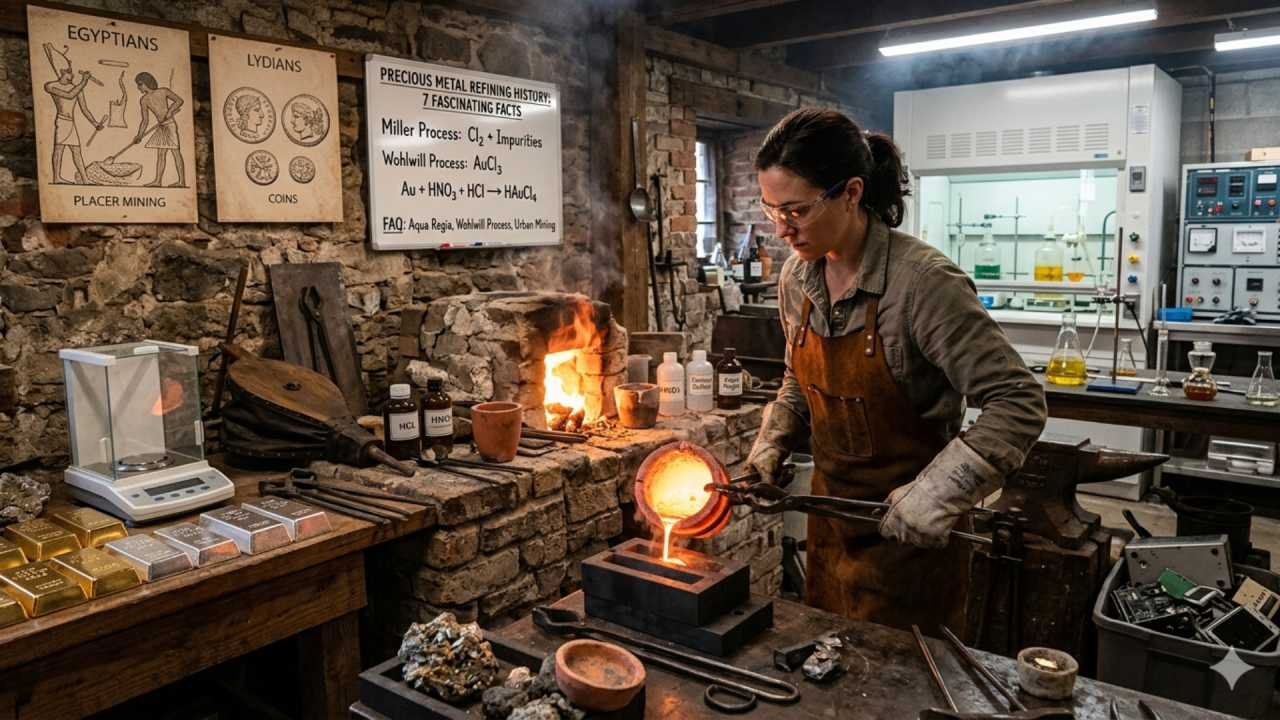
A gold refining machine is a specialized piece of equipment designed to separate pure gold from other alloying metals or impurities. While the terms “melting” and “refining” are often used interchangeably by laypeople, they represent very different stages of metal processing. Melting simply changes the physical state of the metal from solid to liquid, usually to pour it into bars or grains. It does not significantly alter the chemical purity. Refining, on the other hand, involves chemical or electrochemical processes that isolate the gold atoms from everything else.
The primary role of these machines is to achieve specific “fineness” levels. For the jewelry industry, 99.5% purity (995 fineness) is often sufficient. However, for investment-grade bullion, electronic components, or high-end laboratory use, a purity of 99.99% (four nines) is required. Gold refining machines utilize various methods—ranging from acid-based chemical reactions to electrolysis—to reach these targets reliably.
These machines are used across a diverse array of industries. Traditional mining operations use them to process “doré” bars into marketable gold. Jewelry manufacturers use them to recycle workshop scraps and “sweeps” (dust and filings). Perhaps most notably in recent years, the recycling sector has adopted these machines to process “urban gold” found in high-value electronic waste. Regardless of the source material, the goal remains the same: transforming low-grade gold into a high-purity asset.
Types of Gold Refining Machines
Understanding the mechanical and chemical principles behind different machines is the first step in making an informed purchase. Each technology has its own set of advantages and limitations.
Aqua Regia Refining Systems
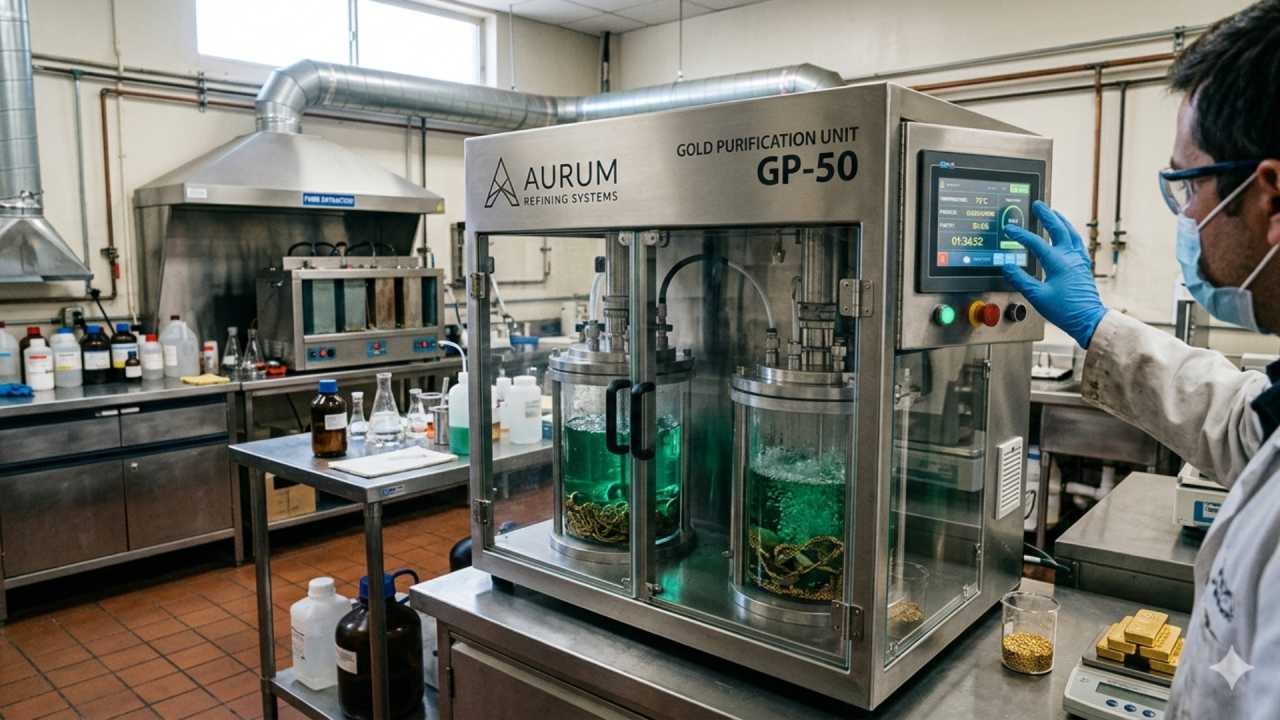
The Aqua Regia process is perhaps the most common method for small to medium-scale gold refining. The machine facilitates a chemical reaction using a mixture of nitric acid and hydrochloric acid. This potent combination dissolves gold into a solution (chloroauric acid). Once the gold is in liquid form, the solution is filtered to remove silver chloride and other solids. A precipitation agent is then added to “drop” the gold out of the liquid as a high-purity powder.
-
Pros: It is highly effective at reaching 99.9% purity and is relatively affordable in terms of initial machinery costs. It is also quite versatile, capable of handling various types of scrap.
-
Cons: The process generates hazardous fumes (nitrogen oxides) and acidic waste. Machines must be equipped with sophisticated scrubbing systems to neutralize these gases. It also requires a high level of chemical handling expertise.
Electrolytic Refining Machines
Often referred to as the Wohlwill process in industrial circles, electrolytic refining uses an electric current to transfer gold from an impure anode to a pure cathode through an electrolyte solution. As the current flows, the gold dissolves from the impure bar and plates onto the starting sheet of pure gold, while impurities either stay in the solution or fall to the bottom as “anode slime.”
-
Pros: This method can produce ultra-high purity gold (99.99% or higher). It is generally cleaner than the Aqua Regia process and is highly scalable for large industrial throughput.
-
Cons: The setup cost is significantly higher. It is also a slower process, often taking 24 hours or more to complete a cycle, and it requires a significant “lock-up” of capital because the electrolyte solution itself must contain dissolved gold to function.
Induction Melting Furnaces
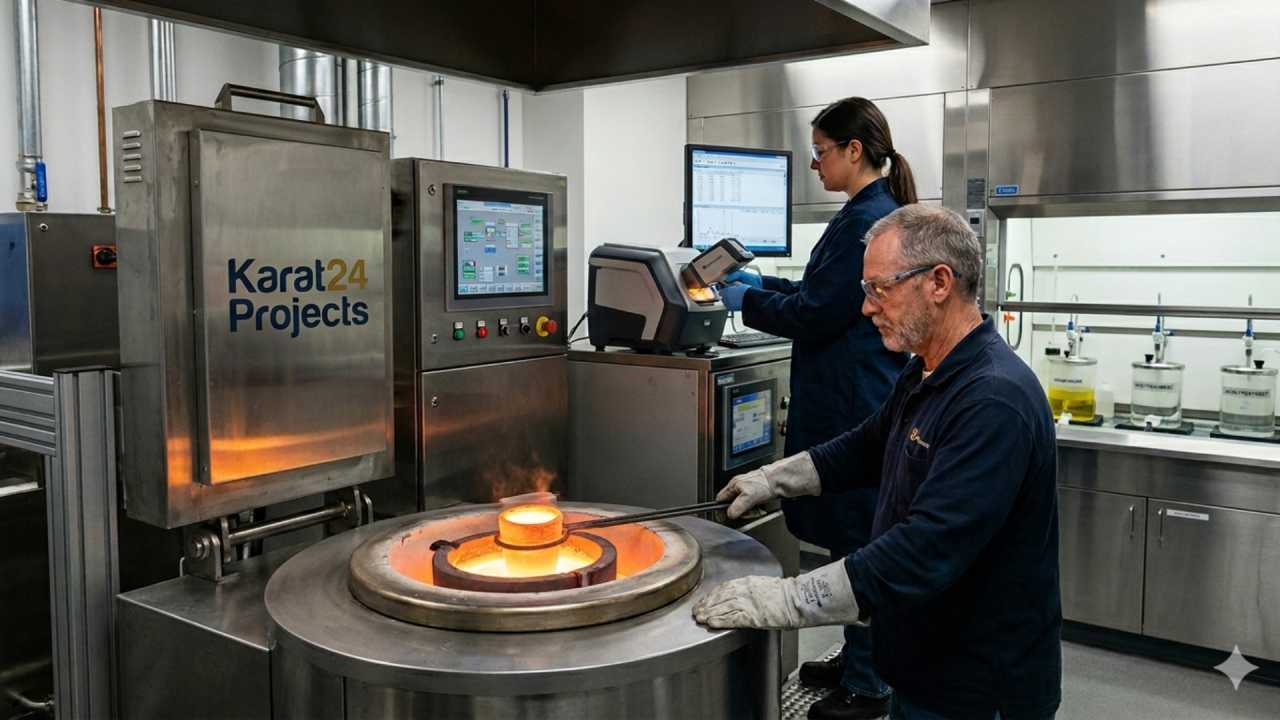
While technically a “pre-refining” tool, induction furnaces are often sold alongside refining systems. These machines use electromagnetic induction to heat the metal. In the context of refining, they are used to homogenize the scrap before assaying or to melt the refined gold powder into solid bars.
-
Pros: They are incredibly fast, energy-efficient, and provide excellent mixing of the molten metal.
-
Cons: They do not remove impurities on their own. You cannot take 14k gold scrap and turn it into 24k gold using an induction furnace alone.
Vacuum Refining Systems
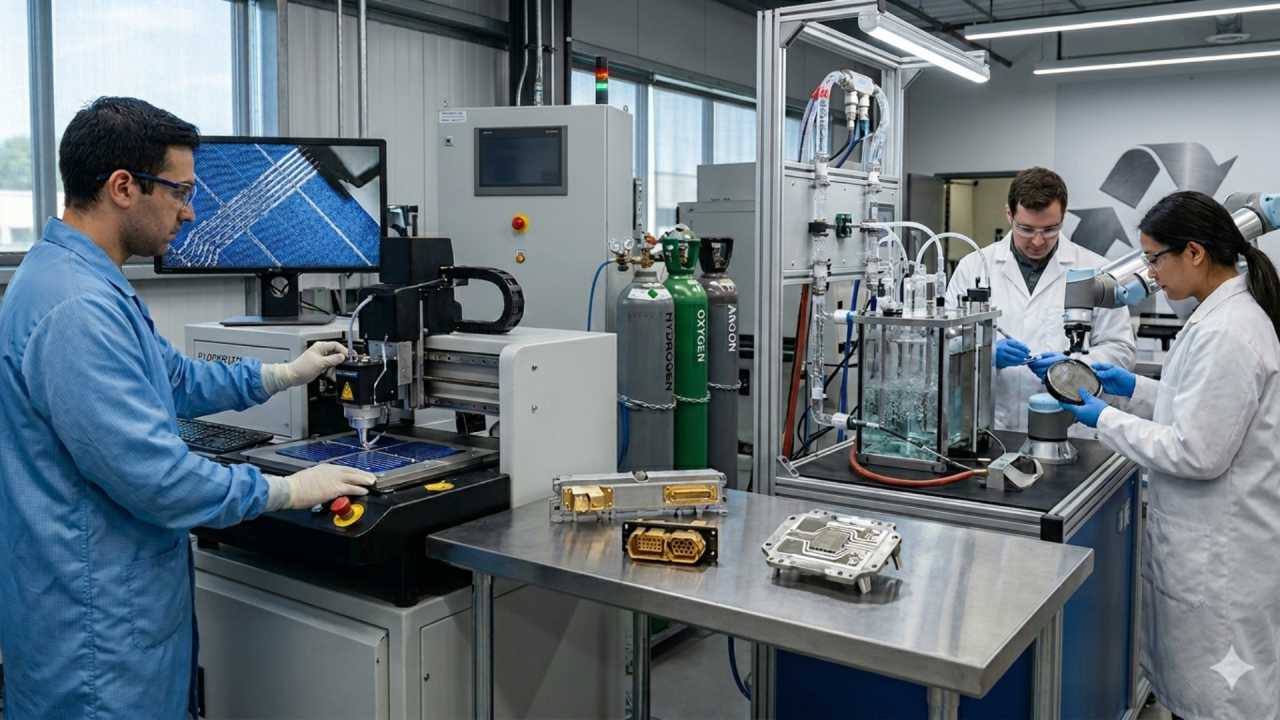
These are high-tech systems used primarily for removing specific impurities like zinc, lead, or bismuth from gold by heating the metal under a vacuum. At lower pressures, these impurities vaporize at temperatures where the gold remains solid or liquid.
-
Pros: It is a dry process that avoids heavy chemical use and provides very clean results.
-
Cons: These systems are expensive and usually reserved for specialized industrial applications where specific trace elements must be removed.
E-waste Gold Recovery Machines
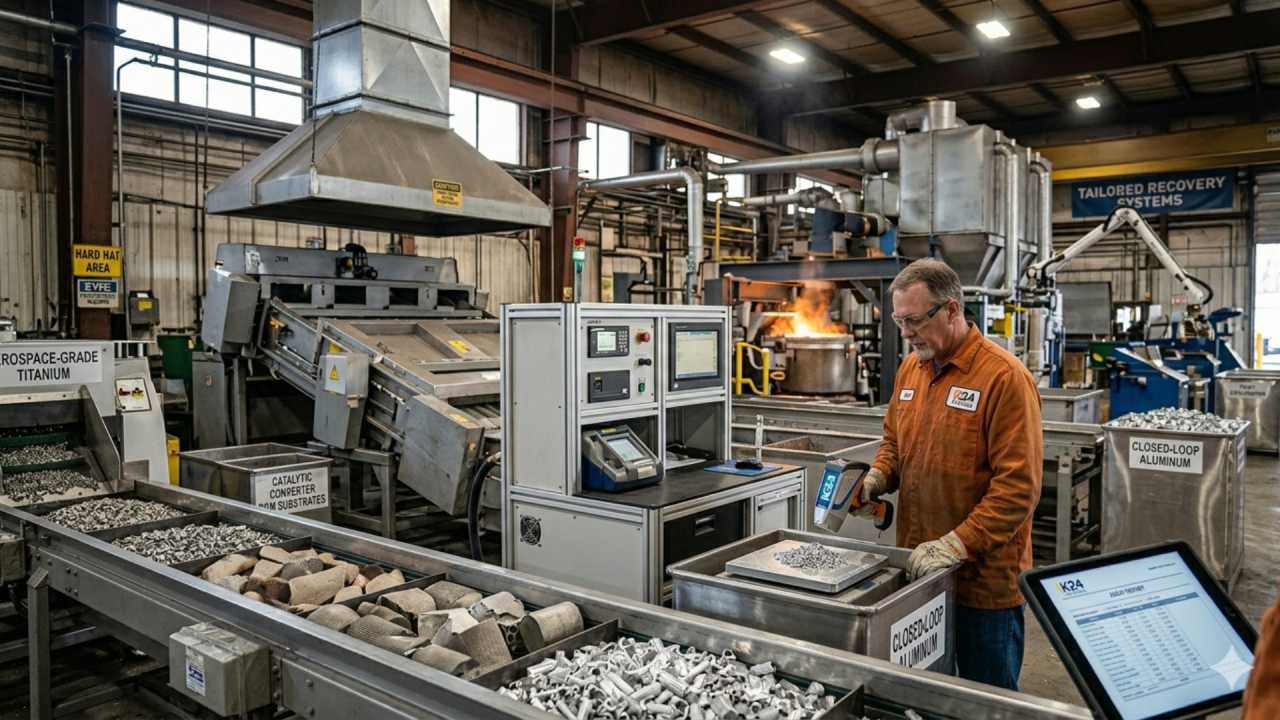
As electronics become a primary source of recycled gold, specialized machines have emerged. These often combine mechanical shredding and sorting with chemical leaching. Unlike jewelry refining, these machines must handle high volumes of non-metallic material (plastics, ceramics, and fiberglass) while selectively targeting the microscopic gold plating on circuit boards.
Key Factors to Consider Before Buying
Before committing to a specific model, you must perform a deep dive into your operational requirements. The “best” machine is not the most expensive one, but the one that aligns with your specific constraints.
Capacity Requirements
Overestimating or underestimating capacity is a common pitfall. If you buy a machine with a 5kg capacity but only generate 1kg of scrap a week, your chemical costs per gram will be sky-high. Conversely, a small machine running 24/7 will wear out quickly and create a bottleneck.
-
Batch Size: How much gold can the machine process in a single run?
-
Daily Throughput: Consider the time for setup, refining, and cleaning. A 1kg machine might only be able to do two batches a day.
Purity Goals
Not all machines are created equal when it comes to the final “nines.” If you are selling to an exchange or a central bank, you need 99.99%. If you are a jeweler making 18k alloys, 99.5% is perfectly acceptable. The higher the purity required, the more sophisticated (and expensive) the machine and the process will be.
Budget and ROI
The initial purchase price is just the tip of the iceberg. You must calculate the Total Cost of Ownership (TCO).
-
Consumables: Acids, precipitating agents, crucibles, and filters.
-
Power Consumption: Induction and electrolytic systems can be energy-intensive.
-
Labor: Does the machine require a PhD chemist, or can a trained technician operate it?
-
Yield: A machine that loses 0.5% of your gold in the “waste” is much more expensive than one that captures 99.99% of it.
Automation Level
Manual systems are cheaper but carry higher risks of human error and chemical exposure. Fully automated systems control the dosing of chemicals, temperature, and timing. While automation reduces labor costs and increases consistency, it also means more electronic components that can fail and may require specialized maintenance.
Safety Features
Gold refining involves high heat and/or corrosive chemicals. A quality machine must include:
-
Fume Scrubbers: To neutralize toxic gases before they are released into the atmosphere.
-
Containment Trays: To catch spills in case of a vessel failure.
-
Emergency Shut-offs: Especially for induction and vacuum systems.
-
Integrated Sensors: For pH, temperature, and gas detection.
Environmental Impact
Regulatory bodies are increasingly scrutinizing the refining industry. In many jurisdictions, you cannot legally operate a machine that discharges untreated acidic waste into the sewage system. Modern machines often include closed-loop systems that recycle water or neutralize acids, making it easier to obtain operating permits.
Comparing Manual vs. Automated Refining Machines
The debate between manual and automated systems often comes down to the scale of the operation and the skill level of the staff.
Manual machines are essentially “lab setups” scaled for production. The operator must manually mix acids, monitor temperatures with handheld probes, and decide when the reaction is complete. This offers great flexibility for processing different types of scrap, but it is labor-intensive. It is generally best suited for small boutiques or artisans who refine gold only a few times a month.
Automated machines use Programmable Logic Controllers (PLCs) to manage the entire cycle. Once the scrap is loaded and the program is started, the machine handles the chemical additions and filtration stages. This reduces the operator’s contact with hazardous materials and ensures that every batch is refined to the exact same standard. For any commercial operation refining gold daily, the consistency of an automated system usually justifies the higher upfront cost.
Applications of Gold Refining Machines
The “right” machine often depends on where your gold is coming from.
Jewelry Manufacturing
Jewelers deal with “clean” scrap—mostly gold alloyed with silver and copper. Since the input is consistent, a standard Aqua Regia system is usually the most cost-effective choice. These machines allow jewelers to turn their “lemons” (failed castings and old stock) back into 24k gold for new alloys.
Mining Operations
Mining gold is often “dirty,” containing iron, arsenic, and other minerals. Refining machines for mines need to be rugged and capable of handling bulk material. Often, mines use a combination of gravity separation followed by a large-scale electrolytic cell to turn doré into high-purity bars.
Scrap Gold Recycling
“Pawn shop” gold or “cash for gold” scrap is highly unpredictable. One batch might be 10k gold, and the next might be 22k. Machines used in this sector need to be versatile and include robust assaying capabilities to ensure the operator knows exactly what is going into the machine.
Electronic Waste Recovery
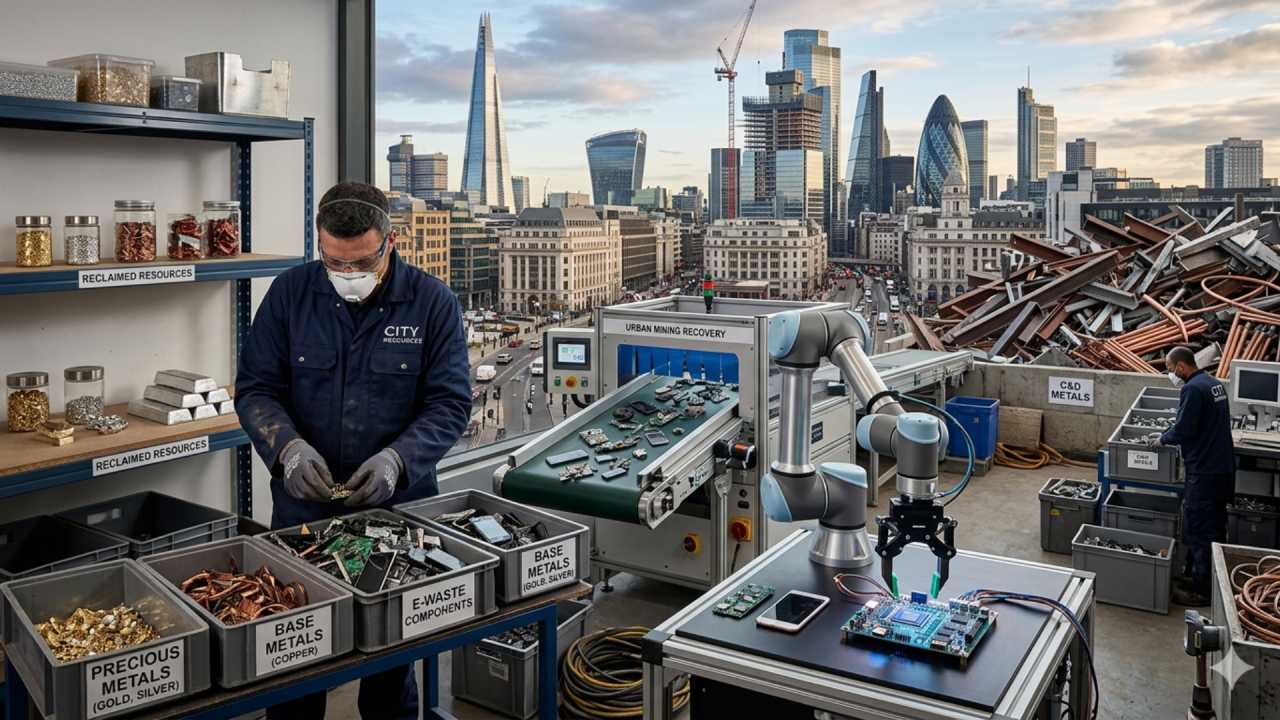
This is the most complex application. Gold in e-waste is found in very thin layers on pins and connectors. Machines designed for this must first “strip” the gold from the base metals (like copper or plastic) before the refining even begins. These systems are typically much larger and involve more stages than a standard jewelry refinery.
Common Mistakes to Avoid When Choosing a Machine
1. Buying Based on Price Alone: A cheap machine often lacks adequate fume scrubbing or uses low-grade components that corrode within months of exposure to acid. The “savings” are quickly lost to repairs and environmental fines.
2. Ignoring Compliance and Safety: In many regions, operating an uncertified refining machine can lead to immediate shutdown and heavy fines. Ensure the machine meets local electrical and environmental standards.
3. Underestimating Capacity Needs: Growth is the goal of every business. Buying a machine that exactly meets your current needs might leave you looking for a replacement in just a year. It is often wise to buy a system with about 30% more capacity than you currently require.
4. Not Considering After-Sales Support: These are technical machines. If a pump fails or a sensor goes out of calibration, you need a manufacturer that provides spare parts and technical guidance. Avoid “unbranded” machines from overseas that offer no support.
Maintenance and Operating Costs
A gold refining machine is only as good as its maintenance schedule. Because the environment is inherently corrosive, parts will wear out.
-
Routine Maintenance: This includes checking seals, cleaning sensors, and inspecting the fume scrubber media. In an Aqua Regia system, the glassware or specialized plastic tanks must be checked for cracks.
-
Consumables: You must factor in the cost of high-purity acids and gases. If you are using an electrolytic system, the power bill can be a significant monthly expense.
-
Downtime: If the machine is down for a week, how much interest are you losing on the gold tied up in your inventory? High-quality machines are built for “uptime,” using modular parts that can be swapped quickly.
Regulatory and Safety Considerations
Safety is not just about protecting the operator; it is about protecting the business from legal liability.
-
Environmental Laws: Most countries have strict limits on the emission of NOx gases and the disposal of heavy metal-laden liquids. Your machine must be part of a larger waste management strategy.
-
Chemical Handling: Storing large quantities of nitric and hydrochloric acid requires specialized cabinetry and ventilation.
-
Worker Safety: Operators should be trained in the use of Personal Protective Equipment (PPE), including acid-resistant suits, respirators, and face shields. Even the most “automated” machine requires a human to load and unload it.
Future Trends in Gold Refining Technology
The industry is moving toward “Green Refining.” This includes the development of non-toxic leaching agents that can replace cyanide and aqua regia. While these are still in the early stages of commercial adoption, the next generation of machines will likely focus on reducing the chemical footprint.
We are also seeing the integration of AI and real-time assaying. Imagine a machine that can “see” the composition of the gold in the tank and adjust the chemical dosing automatically to ensure maximum efficiency. Furthermore, as “urban mining” continues to grow, machines are becoming more specialized in extracting gold from complex multi-material waste streams, making recycling more profitable than traditional mining in some cases.
Conclusion
Choosing a gold refining machine is a pivot point for your business. It is the bridge between raw, impure material and a high-value, liquid asset. By carefully evaluating your capacity needs, purity requirements, and the specific type of gold scrap you will be handling, you can select a system that provides a strong return on investment.
Remember that refining is as much a chemical science as it is a mechanical process. The best machine is one that provides not just the hardware, but the safety, consistency, and efficiency to turn your refining operation into a professional, profitable enterprise. Whether you choose a compact Aqua Regia system for a jewelry workshop or a large-scale electrolytic plant for industrial recycling, prioritize quality and compliance over the initial price tag. In the world of gold, precision is the only thing that pays.
Buyer Checklist: Quick Summary
To make your final decision, use this checklist to compare different machines:
-
Capacity: Can it handle my weekly volume in 40 hours of operation?
-
Purity: Has the manufacturer provided certified lab results of the output?
-
Safety: Does it include a fume scrubber and emergency stop?
-
Environment: Does the manufacturer offer a waste treatment solution?
-
Support: Is there a local or reliable remote technical support team?
-
Cost: Have I calculated the cost of chemicals and power per gram of gold?
-
Footprint: Do I have the specialized ventilation and space required for this specific model?
Frequently Asked Questions
Can I refine gold at home with these machines?
While small machines exist, refining should only be done in a dedicated, well-ventilated workspace. The chemicals involved are extremely dangerous and require professional handling and disposal.
How long does a typical refining cycle take?
An Aqua Regia cycle usually takes 4 to 8 hours from start to finish. Electrolytic refining is much slower, often requiring 24 to 48 hours for a full plate-out.
What is the difference between 995 and 9999 gold?
995 gold is 99.5% pure, common in the jewelry trade. 9999 gold (four nines) is 99.99% pure and is the standard for investment bullion and high-tech manufacturing.
Is it better to buy a new or used refining machine?
Because of the corrosive nature of the chemicals used, used machines often have hidden damage to seals and sensors. Unless you are an expert in machine repair, buying new with a warranty is usually the safer path.