Top Features to Look for in a Precious Metal Refining Machine | Buyer’s Guide
The world of precious metals is one of high stakes and microscopic precision. Whether it is the glimmer of a 24-karat gold bar or the industrial utility of silver in high-end electronics, the journey from raw material to purified asset relies on the sophisticated technology of refining. For businesses operating in jewelry manufacturing, e-waste recycling, mining, or specialized laboratory research, the choice of a refining machine is not merely a purchase—it is a foundational investment in the viability and profitability of the enterprise.
Precious metal refining is the process of removing impurities from metals like gold, silver, platinum, and palladium to achieve a standardized level of purity. In its raw form—whether as scrap jewelry, industrial byproducts, or mined ore—precious metals are often alloyed with base metals like copper, nickel, or zinc. Refining machines use chemical, thermal, or electrolytic processes to isolate the noble metals, ensuring they meet the stringent requirements of international markets.
In modern industry, manual refining is increasingly a relic of the past. High-performance refining machines are now essential because they provide a level of consistency that human intervention alone cannot achieve. In the jewelry sector, refining allows for the recycling of bench sweeps and old stock; in electronics, it recovers value from discarded circuit boards; and in mining, it finalizes the transition from earth to liquid wealth.
Selecting the right machine is a multifaceted challenge. It requires a balance of throughput, safety, and technological sophistication. A well-chosen machine maximizes the yield—the percentage of metal successfully recovered—while minimizing operational costs. Conversely, a poor choice can lead to significant metal loss, environmental hazards, and prohibitive maintenance costs. This guide explores the essential features that define a top-tier precious metal refining machine.
Types of Precious Metal Refining Machines
Before diving into specific features, it is vital to understand the technological landscape of refining. Machines are generally categorized by the physical or chemical principle they utilize.
Electrolytic Refining Systems
Electrolytic systems are the gold standard for silver and copper refining, though they are also used for gold. The process involves an electrolytic cell where the impure metal acts as the anode and a pure sheet of metal acts as the cathode. As current passes through an electrolyte solution, the precious metal dissolves from the anode and deposits onto the cathode in a highly pure state. These systems are prized for their ability to produce exceptionally high purity (99.99%) and their relatively low chemical consumption.
Aqua Regia Refining Systems
Aqua regia, a mixture of nitric acid and hydrochloric acid, is the primary chemical method for refining gold. Machines utilizing this process automate the dissolution, filtration, and precipitation stages. Modern aqua regia units are sealed environments that handle the volatile chemical reactions safely, precipitating gold as a high-purity powder that is later melted into grain or bars.
Induction Melting Furnaces
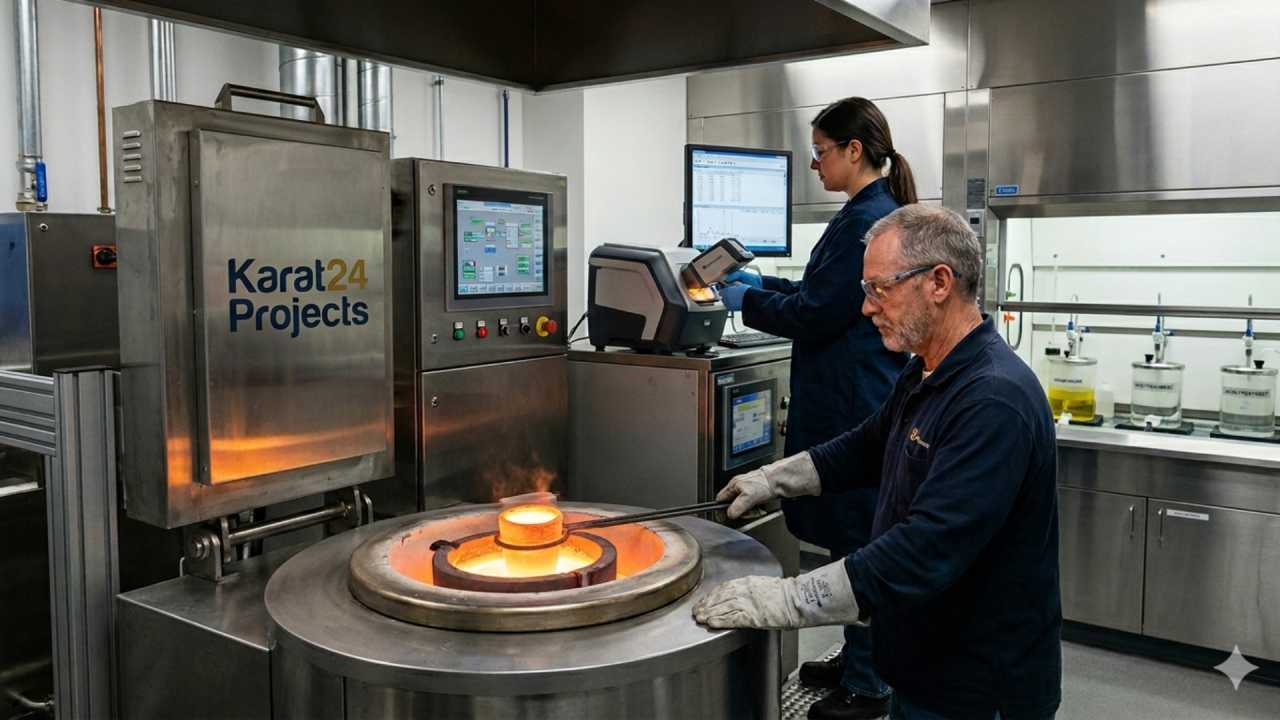
While not “refining” in the chemical sense, induction furnaces are critical components of the refining workflow. They use electromagnetic induction to heat metals to their melting points rapidly. These machines are essential for homogenizing scrap before assaying and for melting refined powders into final bullion products. They offer superior temperature control and speed compared to traditional gas furnaces.
Vacuum Refining Machines
Used primarily for high-purity applications and specific alloys, vacuum refining prevents oxidation by processing metals in a low-pressure environment. This is particularly useful for metals that are highly reactive at high temperatures, ensuring that the final product is free of dissolved gases and slag inclusions.
Automated vs. Manual Systems
The industry is shifting toward automation. While manual systems (stone crocks and basic filters) are inexpensive, they are labor-intensive and carry higher safety risks. Automated systems integrate sensors and timers to manage the reaction, leading to more predictable results and higher safety standards.
Refining Capacity and Throughput
Capacity refers to the volume of metal a machine can process within a specific timeframe. This is often the first “make or break” feature for a buyer.
Small-Scale vs. Industrial-Scale
For a boutique jewelry shop, a small-scale refinery capable of processing 1–2 kilograms of gold per batch is sufficient. However, an industrial e-waste facility might require a system that handles 50–100 kilograms daily. It is critical to choose a machine that matches your current volume while offering a buffer for growth.
Batch vs. Continuous Processing
-
Batch Processing: The machine is loaded, the process runs to completion, and the machine is emptied. This is ideal for refining different grades of material where cross-contamination must be avoided.
-
Continuous Processing: Material is fed in steadily, and refined metal is extracted without stopping the cycle. This is common in large-scale silver electrolysis.
Impact on ROI
Choosing a machine with too much capacity leads to wasted energy and chemical overhead. Conversely, an undersized machine creates a bottleneck that stifles business growth. Calculating the “Throughput-to-Power” ratio is a wise way to evaluate efficiency.
Purity Levels and Accuracy
In the world of precious metals, 99.5% purity is often not enough; the global standard for “Good Delivery” bars is 99.99% (four nines).
Precision Control Systems
A top-tier machine must have the precision to isolate specific impurities. This is achieved through calibrated chemical dosing and temperature management. In electrolytic silver refining, for instance, the voltage must be precisely controlled to prevent base metals from co-depositing on the cathode.
Assay Integration
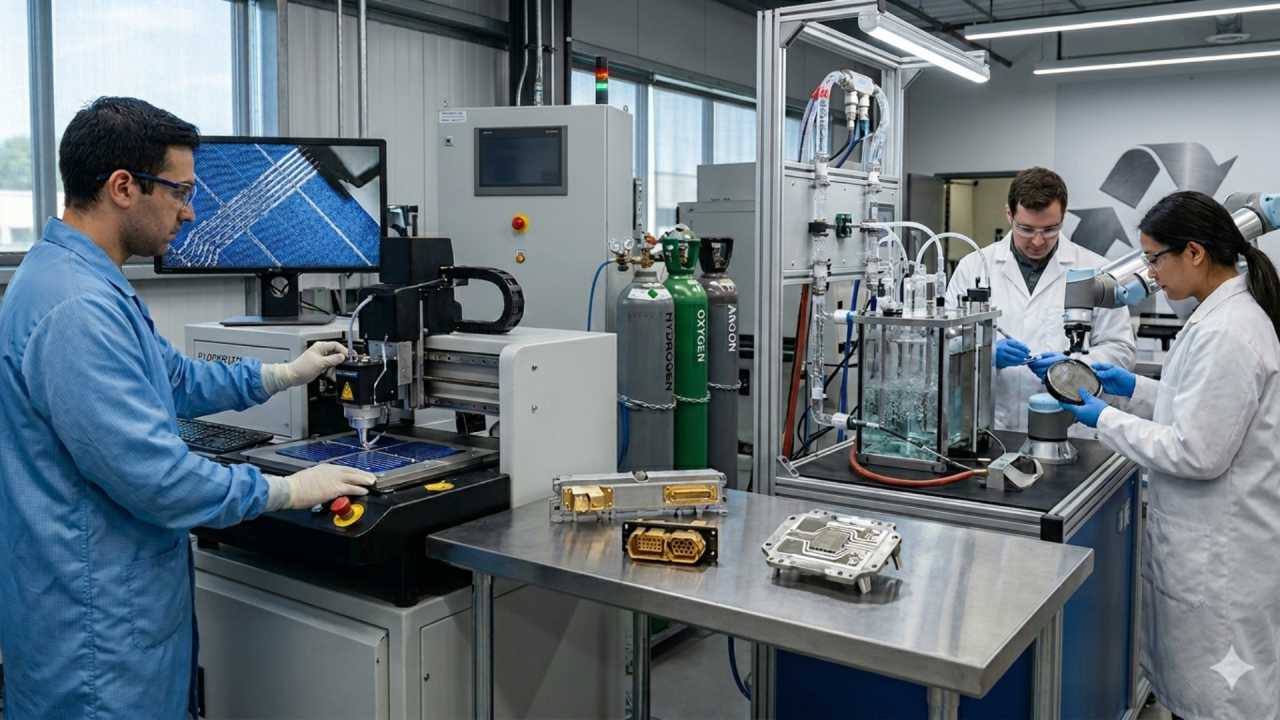
Some advanced refining systems now offer integrated monitoring that can interface with X-ray Fluorescence (XRF) or Fire Assay data. By knowing the exact composition of the input material, the machine can adjust its parameters—such as the amount of precipitant needed—to ensure maximum purity in the output. High purity directly correlates to the resale premium of the metal; even a 0.1% difference in purity can represent thousands of dollars in lost value over a year of operation.
Automation and Control Systems
The “brain” of the refining machine is its control system. Modern units have moved away from manual valves and toward sophisticated digital interfaces.
PLC (Programmable Logic Controller)
A PLC manages the sequence of operations, from acid injection to stirring and filtration. This ensures that every batch is processed exactly like the last, eliminating the “art” of refining and replacing it with reproducible science.
Touchscreen Interfaces and Digital Monitoring
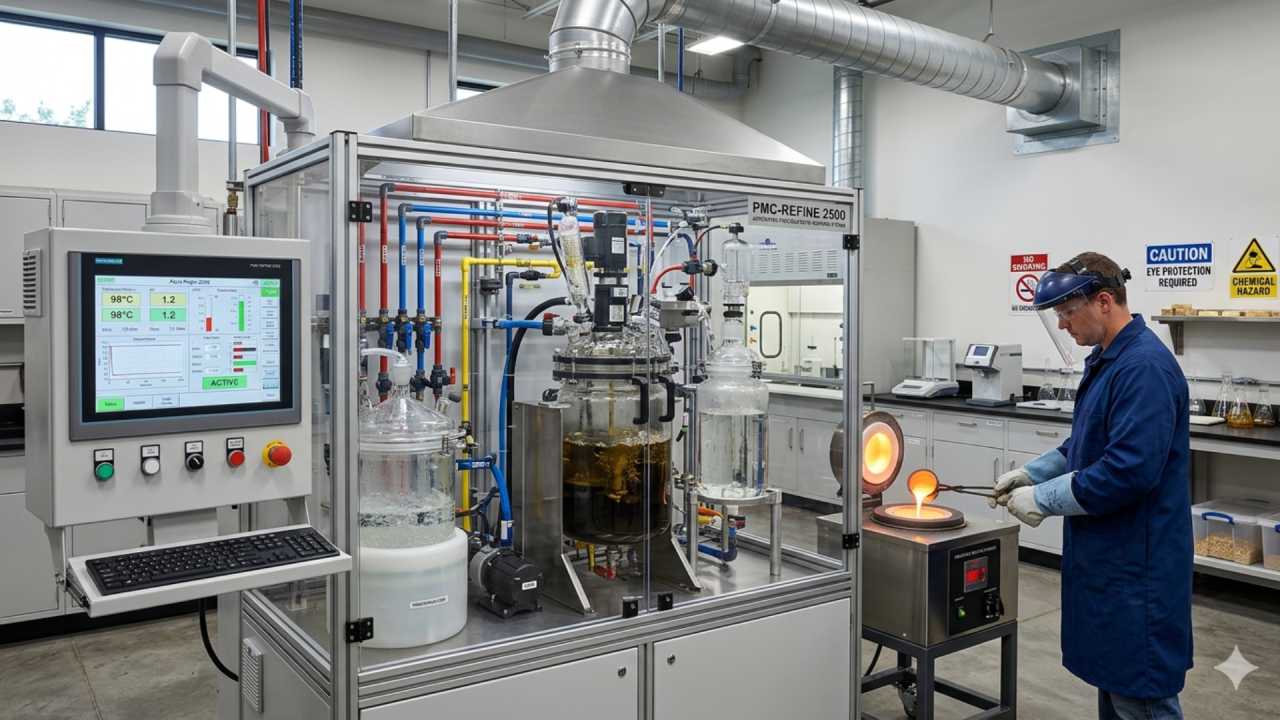
User-friendly HMI (Human-Machine Interface) panels allow operators to monitor pH levels, temperature, and gas pressure in real-time. This visibility is crucial for identifying issues before they result in a failed batch.
IoT and Remote Monitoring
The newest generation of machines is “smart.” Managers can monitor the status of a refining cycle from a smartphone or tablet. This level of connectivity allows for data logging, which is essential for auditing and compliance in many jurisdictions.
Safety Features
Refining involves high temperatures, corrosive acids, and toxic fumes. Safety is not a feature; it is a necessity.
Temperature and Overheat Protection
Exothermic reactions (reactions that release heat) can become runaway processes if not managed. A quality machine will have redundant temperature sensors and automatic cooling loops or shut-off valves to prevent boiling over or equipment damage.
Fume Extraction and Scrubbing
The chemical dissolution of metals releases nitrogen oxides ($NO_x$) and other hazardous gases. A refining machine must be integrated with a high-efficiency fume scrubber that neutralizes these gases before they are released into the atmosphere.
Emergency Mechanisms
Look for machines with “dead-man” switches, emergency stop buttons, and gravity-fed chemical neutralization tanks that can be deployed in the event of a power failure or leak.
Energy Efficiency and Power Consumption
Refining is energy-intensive. As global energy prices fluctuate, the efficiency of your machine will dictate your margins.
Induction vs. Traditional Heating
In melting and thermal refining, induction heating is significantly more efficient than gas or resistance heating. It heats the metal directly via magnetic fields, resulting in less ambient heat loss and faster melt times.
Long-Term Savings
While an energy-efficient machine might have a higher upfront cost, the reduction in kilowatt-hour usage over a five-year period often covers the price difference. Modern power supplies (IGBT technology) are much more efficient at converting grid power into the high-current DC required for electrolysis.
Build Quality and Materials
The interior of a refining machine is a hostile environment. It must withstand boiling acids and abrasive powders.
Corrosion-Resistant Materials
High-quality machines are constructed from materials like Titanium, Polypropylene (PP), or specialized PVDF plastics. For high-temperature components, high-grade ceramic or graphite crucibles are essential. Avoid machines that use low-grade stainless steel in contact with aqua regia, as they will corrode within months.
Durability
A machine built with “off-the-shelf” industrial components is often better than one with proprietary parts, as it ensures that the frame and mechanical linkages can be repaired easily. Robust build quality reduces vibration and mechanical wear, extending the machine’s lifespan to 10–15 years.
Ease of Operation and Maintenance
A machine that is too complex to clean or maintain will eventually be neglected, leading to failure.
User-Friendly Interface
The software should be intuitive. An operator should be able to start a standard cycle with minimal input while having the ability to override settings for specialized batches.
Cleaning and Servicing
Precious metals can get trapped in “dead zones” within the plumbing or tanks. A well-designed machine features sloped floors for total drainage and easy-access ports for cleaning. This ensures “zero-loss” refining, where every milligram of metal is accounted for.
Environmental Impact and Waste Management
Modern refining must be “green” to survive regulatory scrutiny.
Waste Treatment
The byproduct of refining is often acidic wastewater laden with heavy metals. Top-tier machines often come with (or can be paired with) wastewater treatment plants that precipitate out heavy metals and neutralize the pH, allowing for safe disposal or recycling of the water.
Sustainable Practices
Closed-loop systems that recycle acids or capture heat can significantly reduce the environmental footprint of the refinery. This is not only good for the planet but also reduces the cost of purchasing new chemicals and disposing of hazardous waste.
Cost and Return on Investment (ROI)
When evaluating cost, look beyond the sticker price.
-
Initial Investment: The cost of the machine and installation.
-
Operating Costs: The cost of electricity, acids ($HCl$, $HNO_3$), and precipitants (like Sodium Metabisulfite).
-
Labor Costs: How many man-hours are required to run a batch? An automated machine may cost $20,000 more but save $40,000 in labor over two years.
A high-quality machine pays for itself by increasing the “yield.” If a cheap machine loses 0.5% of the gold in the sludge, and a high-quality machine loses only 0.05%, that 0.45% difference on a large volume of gold will quickly surpass the cost of the better machine.
Brand Reputation and After-Sales Support
Buying a refining machine is the start of a relationship with the manufacturer.
Technical Support and Warranty
Does the company have technicians who can fly out for a repair? Do they offer remote diagnostic support? A machine that is down for three weeks due to a lack of spare parts is an expensive paperweight.
Customer Reviews
Research the manufacturer’s history in the industry. Established brands often have better-documented processes and a more reliable supply chain for replacement filters, anodes, and seals.
Customization and Scalability
Your business today may not be your business in three years.
Modular Systems
Some manufacturers offer modular refining units. You can start with one electrolytic cell and add three more as your volume increases, using the same power supply and control unit.
Custom Solutions
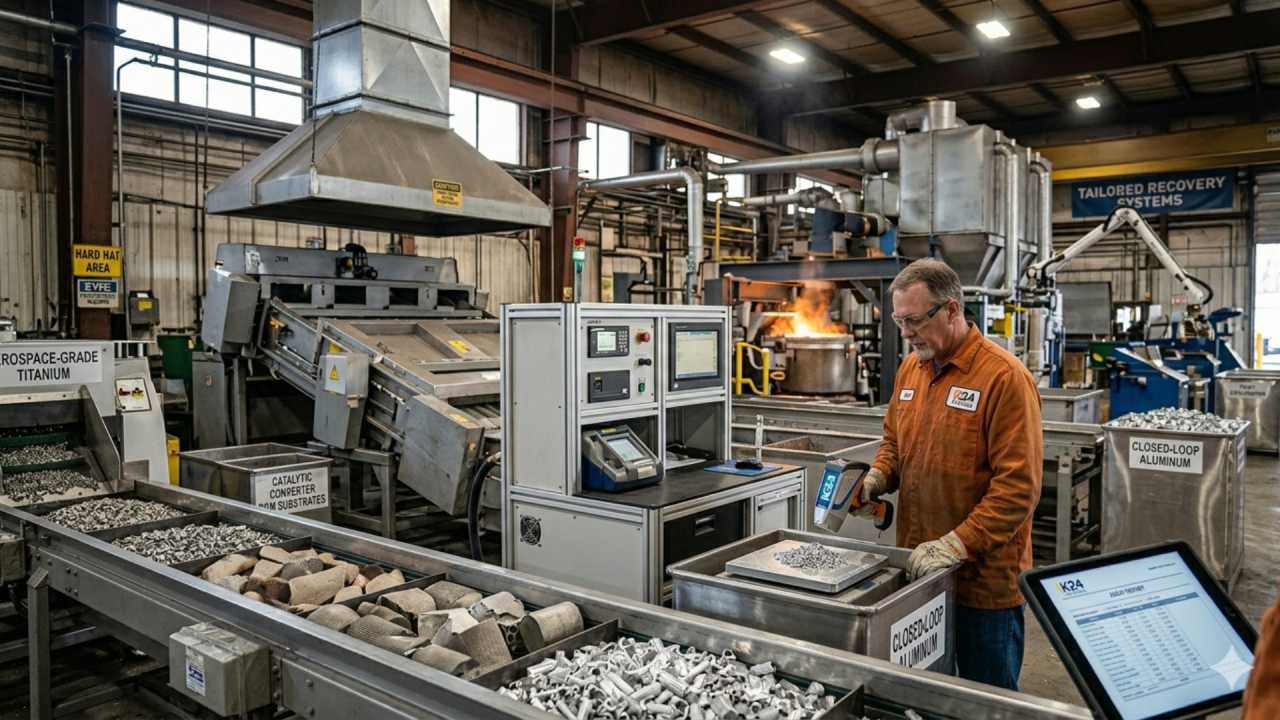
If you are refining a specific type of material—such as dental scrap or catalytic converters—you may need a machine customized with specific filtration or pre-treatment stages. Ensure the manufacturer is capable of engineering these tweaks.
Final Thoughts
Choosing a precious metal refining machine is a complex decision that requires balancing chemical precision with industrial brawn. The top features—ranging from high-level automation and robust safety protocols to energy efficiency and high-purity output—all serve a single goal: maximizing the value of your precious metal assets while ensuring a safe and sustainable operation.
By prioritizing build quality and after-sales support over the lowest initial price, you ensure that your refinery remains a productive asset for years to come. In an industry where a fraction of a percentage point defines success, the right machine is your most valuable partner.
FAQ: Common Questions About Precious Metal Refining Machines
1. What is the gold refining machine price in India for small businesses?
The price of a gold refining machine in India varies significantly based on capacity and automation. For small jewelry workshops or lab units (500g – 1kg capacity), prices typically range from ₹3 to ₹8 lakhs. Medium-sized, fully automatic gold refining machines for commercial use (6kg – 15kg) can range between ₹15 and ₹35 lakhs. It is important to look for a package that includes fume scrubbers and training to avoid hidden setup costs.
2. Which is better: Aqua Regia vs. electrolytic refining for gold?
The choice depends on your feedstock and purity goals. Aqua regia systems are highly versatile and better for refining complex materials like e-waste, low-purity alloys, and mixed jewelry scrap. They are faster for batch processing. Electrolytic refining (the Wohlwill process) is the preferred choice for reaching the highest purity levels (99.99%+) and is generally more environmentally friendly for large-scale, dedicated gold or silver production lines.
3. How do I choose a refining machine for e-waste recycling?
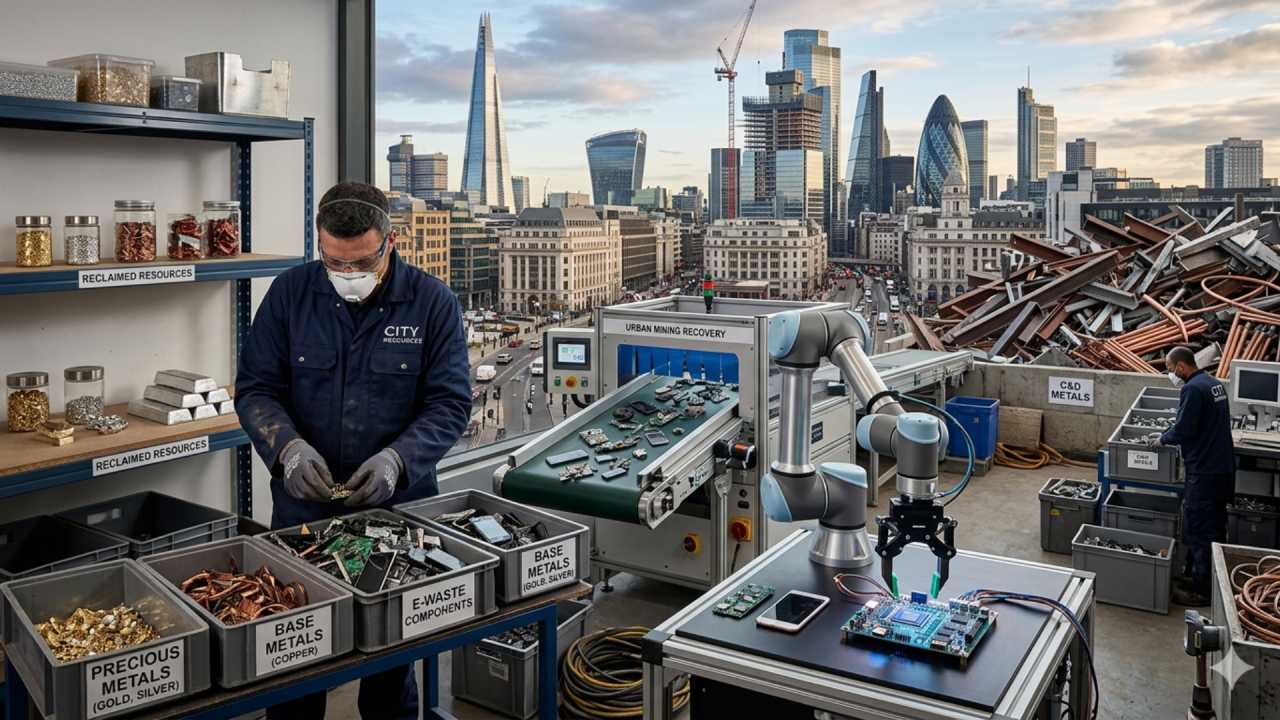
When looking for a machine for “urban mining” or e-waste, prioritize raw material adaptability. E-waste contains a mix of gold, silver, and copper. An aqua regia system with a robust filtration stage is often best. Ensure the machine features an advanced fume extraction system, as electronic components can release complex gases during the chemical dissolution process.
4. Can I refine diamond-studded jewelry without damaging the stones?
Yes, but you must use a machine equipped with specific safety features. To protect delicate materials like diamonds during the refining of old jewelry, a high-quality acid-resistant fume hood and precise temperature controls are essential. Proper equipment allows the metal to dissolve safely while leaving the diamonds unharmed and ready for recovery.
5. What are the maintenance requirements for industrial refining equipment?
To ensure a long lifespan (often 12+ years for premium brands), regular maintenance is required. This includes:
-
Checking and replacing chemical-resistant seals and gaskets.
-
Cleaning the filtration units to ensure “zero-loss” recovery.
-
Inspecting the fume scrubber for neutralization efficiency.
-
Calibrating the PLC and temperature sensors annually.
6. Does weight loss help with industrial productivity?
While not directly related to machine mechanics, physical wellness is a vital “feature” for any operator. General health and weight loss advice for a broad audience suggests that maintaining a healthy weight through a balanced intake of grains, legumes, and water can improve stamina and mental focus. This is particularly important for operators who need to stay alert during long refining cycles or while handling chemicals.