Essential Considerations for Operating a Gold Refining Machine Safely and Efficiently
Gold refining is a sophisticated metallurgical process designed to remove impurities and extract high-purity gold from various feedstocks. Throughout history, the allure of gold has driven civilizations to develop increasingly complex methods for purification. In the modern era, the transition from manual, artisan-scale methods to specialized gold refining machines has revolutionized the industry. These machines provide a level of precision, safety, and scalability that was previously unattainable.
Operating a gold refining machine is not merely a matter of pressing buttons; it requires a deep understanding of chemistry, thermodynamics, and mechanical engineering. Whether for industrial-scale operations processing tons of mining output or small-scale boutique refiners handling jewelry scrap, the objective remains the same: achieving maximum purity with minimum loss. The importance of efficiency cannot be overstated, as even a fraction of a percentage of gold loss can translate into significant financial setbacks. Furthermore, the handling of corrosive chemicals and high temperatures necessitates a rigorous commitment to safety and environmental stewardship.
Understanding Gold Refining Machines
Gold refining machines are integrated systems designed to automate or facilitate the chemical and physical separation of gold from other metals. Unlike traditional manual refining, which often involves open-air chemical reactions and significant human exposure to fumes, modern machines are largely enclosed and controlled.
Types of Refining Machines
There are several primary categories of refining technology, each suited to different purity requirements and input materials:
-
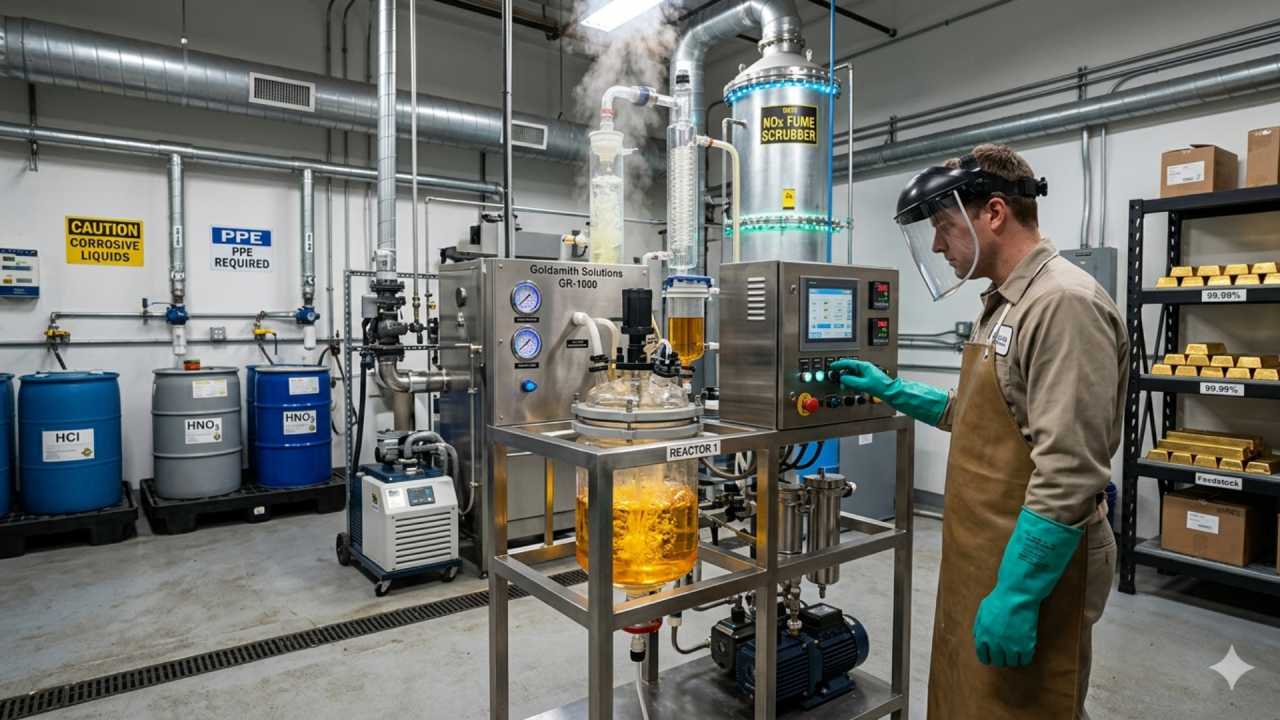
Aqua Regia Systems: These are the most common chemical refining machines. They use a mixture of nitric acid and hydrochloric acid to dissolve gold into a solution, which is then filtered and precipitated back into metallic form. Modern aqua regia machines include fume scrubbers and automated dosing systems.
-
Electrolytic Refining (Wohlwill Process): These machines use an electrochemical cell. A gold anode (impure gold) is dissolved into a gold chloride electrolyte and deposited onto a high-purity gold cathode. This method is used to achieve the highest levels of purity, often reaching 999.9 parts per thousand.
-
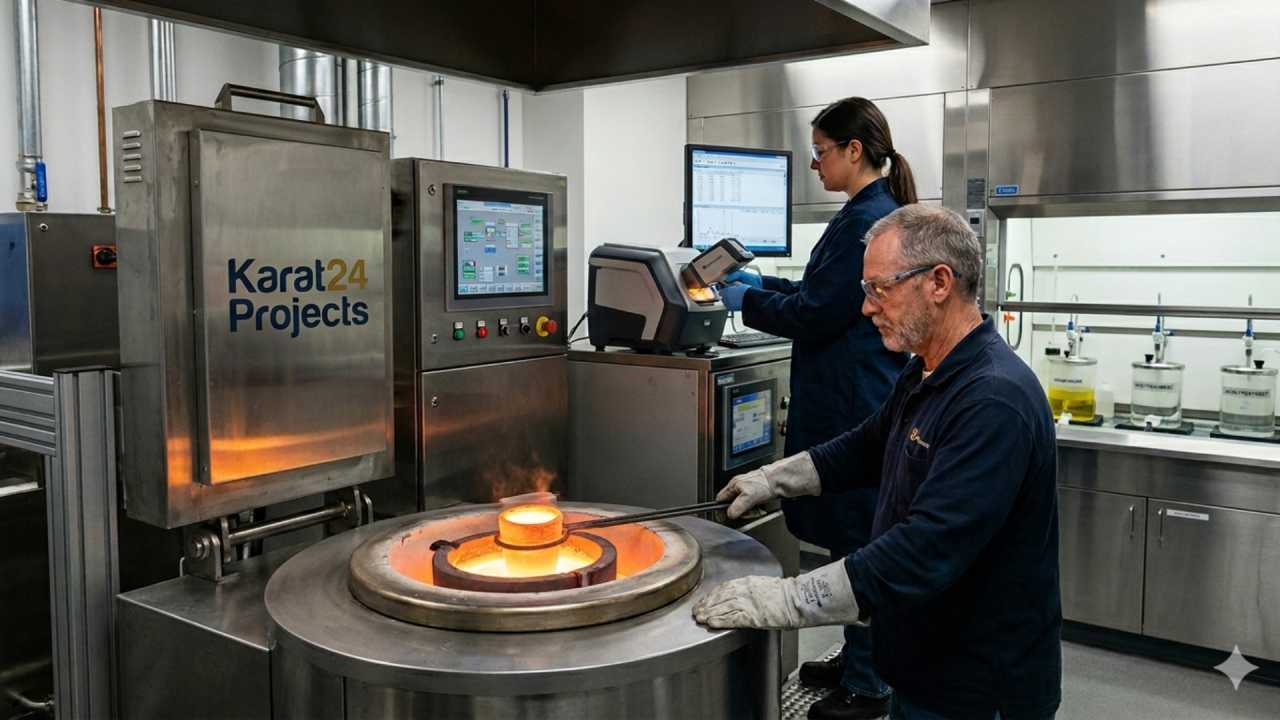
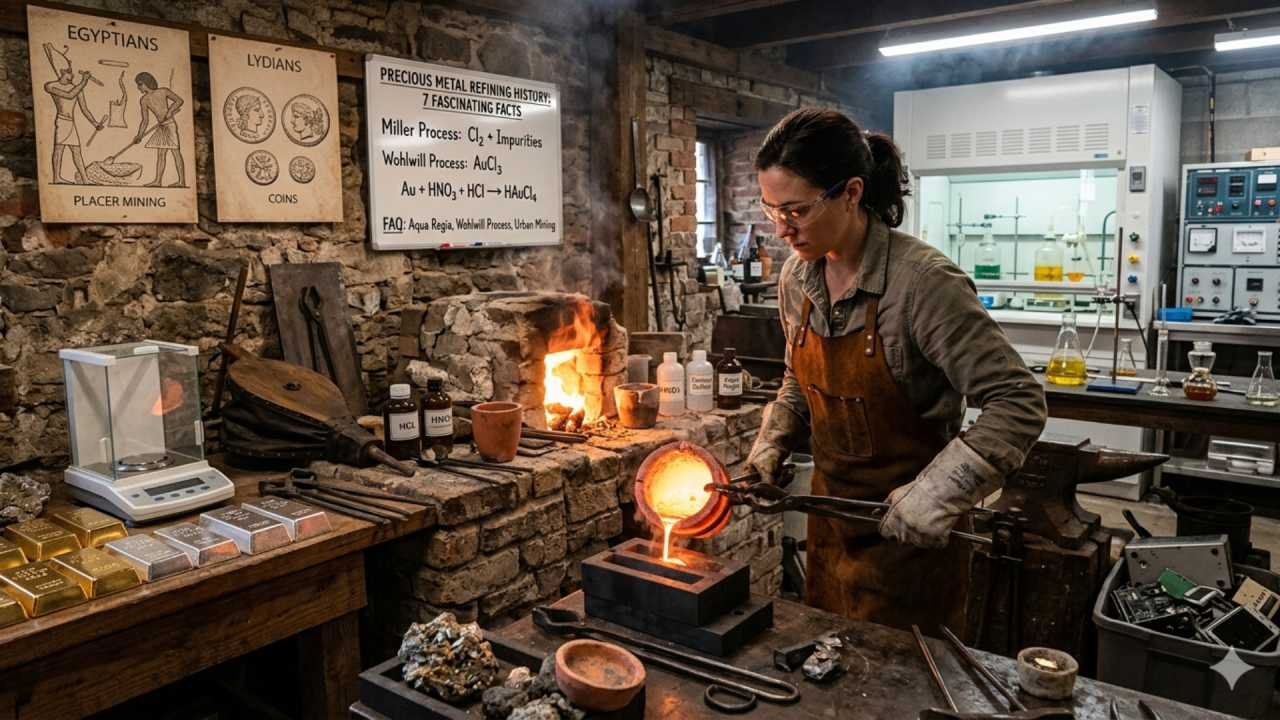
Induction Furnaces: While often used for melting, specialized induction furnaces serve as the heart of pyrometallurgical refining, where heat is used to oxidize base metals or prepare dore bars for subsequent chemical processing.
Key Components
A standard refining unit typically consists of a reactor vessel, where the primary chemical reactions occur; a filtration system (often vacuum-assisted) to separate solids from liquids; and a control panel that monitors temperature, pH, and reaction times. Additionally, advanced units feature scrubbing towers to neutralize hazardous acidic fumes before they are released into the atmosphere.
Choosing the Right Refining Method
Selecting the appropriate refining method is a strategic decision that dictates the long-term viability of an operation. There is no one-size-fits-all solution; the choice depends on the nature of the “raw” gold and the desired end product.
Comparison of Major Methods
Chemical Refining (Aqua Regia) is favored for its versatility. It can handle jewelry scrap, dental gold, and high-purity scrap effectively. It is relatively fast but requires careful management of hazardous acids.
Electrolytic Refining is the gold standard for purity. However, it requires a significant “lock-up” of capital, as the process is slower and requires a large amount of gold to be present in the electrolyte and on the cathodes at all times. It is best suited for large-scale industrial refineries.
Pyrometallurgical Refining (such as the Miller Process) involves blowing chlorine gas through molten gold. This converts base metal impurities into chlorides which float to the top. It is excellent for rapid processing of large volumes but usually only reaches 99.5% purity, often requiring a secondary electrolytic step to reach 99.9%.
Selection Factors
The input material is the most critical factor. Electronic scrap (e-waste), for instance, requires extensive pre-processing before it can enter an aqua regia machine, whereas jewelry scrap is more straightforward. The scale of operation also matters; a small jewelry workshop would find an electrolytic plant prohibitively expensive and unnecessary, whereas a mining operation would find small chemical batches inefficient.
Raw Material Considerations
The output of a gold refining machine is only as good as the input. Feedstock varies wildly in its gold content and the nature of its impurities.
Types of Feedstock
-
Jewelry Scrap: Typically contains silver, copper, and zinc. This is relatively easy to refine but requires accurate weighing and karat testing before processing.
-
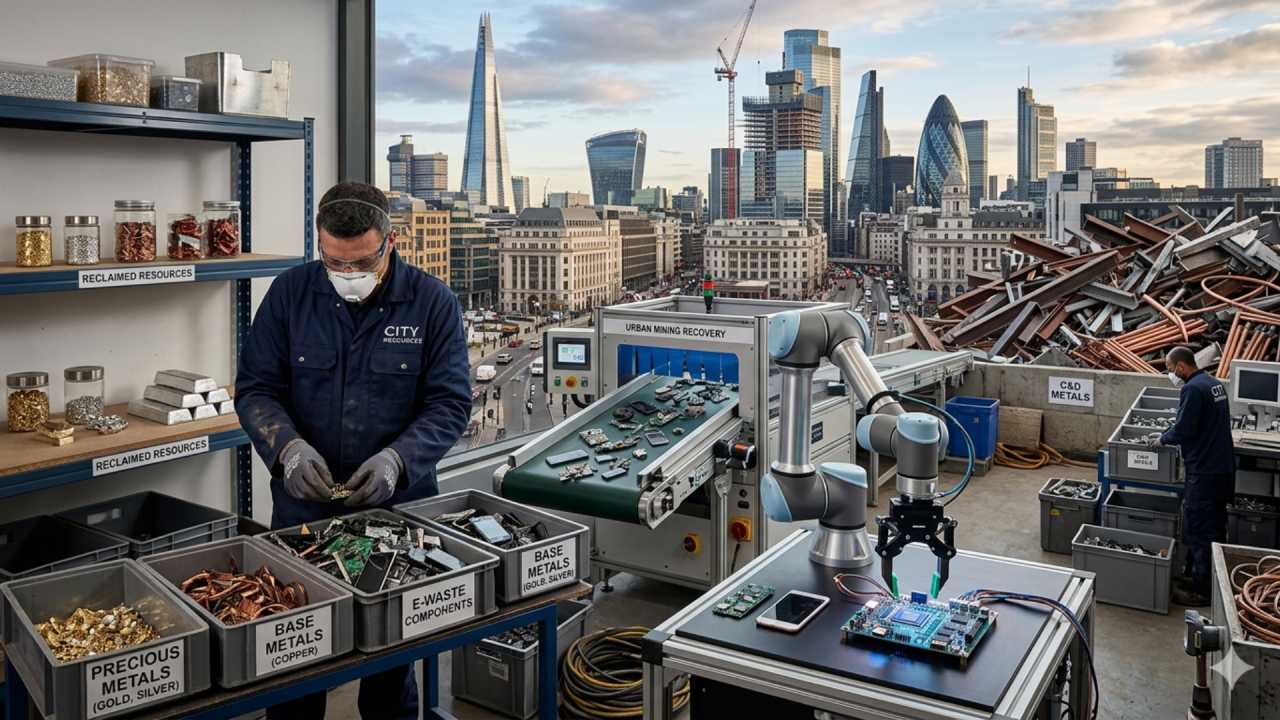
Electronic Scrap: Contains high amounts of copper, plastics, and trace amounts of rare earth elements. This requires incineration or mechanical separation before chemical refining.
-
Mining Dore Bars: These are semi-pure bars from mine sites, often containing significant silver and lead.
Pre-processing Requirements
Before material enters the refining machine, it must be prepared. Sorting ensures that materials with wildly different melting points or chemical reactivities are not mixed. Cleaning removes oils, waxes, and dirt that can cause foaming or unexpected reactions in chemical tanks. In some cases, atomization (turning molten metal into fine powder) is used to increase the surface area for faster chemical dissolution.
Installation and Setup Requirements
The physical environment where a gold refining machine is installed is just as important as the machine itself. Refining is an industrial process that involves corrosive substances and high energy.
Ventilation and Exhaust
This is perhaps the most critical infrastructure requirement. Gold refining produces nitrogen oxides ($NO_x$) and chlorine gas, both of which are highly toxic and corrosive. A dedicated fume scrubbing system is mandatory. This system pulls gases through a neutralizing solution (usually caustic soda) to ensure that the air vented outside is safe and compliant with environmental laws.
Utilities
-
Power Supply: Induction furnaces and electrolytic cells have high power demands. A stable, high-amperage power supply is required, often with a backup generator to prevent the gold solution from cooling or the process from stalling during a blackout.
-
Water Supply: Large amounts of deionized or distilled water are needed for chemical solutions and rinsing. Furthermore, a reliable cooling water loop is often necessary for induction coils and condensers.
Operational Best Practices
Consistency is the hallmark of a professional refining operation. Operating a refining machine requires a disciplined adherence to protocol.
Monitoring Parameters
The operator must vigilantly monitor the chemical balance. In aqua regia refining, adding too much nitric acid makes the subsequent precipitation of gold difficult, while too little will leave gold undissolved in the filters. Temperature control is equally vital; reactions that are too hot can lead to “boil-overs,” where hazardous chemicals spill out of the reactor, while cold reactions are sluggish and inefficient.
Minimizing Gold Loss
Gold loss usually occurs in the “drag-out” (liquid clinging to filters) or through improper precipitation. Best practices include multiple rinsing stages using hot deionized water and the use of “barren solution” testing—using chemical indicators like stannous chloride to ensure that no gold remains in the liquid waste before it is discarded.
Safety Measures and Risk Management
The refining environment is inherently hazardous. Acids can cause severe burns, and fumes can cause permanent respiratory damage.
Personal Protective Equipment (PPE)
Operators must wear acid-resistant aprons, face shields, and heavy-duty nitrile gloves. In environments where fumes might escape, respirators with acid-gas cartridges are mandatory. It is a common mistake to become complacent with PPE during routine tasks; most accidents happen during “simple” transfers of chemicals.
Risk Mitigation
Every facility must have an emergency protocol. This includes eye-wash stations and safety showers located within a few steps of the refining machine. Spill kits containing neutralizing agents (like sodium bicarbonate) must be readily accessible. Furthermore, since refining often involves hydrogen gas (in some processes) or flammable solvents, fire suppression systems must be rated for chemical fires.
Environmental and Regulatory Compliance
In the modern world, a refinery is as much a waste-management facility as it is a metal-processing one. Regulatory bodies strictly monitor the discharge of heavy metals and acidic waste.
Waste Treatment
Wastewater from gold refining contains traces of copper, nickel, zinc, and sometimes lead or mercury. Before this water enters the municipal sewer, it must be treated. This usually involves pH neutralization and the precipitation of heavy metals into a “sludge” that can be safely disposed of as hazardous waste.
Sustainability
There is a growing trend toward “green refining.” This involves using less toxic chemicals, recycling acids where possible, and employing closed-loop water systems. Sustainable practices are not just good for the planet; they often reduce the cost of purchasing raw chemicals and paying for waste disposal.
Maintenance and Troubleshooting
A gold refining machine is a significant investment that requires proactive care to prevent downtime and equipment failure.
Routine Maintenance
Corrosion is the primary enemy. Even with high-grade plastics (like polypropylene) and glass components, the acidic environment is punishing. Daily inspections should check for leaks in pipes, cracks in reaction vessels, and the integrity of seals. The fume scrubber should be checked to ensure the neutralizing solution is at the correct concentration.
Common Issues
-
Clogging: Filters can become blocked with silver chloride or base metal salts. Regular cleaning and the use of the correct filter micron size are essential.
-
Inconsistent Purity: This is often caused by “cross-contamination.” If the machine is not thoroughly cleaned between batches of different grades of scrap, the final purity will suffer.
-
Sensor Failure: pH and temperature probes are sensitive. They must be calibrated weekly to ensure the control panel is receiving accurate data.
Cost Considerations and ROI
Understanding the economics of gold refining is essential for any business. The initial purchase price of the machine is only the beginning of the expenditure.
Operational Costs
The largest ongoing expenses are reagents (acids and precipitants) and energy. Induction melting and electrolytic processes are energy-intensive. Labor is another significant factor; while machines are automated, they still require skilled technicians to oversee the process and perform quality control.
Calculating ROI
To determine the return on investment, one must weigh the cost of refining in-house against the fees charged by third-party refineries. In-house refining offers faster turnaround times, which improves cash flow, and eliminates the risk of “discrepancies” in third-party assays. For most high-volume businesses, a refining machine pays for itself within one to three years through saved fees and recovered metal.
Technological Advancements in Gold Refining
The industry is currently experiencing a shift toward “smart” refining. Automation is no longer just about timers; it involves sophisticated sensors and data logging.
AI and Optimization
Newer machines use machine learning algorithms to analyze the composition of the input material and automatically calculate the exact amount of chemicals required. This reduces chemical waste and ensures a more consistent reaction. Remote monitoring allows managers to track the progress of a batch from a smartphone, ensuring that any deviations in temperature or pressure are caught instantly.
Eco-friendly Tech
Research into non-cyanide and non-acid based leaching is ongoing. Some modern machines are beginning to incorporate bio-leaching or organic solvent extraction, which significantly reduces the toxic footprint of the refining process.
Common Mistakes to Avoid
Even experienced refiners can fall into traps that compromise safety or profit.
-
Overloading the Machine: Trying to process more gold than the reactor is rated for can lead to incomplete reactions and dangerous “boil-overs.”
-
Ignoring the Silver: In scrap jewelry, silver can form a crust of silver chloride around the gold, preventing the acid from reaching the core. Failing to “inquart” (dilute) the gold with copper or silver before refining is a common rookie mistake.
-
Poor Record Keeping: If you don’t track the weight of the input versus the output, you will never know your true recovery rate. Significant “unaccounted for” losses are often the first sign of either technical failure or internal theft.
Case Studies and Practical Examples
Small-Scale Success
A mid-sized jewelry manufacturer installed a compact 5-kg aqua regia refining system. Previously, they sent their bench sweeps and scrap to an external refiner, waiting three weeks for payment and losing 5% in fees and “unavoidable” losses. By refining in-house, they reduced their turnaround time to 24 hours and increased their gold recovery by 2%, significantly boosting their annual margins.
Industrial Failure
An industrial scrap processor attempted to scale up without upgrading their ventilation system. The resulting buildup of corrosive fumes destroyed the electronics in their control panels within six months, leading to a total system failure and a costly two-month shutdown for repairs. This highlights that infrastructure is just as important as the refining machine itself.
Final Thoughts
Operating a gold refining machine is a complex but rewarding endeavor. It represents the intersection of ancient alchemy and modern industrial science. To be successful, an operator must balance the drive for purity and profit with a steadfast commitment to safety and environmental responsibility.
The future of gold refining lies in increased automation and “greener” chemistry. As regulations tighten and the value of gold continues to make it a premier asset, the role of efficient, high-tech refining machines will only grow. By understanding the chemical processes, maintaining the equipment diligently, and respecting the hazards involved, operators can ensure that their refining activities remain both profitable and sustainable for years to come. The goal is clear: to take the raw and the tarnished and, through the precision of modern machinery, reveal the true, 24-karat brilliance of gold.
Frequently Asked Questions
What is the best gold refining machine for a small jewelry business?
For small jewelry workshops, a compact aqua regia gold refining machine with a capacity of 1 kg to 5 kg is typically the best choice. These systems are designed to handle high-karat scrap and bench sweeps efficiently. Look for units that include an integrated fume scrubber, as small shops often have limited industrial ventilation.
How do I achieve 999.9 gold purity using a refining machine?
To reach “four nines” (999.9) purity, most refiners use a two-step process. First, the gold is processed in an aqua regia plant to reach 99.5% or 99.9% purity. Then, it undergoes electrolytic refining (the Wohlwill process), which uses an electrochemical cell to remove the final trace impurities that chemical precipitation might miss.
What are the environmental regulations for gold refining wastewater?
Environmental regulations vary by region, but most jurisdictions require that wastewater be treated for pH neutralization and heavy metal removal. You must ensure that levels of copper, nickel, and lead in your discharge meet local standards. Using an effluent treatment plant (ETP) alongside your refining machine is the standard way to ensure compliance and avoid heavy fines.
How can I reduce gold loss during the chemical refining process?
Minimizing gold loss involves rigorous filtration and “barren solution” testing. Always use a high-quality vacuum filter and rinse the silver chloride cakes thoroughly with hot deionized water. Before discarding any waste liquid, test it with stannous chloride; if the solution turns purple, gold is still present and needs to be re-precipitated.
Is it cheaper to refine gold in-house or use a professional refinery?
In-house refining is generally more cost-effective for businesses processing more than 500 grams of gold per month. While there is an initial investment in a gold recovery machine, you save on refining fees, assay charges, and the “hidden costs” of transit and insurance. Additionally, in-house processing provides immediate cash flow by reducing the turnaround time from scrap to pure bullion.
What safety equipment is mandatory for gold refinery operators?
Safety is paramount when handling concentrated acids and toxic fumes. Operators must wear acid-resistant PPE, including nitrile gloves, face shields, and chemical aprons. A dedicated fume hood and a wet scrubber system are non-negotiable for managing nitrogen oxide gases. Emergency eye-wash stations and safety showers should always be installed within the immediate work area.
Can a gold refining machine also recover silver and platinum?
Yes, most high-end refining systems can be adapted to recover silver and platinum group metals (PGMs). In an aqua regia system, silver is captured as silver chloride during the initial filtration stage. Platinum and palladium can be recovered from the remaining liquid after the gold has been precipitated by using specific chemical reagents like ammonium chloride.
What is the difference between aqua regia and electrolytic gold refining?
The primary difference lies in the method of separation. Aqua regia refining is a chemical process that dissolves gold in acid and then precipitates it. It is fast and versatile. Electrolytic refining uses electricity to move gold from an impure anode to a pure cathode. It is slower and requires more “gold in process” but results in the highest possible purity levels.