Uncertain About Precious Metal Purity? Refining Services Reveal True Value
The allure of precious metals—gold, silver, platinum, and palladium—has remained constant throughout human history. They are symbols of wealth, essential components in industrial technology, and safe havens for investors. However, there is a recurring shadow that haunts the world of precious metals: the shadow of uncertainty. Whether you are an individual who has inherited a collection of vintage jewelry, a hobbyist who enjoys prospecting, or a business owner dealing with industrial scrap, the question “Is this real, and how pure is it?” is paramount.
Relying on assumptions in the world of high-value assets is a dangerous game. A slight miscalculation in the karat of a gold chain or the fineness of a silver bar can result in thousands of dollars in lost value. This is where professional refining services, such as those offered by karat24 projects, become an essential resource. Refining is the only way to move beyond the “educated guess” and arrive at the absolute truth of what your metal is worth.
The Problem of Uncertainty
Uncertainty regarding precious metal purity is more common than most people realize. It usually stems from a few specific scenarios. First, there is the issue of inherited assets. Many families possess “heirloom” jewelry or coins passed down through generations. Often, the original documentation—receipts, certificates of authenticity, or appraisals—has been lost to time. What was once described as “solid gold” might actually be gold-filled or a high-quality plating.
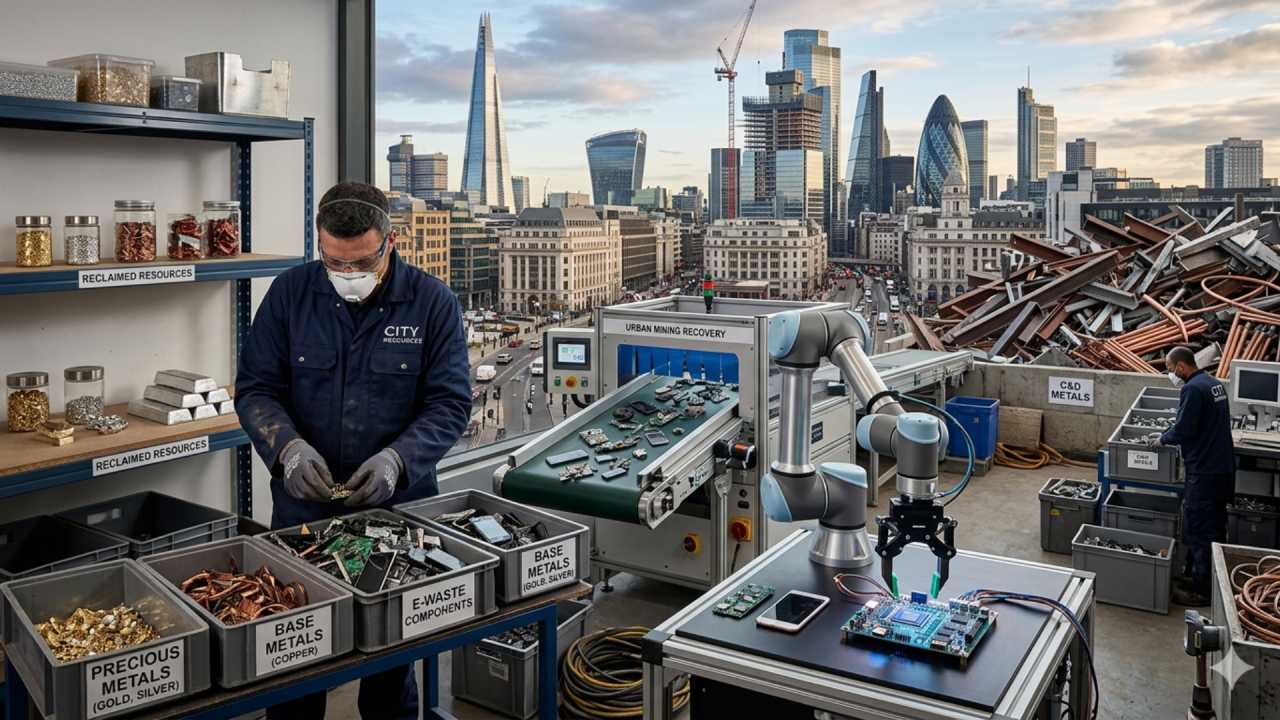
Second, the rise of scrap metal and industrial byproducts has created a market full of mystery. Jewelers often have benches full of “filings” and “sweeps,” while electronics recyclers handle circuit boards containing trace amounts of gold and silver. Without a professional process to separate the valuable metal from the waste, these materials are often undervalued or discarded.
Finally, the global marketplace is unfortunately rife with misrepresented metals. Even items with official-looking hallmarks can be counterfeit. If you purchased gold from an unverified source or found it in a non-traditional setting, the risk of “impure” metal is high. Relying on visual cues or the word of a seller is never a substitute for a scientific breakdown of the metal’s elemental composition.
What Purity Really Means
To understand why uncertainty is so prevalent, one must first understand the technical definitions of purity. Precious metals are rarely used in their 100% pure state because they are often too soft for practical use. Instead, they are alloyed with other metals like copper, nickel, zinc, or silver to increase durability.
Gold and Karats
Gold purity is measured in karats (K), based on a scale of 24.
-
24K Gold: This is pure gold (99.9% or higher). It is vibrant and heavy but very soft.
-
18K Gold: This consists of 18 parts gold and 6 parts other metals (75% gold).
-
14K Gold: This is 14 parts gold and 10 parts other metals (roughly 58.3% gold). This is the standard for most jewelry in many parts of the world.
Silver and Fineness
Silver is measured by fineness, which represents parts per thousand.
-
Fine Silver (.999): Used primarily in bullion bars and coins.
-
Sterling Silver (.925): The standard for high-end jewelry and cutlery, containing 92.5% silver and 7.5% other metals (usually copper).
The Deception of the Eye
A common misconception is that “heavier means purer” or that a certain “deep yellow” color guarantees high karat gold. In reality, modern metallurgy allows manufacturers to create alloys that mimic the weight and color of pure gold using tungsten or lead cores. Visual inspection is, at best, a preliminary step; at worst, it is a recipe for financial loss.
Why Purity Is Often Uncertain
Several factors can make it difficult to determine the purity of a metal without professional intervention.
Wear and Tear: Over decades, the surface of a piece of jewelry can be worn down. If a piece was heavily gold-plated (vermeil), the plating may have thinned, or conversely, environmental contaminants may have bonded to the surface, altering the results of basic surface tests.
Mixed Alloys: In the manufacturing of jewelry or industrial parts, different alloys are often soldered together. A ring might have a 14K band but a 10K setting for the stone. When these items are melted down as scrap, the resulting “puddle” has a completely different purity than the individual parts suggested.
Counterfeits and “Under-karating”: Some manufacturers intentionally produce jewelry that is marked as 14K but is actually 12K or 13K to save on costs. While this seems like a small difference, across a large lot of metal, it represents a significant discrepancy in value.
Industrial Contaminants: In the case of dental gold or electronic scrap, the precious metals are often bonded with non-metallic materials (ceramics, plastics, or resins). These contaminants make it impossible to determine the true weight of the precious metal through simple weighing.
Traditional Testing Methods and Their Limits
Most people are familiar with “countertop” testing methods, but these are often insufficient for high-value transactions.
Acid Testing
This is the most common method used by pawn shops. A small amount of metal is rubbed onto a touchstone, and acid is applied. If the metal dissolves, it is below a certain karat.
-
The Limit: It only tests the surface. If a bar is gold-plated tungsten, the acid test will suggest it is pure gold because it only reacts with the outer layer. It is also subjective, relying on the tester’s ability to judge color changes.
Magnet Tests
Precious metals are non-magnetic.
-
The Limit: While this can catch cheap iron-based fakes, it cannot detect sophisticated fakes made with lead, copper, or tungsten, which are also non-magnetic.
Electronic Testers
These handheld devices measure electrical conductivity.
-
The Limit: They are prone to false positives if the metal is dirty or if the alloy mix is unusual. They also struggle with “thick” plating.
X-ray Fluorescence (XRF)
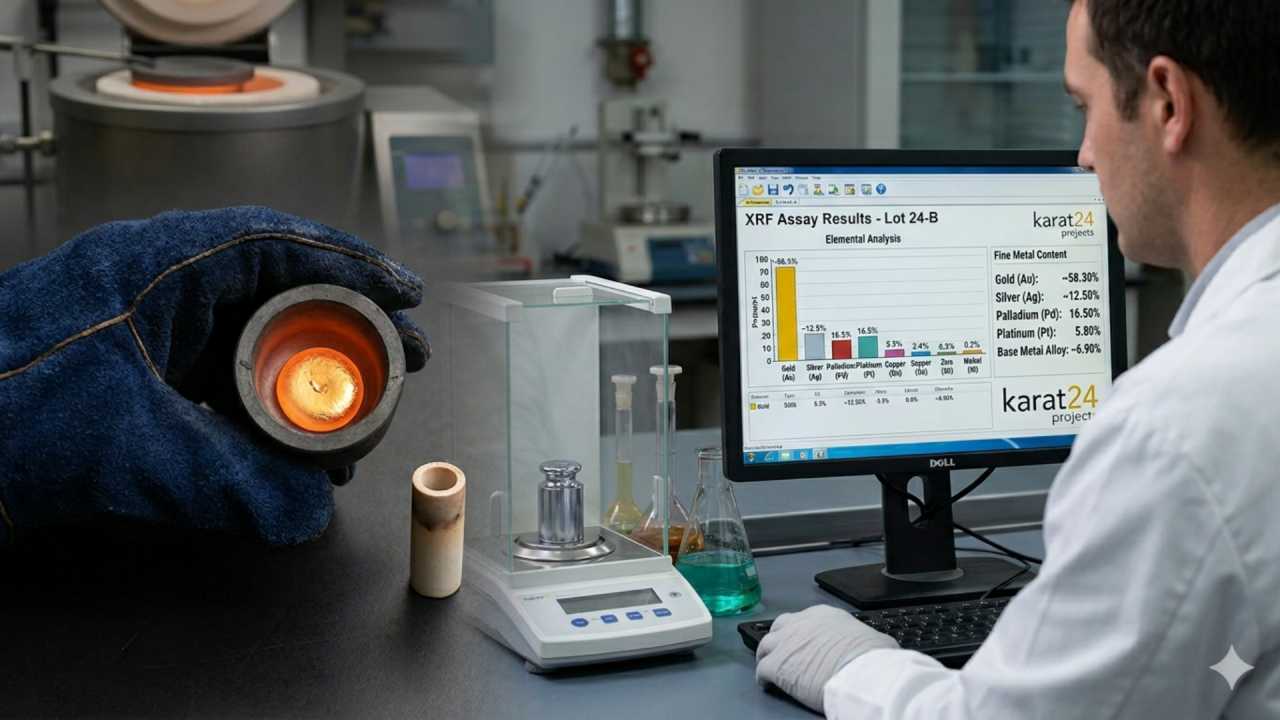
XRF scanners provide a non-destructive elemental breakdown of a metal’s surface.
-
The Limit: While highly accurate for what they see, they generally only penetrate the top few microns of the metal. If an item is “thick-plated,” the XRF may give a false reading of the interior composition.
What Is Precious Metal Refining?
Refining is the ultimate solution to the problem of uncertainty. While “testing” attempts to look at the metal, “refining” looks into it by breaking it down to its core components.
At its simplest, precious metal refining is the process of taking impure material and subjecting it to thermal and chemical treatments to remove all base metals and impurities. The goal is to return the metal to a state of 99.9% purity (often referred to as “three nines fine”) or even 99.99% (“four nines fine”).
When you work with a service like karat24 projects, you aren’t just getting an estimate; you are initiating a scientific process that yields a definitive, measurable result. Refining eliminates the “gray area” of alloys and provides a clear report on exactly how much gold, silver, or platinum was contained within the bulk material.
How Refining Provides Definitive Answers
The primary advantage of refining over simple testing is the concept of recoverable value.
When a testing lab tells you a ring is 14K, they are giving you a percentage. However, when a refiner processes that ring, they melt it into a homogenous liquid, take a sample of that liquid (an assay), and then chemically extract the gold. This process reveals the actual amount of gold that can be put back into the market.
Refining removes the guesswork associated with:
-
Solder and Pins: Jewelry often contains springs, pins, and solder made of base metals. Refining accounts for these “invisible” weight losses.
-
Stones and Enamel: If a piece has small stones or enamel work that is difficult to remove, refining can separate these elements during the melting or chemical stages.
-
Comprehensive Breakdown: Professional refining services provide a “settlement report.” This document lists the starting weight, the weight after melting (to account for moisture or organics), and the final assay results for all precious metals found—including “trace” metals like palladium that a standard jeweler might overlook.
Types of Materials That Can Be Refined
Professional refining is not limited to just gold bars. A wide variety of materials can be processed to uncover hidden value:
-
Jewelry: Broken chains, single earrings, dental gold, and outdated pieces that are no longer fashionable.
-
Coins and Bullion: Damaged or “cull” coins that have lost their numismatic (collector) value but still contain high-quality metal.
-
Manufacturing Waste: Bench sweeps, polishing dust, and casting trees from jewelry manufacturing.
-
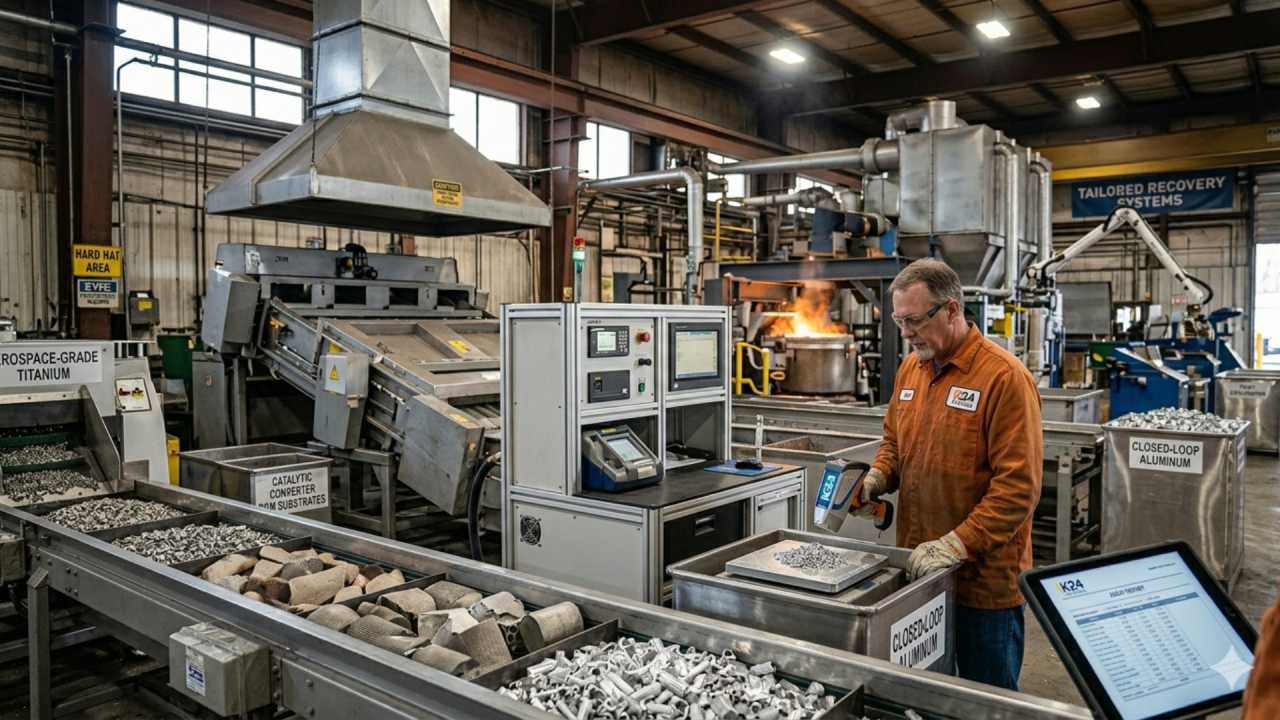
Industrial Scrap: Catalytic converters, thermocouples, and electronic components from high-end medical or aerospace equipment.
-
Photographic and X-Ray Film: These often contain silver that can be recovered through specialized refining.
Benefits of Professional Refining Services
Choosing to refine your metals rather than selling them as “scrap” to a middleman offers several distinct advantages:
1. Accurate Valuation: You are paid based on the actual market price of the pure metal recovered, minus a transparent refining fee. This is almost always more profitable than accepting a “flat rate” from a buyer who is guessing the purity.
2. Recovery of Multiple Metals: Often, gold jewelry contains significant amounts of silver or even platinum in the alloy. A standard buyer might only pay for the gold. A refiner like karat24 projects can identify and credit you for all precious metals found in the lot.
3. Transparency and Documentation: Professional refiners provide detailed reports. For businesses, this is crucial for tax compliance, inventory management, and auditing.
4. Environmental Compliance: Refining involves chemicals and high heat. Professional services ensure that all byproducts are handled according to environmental regulations, which is something a “backyard” melter cannot guarantee.
The Refining Process Step-by-Step
Understanding the journey your metal takes can provide peace of mind. Here is how a high-standard refining process typically works:
Step 1: Initial Assessment and Weighing
Upon arrival, the material is weighed on highly calibrated, certified scales. This “incoming weight” is recorded and shared with the client immediately to ensure transparency.
Step 2: Melting and Homogenization
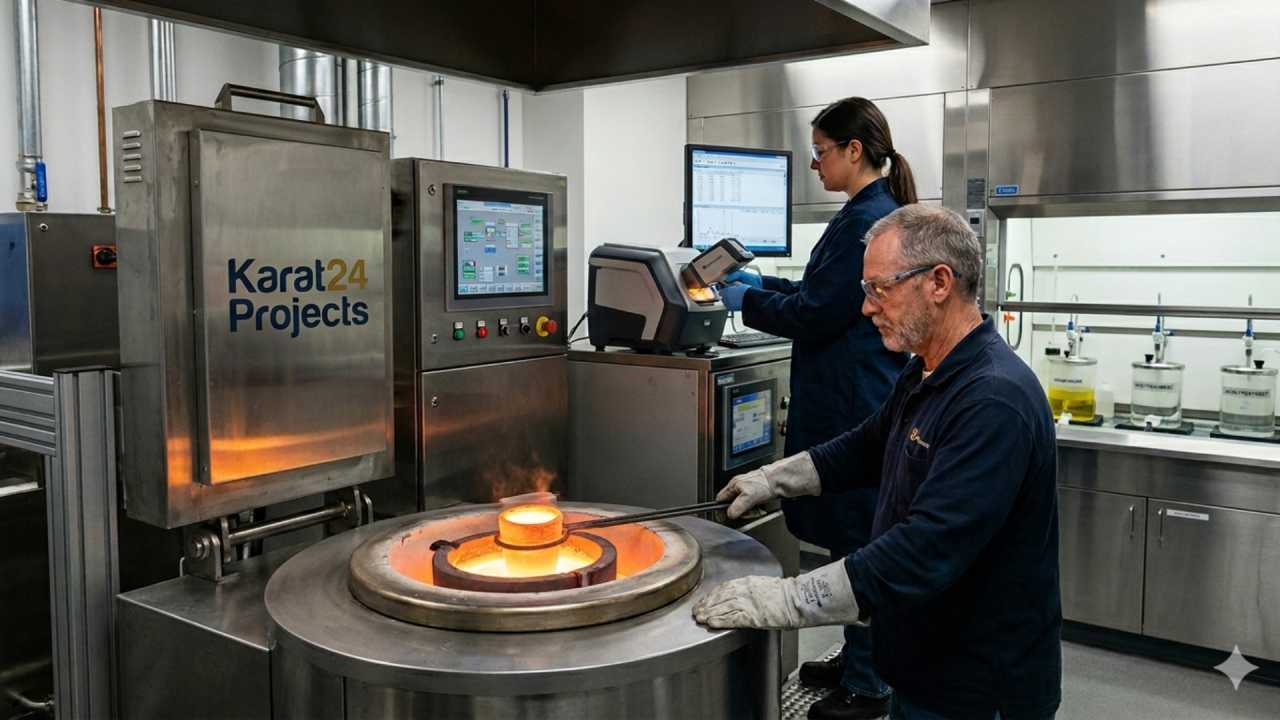
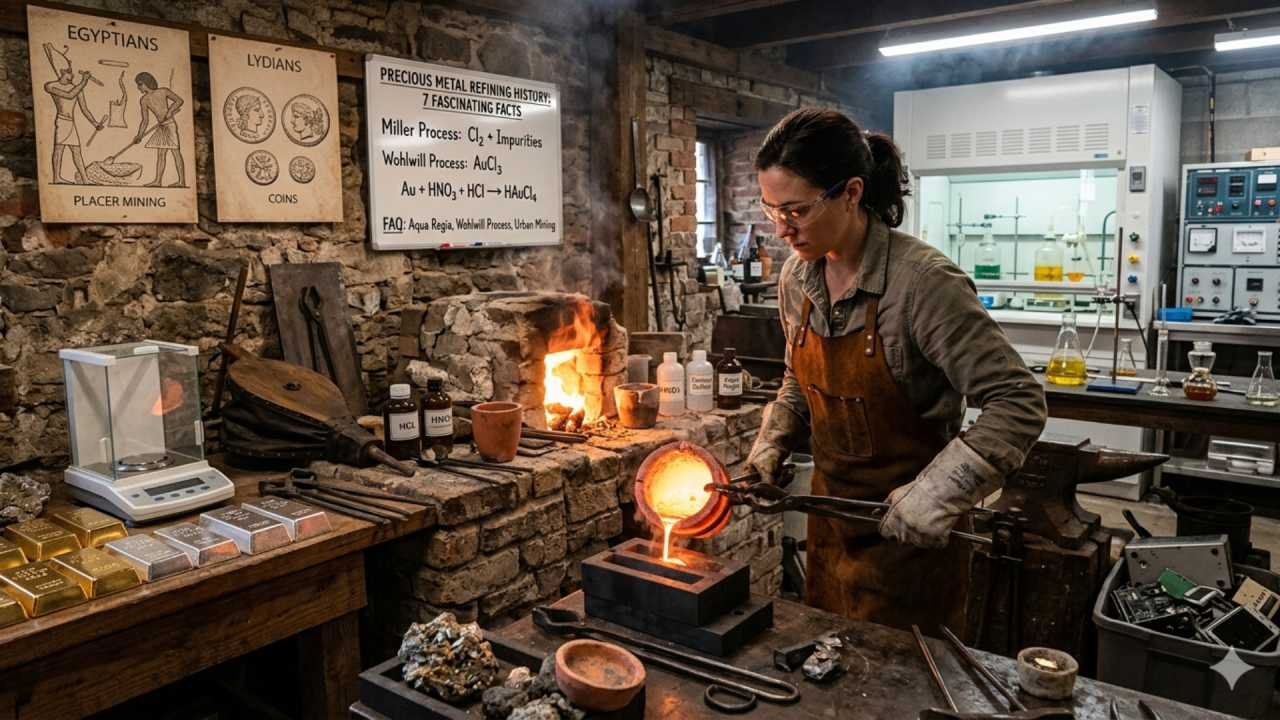
To get an accurate measurement, the metal must be uniform. The lot is placed in a crucible and melted in a high-frequency induction furnace. While liquid, the metal is stirred to ensure that all elements (gold, silver, copper, etc.) are evenly distributed.
Step 3: Sampling (Assaying)
While the metal is still molten, a small sample is taken. Alternatively, a small “pin tube” sample or a “vacuum sample” is drawn. This small piece represents the exact chemistry of the entire melt. This sample is then analyzed using Fire Assay (the gold standard of testing) or ICP (Inductively Coupled Plasma) spectrometry.
Step 4: Chemical Refining
Once the composition is known, the bulk metal undergoes chemical separation. For gold, this often involves the Aqua Regia process—a mixture of nitric and hydrochloric acids that dissolves the gold while leaving other impurities behind. For silver, electrolysis is frequently used to migrate pure silver ions to a cathode.
Step 5: Final Purity Verification
The resulting “sponge” or “grain” of pure metal is melted one last time and tested to confirm it has reached the desired purity (e.g., .999).
Step 6: Settlement
The client receives a final report showing the melt loss (the weight of non-metallic trash burned off), the assay percentages, and the final fine metal weight. Payment or “exchange” for pure bullion is then executed based on the current market price.
How to Choose a Reliable Refining Partner
Not all refiners are created equal. When your financial assets are on the line, you need a partner you can trust. Consider the following:
-
Transparency: Does the company allow you to see the weights and assay reports? Are their fees clearly stated upfront?
-
Compliance: Are they registered with the appropriate financial and environmental authorities?
-
Security: How is your material protected while in their possession? Do they have insured shipping and storage?
-
Turnaround Time: Refining is a complex process, but it shouldn’t take months. A reliable partner will give you a clear timeline for your settlement.
-
Reputation: Look for established names like karat24 projects that have a track record of serving both individual and industrial clients.
Common Concerns and Myths
“Will I lose material during refining?”
It is important to distinguish between “weight loss” and “value loss.” When scrap metal is melted, things like hair, dirt, plastic, and base metal oxides burn away. This reduces the total weight of the lot, but it does not reduce the amount of precious metal. A professional refiner captures every grain of the precious material.
“Is the process safe for the environment?”
Modern refining facilities use sophisticated “scrubbers” and filtration systems to neutralize fumes and safely dispose of chemical waste. Choosing a professional service is the most environmentally responsible way to recycle metal.
“Is refining only for large quantities?”
While some industrial refiners only take “bulk” loads, many services are now designed to accommodate smaller lots from individual investors or small jewelry shops. The certainty provided by a professional assay is worth it even for relatively small amounts of high-value metal.
When Should You Consider Refining?
Refining isn’t always the first step, but it should be the final step in several key situations:
Before Selling or Trading: If you are planning to liquidate a large amount of gold, don’t take the first offer from a “we buy gold” shop. Refining it first ensures you know exactly how much pure metal you have, giving you the upper hand in negotiations.
When Dealing with Mixed Lots: If you have a box of “mystery metal”—some marked, some not, some dental, some jewelry—refining is the only way to get a single, accurate valuation.
For Business Inventory: If you run a manufacturing or repair shop, your “scrap bucket” is an asset. Regular refining (quarterly or annually) keeps your books accurate and recovers capital that would otherwise be sitting in a drawer.
Missing Documentation: If you have inherited bars or coins that look “off” or lack certificates, a professional melt and assay provides the documentation you need for a future sale or for insurance purposes.
Case Scenarios: Real-World Examples
The Heirloom Discovery
A client approached karat24 projects with a collection of heavy “gold” statues inherited from a distant relative. Several local jewelers refused to buy them, fearing they were brass. After a professional melt and assay, it was discovered that while the statues were indeed mostly copper, they contained a significant “skin” of 22K gold that had been cast over them. The refining process recovered over $12,000 worth of gold that would have been lost if the statues had been sold as mere “antiques.”
The Industrial Recovery
A small electronics repair firm was throwing away old connectors and “gold-fingered” circuit boards. After partnering with a refining service, they began collecting their waste in dedicated bins. At the end of the year, the refining process recovered enough gold and palladium to cover the firm’s entire overhead for two months.
The Investor’s Peace of Mind
An investor purchased several 10-ounce gold bars from a private seller at a discount. Feeling uneasy about the “too good to be true” price, he sent them for refining. The assay revealed the bars were only 90% pure gold, alloyed with silver and copper to reach the correct weight. While the investor was disappointed the bars weren’t pure, the refining service allowed him to “purify” his holdings into certified .999 bars, finally giving him the security he thought he had purchased.
Conclusion: Turning Uncertainty into Confidence
In the world of precious metals, uncertainty is the enemy of profit. Whether you are dealing with a single piece of jewelry or pounds of industrial scrap, the question of purity will always dictate the value of your assets.
Professional refining services provide the bridge between doubt and certainty. By choosing to refine your materials, you are choosing a scientific, transparent, and highly accurate method of valuation. You move away from the limitations of surface tests and “gut feelings” and move toward a definitive breakdown of your wealth.
If you find yourself questioning the true value of the metals in your possession, remember that you don’t have to guess. Services like karat24 projects are designed to provide the clarity you need. By melting away the impurities, you reveal the true essence of your investment, turning uncertainty into the confidence that only pure, verified metal can provide. Don’t leave your wealth to chance—let the refining process provide the answers you deserve.
Frequently Asked Questions About Precious Metal Purity and Refining
To help you better understand the nuances of the industry and how to protect your investments, we have compiled answers to some of the most common questions regarding precious metal refining and purity testing.
What is the most accurate way to test gold purity at home?
While there are many “at-home” methods such as the float test, magnet test, or vinegar test, none of them are truly accurate for professional valuation. These methods can only detect the most obvious fakes. If you are looking for a definitive answer, the only way to verify purity without margin for error is through a professional melt and assay performed by a refining service like karat24 projects.
How much does it cost to refine scrap gold and silver?
The cost of refining is generally determined by two factors: a small processing fee (often based on the weight of the lot) and a percentage of the total metal recovered (the refining spread). For many, the “cost” is actually a gain, as professional refining typically yields a much higher return than selling to a middleman who offers a flat, undervalued rate for scrap.
Can you recover gold from electronic waste and computer scrap?
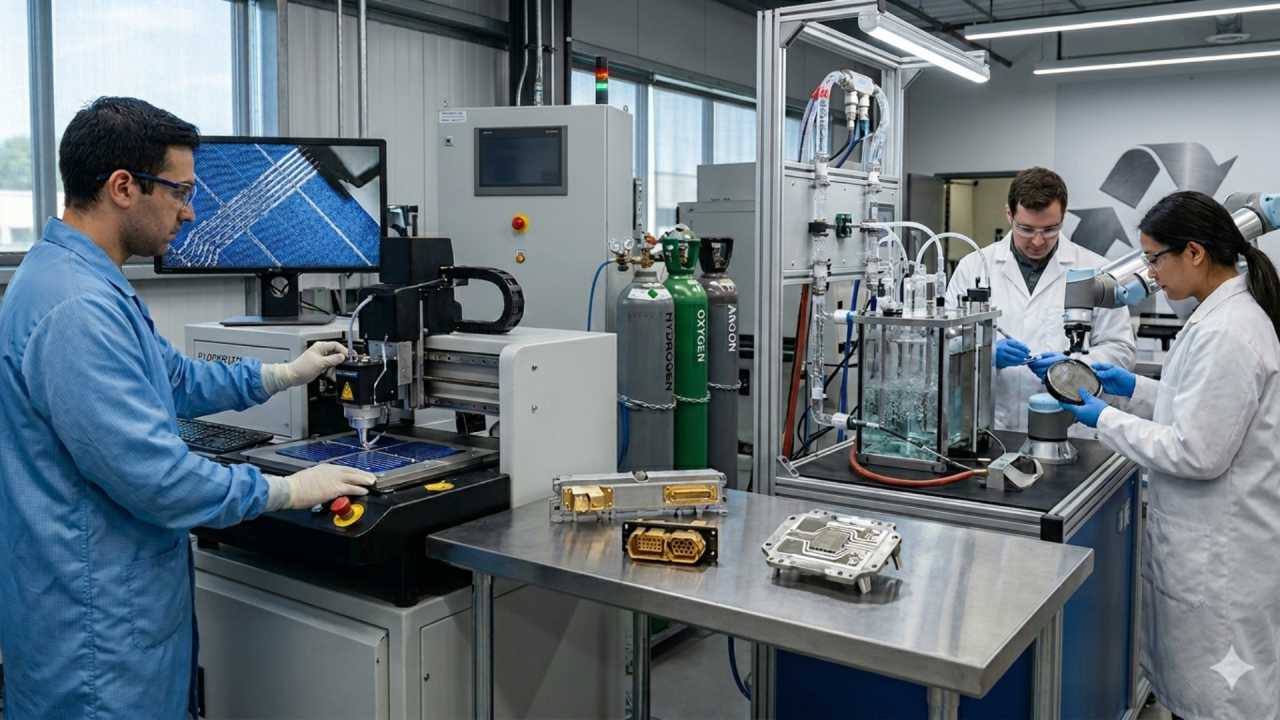
Yes, high-grade electronic scrap—such as CPU processors, RAM fingers, and gold-plated connectors—contains recoverable amounts of gold, silver, and palladium. However, because these metals are bonded to plastics and ceramics, they require specialized chemical refining to be extracted efficiently. Professional refiners use pyrometallurgical and hydrometallurgical processes to separate the precious metals from the “e-waste” contaminants.
What is the difference between an appraisal and a refining assay?
An appraisal is an educated estimate of a finished item’s value, often for insurance purposes, and includes the “markup” for craftsmanship and brand. An assay, conducted during the refining process, is a scientific measurement of the actual elemental metal content. If you want to know the “melt value” or the true commodity value of your metal, an assay is the only reliable document.
Is dental gold worth anything and how is it refined?
Dental gold—including crowns, bridges, and inlays—is highly valuable but often misunderstood. It is typically an alloy containing gold, silver, platinum, and palladium, ranging from 10K to 18K purity. Because it often contains porcelain or biological material, it must be melted and chemically refined to extract the precious metals. Refiners like karat24 projects specialize in processing dental scrap to ensure you receive credit for all the different precious metals found in the alloy.
How do I know if my gold bars are real without damaging them?
For investors who do not wish to melt their bullion, X-ray Fluorescence (XRF) and Ultrasonic testing are the preferred non-destructive methods. These tools can check for core consistency and surface purity. However, if there is a high degree of suspicion regarding a bar’s authenticity, refining is the only way to be 100% certain of the internal composition.
Why is the “melt weight” lower than the original weight of my scrap?
It is common for the weight of a scrap lot to decrease slightly after the initial melt. This is known as “melt loss.” This occurs because non-metallic elements—such as moisture, dirt, oils, stones, enamel, and base metal oxidation—are burned off or removed during the homogenization process. The precious metal content itself remains, but the “trash” weight is eliminated to provide an accurate assay.