Precious Metal Refining Explained: Processes to Maximize Value and Purity
Why Refining Matters
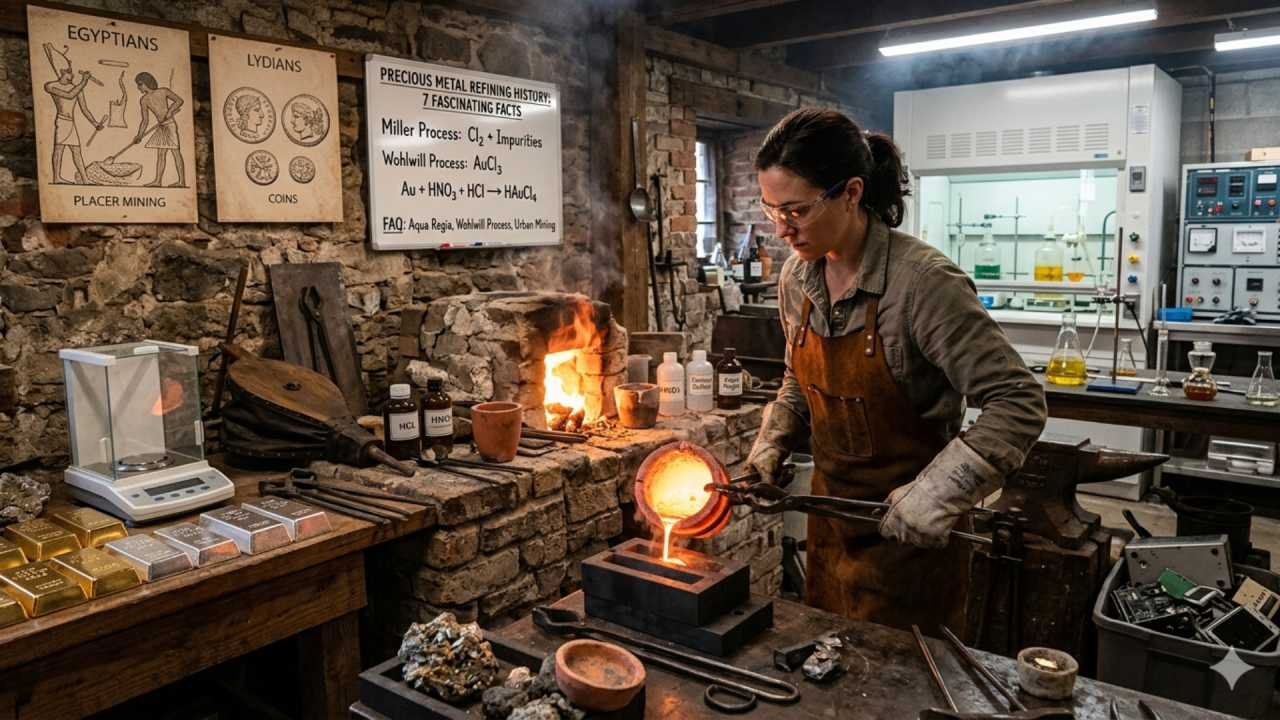
Refining precious metals is the sophisticated process of purifying impure metallic substances to achieve a specific standard of quality and purity. Unlike simple melting, which merely changes the shape of a metal, refining involves the chemical and physical separation of valuable elements from base metals, alloys, and non-metallic contaminants. In the world of commodities, “purity is profit.” A kilo of raw ore or a bucket of mixed electronic scrap has potential value, but that value is only unlocked when the gold, silver, or platinum within is isolated and certified.
The distinction between raw material, scrap, and refined metal is critical for any stakeholder in the supply chain. Raw materials typically refer to mined ores that require primary processing. Scrap encompasses a massive range of post-consumer and industrial waste, from broken jewelry to spent industrial catalysts. Refined metal, however, is the “end state”—material that has reached a recognized purity level (such as .999 or .9999 fineness) and is ready for use in investment bullion, high-end electronics, or medical devices.
Refining increases value through three primary levers: purity, market pricing, and usability. High-purity metals command “spot price” or better, whereas impure alloys are often traded at a steep discount due to the costs and risks associated with processing them. Furthermore, refined metals are essential for industries that cannot tolerate impurities. In electronics, even trace amounts of contamination can cause conductivity issues. In the investment world, refined bars are the only form of metal liquid enough to be traded on global exchanges.
Overview of Precious Metals
To understand the refining landscape, one must first identify the primary actors. While many metals are valuable, the “Big Five” dominate the refining industry due to their scarcity, chemical stability, and industrial utility.
Gold (Au)
Gold remains the most iconic precious metal. Its primary properties include extreme malleability, resistance to corrosion, and high electrical conductivity. It is sourced through traditional mining, but a significant portion of the annual supply now comes from recycled jewelry and electronic waste. Its value is driven primarily by its status as a financial hedge and its use in luxury goods.
Silver (Ag)
Silver is the most thermally and electrically conductive of all metals. While it is often found alongside gold or copper in mining, it is also heavily recovered from industrial applications like solar panels, photographic waste, and silver oxide batteries. Because silver has the highest industrial utility among precious metals, its value is closely tied to manufacturing cycles.
Platinum (Pt)
Platinum is dense, stable, and highly resistant to chemical attack. It is famously difficult to refine because of its high melting point. The primary sources are mines in South Africa and Russia, as well as recycled automotive catalytic converters. Its value is driven by the automotive industry and high-end jewelry.
Palladium (Pd)
Palladium has gained massive prominence in recent decades. It is a key component in catalytic converters for gasoline engines, where it helps convert toxic gases into less harmful emissions. Like platinum, it is often recovered from “spent” industrial catalysts and e-waste.
Rhodium (Rh)
Rhodium is the rarest and often the most expensive of the major precious metals. It is used primarily as a catalyst to reduce nitrogen oxide emissions in vehicles. Because it is produced in very small quantities, even minor disruptions in the refining supply chain can cause massive price spikes.
Sources of Precious Metal Feedstock
The refining process begins long before the furnace is lit; it starts with the collection of feedstock. The nature of the source material dictates the complexity of the refining workflow.
-
Mining Ore: This is the primary source. Depending on the grade, a ton of ore may contain only a few grams of precious metal. This requires massive-scale crushing and initial leaching before it ever reaches a high-grade refinery.
-
Industrial Scrap: This includes “off-cuts” from manufacturing, spent chemical catalysts, and plating solutions. This feedstock is often high-purity but may be mixed with complex hazardous chemicals.
-
Electronic Waste (E-Waste): Circuit boards, connectors, and CPUs contain gold, silver, and palladium. However, they are also encased in plastics and resins, making the initial separation a major technical challenge.
-
Jewelry Scrap and Bullion: This is the most straightforward feedstock. Old rings, watches, and coins are usually high-grade alloys that can be melted and refined with relatively high yields.
-
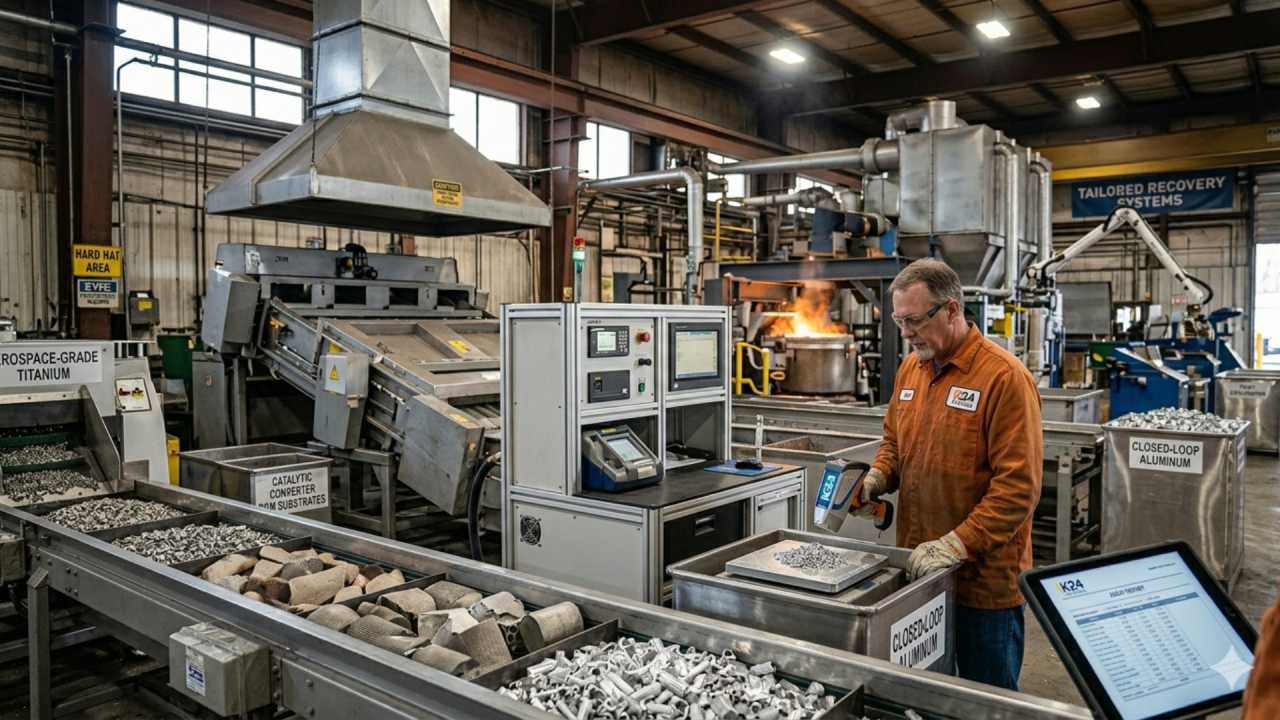
Automotive Catalysts: These contain the Platinum Group Metals (PGMs). The honeycomb ceramic structure must be crushed and “de-canned” before the metals can be extracted.
The quality of the source material directly impacts the “yield.” Refining low-grade e-waste is a game of volume and efficiency, whereas refining jewelry scrap focuses on precision and minimizing “melt loss.”
Core Refining Methods
Refining is not a “one size fits all” operation. Depending on the metal and the impurities present, refiners utilize three primary categories of processing.
Pyrometallurgical Processes
This method uses heat to separate metals based on their melting points and reactivity.
-
Smelting: The material is heated with a flux (a cleaning agent) to separate the metal from the “slag” or waste rock.
-
Roasting: Using high heat to oxidize impurities or remove volatile elements like sulfur or arsenic before further refining.
-
Melting and Separation: Different metals settle at different levels in a crucible based on density, allowing for a “rough” separation.
Hydrometallurgical Processes
This involves using liquid chemistry to dissolve and then recover metals.
-
Leaching: Acids or cyanide solutions are used to dissolve the precious metals into a liquid state.
-
Aqua Regia: A powerful mixture of nitric and hydrochloric acid capable of dissolving gold and platinum. It is the gold standard for high-purity gold refining.
-
Precipitation: Once the metal is in a liquid solution, other chemicals are added to turn the metal back into a solid powder (cementation), which can then be collected.
Electrochemical Refining
This is the most advanced form of refining, used to achieve “four nines” (.9999) purity.
-
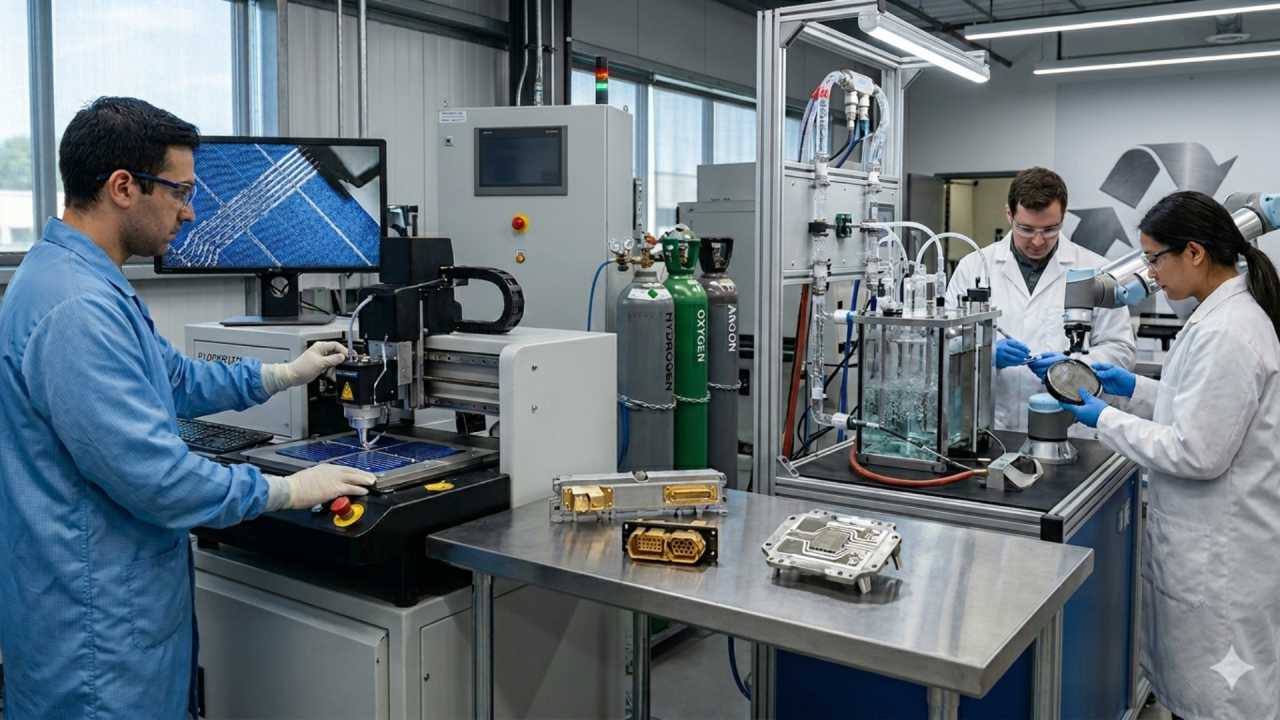
Electrolysis: An impure metal anode and a pure metal cathode are placed in an electrolyte solution. An electric current is passed through, causing the pure metal atoms to migrate from the anode to the cathode, leaving the impurities behind as “anode slime.”
Step-by-Step Refining Workflow
To maximize value, a refiner must follow a disciplined, multi-step sequence to ensure no metal is lost and no errors are made in valuation.
-
Collection and Sorting: Materials are categorized by their expected metal content. Mixing high-grade gold with low-grade silver scrap early on can complicate the chemistry later.
-
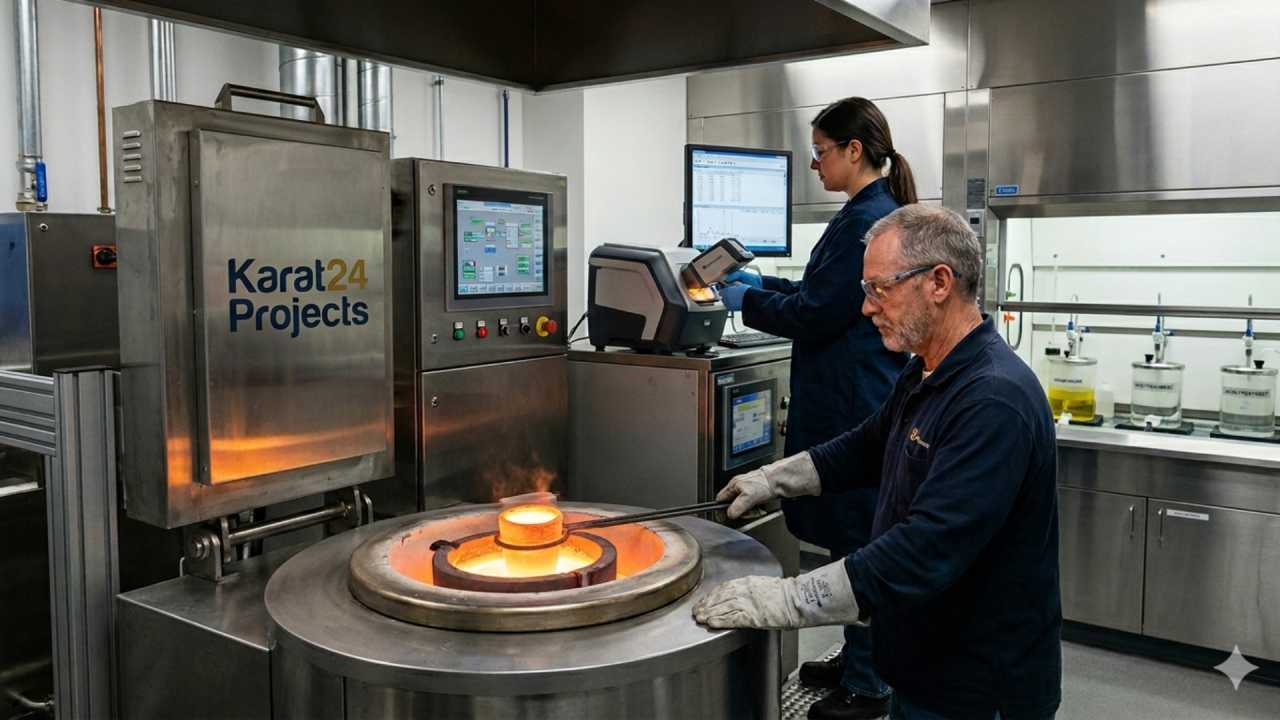
Sampling and Assaying: This is the most critical step for profitability. A small, representative sample is taken and analyzed via Fire Assay or X-Ray Fluorescence (XRF) to determine the exact metal content. This sets the financial baseline for the entire lot.
-
Pre-treatment: Materials are prepared for the main reaction. This might involve shredding circuit boards, incineration of organic waste, or crushing ceramic catalysts into a fine powder.
-
Primary Extraction: The bulk of the metal is separated from the non-metallic waste using heat or chemicals.
-
Separation of Metals: In a “multi-metal” stream (like e-waste), the silver must be separated from the gold, and the gold from the palladium. This is often done through selective precipitation.
-
Purification: The separated metals undergo secondary refining (usually electrolysis or repeated chemical leaching) to reach their final purity.
-
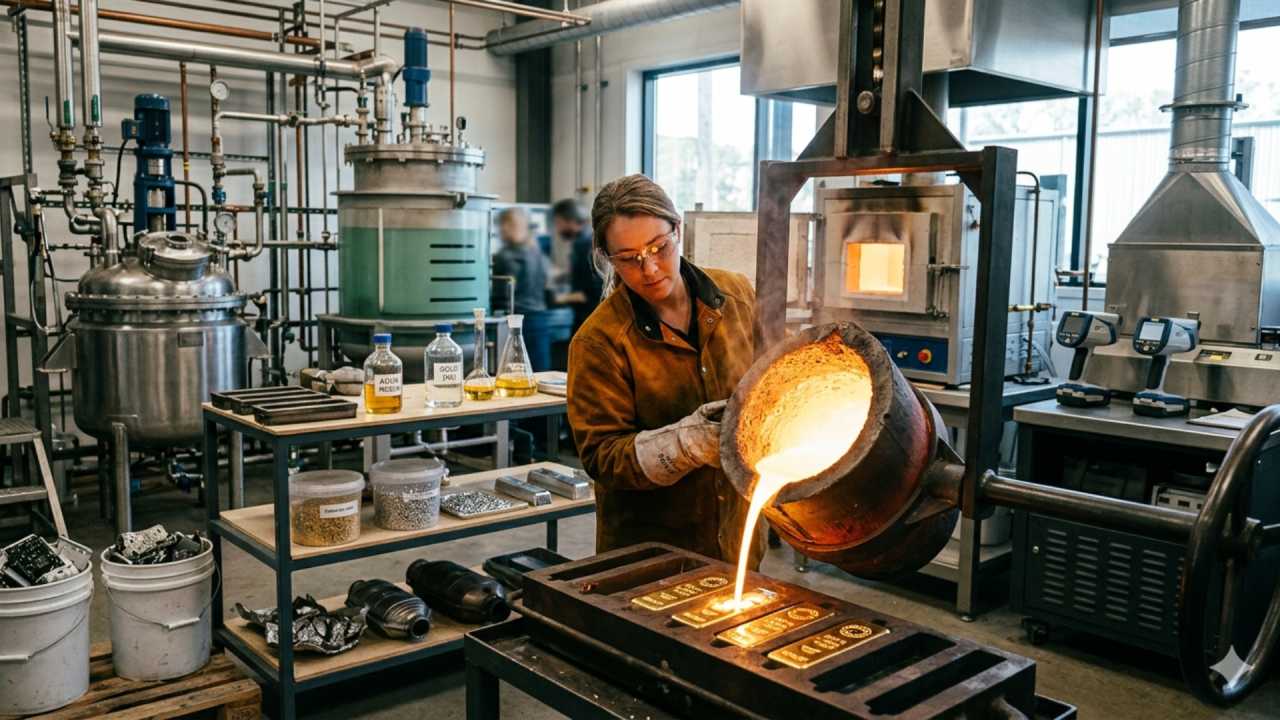
Final Product: The purified metal is melted into its final commercial form—typically bars, grains (shot), or fine powders for industrial use.
Maximizing Value During Refining
The difference between a profitable refining operation and a failing one often comes down to “recovery rates.” If a refiner receives 100 ounces of gold and only recovers 98, that 2% loss can represent the entire profit margin.
To maximize value, refiners focus on minimizing melt loss. This is achieved by using sophisticated dust-collection systems in the furnace area. Precious metal particles are so fine that they can literally float away in the exhaust; high-end refineries use “baghouses” and electrostatic precipitators to catch these microscopic particles.
Accurate assaying is another pillar of value. If the initial assay is incorrect, the refiner may overpay for the scrap or fail to notice when their process is under-performing. Using a combination of traditional Fire Assay (the “gold standard”) and modern ICP (Inductively Coupled Plasma) spectrometry ensures that even trace amounts of rhodium or iridium are accounted for.
Efficiency in mixed-metal streams is also vital. A refiner who can efficiently extract the copper, tin, and lead from e-waste alongside the gold can offset their operational costs by selling these “base metal” byproducts, effectively making the precious metal extraction more profitable.
Technology and Innovation in Refining
The industry is currently undergoing a digital and chemical revolution. Automation is replacing manual labor in sorting and sampling, reducing the risk of human error and increasing safety. AI-driven sorting machines can now use optical sensors and X-ray technology to identify and sort different types of scrap at speeds impossible for humans.
On the chemical side, “green” leaching agents are being developed. Traditional cyanide leaching is effective but environmentally hazardous. New research into ionic liquids and organic acids promises a future where gold can be extracted using biodegradable chemicals that are easier to manage and less regulated.
Environmental and Regulatory Considerations
Refining is inherently “dirty” if not managed correctly. The use of nitric acid, hydrochloric acid, and cyanide creates toxic fumes and hazardous wastewater. Furthermore, the smelting process can release lead, mercury, and cadmium into the atmosphere.
Modern refineries must invest heavily in scrubber systems to neutralize acidic gases and wastewater treatment plants to ensure that no heavy metals enter the local water supply. Regulatory compliance is not just a legal requirement; it is a market necessity. Many high-end buyers (like Apple or Rolex) will only source metal from “Conflict-Free” or “Green-Certified” refineries that can prove their environmental and ethical credentials.
Economic Factors and Market Dynamics
The refining industry lives and dies by the “spread”—the difference between the cost of the scrap and the value of the refined metal, minus operational costs.
-
Spot Markets: Precious metal prices fluctuate by the second. Refiners must use “hedging” strategies (buying and selling futures contracts) to ensure that a sudden drop in the price of gold doesn’t wipe out their profit while the metal is physically moving through the machines.
-
Refining Costs: Energy is a major cost. High-temperature furnaces and massive electrolytic tanks consume vast amounts of electricity. Refiners often locate their facilities in regions with stable, affordable energy.
-
Global Demand: As the world shifts toward green energy, the demand for silver (solar panels) and PGMs (hydrogen fuel cells) is expected to rise, shifting the focus of many refiners away from jewelry and toward industrial recycling.
Challenges in Precious Metal Refining
Despite the high value of the end product, refining is a difficult business. Complex material composition is a growing problem; modern electronics use increasingly complex alloys and “nanomaterials” that are harder to break down than the simpler scrap of thirty years ago.
High operational costs and market volatility create a high-risk environment. Furthermore, there is a significant technical skill requirement. A master refiner needs to be part chemist, part metallurgist, and part engineer. Finding and training personnel who can handle dangerous chemicals while maintaining microscopic accuracy is a constant challenge for the industry.
Case Studies: Real-World Refining
Refining Gold from E-Waste
In a typical e-waste facility, “fingers” (the gold-plated connectors on RAM sticks) are sheared off and placed in an aqua regia bath. The acid dissolves the gold and the copper. By adding urea to neutralize the nitric acid and then sodium metabisulfite, the gold “drops” out of the solution as a brown powder. This powder is then melted into a .999 gold bar.
Platinum from Catalytic Converters
Spent converters are crushed into a fine powder called “monolith.” Because the platinum concentration is so low (often less than 1%), it is usually collected by smelting the powder with a “collector metal” like copper or iron. The collector metal absorbs the platinum, and the two are later separated via electrochemical refining.
Jewelry Scrap
A jeweler sends in 500 grams of 14k gold scrap. The refiner melts it into a single “button” to ensure homogeneity, takes a sample for assay, and finds it is 58.3% gold. The material is then processed through a “Miller Process” (bubbling chlorine gas through the molten metal) or electrolysis to reach 99.9% purity.
Future of Precious Metal Refining
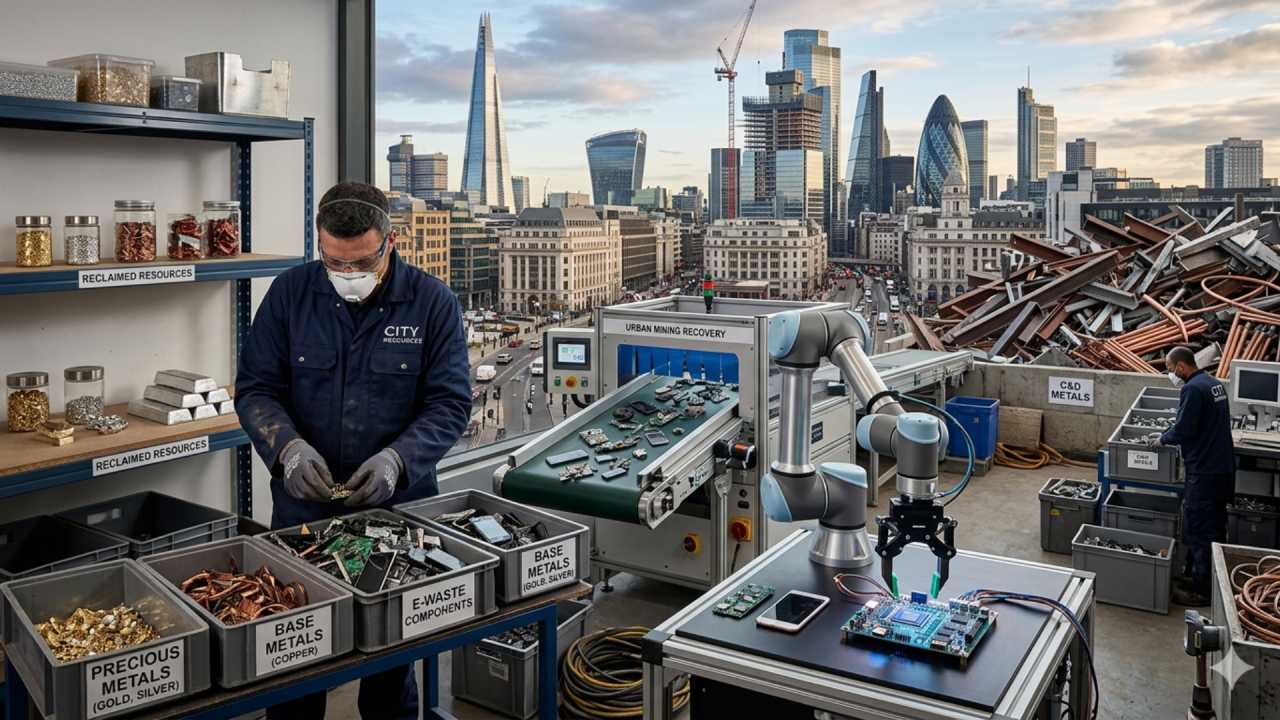
The future of refining is “Urban Mining.” As the costs and environmental impact of traditional mining increase, the world will turn toward its own waste streams. The “circular economy” is no longer just a buzzword; it is a business model.
We are seeing a shift toward decentralized refining. Instead of shipping tons of scrap across the globe to a few massive refineries, smaller, “modular” refining units are being developed. These units can be placed near the source of the waste, reducing transportation costs and carbon footprints.
Furthermore, the demand from the green energy sector will change the “prioirty list” of metals. While gold will always be king, the efficiency of silver and iridium recovery will become the new frontier for technical innovation.
Final Thoughts
Refining precious metals is a vital bridge between waste and wealth. It is a process that demands a perfect balance of ancient metallurgical wisdom and cutting-edge chemical engineering. By understanding the nuances of feedstock, the chemistry of separation, and the economics of the spot market, refiners can maximize the value of every gram of metal they process.
As the world moves toward a more sustainable future, the role of the refiner will only grow. The ability to take a discarded phone or a rusted car part and extract high-purity gold or platinum is not just a business—it is a cornerstone of the modern industrial economy. For those looking to maximize value in this space, the focus must remain on recovery efficiency, technological adoption, and unwavering commitment to purity standards.
Frequently Asked Questions
How can I determine the exact value of my precious metal scrap before refining?
To accurately estimate the value of your material, you must first identify the metal type and its purity. For jewelry, look for hallmarks like 14k or 18k. For industrial scrap or e-waste, valuation is more complex and typically requires a professional XRF (X-Ray Fluorescence) analysis or a fire assay. The market value is then calculated based on the current “spot price” of the metal, minus the refining fees and the expected melt loss during processing.
What is the most environmentally friendly method for gold and silver recovery?
The industry is shifting toward eco-friendly hydrometallurgical leaching. While traditional methods rely heavily on cyanide, newer sustainable practices use organic acids or thiosulfate-based solutions. Additionally, implementing closed-loop water treatment systems and advanced gas scrubbers allows refineries to minimize their environmental footprint while complying with strict local pollution control regulations.
Is e-waste recycling more profitable than traditional precious metal mining?
“Urban mining,” or recovering metals from electronic waste, often yields a higher concentration of precious metals per ton than raw ore from a mine. For example, a ton of circuit boards can contain up to 40 to 80 times more gold than a ton of gold ore. However, the profitability depends on the efficiency of the electronic waste separation technology and the ability to handle complex hazardous materials found in PCBs.
What is the difference between fire assay and chemical assay in metal testing?
A fire assay is a traditional thermal process where the metal is melted with fluxes to separate impurities, considered the global standard for accuracy in gold and silver valuation. A chemical assay, or ICP-OES analysis, uses liquid acid digestion and plasma spectroscopy to detect trace elements. Most high-value refining operations use both to ensure a comprehensive profile of the material being processed.
How can industrial manufacturers reduce precious metal loss in their production lines?
Manufacturers can maximize recovery by implementing “point-of-origin” collection. This involves using specialized filters, floor mats, and vacuum systems to catch metallic dust and filings before they leave the workspace. Regularly refining industrial “sweeps” and spent plating solutions ensures that secondary metal value is returned to the company’s bottom line rather than being discarded as waste.
Which precious metals are currently seeing the highest demand in green energy sectors?
Silver is in extremely high demand for the production of photovoltaic cells in solar panels due to its superior conductivity. Meanwhile, Platinum Group Metals (PGMs) like iridium and platinum are essential for hydrogen electrolyzers and fuel cells. As global industries move toward decarbonization, the recycling and refining of these specific metals from industrial catalysts will become increasingly critical.
What are the legal requirements for starting a precious metal refining business?
Operating a refinery requires several layers of compliance, including environmental permits for air emissions and hazardous waste disposal. In many regions, you must also obtain a pollution control license and adhere to “Know Your Customer” (KYC) and Anti-Money Laundering (AML) regulations to ensure that the metals being refined are from legitimate, conflict-free sources.
Can I refine platinum group metals (PGMs) using the same equipment as gold?
While some equipment like induction furnaces can be used for both, the chemical processes for PGM refining are significantly more complex. Platinum and palladium have much higher melting points and require specialized chemical stages, such as solvent extraction or complex salt precipitation, which are not typically used in standard gold aqua regia processes.