Precious Metal Refining: A Smart Strategy for Higher Business Profits
In the modern industrial landscape, the pursuit of profitability often focuses on traditional avenues: increasing sales, optimizing labor, or reducing overhead. However, a significant and often overlooked revenue stream lies hidden within the waste streams of various sectors. Precious metal refining—the process of extracting high-purity gold, silver, platinum, palladium, and rhodium from industrial byproducts—has emerged as a critical strategic lever for businesses looking to enhance their bottom line.
As global demand for these materials continues to surge, driven by advancements in technology, telecommunications, and green energy, the ability to recover and reuse these assets is no longer a niche capability for mining companies; it is a financial imperative for manufacturers, laboratories, and recyclers alike. Many businesses unknowingly lose substantial sums of money through inefficient waste management or by treating metal-bearing scrap as mere refuse. Whether it is the tiny filings on a jeweler’s bench, the spent catalysts from a chemical plant, or the discarded circuit boards of a data center, these materials contain intrinsic value that, when properly refined, can be converted directly into working capital.
Precious metal refining is a sophisticated recovery strategy that improves margins, secures cash flow, and bolsters operational efficiency. By treating waste as a strategic asset rather than a disposable byproduct, businesses can significantly improve their resilience and long-term profitability.
What Is Precious Metal Refining?
To understand the profitability potential, one must first distinguish between recycling, recovery, and refining. While recycling is the broad act of collecting and processing materials that would otherwise be discarded, and recovery is the extraction of valuable components from a waste stream, refining is the final, most technical stage. It involves the purification of the extracted metal to a high standard—often 99.9% or higher—making it suitable for industrial reuse or sale on global bullion markets.
Precious metal refining focuses primarily on five key elements: gold (Au), silver (Ag), platinum (Pt), palladium (Pd), and rhodium (Rh). These metals are prized not just for their aesthetic appeal or status as a store of value, but for their unique physical properties, including exceptional conductivity, corrosion resistance, and catalytic capabilities.
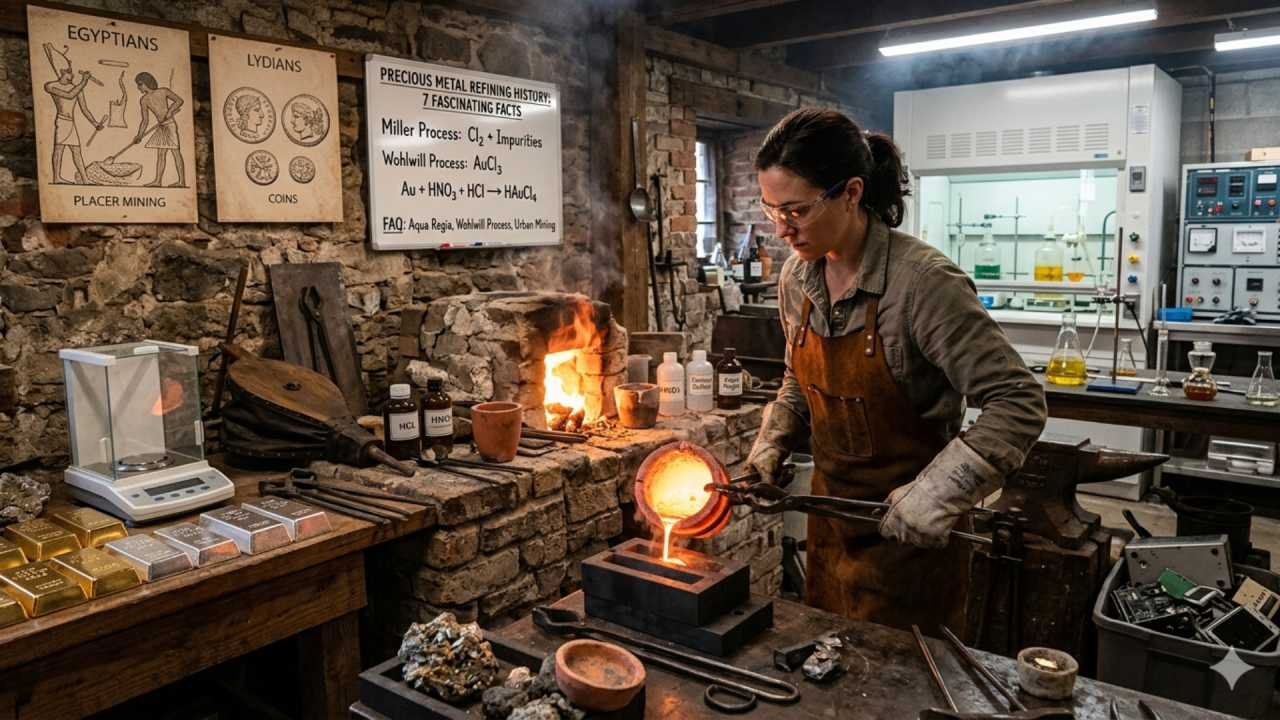
The Refining Process
The refining process typically involves several sophisticated stages designed to separate precious metals from base metals and contaminants:
-
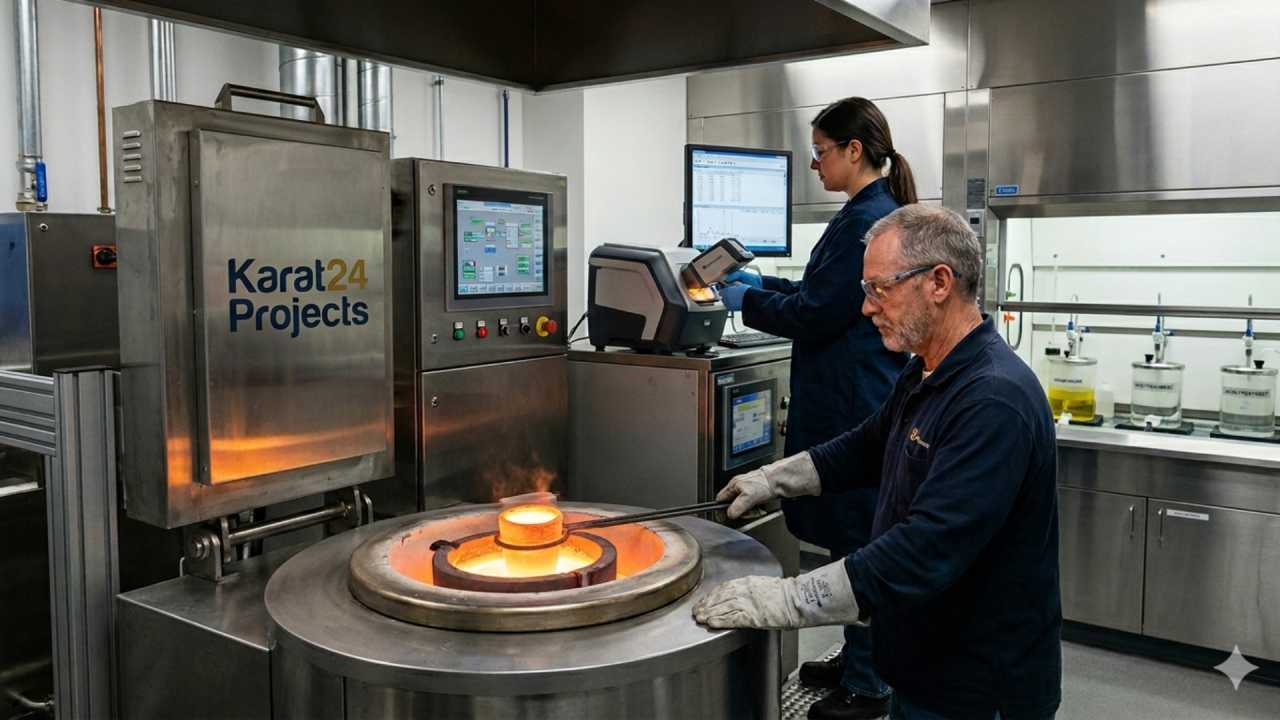
Pyrometallurgical Refining: This utilizes high-temperature furnaces to melt scrap and separate metals based on their melting points and densities. It is often the first step for bulk materials like electronic scrap or catalytic converters.
-
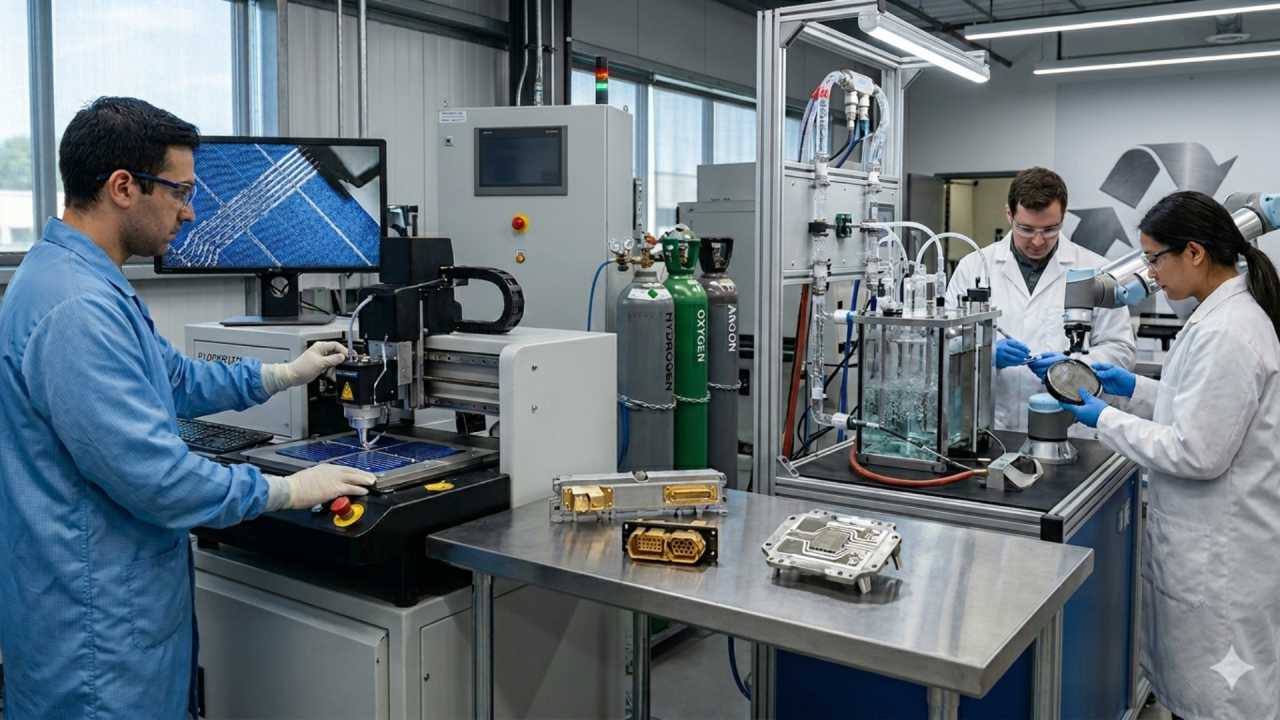
Hydrometallurgical Refining: This process uses chemical leaching—often employing acids or specialized solutions—to dissolve the metals into a liquid state, after which they are selectively precipitated out as pure solids.
-
Electrolytic Refining: Used for achieving the highest levels of purity, this method uses an electric current to transfer metal from an impure anode to a pure cathode through an electrolyte solution.
How Refining Converts Waste Into Revenue
The transition from “waste” to “revenue” happens when a business stops paying a disposal company to haul away scrap and instead starts receiving a settlement check for the metallic content of that scrap. In many cases, the value of the recovered metal far exceeds the cost of the refining process, creating a net positive impact on the balance sheet.
Industries That Benefit From Precious Metal Refining
The scope of precious metal usage in modern industry is vast. Any business that handles materials containing even trace amounts of precious metals can benefit from a professional refining partnership.
Jewelry Industry
The jewelry industry is the most obvious beneficiary. Beyond the scrap jewelry and unsold inventory, significant value is found in “bench sweeps,” polishing dust, floor mats, and even the filters in the sink drains where jewelers wash their hands. A comprehensive refining program ensures that every milligram of gold or platinum lost during the manufacturing process is reclaimed.
Electronics Industry
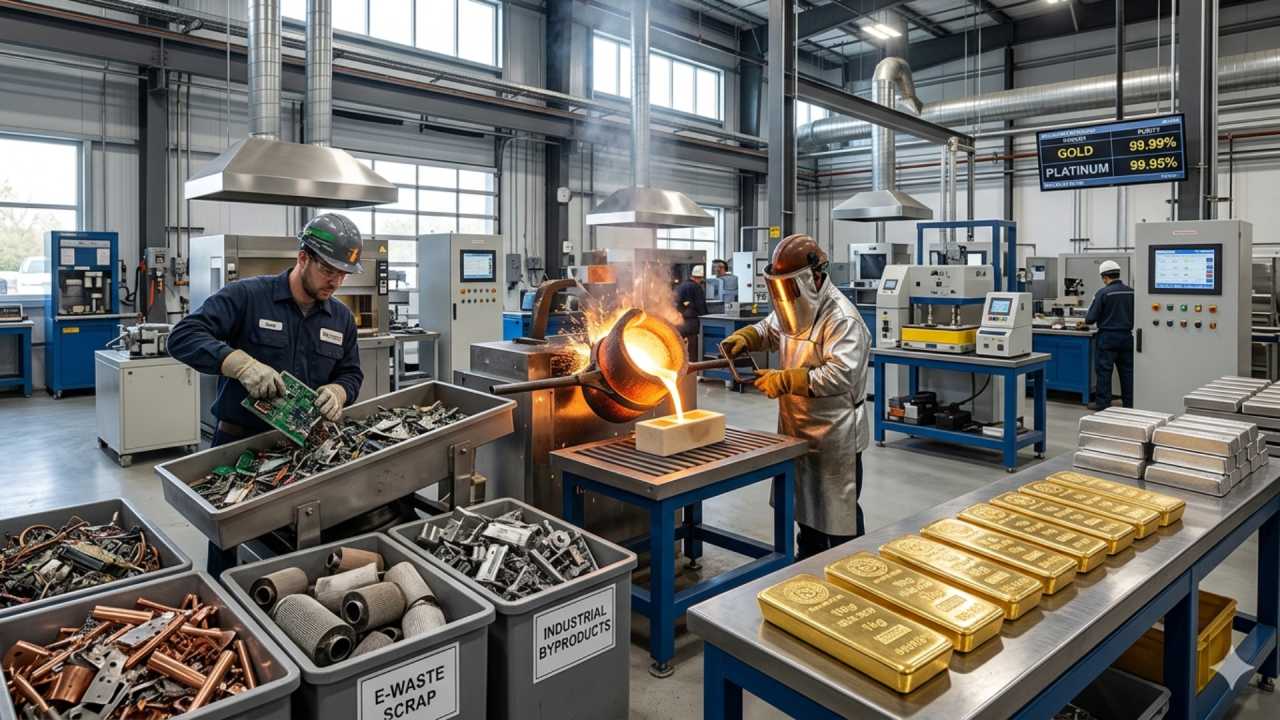
Circuit boards, connectors, and semiconductors are rich in gold and silver due to their conductivity. As the lifecycle of consumer electronics shortens, the volume of e-waste has grown exponentially. Professional refining allows recyclers to extract these metals from complex assemblies, turning environmental compliance into a profit center.
Automotive Sector
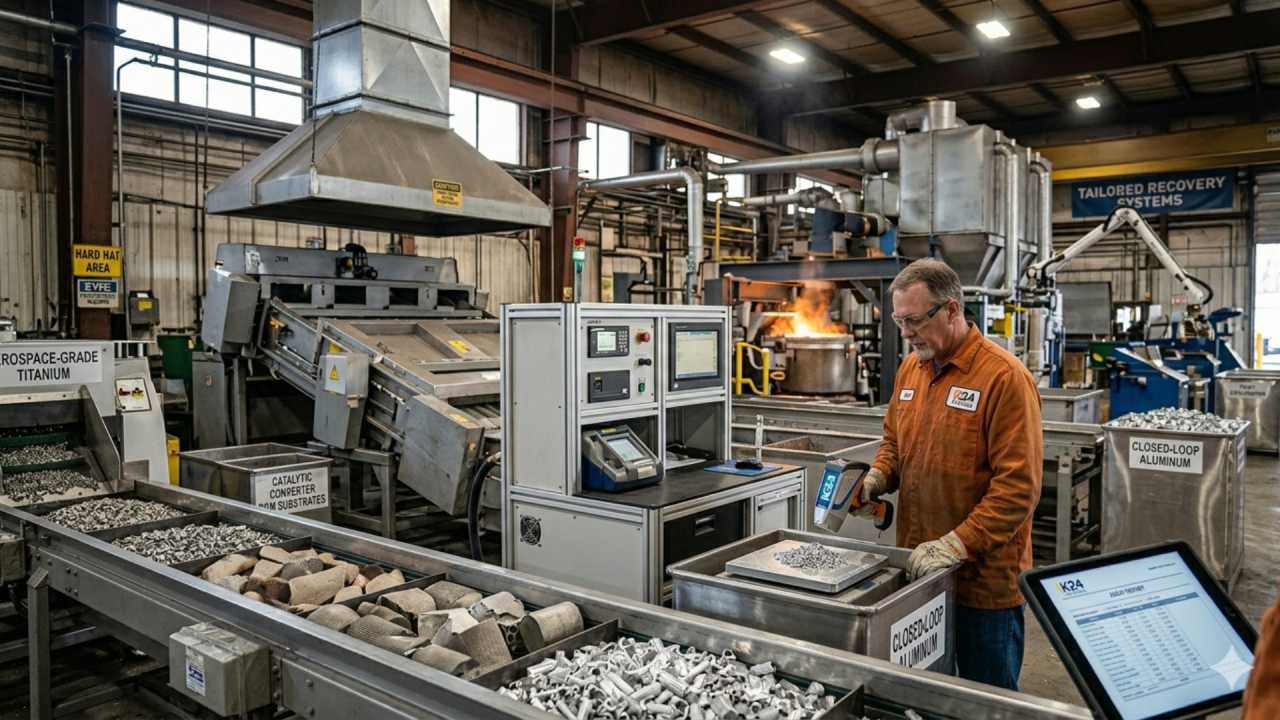
The automotive industry is one of the largest consumers of Platinum Group Metals (PGMs). Catalytic converters use platinum, palladium, and rhodium to reduce harmful emissions. For auto salvagers and fleet managers, refining spent converters provides a massive infusion of capital that can offset the costs of vehicle maintenance or acquisition.
Dental Laboratories
Dental alloys used in crowns, bridges, and inlays often contain gold, silver, and palladium. Both the scrap from the lab production and the extracted dental work from clinics represent highly concentrated sources of precious metals that offer immediate liquidity when refined.
Aerospace and Defense
High-performance engines and electronic systems in aerospace applications rely on PGM-based sensors and gold-plated components for reliability in extreme conditions. Refining turbine blades and communication hardware at the end of their service life can recover millions of dollars in material costs.
The Hidden Financial Losses Businesses Often Ignore
Profitability is not just about new revenue; it is about plugging leaks. Many businesses suffer from “invisible” losses that accumulate over years. One of the most common mistakes is treating scrap as a commodity with a fixed price rather than a material with variable yield. When a business sells its scrap to a middleman for a flat fee per pound, they are often leaving 20% to 40% of the true value on the table. The middleman takes the scrap to a refiner, and the middleman—not the original business—pockets the “upside” of the metal recovery.
Other losses occur through inventory shrinkage. Without a strict metal accounting system, it is difficult to track how much raw material enters a factory versus how much leaves as finished product. The “missing” metal is often trapped in polishing sludge, air filters, or machine coolant. Furthermore, low recovery rates from subpar refiners can cost a company dearly. A refiner using outdated technology might only recover 92% of the gold in a lot, whereas a modern facility might recover 99%. Over a year, that 7% difference can represent the entire profit margin of a manufacturing shift.
How Precious Metal Refining Increases Profitability
The core of the business case for refining lies in several distinct profit drivers that affect both the top and bottom lines.
Recovering Value From Waste
By monetizing scrap, businesses transform a liability (waste disposal) into an asset. This “found money” can be reinvested into R&D, used to pay down debt, or distributed as dividends. For high-volume manufacturers, the revenue from refining can effectively lower the “per unit” cost of production.
Higher Yield Recovery Rates
Advanced refining technology ensures that the maximum possible amount of metal is extracted. Using techniques like Inductively Coupled Plasma (ICP) emission spectroscopy for assaying allows for a precise measurement of metal content down to parts per billion. This precision ensures the business is paid for every grain of metal they send to the refiner.
Reduced Raw Material Costs
Some refiners offer a “toll refining” model where the purified metal is returned to the business rather than being sold for cash. This allows a manufacturer to reuse their own refined gold or silver in their production line, bypassing the premiums and markups charged by bullion dealers. It creates a closed-loop system that insulates the company from market supply chain shocks.
Improved Cash Flow
Speed is a critical factor in profitability. Modern refiners offer faster settlement times and “metal accounts.” A metal account works like a bank account; as soon as your scrap is assayed, the value is credited to your account. You can then choose to sell the metal when prices are high or hold it as an asset, providing significant flexibility in financial planning.
Better Inventory Management
A byproduct of a rigorous refining program is better data. Refiners provide detailed reports on the contents of each lot. This data allows production managers to see exactly where metal loss is occurring in the factory, leading to process improvements that reduce waste at the source.
Stronger Sustainability Credentials
In the current market, Environmental, Social, and Governance (ESG) performance is linked to profitability. Companies with strong sustainability profiles often enjoy higher stock valuations and lower borrowing costs. Refining supports a circular economy, reducing the need for destructive primary mining and appealing to eco-conscious consumers and investors.
Protection Against Metal Price Volatility
Precious metal prices can be highly volatile. A structured refining program allows businesses to retain value during price spikes. By maintaining a metal account, a business can wait for favorable market conditions before liquidating their refined assets, effectively timing the market to maximize returns.
The Role of Technology in Modern Precious Metal Refining
Efficiency in refining is a function of technology. In the past, refining was a “dirty” industry with significant environmental impact and variable results. Today, it is a high-tech discipline. Automation in the sorting process uses sensors to identify metal-bearing components in e-waste at speeds impossible for humans. X-ray Fluorescence (XRF) hand-held analyzers allow for instant, non-destructive testing of scrap lots, providing immediate estimates of value.
Furthermore, the development of eco-friendly chemical processes has reduced the cost of compliance and waste treatment for the refiner, savings that are passed on to the business client. Real-time tracking systems allow businesses to monitor their materials through the refining pipeline, providing transparency and security that was previously unavailable.
Why Modern Refining Is More Efficient Than Ever
The integration of AI-assisted analysis and spectrometry ensures that the chemical composition of complex alloys is understood perfectly before the refining begins. This eliminates guesswork and ensures that even trace amounts of rare metals like rhodium—which can be significantly more valuable than gold—are not lost in the slag.
Choosing the Right Precious Metal Refining Partner
The profitability of a refining program is only as good as the refiner. Choosing a partner is a high-stakes decision that requires due diligence. Businesses should evaluate:
-
Recovery Rates: What percentage of metal do they typically recover? Ask for data on their efficiency levels for your specific type of scrap.
-
Transparency: Does the refiner allow you to witness the melt or the sampling process? Transparency is the best defense against fraud.
-
Assaying Accuracy: Ask about their laboratory capabilities. Do they use fire assay, XRF, or ICP? The more precise the assay, the more accurate your payment.
-
Compliance: Ensure the refiner follows all environmental and anti-money laundering regulations. A legal complication involving your “waste” can lead to massive fines.
-
Settlement Speed: How quickly do they pay out? In business, the time-value of money is real.
Questions Businesses Should Ask a Refiner
-
What is your standard turnaround time for an assay?
-
Can you provide a detailed breakdown of all fees, including treatment and environmental charges?
-
What are my options for settlement (cash, wire, physical metal, or metal account)?
-
Do you have a portal where I can track the status of my lots in real-time?
Sustainability and Regulatory Benefits
Governments worldwide are tightening regulations on industrial waste. By proactively refining precious metals, businesses ensure they stay ahead of “Extended Producer Responsibility” (EPR) laws. Instead of being forced to deal with waste as a regulatory burden, companies that refine are already participating in the circular economy.
This not only avoids potential fines but also reduces the carbon footprint associated with their products. Recycled metals require significantly less energy to produce than mined metals. For instance, refining existing gold requires about 95% less energy than mining new gold from the earth. This data is invaluable for ESG reporting and can be used in marketing to attract green-conscious consumers.
Common Challenges in Precious Metal Refining
While the benefits are clear, there are challenges to navigate. Market Volatility is the most significant; the value of a scrap lot can fluctuate during the time it takes to transport and refine it. However, many refiners offer “hedging” services, allowing a business to lock in a price the moment the material is received.
Logistics can also be complex, especially when transporting hazardous materials like spent catalysts or large volumes of e-waste. Additionally, complex material separation—such as separating gold from plastic and ceramic in microchips—requires high-end technology that not all refiners possess. Choosing a refiner that specializes in your specific material type is the best way to mitigate these risks.
Future Trends in Precious Metal Refining
Looking forward, the importance of refining will only grow. The transition to electric vehicles (EVs) and renewable energy relies heavily on silver and PGMs. We are entering an era of “resource nationalism” where securing a domestic or internal supply of metals is a strategic advantage.
Growth of Urban Mining
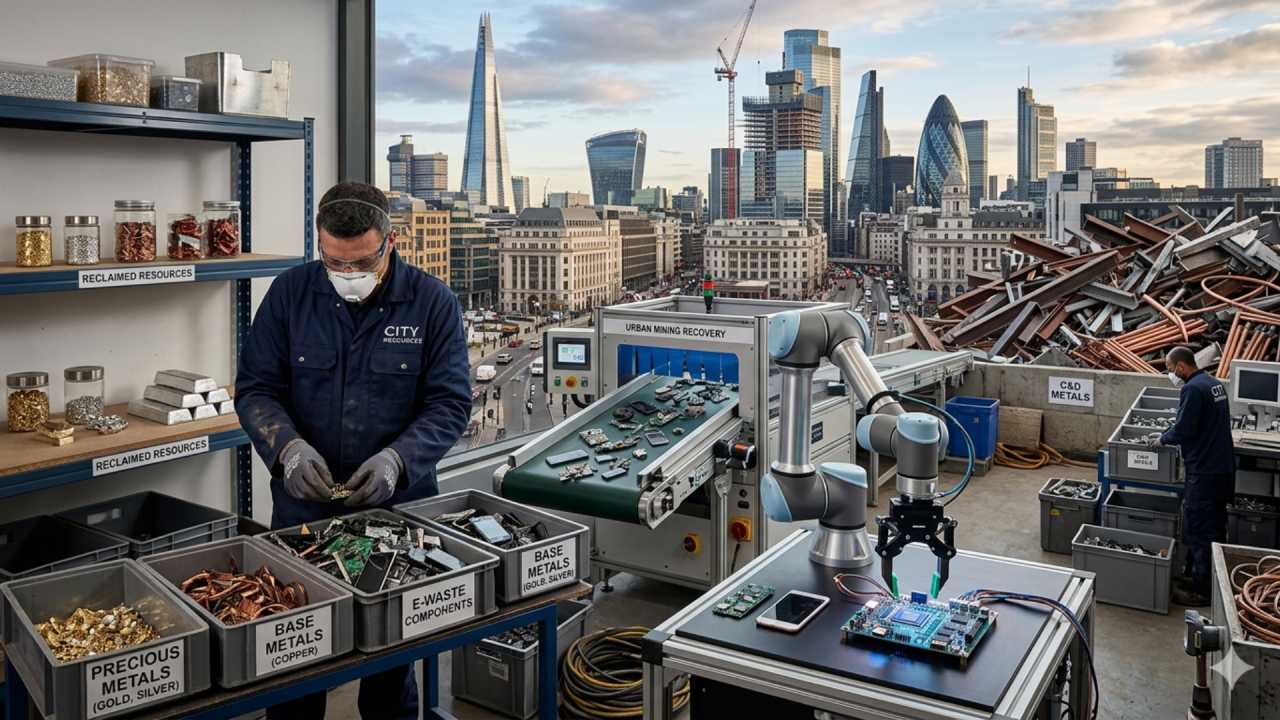
The concept of “urban mining”—recovering metals from the existing stock of products in society—is becoming more profitable than traditional mining. As ore grades in the ground decline, the “ore grade” of a discarded smartphone or catalytic converter becomes relatively more attractive.
AI and Automation
AI and machine learning are being integrated into refining plants to optimize chemical dosages and furnace temperatures, further driving down costs and increasing yields for the end user. This will lead to even faster turnaround times and more accurate settlements for businesses.
Final Thoughts
Precious metal refining is far more than a waste management solution; it is a sophisticated financial strategy that unlocks capital hidden within a company’s operations. By converting industrial byproducts into high-purity assets, businesses can improve their margins, insulate themselves from raw material price spikes, and meet the growing demand for sustainable business practices.
The financial impact of a well-executed refining program can be the difference between a struggling production line and a highly profitable one. Businesses that treat precious metal waste as a strategic asset rather than a disposable byproduct will find themselves with improved cash flow, better operational data, and a stronger competitive edge in an increasingly resource-constrained global market.
Frequently Asked Questions
What industries benefit most from precious metal refining?
Industries with high metal turnover, such as jewelry manufacturing, electronics recycling, automotive salvage (catalytic converters), and dental laboratories, see the most significant profit increases. However, aerospace, medical device manufacturing, and chemical processing also benefit greatly.
How does refining improve business profitability?
It increases profitability by converting waste costs into revenue, providing higher yields than scrap sales to middlemen, reducing the cost of new raw materials through toll refining, and improving overall cash flow through faster settlement times.
What precious metals can be recovered from industrial waste?
The most common metals are gold, silver, platinum, palladium, and rhodium. Some specialized refining can also recover iridium and ruthenium.
Is precious metal refining environmentally friendly?
Yes, it is a core component of the circular economy. Refining uses significantly less energy and water than primary mining and prevents heavy metals from entering landfills.
How do businesses choose a reliable refining partner?
Look for refiners with advanced in-house assaying laboratories, transparent reporting, solid industry certifications (such as ISO or R2), and a reputation for fair and timely settlements.
What is the difference between refining and recycling?
Recycling is the broad process of collecting and reusing materials. Refining is the specific, high-tech chemical or thermal process that purifies those materials to a standard (often 99.9%) where they can be traded as bullion or used in high-precision manufacturing.