How to Choose a Trusted Gold Refining Partner: A Complete Guide
The gold refining industry serves as the critical bridge between raw or scrap precious metals and the high-purity bullion required for global commerce, investment, and manufacturing. It is a sector built entirely on the pillars of precision, chemistry, and, most importantly, trust. Whether you are a jewelry manufacturer with a steady stream of bench sweeps, a small-scale miner, or an industrial entity dealing with electronic waste, the partner you choose to process your material directly impacts your bottom line and your peace of mind.
Selecting a gold refining partner is not merely a vendor selection process; it is the establishment of a high-stakes financial relationship. Because gold is a high-value commodity, even a fractional percentage error in assaying or an opaque fee structure can result in losses totaling thousands of dollars over time. Furthermore, the industry is unfortunately prone to risks ranging from simple operational inefficiency to outright fraud and unethical sourcing.
The purpose of this article is to provide a comprehensive roadmap for navigating the selection process. By understanding the nuances of refining capabilities, compliance standards, and transparency protocols, you can move beyond surface-level marketing and identify a service provider that offers genuine value, security, and long-term reliability.
Understanding Gold Refining Services
At its core, gold refining is the process of removing impurities from gold-bearing materials to achieve a specific level of purity, typically measured in karats or fineness (such as .999 or .9999 fine gold). This is distinct from smelting, which simply melts the metal into a uniform bar; refining involves chemical or electrochemical separation to isolate the gold from other base metals like copper, silver, or zinc.
The refining industry caters to a diverse array of clients, each with unique requirements. Jewelers often require the refining of scrap, filings, and “bench sweeps” collected during the manufacturing process. Miners provide doré bars or concentrated ores that require large-scale processing. Investors and scrap sellers bring in coins, bullion, or estate jewelry, while industrial clients provide gold-plated components or catalysts.
Modern refiners utilize several high-level methods to achieve these results:
-
The Miller Process: Uses gaseous chlorine to extract silver and base metals from molten gold. It is fast and efficient but generally caps purity at around 99.5 percent.
-
The Wohlwill Process: An electrolytic method that produces the highest purity levels (99.99 percent) by dissolving gold in an electrolyte solution and redepositing it onto a pure gold cathode.
-
Aqua Regia: A chemical process using a mixture of nitric and hydrochloric acid to dissolve gold, which is then precipitated back into solid form. This is common for smaller batches or complex scrap.
Refiners generate value by providing a liquid market for raw materials, turning unmarketable scrap into standardized, tradable assets. Their profit usually comes from a combination of processing fees and a small percentage of the metal recovered.
Reputation and Industry Experience
In an industry where you are literally handing over liquid wealth to a third party, a provider’s track record is the most significant indicator of future performance. A refiner that has survived multiple market cycles and economic shifts has likely done so by maintaining a reputation for integrity and accuracy.
When evaluating a potential partner, start by looking at their years in business. Longevity suggests that they have mastered the technical complexities of the craft and have built a sustainable business model that doesn’t rely on “skimming” or deceptive practices. However, experience should also be matched with industry specialization. A refiner that primarily handles industrial electronic waste may not be the best fit for a boutique jeweler who needs specialized stone removal and delicate recovery from sweeps.
Client testimonials and case studies are invaluable. Look for reviews from businesses that mirror your own scale and type. A reliable refiner should be able to provide references from long-term clients. Beyond their own website, check third-party ratings and industry-specific forums. In the precious metals world, word-of-mouth remains one of the most powerful vetting tools. If a refiner has a history of “shorting” assays or delaying payments, the professional community will usually be vocal about it.
Certifications, Licensing, and Compliance
The legal and ethical landscape of gold refining is rigorous, and for good reason. A refiner without the proper credentials is not just a risk to your metal; they are a risk to your legal standing.
First and foremost, ensure the provider holds all necessary local and national licenses to operate as a precious metals dealer and processor. Beyond basic business licenses, look for ISO Certifications (such as ISO 9001 for quality management or ISO 14001 for environmental management). These certifications indicate that the company adheres to internationally recognized standards in their operations and waste management.
Environmental compliance is particularly critical. Refining involves hazardous chemicals and acids. A reputable refiner must prove they have the systems in place to neutralize waste and minimize their carbon footprint. If a refiner is shut down due to environmental violations while they hold your gold, your assets could be tied up in legal proceedings for years.
Furthermore, in today’s global economy, Anti-Money Laundering (AML) and “Know Your Customer” (KYC) protocols are mandatory. Reliable refiners will ask you for documentation to prove the source of your gold. While this may seem like a hurdle, it actually protects you. It ensures the refiner is not a “laundry” for illicit activity, which prevents the risk of government seizure of the facility and its contents. Ethical sourcing certifications, such as those from the Responsible Jewellery Council (RJC) or the London Bullion Market Association (LBMA), are gold standards that signify the refiner only processes “conflict-free” material.
Transparency in Assaying and Valuation
The “assay” is the most critical moment in the refining process. It is the scientific determination of exactly how much pure gold is contained in your shipment. Because this number dictates your payout, transparency here is non-negotiable.
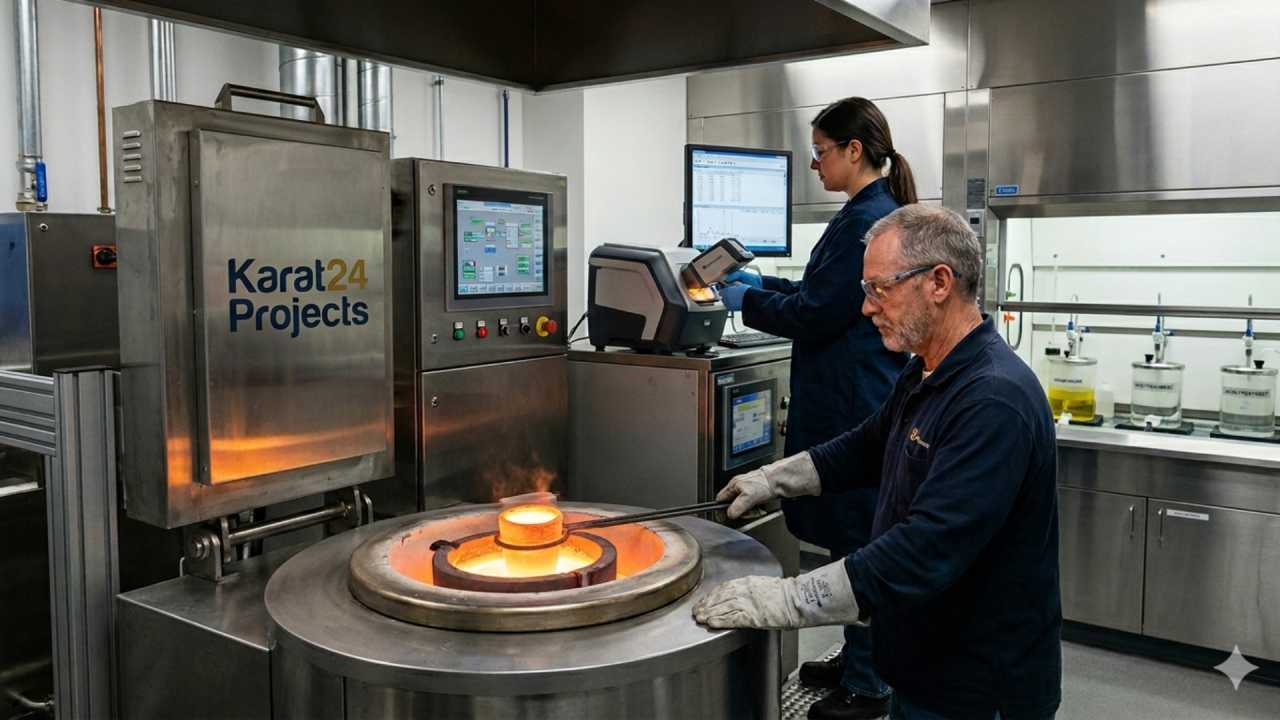
A reliable partner will offer on-site assaying using modern technology such as X-ray Fluorescence (XRF) for initial scans and Fire Assay (cupellation) for final, definitive results. Fire assay is widely considered the “industry standard” for its extreme accuracy. You should ask if you have the right to witness the melt or the sampling process. While many modern refiners use automated systems for security, they should still provide a clear “witness” protocol or a third-party umpire service if results are disputed.
Communication of results should be detailed. A reputable refiner doesn’t just give you a total dollar amount; they provide a breakdown:
-
Incoming weight
-
After-melt weight (removes non-metallic moisture or combustibles)
-
The assayed purity percentage
-
The final fine gold content
Watch out for hidden deductions. Some refiners quote a high “payout percentage” but then subtract significant “treatment charges” or “lot fees” that weren’t clearly disclosed. A transparent provider uses real-time tracking and reporting systems, allowing you to log into a portal and see exactly where your material is in the refining pipeline.
Pricing Structure and Fees
Understanding how a refiner makes money is the only way to ensure you aren’t being overcharged. Most refiners use one of three primary fee models:
-
Percentage-based: The refiner keeps a small percentage (e.g., 2% to 5%) of the total gold recovered.
-
Fixed Fee: A flat rate per ounce or per kilogram processed. This is common for high-volume miners.
-
Tiered Pricing: Fees decrease as the volume of the shipment increases.
Beyond the headline refining charge, you must account for melt loss and recovery rates. During the initial melt, some weight is always lost (dust, moisture, stones, or organic material). A reliable refiner will be honest about what is “normal” loss for your specific material type.
When comparing quotes, do not simply look for the highest payout percentage. A refiner offering 99% payout might have a $200 “assay fee” and a $100 “environmental fee,” while a refiner offering 97% might have zero additional costs. Always ask for a comprehensive fee schedule in writing before shipping your material. Clarity in the pricing agreement prevents the “bait and switch” tactics that plague the less reputable corners of the industry.
Technology and Refining Capabilities
The “back end” of the refinery—the machinery and the laboratory—dictates the yield you receive. Outdated refining methods are often less efficient, leading to higher amounts of gold being lost in the “slag” or waste products.
Modern technology such as induction furnaces ensures a more homogenous melt, which leads to a more accurate sample for assaying. Furthermore, high-capacity refiners can offer better turnaround times because they aren’t waiting to accumulate enough material to justify a “run.”
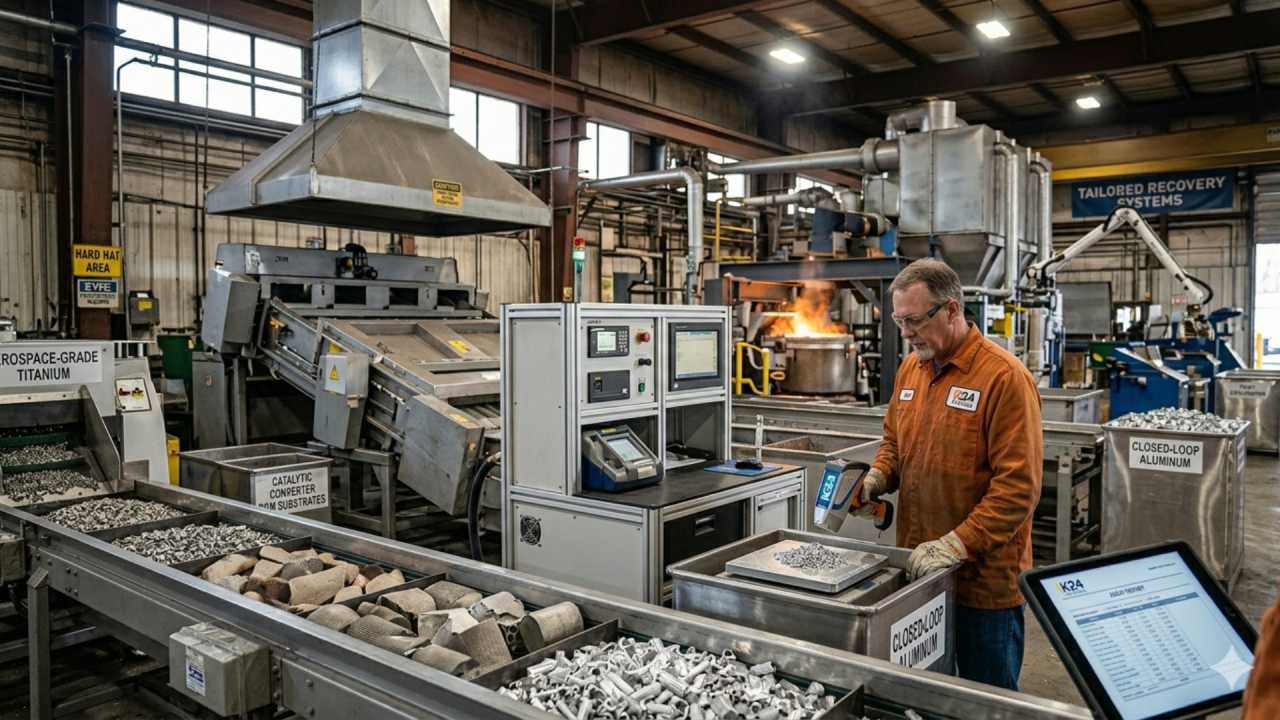
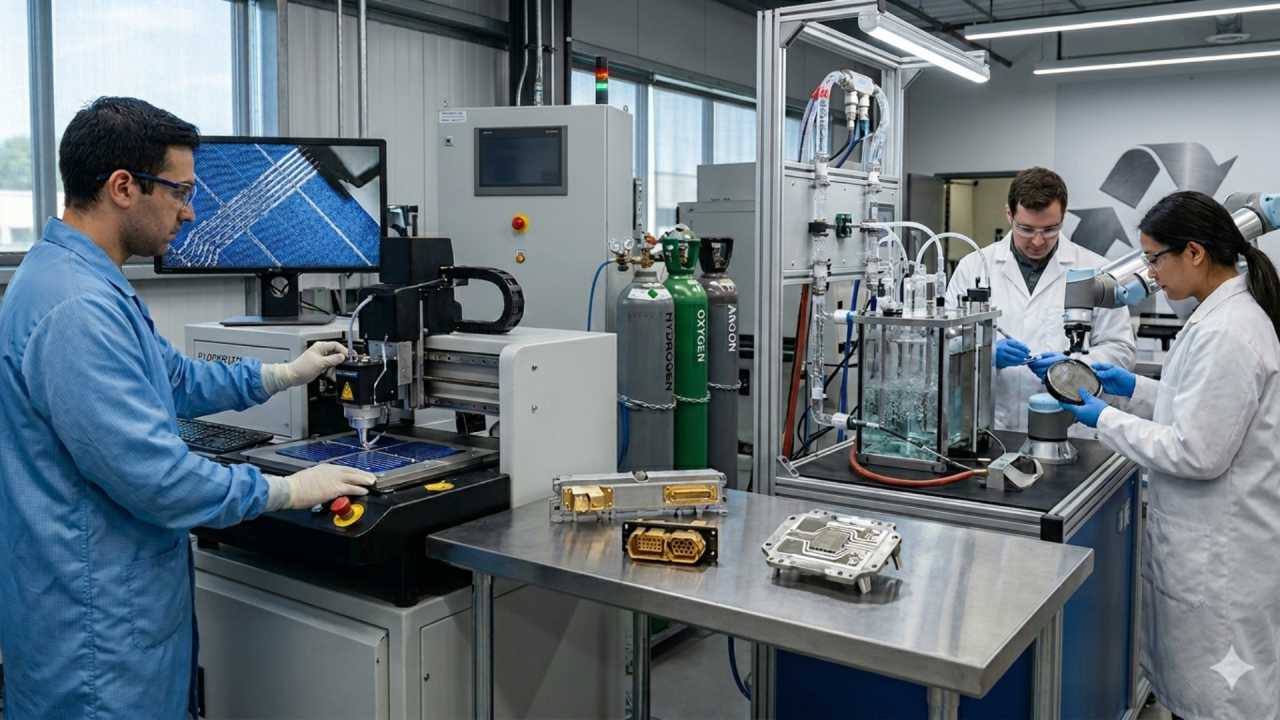
You should also verify their ability to handle different types of material. If you are sending industrial waste or “low-grade” scrap, you need a refiner with the specialized chemical capabilities to extract gold from non-metallic substrates. A refiner that only knows how to melt jewelry scrap will likely provide a very poor yield on complex industrial materials. Ask about their recovery precision—the best refiners can recover gold to within a few parts per million, ensuring that no value is left on the table.
Security and Asset Handling
From the moment the gold leaves your hands until the payment is cleared, your assets are at risk. A reliable partner must have ironclad physical security and logistics protocols.
Inquire about their transportation solutions. Do they provide armored courier services? Are the shipments tracked via GPS? Once the material arrives at the facility, it should be logged into a chain-of-custody system that records every person who touches the material and every room it enters.
Insurance coverage is another deal-breaker. A refiner must carry comprehensive “Vault and Transit” insurance. You should request a Certificate of Insurance (COI) to verify that your material is covered for its full market value in the event of theft, fire, or loss during processing. Furthermore, ask about their risk management protocols. How do they handle discrepancies between your declared weight and their received weight? A professional refiner has a clear, documented process for resolving these differences immediately upon arrival.
Turnaround Time and Operational Efficiency
In the gold business, time is literally money. Gold prices fluctuate by the minute. If a refiner takes three weeks to process your scrap, the market price could drop significantly in the interim, eroding your profits.
Standard processing times should be clearly defined. For simple jewelry scrap, a turnaround of 24 to 72 hours for an assay and settlement is standard for top-tier refiners. More complex materials, like mining concentrates, may take longer.
What often affects delays is a lack of operational efficiency. Refiners that are disorganized or understaffed will have backlogs. For a business that relies on the cash flow from refined gold to buy new inventory or pay staff, a reliable and predictable turnaround is just as important as the purity of the final product. Always ask: “What is your average settlement time for a lot of this size?” and “Do you offer ‘pool’ accounts where I can lock in a price before the refining is even finished?”
Customer Service and Communication
While refining is a technical process, it is also a service industry. The quality of customer support can make or break the experience. A reliable provider should offer a dedicated account manager—someone who knows your business and can be reached directly via phone or email.
Clarity in documentation and reporting is a hallmark of a professional outfit. You should receive clean, easy-to-read settlement sheets that match the verbal or digital quotes you were given. If there is a problem—perhaps a shipment was tampered with or an assay came back lower than expected—the responsiveness of the team is vital. A refiner that goes “silent” when a problem arises is a major red flag. Look for a partner that prioritizes proactive communication, keeping you informed at every stage of the process.
Red Flags to Avoid
Being able to spot a “bad” refiner is just as important as knowing how to find a “good” one. Be on high alert if you encounter any of the following:
-
Unrealistically High Recovery Promises: If every other refiner is quoting a 97% payout and one company promises 99.5% with no fees, they are likely making up the difference through dishonest assaying or hidden costs.
-
Lack of Physical Address or Credentials: Be wary of “refiners” that only operate through a PO box or a vague website. A real refinery has a massive physical footprint, heavy machinery, and visible security.
-
Vague Pricing: If a provider cannot give you a straight answer on “all-in” costs, including melt loss, assay fees, and environmental charges, they are likely hiding something.
-
Pressure Tactics: A reputable refiner doesn’t need to use high-pressure sales tactics. They rely on their reputation and the quality of their returns.
-
Delayed Payments: There is no excuse for a refiner to hold onto your funds once the assay is finalized and the price is locked. Constant “clerical errors” regarding your payment are a sign of liquidity issues.
Comparing Multiple Refining Partners
Before committing to a long-term contract or sending a massive shipment, it is wise to perform a side-by-side evaluation. Create a checklist based on the criteria discussed: compliance, fees, technology, and security.
The best way to test a refiner is through a pilot transaction. Send a smaller, “control” lot to two different refiners. Ensure the material is as identical as possible (for example, split a batch of uniform jewelry scrap). Compare not just the final payout, but the entire experience: How easy was the shipping? How detailed was the reporting? How long did it take to get paid? This small investment in testing can save you significant sums of money and frustration in the future.
Final Checklist for Choosing a Refining Partner
When you are ready to make a decision, use this summarized checklist to ensure no stone is left unturned:
-
Licensing and Compliance: Do they hold ISO certifications? Are they LBMA or RJC compliant? Do they have an AML policy?
-
Transparent Pricing: Is there a written fee schedule? Are all “ancillary” fees (assay, melt, environmental) disclosed upfront?
-
Proven Reputation: How many years have they been in business? Can they provide references from your specific industry?
-
Secure Handling: Is the facility insured? Do they offer armored transport? Is there a clear chain-of-custody?
-
Technology and Accuracy: Do they use fire assay for final results? Can they handle the specific impurities in your material?
-
Customer Support: Do you have a direct point of contact? Is their reporting platform modern and accessible?
Final Thoughts
The relationship between a gold owner and a gold refiner is one of the most vital partnerships in the precious metals supply chain. Because the value of the material is so high, the margin for error is incredibly thin. Choosing the right partner requires a balance of due diligence, technical understanding, and a healthy dose of skepticism toward “too good to be true” offers.
By prioritizing transparency, compliance, and proven experience over the lowest headline fee, you ensure that your assets are protected and that your business remains profitable. A reliable refining partner is not just a service provider; they are a guardian of your wealth and a supporter of your operational efficiency. Take the time to vet them thoroughly—your bottom line will thank you.
Frequently Asked Questions About Gold Refining Services
To help you better understand the nuances of the industry and maximize your returns, we have compiled answers to some of the most common questions regarding the gold refining process and service provider selection.
How do I find the best gold refinery for small businesses and independent jewelers?
The best refinery for a small business is one that offers low minimum lot requirements without sacrificing assay accuracy. Look for providers that specialize in “bench sweeps” and jewelry scrap, as they have the specialized equipment to filter out non-metallic waste. It is also beneficial to find a refiner that offers “stone frosting” or stone removal services if you frequently process stone-set jewelry.
What is the difference between fire assay and XRF scanning for gold purity?
XRF (X-ray Fluorescence) is a non-destructive method that provides a quick surface-level analysis, often used for immediate estimates. However, it can be fooled by plating or inhomogeneous alloys. Fire assay is a destructive, multi-step chemical process that is considered the global “gold standard” for precision. For high-value transactions, always ensure your refiner uses fire assay to determine the final settlement value.
What are the standard gold refining fees and payout percentages?
Payout percentages typically range from 90% to 99% of the market spot price, depending on the volume and type of material (e.g., karat gold vs. industrial sludge). However, the “payout” is only one part of the equation. You must also account for melt charges, assay fees, and environmental surcharges. A transparent provider will give you an “all-in” estimate before you ship your material.
How can I verify if a gold refiner is LBMA or RJC certified?
You can verify certifications by visiting the official websites of the London Bullion Market Association (LBMA) or the Responsible Jewellery Council (RJC). These organizations maintain public directories of “Good Delivery” lists and certified members. Working with a certified refiner ensures that your gold is processed according to strict ethical, environmental, and anti-money laundering standards.
How long does the gold refining process take from shipping to settlement?
For standard jewelry scrap, the turnaround time is usually between 24 and 72 hours. For complex materials requiring chemical leaching or industrial processing, it can take one to two weeks. If a refiner consistently takes longer than five business days to settle a standard scrap lot, it may indicate logistical inefficiencies or cash flow issues.
Can I witness the melt and assay of my gold shipment?
Many reputable refineries allow for “witnessed melts,” where the client or a representative can physically or virtually observe the melting and sampling process. This is the highest form of transparency. If a refiner flatly refuses to allow witnessing or refuses to provide a “split” of the sample for independent third-party testing, it is often best to look for another provider.
What is “melt loss” and why does it happen during refining?
Melt loss refers to the difference in weight between the material you shipped and the solid metal bar after it has been melted. This loss occurs because non-metallic elements—such as moisture, paper, plastic, gemstones, and organic debris—are burned off or removed as slag. A reliable refiner will provide you with a weight report for both “incoming weight” and “after-melt weight” to ensure full accountability.