Why Choose Professional Precious Metal Refining Services
The global economy is built upon a foundation of finite resources, none more prestigious or industrially vital than precious metals. Gold, silver, platinum, and palladium are not merely symbols of wealth; they are essential components in modern technology, medicine, and manufacturing. However, these metals do not always exist in their pure, usable forms. Often, they are locked away in complex alloys, discarded electronics, industrial catalysts, or broken jewelry. This is where the specialized field of precious metal refining becomes indispensable. Professional refining is the sophisticated process of purifying these materials, ensuring that every milligram of value is recovered and reintroduced into the supply chain.
In an era defined by a shift toward the circular economy, the role of expert refiners like those managed through karat24 projects has never been more critical. Refining is the bridge between waste and wealth, transforming scrap into high-purity bullion. Choosing a professional service over informal methods is not just a matter of convenience; it is a strategic decision that impacts financial returns, environmental safety, and regulatory standing. As high-grade ore becomes harder to mine, the “urban mine”—the collection of existing metal scrap—represents the future of resource management.
Professional refining services provide the technical expertise and industrial-scale infrastructure required to handle these complex materials. Whether dealing with a handful of dental gold or tons of industrial byproduct, the goal remains the same: maximum recovery with minimum waste. This article explores the intricate world of precious metal refining, detailing why professional services are the gold standard for businesses and individuals looking to capitalize on their metallic assets.
What Is Precious Metal Refining?
Precious metal refining is the high-level process of separating valuable metals from impurities or other base metals. While many people use the terms “smelting” and “refining” interchangeably, they represent different stages of metallurgical processing. Smelting is the initial act of melting down ore or scrap to separate the metal from the bulk of the waste (slag). Refining, however, is a much more precise science. It takes that initial metal and subjects it to chemical or electrochemical processes to achieve a purity level often reaching 99.9% or higher.
The primary metals handled by professional refiners include:
-
Gold: The most famous precious metal, recovered from jewelry, coins, and electronic components.
-
Silver: Found in large quantities in industrial applications, photography, and silverware.
-
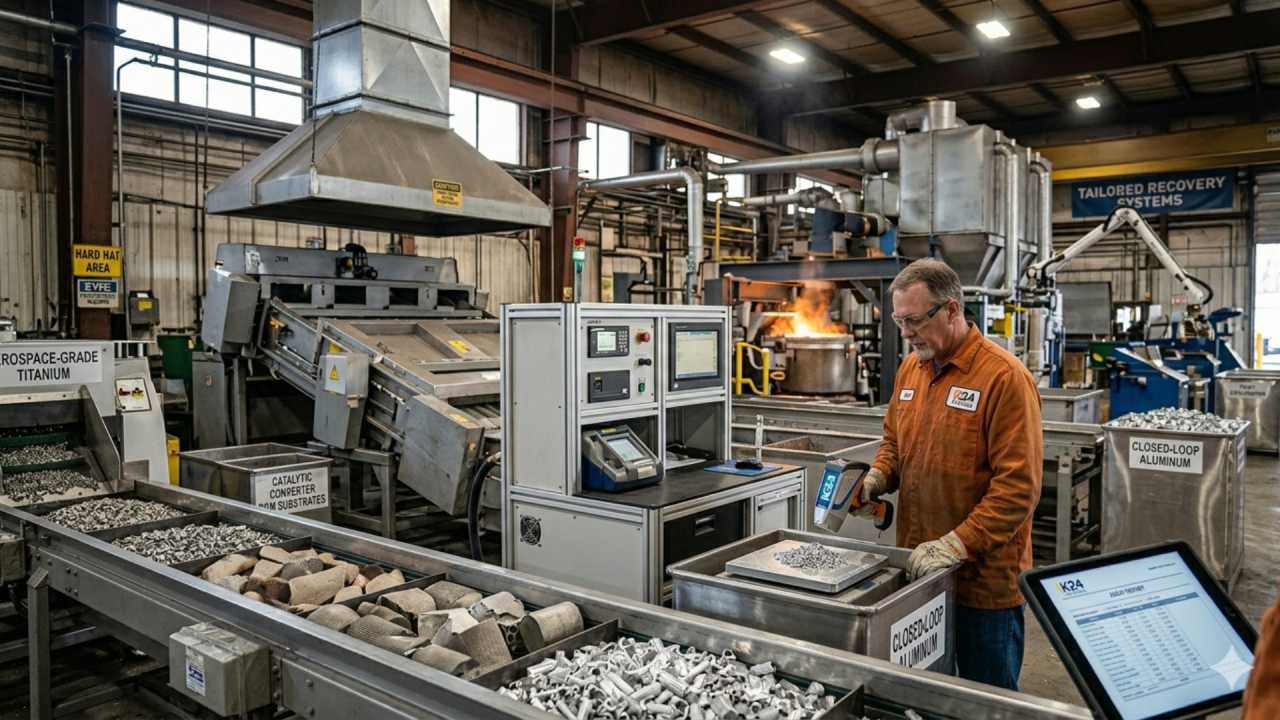
Platinum Group Metals (PGMs): This group includes platinum, palladium, and rhodium. These are exceptionally rare and are primarily used in automotive catalytic converters and specialized industrial catalysts.
The necessity of refining stems from the fact that precious metals are rarely found in a pure state. Jewelry is almost always alloyed with base metals like copper or nickel to increase durability. Electronics contain a mix of plastics, glass, and a variety of metals. Without professional refining, these “contaminants” render the metal unsuitable for reuse in high-precision industries. Refining removes these impurities through a series of rigorous scientific steps, ensuring the final product meets international purity standards.
Sources of Precious Metal Scrap
The feedstock for a refinery is incredibly diverse, originating from various sectors of the economy. Understanding where these metals come from helps professional services like karat24 projects tailor their extraction methods to the specific material at hand.
Jewelry Scrap
This is perhaps the most visible source of precious metals. It includes “bench sweeps” (the dust and filings from a jeweler’s workbench), broken chains, outdated rings, and unsold inventory. Since jewelry gold is typically 10k, 14k, or 18k, the refinery must separate the pure gold from the alloying elements.
Industrial Waste
Manufacturing processes often leave behind significant metallic residues. This can include “sludges” from plating baths, spent catalysts from chemical plants, and scrap wire. Because industrial scrap often contains PGMs, which are much rarer than gold, the precision of a professional refiner is paramount here.
Electronic Waste (E-Waste)
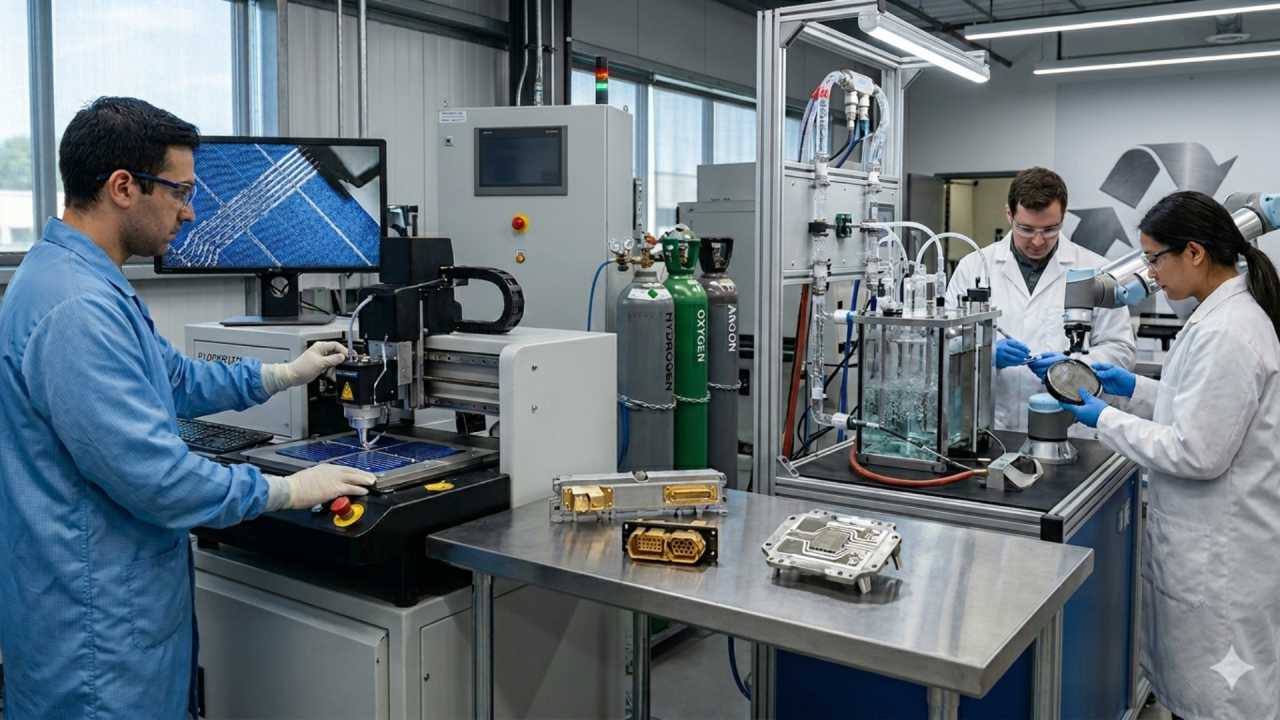
Modern devices are a treasure trove of precious metals. Circuit boards, connectors, and processors use gold and silver for their superior conductivity and resistance to corrosion. However, e-waste is notoriously difficult to process due to the presence of hazardous plastics and lead, requiring specialized professional facilities to manage the environmental risks.
Dental Scrap
For decades, gold, silver, and palladium alloys have been used in dental crowns, bridges, and inlays. When these are replaced, the resulting scrap is highly valuable. Professional refiners have specific protocols for dental scrap to ensure that biological contaminants are safely handled during the initial stages of processing.
Mining Byproducts
Sometimes, precious metals are discovered as a secondary product during the mining of base metals like copper or lead. Refiners work with mining operations to extract these “trace” precious metals, which might otherwise be lost in the massive volumes of ore being processed.
The Refining Process Explained
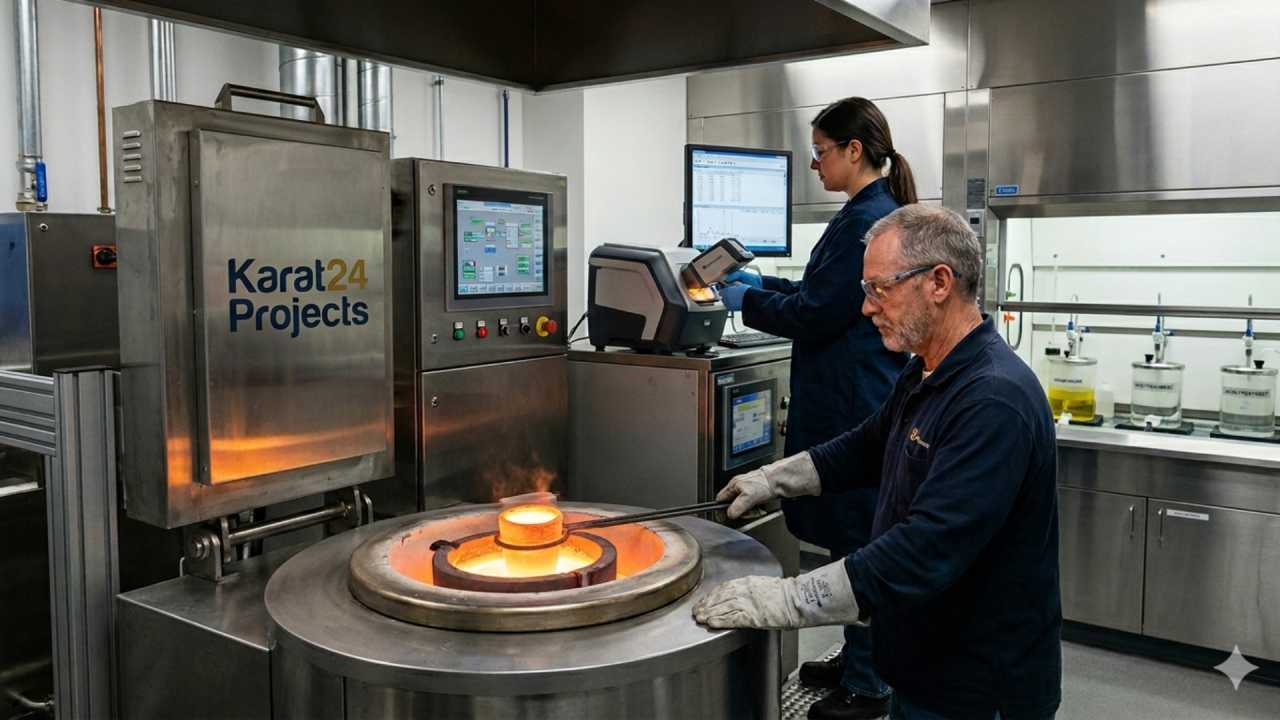
A professional refining operation is a blend of heavy industry and high-stakes chemistry. When a client sends material to a service like karat24 projects, it undergoes a standardized, transparent journey to ensure maximum yield.
Collection and Sorting
The process begins with the meticulous sorting of materials. Different types of scrap require different “recipes” for refining. Jewelry cannot be processed in the same batch as electronic circuit boards because the chemical reagents needed are vastly different.
Sampling and Assaying
Before any large-scale melting occurs, a sample is taken to determine the exact metal content. This is the “assay” stage. Professional refiners use advanced techniques such as X-ray Fluorescence (XRF) or Fire Assay (the industry “gold standard”). This ensures the client knows exactly how much gold or silver is present before the final refining begins, providing a baseline for transparency.
Pre-treatment
Many materials need preparation. For example, electronic waste may be crushed or shredded to increase the surface area for chemical reactions. Combustible materials, like jeweler’s sweeps or dental waste, are often incinerated in controlled environments to remove organic matter, leaving behind a concentrated metallic ash.
Refining Methods
There are three primary ways metals are purified:
-
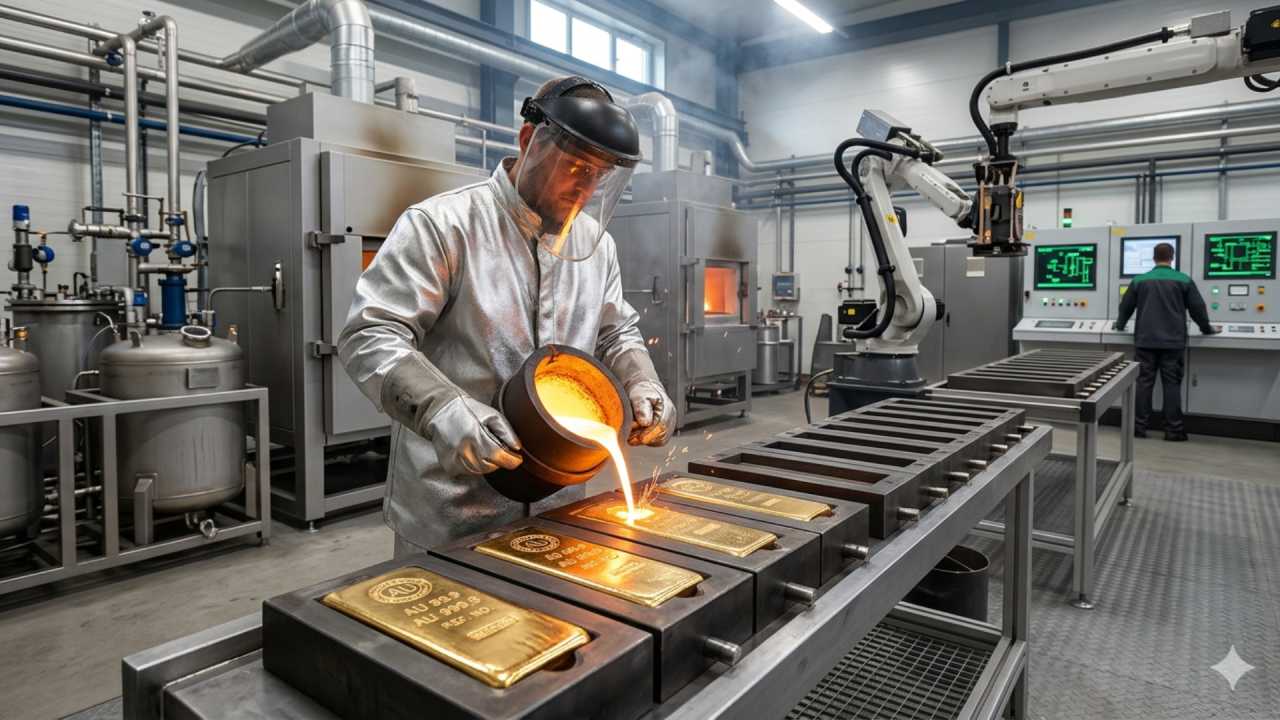
Pyrometallurgical Refining: This uses extreme heat in furnaces to melt the scrap. Fluxes are added to bond with impurities, forming a layer of “slag” that can be skimmed off the top.
-
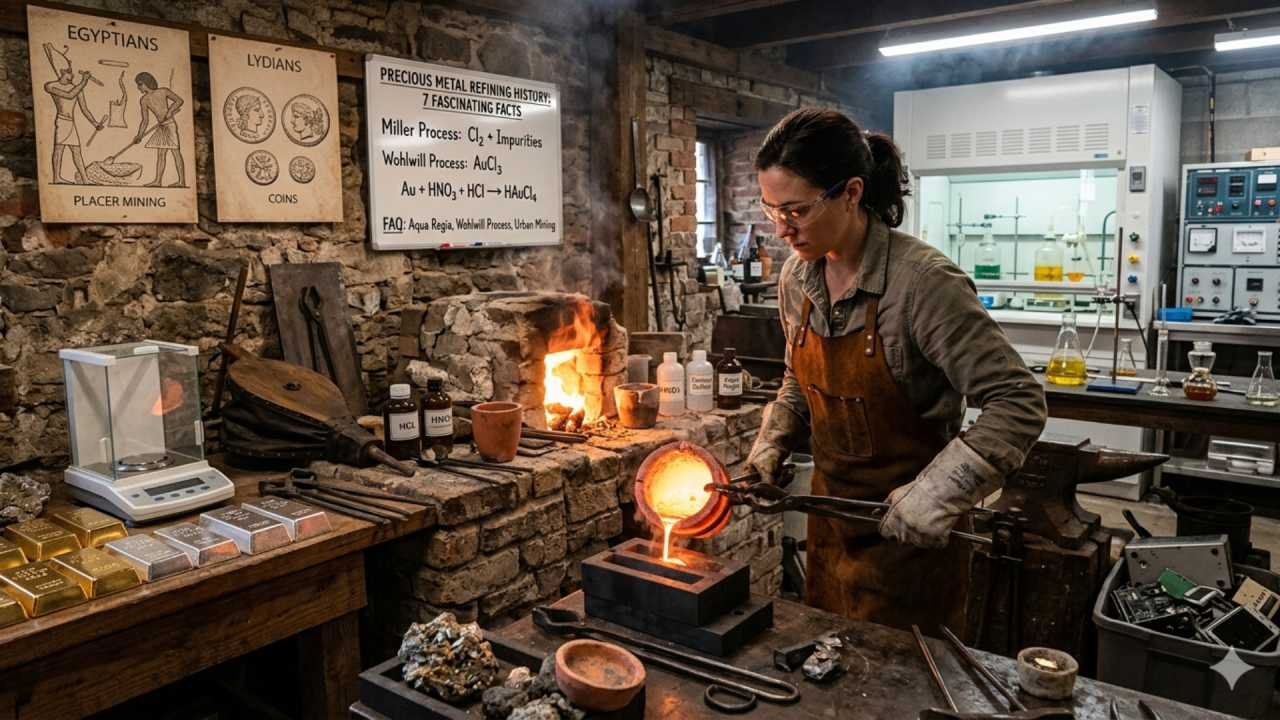
Hydrometallurgical Refining: This involves dissolving the metal in powerful chemical solutions, such as aqua regia (a mixture of nitric and hydrochloric acids). Once in liquid form, specific chemicals are added to “precipitate” the precious metal back into a solid, pure powder.
-
Electrolytic Refining: The impure metal is used as an anode in a chemical bath. When an electric current is applied, pure metal ions migrate to a cathode, leaving impurities behind in the solution or as a sediment at the bottom of the tank.
Final Purification and Casting
Once the metal has reached the desired purity, it is melted one last time and cast into standardized forms, such as investment-grade bars, grains (shots), or wire, ready to be sold back into the market.
Key Benefits of Professional Refining Services
The decision to use a professional service like karat24 projects offers a range of advantages that informal “cash for gold” shops or DIY methods simply cannot match.
Maximum Metal Recovery
The primary goal of any refining operation is the yield. Professional refineries utilize closed-loop systems and high-efficiency filtration to ensure that even the microscopic dust particles of gold or platinum are captured. Informal methods often lose a significant percentage of the metal to the “slag” or through the chimney stacks. Over a large volume of scrap, a 1% or 2% difference in recovery can translate into thousands of dollars in lost revenue.
Accurate Assaying and Transparency
In the world of precious metals, knowledge is power. A professional refiner provides a detailed assay report. This documentation is a legal and financial record of what was received versus what was recovered. This transparency builds trust, ensuring that the client is paid based on scientific fact rather than a “best guess” estimate.
Environmental Compliance
Refining involves some of the most corrosive chemicals known to science, as well as the potential release of heavy metal vapors. Professional facilities are equipped with “scrubbers” and advanced filtration systems that neutralize toxic fumes before they reach the atmosphere. Furthermore, they have strict protocols for the disposal of spent acids and chemical waste, protecting local water supplies and ecosystems.
Regulatory Compliance
The precious metals industry is heavily regulated to prevent money laundering and the trade of “conflict minerals.” Professional refiners must adhere to “Know Your Customer” (KYC) and Anti-Money Laundering (AML) laws. By using an established service, businesses ensure that their supply chain is “clean” and that they are not inadvertently violating international trade laws.
Cost Efficiency
While professional services charge a fee, their economies of scale usually result in a higher net return for the client. They can process large batches more efficiently, have lower overhead per ounce of metal, and have established relationships with bullion markets to get the best possible “spot price” for the recovered metal.
Safety
The risks of DIY refining are immense. Handling aqua regia or molten metal at temperatures exceeding 1,000 degrees Celsius requires specialized safety gear, ventilation, and emergency protocols. Professional refineries remove this physical risk from the client, handling the hazardous work in a controlled, insured environment.
Time Savings
Time is money, especially when metal prices are volatile. Professional refiners have streamlined workflows that allow for fast “turnaround times.” Instead of a client spending weeks trying to process scrap manually, a professional service can provide a payout or returned bullion in a fraction of the time, allowing the client to reinvest that capital back into their primary business.
Industries That Benefit from Refining Services
The reach of precious metal refining extends far beyond the local jewelry shop. Numerous industrial sectors rely on these services to maintain their bottom lines and meet sustainability goals.
The jewelry industry remains the largest client. For manufacturers, refining allows them to recycle their production scrap—those tiny filings and offcuts—back into usable casting grain. This reduces the need to purchase new gold at retail prices.
In the electronics and tech manufacturing sector, refining is a vital part of end-of-life product management. As devices become smaller and use less metal per unit, the “concentration” of value requires more sophisticated refining techniques to make recovery economically viable.
The automotive industry is heavily dependent on the recovery of PGMs. Catalytic converters contain small amounts of platinum, palladium, and rhodium. Given the extreme rarity and high cost of these metals, recycling them from scrapped vehicles is often more cost-effective than primary mining.
The medical and dental sectors use precious metals in everything from pacemaker components to dental bridges. Professional refiners provide these professionals with a secure way to dispose of specialized scrap while recovering significant value.
Finally, the mining industry uses refiners to process “concentrates.” Instead of the mine building its own massive refinery, they send their semi-pure bullion to a professional service to reach the final 99.99% purity required for the global market.
Environmental and Sustainability Advantages
The environmental argument for professional refining is perhaps the most compelling reason for its growth. Mining for new metals is an incredibly invasive process. To produce a single ounce of gold, tons of earth must be moved, processed with cyanide, and left in tailing ponds.
By contrast, refining recycled scrap—a core focus of karat24 projects—uses significantly less energy and water. It prevents the destruction of habitats and reduces the carbon footprint associated with heavy machinery and international shipping of raw ore. Furthermore, professional refining helps address the growing global crisis of e-waste. By providing a financial incentive to recycle circuit boards and connectors, refiners keep these items out of landfills, where their heavy metal components could eventually leach into the soil.
This “circular economy” approach ensures that once a metal is pulled from the earth, it stays in the economy forever. Precious metals are infinitely recyclable; they do not lose their properties or degrade over time, making them the perfect candidate for a sustainable industrial model.
How to Choose a Professional Refining Service
Not all refineries are created equal. When selecting a partner for precious metal recovery, several factors should be scrutinized:
-
Certifications: Look for refiners that are recognized by industry bodies. These certifications ensure that the refinery follows international standards for purity and ethical sourcing.
-
Transparency: A reputable refiner will allow you to see the assay results and explain their fee structure clearly. Avoid any service that offers a “flat rate” without an assay, as this almost always favors the refiner over the client.
-
Reputation: In the precious metals world, reputation is everything. Research client reviews and ask for references within your specific industry.
-
Security and Insurance: Ensure the refiner has robust security for your shipment and that your materials are fully insured from the moment they leave your hands until the final payout.
-
Turnaround Time: While you want a thorough process, you don’t want your capital tied up for months. A good refiner should provide a clear timeline for the assay and the final settlement.
Challenges in Precious Metal Refining
Despite the benefits, the industry faces constant challenges. Market volatility is the most significant; the price of gold or rhodium can shift dramatically in a single afternoon, affecting the projected value of a batch mid-process.
Additionally, the composition of scrap is becoming more complex. The “miniaturization” of electronics means that metals are often bonded with new types of polymers and ceramics that are harder to separate. This requires constant investment in research and development by companies involved in karat24 projects to stay ahead of the curve.
Regulatory hurdles also continue to evolve. As governments tighten environmental and anti-money laundering laws, refiners must dedicate significant resources to compliance and documentation, which adds to the operational complexity of the business.
Final Thoughts
The professional refining of precious metals is a cornerstone of the modern industrial economy. It is the process that ensures the “gold” in our jewelry, the “platinum” in our cars, and the “silver” in our electronics never truly goes to waste. By choosing professional services like karat24 projects, stakeholders across all industries can ensure they are receiving the maximum value for their scrap while contributing to a more sustainable and ethical global market.
As we move toward a future where natural resources are increasingly scarce, the ability to efficiently and safely recover precious metals from existing products will only become more valuable. Professional refining provides the technology, the transparency, and the environmental stewardship necessary to turn today’s waste into tomorrow’s wealth. Whether you are a small jeweler or a massive electronics manufacturer, the benefits of professional refining—higher yields, guaranteed purity, and peace of mind—are an investment that consistently pays for itself.