Refining Precious Metals: Gold, Silver, Platinum & More
The gleam of a gold bar, the clinical sheen of a platinum crucible, and the conductive efficiency of silver traces on a circuit board all share a common lineage: the refinery. While mining extracts these elements from the earth, and recycling reclaims them from the scrap heap, it is the refining process that transforms raw, impure material into the high-purity assets required by global finance and advanced technology.
Precious metal refining is the bridge between the chaotic composition of the natural world and the exacting standards of modern industry. Whether it is gold, silver, or the elusive Platinum Group Metals (PGMs) like palladium and rhodium, these elements are rarely found in their pure state. They are often bound to base metals like copper, lead, and zinc, or trapped within complex electronic components. Refining is the scientific discipline of isolating these valuable atoms, stripping away impurities, and ensuring the final product meets a standardized level of purity.
The necessity of this process is driven by two primary factors: functionality and value. In electronics, even a 0.1% impurity in a silver contact can significantly increase electrical resistance, leading to overheating or failure. In the investment world, a gold bar’s value is predicated entirely on its assayed purity. Today, the industry faces a pivot point. As high-grade ore bodies become more difficult to find, the focus of refining is shifting toward “urban mining”—the recovery of metals from e-waste, jewelry, and automotive catalysts. This article explores the intricate chemistry, economic weight, and environmental imperatives of the precious metal refining industry.
What Is Precious Metal Refining?
To understand refining, one must first distinguish it from smelting. While the terms are often used interchangeably in casual conversation, they represent distinct stages of metallurgy. Smelting is the process of applying heat and a chemical reducing agent to an ore to extract a base metal. The result of smelting is often a “doré” bar—a semi-pure alloy containing the target precious metal along with significant amounts of impurities. Refining, by contrast, is the final stage of purification. It takes the product of the smelter and uses chemical, electrochemical, or thermal processes to achieve a purity of 99.5% to 99.99%.
The Role of Assaying
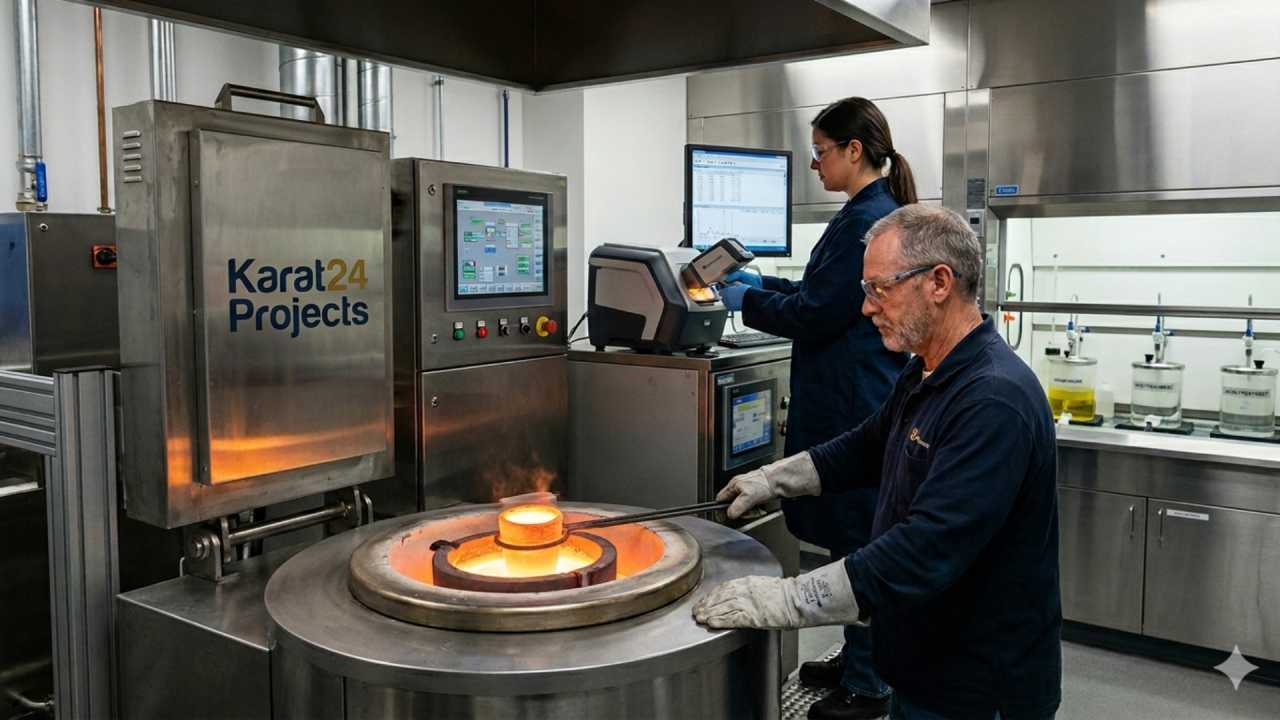
At the heart of every refinery is the assay laboratory. Assaying is the process of chemically analyzing a sample to determine its precious metal content. Before a refinery can process a batch of scrap jewelry or mined ore, they must know exactly what is in it. This ensures that the seller is paid fairly and that the refinery applies the correct chemical treatment. Common methods include fire assay (the “gold standard” of testing), X-ray fluorescence (XRF), and Inductively Coupled Plasma (ICP) mass spectrometry.
Purity Standards
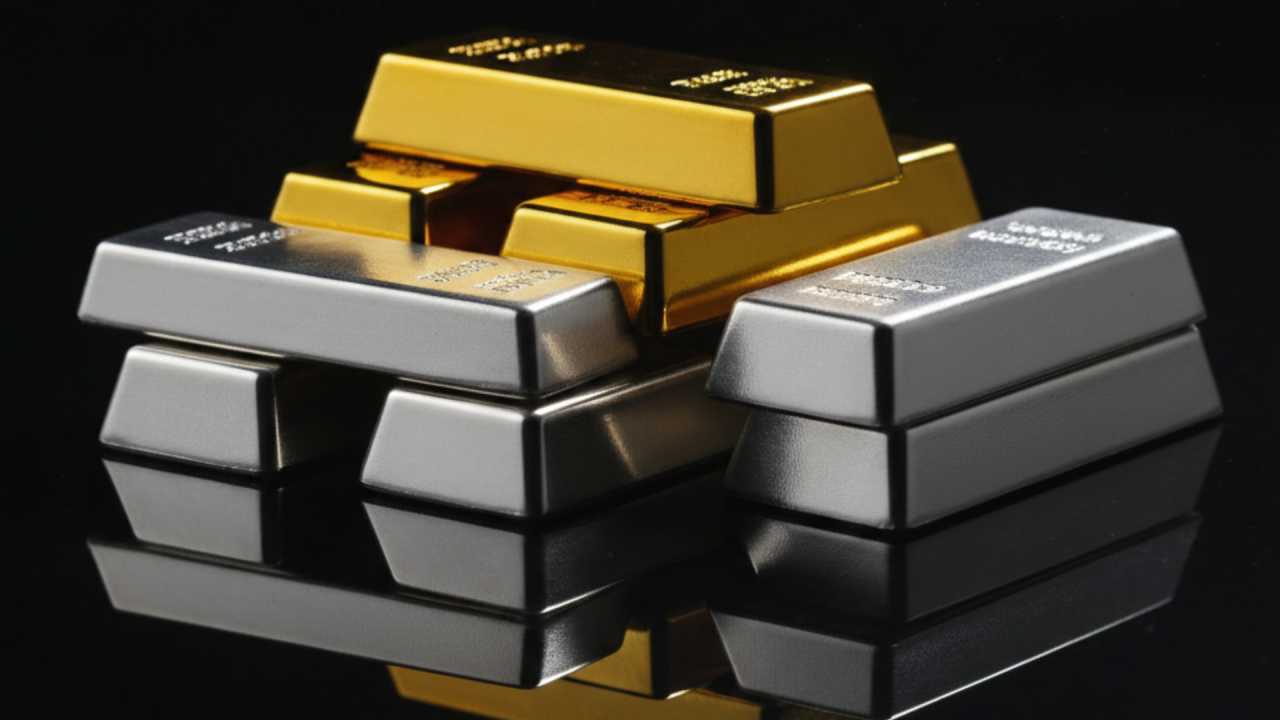
The industry operates on strict benchmarks. For gold, the investment standard is generally “four nines” (99.99%), while the London Bullion Market Association (LBMA) sets the Good Delivery standard for silver at 99.9%. These levels of purity are not just for prestige; they ensure that the metals are fungible assets that can be traded globally without the need for re-testing at every exchange.
Sources of Precious Metals
The feedstock for refineries comes from two main streams: primary and secondary sources.
1. Mining and Ore Processing
Primary production involves extracting metals directly from the earth’s crust. Gold and silver are often found in low concentrations, sometimes requiring the processing of a ton of rock to yield just a few grams of metal. Once the ore is crushed and concentrated, it undergoes leaching (often using cyanide solutions) or smelting. The resulting material is sent to a refinery to remove the remaining iron, copper, and lead. While mining provides the bulk of the world’s new supply, it is energy-intensive and faces increasing scrutiny regarding land use and water consumption.
2. Recycled Materials (Secondary Refining)
Secondary refining is the cornerstone of the circular economy. This stream includes:
-
Jewelry and Dental Scrap: Old rings, necklaces, and dental crowns are melted down and refined. Because these are already high-purity alloys (like 14K or 18K gold), they are relatively easy to process.
-
Industrial Scrap: Off-cuts from manufacturing, such as silver solder or platinum wiring.
-
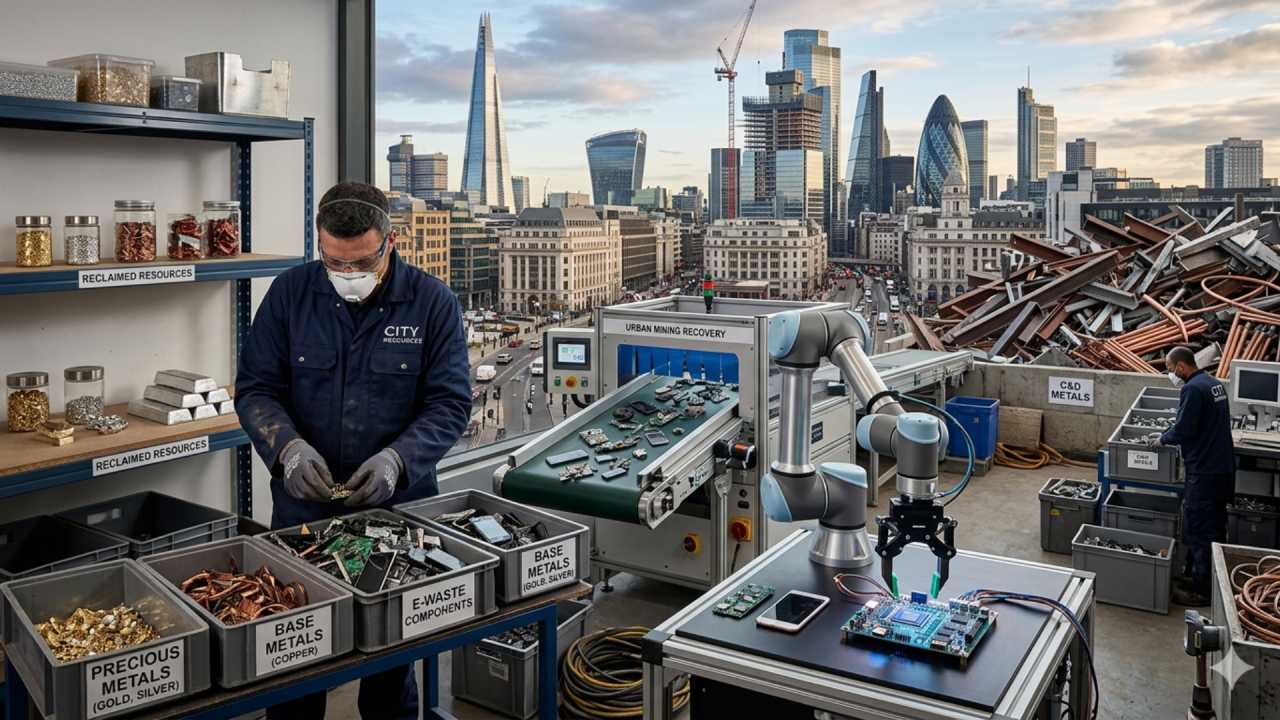
E-Waste: Circuit boards, CPUs, and connectors contain gold, silver, and palladium. While the concentration per device is small, the sheer volume of global e-waste represents a massive “urban mine.”
-
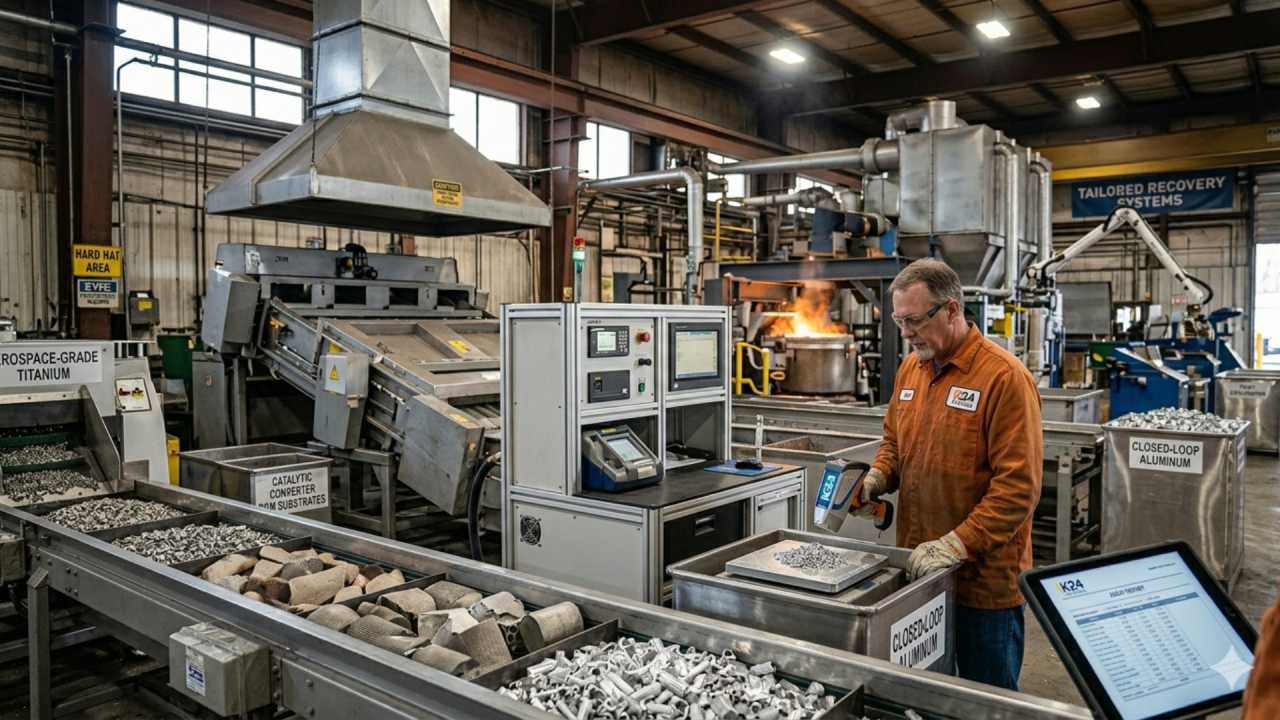
Catalytic Converters: This is the primary source of recycled PGMs. The honeycomb structure inside an automotive exhaust system contains thin layers of platinum, palladium, and rhodium used to neutralize pollutants.
Gold Refining Methods
Gold is perhaps the most famous subject of the refinery. Depending on the desired purity and the scale of the operation, three primary methods are utilized.
The Miller Process
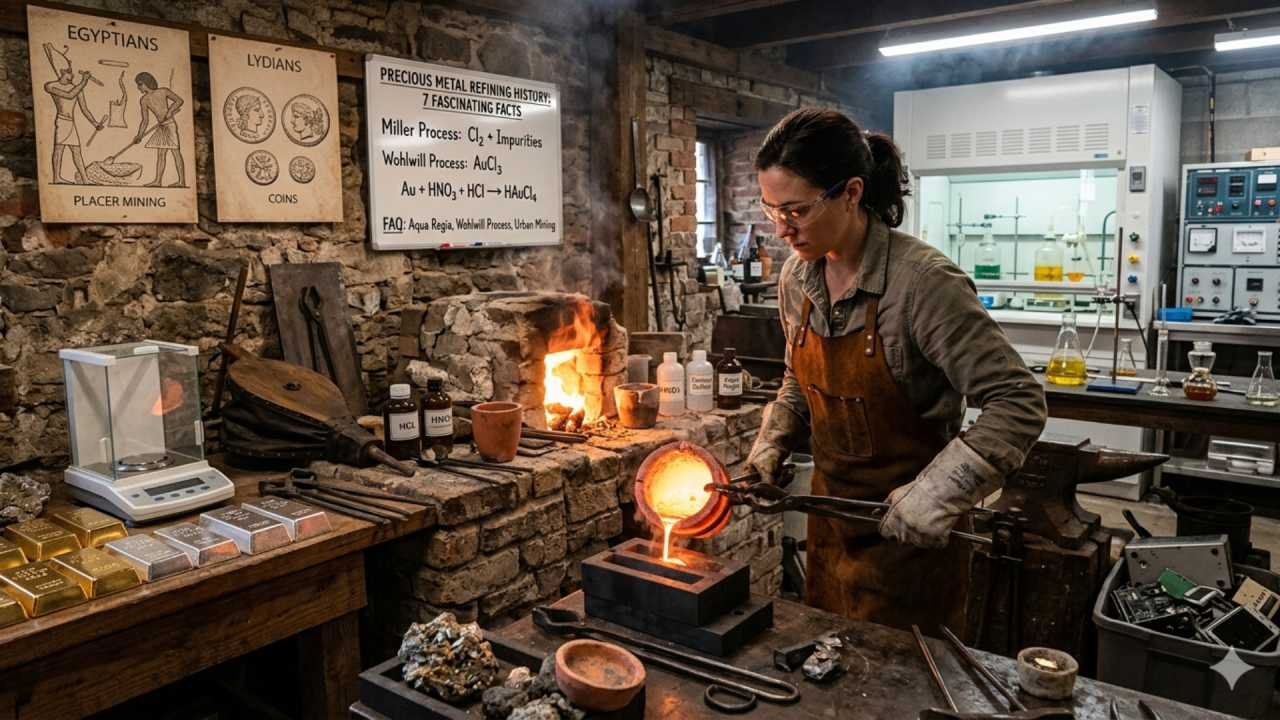
Developed in the 1860s, the Miller Process is the most common method for large-scale refining. It involves bubbling a stream of pure chlorine gas through molten impure gold. The chlorine reacts with the impurities (like silver, copper, and zinc) to form chlorides, which rise to the surface as a slag or evaporate. This process is incredibly fast and can reach a purity of 99.5%. While this is sufficient for many industrial uses and some coinage, it is not pure enough for high-end electronics or “four nines” investment bars.
The Wohlwill Process
To reach 99.99% purity, the gold must undergo the Wohlwill Process. This is an electrolytic method where an impure gold bar acts as the anode and a pure gold sheet acts as the cathode in a solution of chloroauric acid. When an electric current is applied, the gold dissolves from the anode and migrates to the cathode, leaving the impurities behind in the solution or as a sediment (anode slime). While it produces the highest purity, it is a slow process and requires a massive inventory of gold to be “locked up” in the electrolytic tanks, which carries a high financial cost.
The Aqua Regia Method
Common in smaller refineries and laboratories, this method uses “royal water”—a mixture of nitric acid and hydrochloric acid. Aqua regia is one of the few substances that can dissolve gold. Once the gold is in solution, it is precipitated back into a solid metallic form using a chemical like ferrous sulfate or sodium bisulfite. This method is highly effective for removing silver, as the silver reacts with the hydrochloric acid to form an insoluble silver chloride powder that can be filtered out.
Silver Refining Techniques
Silver is often a byproduct of gold, copper, or lead refining. However, because silver has the highest electrical and thermal conductivity of any metal, its demand in the solar panel and electronics industries is insatiable, making dedicated silver refining vital.
The most common method for silver is the Moebius or Thum electrolytic process. Similar to the Wohlwill process for gold, this involves placing impure silver anodes into a silver nitrate electrolyte solution. Under a current, pure silver crystals form on the cathode. These crystals are then collected, washed, and melted into bars or grains.
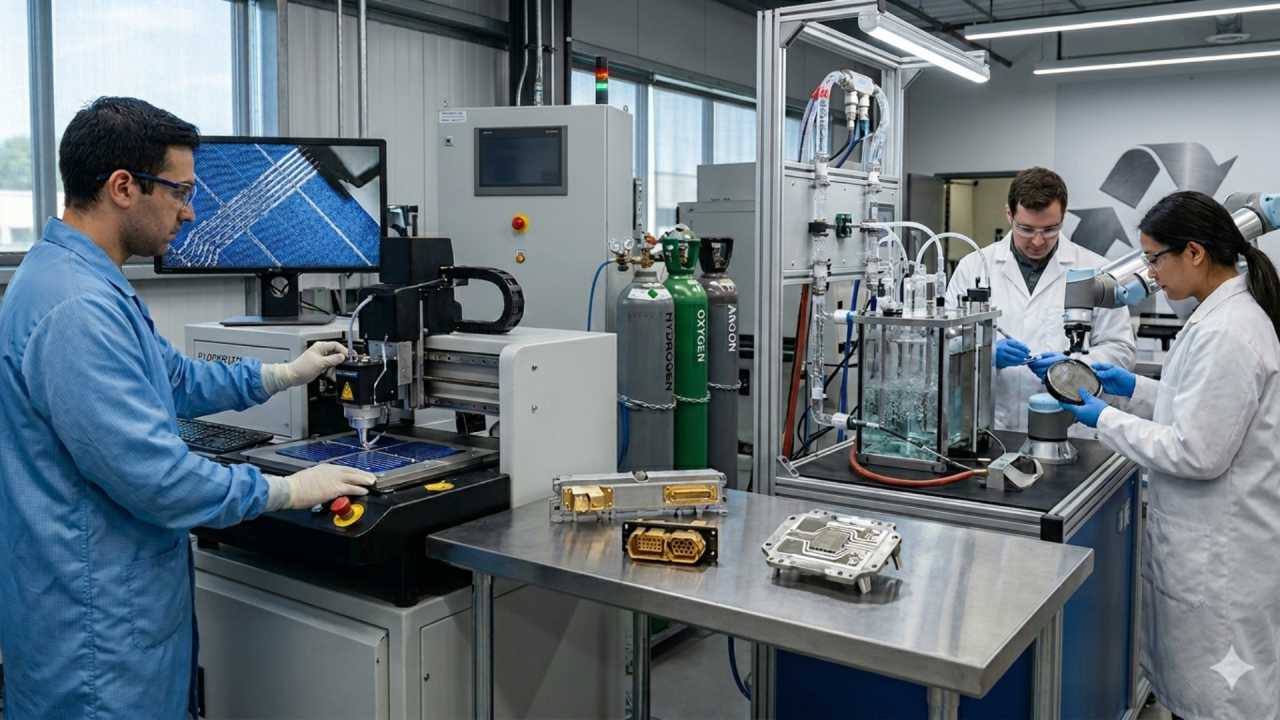
Chemical precipitation is also used, particularly when recovering silver from photographic waste or plating solutions. In these cases, the silver is often precipitated as silver chloride and then converted back to metallic silver through a reduction process. High-purity silver (99.9% or higher) is essential for the photovoltaic cells used in solar panels, where even minute impurities can degrade the efficiency of energy conversion.
Platinum Group Metals (PGMs) Refining
Refining PGMs—platinum, palladium, rhodium, ruthenium, iridium, and osmium—is significantly more complex than refining gold or silver. These metals are chemically similar to one another and often occur together in the same ores or scrap materials. Because they have extremely high melting points and are resistant to most acids, they require sophisticated, multi-stage chemical separations.
The Complexity of Separation
After the metals are dissolved in aqua regia or other strong acids, they are separated using solvent extraction or ion exchange. Each metal is targeted sequentially. For example, platinum is often precipitated first using ammonium chloride, followed by palladium. Rhodium, being one of the rarest and most expensive metals on earth, requires even more specialized treatment to isolate it from the rest of the group.
Industrial Applications
The demand for PGMs is heavily driven by the automotive industry. Palladium and rhodium are essential for catalytic converters in gasoline engines, while platinum is used in diesel engines. As the world moves toward a hydrogen economy, platinum is also becoming a critical component in fuel cells and electrolyzers. The high cost of these metals makes the PGM refinery a high-stakes environment where a 1% loss in recovery can result in millions of dollars in lost revenue.
Environmental & Sustainability Considerations
Historically, refining was a “dirty” industry, characterized by toxic fumes and heavy metal runoff. Modern refineries, however, are subject to stringent environmental regulations. The chemicals used—such as cyanide in leaching or chlorine gas in the Miller process—are hazardous and require closed-loop systems to prevent environmental contamination.
Urban Mining and the Carbon Footprint
One of the most significant sustainability drivers is the shift toward recycling. Refining gold from e-waste or jewelry consumes significantly less energy than mining it from the ground. It is estimated that a ton of old cell phones contains more gold than a ton of high-grade gold ore. By focusing on “urban mining,” refineries reduce the need for disruptive open-pit mining and help manage the growing global problem of electronic waste.
Waste Treatment
Modern refineries employ advanced scrubbers to neutralize acidic vapors and wastewater treatment plants to remove trace metals before the water is discharged. Many refineries now aim for “Zero Liquid Discharge” (ZLD), where all water is recycled within the plant, and the only waste products are stabilized solids that can be safely disposed of or repurposed.
Technology & Innovation in Refining
The refining industry is undergoing a digital and chemical revolution. Innovations are focused on two goals: increasing recovery rates and reducing environmental impact.
-
Automated Refining: High-capacity refineries are moving toward automated systems that use sensors and AI to monitor the chemical composition of solutions in real-time. This allows for precise dosing of chemicals, reducing waste and improving the purity of the final product.
-
Digital Assaying: Traditional fire assaying is being supplemented by advanced spectroscopy. These tools provide nearly instant analysis of metal composition, allowing refineries to process smaller batches of scrap more efficiently.
-
Eco-friendly Solvents: Researchers are developing “green” chemicals to replace cyanide and strong acids. Deep eutectic solvents and bio-leaching (using bacteria to extract metals) are being explored as low-toxicity alternatives for the next generation of refineries.
Economic Importance of Precious Metal Refining
Refineries are the gatekeepers of the precious metals market. Their output dictates the supply of investment-grade bullion and industrial-grade raw materials. When refinery capacity is constrained—due to energy shortages, regulatory changes, or labor strikes—it can lead to a “bottleneck” that drives up the premiums on physical bars and coins.
Value-Added Services
A refinery does more than just clean metal; it adds value. A bucket of scrap jewelry is difficult to sell at market price because its exact gold content is unknown. Once that scrap is refined into a hallmarked 1kg bar, it becomes a liquid asset that can be sold instantly on any global exchange. The “refining margin”—the fee charged for this service—is a critical component of the precious metal supply chain.
Stabilizing Supply
Refineries also act as a buffer. During periods of high gold prices, consumers sell their jewelry, and the surge in scrap material flows into refineries. This secondary supply helps stabilize prices by providing the market with gold when mining production cannot keep up with demand.
Challenges in Precious Metal Refining
Despite its importance, the industry faces significant hurdles.
-
Regulatory Compliance: Refineries must comply with “Know Your Customer” (KYC) and Anti-Money Laundering (AML) laws. They must ensure that the gold they process is not “conflict gold” sourced from illegal mines or used to fund organized crime.
-
Price Volatility: Because refineries hold large amounts of metal during the processing stage, they are exposed to price fluctuations. A sudden drop in the price of palladium while it is being refined can wipe out the profit margin for that batch.
-
Technical Difficulty of E-Waste: While e-waste is a rich source of metals, the complexity of modern gadgets makes them difficult to recycle. Plastic housings, batteries, and flame retardants must be carefully separated before the refining of the metals can even begin.
Final Thoughts
The refining of precious metals is an invisible but indispensable pillar of the global economy. It is a field where ancient alchemical goals meet 21st-century chemical engineering. From the gold in a wedding ring to the rhodium in an exhaust pipe, the journey of these metals is one of constant purification.
As we look to the future, the role of the refinery will only grow in importance. The transition to green energy depends on the efficient recovery of silver for solar cells and PGMs for hydrogen technology. By embracing innovation and sustainability, the refining industry ensures that these finite, valuable elements are never truly lost, but rather continuously cycled back into the service of humanity. The refinery is not just a place where metal is cleaned; it is where the raw materials of the earth are refined into the building blocks of the future.