Turning Trash into Treasure: Environmental Benefits of Precious Metal Refining
The Hidden Value in Waste
In the modern era, the word “trash” is increasingly becoming a misnomer. What was once discarded as useless refuse is now being recognized as a high-value frontier for resource recovery. At the heart of this shift lies the industry of precious metal refining—the process of extracting, purifying, and repurposing metals such as gold, silver, platinum, and palladium from secondary sources. These metals are prized not only for their luster and role in jewelry but for their indispensable conductivity, catalytic properties, and corrosion resistance in modern technology.
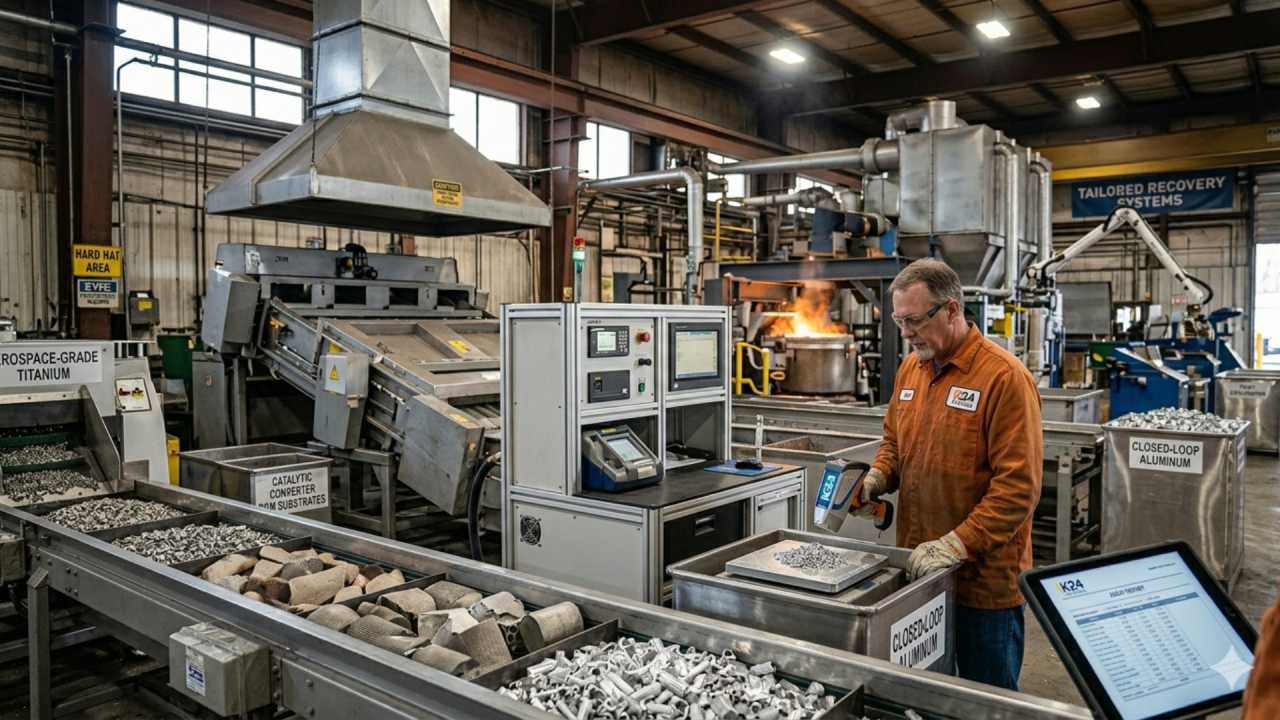
The “trash” in question is diverse. It ranges from the discarded smartphones and laptops that constitute the global e-waste stream to industrial scraps, spent automotive catalytic converters, and even the “sweeps” from jewelry workshops. For decades, the global economy operated on a “take-make-dispose” model, but this linear approach has led to a dual crisis: a growing mountain of hazardous waste and the rapid depletion of the earth’s finite mineral reserves.
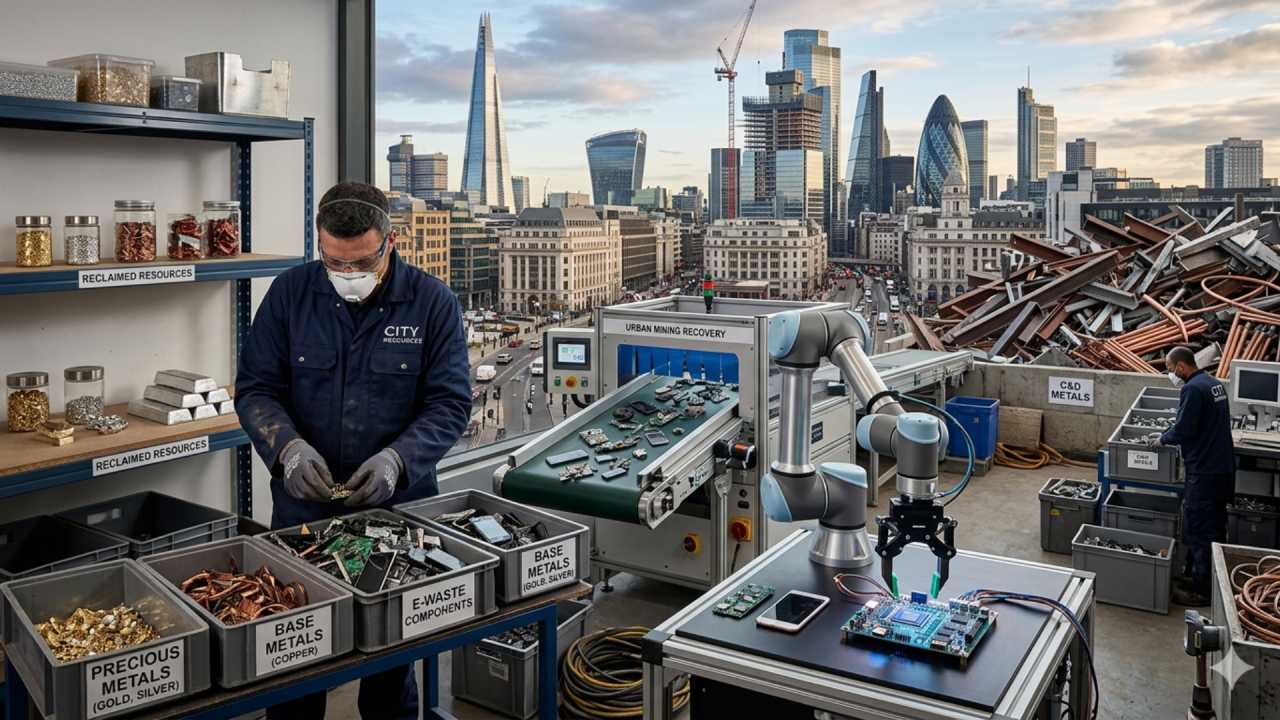
Refining offers a bridge to a more sustainable future. By reclaiming metals that have already been extracted, we treat waste not as a burden to be buried, but as an “urban mine.” As global demand for electronics and green energy technologies—which rely heavily on these metals—continues to skyrocket, the ability to turn trash into treasure is no longer just an environmental ideal; it is a geopolitical and ecological necessity.
The Growing Problem of Waste and Resource Depletion
The scale of global waste, particularly electronic waste or e-waste, is staggering. Every year, the world produces tens of millions of metric tons of e-waste. This stream includes everything from large household appliances to the tiny circuit boards found in smart devices. When these items are tossed into landfills, they represent a colossal loss of value. More importantly, they pose a significant environmental threat. E-waste often contains toxic substances like lead, mercury, and cadmium, which can leach into the soil and groundwater, poisoning ecosystems and entering the human food chain.
Parallel to the waste crisis is the issue of resource depletion. Precious metals are, by definition, rare. The concentrations of gold or platinum in the earth’s crust are incredibly low, often requiring the excavation of tons of rock to produce a single ounce of pure metal. As the “easy” deposits are exhausted, mining operations must go deeper and move into more ecologically sensitive areas, such as rainforests or deep-sea environments. This creates a cycle of increasing environmental destruction for diminishing returns.
The contrast between a linear economy and a circular economy is nowhere more evident than in the metal industry. A linear economy extracts raw materials, uses them once, and discards them, leading to total loss and environmental degradation. A circular economy, however, seeks to keep materials in use for as long as possible. Precious metal refining is the cornerstone of this circularity, ensuring that once a metal is brought above ground, it stays in the productive loop indefinitely.
What Is Precious Metal Refining?
Precious metal refining is the sophisticated process of separating valuable metals from impurities or other base metals. It is distinct from primary mining, which involves extracting metals from raw ore found in the ground. Refining focuses on “secondary” sources—materials that have already been processed once but are no longer in their useful form.
The process typically follows a structured path:
-
Collection: Gathering waste materials from various streams, such as industrial manufacturers, electronics recyclers, or dental offices.
-
Sorting and Pre-processing: Categorizing materials by their likely metal content and mechanically breaking them down (shredding or grinding) to increase surface area.
-
Processing: Using thermal or chemical methods to separate the precious metals from plastics, ceramics, and base metals.
-
Purification: The final stage where the metal is brought to its highest purity level (e.g., .999 gold) through electrochemical or advanced chemical reactions.
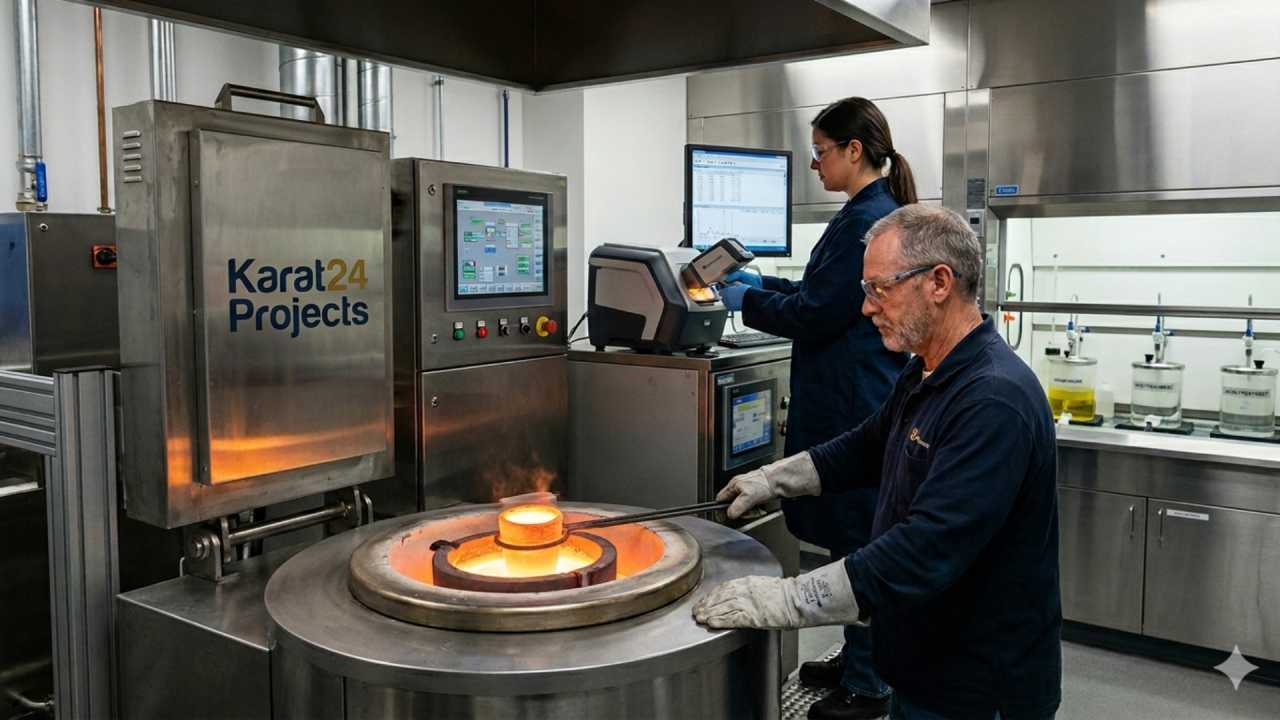
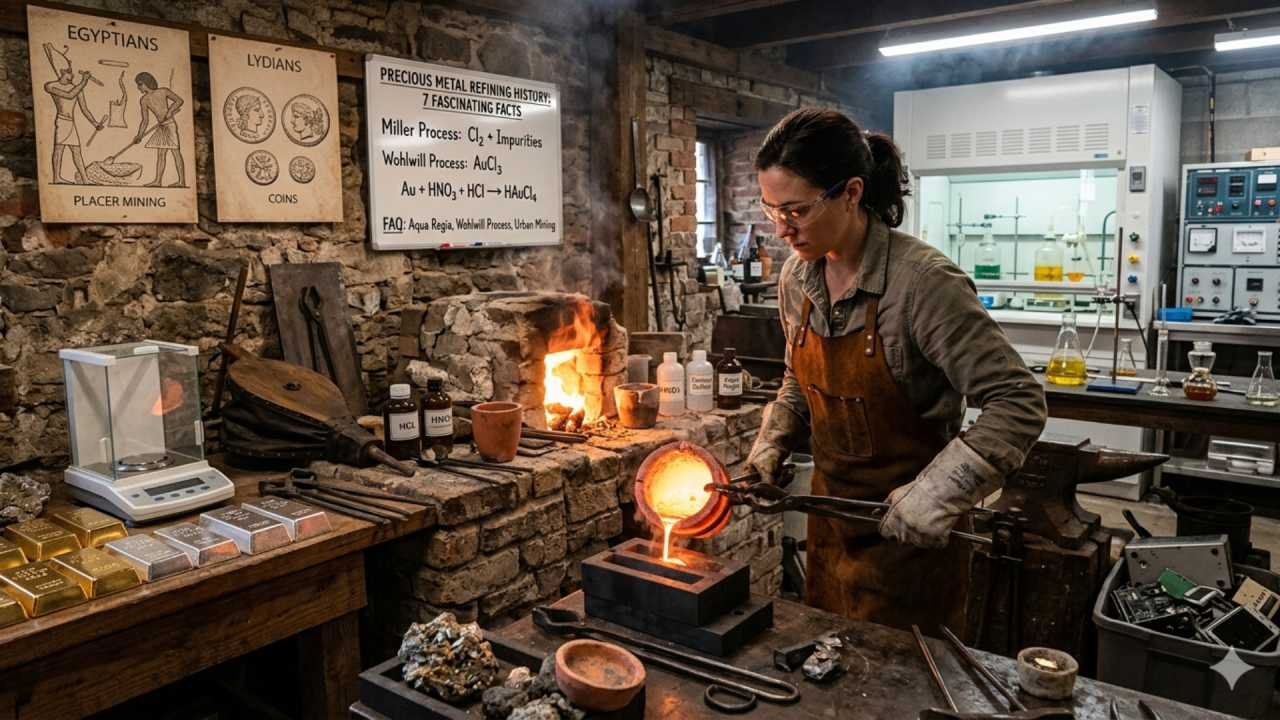
The two primary technical branches of refining are pyrometallurgy and hydrometallurgy. Pyrometallurgy uses high temperatures in furnaces to smelt the waste, allowing precious metals to separate in a molten state. Hydrometallurgy uses aqueous solutions—such as acids or cyanide-based solvents—to leach the metals out of the waste material. While both are effective, modern refining is increasingly moving toward hydrometallurgical and even “green” chemical processes to reduce energy consumption and hazardous emissions.
Environmental Benefits of Precious Metal Refining
The core argument for refining over mining is found in its profound environmental advantages. By shifting our focus from the crust of the earth to the scrap heaps of our cities, we can drastically reduce the human footprint on the planet.
Reduction in Mining Activities
Mining is one of the most environmentally invasive human activities. To reach precious metal ores, vast tracts of land must be cleared, leading to massive deforestation and the permanent destruction of habitats for thousands of species. In regions like the Amazon or the Congo Basin, gold mining has been a primary driver of biodiversity loss.
Refining acts as a pressure valve for these ecosystems. For every ton of gold recovered from circuit boards or jewelry scrap, thousands of tons of earth do not have to be excavated. By sourcing our “raw” materials from the waste stream, we protect old-growth forests, preserve mountainous regions, and prevent the displacement of indigenous communities who often live in mineral-rich areas.
Lower Carbon Footprint
The energy intensity of primary mining is enormous. It requires heavy machinery for excavation, massive amounts of fuel for transport, and intensive energy for crushing and smelting raw ore. In contrast, refining secondary materials is significantly more energy-efficient.
Studies have shown that the carbon footprint of recycled gold is up to 99% lower than that of newly mined gold. Similarly, platinum group metals (PGMs) recovered from used catalytic converters require a fraction of the energy compared to those mined from deep-underground shafts in South Africa or Russia. By choosing refining, the global community can make a major dent in industrial greenhouse gas emissions, aligning metal production with global climate goals.
Waste Reduction and Landfill Diversion
Landfills are essentially “dead zones” where valuable resources are trapped and hazardous materials are concentrated. Precious metal refining turns these potential pollutants into productive assets. When e-waste is diverted from a landfill to a refinery, the hazardous components—like flame retardants in plastics or heavy metals in solder—can be properly managed and neutralized.
This diversion prevents “toxic leakage.” Over time, the casings of electronics break down, and rain filters through the landfill, creating a toxic “leachate” that can migrate into local aquifers. By systematically stripping the precious metals from these devices, we provide the economic incentive to collect and process the waste safely, ensuring it never reaches the soil in the first place.
Pollution Prevention
The mining industry is often associated with devastating pollution events, most notably acid mine drainage. This occurs when sulfide minerals in excavated rock are exposed to air and water, creating sulfuric acid that washes into nearby streams, killing aquatic life for miles. Additionally, large-scale gold mining often uses mercury or cyanide in ways that can escape into the environment.
Refining, while it does use chemicals, operates in controlled, closed-loop industrial environments. Modern refineries are subject to stringent regulations regarding air scrubbing and wastewater treatment. By reducing the global volume of mining, we reduce the frequency of tailing dam failures and the long-term chemical leaching associated with abandoned mine sites.
Conservation of Natural Resources
Natural resources are not just the metals themselves, but also the water and air that support life. Mining is a water-intensive process, often competing with local agriculture and communities for clean water. Refining uses significantly less water per ounce of metal produced.
Furthermore, by refining, we preserve the “ore grade” for future generations. If we continue to extract at current rates without recycling, we will eventually reach a point where the remaining metal is so deep or so diffused that it is energetically impossible to extract. Refining creates a sustainable reservoir of metals that circulates through the economy indefinitely, effectively making the metal a “renewable” resource.
Economic and Social Benefits
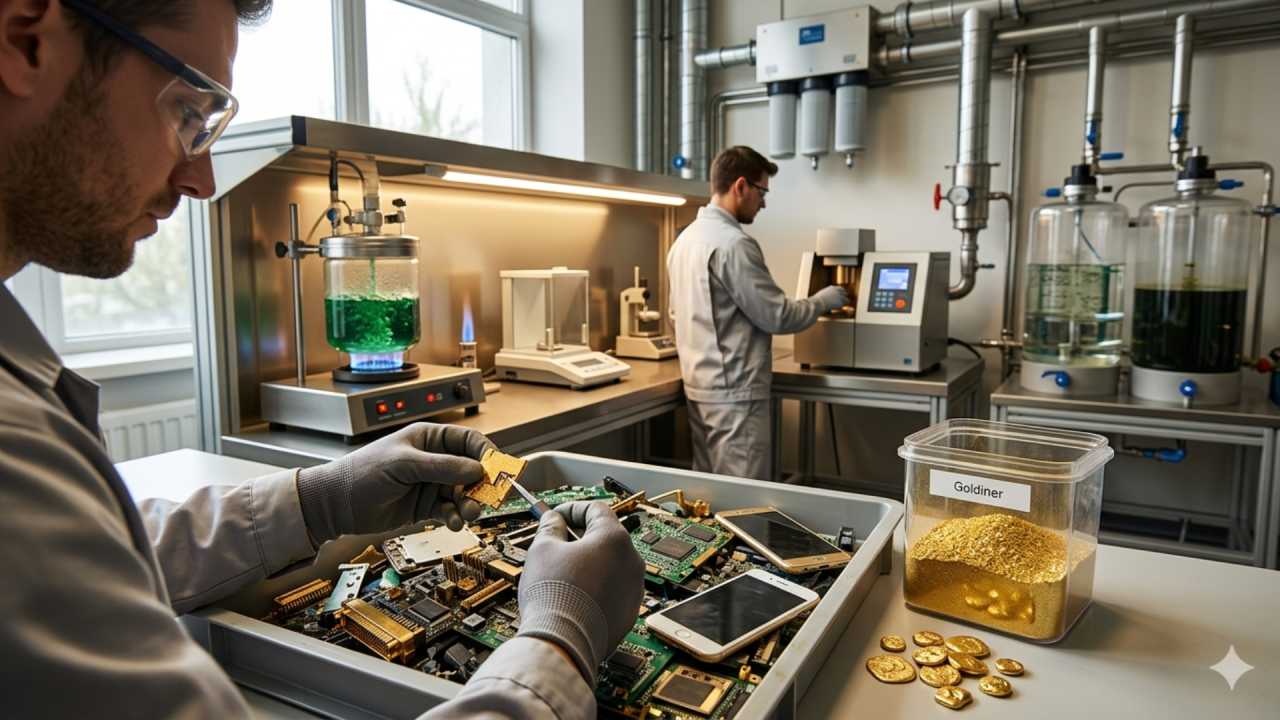
The transition to a refined-metal economy is not just an environmental win; it is an economic powerhouse. The “value density” of waste is often higher than that of raw ore. For example, a ton of used mobile phones contains significantly more gold than a ton of gold ore from a high-quality mine. This high concentration makes “urban mining” an incredibly lucrative venture for those with the technology to harness it.
Economically, the refining industry fosters a multi-tiered ecosystem of jobs. This includes collection logistics, manual dismantling, chemical engineering, and high-tech laboratory roles. Unlike mining, which is often located in remote areas and can lead to “boom and bust” town cycles, refining facilities can be integrated into industrial zones near major cities, providing stable, long-term employment.
Furthermore, refining enhances resource security. Many precious metals are concentrated in just a few countries, leading to supply chain vulnerabilities. By developing domestic refining capabilities, nations can reduce their dependence on foreign imports and protect their industries from price volatility in the global commodities market.
Technologies and Innovations in Metal Recovery
The efficiency of precious metal refining has leaped forward in recent years thanks to technological innovation. Traditional smelting is being supplemented or replaced by more precise methods that capture higher percentages of the target metals while using fewer resources.
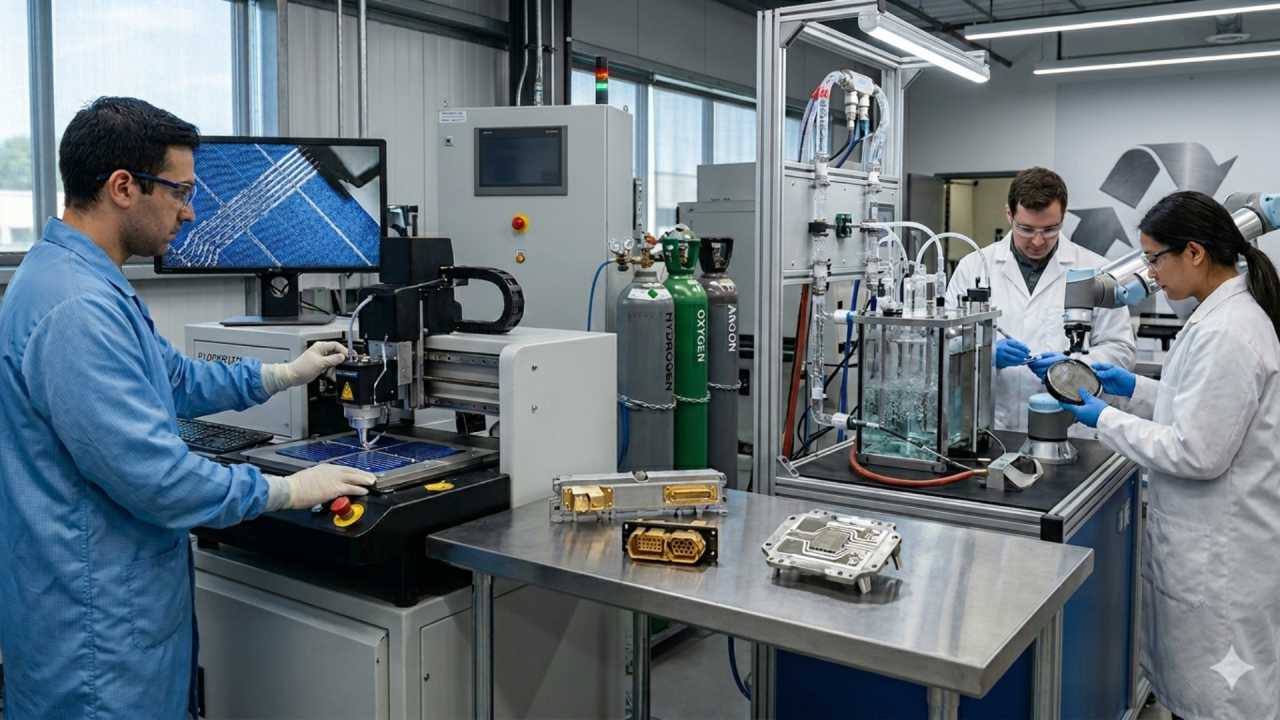
One of the most exciting frontiers is bioleaching. This process uses specialized microorganisms (bacteria or fungi) to “digest” the metals out of electronic scrap. It is a low-energy, low-pollution alternative to traditional chemical leaching. Another innovation involves electrochemical deposition, where electrical currents are used to pull specific metal ions out of a solution, plating them onto a cathode with extreme precision.
Artificial Intelligence (AI) and robotics are also playing a role. Automated sorting systems now use hyperspectral imaging and X-ray fluorescence to identify the metal content of scrap in real-time, allowing for much more efficient separation than manual labor could ever achieve. These technologies make it commercially viable to process lower-grade waste that was previously ignored.
Challenges and Limitations
Despite its benefits, precious metal refining is not a “magic bullet” without its own hurdles. The initial capital investment required to build a modern, environmentally compliant refinery is substantial. This high barrier to entry can prevent smaller companies or developing nations from establishing safe refining infrastructures.
Technical complexity is another challenge. Modern electronics are “complex alloys,” meaning metals are often bonded with plastics, ceramics, and other metals in ways that are difficult to undo. Separating tantalum from a capacitor or palladium from a multi-layered circuit board requires sophisticated chemistry and high precision.
A significant concern is the “informal” recycling sector. In some parts of the world, e-waste is processed by individuals using “backyard” methods—such as burning plastic off wires or using open-air acid baths. These practices are catastrophic for human health and the environment. The challenge lies in formalizing these sectors and ensuring that waste is directed toward facilities that use safe, modern refining techniques.
Case Studies and Real-World Examples
Several global initiatives demonstrate the power of refining. In Japan, the concept of “Urban Mining” was popularized decades ago. Ahead of a major international sporting event, the country launched a program to collect used small electronics from citizens. The gold, silver, and bronze for thousands of medals were entirely recovered from this “trash,” proving that a circular metal economy is achievable on a national scale.
In the corporate world, major tech manufacturers are now setting ambitious goals for “closed-loop” production. Some companies have developed specialized robots designed specifically to disassemble their own products, ensuring that every milligram of cobalt, gold, and copper can be returned to the refinery and then back into the next generation of devices.
In Europe, the “Right to Repair” movement and the implementation of “Digital Product Passports” are encouraging a shift toward modular design. When products are easier to take apart, they are easier to refine, further lowering the environmental and economic costs of recovery.
The Future of Precious Metal Recycling
The future of precious metal refining is inextricably linked to the “green transition.” The shift toward electric vehicles (EVs), hydrogen fuel cells, and renewable energy storage requires vast amounts of silver, copper, and platinum group metals. If we rely solely on mining to meet this demand, the “green” transition could ironically leave a trail of ecological destruction in its wake.
We are likely to see a shift in global policy that mandates “recycled content” in new products. This will drive further investment into refining technologies and infrastructure. As the circular economy matures, we may reach a “steady state” where the majority of our metal needs are met through the constant recycling of the existing stock, with only minimal “top-up” mining required to account for population growth or new technological breakthroughs.
The role of the consumer is also evolving. Public awareness of “blood gold” and the environmental cost of electronics is pushing people to demand better recycling options. The refinery of the future will not just be a factory; it will be a critical piece of public infrastructure, as essential to a city as its water treatment or power grid.
Final Thoughts: From Waste to Wealth
Turning trash into treasure is one of the most compelling narratives of the modern environmental movement. Precious metal refining proves that economic prosperity does not have to come at the expense of the earth. By viewing our discarded devices and industrial leftovers as a vast, untapped resource, we can protect our forests, clean our air, and conserve our water.
The environmental benefits of refining—from reducing the scars of mining to slashing carbon emissions—are undeniable. However, realizing this potential requires a collective effort. It requires engineers to design for recyclability, governments to regulate waste streams, and consumers to participate in recycling programs.
Ultimately, the gold in our pockets and the platinum in our cars are part of a global inheritance. Refining ensures that this inheritance is not wasted or buried in a pit, but is preserved, purified, and passed on. In the transition from waste to wealth, we find the path to a truly sustainable and circular future.
Frequently Asked Questions About Precious Metal Recovery
What are the primary environmental benefits of e-waste recycling and metal recovery?
The primary environmental benefits of e-waste recycling include the prevention of toxic heavy metals like lead and mercury from leaching into the soil, a significant reduction in the energy required to produce new metals, and the conservation of natural landscapes by reducing the need for destructive open-pit mining.
How does the carbon footprint of recycled gold compare to mined gold?
Recycled gold has a much lower carbon footprint than newly mined gold. Refining secondary gold sources typically generates up to 99% fewer greenhouse gas emissions because it bypasses the high-energy processes of excavation, rock crushing, and chemical smelting associated with primary ore extraction.
Is urban mining more sustainable than traditional deep-earth mining?
Yes, urban mining is widely considered more sustainable because it utilizes materials already in circulation within the circular economy. Extracting precious metals from discarded electronics or industrial scrap uses less water, creates less hazardous waste, and preserves biodiversity by protecting ecosystems that would otherwise be destroyed by traditional mining operations.
What is the role of precious metal refining in a circular economy?
In a circular economy, precious metal refining acts as the closing link in the product lifecycle. Instead of a linear “take-make-dispose” model, refining allows valuable materials like platinum, silver, and gold to be recovered and reused indefinitely, ensuring that finite natural resources are not permanently lost to landfills.
How can precious metal refining reduce water pollution and acid mine drainage?
By reducing the demand for primary mining, refining helps decrease the occurrence of acid mine drainage—a process where sulfuric acid from excavated rocks contaminates local water sources. Modern refineries operate in controlled, closed-loop environments that capture and treat wastewater, preventing the release of hazardous chemicals into the environment.
Which precious metals are commonly recovered from industrial and electronic waste?
The most commonly recovered precious metals include gold (found in circuit boards and connectors), silver (used in solar panels and electronics), and Platinum Group Metals (PGMs) like palladium and rhodium, which are primarily recovered from automotive catalytic converters.
What are the challenges of setting up an eco-friendly metal refining plant?
The main challenges include the high initial capital investment for advanced pollution control technology, the technical complexity of separating bonded materials in modern electronics, and the need for strict adherence to environmental regulations and hazardous waste management protocols to ensure the refining process itself remains “green.”