
Sustainable Precious Metals Refining: Safety, Environmental Responsibility & Best Practices
Precious metals refining is the sophisticated industrial process of purifying metals such as gold, silver, and the platinum group metals (PGM)—including platinum, palladium, rhodium, iridium, osmium, and ruthenium—to a state of high purity. Unlike base metal smelting, which deals with vast quantities of lower-value ore, precious metals refining focuses on the recovery of high-value materials from diverse sources. These metals are not merely symbols of wealth or decorative elements in jewelry; they are fundamental to modern existence. They serve as critical components in high-end electronics, automotive catalytic converters that reduce vehicle emissions, life-saving medical devices, and as essential catalysts in the chemical industry.
The global significance of these metals creates an unceasing demand, yet the process of obtaining them is fraught with complexity. The refining industry faces a dual challenge that defines its modern era: the necessity of high-value extraction coupled with the management of extreme environmental and safety risks. Because these metals often appear in trace amounts within complex matrices, the methods required to isolate them involve aggressive chemicals, high temperatures, and energy-intensive processes.
To remain viable and ethical in a world increasingly focused on sustainability, the refining industry must strike a delicate balance. Efficiency and yield can no longer be the sole metrics of success. Instead, modern refining must be built upon a foundation of rigorous worker safety and proactive environmental stewardship. This article explores the methodologies, risks, and innovations that define a responsible precious metals refining sector.
Overview of Precious Metals Refining
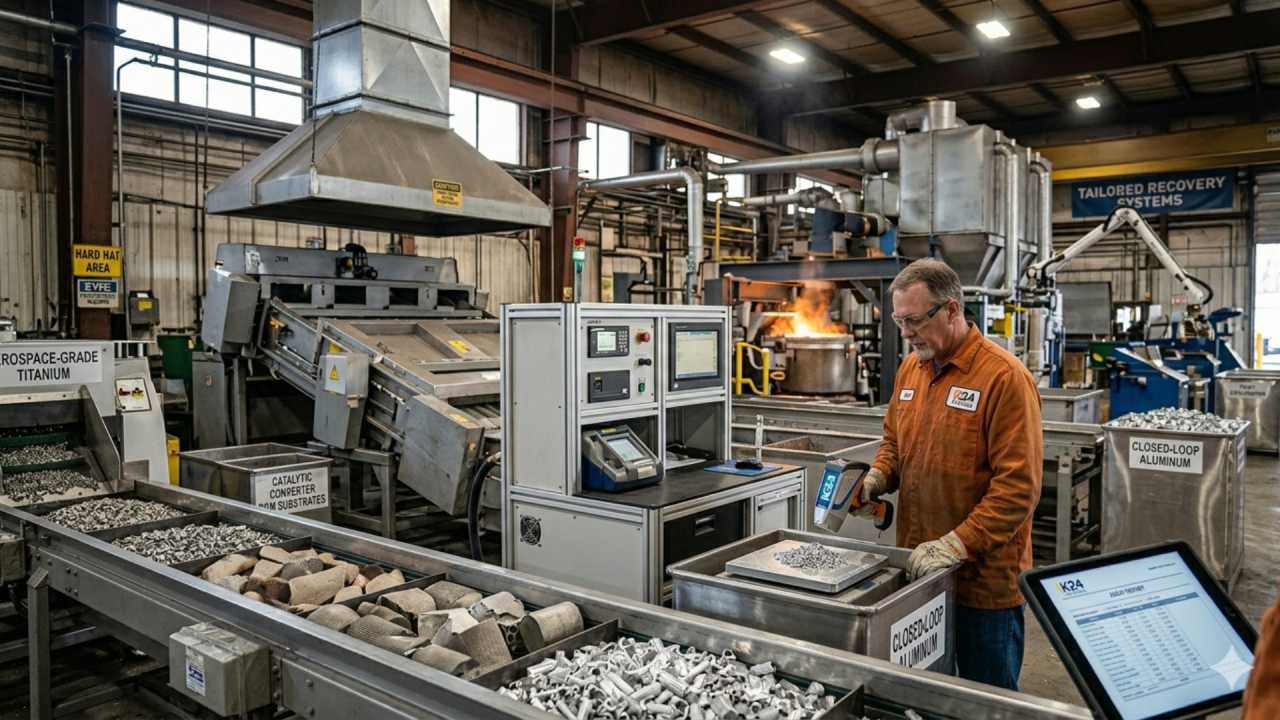
Precious metals are sourced from a variety of raw materials, each requiring specific handling and processing techniques. Primary sources include mining ores, where metals are extracted directly from the earth. However, as high-grade ore bodies deplete, the industry has shifted toward “urban mining” or recycling. This includes e-waste recycling (recovering gold and silver from circuit boards), industrial scrap (spent catalysts from the petroleum and automotive industries), and decorative scrap from the jewelry and dental sectors.
The refining process generally follows one of three primary pathways:
-
Pyrometallurgy: This involves high-temperature smelting in furnaces to separate metals based on their melting points and densities. While effective for bulk processing, it is energy-intensive and produces significant off-gassing.
-
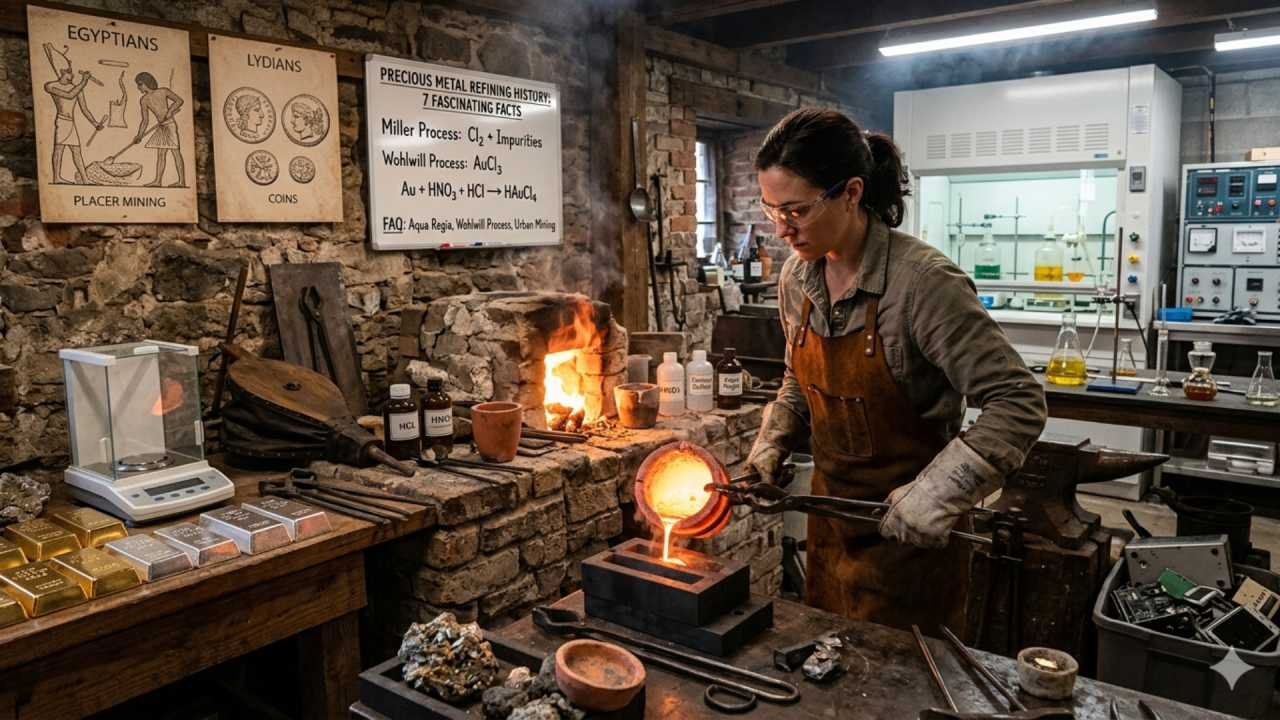
Hydrometallurgy: This is the most common route for high-purity refining. It uses aqueous chemistry to dissolve metals into solution. Common reagents include aqua regia (a mixture of nitric and hydrochloric acids) for gold and PGM, and cyanide solutions for silver and gold leaching.
-
Electrorefining: In this process, an impure metal anode is dissolved into an electrolyte and redeposited as a high-purity cathode through the application of an electric current.
These methods are chemically intensive by nature. The use of concentrated acids, volatile solvents, and toxic gases makes the refinery a high-risk environment. Every stage of the process, from the initial grinding of scrap to the final casting of bars, involves potential points of failure that could lead to chemical spills, atmospheric contamination, or physical injury.
Occupational Health and Safety Risks
The human cost of refining can be high if safety is not prioritized. The primary hazard in a refinery is chemical exposure. Reagents such as cyanide are lethal even in small doses, while concentrated acids like nitric and sulfuric acid can cause catastrophic chemical burns and respiratory damage if inhaled as fumes. Chlorine gas, often used in the Miller process for gold refining, is a potent irritant that can lead to acute pulmonary edema.
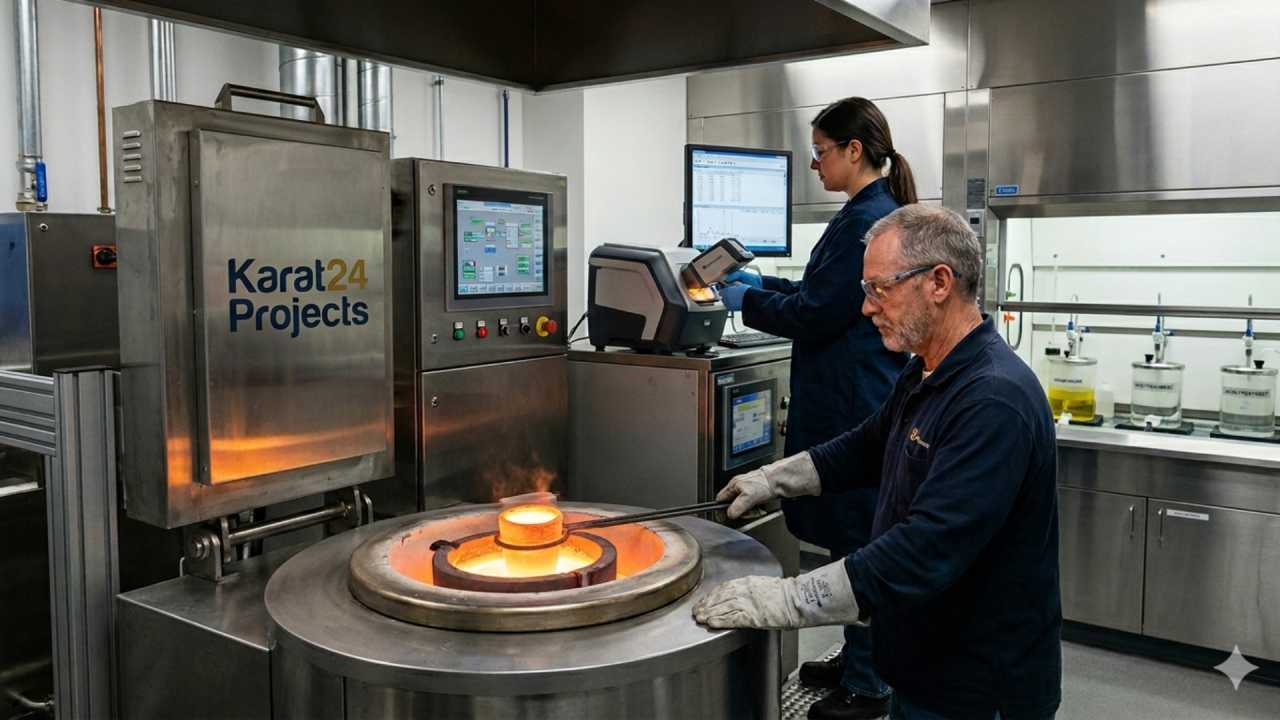
High-temperature hazards are equally prevalent. Smelting furnaces operate at temperatures exceeding 1,000 degrees Celsius. Workers face the risk of thermal burns, heat exhaustion, and the potential for “steam explosions” if moisture is accidentally introduced into a molten metal bath. Furthermore, legacy processes often involved the use of mercury and lead, leading to chronic heavy metal poisoning. While many modern refineries have phased these out, they remain a risk in secondary refining and artisanal settings.
Airborne particulates are a constant concern. The crushing and grinding of ores or electronic scrap release fine dust that may contain toxic elements. Long-term exposure to these particulates can lead to silicosis, lung cancer, and chronic obstructive pulmonary disease (COPD). Chronic exposure to PGM salts is also known to cause “platinosis,” a severe allergic reaction characterized by respiratory distress and skin lesions.
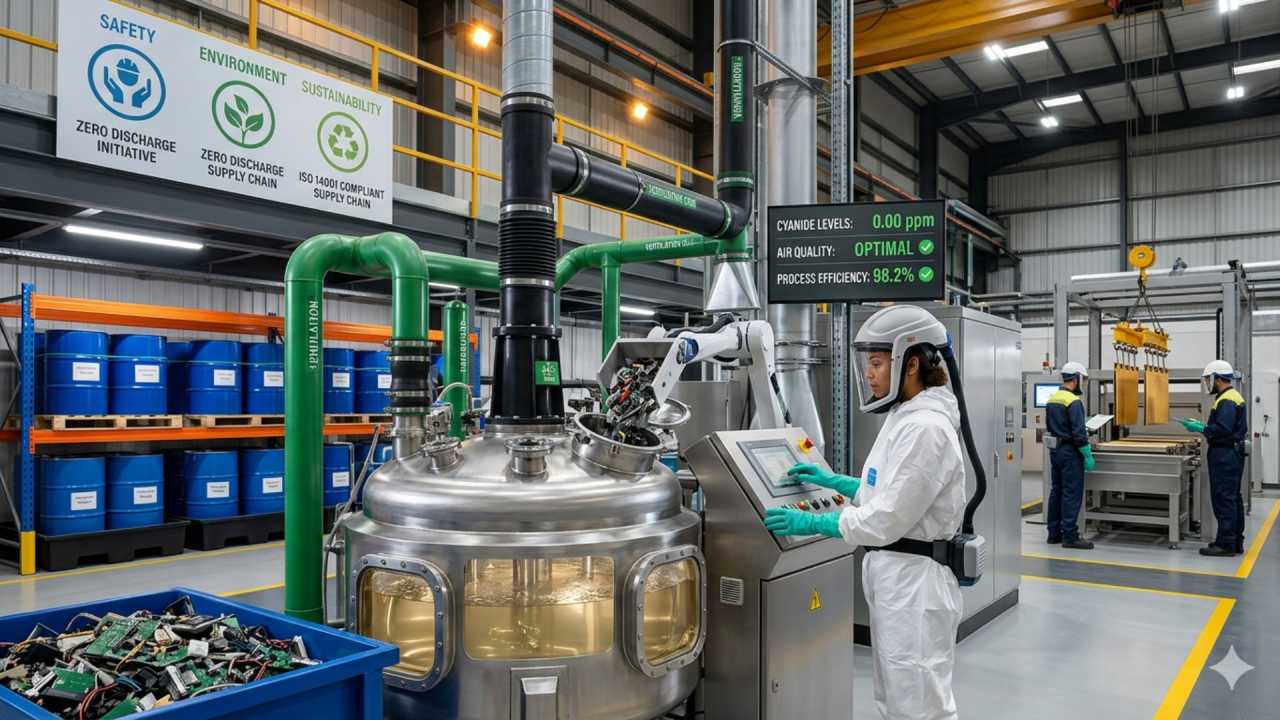
Mitigating these risks requires a multi-layered approach. Personal Protective Equipment (PPE) is the final line of defense, including acid-resistant suits, specialized respirators, and face shields. However, the industry emphasizes “engineering controls” first—such as automated chemical dosing, enclosed reactor vessels, and high-efficiency particulate air (HEPA) filtration systems. Comprehensive worker training and rigorous safety protocols, including “permit to work” systems and emergency response drills, are essential to maintaining a zero-harm environment.
Environmental Impacts of Refining
Without stringent controls, precious metals refining can be devastating to the local and global environment. Air pollution is a major concern. Smelting releases sulfur dioxide (SO₂), a primary contributor to acid rain, along with mercury vapors and lead-bearing dust. Even hydrometallurgical plants can release “acid mist” and nitrogen oxides (NOx) during the dissolution process, contributing to smog and respiratory issues in surrounding communities.
Water pollution represents perhaps the greatest long-term environmental risk. The refining process produces large volumes of liquid waste, or effluent. If untreated, this effluent is highly acidic and laden with heavy metals. “Acid mine drainage” and chemical leaks can sterilize local waterways, killing aquatic life and contaminating drinking water sources for miles downstream. Soil contamination follows a similar pattern; heavy metals like cadmium, arsenic, and lead can accumulate in the earth around a refinery, entering the food chain and rendering land unusable for agriculture.
Waste generation is another significant factor. For every gram of gold refined from ore, tons of waste rock (tailings) and chemical sludge are produced. Managing these vast quantities of “slag” and “tailings” requires massive impoundment areas which, if they fail, can result in environmental catastrophes. Finally, the carbon footprint of the industry is substantial. High-temperature furnaces and the production of the chemicals used in refining are extremely energy-intensive, contributing significantly to greenhouse gas emissions.
Regulatory Framework and Compliance
To curb these impacts, the refining industry is governed by an evolving web of national and international regulations. In most jurisdictions, environmental agencies mandate strict limits on air emissions and water discharge. Occupational safety boards (such as OSHA in the United States or similar bodies in the EU) set “permissible exposure limits” (PELs) for chemicals and conduct unannounced inspections to ensure worker safety.
Global standards have become the benchmark for excellence in the industry. ISO 14001 (Environmental Management Systems) provides a framework for refiners to measure and improve their environmental impact, while ISO 45001 (Occupational Health and Safety) ensures a proactive approach to worker wellness.
Beyond safety and environment, “Responsible Sourcing” has become a regulatory pillar. The OECD Due Diligence Guidance for Responsible Mineral Supply Chains requires refiners to ensure their raw materials do not originate from conflict zones or contribute to human rights abuses. Compliance is often verified through third-party audits and certifications, such as the London Bullion Market Association (LBMA) Responsible Gold Guidance. Traceability—the ability to track a metal from its source to the final product—is no longer optional; it is a requirement for market access.
Cleaner and Safer Refining Technologies
The transition to a “green” refinery is driven by technological innovation. One of the most significant advancements is the implementation of closed-loop chemical systems. These systems capture and recycle reagents within the process, preventing toxic vapors from escaping into the atmosphere and reducing the need for fresh chemical inputs.
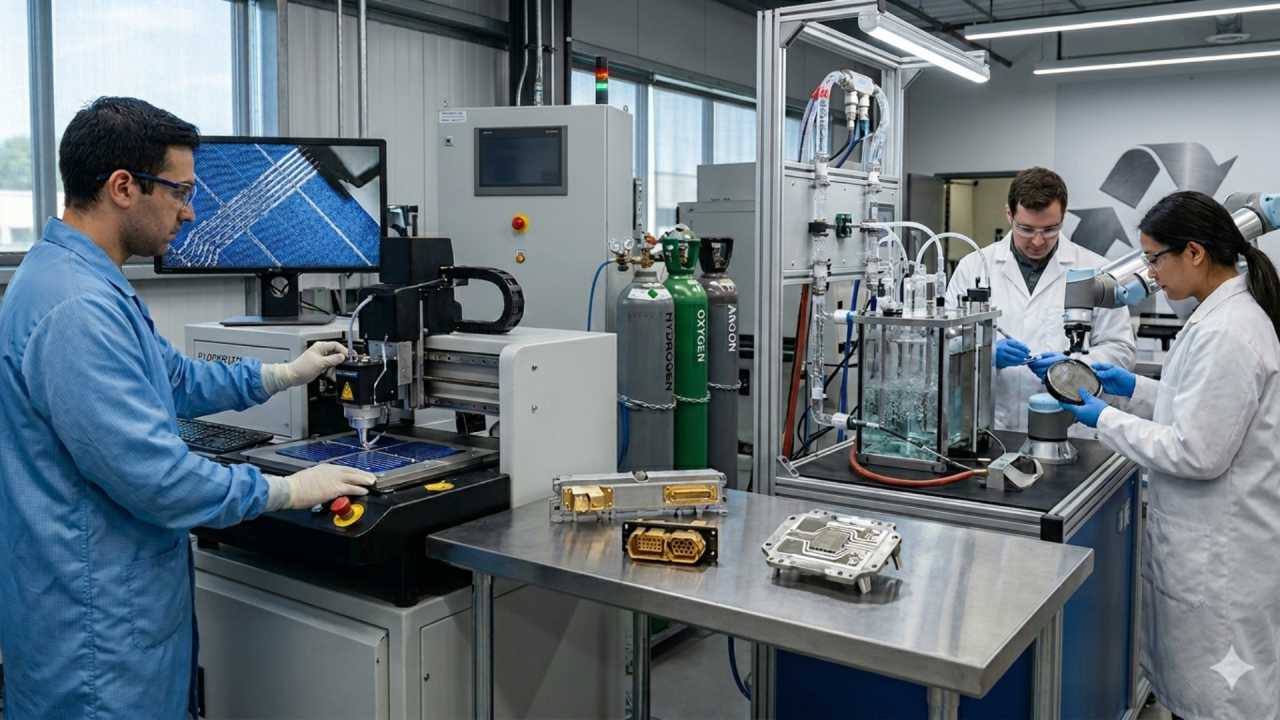
Researchers are also developing alternative leaching agents to replace cyanide and mercury. Reagents such as thiosulfate and glycine are showing promise as less toxic alternatives for gold extraction, potentially revolutionizing the safety profile of the industry. In the realm of high-purity refining, electrochemical recovery improvements have allowed for more efficient metal separation with lower energy consumption.
Emerging technologies like plasma arc and vacuum refining are gaining traction. Plasma arc technology allows for the smelting of scrap at extremely high temperatures in a controlled environment, resulting in lower emissions and higher recovery rates for PGMs. Automation and robotics are also playing a crucial role by removing humans from the most hazardous areas of the plant. Robots can now handle the “charging” of furnaces and the sampling of hazardous chemicals, significantly reducing the risk of accidental exposure.
Real-time monitoring is another game-changer. Internet of Things (IoT) sensors and advanced gas detection systems can identify a chemical leak or a furnace anomaly in milliseconds, triggering automated shutdowns before a minor issue becomes a catastrophe. These technologies, combined with advanced waste minimization techniques, are transforming refining from a “dirty” industry into a high-tech, precision sector.
Environmental Responsibility and Sustainability Practices
Sustainability in refining is inextricably linked to the circular economy. “Urban mining”—the recovery of precious metals from end-of-life products—is significantly more environmentally friendly than traditional mining. Recovering gold from e-waste, for example, requires a fraction of the energy and produces far less waste than extracting the same amount of gold from a primary mine.
Refineries are increasingly adopting Zero-Liquid Discharge (ZLD) systems. These plants treat and recycle all process water, ensuring that no chemical-laden effluent is discharged into the environment. This not only protects local water sources but also reduces the refinery’s total water footprint. To address the carbon footprint, many modern plants are investing in energy efficiency upgrades and transitioning to renewable energy sources, such as solar or wind power, to run their electrolytic cells and administrative facilities.
ESG (Environmental, Social, and Governance) reporting has become a standard practice for major refiners. By publicly disclosing their carbon emissions, water usage, and safety statistics, companies are held accountable by investors and consumers alike. This transparency drives a culture of continuous improvement, where being “environmentally responsible” is seen as a competitive advantage rather than a regulatory burden.
Corporate Responsibility and Ethical Supply Chains
The responsibility of a refiner extends far beyond the walls of the plant. They act as the “gatekeepers” of the precious metals market. By refusing to process metals from unethical sources, refiners can choke off the funding for armed conflict and child labor. This is the essence of Conflict-Free Sourcing.
Transparency is the tool that makes this possible. Major refiners now employ sophisticated “Know Your Counterparty” (KYC) protocols to vet every supplier of scrap or ore. Blockchain technology is increasingly used to create an immutable record of a metal’s journey, providing consumers with the assurance that the gold in their wedding ring or the platinum in their car’s catalyst was produced ethically.
Consumer demand is a powerful driver here. As people become more conscious of the origins of their purchases, they are gravitating toward brands that can prove their metals are responsibly sourced. This “pull” from the market reinforces the “push” from regulators, creating a powerful incentive for refiners to maintain the highest ethical standards.
Challenges and Barriers to Adoption
Despite the clear benefits of safer and cleaner refining, significant barriers remain. The most prominent is the high cost of technology. Upgrading an old refinery with closed-loop systems, automated robotics, and ZLD water treatment requires massive capital investment. For many smaller refineries, these costs can be prohibitive.
There is also a significant challenge regarding artisanal and small-scale mining (ASM). In many parts of the developing world, refining is done in informal, unregulated settings using rudimentary and highly dangerous methods like mercury amalgamation. Bringing these informal sectors into a regulated, safe framework is an immense task involving complex socioeconomic factors.
Regulatory enforcement gaps also persist. While international standards exist, their application can be uneven. In regions with weak governance, unscrupulous refiners may cut corners on safety and environmental protections to lower costs, creating an “unlevel playing field” for those who do invest in responsibility. Finally, technical limitations remain; certain complex alloys or low-grade scraps are still difficult to process without aggressive chemical intervention.
Future Outlook
The future of precious metals refining is undeniably green. We can expect a continued shift toward biotechnology, where specialized bacteria or enzymes are used to “leach” metals from ore and scrap, potentially eliminating the need for harsh acids. The expansion of urban mining will likely continue until recycled sources account for a much larger share of the total supply than primary mining.
AI and machine learning will further optimize safety management. Predictive algorithms will be able to forecast equipment failures before they happen, and AI-driven process control will maximize metal recovery while minimizing energy and chemical use. As global environmental standards tighten, the industry will move toward a model of full traceability and near-zero impact.
The “refinery of the future” will likely be a highly automated, carbon-neutral facility that operates as a central hub in a circular economy. It will not only produce high-purity metals but also serve as a model of industrial harmony with the environment and the workforce.
Final Thoughts
Ensuring safety and environmental responsibility in precious metals refining is an ongoing journey rather than a destination. The industry provides the materials that fuel our technology, our health, and our economies, but this contribution cannot come at the expense of the planet or human life. The dual challenge of high-value extraction and high-risk management is being met through a combination of stringent regulation, technological innovation, and a fundamental shift in corporate ethics.
The path forward requires a collaborative effort. Governments must provide clear, enforceable regulations; companies must invest in cleaner technologies; and consumers must continue to demand transparency and responsibility. By balancing profitability with stewardship, the precious metals refining industry can secure its place as a cornerstone of a sustainable and equitable global future. High-value metals deserve high-value values, ensuring that the luster of gold and platinum is never tarnished by the methods used to produce them.
Frequently Asked Questions
What are the most common safety hazards in a precious metals refinery?
The most prevalent hazards include acute exposure to toxic gases like chlorine and nitrogen oxides, chemical burns from concentrated acids (aqua regia, sulfuric acid), and thermal risks from high-temperature smelting furnaces. Long-term risks include respiratory issues from airborne metal particulates and potential heavy metal poisoning if lead or mercury are present in the feedstock.
How do gold refineries manage environmental impact and toxic waste?
Responsible refineries utilize Closed-Loop Systems to capture chemical vapors and Zero-Liquid Discharge (ZLD) plants to purify and recycle all process water. Hazardous waste, such as chemical sludge and furnace slag, is stabilized and disposed of in specialized, lined containment facilities to prevent soil and groundwater contamination.
Is it possible to refine gold and silver without using cyanide?
Yes, modern “Green Refining” research focuses on alternative leaching agents such as thiosulfate, glycine, and citrus-based acids. While cyanide remains common due to its efficiency, many industrial refiners are transitioning to less toxic chemical processes and electrochemical recovery methods to improve environmental safety.
What is the difference between primary mining and urban mining for precious metals?
Primary mining involves extracting raw ore from the earth, which is energy-intensive and produces significant environmental “tailings.” Urban mining refers to the recovery of precious metals from e-waste, industrial scrap, and jewelry. Urban mining is significantly more sustainable, often requiring up to 90% less energy than traditional mining.
How can I verify if a precious metals refiner is sourcing materials ethically?
Look for certifications from international governing bodies. A reputable refiner should be compliant with the LBMA Responsible Gold Guidance or the Responsible Jewellery Council (RJC) standards. These certifications ensure the metals are conflict-free and that the refinery adheres to strict environmental and labor laws.
What role does automation play in industrial metal refining safety?
Automation and robotics are used to handle the most dangerous tasks, such as pouring molten metal, sampling toxic chemicals, and charging furnaces. By removing human operators from “high-exposure” zones and utilizing real-time IoT sensors for gas detection, refineries significantly reduce the frequency of workplace accidents.
Why is ESG reporting important for the precious metals industry?
Environmental, Social, and Governance (ESG) reporting provides transparency for investors and consumers. It tracks a company’s carbon footprint, water usage, and safety records. High ESG scores indicate that a refiner is proactively managing its environmental impact and treating its workforce ethically, which is increasingly required for global market access.