Investing in Precious Metals Refining Equipment: A High-Return Industrial Opportunity
The precious metals industry—encompassing gold, silver, and the platinum group metals (PGMs)—is often viewed through the lens of exploration and mining. Investors track the discovery of new veins or the quarterly output of massive open-pit mines. However, a critical and often overlooked stage in the value chain lies between the extraction of raw material and the sale of a finished, investment-grade product: refining. While mining is a speculative endeavor fraught with geological risk, refining is a process of value-added manufacturing.
In the modern economy, the shift from raw material trading to value-added processing represents one of the most stable paths to wealth generation. Investing in refining equipment is not merely a purchase of industrial machinery; it is an investment in a capital asset that generates recurring, dividend-like returns. These “dividends” manifest as increased margins, enhanced recovery rates, and the ability to capture value from secondary sources like electronic waste. By converting impure feedstock into high-purity bullion, refining operations occupy a strategic bottleneck in the global supply chain, ensuring long-term profitability regardless of short-term market fluctuations.
Understanding Precious Metals Refining
At its core, refining is the process of purification. It involves the removal of impurities from a metal to achieve a specific standard of purity, typically 99.5% for gold and 99.9% or higher for silver and PGMs. The feedstock for this process varies wildly, ranging from high-grade ore concentrates from mines to scrap jewelry, dental alloys, and the complex “urban ore” found in discarded electronics.
The refining industry relies on three primary metallurgical pillars to achieve these purities:
-
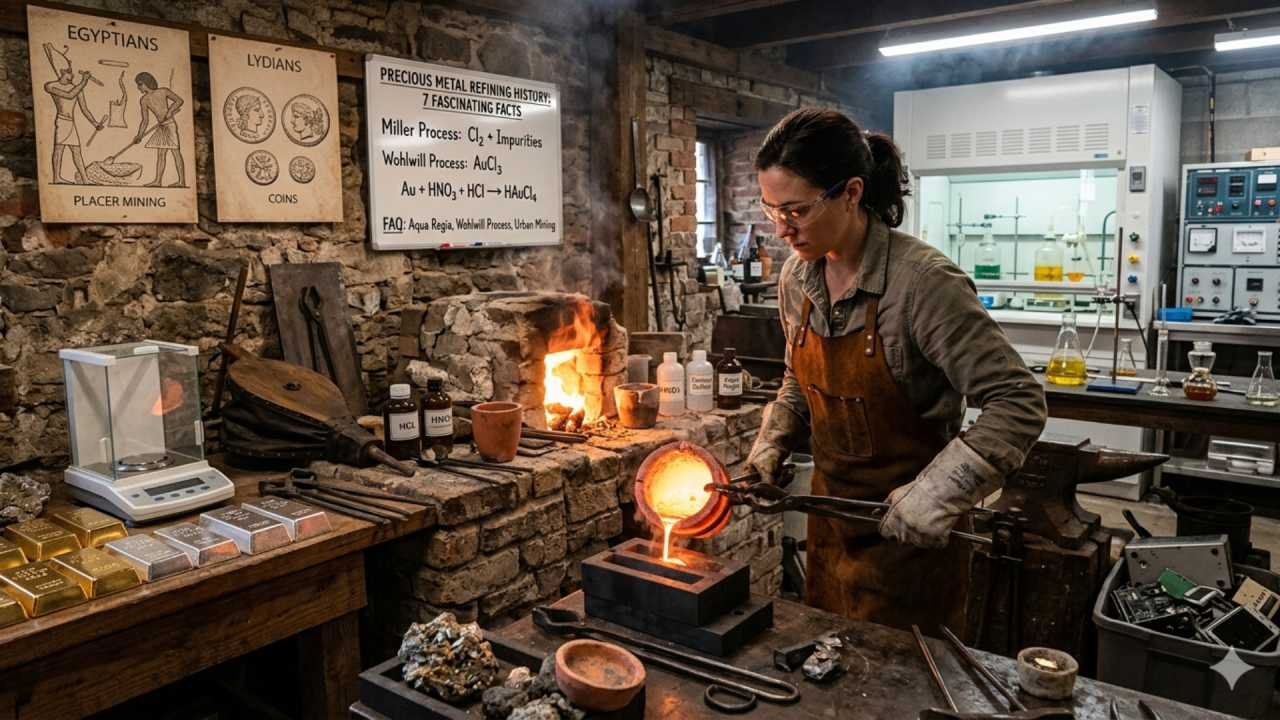
Pyrometallurgy: This involves the use of high heat to separate metals. Smelting and cupellation are traditional pyrometallurgical techniques that use heat and fluxing agents to oxidize base metals, leaving the precious metals behind.
-
Hydrometallurgy: This method utilizes aqueous chemistry to recover metals. Through leaching—often using acids or cyanide solutions—the precious metals are dissolved and then selectively precipitated or recovered through solvent extraction or ion exchange.
-
Electrorefining: This is the gold standard for achieving ultra-high purity. An impure metal anode is dissolved in an electrolyte solution and redeposited onto a pure cathode using an electric current. This process, such as the Wohlwill process for gold, effectively leaves even the most stubborn impurities behind.
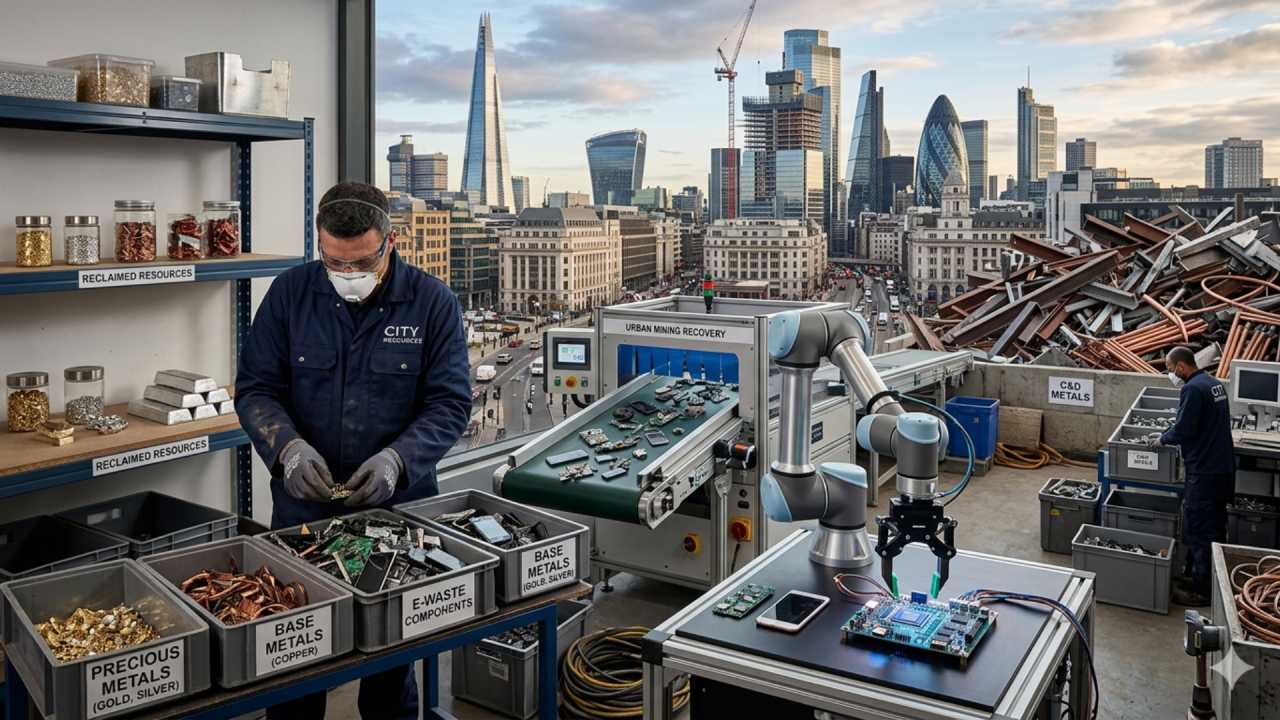
As the world pivots toward a circular economy, the “urban mining” of electronic waste (e-waste) has become a primary input for modern refineries. Since a ton of circuit boards can contain 40 to 800 times the concentration of gold found in a ton of raw gold ore, the equipment required to process this scrap has become a cornerstone of the industry’s infrastructure.
The Economic Value Chain of Precious Metals
To understand why refining equipment is such a potent investment, one must look at where value is created in the metals lifecycle. The chain moves from extraction to concentration, refining, and finally fabrication. While miners take on the massive “upfront” risk of finding the metal, the refiner captures the “margin bottleneck.” No central bank, jeweler, or industrial manufacturer wants raw ore; they want certified, high-purity bars.
Refiners generate profit through the price spread. They typically purchase feedstock at a discount to the “spot” market price—the discount accounting for the impurities and the cost of processing—and sell the finished product at or near the full market value. This spread is a reliable source of income.
Furthermore, refining is inherently less volatile than mining. A mining company’s profitability is tied strictly to the cost of extraction versus the current market price. If the price of gold drops below the cost of diesel and labor required to dig it up, the mine loses money. A refiner, however, charges a fee for a service. Whether gold is $1,500 or $2,500 an ounce, the need to purify that gold remains. In fact, during market downturns, the volume of scrap coming into refineries often increases as individuals and businesses liquidate assets, providing the refiner with a steady stream of “dividends” even in a bear market.
Types of Precious Metals Refining Equipment
Investing in a refinery requires a suite of specialized capital assets. These are not merely tools; they are the engines of yield.
Melting and Smelting Systems
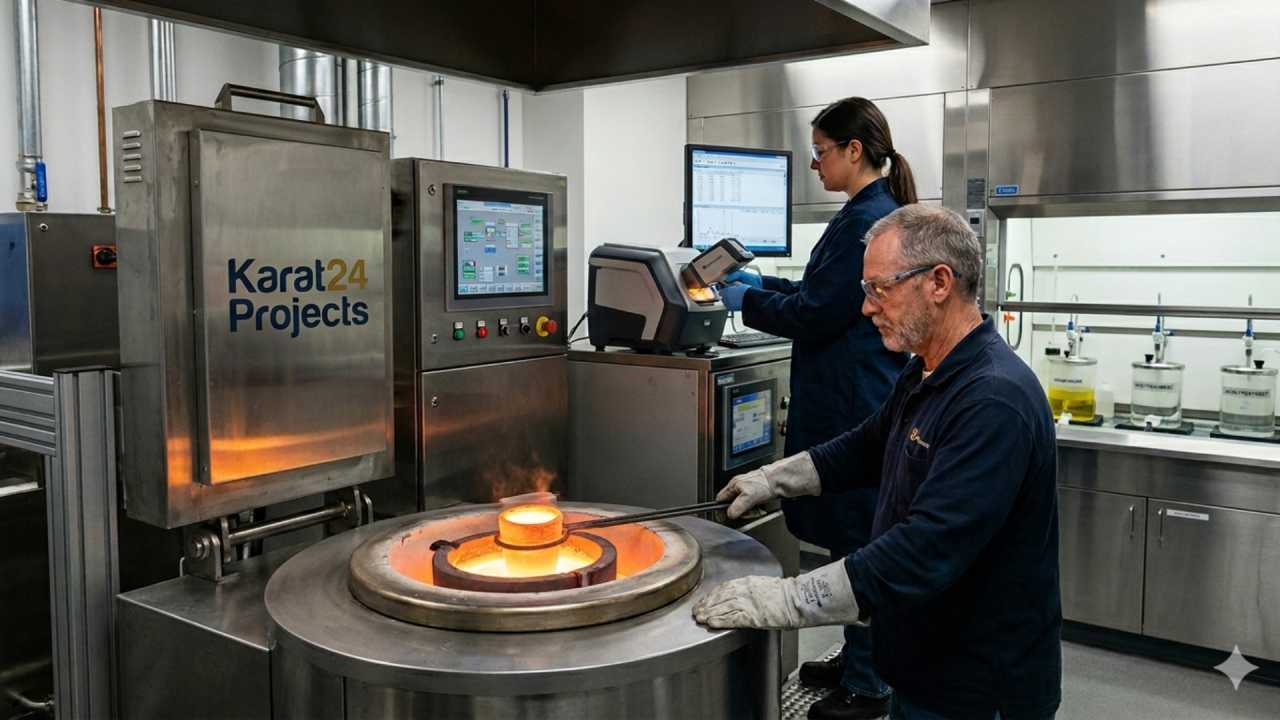
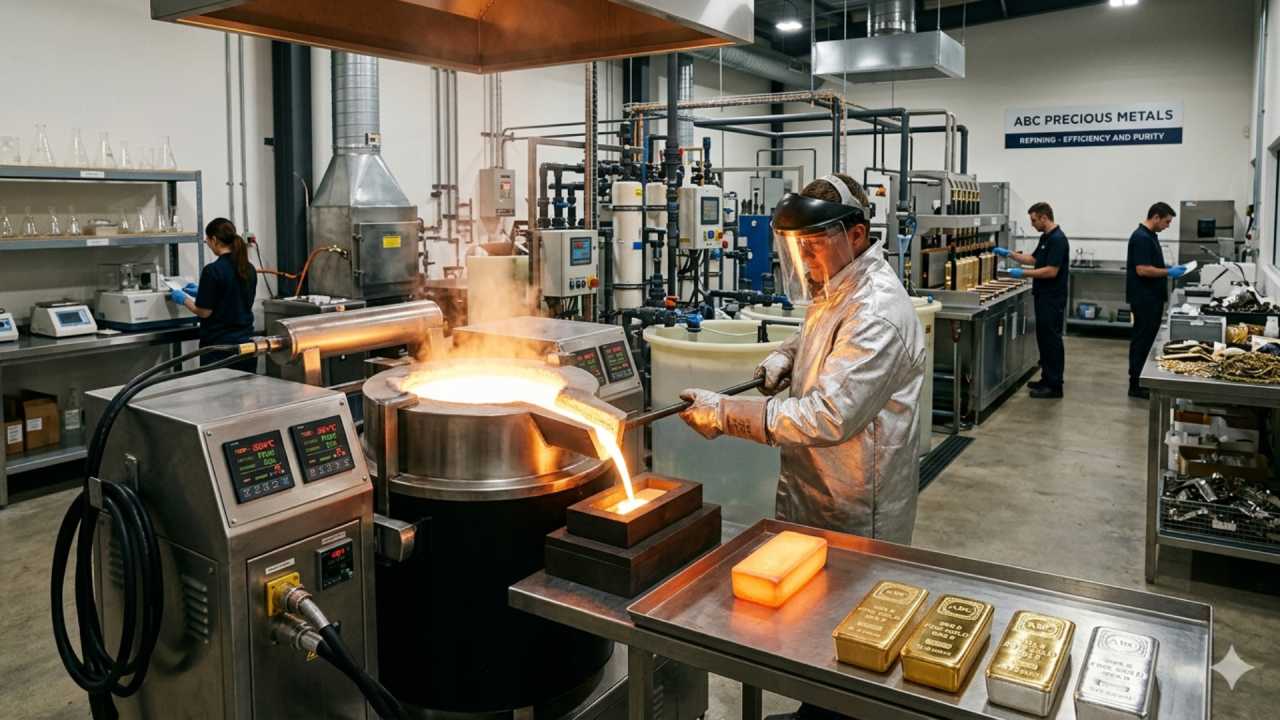
Modern induction furnaces have replaced older, less efficient gas-fired units. Induction melting provides precise temperature control and electromagnetic stirring, which ensures a homogenous melt—critical for accurate sampling and assaying.
Chemical Leaching and Precipitation Units
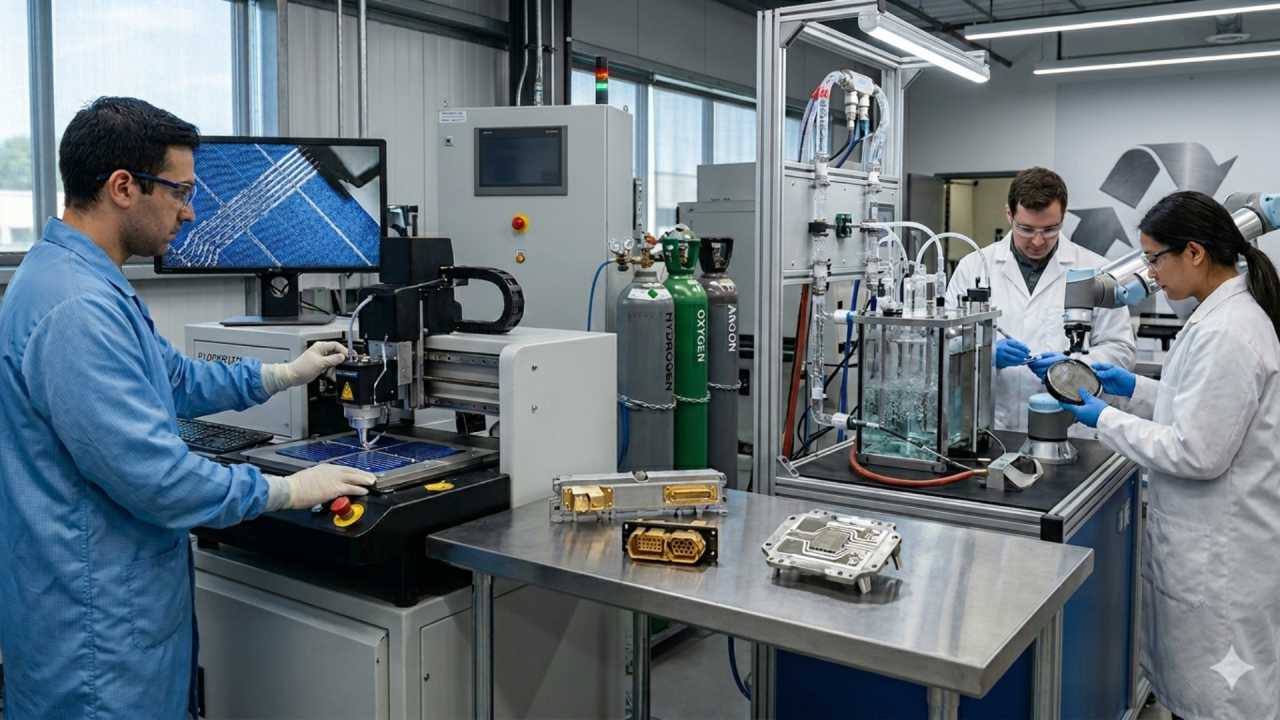
These systems are the heart of hydrometallurgy. Reactor vessels made of specialized, corrosion-resistant materials (like titanium or high-grade polymers) allow for the safe dissolution of metals in aqua regia or other acids. Advanced precipitation tanks then allow the refiner to drop specific metals out of the solution in sequence—first gold, then silver, then the PGMs.
Electrolytic Cells
For silver and gold, electrolytic cells are essential for reaching 99.99% (“four nines”) purity. These units run continuously, slowly building pure metal plates on cathodes. They are low-maintenance but high-yield assets that define the quality of the final product.
Assay and Testing Equipment
One cannot refine what one cannot measure. X-ray Fluorescence (XRF) analyzers provide instant chemical breakdowns of scrap, while Fire Assay equipment—the “standard of the industry”—uses ancient but perfected cupellation techniques to determine metal content to several decimal places.
Environmental and Recovery Systems
Modern equipment also includes scrubbers and wastewater treatment plants. While these are often viewed as “compliance costs,” they act as secondary recovery units. By capturing metal dust from the air or trace ions from wastewater, these systems ensure that virtually zero grams of precious metal leave the facility, directly impacting the bottom line.
How Refining Equipment Generates Dividends
The analogy of “dividends” is appropriate because refining equipment produces a return on capital that is relatively predictable and grows with operational efficiency. Here is how that yield is realized:
1. Operational Margins and Buy-Sell Spreads
The most direct dividend is the margin between the purchase of “dirty” metal and the sale of “clean” metal. By owning the equipment, an investor moves from being a middleman who trades scrap to a producer who manufactures purity. This shift typically doubles or triples the margin per ounce of metal handled.
2. Recovery Efficiency Gains
In the world of precious metals, 1% is a fortune. If an old-fashioned refining setup recovers 97% of the gold in a batch of e-waste, but modern, automated equipment recovers 99.5%, that 2.5% difference is pure profit. Over a year of processing millions of dollars in material, the equipment literally pays for itself through the metal it doesn’t lose.
3. Throughput and Scaling
Refining equipment allows for the “industrialization” of the process. While a small-scale jeweler might refine a few ounces by hand, automated chemical lines and large induction furnaces allow a firm to process hundreds of kilograms. This throughput allows the fixed costs of the facility (rent, insurance, management) to be spread over a much larger volume of metal, increasing the “dividend” per ounce.
4. Byproduct Monetization
Raw feedstock is rarely just gold or silver. It often contains copper, nickel, palladium, or rhodium. Advanced refining equipment—specifically multi-stage hydrometallurgical lines—allows the refiner to separate and sell these byproducts. In many cases, the “primary” metal pays for the overhead, while the recovered secondary metals represent the surplus profit.
5. Recycling Arbitrage
The “urban mining” sector is currently one of the most profitable areas for refining. E-waste is often mispriced because it is difficult to process. Those who own the sophisticated equipment to shred, sample, and chemically refine circuit boards can buy this “waste” at a steep discount compared to its theoretical metal value, capturing the massive spread that others cannot access.
Capital Investment vs. Return Profile
Investing in refining is a “heavy” capital play. The upfront costs for a professional-grade refinery can range from several hundred thousand to several million dollars. However, the return profile is markedly different from other metal-related investments.
A mine might take ten years from discovery to first pour. A refining facility can be commissioned and operational within 12 to 18 months. Once the equipment is running, the payback period is driven by “volume and volatility.” In high-volume environments, it is not uncommon for high-efficiency refining equipment to pay for itself within 24 to 36 months.
Operating costs—consisting mostly of electricity, chemical reagents, and specialized labor—are relatively stable. Because the primary variable is the volume of feedstock, the business model is highly scalable. Unlike mining, where you are constantly fighting “diminishing returns” as ore grades decline, refining benefits from “economies of scale.”
Market Demand Drivers
The long-term case for refining equipment is bolstered by several structural shifts in the global economy:
-
Electronics and the Digital Age: Every smartphone, server, and EV battery contains precious metals. As the world digitizes, the volume of e-waste is growing at an exponential rate. This creates a permanent, growing demand for refining capacity.
-
Green Energy Transition: Silver is a key component in solar panels, and PGMs are essential for hydrogen fuel cells and automotive catalysts. The “green revolution” is, at its heart, a metal-intensive revolution.
-
Investment Stability: In times of geopolitical or inflationary stress, the demand for physical bullion increases. This puts pressure on refineries to convert “old gold” (scrap) into “new gold” (investment bars).
-
The Circular Economy: Governments are increasingly mandating that manufacturers take back products at the end of their life. This “extended producer responsibility” is forcing a massive shift toward domestic refining and recycling capabilities.
Risks and Challenges
No investment is without risk. For the refining sector, the primary challenges are:
-
Environmental Compliance: The chemicals used in refining—cyanide, nitric acid, and chlorine gas—are hazardous. Staying ahead of environmental regulations requires constant investment in “green” scrubbing and filtration technology.
-
Feedstock Risk: A refinery is only as good as the material it can source. If a refinery cannot secure a steady supply of scrap or ore, the equipment sits idle.
-
Counterparty Risk: Because the industry involves high-value transactions, refineries must have rigorous “Know Your Customer” (KYC) and Anti-Money Laundering (AML) protocols to ensure they are not processing “conflict gold” or the proceeds of crime.
-
Technological Obsolescence: While the chemistry of gold doesn’t change, the efficiency of recovery does. Investors must be prepared to upgrade sensors, automation software, and power systems to remain competitive.
Technological Advancements in Refining
We are currently seeing a “tech-heavy” era in refining. AI-driven assay systems can now predict the yield of a batch of scrap with incredible accuracy, reducing the risk of overpaying for feedstock.
“Green” refining is also a major trend. New reagents are being developed that are less toxic than traditional acids, reducing the cost of waste disposal. Additionally, modular “micro-refineries” are being developed. These are containerized units that can be deployed directly to a mine site or a large-scale electronics recycler, eliminating the cost and security risk of transporting unrefined “dore” bars or bulky scrap across borders.
Blockchain technology is also being integrated into refining equipment. By tagging a batch of metal at the moment of melt and recording its journey through the refinery on a digital ledger, refiners can provide “provenance-guaranteed” bullion, which often commands a premium price from ethical investors.
Strategic Investment Perspective
Who should invest in refining equipment? Historically, this was the domain of a few family-owned “houses” or massive mining conglomerates. Today, the landscape is broadening.
Industrial recycling firms are moving “upstream” by adding refining lines to their existing sorting operations. Private equity groups are looking at refining as a “toll-road” business—a way to gain exposure to gold and silver prices without the binary risk of mining exploration.
The most successful investors treat refining equipment as a productive asset class. They focus on “recovery alpha”—the ability of superior technology to squeeze more value out of a gram of scrap than the competition. In a world of finite resources, the ability to recycle and purify those resources is a permanent competitive advantage.
Final Thoughts
Investing in precious metals refining equipment is a sophisticated play on the “physics” of the global economy. As long as the world requires gold for wealth preservation, silver for industrial applications, and PGMs for environmental technology, the refiner will remain the essential gatekeeper.
By focusing on high-efficiency recovery, automation, and environmental compliance, an investor transforms a simple industrial process into a high-margin cash flow engine. The “dividends” produced by these machines are not just financial; they represent the successful reclamation of value from waste and the stabilization of the precious metals supply chain. In the long run, the most reliable way to profit from precious metals is not to hope for a discovery in the ground, but to own the technology that perfects them.
Frequently Asked Questions
What is the ROI on precious metals refining equipment for small businesses?
The return on investment (ROI) for precious metals refining equipment typically ranges from 12 to 36 months, depending on the volume of feedstock processed and the efficiency of the machinery. Small businesses often see a faster payback period by focusing on high-margin “urban mining,” such as recovering gold from computer scrap or silver from medical X-ray films. By eliminating the need to pay third-party refining fees, small operators can retain 5% to 15% more of the total metal value, which serves as a recurring internal dividend.
How do I choose between pyrometallurgy and hydrometallurgy systems?
Choosing the right refining system depends on your specific feedstock and target purity. Pyrometallurgy (induction melting) is best for high-volume smelting and initial concentration of bulky scrap. Hydrometallurgy (chemical leaching) is preferred for high-precision separation of complex alloys, such as those found in electronics. Most modern high-yield operations utilize a hybrid approach: using furnaces to melt material into a homogenous state for sampling, followed by chemical or electrolytic processes to reach 99.99% purity.
What are the best machines for recovering gold from electronic waste?
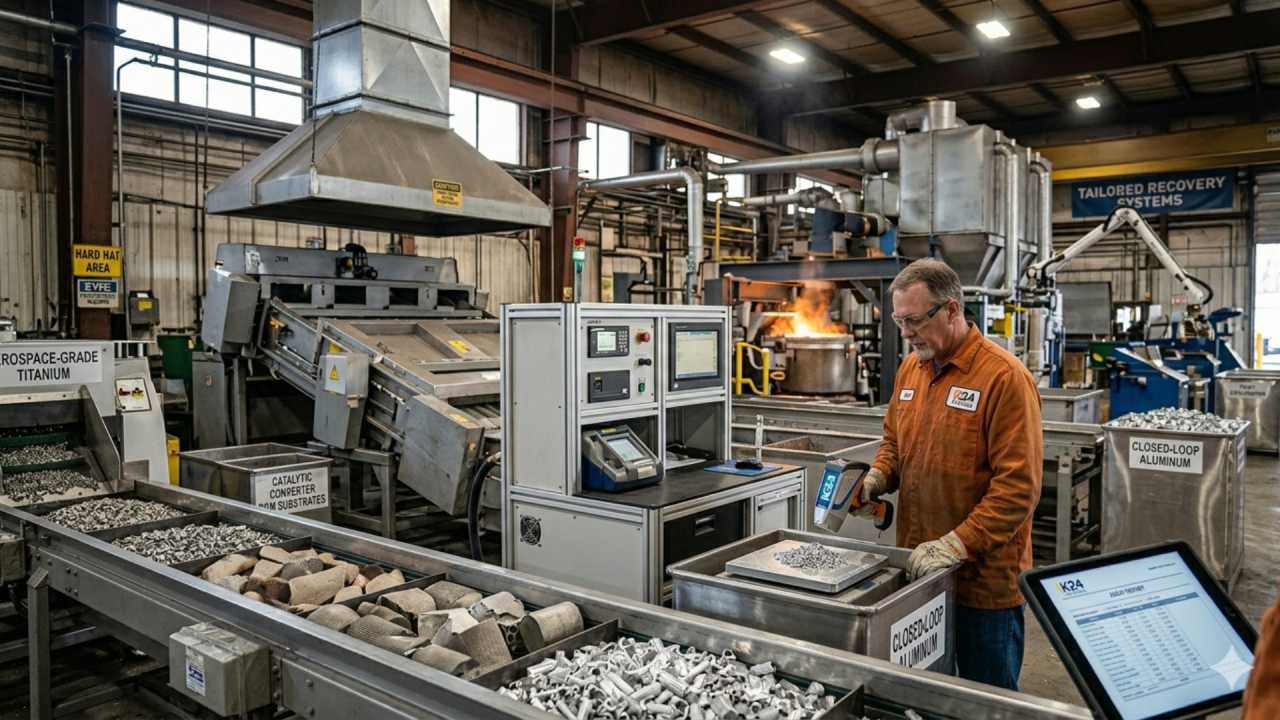
For high-efficiency e-waste recovery, the essential equipment includes industrial shredders, magnetic separators, and specialized hydrometallurgical leaching tanks. Unlike traditional mining equipment, e-waste refining machines must be capable of handling plastic and base metal contaminants. Investing in automated precipitation units allows for the selective recovery of not just gold, but also copper and palladium, which significantly improves the overall profitability of the recycling operation.
Is it legal to operate a precious metals refinery at home?
Operating a refinery is subject to strict local, state, and federal regulations. While small-scale “bench refining” is possible, commercial operations require environmental permits for chemical storage and air emissions (scrubbers). Additionally, any business refining precious metals must comply with Anti-Money Laundering (AML) laws and “Know Your Customer” (KYC) protocols to ensure the legal sourcing of materials. Investing in professional-grade, closed-loop equipment helps meet these compliance standards more easily than DIY setups.
How does automation improve the yield in precious metals refining?
Automation minimizes human error in the chemical precipitation and titration phases, which is where the most metal loss typically occurs. Automated sensors can monitor pH levels and ORP (Oxidation-Reduction Potential) in real-time, ensuring that the maximum amount of metal is recovered from the solution. By increasing the recovery rate by even 0.5% or 1%, automation technology can add thousands of dollars to the bottom line of a medium-scale refinery annually.
What is the difference between a gold assay machine and a refining unit?
A gold assay machine, such as an XRF (X-ray Fluorescence) analyzer, is used to identify the exact purity and composition of a metal sample without destroying it. A refining unit is the actual chemical or thermal hardware used to remove the impurities identified by the assay. You cannot have an efficient refining business without both; the assay machine ensures you don’t overpay for scrap, while the refining equipment ensures you produce a saleable, high-purity product.