From Mines to Market: How Precious Metals Are Refined & Traded
Why Precious Metals Matter
Precious metals have occupied a singular place in human consciousness for millennia. Unlike common industrial metals like iron or aluminum, gold, silver, and the platinum group metals (PGMs) possess a unique combination of scarcity, chemical stability, and aesthetic brilliance. They are the substances that have launched a thousand ships, toppled empires, and catalyzed the development of global commerce. From the burial masks of Egyptian pharaohs to the intricate circuitry within a modern smartphone, these elements are the silent witnesses to the evolution of human civilization.
The role of these metals has transitioned seamlessly from ancient currency to the backbone of modern technology. While gold remains the ultimate hedge against economic uncertainty and a universal symbol of wealth, metals like silver, platinum, and palladium are now indispensable to the green energy transition and advanced medical science. The journey of these metals—from deep within the Earth’s crust to the high-frequency trading floors of London and New York—is a saga of immense complexity. It is a story that bridges the gap between raw, rugged geology and the sophisticated precision of high finance.
Understanding the “mines to market” supply chain is vital because it reveals the true cost and value of these assets. Every gram of refined gold or platinum represents a monumental human effort involving cutting-edge engineering, intricate chemical processes, and a global logistical network that never sleeps. This article explores that transformation: the metamorphosis of raw, dusty ore into a gleaming, high-purity asset that fuels global markets.
Where It All Begins: Mining the Earth
The journey begins in some of the most remote and inhospitable corners of the globe. Precious metals are rarely found in concentrated, easy-to-reach pockets; instead, they are usually dispersed in minute quantities within vast volumes of rock. To extract them, mining companies employ several distinct methods depending on the depth and nature of the deposit.
Open-Pit Mining is perhaps the most visually striking. It involves the removal of massive amounts of “overburden”—the soil and rock covering the ore body—to create a giant terraced crater. This method is typically used when the ore is located near the surface. The scale is gargantuan, featuring trucks the size of houses that can carry hundreds of tons of rock in a single trip.
Underground Mining is required when the metal-bearing veins run deep into the Earth. This involves the construction of vertical shafts and horizontal tunnels (adits) that can reach depths of several kilometers. At these depths, miners face extreme heat and pressure, requiring sophisticated ventilation and cooling systems to maintain a safe working environment.
Placer Mining is the most ancient form, involving the extraction of precious metals from alluvial deposits—the sand and gravel found in riverbeds. Because gold is significantly denser than rock, it can be separated using water. While modern industrial mining focuses on hard-rock deposits, placer mining is still practiced by artisanal miners and in specific regions like Alaska and parts of Africa.
The global distribution of these mines is a study in geopolitics. China, Australia, and Russia are leading producers of gold, while Mexico and Peru dominate the silver market. South Africa remains the primary source for platinum and palladium, possessing some of the deepest and most labor-intensive mines in the world. Despite the use of robotics and automation, mining remains a high-stakes industry where safety challenges and environmental footprints are constant considerations.
From Ore to Concentrate: Initial Processing
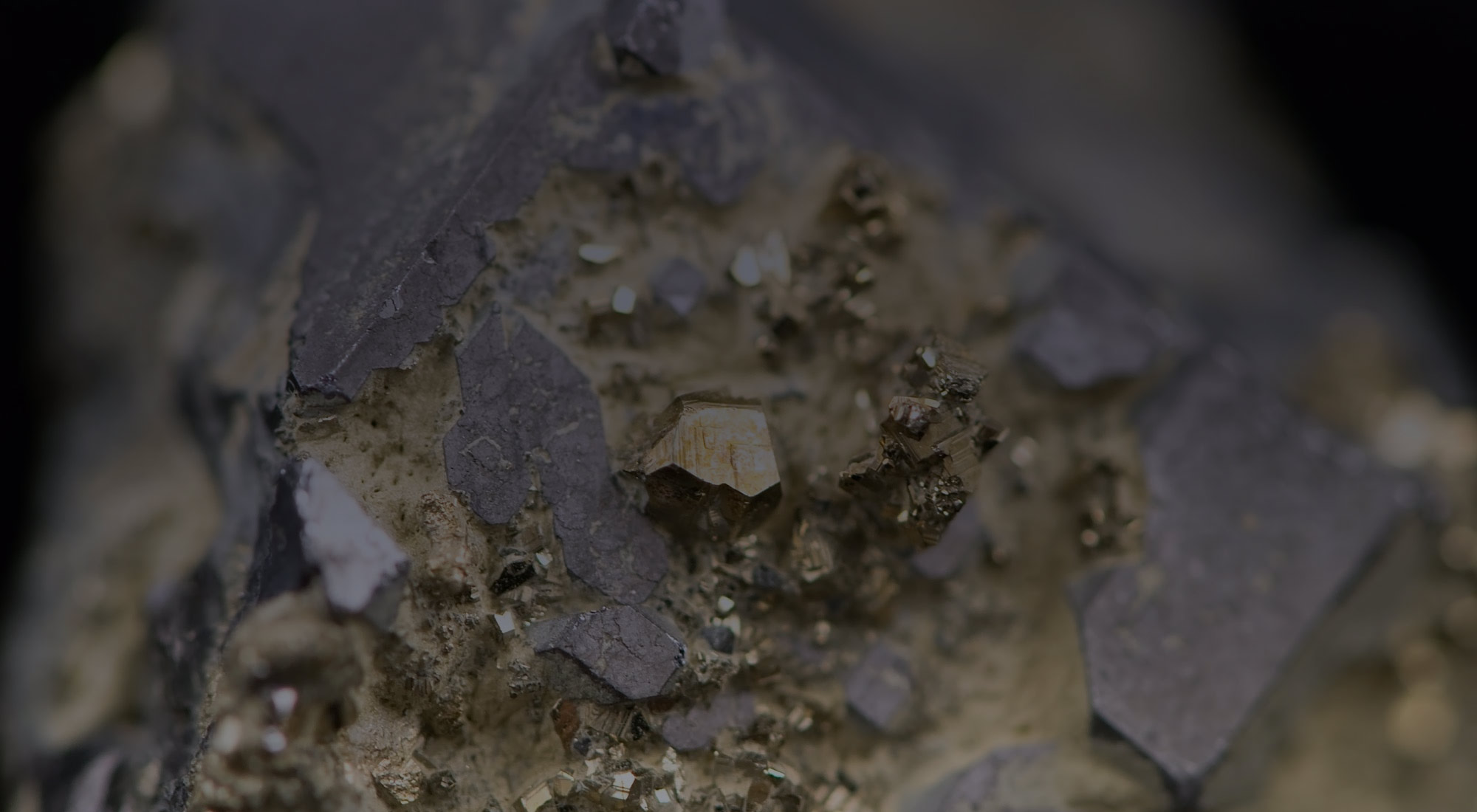
Once the raw ore is brought to the surface, it looks like nothing more than ordinary grey or brown rock. The concentration of the precious metal at this stage is incredibly low—often just a few grams per ton of rock. The first goal of processing is to discard the “gangue” (waste rock) and produce a material that is rich enough to be economically refined.
The process begins with crushing and grinding. Giant mills reduce the boulders to a fine powder, often as fine as flour. This increases the surface area and “liberates” the tiny particles of precious metal trapped within the mineral matrix.
Following grinding, separation techniques are applied. One of the most common is froth flotation. In this process, the powdered ore is mixed with water and specific chemicals (surfactants) in large tanks. Air is bubbled through the mixture. The precious metal particles attach themselves to the bubbles and rise to the surface as a thick froth, which is then skimmed off. Gravity separation may also be used, utilizing centrifuges or vibrating tables to catch the heavier metal particles while washing away the lighter waste.
The result of these steps is a “concentrate.” This is a muddy, metallic substance that contains a significantly higher percentage of the target metal but is still far from pure. It contains various impurities like copper, lead, or zinc. Raw ore is too bulky and low-grade to be shipped long distances, so the creation of concentrate at the mine site is essential for reducing transport costs before the material is sent to a specialized refinery.
The Chemistry of Purification: Refining Process
The refinery is where the true magic of purification happens. This is the technical heart of the journey, where the concentrate is stripped of every lingering impurity through a combination of heat, electricity, and chemical reactions.
Gold Refining
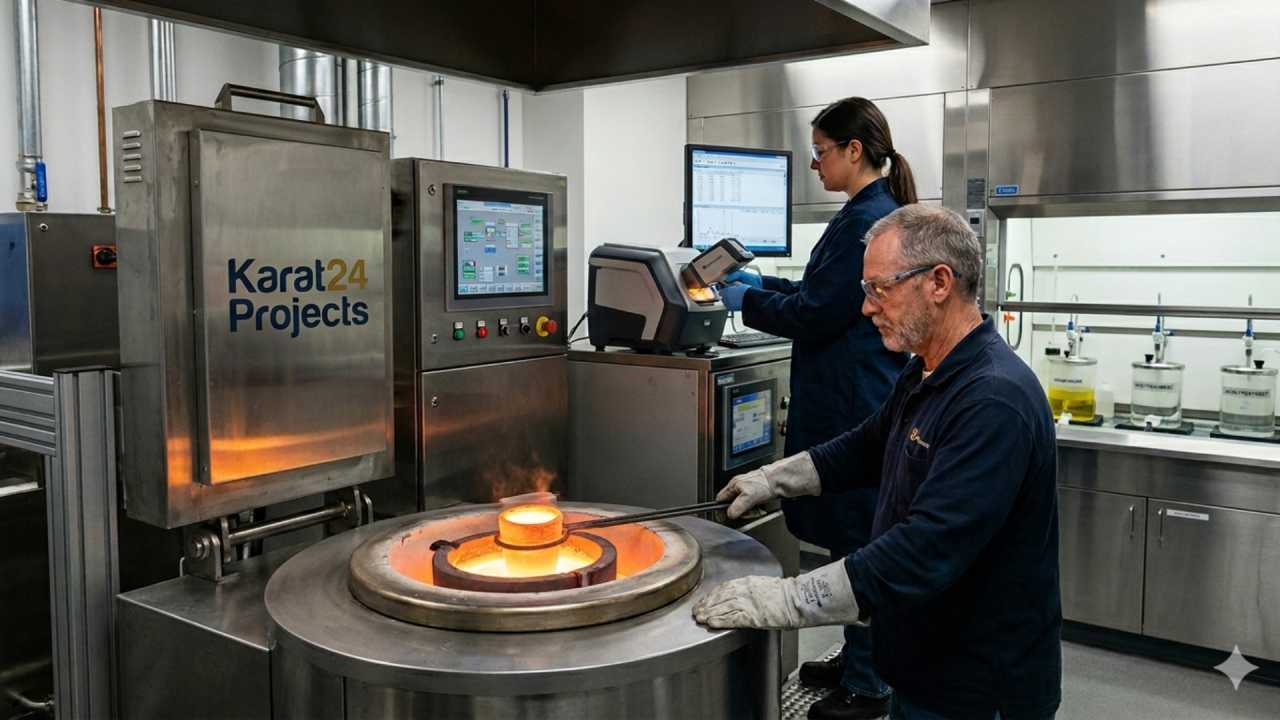
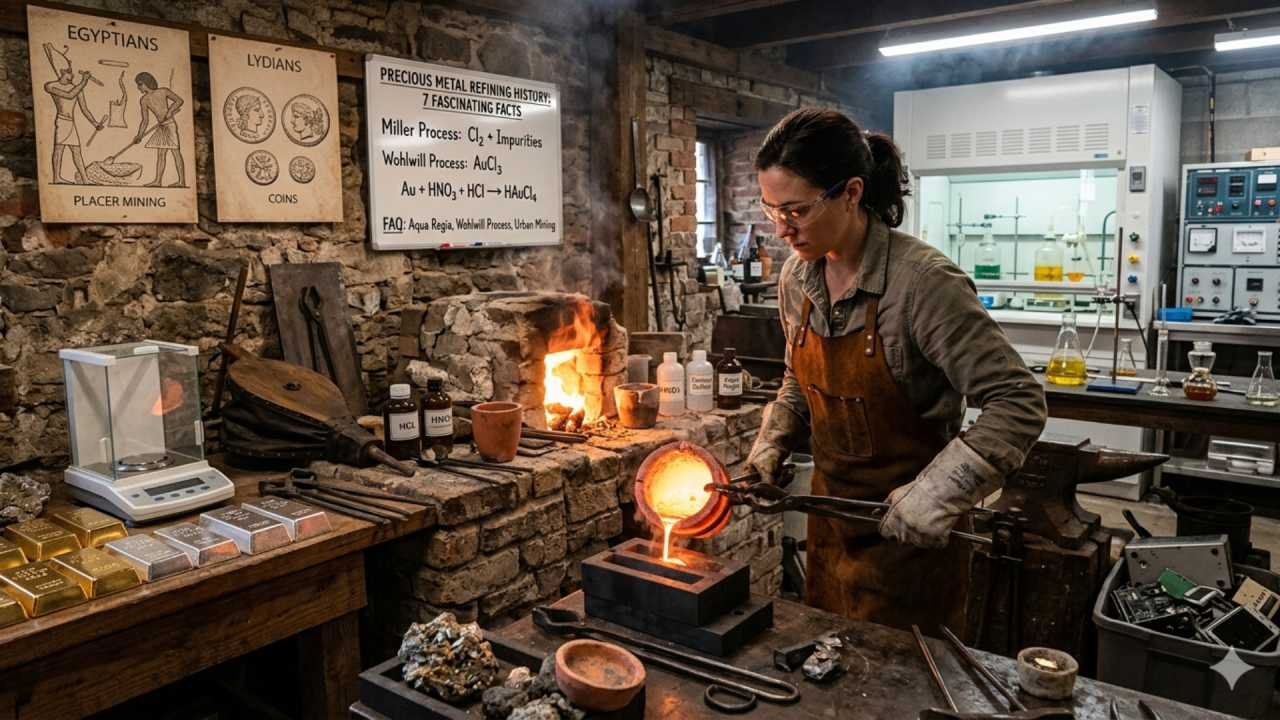
Gold typically undergoes two primary processes to reach investment-grade purity. The first is the Miller Process, which involves blowing chlorine gas through molten gold. The impurities (like silver and copper) react with the chlorine to form chlorides, which float to the top and are skimmed off. This can bring gold to about 99.5% purity. To reach the “four nines” (99.99%) required for bullion, the Wohlwill Process is used. This is an electrolytic method where gold is dissolved in an acid solution and redeposited onto a pure gold cathode.
Silver and PGM Refining
Silver is often refined using the Moebius or Thum electrolytic processes. Platinum Group Metals (PGMs) are even more complex to refine because they are chemically similar to one another and often found together. Refining PGMs involves a series of solvent extractions and precipitation steps that can take several months to complete.
Smelting
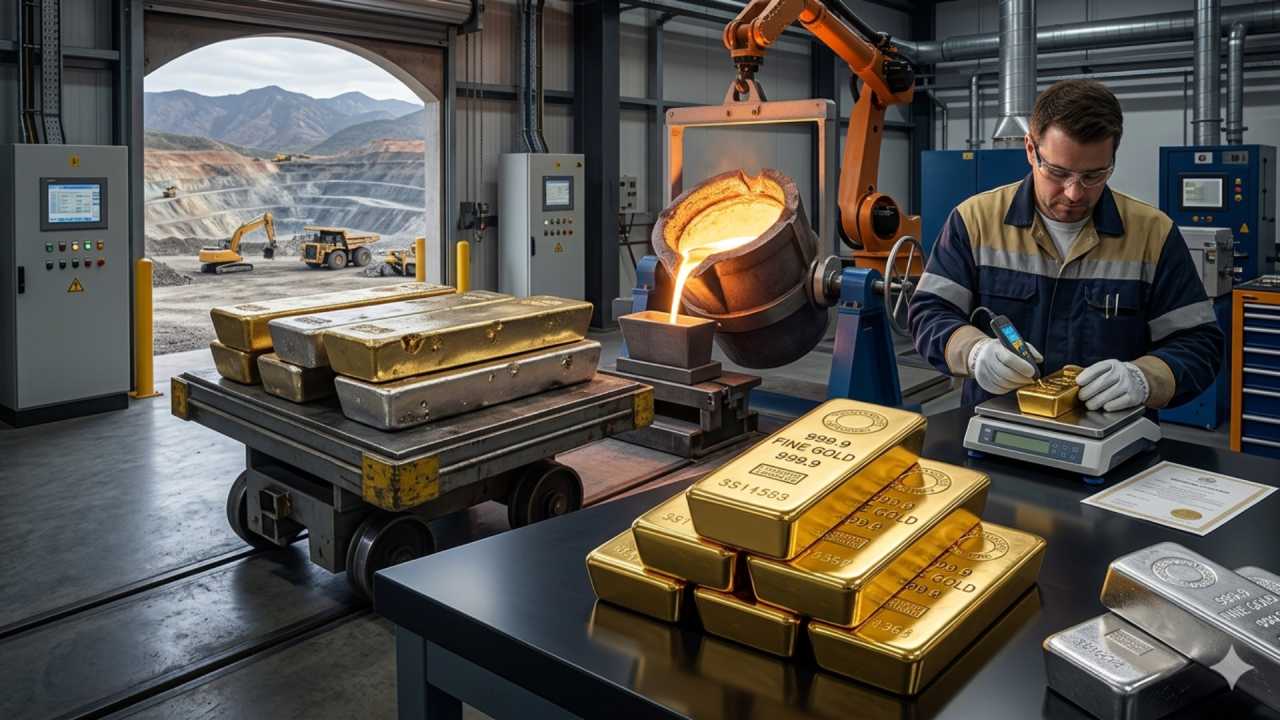
Throughout these stages, smelting is used to melt the metal and separate it from slag. Refineries act as critical intermediaries; they take “doré bars” (semi-pure alloys from the mine) and transform them into standardized, high-purity bars that the market can trust. Achieving 99.9% purity is the industry standard, but many refineries now push for 99.999% (“five nines”) for specialized industrial and scientific applications.
Certification and Hallmarking: Ensuring Purity
In the world of precious metals, trust is the only currency that matters more than the metal itself. Because it is impossible to tell the difference between a 99% pure bar and a 90% pure bar by sight alone, a rigorous system of certification is required.
The first step in this system is assaying. This is the chemical analysis of a metal sample to determine its exact purity. The “fire assay” is the gold standard of this practice, involving melting a sample and separating the precious metal from the base metal. Modern facilities also use X-ray Fluorescence (XRF) analysis, which can determine the elemental composition of a metal non-destructively in a matter of seconds.
Hallmarking is the physical manifestation of this trust. For jewelry and small bars, a hallmark is stamped into the metal, indicating the manufacturer, the purity (such as “750” for 18k gold), and the year of assay.
At the institutional level, the London Bullion Market Association (LBMA) sets the “Good Delivery” standards. For a refinery’s bars to be traded on the major global exchanges, the refinery must meet strict criteria regarding purity, weight, and ethical sourcing. This transparency ensures that a gold bar bought in Tokyo is identical in value and quality to one bought in Zurich.
Transformation into Products
Once the metal is refined and certified, it is cast into forms that suit its final destination. This is where the supply chain splits into three distinct paths: jewelry, investment, and industry.
Jewelry Manufacturing
Roughly half of all gold produced annually goes into jewelry. The refined metal is alloyed with other materials—like copper for rose gold or palladium for white gold—to increase its durability and alter its color. Modern jewelry making combines ancient techniques like lost-wax casting with 3D printing and laser engraving.
Investment Products
For investors, the metal is cast into bullion bars or minted into coins. Bullion bars range from tiny 1-gram “biscuits” to the standard 400-ounce “Good Delivery” bars held by central banks. Investment coins, like the Canadian Maple Leaf or the South African Krugerrand, are popular because they are highly liquid and carry a legal tender status in their countries of origin.
Industrial Applications
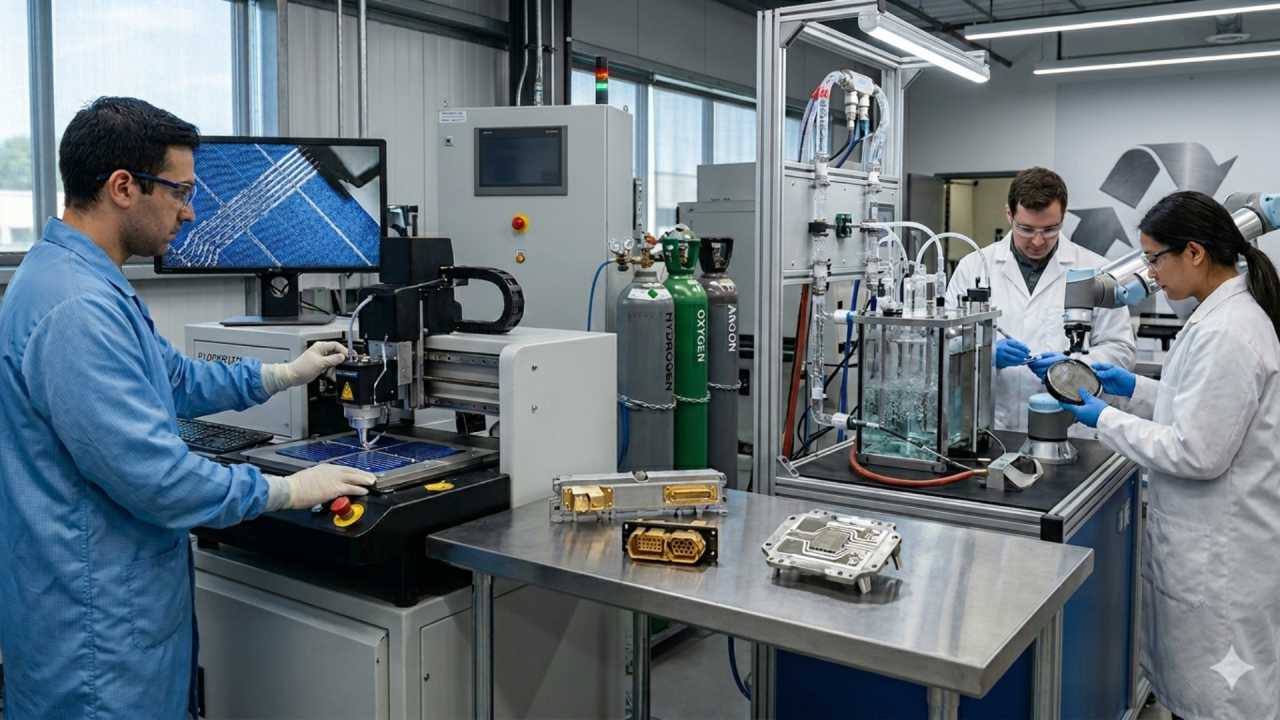
This is the “hidden” market for precious metals. Silver’s unmatched electrical conductivity makes it vital for solar panels and electronics. Platinum and palladium are essential for catalytic converters in vehicles, which scrub harmful emissions from exhaust gases. Gold is used in medical devices and even in the aerospace industry to protect satellites from solar radiation. Each sector has different demand cycles; while jewelry demand is often seasonal, industrial demand follows the global economic and technological trends.
The Global Supply Chain: From Refineries to Markets
The journey from the refinery to the end user involves a sophisticated logistical dance. Precious metals are high-value, low-volume goods, which makes them unique from a transport perspective. They are typically shipped via armored vehicles and high-security air freight.
Trading Hubs
The global market is centered around a few key hubs. London is the historic heart of the gold and silver trade, focusing on the “over-the-counter” (OTC) market. New York (through the COMEX) dominates futures trading. Zurich is a major hub for physical storage and refining, while Mumbai and Shanghai have become increasingly important as the center of gravity for gold demand shifts toward the East.
Pricing and Logistics
Prices are set through two main mechanisms: the “spot price” (the current market price for immediate delivery) and “futures contracts” (agreements to buy or sell at a specific price in the future). The “London Fix” is a twice-daily benchmark used by miners and refiners worldwide to price their contracts.
Beyond trading, the supply chain relies on vaulting. Massive underground vaults, often located beneath central banks or in secure facilities near airports, hold thousands of tons of metal. These facilities are the physical anchors of the digital trades happening on computer screens around the world.
Economics of Precious Metals
The economics of precious metals are driven by a unique tug-of-war between supply and demand. Unlike agricultural commodities that are consumed, most of the gold ever mined still exists in some form. This means the “stock-to-flow” ratio of gold is very high, which contributes to its price stability compared to other assets.
Supply and Demand Dynamics
Mining output is relatively inelastic; it takes years to bring a new mine online, so supply cannot quickly respond to price spikes. Demand, however, is highly sensitive. During times of high inflation or geopolitical strife, investment demand surges as people seek a “safe haven.” Conversely, in a booming economy, industrial and jewelry demand usually takes the lead.
Role of Central Banks
Central banks are among the largest holders of gold. They hold gold reserves to diversify their portfolios and provide a layer of protection for their national currencies. When central banks are “net buyers,” it provides a strong floor for global prices.
Speculation and Volatility
While precious metals are seen as stable, the “paper market” (ETFs and futures) can introduce significant volatility. Speculators trade the price of gold without ever intending to take physical delivery, leading to price swings driven by interest rates, currency fluctuations (particularly the US Dollar), and market sentiment.
Environmental and Ethical Considerations
The “glitter” of precious metals often masks a more complicated reality on the ground. Mining is an extractive industry with a significant environmental footprint. Open-pit mines can lead to deforestation and habitat loss, while the chemical processes used to separate metals—specifically mercury and cyanide—pose risks to local water supplies if not managed with extreme care.
Ethical Sourcing
The issue of “conflict minerals” is a major concern in the industry. In some regions, mining proceeds have been used to fund armed conflict, and artisanal mines may employ child labor or lack basic safety standards. This has led to the rise of Responsible Mining Initiatives.
Today, major refiners and jewelers utilize blockchain technology and rigorous “know your customer” (KYC) protocols to track a metal’s provenance. The goal is to ensure that every ounce of gold or platinum can be traced back to a mine that adheres to environmental and human rights standards.
Recycling (Urban Mining)
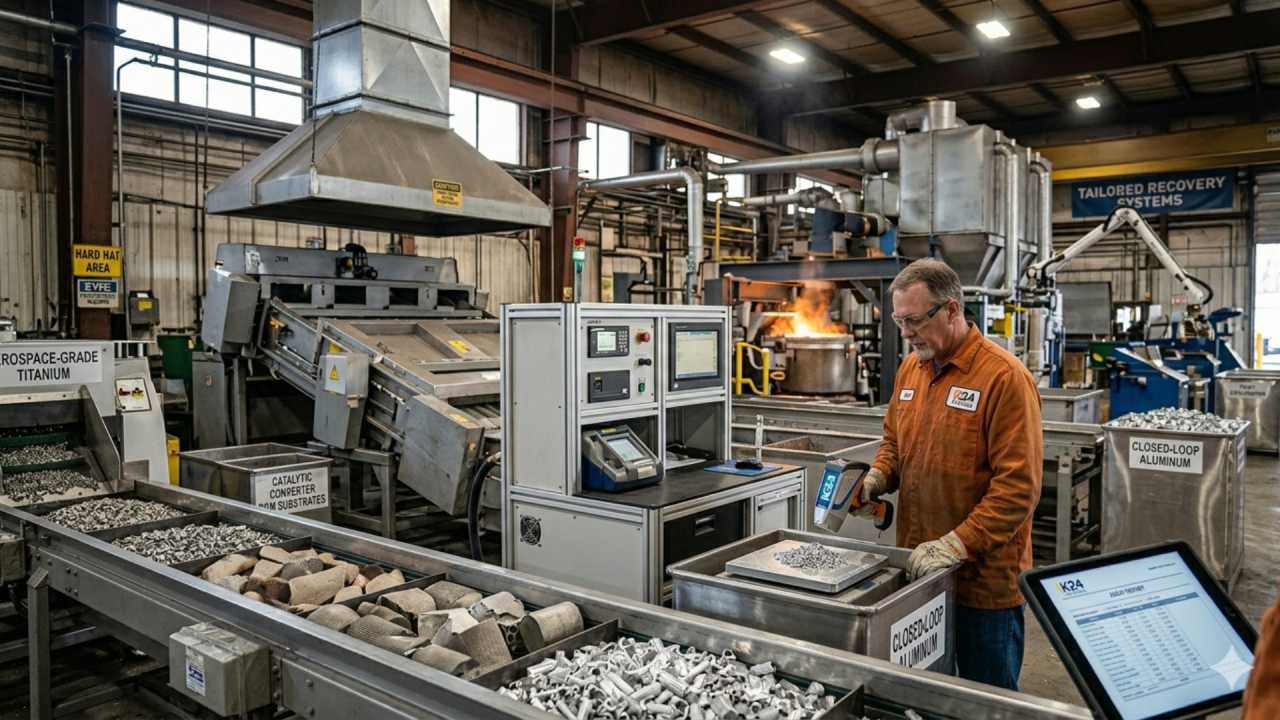
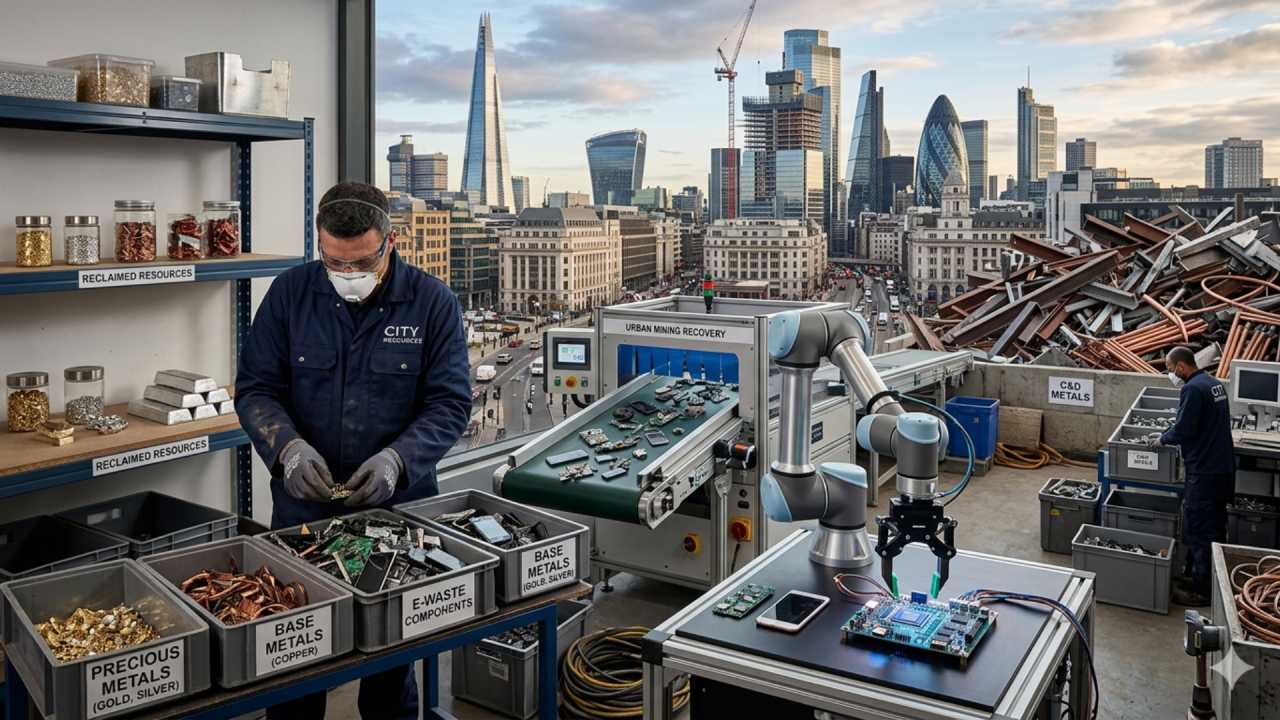
One of the most sustainable aspects of the precious metals market is recycling. Because these metals do not degrade, they can be melted down and refined indefinitely. “Urban mining”—extracting gold and silver from old circuit boards and discarded electronics—is a growing industry that reduces the need for primary extraction from the Earth.
The Future of Precious Metals
The journey of precious metals is entering a new era defined by technology and sustainability. The mining industry is undergoing a digital transformation, utilizing AI and machine learning to identify new deposits with greater accuracy and less exploratory drilling. Automation is also making mines safer, with remote-controlled machinery replacing humans in the most dangerous underground environments.
Green Mining and Tech
The “green” credentials of these metals are becoming more prominent. As the world moves toward a hydrogen economy, the demand for platinum (used in fuel cells) and silver (used in solar panels) is expected to grow. This creates a paradox: we need more mining to facilitate a green transition, but that mining must itself become “greener” through the use of renewable energy at mine sites.
Changing Supply Chains
We are also seeing a shift toward more localized refining and a greater emphasis on the circular economy. The importance of recycling will only increase as the “easy” deposits of ore are exhausted. The future of precious metals lies in the balance between extracting what remains in the ground and recovering what we have already used.
Final Thoughts: The Hidden Journey Behind Every Gram
The next time you look at a gold ring, a silver coin, or even the screen of your laptop, consider the epic journey those atoms have taken. They were forged in the heart of dying stars, buried deep in the Earth for eons, and eventually hauled to the surface through a massive feat of engineering. They were crushed, dissolved in acid, zapped with electricity, and flown across oceans before reaching their final form.
The transformation from raw ore to a refined asset is a global collaboration that links a geologist in Australia to a chemist in Switzerland, a trader in London, and a jeweler in India. It is a journey that combines the raw power of nature with the pinnacle of human ingenuity. What looks like a simple, inert piece of metal is actually a condensed history of human effort—a tangible link between the deep earth and the heights of global civilization. In every gram of precious metal, there is a story of survival, science, and the enduring quest for value.
FAQ: Common Questions About the Precious Metals Supply Chain
What is the difference between doré bars and refined bullion?
Doré bars are semi-pure alloys produced at the mine site, typically containing a mix of gold and silver with various impurities. They are not uniform in purity and cannot be traded on global exchanges. In contrast, refined bullion has undergone rigorous chemical purification at a certified refinery to reach a purity level of at least 99.9%, making it an investment-grade asset.
How is the spot price of gold and silver determined daily?
The spot price is driven by the global “over-the-counter” (OTC) markets and major commodity exchanges like the COMEX. It represents the current market rate for immediate delivery of the metal. Additionally, the LBMA Gold Price is set twice daily in London via an electronic auction process, providing a worldwide benchmark for miners, refiners, and central banks.
Is recycled gold the same quality as newly mined gold?
Yes. Gold is a chemical element, meaning its properties do not degrade regardless of how many times it is melted and reformed. Recycled gold (often called “secondary gold”) is refined back to the same 99.99% purity as newly mined ore. Because it requires significantly less energy and land disruption, recycled gold is increasingly sought after by eco-conscious consumers.
What does “Four Nines” mean in precious metal refining?
“Four Nines” refers to a purity level of 99.99%. This is the industry standard for investment-grade gold bars. In some specialized industrial or scientific sectors, you may encounter “Five Nines” (99.999%), which represents the highest possible level of purification currently achievable through advanced electrolytic processes.
How can I verify if my precious metal jewelry is ethically sourced?
To ensure ethical sourcing, look for certifications from the Responsible Jewellery Council (RJC) or hallmarks that indicate the metal was sourced from mines following the OECD Due Diligence Guidance. Many modern retailers also use blockchain-backed “traceability reports” that allow you to track the metal’s journey from a specific, conflict-free mine to the final product.
Why are platinum group metals (PGMs) harder to refine than gold?
Platinum Group Metals (platinum, palladium, rhodium, ruthenium, iridium, and osmium) are chemically very similar to one another and usually occur in the same ore bodies. Separating them requires a complex, multi-stage chemical sequence involving solvent extraction and ion exchange. This process is far more time-consuming than gold refining, often taking several months to complete a single batch.
What is “Urban Mining” and how does it impact the market?
Urban mining is the process of recovering precious metals from waste streams, particularly e-waste like old smartphones, computers, and circuit boards. As high-grade geological deposits become rarer and more expensive to mine, urban mining provides a critical, sustainable supply of metals like gold, silver, and palladium, helping to stabilize the global supply chain.