Dentists and Pawn Shops: Turn Your Gold Scrap into Cash with Reliable Refining Solutions
The world of precious metals often conjures images of shimmering bars in bank vaults or high-end jewelry displays. However, some of the most consistent and valuable sources of gold are far more utilitarian. In the back rooms of dental practices and the storage bins of pawn shops, significant wealth often sits idle in the form of “scrap.” For dental professionals and pawnbrokers, this scrap represents a hidden asset class that, when managed correctly, can provide a substantial boost to liquidity and working capital.
Understanding how to transition from holding onto discarded crowns or broken necklaces to receiving a wire transfer for their true market value is essential. This is where professional refining services, such as those offered by Karat24 Projects, become indispensable. By bridging the gap between raw scrap and pure bullion, refining solutions allow businesses to unlock the maximum potential of their industrial and post-consumer gold.
Why Gold Scrap Is a Hidden Asset
In an era of economic fluctuation, gold remains the ultimate hedge. While paper currencies and digital assets experience volatility, gold maintains its intrinsic value. For businesses like dental clinics and pawn shops, gold scrap is not merely “trash” or “waste”—it is a liquid resource.
Gold scrap exists in places many people overlook. In a dental office, it is found in the yellow and white alloys used for crowns, bridges, and inlays. In a pawn shop, it accumulates as “dead” inventory—items that are too damaged to resell or styles that no longer appeal to the modern consumer.
As gold prices continue to trend upward over the long term, the value of these accumulations grows. Many professionals are sitting on thousands of dollars of untapped value simply because they haven’t established a routine for refining. The process of converting this scrap into cash is not just about cleaning out a drawer; it is a strategic financial move that improves the bottom line.
Understanding Gold Scrap in Dentistry
Dentistry has used gold for centuries due to its biocompatibility, durability, and resistance to corrosion. However, dental gold is rarely pure. It is almost always an alloy, mixed with other precious metals like silver, platinum, and palladium, as well as base metals like copper or tin to provide the necessary hardness for biting forces.
Types of Dental Gold
-
Crowns and Bridges: The most common form of dental scrap. Even when replaced or removed, the gold content remains valuable.
-
Inlays and Onlays: Smaller fragments used for tooth restoration that still contain high-purity alloys.
-
Partial Denture Frameworks: Often containing noble metals to ensure strength and longevity.
Why Dentists Accumulate Scrap
Practices naturally accumulate scrap through routine procedures. When an old gold crown is replaced with a modern porcelain or zirconia alternative, the old metal is often set aside. Over months and years, these small pieces add up to significant weight.
Regulatory and Ethical Considerations
It is important for dental professionals to handle gold scrap with transparency. While the scrap technically belongs to the patient, most patients do not wish to keep the removed material. However, having a clear policy—perhaps offering to return it or explaining that the proceeds from recycled scrap go toward practice overhead or charitable donations—is a best practice.
Common Misconceptions
A frequent misconception is that dental gold is “low grade.” In reality, many older dental alloys contain upwards of 16 to 20 karats of gold. Furthermore, the presence of palladium and platinum in dental scrap can actually increase the total payout, as these metals are also highly valuable in the current market.
Gold Scrap in Pawn Shops
Pawn shops are the front lines of the secondary gold market. They see a constant influx of jewelry, coins, and watches. However, not everything that comes across the counter is fit for the display case.
Sources of Scrap Gold in Pawn Shops
-
Broken Jewelry: Snapped chains, single earrings, and mangled rings that would cost more to repair than they are worth.
-
Unclaimed Collateral: Items left behind by borrowers that may be outdated or damaged.
-
Outdated Styles: Pieces that have sat in the inventory for months without a buyer.
Inventory Turnover Challenges
Liquidating inventory is the lifeblood of a pawn shop. If a piece of gold jewelry isn’t selling, it is “dead money.” By sending these items to a refiner like Karat24 Projects, a pawnbroker can convert stagnant inventory into immediate cash, which can then be used to issue new loans or purchase more desirable stock.
Evaluating Purity
Pawn shops deal with various karats, from 10k to 22k. The challenge lies in accurately assessing the total value of a mixed lot. Professional refining removes the guesswork by melting the entire lot into a single, homogenous bar for accurate testing.
What Is Gold Refining?
Refining is the metallurgical process of purifying gold by removing impurities and separating it from other metals. It is a more complex and rewarding process than simply selling to a “cash-for-gold” storefront.
The Refining Process
-
Collection and Sorting: Scrap is gathered and categorized by its likely purity.
-
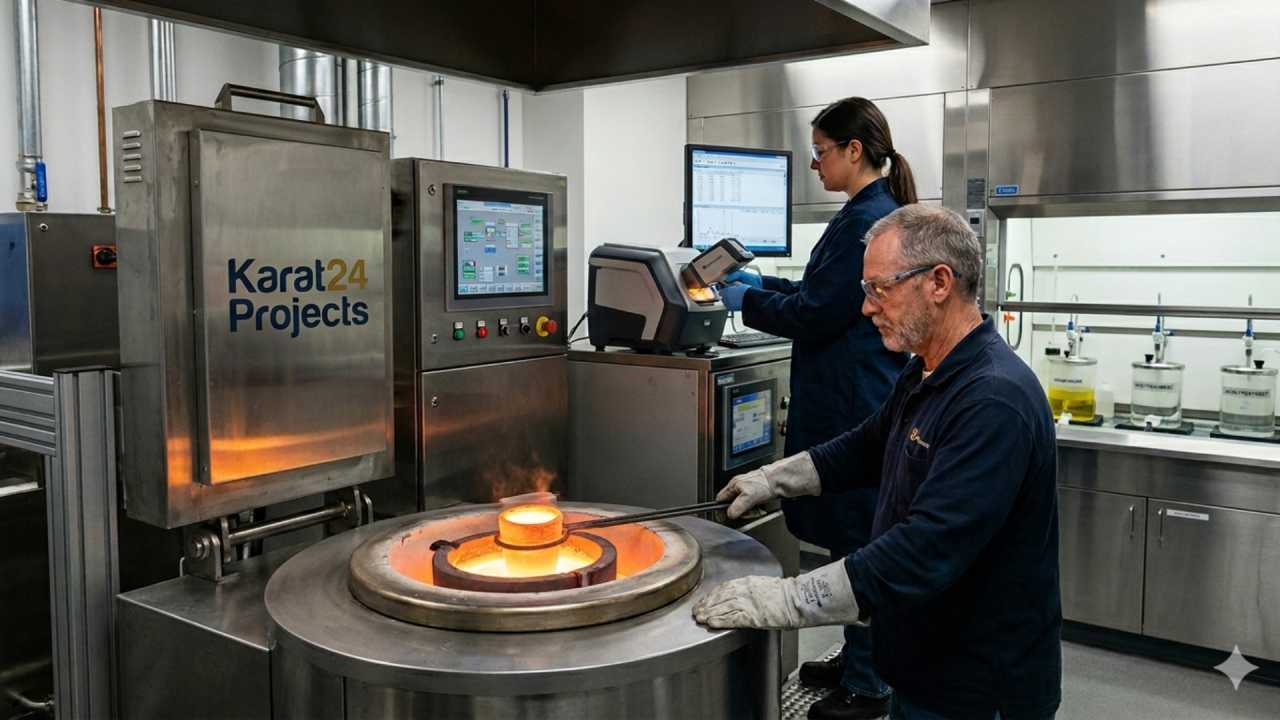
Melting: The gold is placed in a high-temperature crucible and melted into a liquid state.
-
Assaying: A small sample of the molten metal is taken to determine the exact percentage of gold and other precious metals.
-
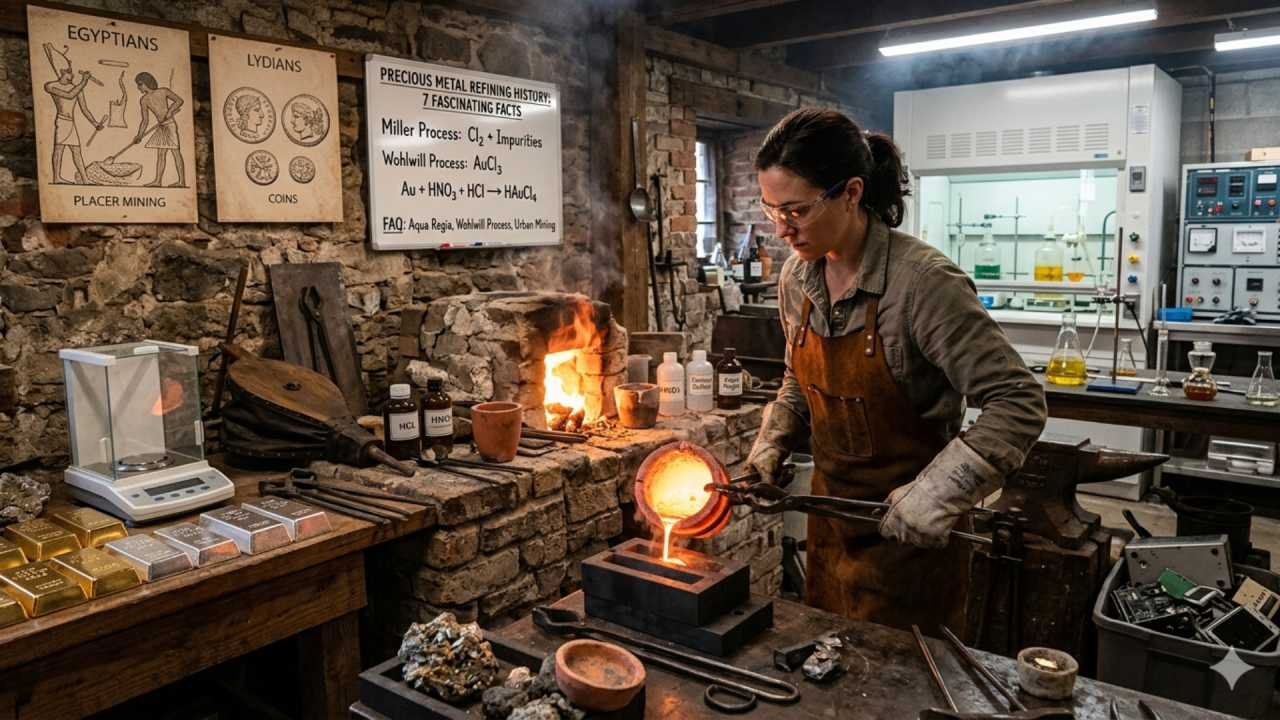
Purification: Through chemical processes (like the Miller process or Wohlwill process), the gold is separated until it reaches a purity level of .999.
Assaying vs. Refining
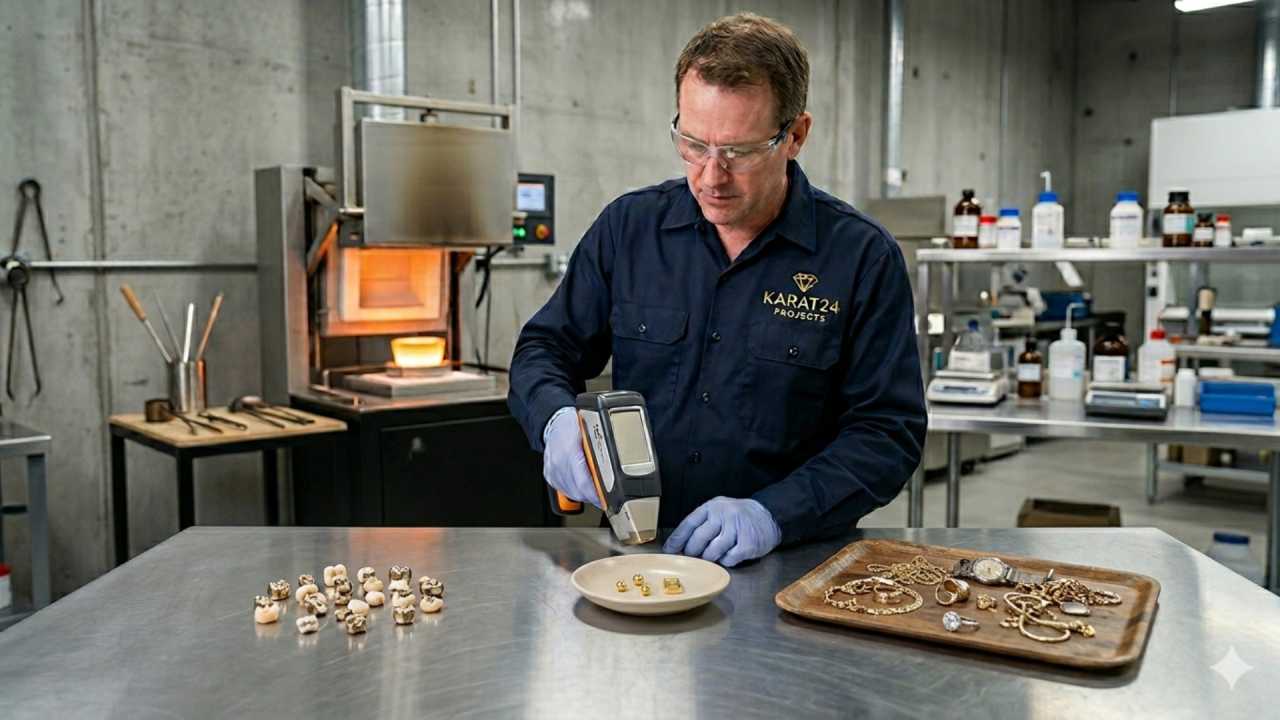
An assay is a test to determine the metal content, while refining is the physical act of purification. A reliable partner provides both. The assay is the most critical step for the seller, as it dictates the final payout. Modern refiners use X-ray fluorescence (XRF) and fire assaying to ensure precision.
Why Professional Refiners Are Essential
Trying to guess the value of gold scrap is a losing game. Professional refiners have the equipment to detect trace amounts of precious metals that a simple acid test might miss. This ensures that the seller receives every cent they are owed.
The Financial Benefits of Refining Gold Scrap
The primary motivation for refining is, of course, the financial return. But the benefits go beyond just the dollar amount of the check.
Turning Idle Materials into Working Capital
For a dental practice, the proceeds from a refining lot can cover the cost of new equipment or a staff bonus. For a pawn shop, it provides the liquidity needed to stay competitive in a fast-paced lending environment.
Better Returns vs. Middlemen
When you sell to a local jeweler or a traveling gold buyer, you are selling to a middleman. They will eventually send that gold to a refiner themselves and take a significant cut of the profit. By going directly to a refining solution, you eliminate the middleman and keep more of the gold’s value.
Market Timing
Working with a refiner allows you to choose when to “fix” your price. Many refiners allow you to hold your gold in an unallocated account and sell it when the market hits a peak, maximizing your return.
How to Choose a Reliable Gold Refining Partner
Trust is the most valuable currency in the refining industry. Because you are often sending thousands of dollars worth of material to a third party, you must do your due diligence.
Certifications and Compliance
Ensure the refiner follows all local and federal regulations regarding the handling of precious metals. This protects you from being inadvertently involved in unethical supply chains.
Transparent Pricing
A reputable refiner will be upfront about their fees. These usually include a small refining fee and a percentage of the metal’s value (the “split”). If a refiner cannot explain their fee structure clearly, walk away.
Turnaround Time
While refining takes time, it shouldn’t take months. Most professional services can provide an assay within a few business days and a final payout shortly thereafter.
Testing Methods
Ask if the refiner uses fire assaying. While XRF (X-ray) is fast and non-destructive, fire assaying remains the “gold standard” for accuracy in the industry. Karat24 Projects emphasizes the use of high-precision technology to ensure every grain of gold is accounted for.
Step-by-Step Process: From Scrap to Cash
Converting your scrap is a straightforward process when you work with the right partner.
-
Collect and Sort: Gather your dental alloys or pawn scrap. You don’t need to clean them; the refining process handles impurities.
-
Secure Shipping: Use a refiner that provides insured shipping labels. This ensures that if the package is lost or stolen, your investment is protected.
-
The Melt and Assay: Once received, the refiner melts the material and performs an assay. You should receive a report detailing the weight and purity of the gold, silver, platinum, and palladium found.
-
Evaluation and Offer: The refiner calculates the value based on the current market price (the “London Fix”).
-
Final Payout: Choose your payment method—check, wire transfer, or even return of pure bullion.
Security, Compliance, and Ethical Handling
In both the dental and pawn industries, documentation is king. A professional refiner provides a clear chain of custody.
Documentation
For pawn shops, it is vital to have records showing that the refined gold came from legally acquired inventory. For dentists, having a record of the transaction helps with practice accounting and tax preparation.
Data Privacy
While not often considered, dental scrap can sometimes be attached to models or records. A professional refiner ensures that all materials are handled discreetly and that any identifying biological or physical markers are destroyed in the melting process.
Maximizing Value from Gold Scrap
To get the most out of your refining experience, follow these tips:
-
Don’t Mix Materials Blindly: While a refiner will sort it, keeping your high-karat jewelry separate from lower-karat dental scrap can help you estimate your expected return more accurately.
-
Separate Non-Gold Components: If you have the time, removing large stones or non-metallic attachments can reduce shipping weight and make the initial melt more efficient.
-
Ask for a Detailed Report: A good refiner doesn’t just send a check; they send a breakdown. You should know exactly how many grams of each metal were recovered.
-
Watch the Market: Follow gold price trends. While you shouldn’t hold scrap for years waiting for a “perfect” price, selling during a market upswing can significantly increase your payout.
Environmental and Sustainability Benefits
Refining gold isn’t just good for your wallet; it’s good for the planet. The environmental cost of mining new gold is incredibly high, involving massive land displacement and chemical usage.
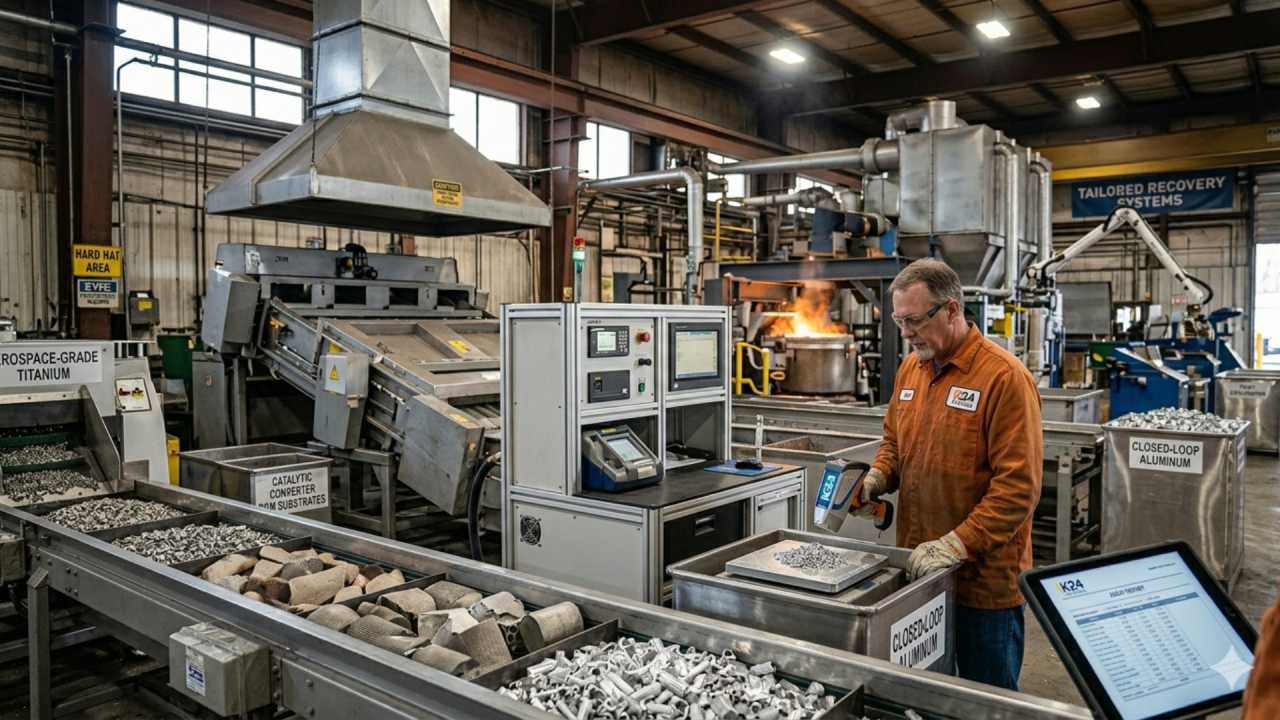
By recycling gold from dental practices and pawn shops, we participate in a “circular economy.” Recycled gold is indistinguishable from newly mined gold in terms of quality and purity. Promoting your commitment to recycling can also be a powerful marketing tool for dental practices looking to attract eco-conscious patients. Karat24 Projects supports these sustainable practices by ensuring that precious metals are returned to the supply chain efficiently.
Technology in Modern Gold Refining
The days of “backyard smelting” are over. Today’s refining industry uses cutting-edge technology to ensure fairness.
-
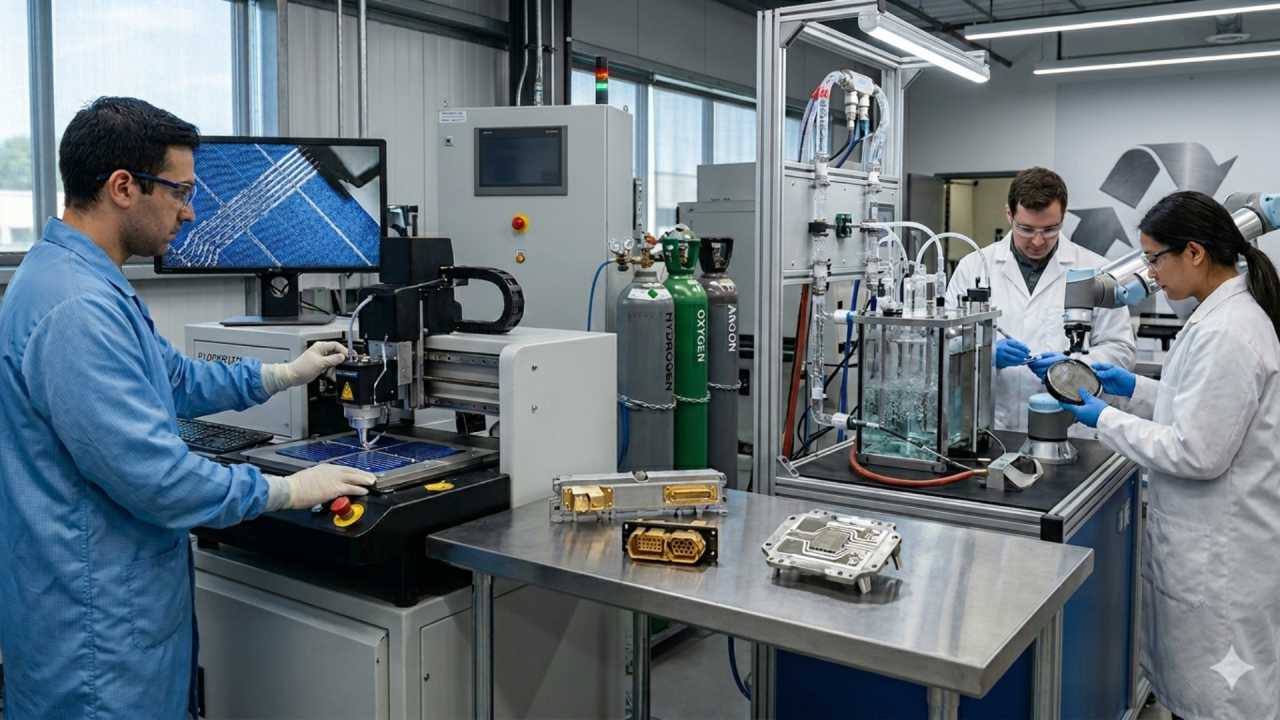
XRF Spectrometry: These handheld or tabletop devices use X-rays to determine the elemental composition of an alloy in seconds.
-
Induction Furnaces: These allow for incredibly precise temperature control, ensuring that gold is melted quickly without losing material to evaporation or oxidation.
-
Digital Portals: Many modern refiners offer online tracking, so you can see exactly where your scrap is in the process, from “Received” to “Assayed” to “Paid.”
Common Mistakes to Avoid
-
Selling to “Pop-up” Buyers: Those hotel ballroom gold buyers rarely offer competitive rates. They rely on convenience rather than value.
-
Ignoring the “Other” Metals: Don’t forget silver and platinum. In many dental alloys, the silver and palladium content can add 10% to 15% to your total payout.
-
Accepting “Lot” Pricing: Never accept a flat fee for a bag of scrap without an assay. You are almost certainly leaving money on the table.
-
Procrastinating: Gold sitting in a jar is not earning interest. Regular refining (quarterly or bi-annually) keeps your cash flow healthy.
Case Studies: Real-World Examples
The Suburban Dental Practice
A three-dentist practice had been “saving” their scrap in a small safe for over five years. After partnering with a refining solution, they sent in several pounds of mixed crowns and bridges. The resulting assay revealed a high concentration of palladium in addition to the gold. The practice received a payout of over $12,000, which they used to upgrade their digital imaging software.
The Growing Pawn Shop
A pawnbroker found themselves with a surplus of 10k gold chains that weren’t selling because of a shift in local fashion trends. Instead of waiting for a buyer, they refined the items through Karat24 Projects. The immediate cash injection allowed them to purchase a high-end watch collection from an estate, which sold within two weeks for a 30% profit.
Future Trends in Gold Recycling and Refining
The demand for recycled gold is expected to rise as consumers and industries become more concerned with “conflict-free” and sustainable materials. We are also seeing a move toward more transparent, app-based refining experiences where the seller has total visibility into the process.
As technology improves, the ability to recover even smaller traces of precious metals will become more accessible, making it worthwhile to refine even smaller lots of scrap.
FAQ: Frequently Asked Questions
How much is dental gold worth?
The value depends on the weight and the specific alloy. Generally, dental gold can range from 10k to 20k purity. A single crown might be worth anywhere from $40 to $100 depending on the current gold spot price.
Is it legal to sell dental gold?
Yes, it is perfectly legal. As long as the patient has relinquished the material, the dentist or the practice is free to recycle the metals.
How long does the refining process take?
Typically, the process takes between 5 to 10 business days from the time the refiner receives the material to the final payout.
Can I refine silver and platinum too?
Absolutely. Most gold refiners are equipped to handle all precious metals. It is highly recommended to refine them all together to maximize your return.
Final Thoughts: Turning Waste into Opportunity
For dentists and pawn shop owners, gold scrap is a silent partner in the business. It is a resource that accumulates quietly in the background, waiting to be utilized. The key to capturing this value lies in moving away from the “scrap” mindset and toward a “refining” mindset.
By partnering with a reliable, transparent refining solution like Karat24 Projects, you ensure that your business isn’t just discarding waste, but is instead optimizing its assets. Whether you are looking to improve cash flow, invest in new technology, or simply tidy up your inventory, professional gold refining is the most effective way to turn your discarded materials into a powerful financial tool.
Don’t let your assets gather dust. The gold you hold today can be the capital you use to grow tomorrow. In the world of precious metals, knowledge and the right partnership are the difference between a missed opportunity and a significant financial gain.