Industrial Precious Metal Refining: Solutions for Manufacturers
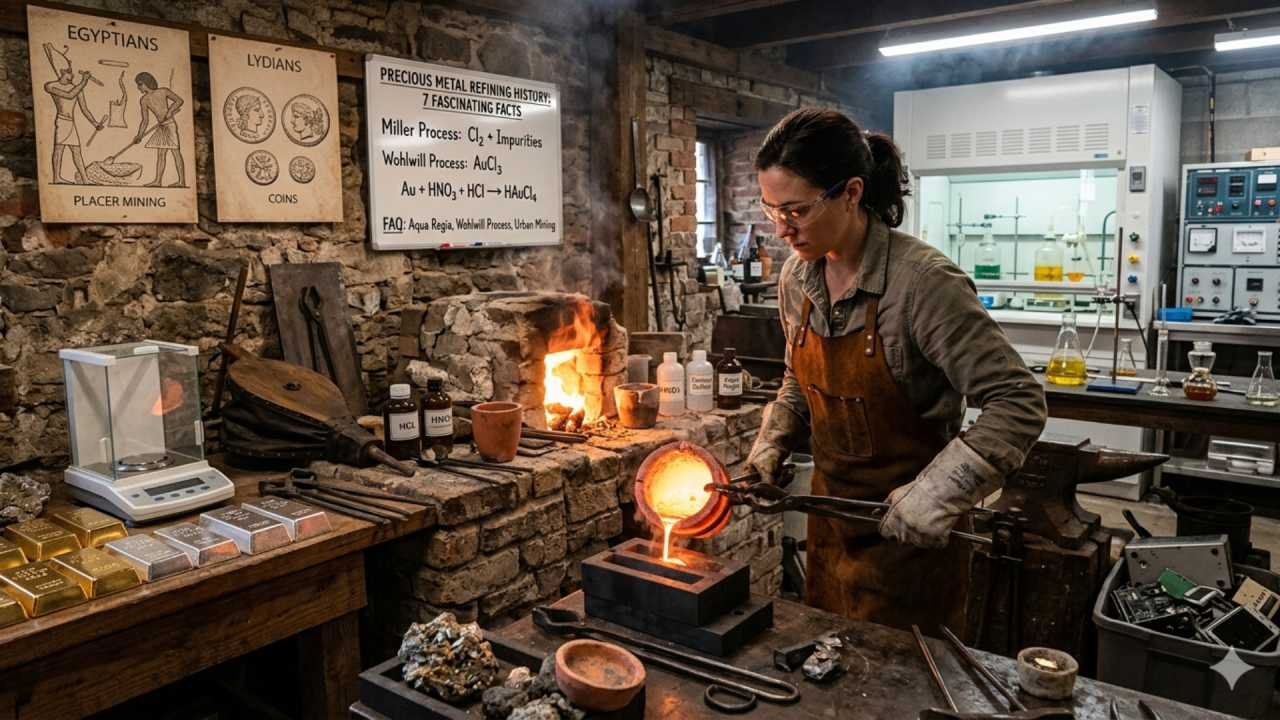
In the modern industrial landscape, the term precious metal refining refers to the high-precision chemical and metallurgical processes used to separate and purify high-value metals from complex waste streams, production scraps, and end-of-life products. While historically associated with mining and jewelry, refining has become a mission-critical component of the global manufacturing sector. As industries become more technologically advanced, their reliance on the unique physical and chemical properties of gold, silver, and platinum group metals (PGMs) continues to grow.
For manufacturers, establishing a robust refining strategy is no longer a peripheral concern; it is a fundamental pillar of economic resilience and corporate responsibility. The primary drivers for this shift are cost recovery, sustainability, and regulatory compliance. By recovering precious metals from manufacturing byproducts—such as spent catalysts, defective circuit boards, or plating sludges—companies can significantly offset the high cost of raw material procurement. In an era where “circular economy” is a boardroom priority, refining transforms what was once considered “waste” into a high-value asset.
However, the industry faces significant headwinds. Rising raw material costs have made the “buy-new” model increasingly unsustainable. Furthermore, supply chain disruptions caused by geopolitical instability have highlighted the danger of over-reliance on primary mining, which is often concentrated in a few volatile regions. Finally, tightening environmental regulations regarding hazardous waste disposal and carbon footprints are forcing manufacturers to find cleaner, more efficient ways to manage their metallic residues. This article explores the comprehensive solutions available to manufacturers looking to navigate these challenges through advanced refining practices.
What Is Industrial Precious Metal Refining?
To understand the solutions available, it is essential to distinguish between the two primary branches of the refining industry:
-
Primary Refining: This involves the extraction of precious metals from virgin ores pulled directly from the earth. It is an energy-intensive process typically managed by large-scale mining conglomerates.
-
Secondary Refining: This is the domain of manufacturers. It focuses on industrial scrap and waste recovery. Secondary refining takes materials that have already been processed—such as manufacturing offcuts, chemical residues, or discarded electronics—and returns the metal to a state of high purity.
The ultimate goal of industrial refining is to achieve specific purity levels, often reaching 99.9% or 99.99% (four nines), making the metal suitable for re-entry into the production cycle. Efficiency is measured by the recovery rate, or the percentage of the total metal content successfully extracted from the host material. Even a 1% loss in recovery can represent millions of dollars in lost revenue for a large-scale manufacturer.
Several key industries are deeply integrated with these refining processes:
-
Electronics Manufacturing: Relying on gold and silver for high-speed connectors and conductive pastes.
-
Automotive: Utilizing PGMs in catalytic converters to reduce harmful emissions.
-
Jewelry: Managing bench sweeps and casting scraps.
-
Chemical & Pharma: Using precious metals as catalysts in complex organic syntheses.
Types of Precious Metals Used in Manufacturing
Each precious metal offers specific properties that make it indispensable to certain industrial applications. Understanding these uses helps manufacturers identify where their most valuable scrap may be hidden.
Gold
Gold remains the gold standard for electronics and telecommunications. Because it does not oxidize or corrode, it is the preferred material for plating connectors, switch and relay contacts, and connecting wires. In the semiconductor industry, gold bonding wire is essential for connecting integrated circuits. Its high conductivity and malleability allow for the miniaturization of components without sacrificing reliability.
Silver
Silver possesses the highest electrical and thermal conductivity of any element. This makes it the backbone of the renewable energy sector, specifically in the production of photovoltaic (solar) cells. It is also widely used in silver-zinc batteries, brazing alloys for high-strength soldering, and as a conductive element in printed membrane switches.
Platinum Group Metals (PGMs)
The PGMs, including platinum, palladium, and rhodium, are perhaps the most industrial of all precious metals. Their primary use is in catalysis. In the automotive industry, they are the active components in catalytic converters that transform toxic gases into less harmful substances. In the chemical industry, platinum is used to manufacture nitric acid and silicone, while palladium is a critical component in multi-layer ceramic capacitors (MLCCs).
Others
Less common but equally vital are iridium and ruthenium. Iridium is highly resistant to heat and corrosion, making it ideal for spark plug electrodes and crucibles used in high-temperature crystal growth. Ruthenium is used in the aerospace industry for jet engine turbine blades and in the hard disk drive industry to increase storage density.
Sources of Recoverable Precious Metals
Manufacturers often overlook the variety of “hidden” goldmines within their own facilities. Identifying these sources is the first step toward effective metal accounting.
-
Production Scrap: This includes offcuts from stamping processes, defective components that fail quality control, and “sprues” or gates from casting operations. Since the composition of this material is usually known, it is the easiest to refine.
-
End-of-Life (EOL) Products: This is the broader category of e-waste. It includes retired servers, old telecommunications hardware, and consumer electronics. These items are complex, containing plastics, ceramics, and base metals alongside precious ones.
-
Industrial Residues: Often found in the form of sludge from wastewater treatment, ash from incineration processes, or “spent” plating baths. These residues often contain dissolved metals that require specialized chemical precipitation to recover.
-
Spent Catalysts: Used extensively in the petrochemical and pharmaceutical sectors, these catalysts eventually lose their efficacy but retain nearly all of their precious metal content.
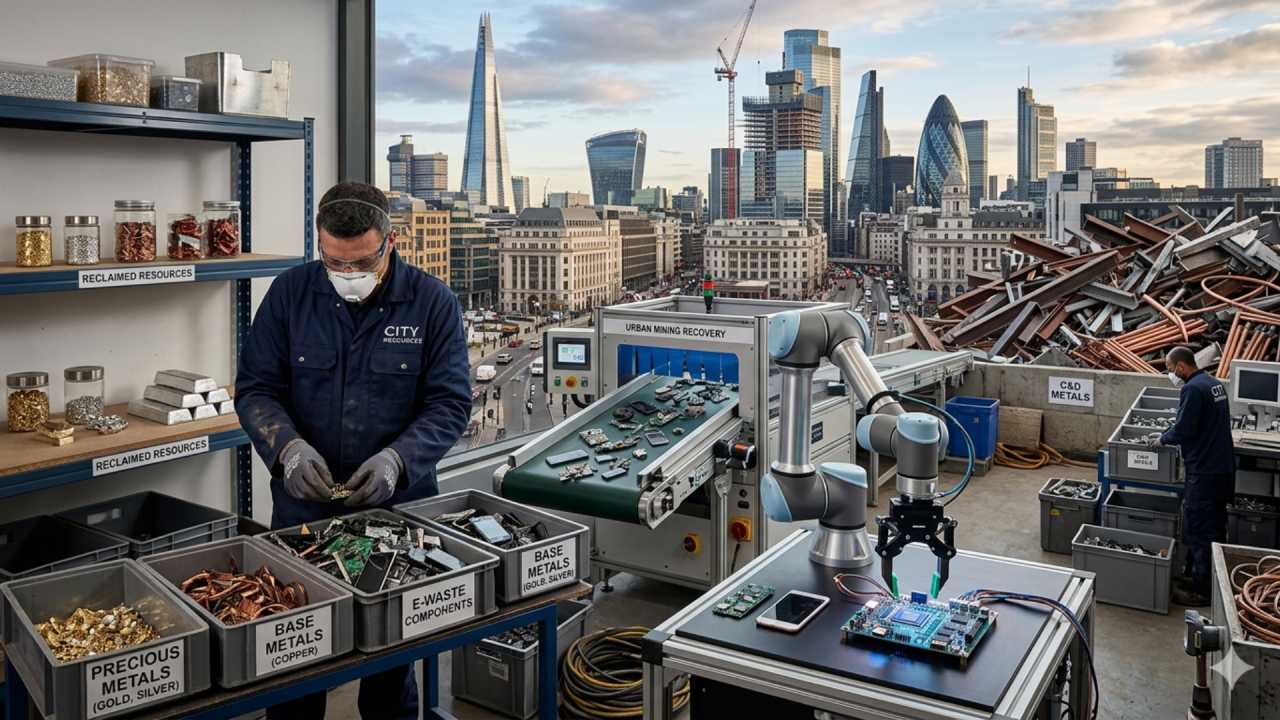
Urban Mining has emerged as a critical trend in this space. Rather than digging deeper into the earth, manufacturers are “mining” their own waste streams. Urban mining is often more cost-effective and environmentally friendly than traditional mining because the concentration of precious metals in a ton of e-waste is often significantly higher than in a ton of raw ore.
Key Refining Processes and Technologies
The transformation of scrap into pure metal involves several sophisticated technical pathways. The choice of process depends on the volume of material and the complexity of its composition.
Pyrometallurgical Processes
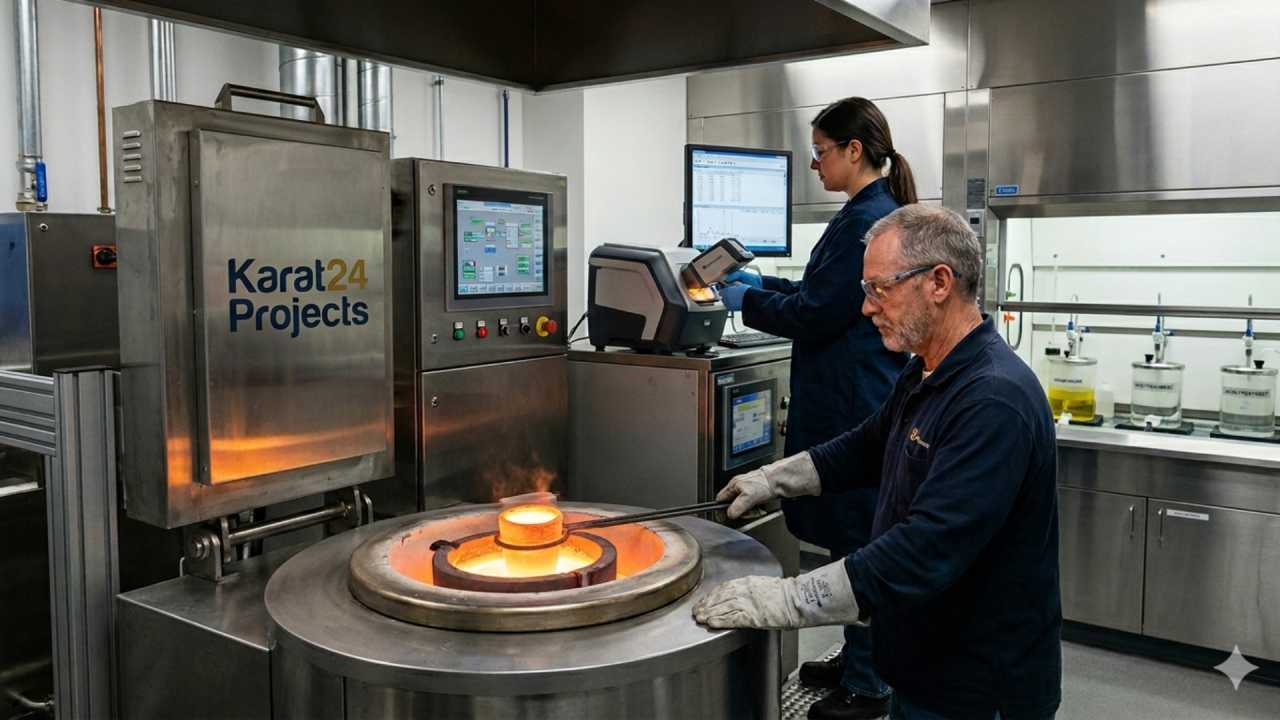
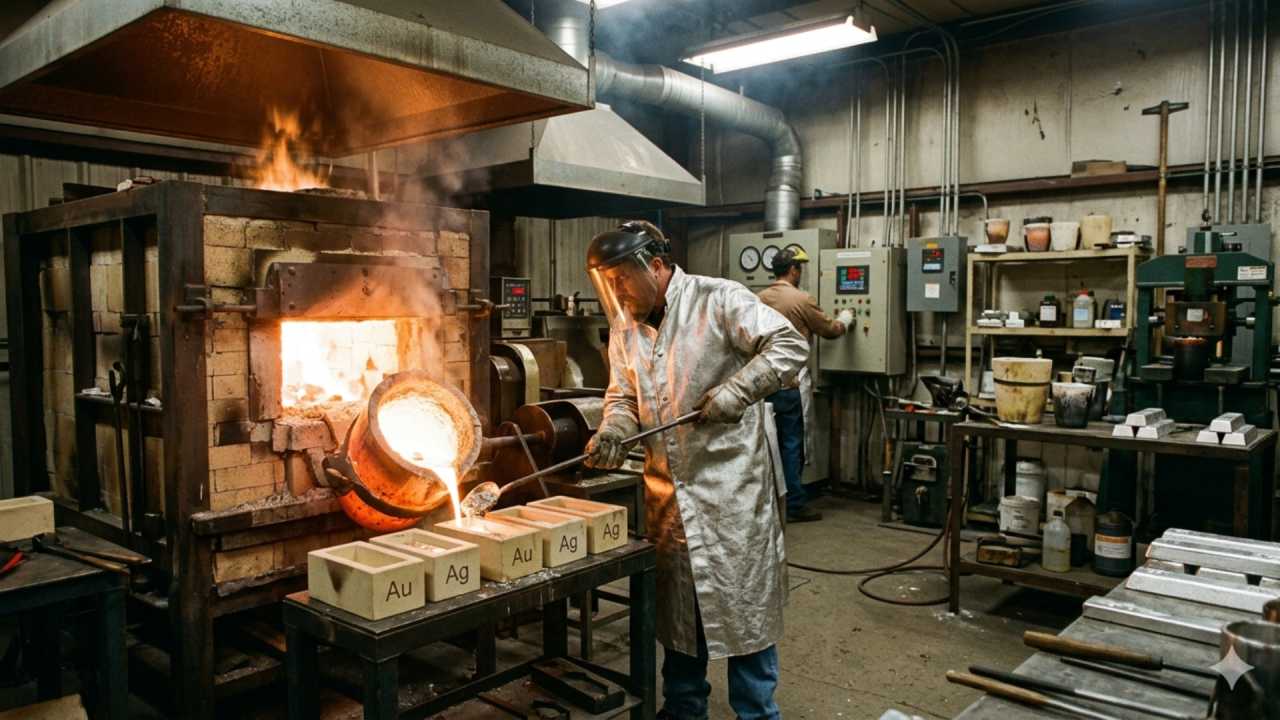
This is the traditional “fire-based” method. It involves smelting and incineration. The scrap material is heated to extreme temperatures in a furnace along with fluxing agents. The organic components are burned away, and the metals are separated based on their melting points and densities.
-
Pros: It can handle massive bulks of material and is excellent for materials with high organic content (like plastics).
-
Cons: It is extremely energy-intensive and requires sophisticated air filtration systems to capture toxic emissions.
Hydrometallurgical Processes
This method uses aqueous chemistry to recover metals. The scrap is placed in a “leaching” solution—often involving acids or cyanides—that dissolves the precious metals while leaving the base materials solid. Once in liquid form, the metals are recovered through precipitation or solvent extraction.
-
Pros: It is highly selective, allowing for the isolation of specific metals with high precision. It generally has a lower carbon footprint than smelting.
-
Cons: It involves the management of large volumes of hazardous chemicals.
Electrochemical Refining
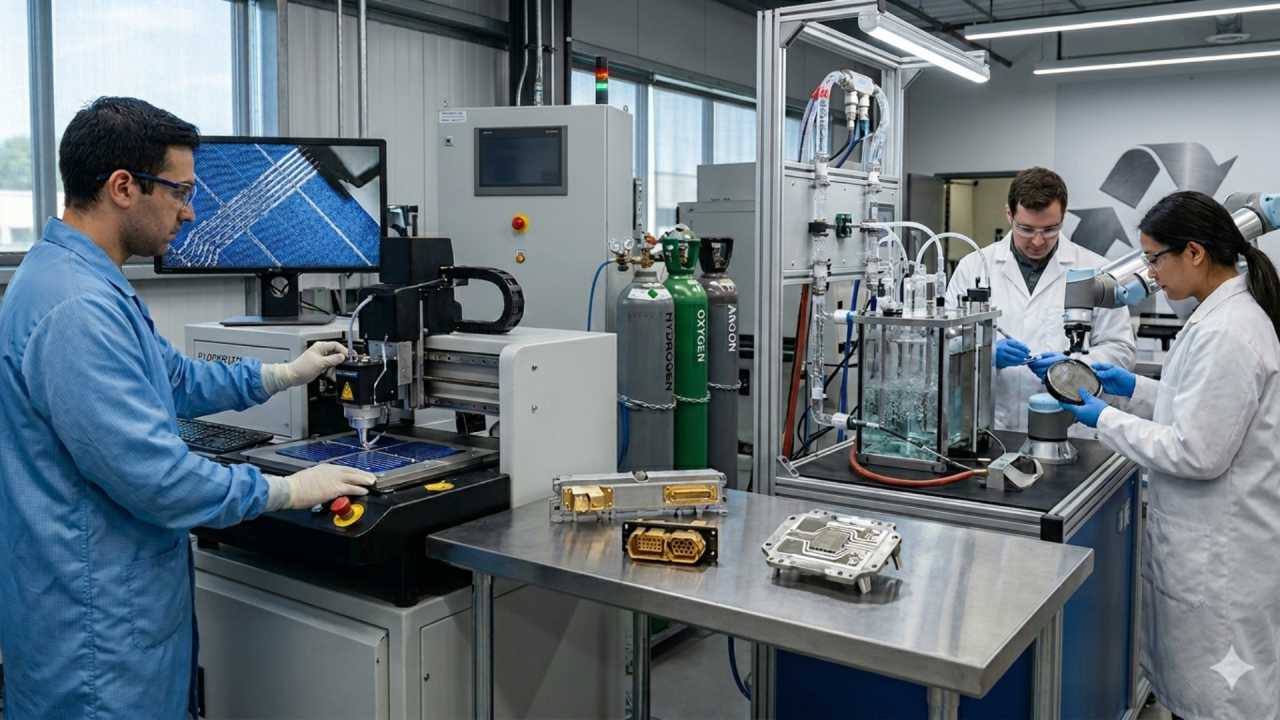
In this process, an electric current is passed through an electrolytic cell. The impure metal acts as an anode, dissolves into the electrolyte, and then plates out onto a cathode as an ultra-pure deposit.
-
Pros: This is the “gold standard” for achieving the highest possible purity (99.99%+).
-
Cons: It is generally a slower process and is typically the final stage after pyrometallurgical or hydrometallurgical treatment.
Emerging Technologies
The industry is currently seeing a surge in “Green Chemistry.” Bioleaching, which uses specialized bacteria to “eat” and concentrate metals from low-grade waste, is gaining traction. Additionally, AI-driven process optimization is being used to analyze the composition of incoming scrap in real-time, allowing refiners to adjust chemical dosages and furnace temperatures automatically for maximum yield.
Challenges Faced by Manufacturers
Despite the clear benefits of refining, many manufacturers struggle to implement effective programs due to several systemic challenges.
The most common issue is unaccounted metal loss. During the manufacturing process, microscopic particles of gold or silver can be lost in floor dust, ventilation filters, or cleaning rags. Without a rigorous “metal balance” protocol, these small losses can aggregate into significant financial deficits over a fiscal year.
Furthermore, complex material compositions are becoming the norm. Modern electronics use increasingly sophisticated alloys and multi-layered materials that are difficult to separate. A smartphone, for instance, contains dozens of different elements, making the “liberation” of precious metals a technical nightmare for inexperienced refiners.
Regulatory compliance also poses a hurdle. Handling and transporting hazardous waste (which many metal-bearing residues are classified as) requires strict adherence to environmental laws. Failure to comply can lead to massive fines and reputational damage. When combined with the price volatility of the metals themselves—where the value of a container of scrap can fluctuate by 10% in a single week—the risks can seem daunting to manufacturers who lack in-house expertise.
Refining Solutions for Manufacturers
To overcome these challenges, manufacturers can adopt various strategic solutions tailored to their specific operational scale and needs.
On-Site vs. Off-Site Refining
Small to mid-sized manufacturers usually opt for off-site refining, shipping their waste to a dedicated facility. This avoids the capital expenditure of building a refinery and the headache of managing chemical permits. However, very large-scale operations may benefit from on-site pre-treatment or “mini-refineries.” This allows them to reduce the volume of waste before shipping, significantly lowering logistics costs.
Closed-Loop Recycling Systems
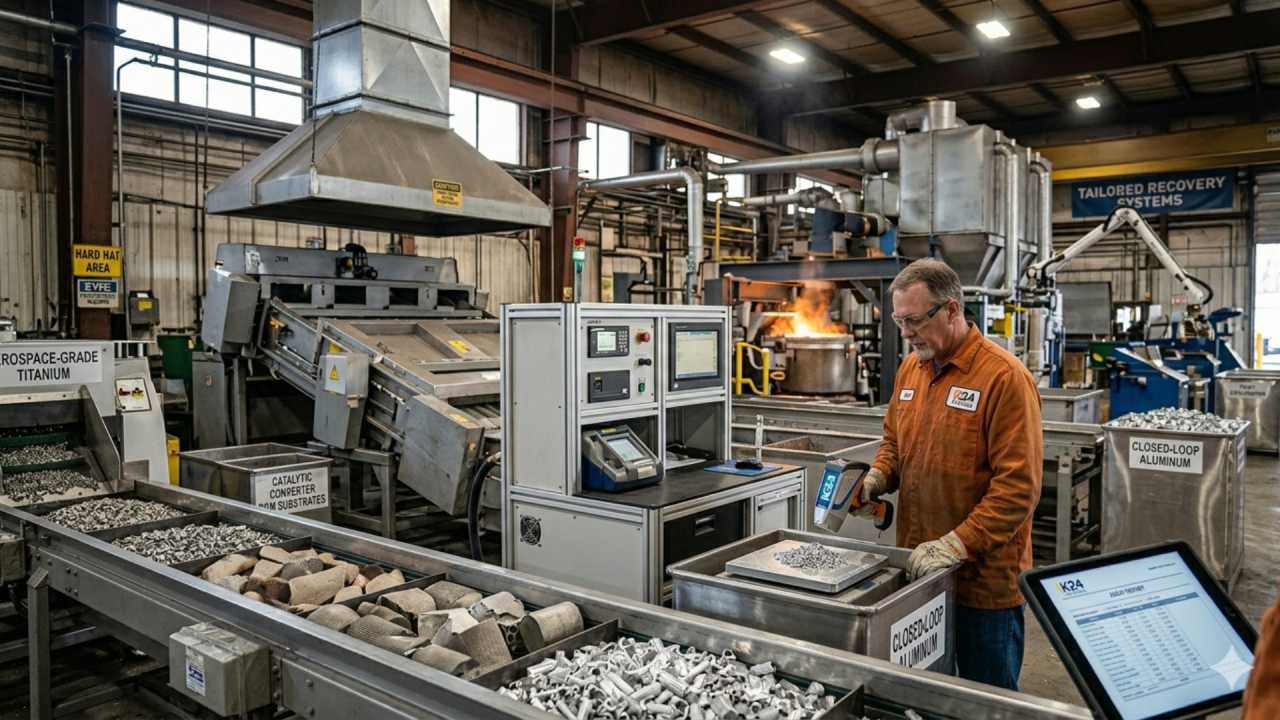
A closed-loop system is the pinnacle of industrial efficiency. In this model, a manufacturer recovers precious metals from its production scrap and sends them to a refiner, who then returns the metal in a form (such as gold salt for plating or silver targets for sputtering) that can be immediately reused in the same production line. This reduces the need to purchase new metal from the open market, shielding the company from market price swings.
Toll Refining Services
This is a popular contractual arrangement where a third-party refiner processes the manufacturer’s material for a flat fee or a percentage of the recovered value. The manufacturer retains ownership of the metal throughout the process. Once refined, the manufacturer can choose to have the metal returned to them, sold to the refiner at the current market price, or transferred to a “metal account” for future use.
Advanced Analytical Techniques
Accuracy is the foundation of trust in the refining industry. Manufacturers should utilize refiners who employ Inductively Coupled Plasma (ICP) or X-ray Fluorescence (XRF) testing. ICP, in particular, can detect metal concentrations down to parts per billion. This ensures “accurate metal accounting,” where the manufacturer knows exactly how much gold or platinum was in their shipment before the refining process even begins.
Digital Tracking and Transparency
Modern refining solutions now include Chain-of-Custody (CoC) digital tracking. Some forward-thinking refiners are implementing blockchain applications to provide an immutable record of the metal’s journey—from the moment it leaves the manufacturer’s dock to the moment it is cast into a pure bar. This transparency is vital for companies that must prove the ethical and sustainable origin of their materials to stakeholders.
Environmental and Sustainability Considerations
Sustainability is no longer a “nice-to-have” feature; it is a regulatory and consumer-driven mandate. Industrial precious metal refining is a core component of ESG (Environmental, Social, and Governance) goals.
By recycling metals, manufacturers drastically reduce their dependency on mining. For context, refining a ton of circuit boards can yield as much gold as mining dozens of tons of ore, with a fraction of the water usage and land destruction. This results in a significantly lower carbon footprint. The energy required to recycle platinum, for example, is approximately 90% less than the energy required to mine it from the earth.
Furthermore, advanced refining solutions focus on waste minimization. Modern facilities are designed to be “zero-discharge,” meaning they recycle their own process water and neutralize any chemical byproducts. Aligning with refiners who hold ISO 14001 (Environmental Management) and R2 (Responsible Recycling) certifications ensures that a manufacturer’s sustainability claims are backed by rigorous, third-party audits.
Cost Benefits and ROI of Refining
The financial argument for a structured refining program is compelling. The Return on Investment (ROI) is often realized almost immediately through the recovery of high-value metals that would otherwise have been discarded.
Consider a mid-sized electronics manufacturer that produces 500 kg of gold-bearing scrap per month. Even at a modest 1% gold content, that scrap contains 5 kg of gold. At a market price of $65,000 per kg, the gross value is $325,000. Even after refining fees and process losses, the manufacturer could recover over $300,000 in value every month.
These savings go directly to the bottom line. By reducing raw material purchases, companies can maintain higher margins even when the cost of living or energy rises. Over the long term, the savings generated by a closed-loop system can fund further industrial automation or R&D, providing a competitive edge over rivals who treat their scrap as a liability rather than an asset.
Choosing the Right Refining Partner
Selecting a refining partner is one of the most important procurement decisions a manufacturer will make. The relationship must be built on technical competence and absolute transparency.
Key Criteria for Selection:
-
Certifications & Compliance: Does the refiner hold valid permits for hazardous waste handling? Are they ITAR registered (if handling defense-related scrap)?
-
Recovery Rates: Ask for documented proof of their efficiency. A refiner that charges a lower fee but has a lower recovery rate will ultimately cost you more money.
-
Transparency in Pricing: Fees should be clearly outlined. Be wary of hidden “treatment charges” or “assay fees” that are not disclosed upfront.
-
Turnaround Time: How quickly can they process your material and settle your account? In a volatile market, time is money.
Questions Manufacturers Should Ask:
-
“Can I witness the sampling process of my material?”
-
“What analytical methods do you use to determine the final metal content?”
-
“How do you manage the environmental impact of the byproducts generated during refining?”
-
“Do you provide a full ‘settlement report’ that tracks the material from intake to final output?”
Future Trends in Precious Metal Refining
As we look toward the future of manufacturing, several trends are poised to reshape the refining landscape. The shift toward a circular economy model will become standard, with product design increasingly incorporating “Design for Recycling” (DfR) principles. This means products will be engineered to be more easily disassembled and refined at the end of their life.
Automation and AI will continue to migrate from the manufacturing floor into the refinery. Robotic sorting systems equipped with hyperspectral imaging will be able to identify and separate different types of metal-bearing scrap at speeds and accuracies impossible for human sorters.
We will also see an increasing importance of e-waste recovery. As the world becomes more digitized, the sheer volume of electronics reaching end-of-life will explode. This will drive a need for more localized refining infrastructure. To avoid the risks of international shipping and to comply with “right to repair” and local content laws, many regions will focus on supply chain localization, building regional refining hubs to keep precious metals within their own borders.
Final Thoughts
Industrial precious metal refining is the bridge between industrial waste and economic value. For manufacturers, it represents a unique opportunity to marry profitability with sustainability. By identifying all sources of recoverable metal, choosing the right technological processes, and partnering with transparent, certified refiners, companies can insulate themselves from market volatility and supply chain shocks.
The transition from a “linear” consumption model to a “circular” recovery model is not just an environmental necessity; it is a strategic imperative. As technology continues to evolve, the manufacturers who view their waste streams as a resource rather than a burden will be the ones who lead the next generation of industrial innovation. Efficiency, sustainability, and profitability are no longer mutually exclusive—in the world of precious metal refining, they are one and the same.