
Efficient & Reliable Precious Metals Refining Solutions: A Comprehensive Guide to Industrial Excellence
Precious metals—primarily gold, silver, and the Platinum Group Metals (PGMs) including platinum, palladium, and rhodium—occupy a unique position in the global economy. Beyond their historical role as stores of value and adornments of status, these elements are the silent engines of modern technological advancement. Their high conductivity, resistance to corrosion, and unique catalytic properties make them indispensable in everything from the smartphone in your pocket to the hydrogen fuel cells of the future.
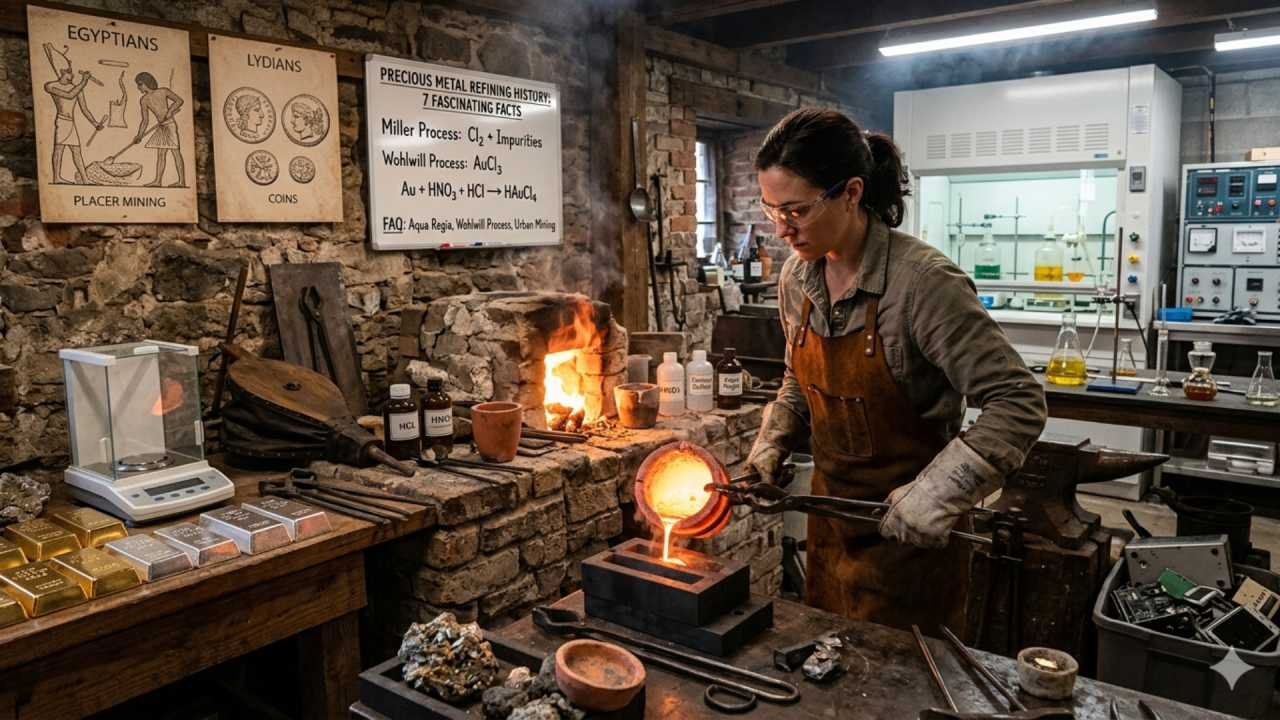
In the contemporary industrial landscape, the importance of refining cannot be overstated. As primary mining becomes more capital-intensive and environmentally scrutinized, the ability to extract high-purity metals from complex sources is a strategic necessity. Refining is the sophisticated chemical and metallurgical process of purifying these metals to a degree where they can be reintroduced into the supply chain.
The demand for these materials is surging. The electronics industry requires massive quantities of gold and silver for circuit boards; the automotive sector relies on PGMs to reduce harmful emissions; and the transition to renewable energy is driving an unprecedented need for silver in photovoltaic cells. However, “refining” alone is no longer enough. The industry now demands solutions that are both efficient and reliable.
Efficiency in this context refers to maximum yield with minimal energy expenditure and waste generation. Reliability implies consistency—the guarantee that a refining process will yield a specific purity (such as 99.99%) every time, backed by transparent assaying and rigorous quality control. This article explores the intricate world of precious metals refining, examining the technologies, challenges, and sustainable practices that define the modern industry.
Overview of Precious Metals Refining
At its core, refining is the process of removing impurities from a metal to achieve a specific standard of purity. While “smelting” often refers to the initial extraction of metal from ore, “refining” is the subsequent purification process. It is the bridge between raw, complex scrap or ore and the high-grade bullion or industrial-grade powder required by manufacturers.
Primary vs. Secondary Refining
-
Primary Refining: This involves processing “virgin” material directly from the earth. Miners extract ore, which undergoes crushing, milling, and initial concentration before being sent to a refinery.
-
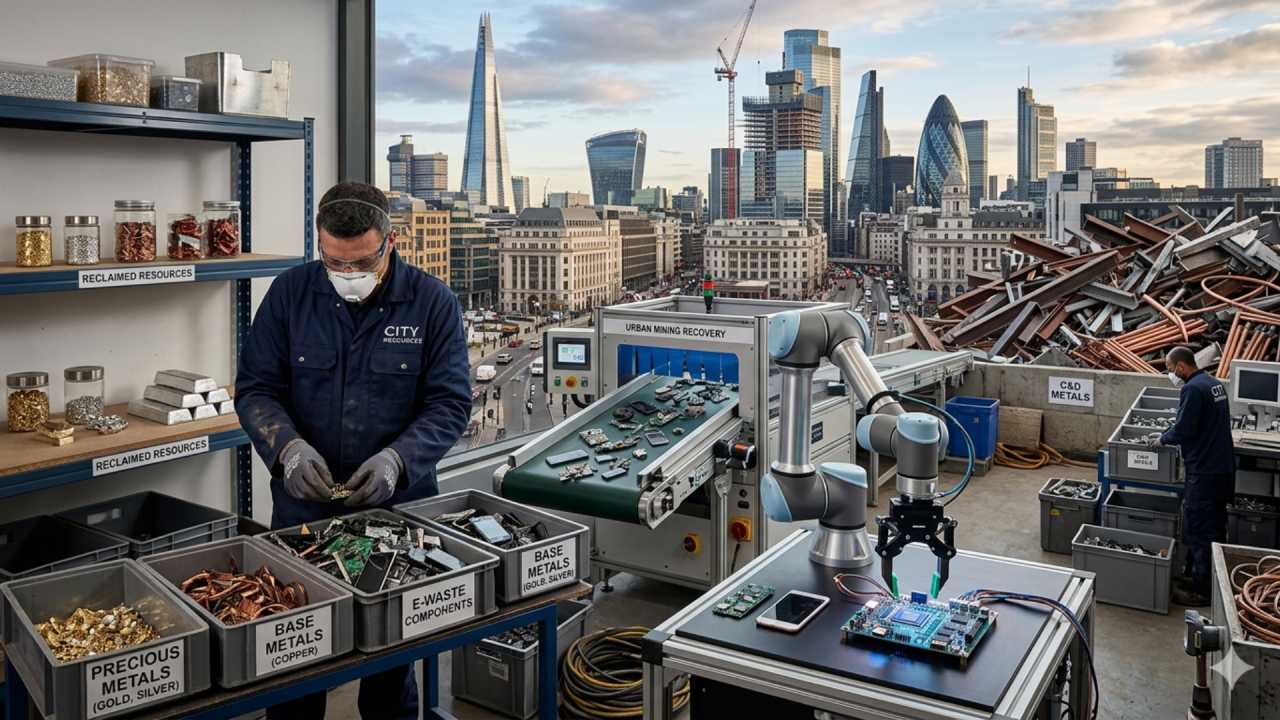
Secondary Refining: Also known as “urban mining,” this focuses on recycling. It involves recovering precious metals from end-of-life products. Given the finite nature of geological deposits, secondary refining is rapidly becoming the dominant focus of the industry.
Sources of Feedstock
The versatility of a refining solution depends on its ability to handle diverse feedstocks:
-
Mining Ores: Low-grade dore bars or concentrates from gold and silver mines.
-
Electronic Waste (E-waste): Printed circuit boards (PCBs), connectors, and CPUs contain significant amounts of gold, silver, and palladium.
-
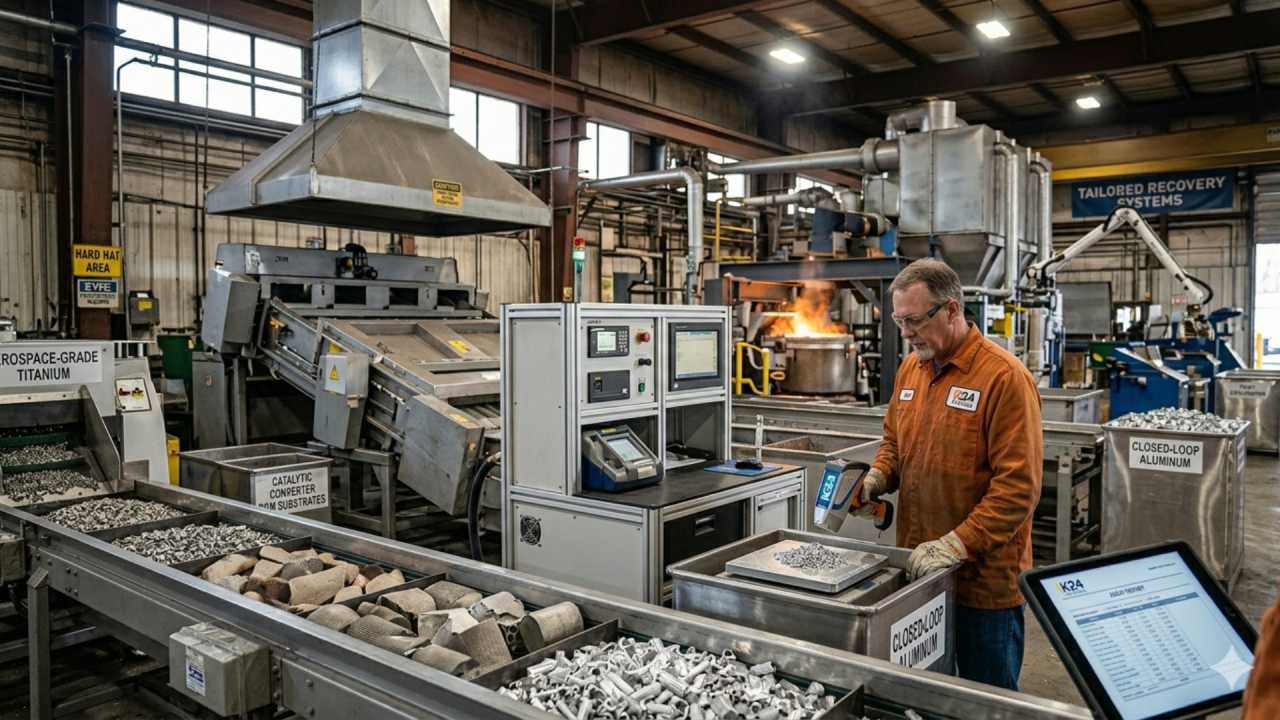
Industrial Scrap: Spent catalysts from the chemical and petroleum industries, as well as plating solutions and sputtering targets.
-
Jewelry Waste: Bench sweeps, polishing dust, and “old gold” jewelry that consumers trade in.
Types of Precious Metals & Their Applications
Understanding the specific properties of each metal is crucial for designing effective refining workflows, as each requires different chemical reagents and thermal profiles.
Gold (Au)
Gold remains the “king” of precious metals. While 50% of global demand is still driven by jewelry, its industrial utility is unmatched. In electronics, gold’s resistance to oxidation makes it the ideal material for plating connectors and bond wires. In finance, central banks and investors require gold refined to “Good Delivery” standards (99.5% or higher).
Silver (Ag)
Silver has the highest electrical and thermal conductivity of any element. This makes it a cornerstone of the renewable energy sector; silver paste is used in nearly all silicon-based solar cells. It also sees heavy use in printed electronics, mirrors, and medical applications due to its antimicrobial properties.
Platinum Group Metals (PGMs)
This group—comprising platinum (Pt), palladium (Pd), and rhodium (Rh)—is valued primarily for its catalytic properties.
-
Platinum: Used in laboratory equipment, jewelry, and increasingly in hydrogen fuel cells.
-
Palladium: The primary component in catalytic converters for gasoline engines to reduce CO2 and NOx emissions.
-
Rhodium: One of the rarest elements on earth, essential for nitrogen oxide reduction in automotive exhaust systems.
Key Refining Methods
The choice of refining method depends on the starting material’s composition and the required end-purity. Most modern refineries use a combination of these four pillars.
Pyrometallurgical Processes
Pyrometallurgy uses thermal energy to facilitate chemical reactions.
-
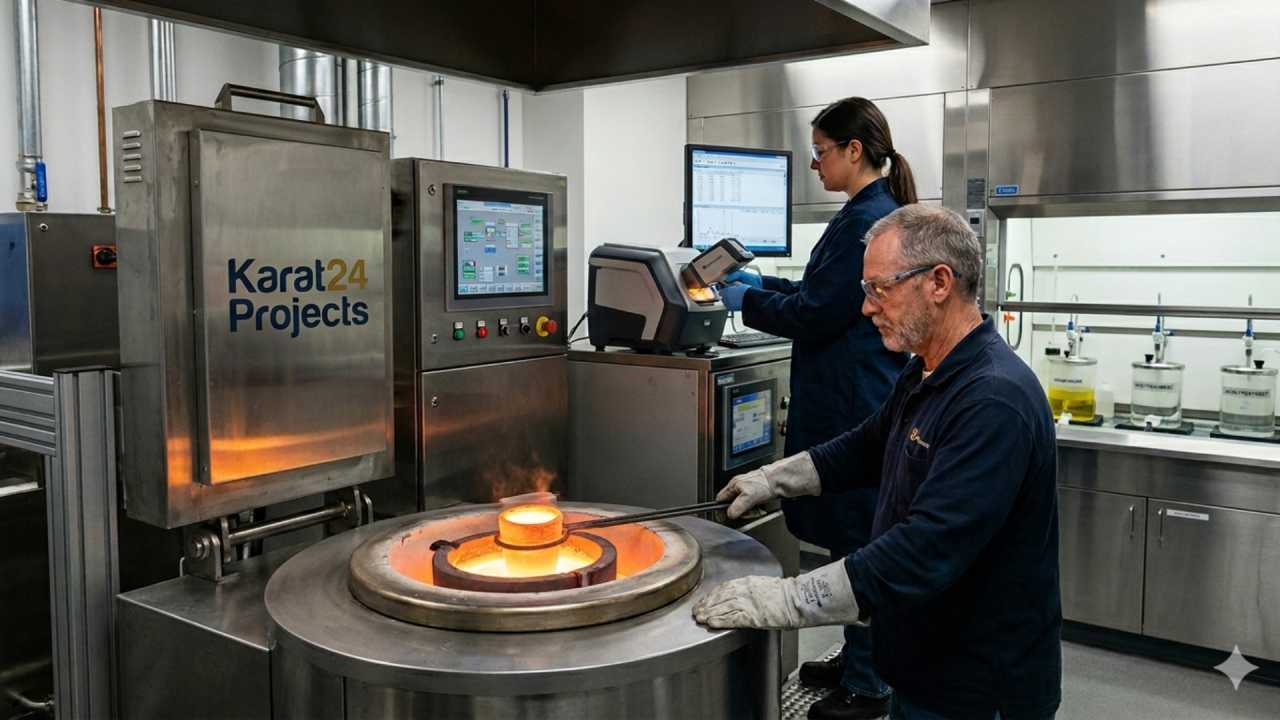
Smelting: Feedstock is melted in a furnace with fluxing agents. Impurities form a “slag” that floats to the top, while the heavier precious metals settle at the bottom in a collector metal (like copper or lead).
-
Roasting: Heating the material in an oxygen-rich environment to drive off volatile impurities like sulfur or antimony.
-
Pros & Cons: These processes are excellent for high-volume, low-grade scrap (like e-waste). However, they are energy-intensive and require complex gas-scrubbing systems to prevent toxic emissions.
Hydrometallurgical Processes
This involves using aqueous chemistry to dissolve and then selectively precipitate metals.
-
Leaching: The use of acids or bases to dissolve metals into a liquid solution.
-
Cyanidation: The standard for gold mining, where a weak cyanide solution dissolves gold from ore.
-
Aqua Regia: A mixture of nitric and hydrochloric acids. This is the “gold standard” for refining gold to 99.99% purity, as it dissolves gold and PGMs while leaving silver as a solid chloride.
Electrorefining
Electrorefining uses an electrolytic cell. An impure metal anode is dissolved into an electrolyte solution, and pure metal ions are deposited onto a cathode.
-
Wohlwill Process: Used for high-purity gold refining.
-
Moebius/Thum Processes: Used for silver refining.
-
Advantage: It produces the highest possible purity and allows for the recovery of “anode slimes,” which often contain other valuable minor metals.
Emerging Technologies
-
Bioleaching: Using specific bacteria to “eat” the impurities or oxidize the minerals surrounding the precious metals. This is much more eco-friendly but currently slower than chemical methods.
-
Green Chemistry: Developing non-toxic lixiviants (leaching agents) to replace cyanide and mercury, focusing on thiosulfates or organic acids.
Efficiency in Precious Metal Refining
In an industry where a 1% loss can equate to millions of dollars in lost revenue, efficiency is the primary metric of success.
Yield Optimization
The goal is to achieve near-total recovery. Modern refineries utilize multi-stage processing to ensure that even “trace” amounts of metal are recaptured from the slag or wastewater. This involves fine-tuning the chemical balance of leaching tanks to ensure no metal remains in the solid residue.
Energy Efficiency
High-temperature furnaces are being replaced or augmented by induction heating, which is more localized and controllable. Furthermore, heat recovery systems now capture the thermal energy from smelting processes to pre-heat incoming materials or power other plant operations.
Process Automation (AI & IoT)
The “Smart Refinery” uses sensors to monitor pH levels, temperature, and metal concentration in real-time. AI algorithms can predict the optimal time to harvest a cathode or adjust the flow of reagents based on the specific “fingerprint” of the incoming scrap batch. This reduces human error and reagent waste.
Minimizing Material Loss
Efficiency also means reducing “lock-up” time—the duration the metal is inside the refining loop. Faster processing means quicker return to the market, improving the refinery’s cash flow and reducing the risk associated with market price fluctuations.
Reliability & Quality Assurance
Reliability is built on the foundation of trust and precision. When a customer sends five tons of industrial scrap, they need to know exactly how much metal was recovered and that the final product meets global purity standards.
Consistent Purity Levels
Refineries must guarantee “four-nines” (99.99%) or even “five-nines” (99.999%) purity for specific industrial applications. Achieving this consistently requires ultra-pure reagents and “clean room” environments to prevent cross-contamination between different metal lines.
Assaying and Testing
The assay office is the heart of a reliable refinery.
-
Fire Assay: The traditional and most accurate method for gold, involving melting the sample with lead.
-
ICP-OES (Inductively Coupled Plasma): Modern spectroscopic technique that can detect trace impurities down to parts per billion (ppb).
-
XRF (X-ray Fluorescence): Used for rapid, non-destructive initial screening of scrap.
Certification & Compliance
A reliable refiner adheres to the London Bullion Market Association (LBMA) “Good Delivery” standards or Responsible Jewellery Council (RJC) certifications. These indicate not just technical prowess, but also ethical sourcing and financial stability.
Environmental & Sustainability Considerations
The “green” transition cannot happen without precious metals, yet the refining of these metals has historically been a “dirty” industry. This paradox is driving a massive shift toward sustainability.
Environmental Impact Mitigation
Traditional refining often produced toxic off-gases (NOx, SO2) and acidic wastewater. Modern facilities now employ closed-loop systems where water is treated and reused indefinitely, and sophisticated scrubbers neutralize 99.9% of gaseous emissions before they reach the atmosphere.
The Circular Economy & Urban Mining
Instead of digging deeper into the earth, the industry is looking at the “urban mine.” Extracting gold from a ton of iPhones is significantly more energy-efficient and yields more metal than extracting it from a ton of low-grade ore. This circular approach minimizes the ecological footprint of the tech industry.
Eco-friendly Technologies
The development of cyanide-free leaching and mercury-free gold recovery is a top priority. Companies are investing in “dry refining” techniques and bio-metallurgy to reduce the chemical intensity of the purification process.
Industrial Applications & Case Use
Precious metal refining solutions are the backbone of several critical sectors:
-
Electronics Manufacturing: Refining provides the high-purity gold and silver needed for semiconductor lead frames and high-speed connectors. Without 99.99% purity, signal degradation occurs.
-
Automotive Sector: Refiners process spent catalytic converters to recover platinum, palladium, and rhodium. As emission standards tighten globally, the demand for recycled PGMs from this sector remains a top priority.
-
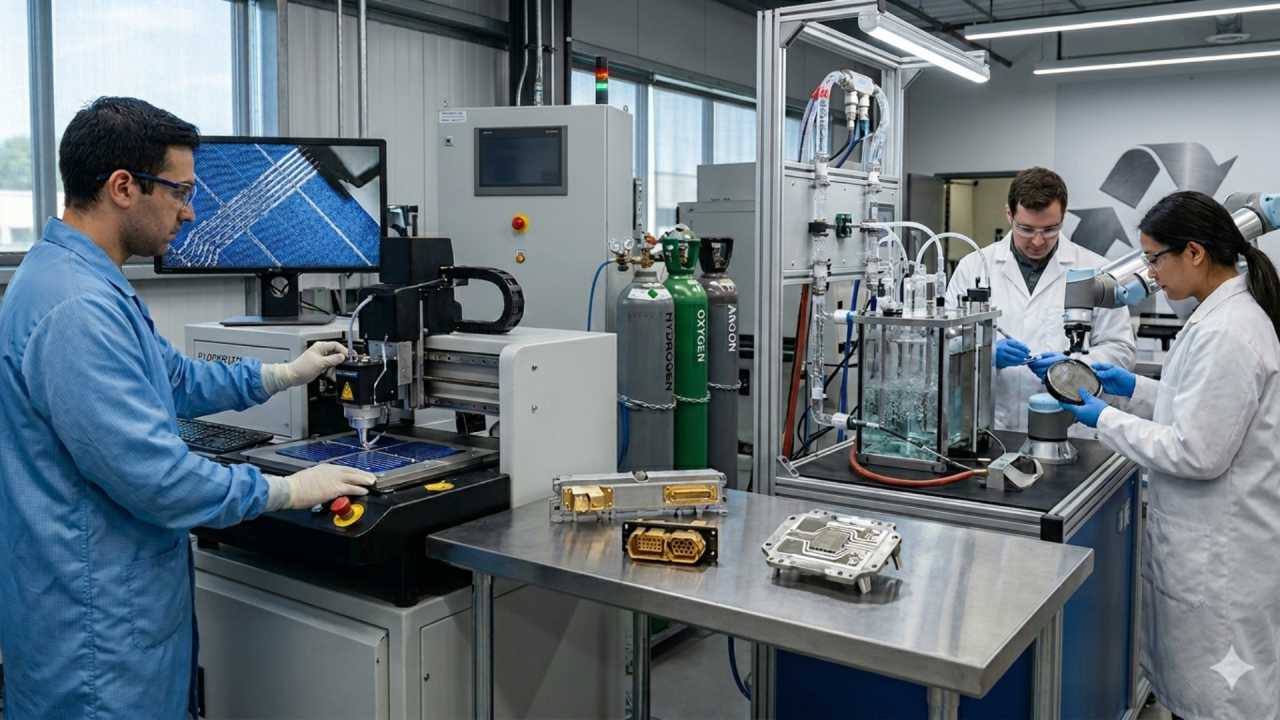
Renewable Energy: Silver is essential for solar panels. Refining solutions focus on recovering silver from broken or end-of-life photovoltaic cells to keep the supply chain sustainable.
-
Aerospace: Platinum alloys are used in jet engine components due to their high melting points. Refining ensures these specialized alloys can be recycled back into aerospace-grade materials.
Challenges in Precious Metals Refining
Operating a refinery is a high-stakes endeavor fraught with technical and economic hurdles.
Fluctuating Metal Prices
The “crack spread” or the margin between the cost of the scrap and the value of the refined metal can vanish overnight if market prices drop. Refineries must use sophisticated financial hedging to protect against volatility.
Complex Ore & Scrap Compositions
Modern electronics are increasingly complex. A single smartphone contains dozens of elements. Separating these without cross-contamination or losing trace metals (like tantalum or neodymium) is a constant chemical battle.
Regulatory Compliance
Refiners face intense scrutiny regarding “Conflict Minerals” (Dodd-Frank Act) and Anti-Money Laundering (AML) laws. They must prove that the metal they process does not fund armed conflict or human rights abuses.
Choosing the Right Refining Solution Provider
For businesses requiring refining services, the choice of partner is critical. Look for the following criteria:
-
Technology Capability: Does the provider have the specific equipment (e.g., ICP-OES, induction furnaces) to handle your specific type of scrap?
-
Transparency: A reputable refiner provides “split-sample” options, allowing the customer to have an independent assay performed to verify the refiner’s results.
-
Turnaround Time: How long is your capital tied up in the refining process? Efficient providers should offer clear timelines for settlement.
-
Environmental Track Record: In an era of ESG (Environmental, Social, and Governance) reporting, your choice of refiner reflects on your own company’s sustainability profile.
Future Trends in Precious Metals Refining
The next decade will see a transformation in how we handle these rare elements.
-
AI-Driven Sorting: Robots equipped with hyperspectral imaging will sort e-waste at lightning speeds, identifying components with the highest precious metal content before they even enter the furnace.
-
Plasma Refining: The use of plasma torches to reach ultra-high temperatures, allowing for the processing of even more complex and “stubborn” materials with less waste.
-
Modular Refineries: Small, containerized refining units that can be deployed directly to mining sites or e-waste hubs, reducing the carbon footprint of transporting heavy raw materials.
Final Thoughts
Precious metals refining is far more than a simple chemical process; it is a vital industrial service that underpins the global economy and the green revolution. As the world moves toward a more sustainable, high-tech future, the demand for efficient and reliable refining solutions will only intensify.
By combining traditional metallurgical wisdom with cutting-edge automation and a steadfast commitment to environmental stewardship, the refining industry is proving that it can evolve. Whether it is recovering gold from a discarded circuit board or purifying platinum for a clean-energy fuel cell, the goal remains the same: ensuring that every gram of these rare, precious elements is captured, purified, and put back to work for the benefit of society.
The future of precious metals is not just in the earth, but in the sophisticated, closed-loop systems that allow us to use, reuse, and refine them with ever-increasing precision.