The Art and Science of Gold Refining: Expertise, Technology & Sustainable Innovation
Gold occupies a unique position in human civilization, serving simultaneously as a medium of exchange, a symbol of status, and a critical industrial component. However, the gold found in nature or recovered from secondary sources is rarely in a state of absolute purity. The journey from raw, alloyed, or scrap material to a gleaming bar of 99.99% investment-grade bullion is a complex transition facilitated by the industry of gold refining. This process is far more than a simple industrial procedure; it is a sophisticated blend of high-level chemistry, advanced engineering, and the seasoned intuition of master metallurgists.
In the modern global economy, gold refining matters more than ever. Beyond its traditional roles in jewelry and investment, gold is an essential element in high-end electronics, aerospace engineering, life-saving medical devices, and renewable energy technologies. Each of these applications requires specific, often extreme, levels of purity that only a rigorous refining process can provide. The core thesis of the modern industry is clear: optimal results are achieved only when human expertise and cutting-edge technology are harmonized. While machines can automate movements and sensors can track temperatures, the “soul” of refining still rests in the ability of experts to interpret data and adjust to the unpredictable nature of raw materials.
Understanding Gold Refining
At its most fundamental level, gold refining is the process of removing impurities and base metals from gold-bearing materials to produce a metal of higher purity. While the terms are often used interchangeably by the public, it is important to distinguish refining from related processes. Smelting is the initial melting of ore or scrap to separate the metal from stony waste or “slag.” Assaying is the analytical process of determining the exact gold content within a sample. Refining is the final, precise chemical or electrochemical purification that elevates the gold to its ultimate standard.
The goals of refining are three-fold: to remove unwanted elements (such as copper, silver, iron, or zinc), to increase the gold concentration to recognized market standards, and to separate other valuable precious metals like platinum or palladium that may be present in the feedstock. Purity is measured in “fineness,” representing parts per thousand.
-
995 Fine (99.5%): The minimum standard for Good Delivery bars in many markets.
-
999 Fine (99.9%): Standard “pure” gold used for many investment products.
-
999.9 Fine (99.99%): Often called “four nines,” this is the pinnacle of purity required for sensitive industrial and investment applications.
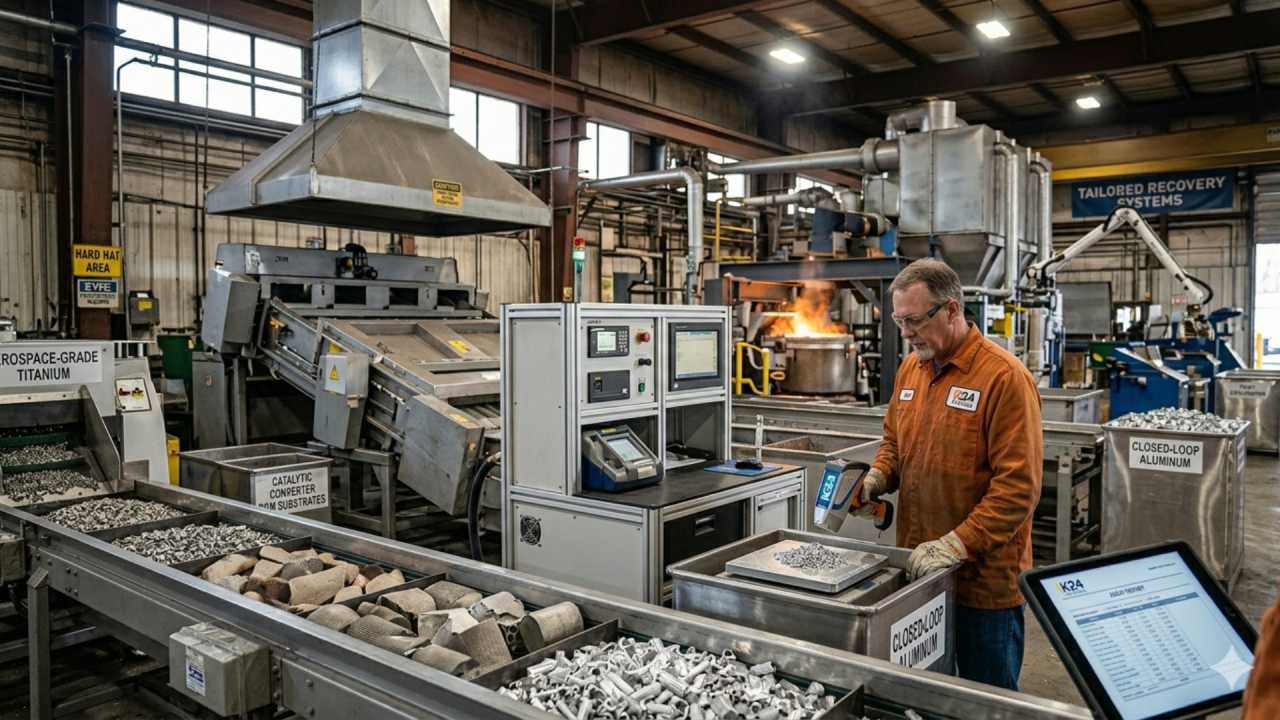
The sources of gold for the refining industry are incredibly diverse. Primary gold comes from mining operations in the form of dore bars—rough alloys produced at the mine site. Secondary gold, or “recycled gold,” makes up a massive portion of the market. This includes high-value jewelry scrap, dental alloys, and “urban mining” products such as e-waste (printed circuit boards and connectors) and industrial catalysts. Each of these feedstocks presents unique chemical challenges that the refiner must overcome.
The Historical Evolution of Gold Refining
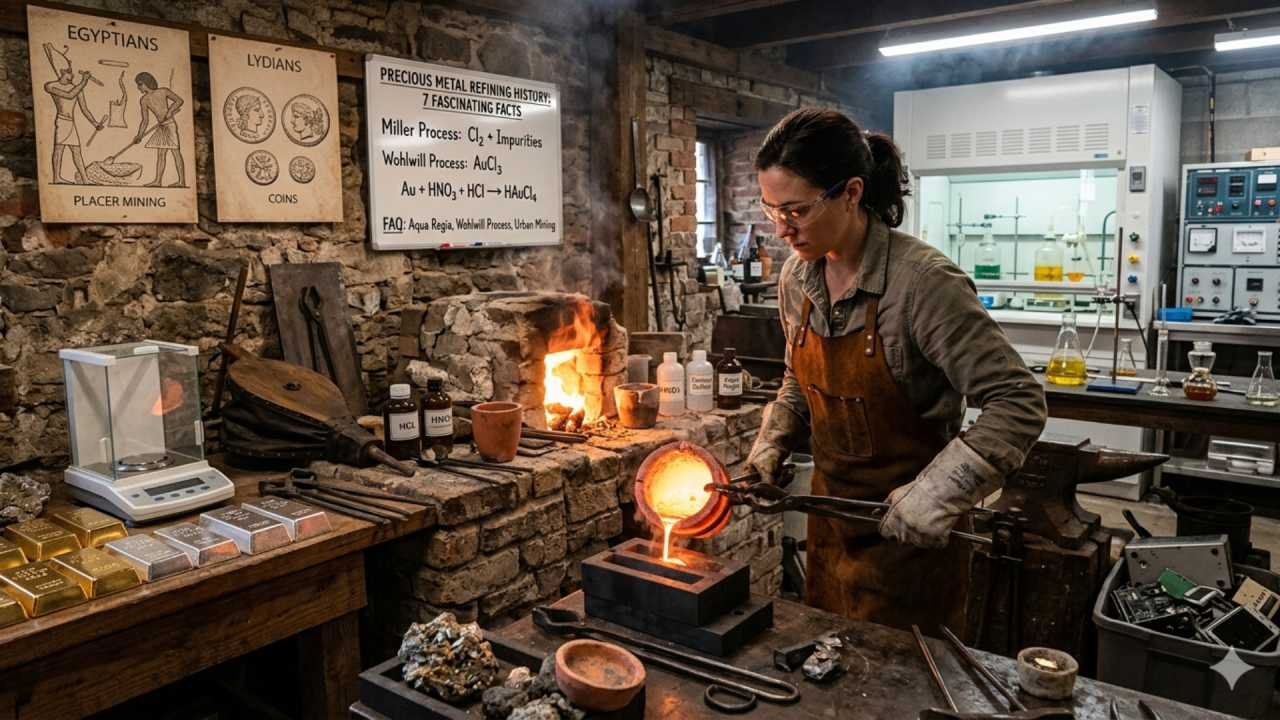
The history of gold refining is a testament to human ingenuity. Thousands of years ago, ancient civilizations recognized that gold’s nobility—its resistance to oxidation—allowed it to be separated from more reactive metals. The Egyptians and Romans utilized cupellation, a process where impure gold was melted in a shallow porous cup (a cupel) and subjected to a blast of air. Base metals like lead or copper would oxidize and be absorbed into the cupel, leaving a bead of precious metal behind.
In the medieval period, the salt cementation process allowed for the separation of silver from gold. By heating gold foils with common salt and other reactive agents, the silver was converted into silver chloride, leaving the gold purified. These methods were artisanal and required immense skill, passed down through generations of goldsmiths who relied on the color of flames and the behavior of molten metal to judge purity.
The Industrial Revolution catalyzed a shift from craftsmanship to chemistry. The 19th century saw the introduction of the Miller Process and the Wohlwill Process, which remain foundational to modern industry. These allowed for large-scale operations that could process tons of gold with consistent results. In the modern era, the evolution has continued with the integration of digital monitoring, laser-based assaying, and AI-assisted quality control. What was once a trial-and-error craft in a smoky workshop has become a clean-room scientific discipline, yet the fundamental chemical reactions remain the bedrock of the industry.
The Science Behind Gold Refining
Gold refining is a masterpiece of applied chemistry and metallurgy. It relies on the specific physical and chemical properties of gold—mainly its high density, high melting point, and extreme resistance to most acids. By exploiting these traits, refiners can systematically isolate gold from the “clutter” of other elements.
Key Chemical Processes
The primary methods used in industrial refining today include:
A. The Miller Process (Chlorination)
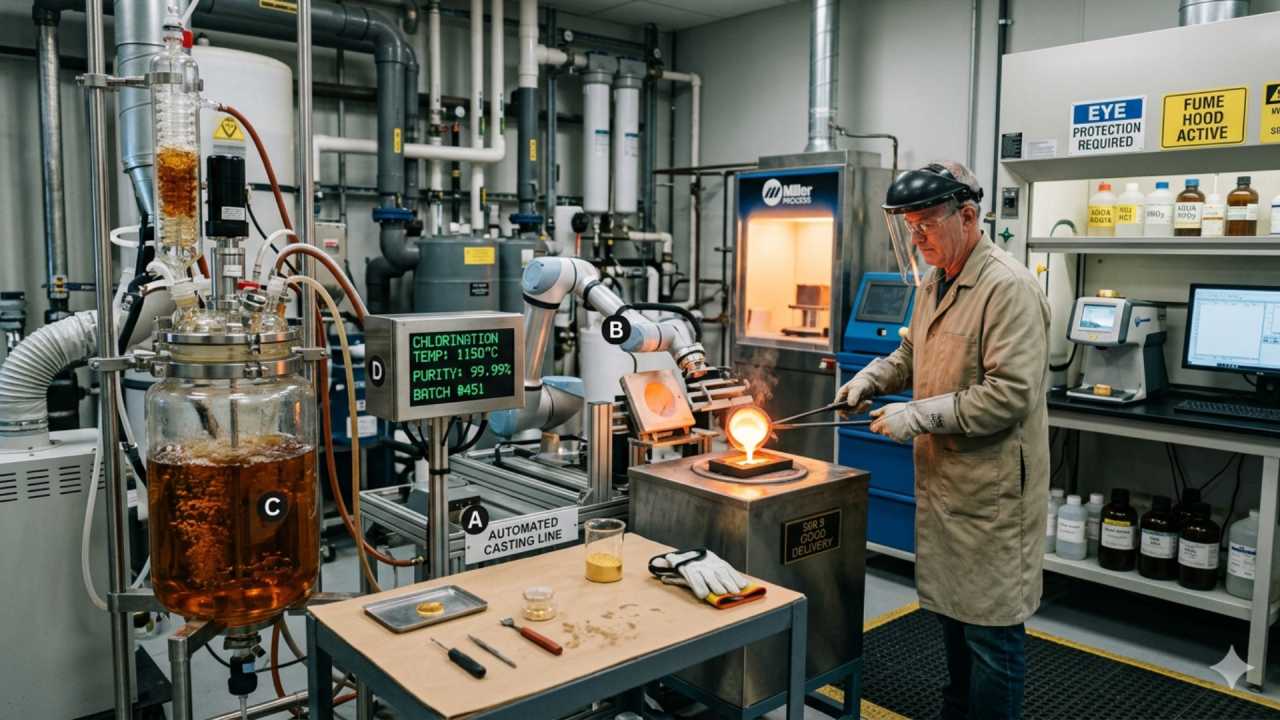
Developed by Francis Bowyer Miller, this is the most common method for large-scale industrial refining. Gaseous chlorine is bubbled through molten gold. Because base metals and silver react with chlorine more readily than gold does, they form chlorides that either float to the surface as slag or evaporate. This process is fast and efficient, typically reaching a purity of 99.5%.
B. The Wohlwill Process (Electrolysis)
To reach the prestigious 99.99% purity level, the Wohlwill process is employed. This is an electrochemical procedure where an impure gold anode is suspended in an electrolyte solution of chloroauric acid. When an electric current is applied, gold dissolves from the anode and migrates to a pure gold cathode. Impurities either remain in the solution or fall to the bottom as “anode slime.” This method is slower than the Miller process but yields the highest possible purity.
C. The Aqua Regia Process
Frequently used by medium-sized refineries and for recycling, this involves dissolving gold in “Royal Water”—a potent mixture of nitric acid and hydrochloric acid. The gold dissolves into a chloroauric acid solution. Once filtered, a selective precipitant (such as sodium metabisulfite) is added, which causes the gold to “drop” out of the liquid as a fine brown powder, leaving other metals in the solution.
Analytical Instrumentation
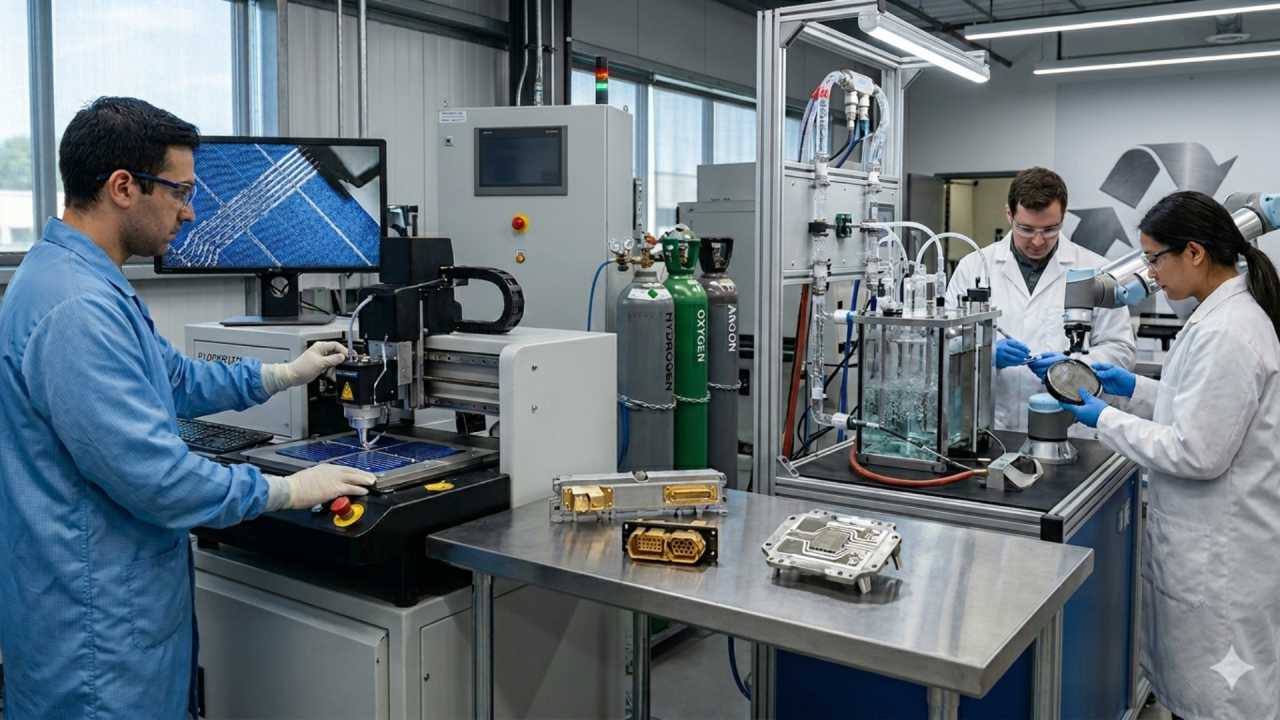
Science also dominates the verification phase. Modern refineries utilize X-Ray Fluorescence (XRF) for non-destructive surface analysis and Inductively Coupled Plasma (ICP) spectrometry for deep-level elemental analysis. These tools can detect trace impurities down to parts per billion, ensuring that a bar labeled 99.99% is exactly that.
The Art of Gold Refining: Human Expertise and Craftsmanship
While the chemistry is documented in textbooks, the execution of gold refining is an art. A machine can follow a recipe, but it cannot “feel” the nuances of a complex batch of recycled scrap. Human expertise is the critical variable that optimizes yield and ensures safety.
Experienced refiners possess a “metallurgical intuition” developed over decades. For example, when processing e-waste, the feedstock is notoriously inconsistent. An expert can look at the color and viscosity of a melt and know instantly if the flux needs adjustment or if the temperature is climbing too quickly. They understand the subtle interplay between heat, pressure, and chemical concentration.
Judgment in Evaluation: When a shipment of “scrap” arrives, it is rarely uniform. An expert must decide the most efficient path for that specific material. Should it go straight to the aqua regia tank, or does it require a pre-melt to homogenize the sample? Making the wrong choice can lead to “locking up” gold in waste streams, which is a costly mistake.
Troubleshooting and Safety: Chemical refining involves hazardous reagents and high-temperature reactions. If a reaction becomes too vigorous or a “boil-over” is imminent, it is the experienced operator—not a computer—who recognizes the warning signs in the sound of the vent or the behavior of the foam. This blend of patience, precision, and respect for the materials defines the master refiner.
Modern Technologies Transforming the Industry
The integration of technology has brought gold refining into the digital age, significantly enhancing efficiency and safety. These advancements have turned refineries from hazardous environments into high-tech laboratories.
Automation and Robotics
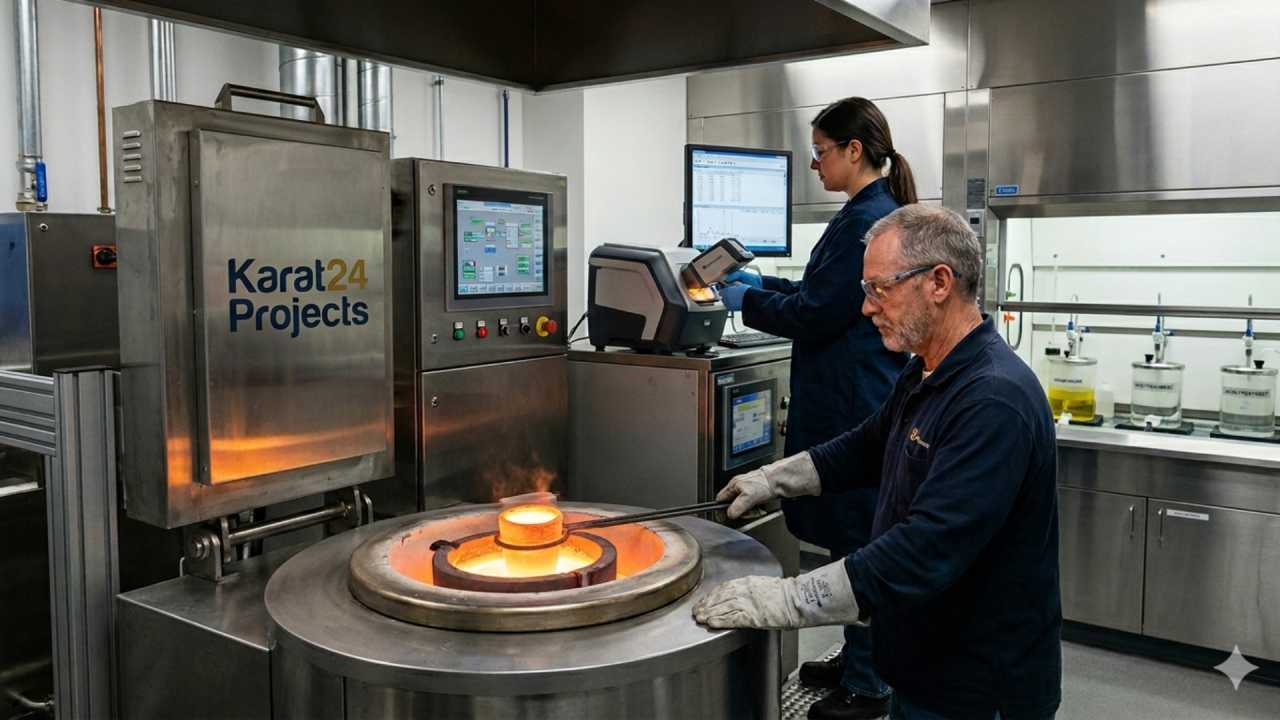
Automation has revolutionized the physical handling of gold. Robotic arms are now used to pour molten gold into molds, ensuring a consistent weight and finish that reduces the need for manual re-working. Automated dosing systems for acids and reagents ensure that exactly the right amount of chemistry is used, reducing waste and improving the consistency of the “drop” in chemical refining.
Digital and Cloud Monitoring
Process sensors now provide a constant stream of data. Real-time temperature control ensures that furnaces operate at the peak of their efficiency curve, saving energy and extending the life of crucibles. Many modern refineries utilize cloud-based monitoring, allowing engineers to oversee multiple refining lines from a centralized dashboard, identifying bottlenecks or deviations from standard protocols before they become problems.
AI and Data Analytics
Artificial Intelligence is the newest frontier. By analyzing years of historical refining data, AI algorithms can predict the optimal chemical ratios for a given batch of scrap based on its initial assay. This predictive maintenance helps in forecasting when a furnace lining might fail or when an electrolyte solution needs rejuvenation, minimizing downtime and maximizing the yield of precious metals.
Sustainability and Responsible Gold Refining
In the modern world, the “how” of gold refining is just as important as the “what.” The industry has faced scrutiny over its environmental footprint, leading to a massive push for sustainable and ethical practices.
Environmental Stewardship
Traditional refining can be chemically intensive. To combat this, modern facilities have invested heavily in closed-loop systems. These systems capture and neutralize acidic fumes and recycle the water used in the process. Acid recovery plants allow refineries to distill and reuse their chemical reagents, significantly reducing the volume of hazardous waste produced.
The Rise of Urban Mining
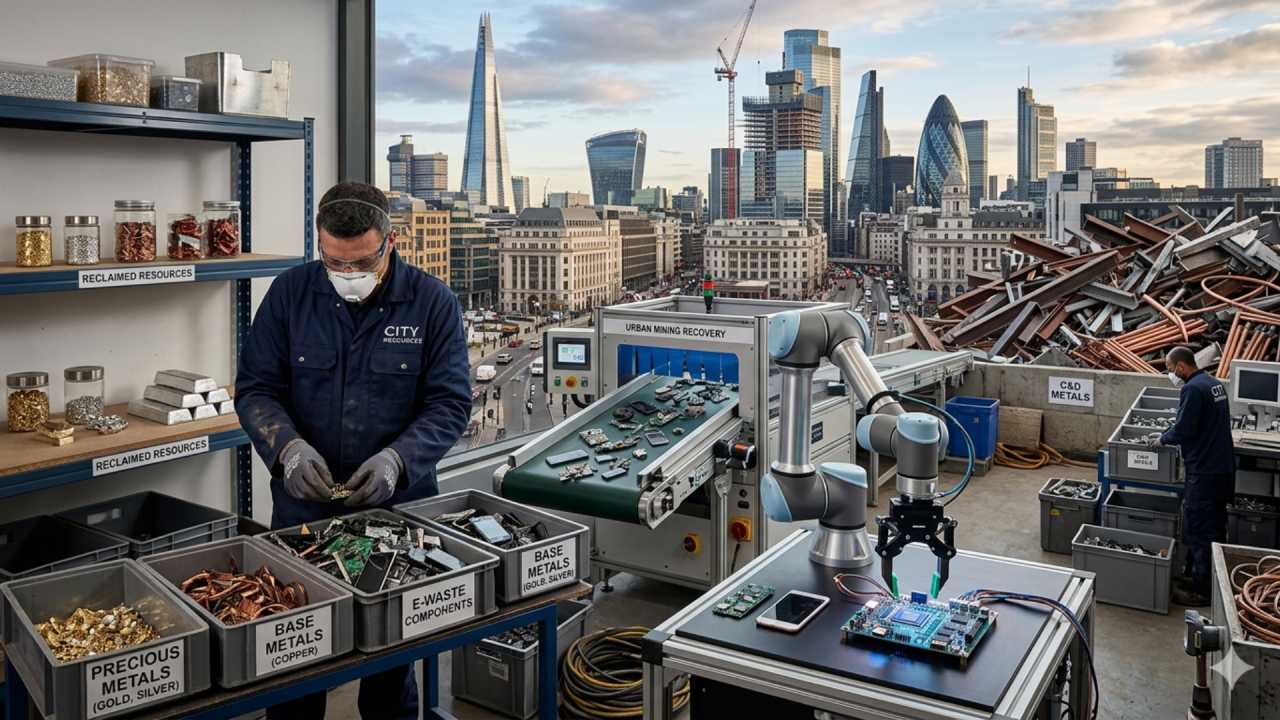
Sustainability is also driven by the source of the gold. “Urban mining”—the recovery of gold from discarded electronics—is significantly more environmentally friendly than traditional mining. Refining gold from e-waste requires a fraction of the energy needed to extract gold from the earth. By perfecting the technology to strip gold from circuit boards and CPUs, refiners are playing a key role in the circular economy.
Compliance and Ethics
Responsible sourcing is now a global mandate. Refiners must comply with standards such as those set by the London Bullion Market Association (LBMA). This involves rigorous auditing to ensure that gold is not sourced from conflict zones or produced using child labor. Technology like blockchain is now being used to create a “digital passport” for gold, tracing it from the mine or the recycling center all the way to the finished bar.
Challenges in Gold Refining
Despite the advancements, the industry faces significant hurdles. The most obvious is the volatility of gold prices. Refineries operate on margins; if the price of gold drops significantly while material is “in-process,” the financial impact can be severe. This necessitates a high “throughput” speed—the faster the gold is refined and returned to the market, the lower the price risk.
Feedstock Variability remains a technical headache. As electronics become more complex and miniaturized, the concentration of gold per unit of e-waste is decreasing, while the variety of other metals (like rare earth elements) is increasing. This makes the chemical separation process more difficult.
Furthermore, environmental regulations are becoming increasingly stringent. Meeting these standards requires constant capital investment in scrubbing technology and waste treatment. Refiners must balance the high cost of these “green” technologies with the need to remain competitive in a global market where some regions may have more lax oversight.
The Future of Gold Refining
The future of gold refining is being shaped by the search for “greener” chemistry. Researchers are exploring non-toxic alternatives to aqua regia and cyanide-based processes. Solvents known as Ionic Liquids are being developed that can selectively dissolve gold with minimal environmental impact and high recyclability.
We are also seeing the emergence of Smart Refineries. These are fully integrated environments where every piece of equipment, from the initial assay spectrometer to the final casting vacuum, communicates via the Internet of Things (IoT). This allows for a level of transparency and traceability previously thought impossible.
Blockchain will likely become the standard for traceability, ensuring that “Green Gold” or “Ethical Gold” can be verified by the end consumer with a simple scan of a serial number. As the world moves toward a more sustainable future, the refiners who can prove their environmental credentials while maintaining 99.99% precision will be the ones who lead the industry.
Final Thoughts
The refining of gold is an extraordinary discipline that sits at the intersection of human history and future technology. It is a process that demands the cold, hard logic of chemical equations and the warm, experienced touch of a master craftsman. While we have moved from the wood-fired hearths of the ancients to the plasma-arced furnaces of the modern day, the goal remains the same: the pursuit of purity.
Optimal results in gold refining are not the product of any single machine or any single person. They are the result of a symbiotic relationship where technology provides the tools for precision, and human expertise provides the wisdom to use those tools effectively. As we look forward, the industry’s commitment to innovation and sustainability ensures that gold will continue to be refined with the respect and brilliance that this unique metal deserves. Through the marriage of art and science, the gold refining industry continues to transform the raw and the discarded into the timeless and the pure.
Frequently Asked Questions About Gold Refining
To further understand the intricacies of this industry, here are some of the most common questions regarding the processes, costs, and methods used in modern precious metal purification.
How much does it cost to refine gold professionally?
The cost of professional gold refining is typically not a flat fee but a combination of a refining charge and a treatment fee. Refiners usually charge based on the incoming weight of the material (per ounce or per kilogram) and then retain a small percentage of the final assayed gold, often ranging from 1% to 5% depending on the volume and complexity of the feedstock. For high-purity items like jewelry scrap, fees are lower, whereas complex materials like e-waste or industrial catalysts incur higher “treatment” costs due to the extensive chemical processing required.
What is the best method for gold refining at home vs. industrial scale?
For small-scale or “at-home” refining, the aqua regia process is the most common because it requires relatively accessible glassware and chemicals. However, it is hazardous and requires strict fume hood ventilation. On an industrial scale, the Miller Process is preferred for its speed and ability to handle bulk tonnage, while the Wohlwill Process is the gold standard for achieving 99.99% purity through electrolysis. Industrial methods are far superior in terms of safety, environmental filtration, and metal recovery rates.
Can you refine gold without using hazardous chemicals like nitric acid?
While traditional high-purity refining relies on acids, there are “greener” alternatives and dry methods. The Miller Process uses chlorine gas, which, while toxic, avoids liquid acid waste. Emerging technologies are also exploring thiosulfate leaching and ionic liquids, which aim to dissolve gold using non-toxic, biodegradable solvents. For basic purification (removing base metals but not silver), cupellation remains a chemical-free, heat-based traditional method, though it cannot reach the 99.9% purity levels required by bullion markets.
How do I verify the purity of gold after it has been refined?
The most reliable way to verify purity is through fire assay, which is the industry’s “referee” method. For a faster, non-destructive check, X-Ray Fluorescence (XRF) scanners are used to provide a surface elemental breakdown. For high-precision industrial or medical applications, Inductively Coupled Plasma (ICP) spectrometry is used to detect trace impurities down to the parts-per-million level. Most reputable refineries provide a certified “Assay Certificate” as proof of the final fineness.
Is it profitable to refine gold from computer scrap and e-waste?
Refining gold from e-waste (urban mining) is highly profitable but only at high volumes. While a single computer motherboard contains a very small amount of gold (fractions of a gram), processing thousands of units allows for the recovery of significant quantities. The profitability depends on the current market price of gold versus the cost of collection, shredding, and chemical extraction. As ore grades in traditional mining decline, e-waste refining is becoming an increasingly vital and lucrative sector of the industry.
What is the difference between smelting and refining gold?
This is a common point of confusion. Smelting is the act of melting down ore or scrap with fluxes to separate the metal from stony material or heavy oxidation, resulting in an alloyed “dore” bar. Refining is the subsequent step that takes that dore bar and uses chemicals or electricity to strip away the remaining silver, copper, and other impurities to reach a pure state of 99.5% or higher. Smelting gets the metal out of the rock; refining gets the impurities out of the metal.