A Beginner’s Guide to Extracting Precious Metals from Scrap Safely & Responsibly
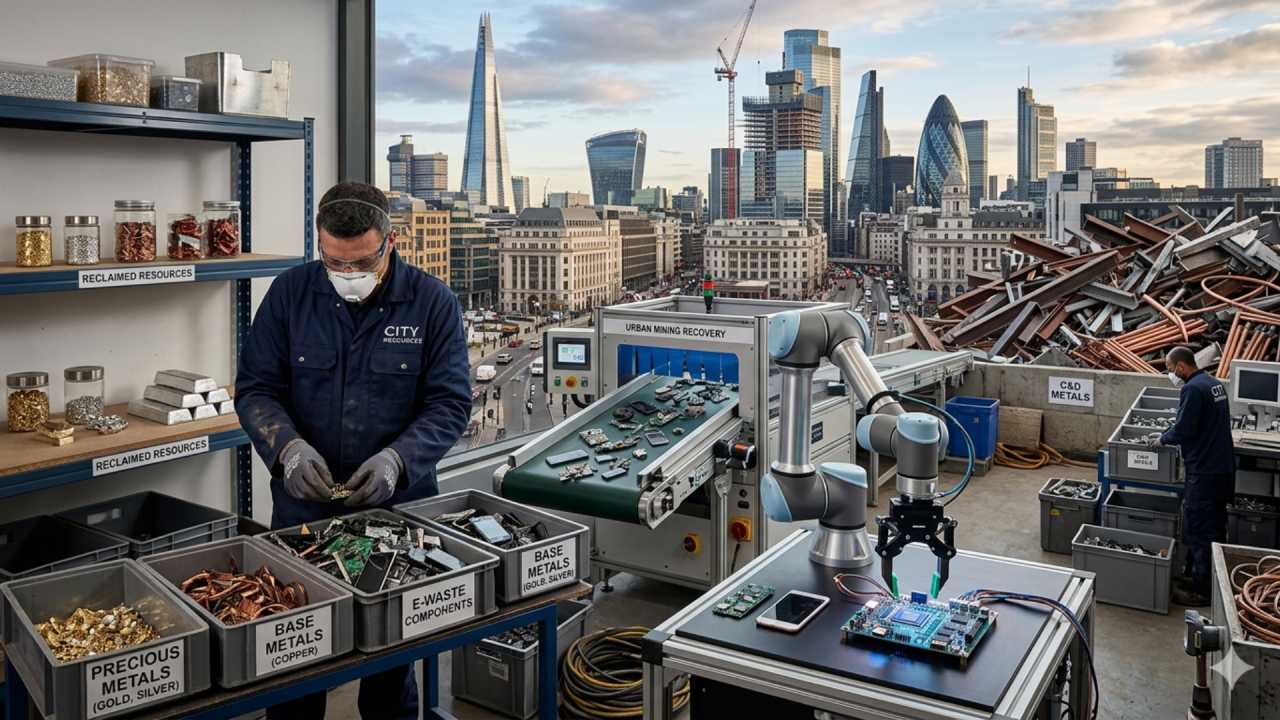
The concept of “urban mining” has transformed from a niche environmentalist buzzword into a cornerstone of the modern circular economy. While traditional mining involves excavating vast quantities of earth to find microscopic traces of precious metals, urban mining flips the script. It focuses on the recovery of gold, silver, platinum, and other rare elements from the products we use every day: smartphones, laptops, automotive components, and industrial equipment. As the world becomes increasingly digitized and electrified, the demand for these materials has skyrocketed, yet the geological supply is finite and difficult to access.
Precious metals are woven into the very fabric of modern life. They are chosen not just for their aesthetic appeal or status, but for their unrivaled physical properties, such as superior electrical conductivity and resistance to corrosion. However, once a device reaches the end of its functional life, it often ends up in a drawer or, worse, a landfill. This “e-waste” represents a literal gold mine. In fact, a ton of used mobile phones often contains more gold than a ton of gold ore extracted from the earth.
The goal of this guide is to provide a comprehensive, educational overview of how precious metals are recovered from scrap. It is essential to set expectations early: while the idea of extracting gold from old electronics is fascinating, it is a complex, high-stakes process. This article is intended as an educational resource to help beginners understand the industry, the materials involved, and the immense logistical and safety challenges required to turn trash into treasure. It is not a DIY manual for chemical extraction, but rather a deep dive into the fascinating world of material science and recycling logistics.
What Are Precious Metals and Why They Matter
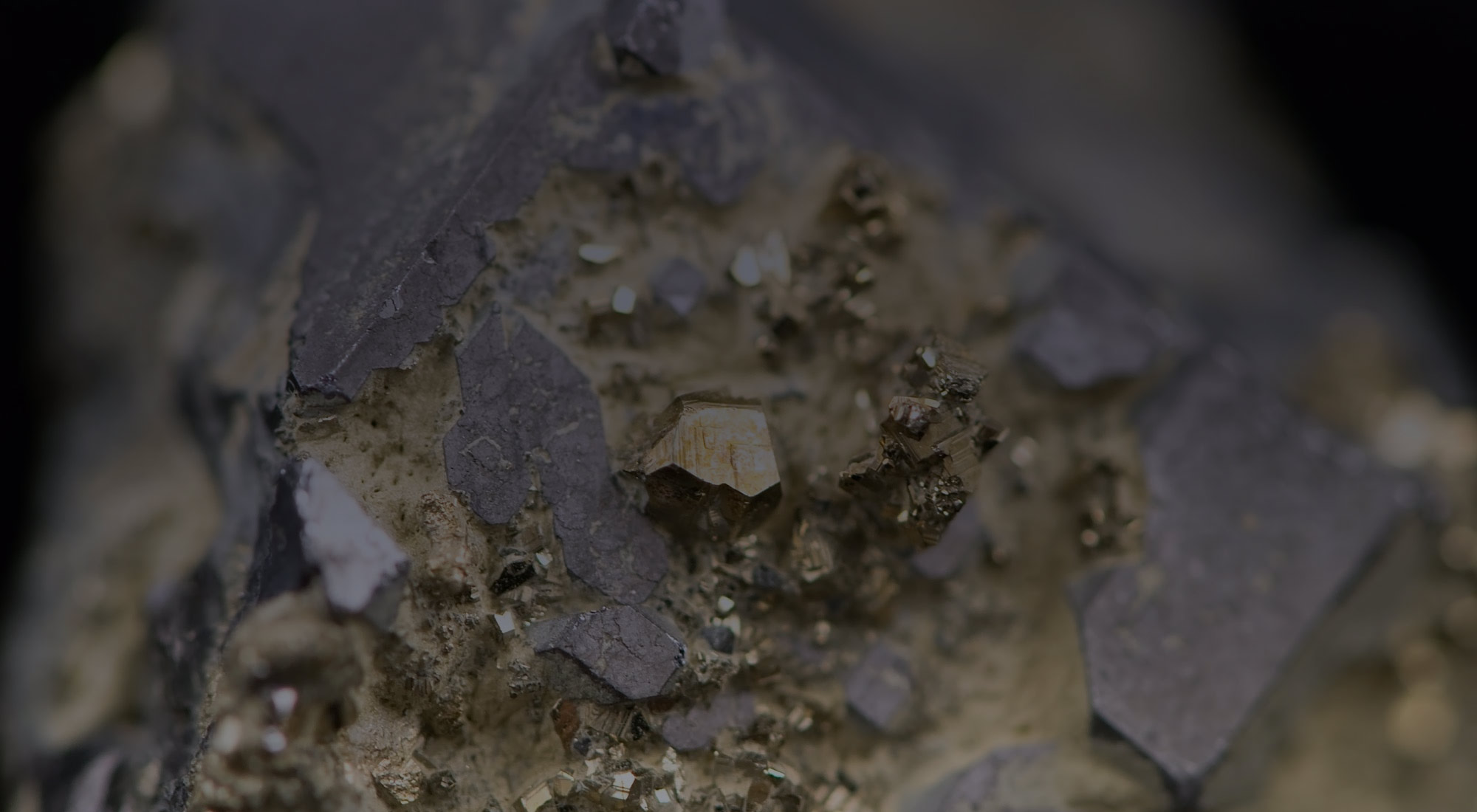
Precious metals are a group of rare, naturally occurring metallic chemical elements of high economic value. The most well-known are gold and silver, but the group also includes the Platinum Group Metals (PGMs), which consist of platinum, palladium, rhodium, ruthenium, iridium, and osmium. These metals are distinguished by their chemical stability; they do not easily oxidize or corrode, which is why a gold ring remains shiny after decades while an iron nail rusts in weeks.
Beyond their beauty, these metals are industrial workhorses. Gold is the gold standard for electrical connectors because it does not tarnish, ensuring a reliable connection for years. Silver boasts the highest electrical and thermal conductivity of any element, making it indispensable in solar panels and high-end electronics. The PGMs are primarily valued for their catalytic properties. Palladium and platinum, for instance, are critical components in automotive catalytic converters, where they facilitate chemical reactions that turn toxic exhaust gases into less harmful substances.
Industries use these metals in incredibly small, precise amounts. A single smartphone might only contain a fraction of a gram of gold, but when you multiply that by the billions of devices produced annually, the volume becomes staggering. The economic value of these metals remains high because they are difficult to find in nature and expensive to refine. Recycling them from scrap is often more energy-efficient than mining them from the ground, provided the recovery process is handled correctly.
Where Precious Metals Are Found in Scrap
Identifying where precious metals “hide” is the first step in the recovery process. Scrap is generally categorized by its origin, with electronics and automotive parts being the most lucrative sources.
Electronics
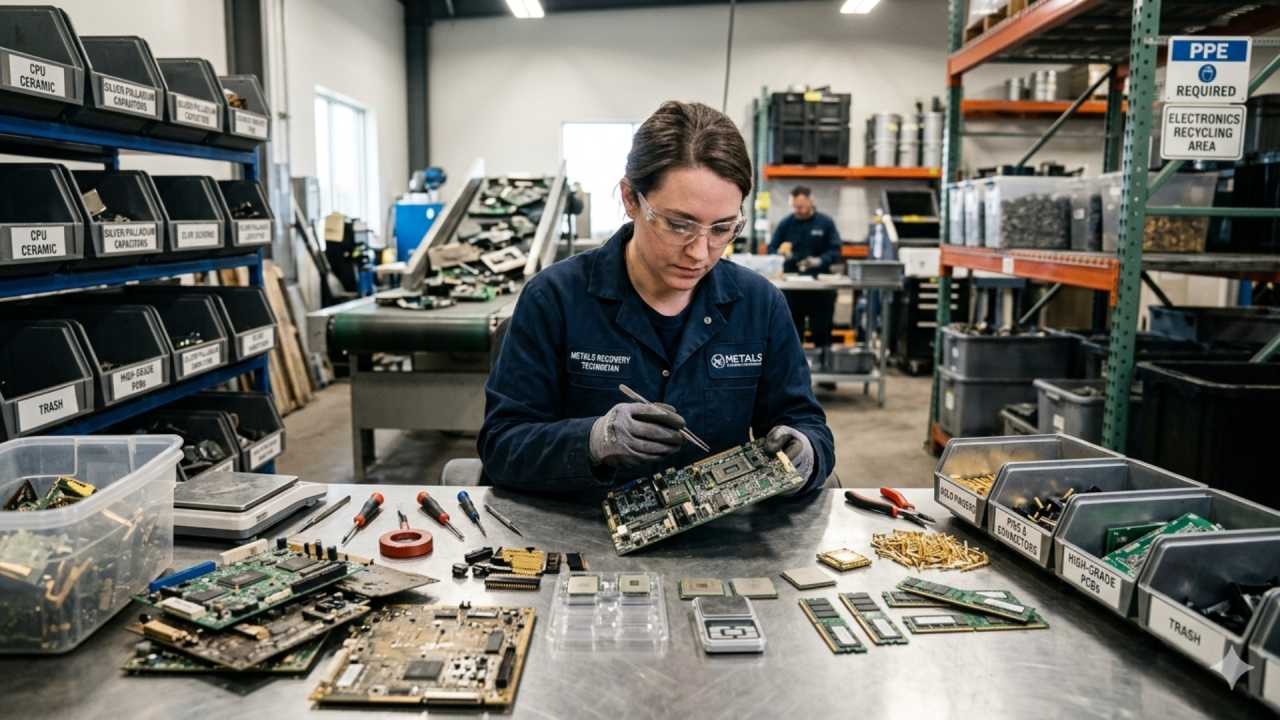
The “brains” of modern devices—circuit boards—are the primary source of gold and silver in e-waste. Gold is used to plate pins, connectors, and “fingers” (the contact points on RAM sticks or graphics cards) to ensure data flows without interruption. Silver is often found in the solder and multi-layer ceramic capacitors. Palladium is frequently used in the multi-layer ceramic capacitors (MLCCs) found on almost every modern circuit board.
Automotive
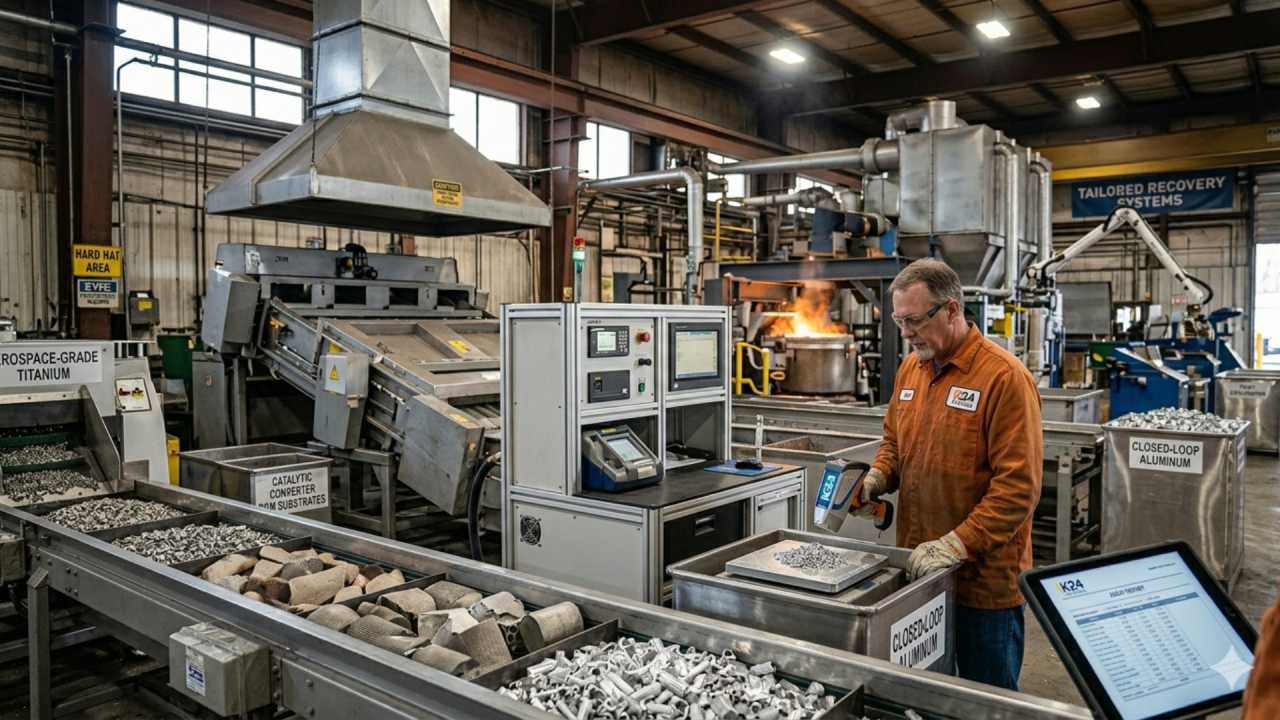
One of the richest sources of PGMs is the catalytic converter. Located in the exhaust system of internal combustion engines, these devices contain a ceramic honeycomb structure coated with platinum, palladium, or rhodium. As emission standards tighten globally, the amount of these metals used in each vehicle has generally increased, making old converters highly sought after by recyclers.
Jewelry Scrap
This is perhaps the most obvious source. Broken chains, single earrings, or dental gold (crowns and bridges) represent high-purity scrap. Unlike electronics, where the metal is a tiny percentage of the total weight, jewelry scrap is often 41.7% gold (10k) to 99.9% gold (24k), making it the easiest material to value and process.
Industrial and Medical Equipment
Industrial sensors, high-voltage switchgear, and laboratory equipment often use silver and platinum for their reliability under extreme conditions. In medicine, certain types of catheters and pacemakers contain platinum, while older X-ray films were a historic source of silver recovery.
Understanding Scrap Categories
Not all scrap is created equal. To manage the economics of recovery, the industry divides materials into grades based on the concentration of precious metals present.
High-grade scrap refers to materials where the precious metal content is relatively high and easily accessible. A bucket of gold-plated CPU processors from the 1990s is considered high-grade because those older chips used significantly more gold than modern versions. Similarly, “clean” jewelry scrap is high-grade.
Low-grade scrap involves materials where the precious metals are present only in trace amounts or are heavily contaminated with other substances. Modern consumer laptops and low-end household appliances fall into this category. While they do contain gold and silver, the amount of plastic, steel, and aluminum that must be stripped away to get to the “good stuff” is much higher, reducing the profit margin.
The distinction between visible metal and trace metal is also vital. A gold-plated connector has visible metal that can sometimes be mechanically stripped. However, much of the precious metal in scrap is “trace,” meaning it is alloyed with other metals or embedded deep within silicon chips and ceramic components, requiring chemical or thermal intervention to release.
The Basic Concept of Metal Recovery
The journey from a discarded laptop to a pure gold bar involves several distinct stages. It begins with collection and sorting. This is where logistics come into play, as recyclers must aggregate enough material to make the process economically viable.
Once collected, the material undergoes physical separation. This involves manual dismantling—removing batteries, heat sinks, and steel casings—followed by shredding. Shredders break the items into small fragments, which are then passed under magnets to remove ferrous metals (iron and steel) and through “eddy current” separators to divert non-ferrous metals like aluminum and copper.
The goal of these initial steps is the concentration of the valuable materials. By the end of physical processing, a recycler might have a concentrated “powder” or “fluff” that contains a much higher percentage of precious metals than the original devices.
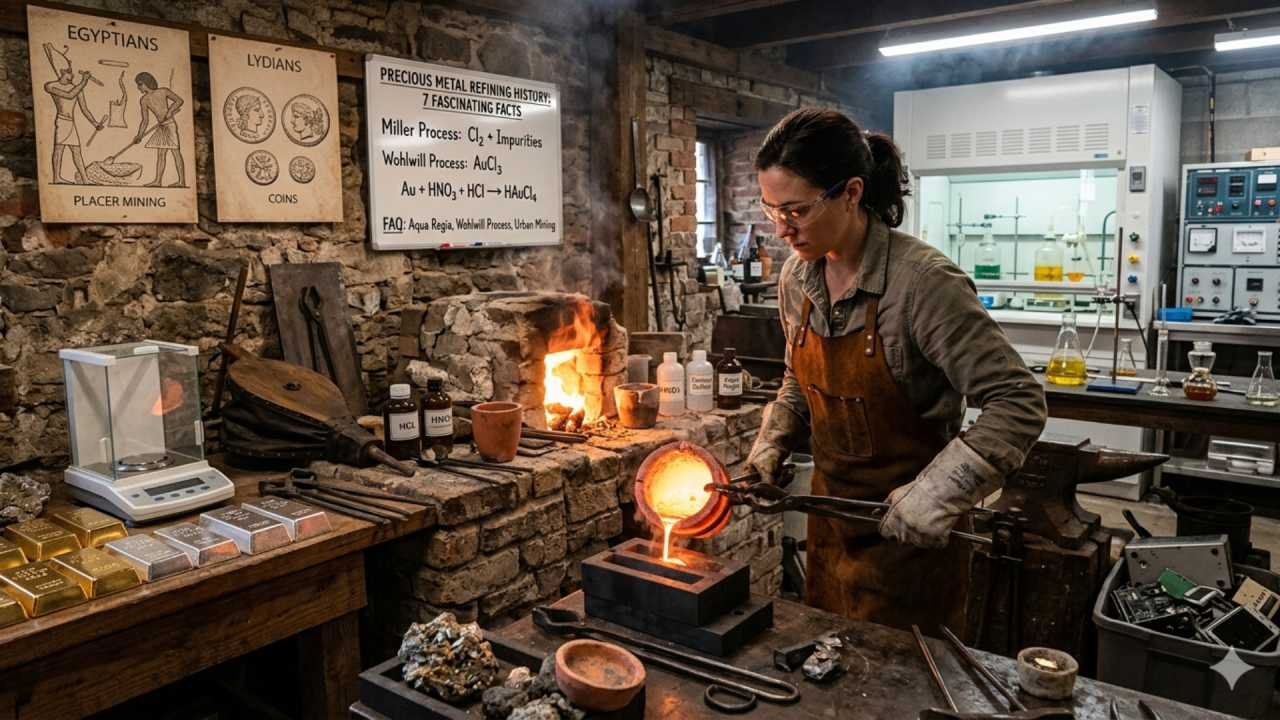
It is important to distinguish between recovery and refining. Recovery is the act of getting the metals out of the scrap and into a concentrated form (like a “doré” bar, which is a semi-pure alloy). Refining is the final, high-precision stage where that alloy is purified to 99.9% or higher purity.
Safety and Environmental Considerations
Extracting precious metals is not a risk-free endeavor. In fact, without proper controls, it is a highly hazardous activity. Electronics are not just full of gold; they also contain toxic substances like lead (in older solder), mercury (in backlights), and cadmium (in batteries). When scrap is shredded or heated, these toxins can be released into the air or leach into the soil.
Chemical hazards are even more significant. Most methods used to dissolve gold and PGMs involve strong acids or cyanide solutions. These chemicals are extremely corrosive and can produce lethal fumes if mishandled. For example, the mixture of nitric and hydrochloric acid used to dissolve gold creates nitrogen dioxide, a toxic gas that can cause severe lung damage.
Environmental protection is a major pillar of modern recycling. Licensed facilities use “scrubbers” to clean exhaust air and sophisticated water treatment systems to ensure no heavy metals or acids enter the local water table. For a beginner, the most important safety rule is to understand that personal protective equipment (PPE) like gloves and masks is not enough for chemical extraction; you need specialized ventilation (fume hoods) and professional hazardous waste disposal protocols.
Furthermore, many countries have strict legal regulations regarding the processing of e-waste and the use of certain chemicals. Operating an uncertified refinery can lead to heavy fines or criminal charges, not to mention the irreparable damage to the local environment.
Common Methods Used in Industry
Industrial refineries use two primary “routes” to extract metals: pyrometallurgy and hydrometallurgy.
Pyrometallurgy
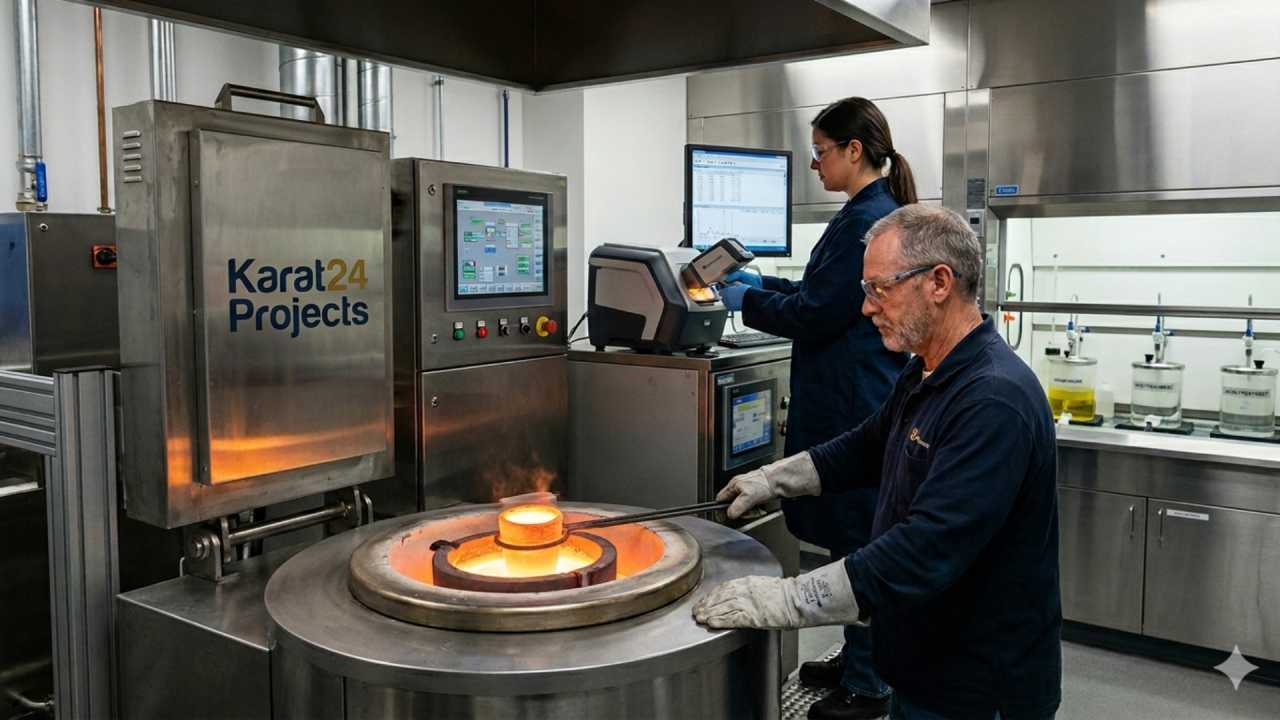
This process involves using high temperatures in furnaces to smelt the scrap. The organic components (plastics and resins) burn off, while the metals melt. By adding specific “fluxes,” recyclers can separate the metals into layers. The precious metals usually settle into a “copper matte” or lead bullion, which is then further processed. This method is highly effective for large-scale operations but requires massive energy input and advanced air filtration.
Hydrometallurgy
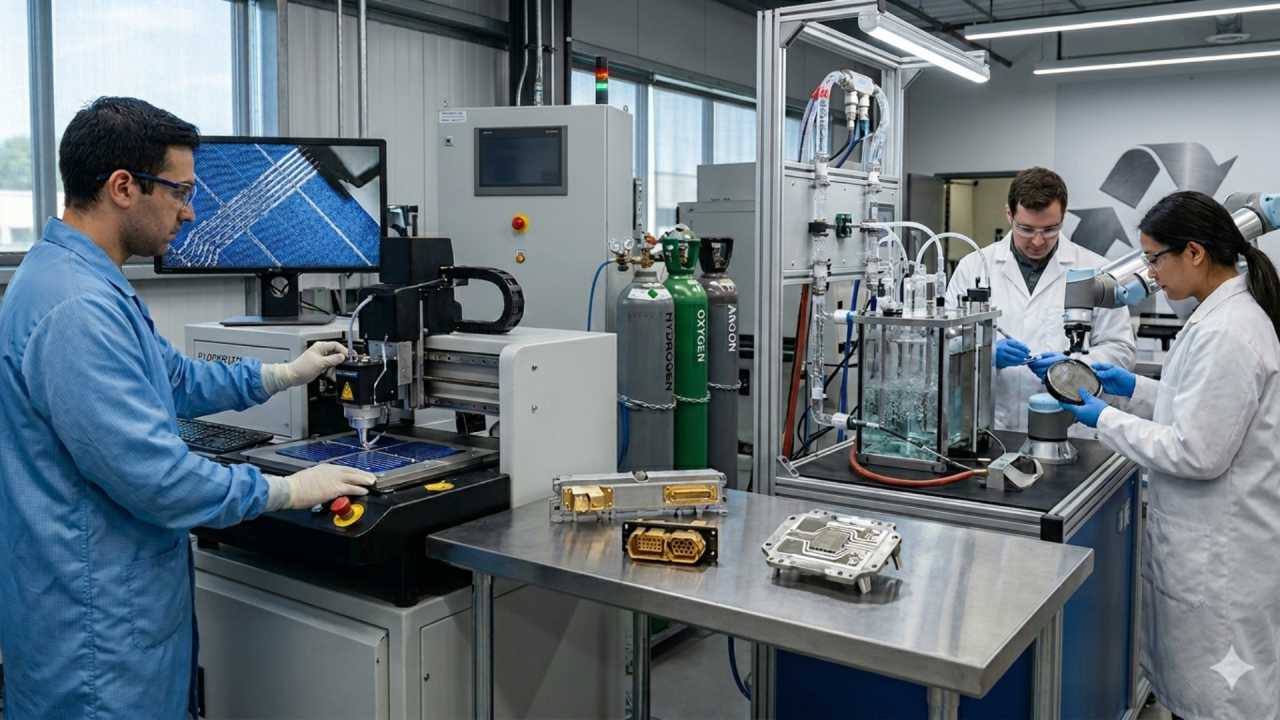
This is a chemical-based approach. The concentrated scrap is placed in a “leaching” solution—typically an acid or alkaline liquid—that selectively dissolves the precious metals while leaving the base metals behind. Once the gold or silver is in liquid form, it can be “precipitated” back into a solid state using reducing agents.
Electrorefining
To reach the highest levels of purity, industries use electrowinning or electrorefining. This involves placing a semi-pure metal plate into a chemical bath and passing an electric current through it. The pure metal migrates from the “dirty” plate to a “clean” starter sheet, leaving impurities behind as a sludge at the bottom of the tank. This sludge often contains other valuable trace metals like tellurium or selenium.
Small-Scale Recovery vs. Industrial Recycling
For the hobbyist or beginner, the “how-to” of precious metal recovery looks very different than it does for a multi-million-dollar facility. Realistically, small-scale participation in this industry is best focused on collection and dismantling.
A beginner can find success by learning to identify high-value components and “scrapping” them—essentially acting as a middleman. By dismantling computers, removing the gold-plated RAM, harvesting the CPUs, and clipping the gold-plated pins, you are performing the “concentration” step. You can then sell these concentrated components to professional refineries.
Why isn’t chemical extraction recommended for beginners? Beyond the safety risks already mentioned, the economic reality is often disappointing. The chemicals, safety equipment, and waste disposal costs frequently exceed the value of the gold recovered when working with small batches. Industrial facilities thrive on “economies of scale,” processing thousands of tons of material to make the tiny percentages of gold profitable.
How Scrap is Processed in Licensed Recycling Facilities
When you drop off your old phone at a certified recycling center, it enters a highly controlled pipeline. The process begins with material testing and assaying. Before a large batch of scrap is processed, samples are taken to determine the exact metal content. This ensures the facility knows exactly how much gold or silver should be recovered at the end.
The pre-processing lines are often automated, using AI and optical sensors to identify and sort different types of circuit boards. Once the material is shredded and the base metals (copper, aluminum) are removed, the precious metal concentrate is sent to the refinery.
Compliance is a major part of the operation. Facilities are regularly audited to ensure they are meeting environmental standards and that they are not participating in the “grey market.” This transparency is what allows major electronics manufacturers to buy back the recycled gold and use it in new products, closing the loop.
Economic Value and Market Factors
The value of your scrap is tied to the global commodities market. Gold, silver, and palladium prices fluctuate daily based on geopolitical events, inflation, and industrial demand. For example, a surge in the production of electric vehicles (EVs) might drive up the demand for certain silver-based components, while a shift away from internal combustion engines might eventually lower the demand for the palladium used in catalytic converters.
Purity and yield are the two most important factors for any recycler. Yield is the percentage of metal successfully recovered compared to the amount present in the original scrap. Even the best industrial processes lose a small percentage of metal in the slag or waste. For a recovery operation to be profitable, the yield must be maximized while keeping the “cost per ounce” of recovery below the current market price of the metal.
Myths and Misconceptions
There are many “get rich quick” myths surrounding e-waste recycling. One common misconception is that you can easily “wash” gold off circuit boards at home with simple household chemicals. In reality, modern gold plating is incredibly thin—often only a few atoms thick. Recovering it requires precision and chemicals that are not available at a grocery store.
Another myth is that all old electronics are a gold mine. While 1980s-era military equipment was often heavily gold-plated, modern consumer electronics are designed to use as little precious metal as possible to save costs. “Scrap mining” is a volume business; you need hundreds of pounds of high-quality boards to see a meaningful return.
Finally, many people believe that chemical extraction is “simple” because the reactions are well-documented. However, the complexity lies in the impurities. Dealing with the copper, tin, lead, and nickel that dissolve alongside the gold is where the real difficulty—and danger—lies.
Ethical and Sustainable Recycling
The “informal” recycling sector in developing nations is a major global concern. In some parts of the world, e-waste is burned in open pits to melt away plastic, or crude acid baths are poured directly into rivers. This creates “pollution hotspots” that devastate local health and ecosystems.
Ethical recycling means supporting the “formal” sector, where workers are protected and waste is managed responsibly. As a consumer or a beginner in the scrap world, your most impactful action is ensuring that your materials end up in a certified facility. Responsible recycling habits contribute to “environmental justice,” preventing the toxic burden of our gadgets from being shifted to vulnerable populations.
Future of Precious Metal Recovery
The future of urban mining is bright. As natural ore grades decline, the “ore” found in our cities becomes increasingly attractive. We are seeing the rise of AI-driven sorting systems that can identify the specific brand and model of a circuit board and predict its precious metal content instantly.
New technologies, such as “bio-leaching,” are being researched. This involves using specialized bacteria to “eat” the base metals and leave the precious metals behind, potentially offering a greener alternative to harsh acids. The goal is a truly circular economy, where the gold in your next smartphone is the same gold that was in your first one, recycled infinitely.
Final Thoughts
The world of precious metal recovery from scrap is a fascinating intersection of chemistry, economics, and environmental science. While the idea of extracting gold from trash is exciting, the true value of the industry lies in its ability to conserve natural resources and manage hazardous waste.
For the beginner, the best way to participate is to become an expert in identification and sorting. By understanding which components hold value and how to prepare them for professional refining, you can contribute to a sustainable supply chain. Always prioritize safety and environmental responsibility over a quick profit. Urban mining is not just about the gold in your hand; it is about the health of the planet and the efficient use of the rare materials that make our modern world possible.
Frequently Asked Questions About Precious Metal Recovery
To help you navigate the complexities of urban mining and scrap recycling, here are answers to some of the most common questions people ask when starting their journey.
Is it profitable to extract gold from computer parts at home?
While it is technically possible to recover gold from computer parts at home, it is rarely profitable for a beginner. The cost of safety equipment, specialized chemicals (like sub-zero acids or urea), and the proper disposal of toxic waste often exceeds the value of the gold recovered. For most hobbyists, the most profitable approach is to “source and sort”—collecting high-grade components like RAM fingers and CPUs and selling them in bulk to a professional refinery that has the scale to process them efficiently.
How can I identify gold-plated scrap versus brass or copper?
Identifying gold-plated scrap requires a few simple tests. First, use a strong magnet; gold is non-magnetic, so if the item sticks, it is likely gold-plated steel. Second, look for wear marks; if a “gold” item shows a different colored metal underneath where it has been scratched, it is plated. A more advanced method is the “acid test,” where a small drop of testing acid is applied to a scratch on the metal. Brass will usually react by turning green or bubbling, while gold will remain unaffected.
What are the most valuable components in electronic waste?
The most valuable components in e-waste are typically older CPUs (processors), RAM (memory) modules, and high-end telecommunications circuit boards. Older ceramic processors, such as the Intel 486 or Pentium Pro, are famous for their high gold content. Additionally, monolithic ceramic capacitors (MLCCs) found on almost all circuit boards are highly valued because they contain palladium and silver, though they require a high volume to be worth processing.
Where can I sell scrap catalytic converters for the best price?
To get the best price for scrap catalytic converters, you should avoid general scrap yards and instead contact specialized PGM (Platinum Group Metal) recyclers. These buyers use X-ray fluorescence (XRF) analyzers to determine the exact amount of platinum, palladium, and rhodium inside the converter. Prices are based on the specific serial number found on the converter’s shell, which identifies the original manufacturer’s loading of precious metals.
What is the safest way to recycle silver from old X-ray film or mirrors?
The safest way to recycle silver from photography waste or X-ray film is through a dedicated chemical recovery service. Historically, silver was recovered by burning the film, but this releases toxic fumes and is environmentally hazardous. Modern professionals use an enzymatic wash or a chemical strip to remove the silver-bearing emulsion from the plastic film. For mirrors, the silver backing is usually so thin that the cost of the chemicals needed to strip it often outweighs the value of the silver recovered.
How do I start a small-scale scrap metal collection business?
Starting a scrap collection business begins with networking and education. Focus on building relationships with local IT businesses, repair shops, and automotive garages that produce steady streams of high-value scrap. Invest in a good scale, a set of basic tools for dismantling (like electric screwdrivers and wire strippers), and storage bins to keep your metals separated by grade. Understanding the daily “spot price” of metals is also essential to ensure you are buying and selling at the right time.