

Guide to Precious Refining Regulations & Standards
Precious metal refining occupies a critical position in the global industrial economy, serving as the bridge between raw or secondary materials and pure, market-ready commodities. This sophisticated sector encompasses the processing, purification, and recovery of high-value elements, principally gold, silver, platinum, palladium, and rhodium. Because of their intrinsic financial worth, high density of value, and the intense physical and chemical processes required to isolate them, these metals sit at the intersection of complex international trade networks, environmental scrutiny, and financial monitoring. Historically viewed primarily through the lens of technical metallurgical efficiency, the modern precious metal refining landscape is now fundamentally defined by its regulatory obligations.
Compliance is no longer an administrative afterthought or a secondary operational expense; rather, it has transformed into a core strategic asset and a distinct competitive advantage. Refiners, recyclers, jewelers, and bullion dealers operate under an increasingly rigorous global framework designed to mitigate systemic risks. Regulatory bodies and international market authorities have intensified their scrutiny around several intersecting pillars: the environmental impact of chemical processing, anti-money laundering and counter-terrorist financing protocols, responsible sourcing practices, workplace health and safety, and end-to-end supply chain traceability. Navigating this web of compliance requires a deep understanding of multi-jurisdictional legal demands and a proactive commitment to operational integrity.
Understanding Precious Metal Refining
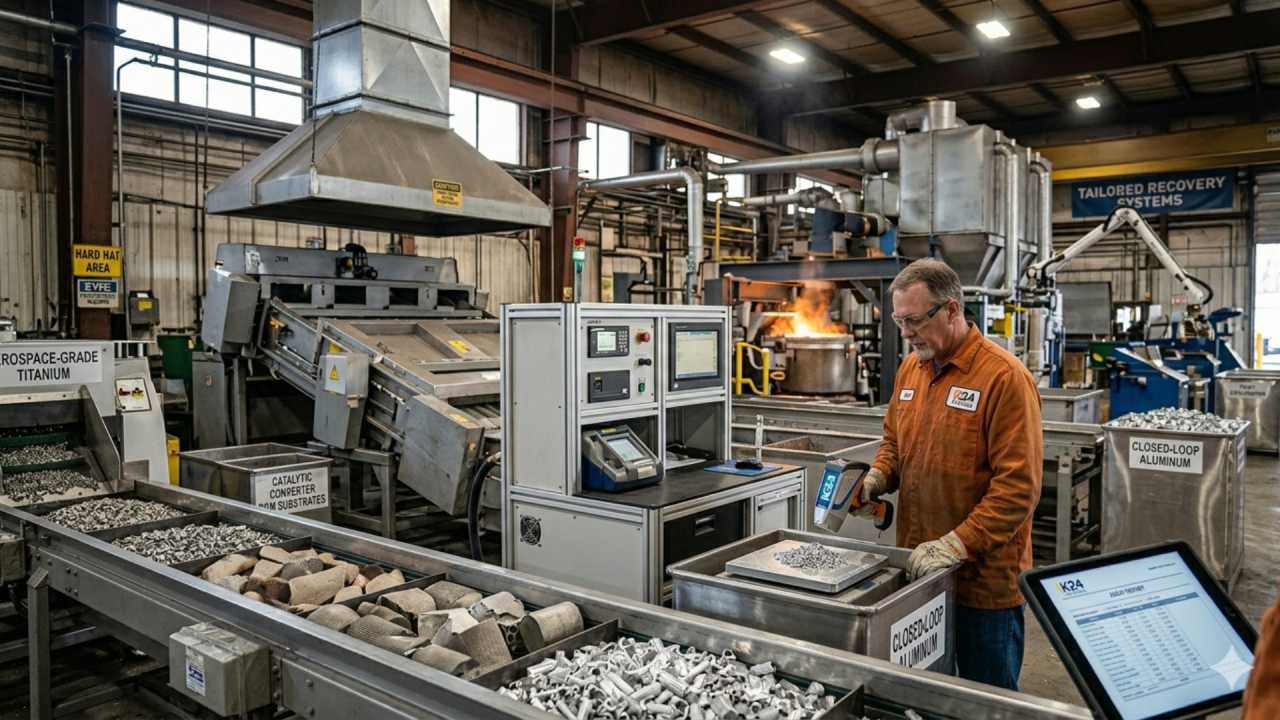
To understand the regulatory architecture governing the industry, one must first understand the operational realities of precious metal refining. The sector is broadly divided into primary refining and secondary refining. Primary refining deals with the extraction and purification of precious metals from newly mined ore, often collaborating directly with industrial mining operations. Secondary refining, which represents an expanding share of the global market due to circular economy initiatives, involves recycling and reclaiming metals from existing products. The streams of secondary materials are exceptionally diverse, including obsolete jewelry scrap, industrial catalysts from the chemical and automotive sectors, electronic waste such as printed circuit boards, dental scrap, and manufacturing structural waste.
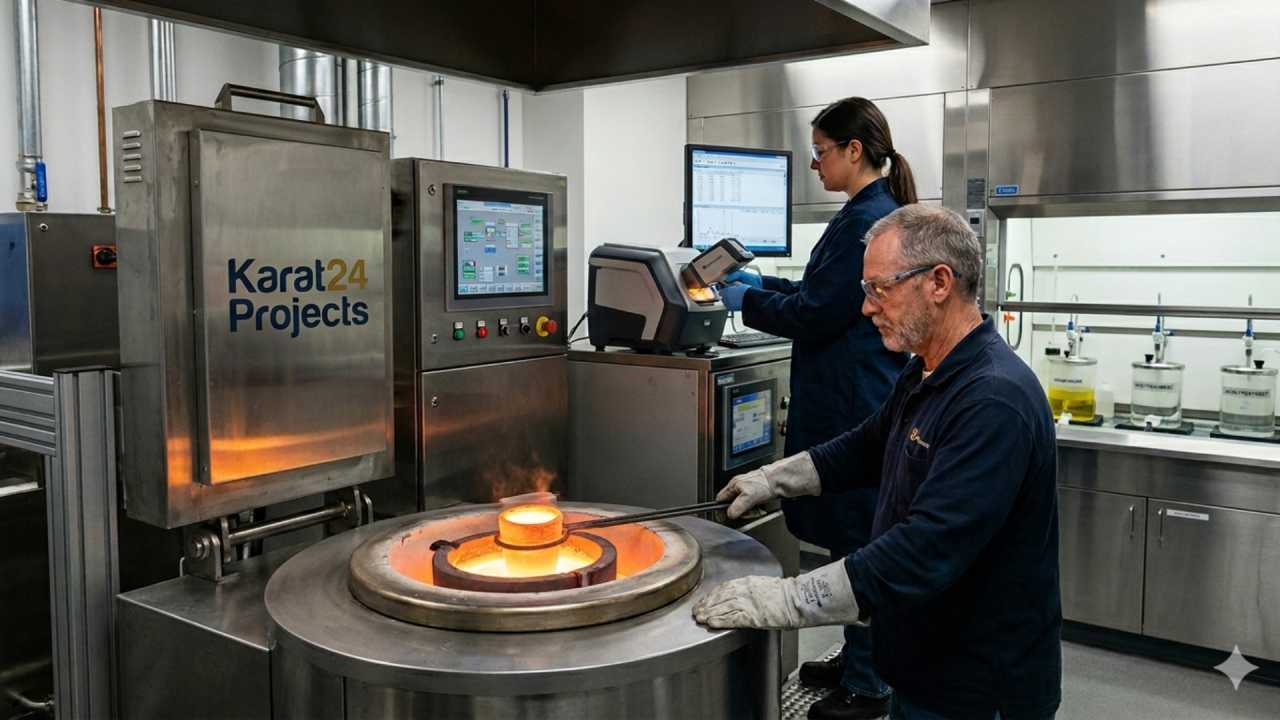
Regardless of the source material, transforming scrap or ore into high-purity bullion relies on three primary methodologies: pyrometallurgical, hydrometallurgical, and electrolytic refining. Pyrometallurgical techniques use high-temperature furnaces to melt materials, separate base metals through oxidation, and pour concentrated anodes or bullion. Hydrometallurgical refining relies on aqueous chemistry, utilizing powerful acids and complexing agents to dissolve, separate, and selectively precipitate specific precious metals. Electrolytic refining passes an electric current through a chemical solution, migrating pure target metals from an impure anode to a high-purity cathode.
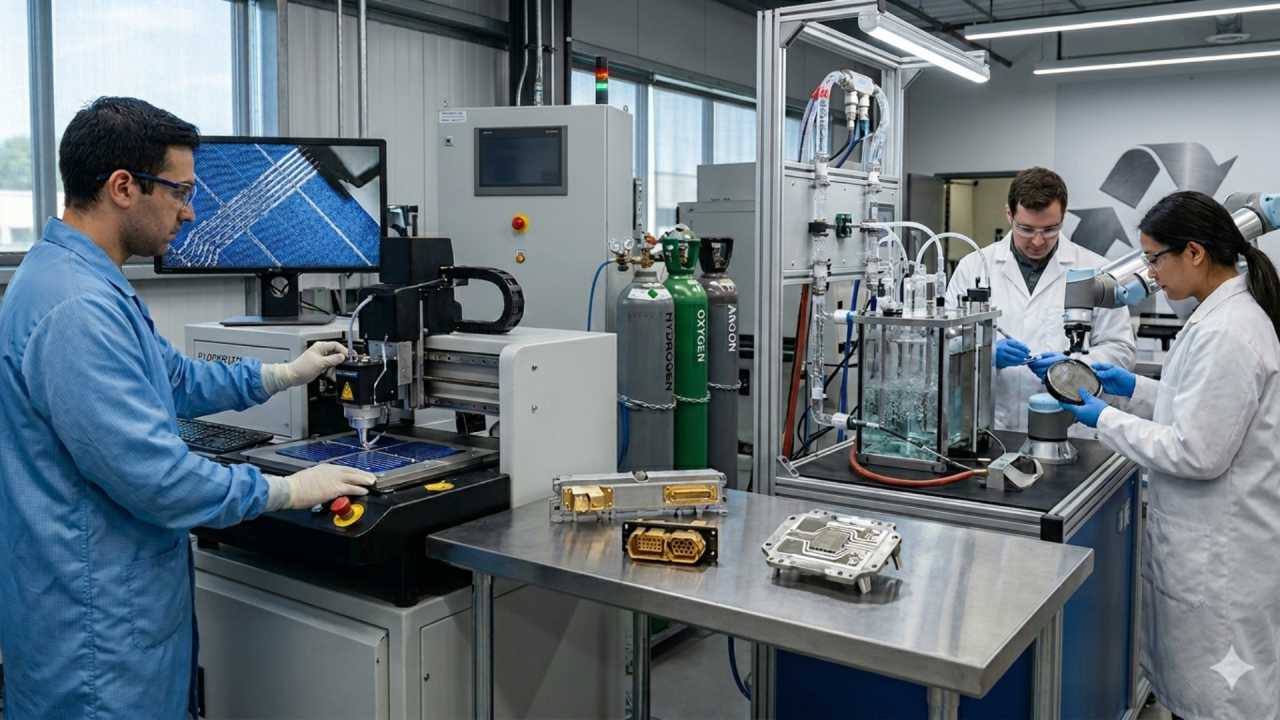
The ultimate objective of these processes is to achieve internationally recognized purity standards. For instance, commercial gold bullion typically requires a minimum purity of 99.5%, while investment-grade bar standards often demand 99.99% purity. Verifying these thresholds necessitates precise assay testing, utilizing techniques such as cupellation, inductively coupled plasma mass spectrometry, and X-ray fluorescence. Once verified, metals may receive official hallmarking or achieve prestigious credentials like London Bullion Market Association grade status, which guarantees liquidity and trust in global financial markets.
Why Regulations Matter in Precious Metal Refining
The stringency of precious metal refining regulations is a direct response to the profound environmental, financial, and humanitarian risks inherent to the trade. On an environmental level, refining is a chemical-intensive endeavor. The process regularly employs highly toxic chemicals, including sodium cyanide, volatile nitric acid, aqua regia, sulfuric acid, and historical remnants of elemental mercury. Improper management of these substances can lead to catastrophic ecological degradation, including the contamination of regional water tables, destruction of aquatic life, and long-term soil toxicity.
Financially, the compact and anonymous nature of precious metals makes them highly attractive vehicles for illicit financial flows. Gold, in particular, acts as an alternative currency that can be melted down, erasing its physical history, which introduces severe financial crime risks. Without strict oversight, the refining sector can inadvertently facilitate money laundering, tax evasion, and the financing of insurgent groups. This risk is deeply intertwined with illegal gold sourcing and conflict minerals, where illicit mining operations fund armed conflicts and perpetuate human rights abuses in vulnerable regions.
Furthermore, the physical operational environment poses significant worker exposure risks. Refinery employees face daily hazards from corrosive acid burns, chronic inhalation of toxic fumes, and heavy metal poisoning. Consequently, regulatory enforcement serves as a critical societal safeguard. Failure to maintain rigorous compliance does not merely result in reputational damage; it carries immediate operational and legal consequences, including severe export restrictions, the sudden suspension of operating licenses, multi-million-dollar fines, and criminal penalties for corporate officers.
Key Regulatory Areas in Precious Metal Refining
Environmental Regulations
Environmental compliance forms one of the most capital-intensive aspects of managing a modern precious metal refinery. Because the chemical separation of platinum group metals and gold relies so heavily on strong acids and solvents, industrial wastewater disposal is subjected to strict limits. Refiners must implement advanced effluent treatment plants on-site. These systems neutralize acidic waste, precipitate heavy metals out of solution, and ensure that any discharged water complies with regional chemical oxygen demand, total suspended solids, and pH benchmarks.
Air emissions present an equally critical challenge. Smelting furnaces and chemical digestion tanks release nitrous oxides, sulfur dioxide, chlorine gas, and microscopic particulate matter containing heavy metal residues. To control these air pollutants, refineries must install complex scrubbing systems, such as wet packed-bed scrubbers and electrostatic precipitators, to capture hazardous fumes before they reach the atmosphere. Regulatory oversight is managed by powerful national and regional entities, such as the Environmental Protection Agency in the United States, the Central and State Pollution Control Boards in India, and the Registration, Evaluation, Authorisation and Restriction of Chemicals framework in the European Union.
Furthermore, compliance requires systematic hazardous waste handling and chemical storage management. Refiners must document the lifecycle of every toxic byproduct using official waste manifests, ensuring that hazardous sludge and spent chemicals are transported and disposed of only by authorized third-party facilities. Soil contamination prevention measures, such as secondary containment dikes around chemical tanks and impermeable flooring across the production zone, are mandatory under environmental management standards like ISO 14001, which establishes an internationally recognized framework for continuous ecological improvement.
Occupational Health & Safety Compliance
Protecting the physical well-being of the refinery workforce requires complete alignment with occupational health and safety laws. The presence of concentrated chemical reagents and extreme thermal energy requires comprehensive personal protective equipment protocols. Workers in digestion areas and furnace rooms must be outfitted with specialized chemical-resistant suits, heavy-duty respirators fitted with appropriate gas cartridges, face shields, and thermal blast protection.
Engineering controls must complement personal equipment. Industrial ventilation systems must provide continuous negative air pressure in chemical handling zones, drawing hazardous gases away from the workers’ breathing zones and routing them directly to chemical scrubbers. These interventions are heavily mandated by organizations like the Occupational Safety and Health Administration in the United States and equivalent global agencies. Under Hazard Communication Standards, refiners are legally obligated to maintain updated Safety Data Sheets for every chemical utilized on the premises, ensuring they are readily accessible to all personnel.
Operational safety programs must also account for chronic health risks. Continuous heavy metal exposure, such as lead, cadmium, or mercury poisoning, requires mandatory, periodic biological monitoring and medical surveillance for employees, tracking metal levels via regular blood or urine tests. Fire safety and emergency response planning are also critical; refineries must feature automated fire suppression systems designed specifically for chemical and electrical fires, alongside clearly mapped evacuation routes and regular emergency drills to handle potential acid spills or toxic gas releases.
Anti-Money Laundering & KYC Requirements
The financial integrity of a precious metal refinery depends entirely on its anti-money laundering and Know Your Customer frameworks. Because scrap jewelry and unrefined bullion can be rapidly converted into untraceable cash, refineries are categorized as high-risk entities under financial crime statutes. Compliance requires the execution of comprehensive customer due diligence protocols before any transaction occurs. Refiners must formally verify the identity of corporate clients, ultimate beneficial owners, and individual suppliers using official corporate registries, government-issued identification, and global sanction screening databases.
A foundational element of financial compliance is source-of-funds verification. Refiners cannot simply accept material blindly; they must perform rigorous background checks to ensure that incoming scrap or bullion was acquired through legitimate commercial channels. This process involves reviewing the client’s historical business volume, assessing financial statements, and analyzing the geographic origin of the metals. Ongoing transaction monitoring must be implemented to identify unusual trading patterns, such as sudden, unexplained spikes in transaction values or deliveries originating from high-risk border zones.
When anomalies are detected, compliance officers are legally required to file Suspicious Activity Reports with relevant financial intelligence units, such as the Financial Crimes Enforcement Network in the United States or equivalent national bodies. These mandates align directly with the international recommendations set forth by the Financial Action Task Force, which dictates global standards for preventing money laundering. Refiners must also maintain meticulous, unalterable recordkeeping logs for all transactions, identities, and analytical assays for a minimum statutory period, usually spanning five to seven years, to facilitate independent regulatory audits.
Responsible Sourcing & Ethical Supply Chains
Modern market access for refined precious metals is tightly bound to ethical sourcing and the preservation of human rights across the supply chain. Conflict-free sourcing regulations aim to prevent the extraction and trading of precious metals from contributing to armed conflict, systematic corruption, or severe human rights abuses. This is particularly relevant in regions characterized by volatile geopolitical dynamics or widespread informal, artisanal mining operations, where vulnerable populations are frequently subjected to forced labor and hazardous working conditions.
To institutionalize ethical sourcing, the international community relies heavily on the Organization for Economic Co-operation and Development Due Diligence Guidance for Responsible Supply Chains of Minerals from Conflict-Affected and High-Risk Areas. This five-step framework requires refiners to establish robust company management systems, identify and assess risks in the supply chain, design and implement a strategy to respond to identified risks, carry out independent third-party audits of refinery due diligence practices, and publicly report on supply chain due diligence.
Compliance with these expectations is validated through major industry certification bodies, including the Responsible Jewellery Council and the London Bullion Market Association Responsible Gold Guidance. Refiners must establish a transparent chain of custody or traceability system that tracks each batch of metal from its point of origin to the final refined product. Achieving this requires formal supplier audits, site inspections of mining sources, and the collection of verifiable transport and customs documentation, ensuring that no metal linked to environmental destruction or human exploitation enters the legitimate market pool.
Import, Export & Customs Compliance
Precious metals are highly liquid, globally traded assets, meaning that their physical transport across international borders triggers complex import, export, and customs enforcement mechanisms. Every shipment of unrefined material or pure bullion must be accurately classified using the internationally standardized Harmonized System codes, which dictate the applicable tariff rates, import duties, and specific regulatory clearances required at the border.
Refiners and traders must secure all necessary import and export permits from relevant ministries of commerce or central banks prior to shipping. Customs compliance requires absolute precision in documentation; paperwork must include verified commercial invoices, detailed packing lists, comprehensive assay certificates indicating exact weight and purity, and certified bills of lading. Misdeclaring the weight, value, or metal composition constitutes a severe legal violation, frequently resulting in immediate asset seizure, heavy financial penalties, and aggressive anti-smuggling enforcement action by customs authorities.
Furthermore, refiners must operate in strict alignment with international sanctions regimes managed by bodies such as the United States Office of Foreign Assets Control or the United Nations Security Council. Refiners are legally prohibited from purchasing metals originating from sanctioned countries, processing material owned by blocked individuals, or exporting refined products to prohibited destinations. Maintaining compliance requires continuous updates to automated compliance software to ensure that transit routes, shipping lines, and financial intermediaries do not inadvertently breach active international trade restrictions.
Licensing & Certifications Required
Operating a compliant precious metal refinery requires securing an array of mandatory government licenses and voluntary, market-driven certifications. These authorizations validate that the facility adheres to safety, environmental, financial, and quality benchmarks.
The table below outlines the primary compliance areas alongside the relevant governing authorities and international standards that structure the global industry.
| Compliance Area | Example Governing Authority / Framework | Key Focus & Operational Requirement |
| Environmental Protection | EPA (US), CPCB (India), REACH (EU) |
Industrial wastewater discharge limits, air emission scrubbing, hazardous waste disposal manifests, and soil containment. |
| Workplace Safety | OSHA (US), National Factory Inspectorates |
Personal protective equipment protocols, heavy metal medical surveillance, industrial ventilation, and chemical hazard communication. |
| Financial Integrity | FATF, FinCEN (US), National FIUs |
Anti-money laundering infrastructure, comprehensive customer due diligence, source-of-funds verification, and suspicious activity reporting. |
| Supply Chain Ethics | OECD Due Diligence Guidance |
Risk-based supply chain screening, conflict-free mineral verification, human rights protections, and supplier transparency. |
| Market Accreditation | LBMA, Responsible Jewellery Council (RJC) |
Institutional market liquidity, good delivery standards, independent third-party audits, and ethical business certification. |
| Quality Management | International Organization for Standardization |
ISO 9001 (Quality Control), ISO 14001 (Environmental Systems), ISO 45001 (Occupational Health). |
On a foundational level, a refinery cannot break ground without a valid factory license, structural building approvals, and explicit fire department clearances tailored to hazardous chemical environments. Localized environmental clearances, often termed “Consents to Establish” and “Consents to Operate,” dictate the maximum volume of chemicals a facility can store and use.
Beyond government mandates, commercial survival depends on market-driven certifications. Adherence to the ISO 9001 standard ensures that the refinery’s laboratory testing and assaying methodologies are uniform, reliable, and scientifically verifiable. For elite bullion trading, achieving accreditation on the London Bullion Market Association Good Delivery List represents the pinnacle of institutional trust. This designation requires maintaining a clean regulatory track record, a robust financial net worth, and passing rigorous, recurring independent audits of both the refinery’s financial accounting and its responsible sourcing compliance systems.
Compliance Challenges Faced by Refiners
Maintaining complete compliance presents significant operational hurdles for precious metal refiners, particularly in an environment characterized by shifting geopolitical landscapes and accelerating regulatory integration. A primary operational challenge is the sheer velocity of regulatory changes. As global financial networks become more interconnected and environmental awareness intensifies, laws governing emissions, customer identification, and international trade sanctions are updated frequently, requiring constant modifications to internal operating procedures.
This dynamic regulatory environment imposes an extensive documentation burden and substantial compliance costs. Refineries must invest heavily in dedicated legal, compliance, and environmental engineering teams, alongside specialized asset-tracking and chemical-monitoring software. For small-scale refiners or secondary recyclers, these overhead costs can strain profit margins, occasionally creating market entry barriers that favor massive, highly consolidated multinational conglomerates.
Waste disposal expenses also represent an escalating financial challenge. As municipal toxic waste facilities face stricter limits, the cost to legally transport, neutralize, and store chemical byproducts continues to rise. Furthermore, supply chain transparency issues create persistent operational vulnerabilities. When processing secondary electronic waste or complex jewelry scrap collected from thousands of micro-dealers, tracking the definitive origin of every gram of metal becomes exceptionally difficult, exposing the refiner to inadvertent compliance breaches.
Finally, modern compliance management introduces digital vulnerabilities. Refineries must digitalize their client records, assay data, and supply chain manifests to satisfy regulatory audits, which makes them prime targets for industrial espionage and ransomware attacks. Consequently, businesses must implement advanced cybersecurity frameworks to protect sensitive compliance data, adding another layer of operational complexity to their standard administrative routines.
Best Practices for Staying Compliant
To manage these complex operational risks successfully, precious metal refiners must design and execute an integrated institutional compliance framework. Rather than responding to regulatory pressures defensively, companies should treat compliance as a continuous, proactive business process.
Implementing the following structured practices ensures a refinery maintains its operational integrity and retains its essential market access:
-
Execute Regular Independent Compliance Audits: Refiners must contract accredited, third-party auditing firms to conduct objective evaluations of their environmental discharge systems, financial books, and sourcing protocols. These evaluations catch hidden operational gaps before state regulators or market boards identify them.
-
Institutionalize Continuous Employee Training: Operating personnel, laboratory technicians, and compliance officers must undergo mandatory, periodic training modules. Education must cover the precise handling of hazardous chemical compounds, the identification of fraudulent identification documents, and active emergency spill response protocols.
-
Transition to Comprehensive Digital Recordkeeping: Paper-based documentation systems are highly vulnerable to loss, damage, and administrative errors. Refineries should implement specialized enterprise resource planning systems that log every transaction, assay report, and waste manifest into a secure database, creating an unalterable audit trail.
-
Maintain Real-Time Environmental Monitoring: Installing automated, inline sensors within wastewater treatment systems and smokestack scrubbers allows engineering teams to track emissions and effluent metrics continuously. This early-warning capacity prevents accidental environmental breaches before they damage localized ecosystems.
-
Enforce Strict Supplier Verification Portals: Before onboarding any material provider, refiners must run their information through centralized portals that automate Know Your Customer checks, scan global sanction registries, and confirm the legal origin of the incoming material.
-
Establish an Internal Anti-Money Laundering Framework: Refineries must appoint a dedicated compliance officer empowered to monitor high-value transactions, review source-of-funds documentation, and independently file Suspicious Activity Reports without internal corporate interference.
-
Develop Comprehensive Emergency Preparedness Programs: Facilities must possess detailed, site-specific disaster plans addressing chemical fires, toxic gas leaks, and industrial accidents, supported by automated suppression hardware and collaborative partnerships with local emergency services.
Future Trends in Precious Metal Refining Compliance
The regulatory architecture governing precious metal refining continues to evolve, shaped by wider global shifts toward corporate accountability, environmental preservation, and technological integration. A dominant catalyst for this change is the institutionalization of Environmental, Social, and Governance regulations. Financial institutions, investment funds, and industrial end-users now evaluate refiners not simply on technical purity, but on their wider carbon reporting metrics and energetic efficiency, pushing the sector toward complete transparency regarding greenhouse gas emissions.
This trend links directly to global circular economy initiatives. Governments are enacting strict electronic waste recycling obligations and extended producer responsibility frameworks, which mandate that electronics manufacturers ensure their obsolete products are routed to certified, compliant secondary refiners. This focus on recycling is expanding the secondary refining sector, while simultaneously subjecting e-waste processing lines to the same strict environmental and chemical scrutiny applied to traditional mining concentrates.
On the technological front, supply chain traceability is being revolutionized by blockchain integration. By recording every transfer of ownership, customs declaration, and assay result onto an immutable, distributed ledger, refiners can provide consumers with unalterable proof of an item’s ethical journey from the mine or recycling center to the vault. Concurrently, artificial intelligence-powered compliance monitoring software is transforming financial oversight. These advanced systems process vast streams of transaction data in real time, utilizing pattern recognition to flag potentially fraudulent transactions or anomalous sourcing behavior far more rapidly than manual compliance teams, reshaping how the industry manages operational risk.
Final Thoughts
Navigating the regulatory landscape of precious metal refining requires a comprehensive operational commitment to environmental stewardship, financial transparency, workplace safety, and ethical supply chains. As global market networks face greater geopolitical and environmental pressures, the rules governing this vital industrial sector will continue to grow more exacting. Compliance can no longer be approached as a static check-box exercise; it represents a dynamic operational discipline that underpins a company’s legal authorization to conduct business.
Refineries, recyclers, and bullion dealers who proactively invest in robust compliance frameworks—by adopting advanced emissions scrubbing technologies, installing rigorous digital traceability platforms, and maintaining comprehensive anti-money laundering controls—position themselves securely for long-term operational continuity. Ultimately, prioritizing compliance protects a business against severe legal liabilities and catastrophic financial penalties while building institutional trust, unlocking premium international market access, and ensuring long-term commercial sustainability.
Precious Metal Refinery Compliance Checklist
-
Environmental Authorizations: Verify that all active permits for industrial wastewater discharge, air emission allocations, and hazardous material storage are up to date with regional environmental protection boards.
-
Waste Manifest Retention: Maintain structured, chronological logs of all hazardous waste manifests, ensuring every volume of refinery sludge or spent acid is accounted for from generation to final destruction.
-
Personal Protective Equipment Audits: Conduct weekly inspections of chemical suits, blast shields, and respirator filtration cartridges to guarantee all floor personnel are fully protected against acute operational hazards.
-
Employee Medical Surveillance: Schedule periodic blood and urine testing for operations staff exposed to heavy metals to track exposure levels and maintain alignment with workplace health mandates.
-
Customer Identification Logs: Run rigorous Know Your Customer and sanction checks on all corporate clients and scrap suppliers, archiving verified identification materials prior to executing any financial transactions.
-
Source-of-Funds Analysis: Document the commercial history and geographic origin for all incoming precious metal lots, ensuring zero integration of materials tied to conflict zones or illicit mining.
-
Continuous Emissions Monitoring: Review automated chemical readouts from scrubber systems and effluent plants daily to detect and correct any operational deviations before legal thresholds are crossed.
-
Data Security Verification: Implement encrypted, multi-location backups for all compliance databases, client registries, and refinery assay results to defend against cyber threats and ensure data availability for official regulatory audits.
Frequently Asked Questions
What are the EPA hazardous waste regulations for precious metal refiners?
Precious metal refiners are subject to stringent hazardous waste regulations under the Resource Conservation and Recovery Act (RCRA) in the United States, as well as equivalent regional frameworks globally. Because refining processes generate toxic byproducts—such as acidic sludge, spent solvents, and heavy metal residues—facilities are typically classified as Large Quantity Generators (LQGs). This status requires refiners to implement precise waste tracking using official hazardous waste manifests, adhere to strict 90-day on-site storage limits, use certified secondary containment dikes, and utilize only licensed third-party treatment, storage, and disposal facilities (TSDFs).
How does AML compliance work in the precious metals industry?
Anti-Money Laundering (AML) compliance requires refiners and dealers to establish a formal, risk-based program to prevent illicit wealth from being laundered through high-value commodities. Under regulations enforced by bodies like FinCEN and the Financial Action Task Force (FATF), refiners must appoint a dedicated compliance officer, mandate regular staff training, and implement strict Know Your Customer (KYC) screening to verify the identities of ultimate beneficial owners. Transactions that deviate from a client’s historical business profile or involve high-risk jurisdictions must be flagged, and compliance teams are legally obligated to file Suspicious Activity Reports (SARs) with financial intelligence units.
What is the LBMA Responsible Gold Sourcing guidance for refineries?
The London Bullion Market Association (LBMA) Responsible Gold Guidance is a mandatory framework for all refiners on the LBMA Good Delivery List, designed to ensure that gold supply chains are entirely free from human rights abuses, terrorist financing, and severe environmental degradation. Based directly on the OECD Due Diligence Guidance, it requires refiners to execute a five-step due diligence process: establishing robust internal management systems, identifying and assessing supply chain risks (especially regarding artisanal mining), implementing risk-mitigation strategies, undergoing independent annual third-party audits, and publishing an annual disclosure report detailing their supply chain integrity.
What workplace safety standards apply to a precious metal recycling facility?
Workplace safety in a recycling or refining facility is heavily regulated by occupational health agencies like OSHA. Key mandates include strict engineering controls, such as negative-pressure industrial ventilation and localized exhaust scrubbers to eliminate toxic acid fumes and heavy metal dust (like lead, cadmium, and mercury). Employers must provide specialized personal protective equipment (PPE)—including chemical-resistant suits, heavy-duty face shields, and respirators with targeted gas cartridges—alongside implementing comprehensive chemical hazard communication programs, accessible Safety Data Sheets (SDS), and mandatory, routine medical surveillance (blood and urine testing) for floor personnel.
How do refiners prove conflict-free precious metal sourcing?
Refiners prove conflict-free sourcing by maintaining a verifiable, transparent chain of custody or traceability system that tracks raw materials from their geographic origin to the final output. This involves conducting rigorous background checks and physical audits on suppliers, verifying import/export permits and customs declarations, and achieving certifications through industry bodies like the Responsible Jewellery Council (RJC) or the LBMA. By utilizing digital recordkeeping or blockchain ledgers to secure immutable trading data, refiners can independently demonstrate to auditors and downstream B2B clients that their materials did not fund armed conflict or corrupt regimes.