
Everything You Wanted to Know About Our Precious Metals Refining Machines
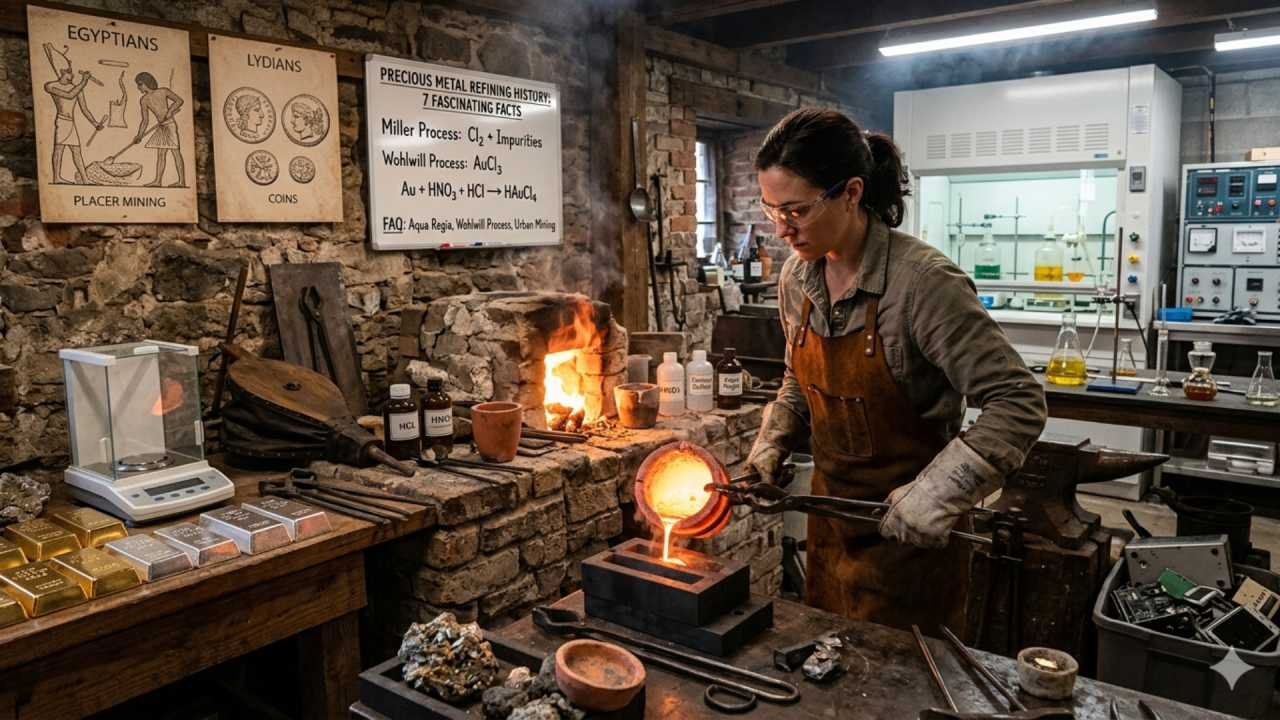
In the intricate world of precious metals, where every gram holds significant value, the ability to efficiently and safely recover these invaluable elements is paramount. From the shimmering allure of gold jewelry to the hidden treasures within electronic waste, precious metals are everywhere. Refining these metals isn’t just about reclaiming value; it’s about transforming raw materials into pure, usable forms, minimizing waste, and maximizing profit. This critical process demands not only precision but also the right technology.
Our cutting-edge precious metals refining machines are engineered to meet these demands, offering an unparalleled solution for various refining needs. Unlike systems relying solely on electrolysis, our machines leverage the proven and highly effective aqua regia method, ensuring superior purity, remarkable efficiency, and enhanced safety for operators. This distinction is crucial, as it tailors our solutions specifically for a diverse range of materials and operational scales, providing a robust and reliable pathway to high-purity precious metals.
What Is Precious Metals Refining?
Precious metals refining is the sophisticated process of separating and purifying valuable metals like gold, silver, platinum, palladium, and rhodium from other less valuable materials. This is a crucial step in the lifecycle of these metals, enabling their reuse and preventing economic loss. The need for refining arises from various sources, broadly categorized into:
- Scrap Jewelry: Broken, outdated, or unwanted jewelry, often containing various karats of gold, silver, and other alloys.
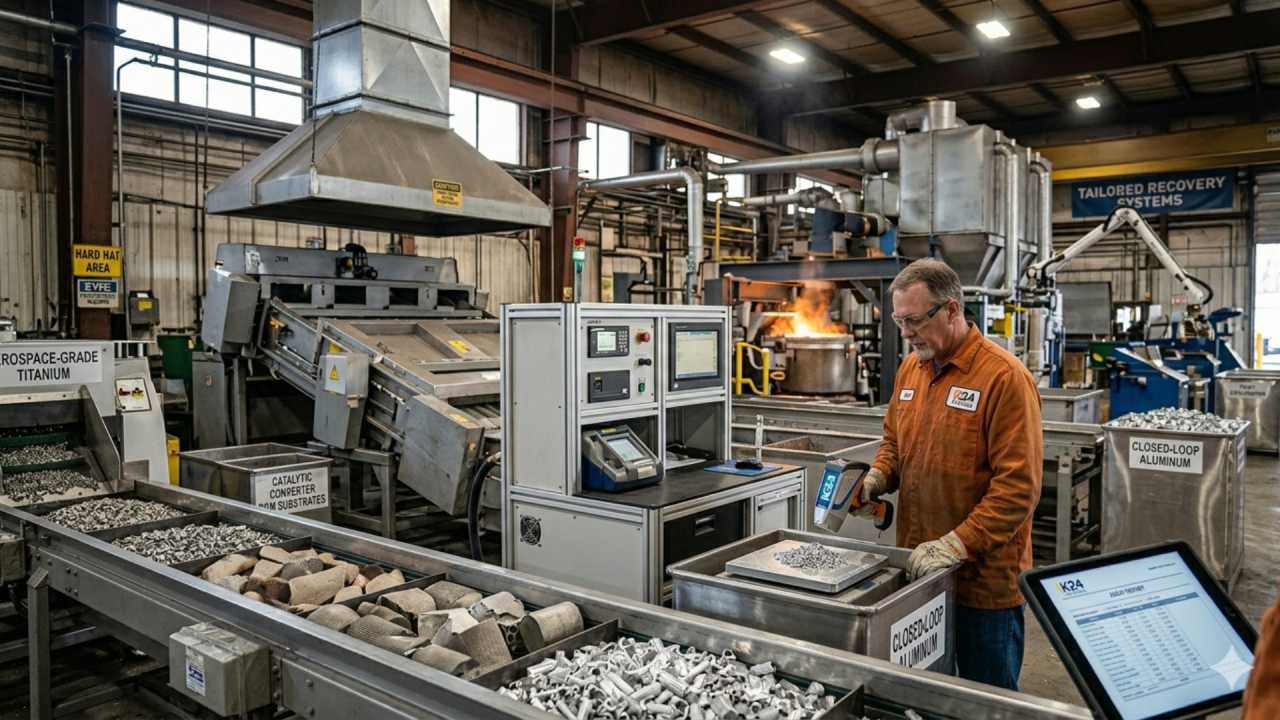
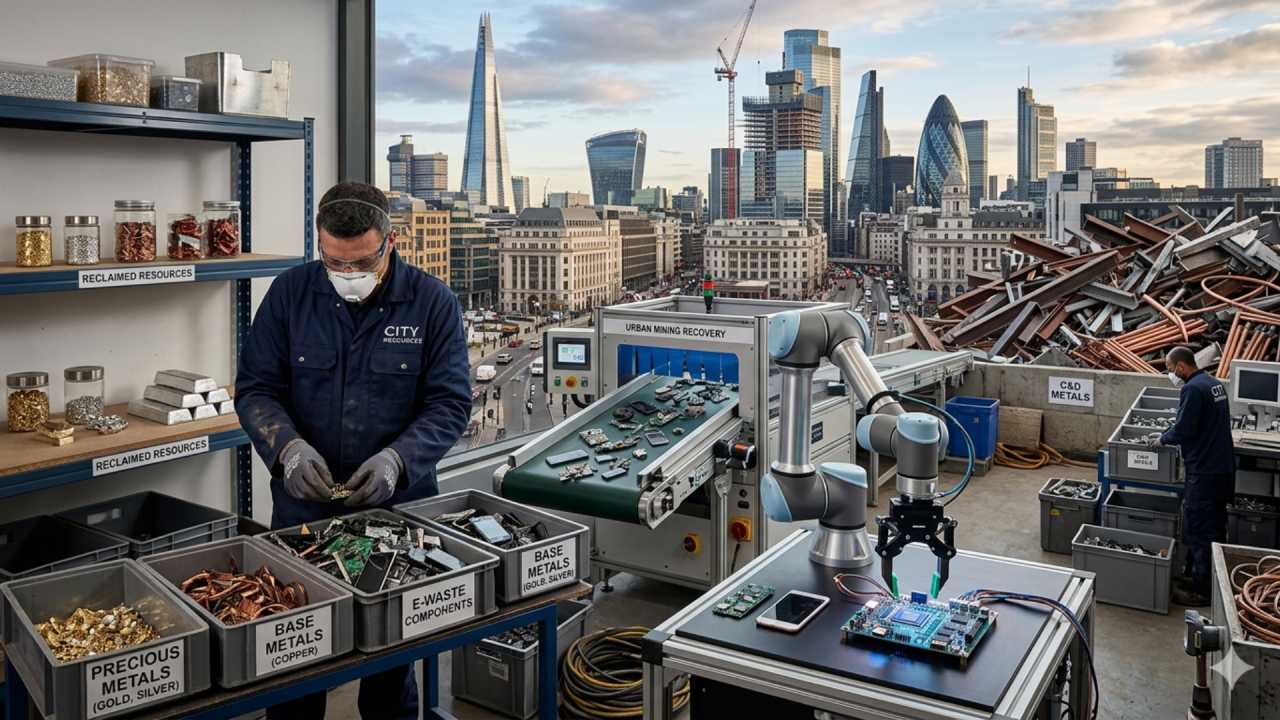
- Electronic Waste (E-waste): Circuit boards, connectors, and other components from discarded electronics are surprisingly rich sources of gold, silver, platinum, and palladium.
- Industrial Waste: By-products from manufacturing processes, plating solutions, and catalysts that contain trace amounts of precious metals.
- Dental Alloys: Gold and palladium-based alloys used in dental work.
- Mining Concentrates: While often processed by large refiners, smaller mining operations may require refining for their concentrates or doré bars.
At the heart of our refining machines lies the aqua regia process. In simple terms, aqua regia is a fuming yellow or red solution, a highly corrosive mixture of nitric acid and hydrochloric acid, typically in a molar ratio of 1:3. This powerful combination has a unique ability to dissolve noble metals like gold and platinum, which are resistant to individual acids. The process works by forming complex chloroaurate ions (in the case of gold) that keep the metal dissolved in the solution, preventing passivation. This chemical dissolution allows for the separation of precious metals from base metals and other impurities.
The aqua regia method has been a cornerstone of precious metal refining for centuries, and for good reason. Its primary benefits include its effectiveness in dissolving a wide range of precious metals, its relative simplicity for small to medium-scale operations, and its ability to achieve high levels of purity when properly managed. It remains a widely used and highly effective method, particularly for operations that handle diverse incoming materials and require flexibility in their refining approach.
Why Aqua Regia and Not Electrolysis?
When it comes to precious metals refining, two primary methods often come to mind: aqua regia and electrolysis. While both are effective, they cater to different needs and possess distinct advantages and disadvantages. Understanding these differences is key to appreciating why our machines exclusively utilize the aqua regia method.
Electrolysis involves using an electric current to dissolve and deposit metals in an electrolytic cell. In gold refining, for instance, impure gold acts as the anode, and pure gold is deposited at the cathode.
- Pros of Electrolysis: Can achieve very high purities (up to 99.999%) for certain metals, often used in large-scale primary refining of relatively pure feedstocks.
- Cons of Electrolysis: Highly selective, meaning it often requires pre-refining or a relatively pure starting material. It’s less effective with mixed-metal alloys or materials with high percentages of base metals. The setup can be complex, and significant electrical power is required. It’s generally less flexible for diverse incoming materials and smaller batch sizes.
Aqua Regia, as discussed, is a chemical dissolution process.
- Pros of Aqua Regia:
- Versatility: Excellently suited for a wide variety of feedstocks, including scrap jewelry, e-waste, and industrial waste, which often contain a mix of precious and base metals. It can effectively dissolve gold, platinum, and palladium simultaneously.
- Efficiency for Mixed Materials: It excels where electrolysis struggles – with materials that are not predominantly pure gold or silver. The acids selectively dissolve precious metals while leaving many base metal impurities behind (or precipitating them at different stages), simplifying the subsequent purification steps.
- Scalability for Small to Medium Operations: Our aqua regia systems are ideal for jewelers, recyclers, pawnshops, and small to medium-scale refiners who need a flexible and efficient way to process varying quantities of mixed precious metal scrap without the massive infrastructure required for large-scale electrolytic plants.
- Achievable Purity: With proper process control, multi-stage precipitation, and advanced filtration systems – all features of our machines – the aqua regia method can consistently achieve purities of 99.9% to 99.99% (3 to 4 nines) for gold and silver. This purity level is more than sufficient for most commercial applications, including investment-grade bullion and use in manufacturing.
Therefore, while electrolysis has its place in large-scale, high-purity refining of specific metals, our focus on the aqua regia method directly addresses the needs of customers who deal with diverse, often impure, precious metal scrap. It provides a more adaptable, efficient, and cost-effective solution for recovering maximum value from a wider range of materials, ensuring that jewelers can reclaim their bench sweeps, e-waste recyclers can extract hidden treasures, and gold dealers can purify their scrap, all with confidence in the purity of their final product.
Our Refining Machines: Technology Behind the Process
Our precious metals refining machines are not just acid baths; they are sophisticated, integrated systems designed for safety, efficiency, and high-purity output. Each component is meticulously engineered to ensure optimal performance of the aqua regia process, from dissolution to final purification.
Core Features and Advanced Engineering:
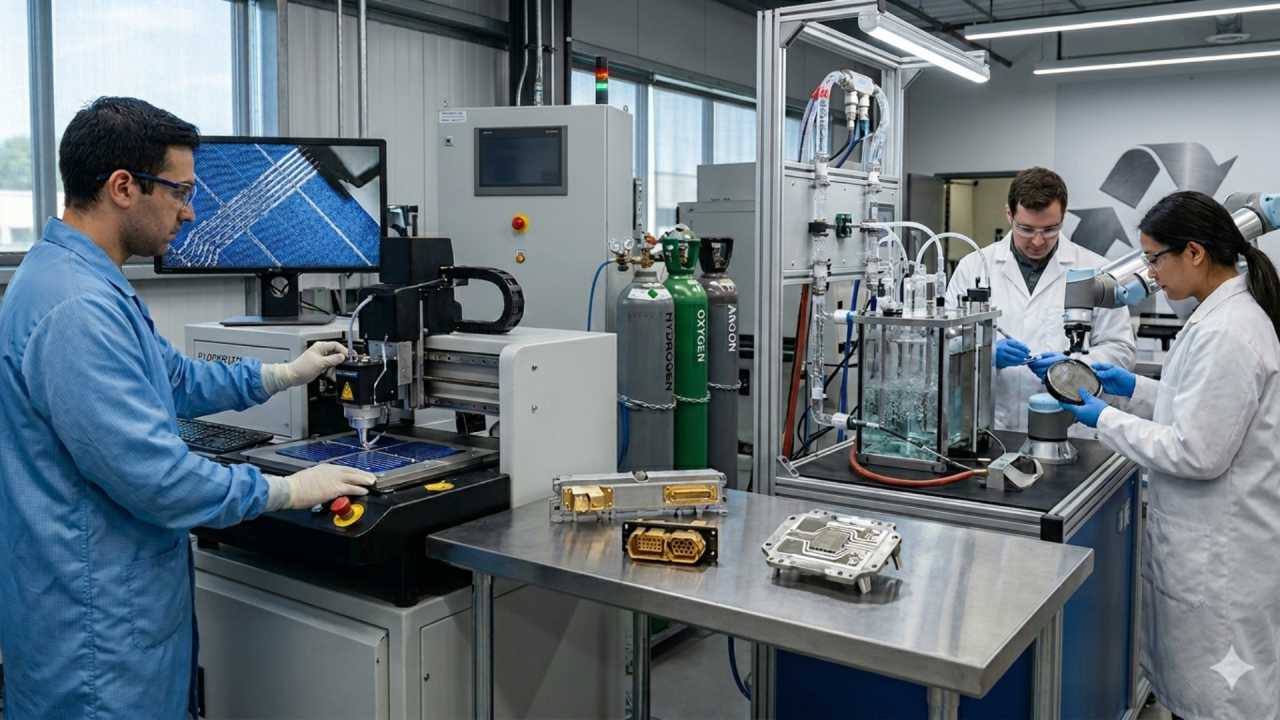
- Reactor Vessels: These are the heart of the dissolution process. Our reactor vessels are constructed from high-grade, acid-resistant materials, such as specialized borosilicate glass, industrial-grade PTFE (Teflon), or certain high-nickel alloys like Hastelloy, chosen specifically for their exceptional resistance to highly corrosive acids like aqua regia, even under elevated temperatures. The transparent design of glass reactors allows for visual monitoring of the reaction, while robust sealing mechanisms prevent leaks and ensure a closed environment. Integrated heating elements (or jackets for external heating) ensure precise temperature control, critical for optimizing reaction rates and preventing unwanted side reactions.
- Advanced Filtration Systems: Post-dissolution, separating the dissolved precious metals from undissolved solids (like silicates, some base metal oxides, or undissolved base metals) is crucial. Our machines incorporate multi-stage filtration units. These include:
- Coarse Filtration: For initial removal of larger insoluble particles.
- Fine Filtration: Utilizing high-grade filter presses or vacuum filtration units with specific filter media (e.g., polypropylene membranes, ceramic filters) to capture even microscopic particulates, ensuring a clean solution for the precipitation phase. This meticulous filtration prevents impurities from carrying over, directly impacting the final product’s purity.
- Fume Control and Neutralization Systems: Handling strong acids like aqua regia inevitably produces highly corrosive and toxic fumes (primarily nitrogen oxides and chlorine gas). Safety and environmental compliance are paramount, which is why our machines feature robust fume management systems:
- Fume Scrubbers: Integrated wet scrubbers are designed to capture and neutralize these harmful fumes. They typically use a circulating alkaline solution (e.g., sodium hydroxide) to react with and absorb acidic gases, converting them into harmless salts.
- Closed-Loop Systems: Many components are designed to be largely closed-loop, minimizing direct exposure to fumes and chemicals for operators.
- Exhaust Fans and Venting: Powerful, acid-resistant exhaust fans ensure that any residual fumes are safely vented away after scrubbing.
- Automatic Dosing and Monitoring Features (on advanced models): To enhance consistency, safety, and operational ease, our higher-end models incorporate automated features:
- Automated Acid Dosing: Programmable pumps precisely dispense acids based on pre-set parameters or real-time sensor data, ensuring optimal reaction conditions and minimizing human error.
- Temperature Controllers: PID (Proportional-Integral-Derivative) controllers maintain precise temperature within the reactor vessels.
- pH Monitoring: Continuous pH monitoring allows for real-time adjustments during neutralization stages, ensuring complete reaction and efficient waste treatment.
- Pressure Sensors: To monitor and regulate pressure within the closed system, preventing hazardous build-ups.
Emphasis on Safety and Automation:
Safety is not an afterthought; it’s engineered into every aspect of our machines. From robust construction materials to integrated interlocks and emergency shut-off protocols, we prioritize operator protection. The closed-loop design, combined with effective fume control, significantly reduces direct exposure to hazardous chemicals.
Automation plays a pivotal role in improving the refining process. It drastically enhances:
- Consistency: Eliminates variations that can occur with manual processes, leading to more predictable and higher-quality yields.
- Safety: Reduces the need for operators to directly handle corrosive chemicals or be exposed to fumes, thereby minimizing risks.
- Speed and Efficiency: Automated dosing, temperature control, and process monitoring optimize reaction times and streamline the entire refining cycle, leading to faster throughput and higher productivity.
- Reduced Human Error: Minimizes the potential for mistakes in chemical ratios or process steps, which can be costly in precious metals refining.
In essence, our refining machines are designed to be reliable workhorses, combining robust mechanical engineering with intelligent automation and uncompromising safety features, providing a superior solution for recovering your precious metals.
Step-by-Step Process Using Our Machines
Utilizing our precious metals refining machines involves a methodical, multi-step process designed for efficiency, safety, and high recovery rates. While specific models may have variations, the core steps remain consistent.
Step 1: Material Preparation
The refining journey begins with careful preparation of the raw materials.
- Sorting: Different types of scrap (jewelry, e-waste, dental alloys) are often sorted to understand their general composition. While our aqua regia system is versatile, knowing the approximate gold/silver content helps in optimizing acid ratios.
- Pre-treatment (if necessary): For some e-waste, initial shredding or mechanical separation might be performed to reduce volume and expose more surface area. For jewelry, removing non-metallic components (stones, enamel) is often advisable.
- Weighing: The prepared material is accurately weighed. This is crucial for calculating the amount of chemicals needed and for tracking the recovery yield.
- Sampling (Optional but Recommended): For commercial operations, taking a representative sample for assay (analysis) helps determine the precise precious metal content, guiding the process and ensuring accurate accountability.
Step 2: Dissolution
This is where the magic of aqua regia truly happens.
- Loading: The pre-weighed precious metal scrap is carefully loaded into the acid-resistant reactor vessel of the refining machine.
- Acid Introduction: Nitric acid and hydrochloric acid are precisely introduced into the reactor. In automated systems, this is done via programmed pumps. The specific ratio and concentration are critical and are calculated based on the quantity and estimated composition of the material.
- Heating and Agitation: The mixture is gently heated to the optimal temperature (typically between and ) to accelerate the dissolution process. Many of our reactors include agitation mechanisms (e.g., magnetic stirrers or mechanical agitators) to ensure thorough mixing and uniform reaction.
- Reaction: As the acids react with the metals, gold, platinum, and palladium dissolve, forming soluble metal chloride complexes. Base metals may also dissolve or react, depending on their properties. Vigorous fuming (nitrogen oxides) indicates the reaction is progressing. The system’s fume scrubber actively neutralizes these gases during this phase.
Step 3: Filtration
Once the dissolution is complete, the solution, now containing the dissolved precious metals, is separated from any undissolved solids.
- Transfer: The contents of the reactor are carefully transferred to the filtration unit. This might be a filter press, a vacuum filter, or a specialized filter column within the machine.
- Solid Removal: The filtration system removes insoluble impurities such as silica, glass, plastics, and some base metal compounds that did not dissolve in aqua regia. This step is critical for preventing contaminants from being carried over into the final product and for achieving high purity. The filtrate (the liquid containing the dissolved precious metals) is collected in a separate, clean container.
Step 4: Precipitation
This is the crucial step where the dissolved precious metals are selectively recovered from the solution.
- Selective Precipitation: A chemical reducing agent (such as sodium metabisulfite for gold, or specific chemicals for platinum and palladium) is slowly added to the filtered solution.
- Gold Recovery: For gold, the reducing agent causes the dissolved gold ions to revert back to their metallic state, precipitating out as fine gold powder or sludge. The solution turns clear as the gold settles.
- Other PMs: If platinum or palladium are present, separate precipitation steps using different reducing agents are often employed after gold recovery, leveraging their different chemical properties for selective separation.
- Decantation/Collection: Once precipitation is complete and the metal powder has settled, the clear supernatant liquid (spent acid solution) is carefully decanted or drained away, leaving behind the precipitated precious metal.
Step 5: Washing and Drying
The precipitated precious metal powder is still mixed with residual acids and salts.
- Washing: The metal powder is thoroughly washed multiple times with hot demineralized water. This removes any remaining impurities, acid residues, and salts, which are critical for achieving high purity and preventing contamination during melting. Washing is often done in a dedicated washing vessel or directly in the filter.
- Drying: After washing, the wet metal powder is transferred to a drying oven. Gentle heat (below the melting point) is applied to remove all moisture. Complete dryness is essential for efficient melting and to prevent spitting or hazards during the next step.
Step 6: Final Melting
The final step transforms the refined metal powder into a usable form.
- Crucible Loading: The dried precious metal powder is carefully loaded into a high-purity graphite or ceramic crucible.
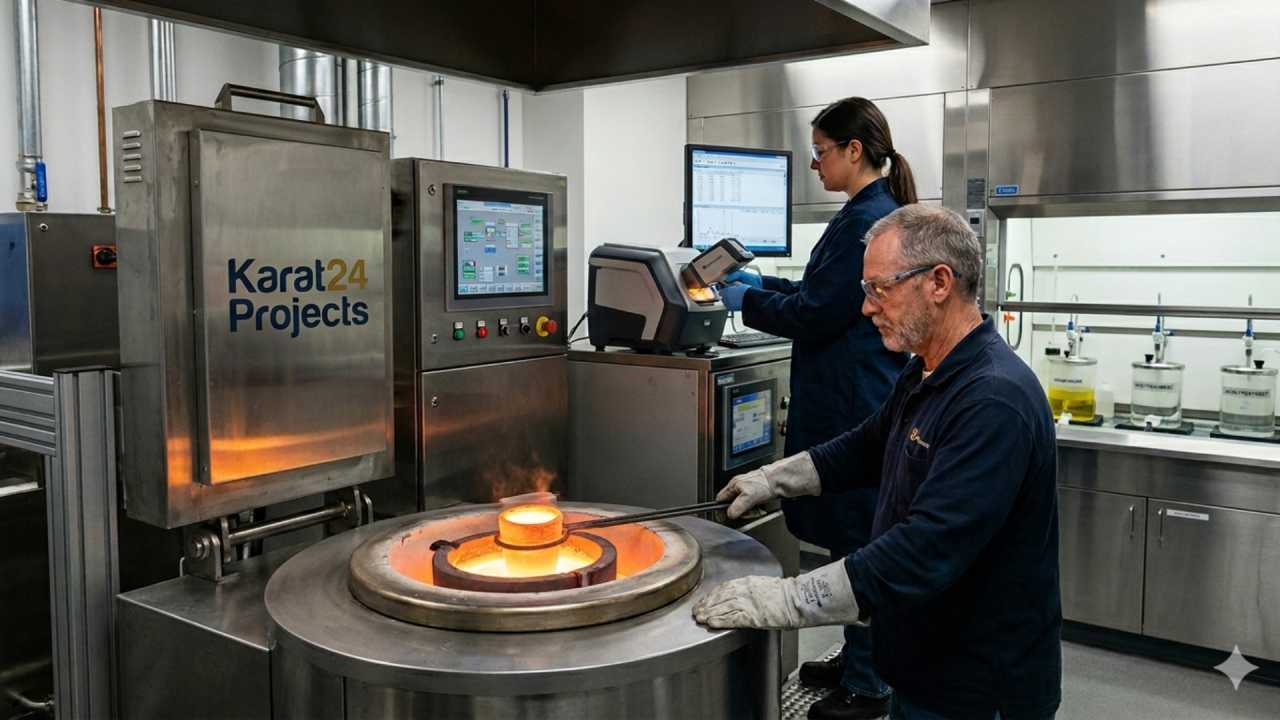
- Melting: The crucible is then placed in a high-frequency induction furnace or a resistive melting furnace, which rapidly heats the metal.
- Fluxing (Optional): A small amount of flux (e.g., borax, silica) may be added during melting. Fluxes help to collect any remaining impurities, bring them to the surface as slag, and protect the molten metal from oxidation.
- Casting: Once molten, the pure precious metal is poured into a mold (e.g., for bars, ingots, or granules). Rapid cooling results in solid, high-purity bullion or granular form.
- Weighing and Packaging: The final product is weighed, stamped (if applicable), and prepared for storage or further use.
Through these meticulously controlled steps, our machines ensure that your raw precious metal scrap is transformed into high-purity, marketable precious metal products, maximizing your recovery and value.
Environmental and Safety Considerations
Working with strong acids and precious metals necessitates a stringent focus on environmental protection and worker safety. Our refining machines are designed with these considerations as a paramount priority, integrating advanced features to minimize hazards and ensure compliance.
Managing Acid Fumes and Waste:
The primary environmental concern with the aqua regia process is the generation of acidic fumes (primarily nitrogen oxides, such as , which are toxic and contribute to air pollution, and chlorine gas, ). Our systems tackle this head-on:
- Integrated Fume Scrubbers: Every refining unit is equipped with a highly efficient wet scrubber system. As fumes are generated in the reactor, they are immediately drawn by powerful, acid-resistant exhaust fans into the scrubber. Within the scrubber, the fumes are bubbled through or sprayed with an alkaline neutralizing solution (typically a dilute solution of sodium hydroxide, ). This chemical reaction converts the harmful acidic gases into inert salts and water, significantly reducing their toxicity before any residual air is safely discharged.
- Closed-Loop Systems: Where possible, our machines employ closed-loop designs for reactions and transfers. This minimizes the escape of fumes into the atmosphere, reducing operator exposure and environmental impact.
- Neutralization Tanks for Liquid Waste: The spent acid solutions from the refining process (after metal precipitation) and the scrubber liquid contain dissolved salts and residual acids. These liquids are collected in dedicated neutralization tanks. Here, the pH is carefully adjusted using alkaline agents to bring it to a neutral range (pH 6-8) before safe discharge according to local environmental regulations. This prevents the release of acidic wastewater into drainage systems.
- Reduced Waste Generation: Our efficient processes aim to minimize the volume of chemicals used and, consequently, the waste generated. Techniques like optimized acid ratios and efficient filtration contribute to this goal. While complete recycling of aqua regia is complex and rarely done on a small scale, efforts are made to use chemicals efficiently.
Worker Safety:
Protecting operators from chemical exposure and other hazards is fundamental to our machine design.
- Closed and Semi-Automated Operations: Many critical steps, particularly those involving acid handling and fuming, occur within sealed, enclosed reactor vessels. This significantly reduces the need for direct human interaction with hazardous chemicals. Automated dosing and transfer systems further minimize manual handling.
- Remote Monitoring and Control: Advanced models offer features for remote monitoring of temperature, pressure, and pH, allowing operators to oversee the process from a safe distance.
- Emergency Shut-off Systems: Prominently located emergency stop buttons and automated safety protocols are built into the control systems, allowing for immediate shutdown in case of an anomaly or emergency.
- Material Selection: All components that come into contact with corrosive chemicals are made from highly resistant materials (e.g., specialized plastics, noble metals like titanium, or specific alloys) to prevent leaks, degradation, and contamination.
- PPE Recommendations and Training: While our machines enhance safety, we strongly emphasize the importance of appropriate Personal Protective Equipment (PPE) for operators. This includes acid-resistant gloves, safety glasses or face shields, chemical-resistant aprons or suits, and respirators (if residual fumes are a concern). We also recommend comprehensive training programs for all personnel operating our machines, covering safe chemical handling, emergency procedures, and machine-specific operations.
- Ventilation: Beyond the integrated scrubbers, adequate general room ventilation in the refining area is always recommended to ensure a safe working environment.
Compliance with Environmental Standards:
Our machines are designed to help users comply with relevant environmental regulations. While specific compliance falls under the responsibility of the operator based on their local jurisdiction, our systems provide the technical means for:
- Air Emission Control: Through effective fume scrubbing, emissions of and are drastically reduced, aiding in compliance with air quality standards.
- Wastewater Treatment: Integrated neutralization capabilities ensure that liquid effluents can be treated to meet discharge limits for pH and heavy metal content (if present after precipitation).
By integrating these robust environmental and safety features, our precious metals refining machines not only offer exceptional performance in metal recovery but also provide a responsible and secure solution for your refining operations.
Who Uses Our Refining Machines?
Our precious metals refining machines, powered by the efficient aqua regia method, are designed to serve a diverse range of clients across various industries. Their versatility, combined with their ability to handle mixed materials and deliver high purity, makes them an invaluable asset for anyone looking to recover maximum value from their precious metal scrap.
Target Audiences and Their Use Cases:
- Jewelry Manufacturers and Retailers:
- Use Case: Recovering gold and silver from bench sweeps, polishing dust, floor sweeps, scrap jewelry, old inventory, and casting sprues. This allows them to recycle their own precious metal waste directly, significantly reducing refining costs and maintaining control over their metal inventory. It’s also ideal for smaller custom jewelers who accumulate scrap over time.
- Benefit: Cost savings, immediate access to refined metal for reuse, and environmental responsibility by recycling in-house.
- Gold Dealers and Buyers:
- Use Case: Purifying mixed karat gold, dental gold, and other gold alloys purchased from the public or other dealers. They can upgrade low-karat gold to fine gold bullion, increasing its market value and liquidity.
- Benefit: Enhanced profit margins by upgrading raw material, reduced reliance on third-party refiners, and ability to offer a wider range of refined products.
- E-waste Recyclers:
- Use Case: Extracting gold, silver, palladium, and platinum from circuit boards, connectors, CPU pins, and other electronic components. E-waste is a surprisingly rich source of these metals, and our machines provide an efficient way to unlock this hidden value.
- Benefit: Tapping into a lucrative revenue stream from discarded electronics, contributing to a circular economy, and meeting increasing demand for responsible e-waste management.
- Pawnshops:
- Use Case: Refining the diverse range of gold and silver items they receive, from broken chains to single earrings. They can quickly assess and refine the precious metal content of items that aren’t easily resellable as jewelry.
- Benefit: Maximizing recovery from purchased scrap, turning non-liquid assets into high-purity, sellable bullion, and quick turnaround times.
- Dental Laboratories:
- Use Case: Recovering gold, silver, palladium, and platinum from dental crowns, bridges, and other dental scrap.
- Benefit: Reclaiming valuable materials from a specialized waste stream, ensuring responsible disposal, and generating additional income.
- Small to Medium-Scale Mining Companies (for secondary refining):
- Use Case: While large-scale mines often have their own comprehensive refineries, smaller operations or those dealing with doré bars that require further purification before sale can benefit from our machines. They can refine their own concentrates or partially refined metals to achieve higher market-ready purities.
- Benefit: Greater control over their product quality, potentially higher selling prices, and flexibility in processing smaller batches.
Scale of Operations:
Our machines are particularly well-suited for small to medium-scale operations. This includes:
- Laboratory-scale refining: For educational institutions, research facilities, or very low-volume operations requiring precise control.
- Mid-size commercial operations: Jewelers, e-waste recyclers, or gold dealers processing several kilograms to tens of kilograms of precious metal scrap per day or week.
The adaptability and efficient design of our aqua regia refining machines ensure that a wide array of businesses can confidently and profitably engage in the vital process of precious metals recovery.
Cost Efficiency and ROI
Investing in a precious metals refining machine is a significant decision, but one that typically yields substantial returns. The cost efficiency of our aqua regia systems translates directly into a compelling Return on Investment (ROI) for businesses.
Typical Return on Investment Period:
The ROI period for our refining machines can vary depending on several factors, including:
- Volume of Material Processed: Higher volumes of precious metal scrap naturally lead to faster recovery of the initial investment.
- Current Refining Costs: Businesses that are currently sending their scrap to third-party refiners will see immediate savings by processing in-house. The higher the fees paid to external refiners, the quicker the ROI.
- Metal Purity and Market Value: The value of the recovered precious metals directly impacts the revenue generated.
- Machine Model and Capacity: Larger, more automated systems will have a higher upfront cost but also higher processing capacities.
However, based on typical operational scenarios, many of our clients experience a return on their investment within 6 to 18 months. For businesses with consistent access to precious metal scrap, the machines often pay for themselves within the first year. This rapid ROI is a testament to the efficiency and cost-saving potential of in-house refining.
Cost Savings Compared to Manual Methods and Outsourcing:
- Elimination of Third-Party Refining Fees: This is arguably the most significant saving. External refiners charge processing fees, assay fees, and sometimes even minimum charges, which can significantly eat into your profits, especially for smaller batches. By refining in-house, these costs are entirely eliminated.
- Reduced Transportation and Insurance Costs: Shipping valuable precious metal scrap to external refiners incurs costs for secure transportation and insurance. In-house refining removes this logistical burden and associated expenses.
- Faster Access to Capital: Instead of waiting for external refiners to process and return your metal (which can take weeks), in-house refining allows you to have pure, sellable metal available much faster, improving your cash flow and liquidity.
- Higher Recovery Rates: Our precision-engineered machines and the controlled aqua regia process are designed to maximize metal recovery, minimizing losses that can occur in less controlled manual methods or with less efficient external processes.
- Value-Added Product: Refining your own scrap allows you to produce high-purity bullion or granules, which often command a better price in the market compared to unrefined scrap.
Longevity and Maintenance of Our Machines:
Our commitment to quality extends to the durability and ease of maintenance of our machines, contributing directly to their long-term cost efficiency.
- Robust Construction: We use high-grade, acid-resistant materials (such as specialized plastics like PTFE, borosilicate glass, and corrosion-resistant alloys) for all components that come into contact with corrosive chemicals. This ensures exceptional longevity and resistance to wear and tear.
- Modular Design: Many of our systems incorporate a modular design, which simplifies maintenance and part replacement. Should a component require servicing, it can often be easily isolated and replaced without extensive downtime for the entire system.
- Low Maintenance Requirements: With proper operation and adherence to maintenance schedules (e.g., periodic cleaning, filter changes, and solution checks), our machines require relatively low ongoing maintenance. Automated cleaning cycles and self-diagnostic features on advanced models further simplify upkeep.
- Technical Support and Spare Parts: We offer comprehensive technical support and readily available spare parts, ensuring that any potential issues can be quickly addressed, minimizing operational interruptions and maximizing the lifespan of your investment.
In conclusion, investing in our precious metals refining machines is not just an expense; it’s a strategic investment that delivers substantial cost savings, accelerates your access to refined metals, and provides a rapid and significant return on investment, securing your position in the valuable precious metals market for years to come.
FAQs or Common Misconceptions
When considering precious metals refining, especially with the aqua regia method, several questions and misconceptions often arise. Here, we address some of the most common ones to provide clarity and confidence.
“Is aqua regia dangerous?”
Answer: While aqua regia is a highly corrosive and dangerous chemical mixture, generating toxic fumes, our machines are specifically designed to mitigate these risks significantly. We prioritize safety through:
- Closed-loop reactor vessels: Minimizing direct operator exposure to the liquid.
- Integrated fume scrubbers: Actively neutralizing harmful fumes as they are generated, before they can escape into the atmosphere.
- Automated dosing and transfer systems: Reducing manual handling of acids.
- Robust construction materials: Preventing leaks and spills.
- Safety interlocks and emergency shut-offs: Providing layers of protection.
With proper training, adherence to safety protocols, and the use of appropriate Personal Protective Equipment (PPE), our machines allow for the safe operation of the aqua regia process. It’s crucial for operators to be well-versed in chemical handling safety, but the machine itself is engineered to contain and manage the inherent dangers.
“How pure is the final product?”
Answer: With our precisely controlled aqua regia process and advanced multi-stage filtration and precipitation, our machines consistently produce gold with a purity of 99.9% to 99.99% (3 to 4 nines). For silver, purities of 99.9% are also routinely achieved. This level of purity is considered investment-grade and is perfectly suitable for a wide range of applications, including jewelry manufacturing, bullion sales, and industrial uses. Achieving even higher purities (e.g., 99.999%) is possible but typically requires additional, highly specialized refining steps often found only in very large-scale, primary refineries, and is not generally necessary for most commercial applications.
“Can I refine mixed materials?”
Answer: Absolutely, yes! This is one of the key advantages of our aqua regia refining machines over other methods like electrolysis. Our systems are specifically designed to efficiently process mixed precious metal scrap, including:
- Mixed karat gold: From 8K to 24K, including alloys with copper, silver, and other base metals.
- E-waste: Containing gold, silver, palladium, and sometimes platinum from various electronic components.
- Dental scrap: Which often contains a complex mix of gold, silver, palladium, and other alloys.
- Industrial scrap: Plating solutions, catalysts, and other by-products with various precious metal compositions.
The aqua regia solution’s ability to dissolve gold, platinum, and palladium, combined with our effective filtration and selective precipitation steps, allows for the successful separation and recovery of these precious metals from complex mixtures.
“Is training required to use the machine?”
Answer: Yes, comprehensive training is highly recommended and often essential for safe and efficient operation. While our machines are designed for user-friendliness and incorporate automation, understanding the underlying chemical principles, safe chemical handling practices, and machine-specific operational procedures is crucial. We provide or recommend thorough training programs that cover:
- Machine setup and calibration.
- Safe handling and storage of chemicals.
- Step-by-step operation of the refining process.
- Troubleshooting common issues.
- Emergency procedures and spill management.
- Routine maintenance and cleaning.
Proper training ensures optimal performance, maximizes recovery rates, extends the lifespan of the machine, and most importantly, ensures the safety of the operators.
“Is it suitable for gold AND silver?”
Answer: Yes, our machines are suitable for both gold and silver refining. While aqua regia is primarily known for dissolving gold (and platinum group metals), the overall refining process within our systems is designed to recover silver as well. Often, silver in gold-bearing scrap will either dissolve and then be precipitated separately (using different chemical reagents than for gold), or in some cases, it may remain as a chloride precipitate after gold dissolution, which can then be further processed to recover the silver. Our comprehensive systems can handle the recovery of both gold and silver from a wide array of scrap materials, allowing for dual metal recovery and maximizing the value extracted from your materials.
Final Thoughts
In the dynamic and value-driven world of precious metals, the ability to efficiently and safely refine scrap into pure, marketable assets is not merely an advantage – it’s a necessity. Our precious metals refining machines stand at the forefront of this critical process, offering a sophisticated yet accessible solution built around the proven efficacy of the aqua regia method. We’ve delved into why this chemical dissolution process is ideally suited for the diverse and often impure feedstocks prevalent in today’s market, from intricate jewelry scrap to complex electronic waste. Unlike methods constrained by material purity, our systems thrive on versatility, delivering consistent purities of 99.9% to 99.99% for gold and similar levels for silver.
The technology integrated into our machines – from acid-resistant reactor vessels and multi-stage filtration to advanced fume control and automated dosing – ensures not only exceptional recovery rates but also paramount safety and environmental responsibility. This focus on engineering excellence minimizes risks associated with strong acids, providing a secure and compliant operational environment.
For jewelers seeking to recycle their bench sweeps, gold dealers looking to upgrade their inventory, e-waste recyclers unlocking hidden value, or any entity aiming for self-sufficiency in precious metal recovery, our machines offer a compelling proposition. The typical return on investment, often realized within 6 to 18 months, underscores the significant cost savings and increased profitability achieved by bringing refining in-house. This is further amplified by the longevity and low maintenance requirements of our robustly constructed systems.
Ultimately, investing in our precious metals refining machines means investing in control, efficiency, and a sustainable future for your valuable resources. Unlock the full potential of your precious metal scrap and transform it into pure, high-value assets with confidence.
Ready to revolutionize your precious metals recovery? We invite you to learn more about how our machines can benefit your specific operation. Please don’t hesitate to reach out for a detailed quote, schedule a live demo, or request comprehensive technical specifications. Our team of experts is ready to assist you in making an informed decision that will redefine your precious metals refining capabilities.