How to Maintain Gold Refining Equipment for Peak Performance
The precision required in precious metal recovery leaves no room for operational variance. Within industrial gold refining, the integrity of your machinery directly dictates the efficiency of your recovery yields. Gold refining equipment operates under some of the most punishing industrial conditions, routinely subject to extreme thermal spikes, highly corrosive chemical environments, abrasive physical materials, and continuous mechanical stress. When maintenance protocols are neglected, the consequences manifest rapidly as reduced extraction rates, material contamination, unpredictable downtime, severe workplace safety hazards, and ballooning operational expenses.
Implementing a systematic, preventative approach to equipment care ensures that chemical reactions proceed at optimal rates, thermal elements transfer energy efficiently, and mechanical separators isolate precious metals without structural failure. This comprehensive guide outlines the structural frameworks, daily tasks, and technical protocols required to establish a high-performance maintenance strategy for industrial gold refining facilities.
Understanding Gold Refining Equipment
Industrial gold refining requires a diverse matrix of machinery, components, and chemical delivery systems. Each type of equipment presents distinct wear profiles, material vulnerabilities, and operational demands. To build an effective maintenance protocol, you must categorize your assets into core operational categories, recognizing that a generic maintenance framework will fail to address the specific vulnerabilities of each system.
Mechanical Equipment
Mechanical processing machinery handles raw, unrefined material or manages physical separation and transport within the plant.
-
Crushers and Pulverizers: Heavy-duty jaw, cone, or impact crushers reduce the size of gold-bearing ore or recycled scrap materials. They operate under immense mechanical load and are highly susceptible to structural fatigue, impact damage, and surface abrasion.
-
Ball Mills: Rotating cylinders filled with grinding media reduce particulate size to microscopic levels to prepare materials for chemical leaching. They demand strict monitoring of liner wear, gear alignment, and bearing lubrication.
-
Centrifugal Separators: High-speed gravitational concentrators isolate heavy gold particles from lighter slurry. These units are highly sensitive to dynamic imbalance, bearing degradation, and variable slurry abrasion.
-
Filtration Systems: Plate-and-frame filter presses, vacuum belt filters, and centrifugal filters extract gold-bearing solutions from solid residues. They undergo constant cyclical pressurization and are prone to filter media blinding and seal degradation.
Thermal Equipment
Thermal processing equipment facilitates the high-temperature melting, smelting, and pyrometallurgical separation of gold from base metals.
-
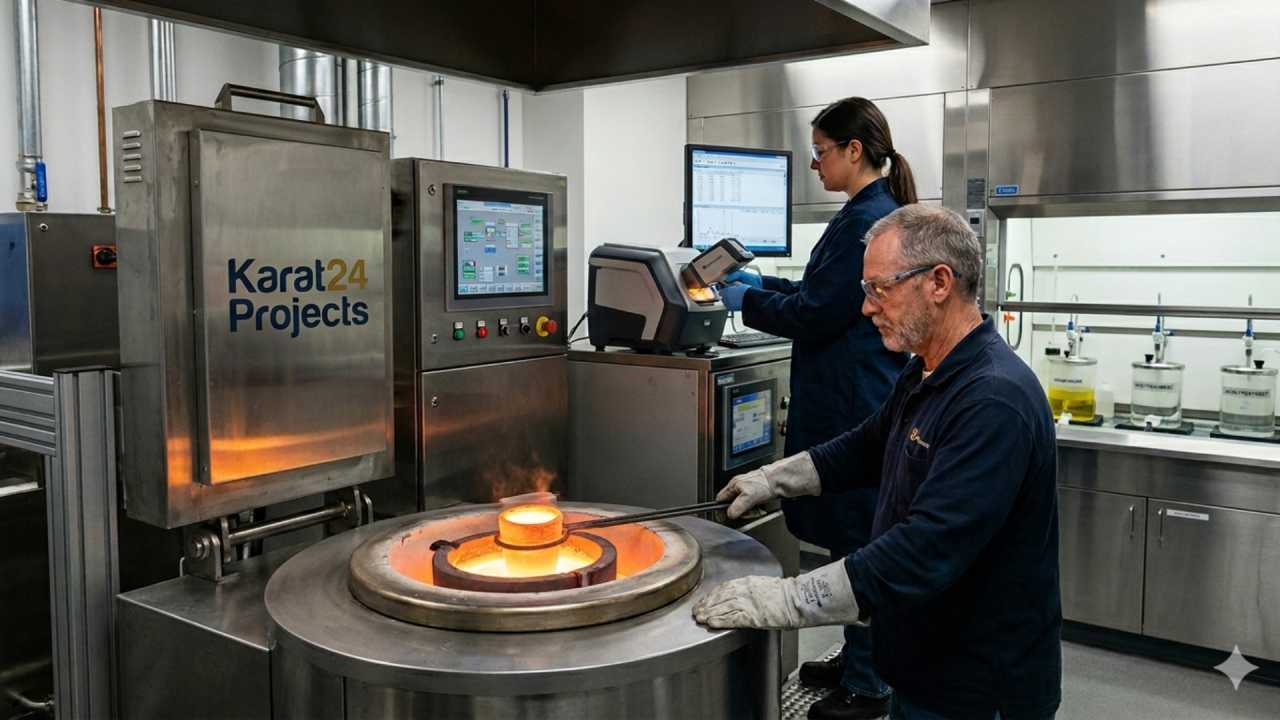
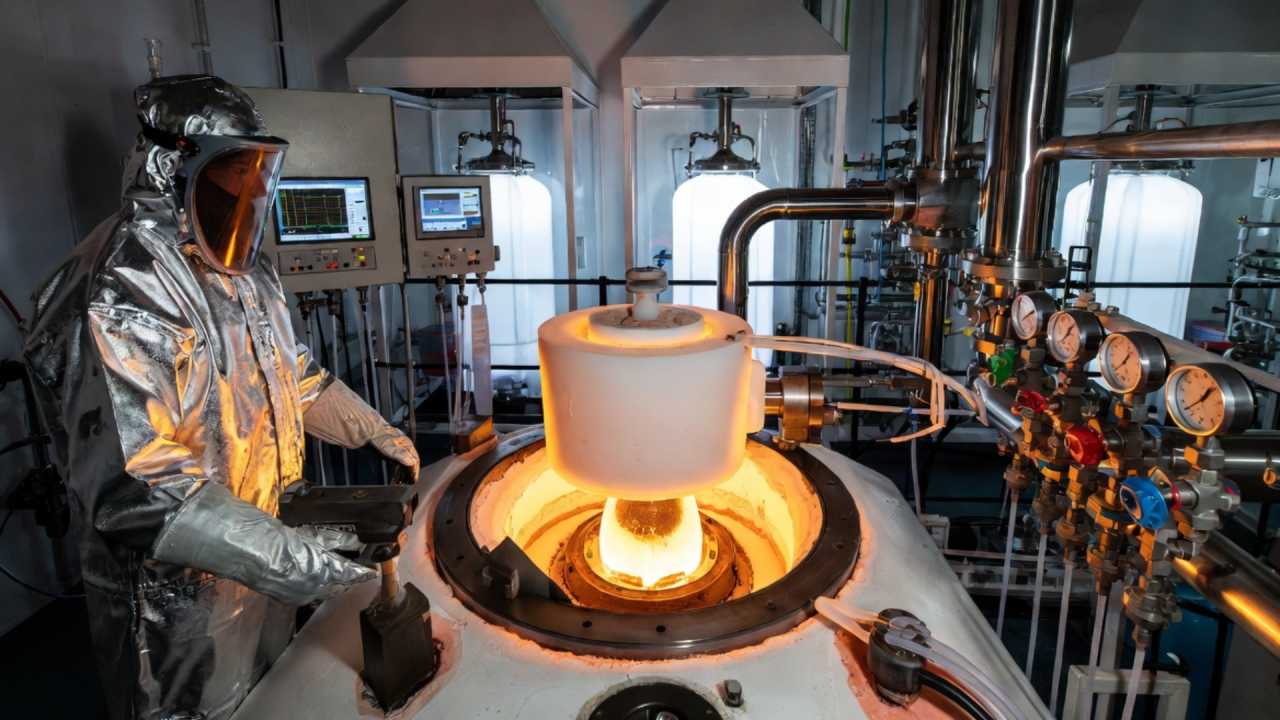
Induction Furnaces: Utilizing high-frequency electromagnetic fields, induction furnaces melt precious metals rapidly with exceptional temperature control. The core vulnerabilities include refractory lining degradation, electrical short-circuits via metal penetration, and cooling water loop occlusions.
-
Smelting Furnaces: Gas-fired or electric resistance furnaces process fluxed gold concentrates. They operate under extreme thermal conditions and generate corrosive metallurgical slags that chemically erode containment linings.
-
Burners and Heating Chambers: Precision burner assemblies and combustion elements require exact fuel-to-air ratios to prevent uneven heating zones and premature thermal shock to the structural chassis.
Chemical Processing Equipment
Chemical refining systems use hydrometallurgical processes like aqua regia dissolution, cyanidation, or electrorefining to isolate pure gold.
-
Reactors and Acid-Resistant Tanks: Constructed from specialized materials such as borosilicate glass, fluoropolymers (PVDF/PTFE), or glass-lined steel, these vessels contain volatile, highly acidic solutions. They face continuous chemical attack, stress corrosion cracking, and thermal expansion strains.
-
Electrolytic Refining Cells: Wohlwill or Miller process cells utilize direct current to deposit high-purity gold onto cathodes. They require strict management of electrical busbar connections, anode slime accumulation, and electrolyte chemistry balance.
-
Chemical Dosing Systems: Precision metering pumps and automated valves control the injection of hazardous acids, oxidizers, and neutralizing agents. These systems suffer from rapid seal degradation, check-valve clogging, and calibration drift.
Supporting Systems
Secondary infrastructure systems maintain the ambient environment, manage process byproducts, and ensure operational safety.
-
Fume Extraction and Scrubber Systems: High-capacity ventilation networks pull toxic gases, such as nitrogen dioxide, chlorine gas, and acid mists, away from operators and route them through chemical wet scrubbers. Clogging, fan imbalance, and internal plastic housing degradation are common failure points.
-
Water Treatment and Recirculation Units: Closed-loop cooling networks protect high-power induction coils from melting, while wastewater systems process chemical effluents. These networks are prone to scale formation, biological fouling, and internal pipe corrosion.
-
Pumps and Fluid Pipelines: Centrifugal, diaphragm, and peristaltic pumps move slurries, chemical reagents, and pregnant solutions throughout the plant. They require frequent inspection for mechanical seal leaks, impeller cavitation, and pipeline scaling.
-
Sensors and Instrumentation Panels: Programmable Logic Controllers (PLCs), thermocouples, pH probes, flow meters, and pressure transducers form the analytical backbone of the refinery. They face environmental fouling, signal attenuation, and drift due to ambient chemical exposure.
Why Regular Maintenance Is Essential
Operating a gold refinery without an explicit, rigorously enforced preventative maintenance schedule is financially risky. Because gold carries a high intrinsic value per unit volume, even minor fluctuations in processing efficiency or uncaptured residue inside a machine can lead to substantial financial losses.
Improved Gold Recovery Rates
Chemical and mechanical gold recovery relies heavily on precision parameters. If an electrolytic cell experiences a drop in current density due to corroded electrical contacts, or if a reactor tank fails to maintain an exact temperature curve because of scale buildup on its heating elements, chemical reaction kinetics slow down. This can cause incomplete dissolution or faulty precipitation, leaving unrecovered gold bound within waste tailings or slag. Regular maintenance keeps systems running at their calculated thresholds, ensuring maximum recovery from every processing batch.
Reduced Downtime
In industrial refining, unprogrammed downtime breaks operational momentum and compromises processing safety. For instance, if an acid transfer pump fails mid-cycle during an aqua regia digestion, the gold remains locked in a highly volatile, cooling solution that can solidify, crystallize, or release toxic gases if left uncirculated. Repairing a system during an emergency is far more expensive and dangerous than swapping out a pump diaphragm during a planned maintenance window. Preventative maintenance allows operators to choose when a machine goes offline, protecting production quotas.
Longer Equipment Lifespan
The capital investment required to equip a modern gold refinery is substantial. Acid-resistant alloys, specialized ceramics, and advanced induction systems are expensive to procure and install. Routine maintenance, such as checking refractory linings or applying protective coatings to structural steel, stops minor wear from turning into irreparable structural failure. Catching micro-fractures in a furnace lining early allows for a simple patch repair, avoiding a complete catastrophic blowout that could destroy the induction coil.
Better Product Purity
To achieve investment-grade bullion of 99.99% purity (four nines), the refining environment must remain perfectly clean. If mechanical components like pulverizers or mills shed metallic flakes due to unlubricated wear, or if old batches of lower-purity doré residue break free from uncleaned reactor walls, those contaminants will enter the chemical cycle. This cross-contamination ruins product batches, requiring expensive re-refining cycles that waste chemical reagents, power, and labor.
Workplace Safety
Gold refining involves significant physical and chemical risks. Workers handle concentrated nitric and hydrochloric acids, cyanide compounds, high-voltage electrical grids, and molten metals at temperatures above 1,100 degrees Celsius. Routine equipment inspections verify that critical safety infrastructure—like emergency pressure relief valves, toxic gas alarms, blowout discs, and isolation flanged joints—remains fully functional. Keeping equipment tightly sealed prevents catastrophic chemical spills, flash fires, and toxic gas releases.
Regulatory Compliance
Industrial metal refineries operate under close oversight from environmental and workplace safety authorities. Fume scrubbers must maintain specific capture velocities and neutralization efficiencies to keep emissions within legal limits. Water treatment systems must neutralize heavy metals before discharging any effluent. Keeping thorough maintenance records serves as auditable proof of compliance, helping the facility avoid costly fines, litigation, or forced shutdowns by regulatory bodies.
Daily Maintenance Practices
Daily maintenance forms the frontline defense against unexpected equipment failure. These tasks should be executed at the start and end of every shift, with observations documented in a centralized maintenance log.
Daily Startup and Shutdown Checklist
| Sequence | Operational Step | Key Focus Area |
| 1 | Verify fume extraction system differential pressure | Ensure pressure is within safe operational bounds to capture toxic gas. |
| 2 | Inspect acid-carrying pipelines | Check for visible weeping, salt crystallization, or surface discoloration. |
| 3 | Clean and recalibrate analytical probes | Target pH and oxidation-reduction potential (ORP) sensors. |
| 4 | Measure induction furnace cooling loops | Document input and output water temperatures to prevent coil melting. |
| 5 | Purge accumulated condensation | Clear moisture from compressed air lines and filter regulators. |
Cleaning Procedures
Industrial gold refining creates fine dust, chemical residues, and corrosive mists that settle on surrounding surfaces. Daily cleanup must be prioritized to keep these materials from damaging your assets.
-
Chemical Residue Neutralization: Wipe down outer reactor rims, pump housings, and chemical delivery lines with appropriate neutralizing agents to prevent acid mists from corroding external structural parts.
-
Filter and Vent Maintenance: Clean air intake filters on control panels and power supplies. If dust contaminated with metal particulates enters high-voltage electrical enclosures, it can bridge electrical paths and cause catastrophic short-circuits.
-
Material Accumulation Removal: Sweep and vacuum mechanical processing areas using HEPA-filtered industrial vacuums. This practice keeps abrasive dust out of moving bearing assemblies and helps capture fine, gold-bearing dust that can be returned to the refining loop.
Visual Inspections
Technicians should run a thorough visual check across the entire plant before starting any processing cycle.
-
Leak Detection: Inspect all joints, flanges, valves, and sight glasses on chemical tanks for physical weeping or salt crystallization, which indicates a minor leak.
-
Structural Defect Identification: Check high-stress components like mill frames, furnace structural supports, and mixer shafts for micro-cracking or unexpected deformation.
-
Vibration and Sound Auditing: Listen closely to pumps, blowers, and gearboxes during startup. High-pitched squeals, deep rhythmic thumping, or excessive housing vibrations indicate mechanical misalignment, dry bearings, or internal cavitation.
Monitoring Temperature and Pressure
Tracking variations in system temperatures and pressures is one of the best ways to spot internal equipment issues before they cause a breakdown.
-
Pressure Drop Metrics: Monitor pressure gauges across filtration systems. A rapid spike in pressure points to a blinded filter cloth or a downstream line blockage, while a sudden drop suggests a ruptured filter membrane or an internal bypass leak.
-
Thermal Variance Analysis: Track the temperature of bearings, motor housings, and cooling water lines. If a bearing is running unusually hot, it means it is suffering from high friction due to poor lubrication or internal misalignment.
Lubrication Management
Moving mechanical components need proper lubrication to minimize friction and dissipate heat.
-
Proper Greasing: Lubricate bearings on ball mills, crushers, and centrifugal separators daily using grease that can withstand high temperatures and chemical exposure.
-
Check Oil Levels: Verify oil levels in gearboxes, hydraulic power units, and vacuum pumps, topping them off with the manufacturer’s specified lubricant.
-
Avoid Over-Lubrication: Be careful not to over-grease components. Excess lubricant can trap abrasive refinery dust, turning into an abrasive paste that accelerates component wear.
Calibration Verification
Analytical instrumentation must provide accurate data to keep chemical reactions running safely and efficiently.
-
Sensor Standardization: Calibrate pH and oxidation-reduction potential (ORP) probes daily using fresh buffer solutions. These sensors glaze over or experience electrode drift quickly when exposed to rich metallurgical slurries.
-
Weighing System Validation: Test analytical balances and floor scales using certified test weights. Accurate weight measurements are critical for calculating correct chemical dosing and tracking precious metal inventory.
Record Keeping
All daily maintenance observations, component adjustments, and fluid additions must be written down in a dedicated maintenance logbook or entered into a digital computerized maintenance management system (CMMS). Keeping detailed logs makes it much easier to spot recurring failure patterns, track component lifespans, and provide an accurate history for external equipment audits.
Weekly and Monthly Preventive Maintenance
Some maintenance tasks require deeper technical inspection and system shutdowns, making them better suited for weekly, monthly, or quarterly schedules.
Weekly Maintenance Protocols
Weekly tasks focus on deep cleaning, detailed mechanical checks, and testing safety backup systems.
-
Deep Thermal Component Inspections: Clean out the interior of furnace enclosures and carefully inspect the condition of visible induction coil insulation and structural support pillars.
-
Pump and Motor Integrity Checks: Inspect chemical metering pump drive assemblies, check valve assemblies, and electrical draw lines. Clean out any debris from internal strainers.
-
Electrical Continuity Assessments: Check high-amperage busbars, rectifiers, and grounding straps on electrolytic cells. Tighten any loose connections to prevent high electrical resistance, which wastes energy and causes localized overheating.
-
Emergency System Testing: Manually trip emergency stop buttons, test automatic chemical shutoff valves, and verify that backup safety ventilation loops kick in immediately.
Monthly Maintenance Protocols
Monthly protocols involve checking for long-term corrosion, replacing consumable components, and assessing overall system performance.
-
Tank and Reactor Corrosion Audits: Thoroughly inspect acid containment tanks, looking for wall thinning, structural blistering, or stress cracking along welded plastic or glass boundaries.
-
Seal and Gasket Replacements: Replace high-risk elastomeric seals, O-rings, and pump diaphragms that handle concentrated chemical feeds, rather than waiting for them to wear out and fail.
-
Exhaust and Air Scrubbing Assessments: Inspect internal mist eliminators and packing media inside wet scrubbers. Check that chemical wash nozzles are spraying evenly and are not clogged with mineral scaling.
-
Energy Efficiency Reviews: Analyze the power consumption metrics of heavy machinery like furnaces and large motors. A creeping increase in power consumption for the same production output usually points to declining mechanical or thermal efficiency.
Quarterly and Annual Maintenance Overhauls
These extensive maintenance windows are scheduled during planned facility shutdowns to handle major component rebuilds and structural certification.
-
Refractory Relining: Strip down and cast or pack new refractory linings into smelting and induction furnaces to prevent molten metal from breaking through.
-
Complete Pump and Valve Rebuilds: Take apart critical process pumps and control valves, replacing shafts, impellers, sleeves, and internal seats with new components.
-
Comprehensive Structural Audits: Run non-destructive testing (NDT), like ultrasonic thickness testing, on structural supports, overhead crane systems, and high-capacity storage vessels to check for hidden chemical corrosion.
Maintaining Specific Gold Refining Equipment
Because gold refining equipment is highly specialized, certain core assets require targeted, technical maintenance procedures to stay in top operating condition.
Furnace Maintenance
Furnaces operate under intense thermal stress and are susceptible to rapid degradation if minor issues are ignored.
| Failure Mode | Root Cause | Preventive Action |
| Refractory Lining Cracking | Thermal shock from rapid cycling | Adhere to strict ramp-down and warmup heating profiles; patch minor cracks immediately. |
| Induction Coil Arcing | Conductive dust or metal penetration | Clean the coil surface weekly; test insulation resistance (megohmmeter testing) regularly. |
| Uneven Crucible Heating | Burner misalignment or scale buildup | Inspect burner flame geometry monthly; remove slag accumulation after every shift. |
Refractory linings must be checked visually after every melt cycle. Look for deep cracks, structural spalling, or areas where molten slag has begun to erode the lining wall. If slag builds up on the crucible walls, it acts as an insulating layer, forcing the induction coil to draw more power to heat the charge. This extra load shortens the lifespan of the furnace components. Slag should be mechanically scraped away while the furnace is hot, using tools that will not damage the underlying refractory base.
Electrolytic Refining Cells
Electrolytic cells require clean electrical paths and balanced solution chemistry to deposit pure gold efficiently.
-
Contact Cleansing: Copper busbars and cell contact points oxidize quickly in acid-rich environments. Clean these contacts weekly using a fine abrasive pad, then apply a thin layer of conductive, acid-resistant grease to keep resistance low.
-
Anode Slime Extraction: Clean out accumulated silver chloride and platinum group metal slimes from the bottom of the cells on a strict schedule. If allowed to build up too high, these slimes can touch the electrodes, causing internal short-circuits that damage the rectifier and ruin product purity.
-
Circulation Management: Check that electrolyte circulation pumps maintain an even flow across all cell surfaces. Dead zones with poor circulation lead to uneven gold deposition, nodule growth, and cathode contamination.
Filtration Systems
Filtration systems must handle abrasive slurries and highly acidic liquids under high pressures.
-
Differential Pressure Tracking: Always log the pressure levels across filter presses. A sharp pressure increase means the filter cloth is blinded by fine particles. When this happens, take the plates apart and wash the cloths with appropriate chemical solutions to dissolve the embedded minerals.
-
Plate Alignment Checks: Inspect the alignment of filter press plates regularly. Misaligned plates prevent the hydraulic ram from sealing the pack completely, leading to edge leaking that sprays hazardous chemicals and wastes precious metals.
Pumps and Pipelines
Piping networks in a gold refinery carry hazardous fluids and must be kept completely leak-free.
-
Material Compatibility Verifications: When replacing valves or pipe sections, double-check that the new components are fully compatible with the specific chemicals used. For example, standard stainless steel fails rapidly when exposed to hot aqua regia, requiring specialized plastics like PVDF or high-nickel alloys instead.
-
Flange and Joint Monitoring: Thermal expansion and contraction can cause flange bolts to loosen over time. Check and retorque piping flanges regularly using a calibrated torque wrench to avoid over-compressing and cracking plastic pipe fittings.
Ventilation and Fume Extraction Systems
The ventilation system is critical for protecting workers from hazardous fumes and must be maintained with zero tolerance for failure.
-
Air Velocity Measurement: Use a hot-wire anemometer to check air velocities at extraction hoods every week. A drop in airflow means there is a leak in the ductwork, a slipping fan belt, or heavy particulate buildup inside the duct channels.
-
Scrubber Water Monitoring: Check that the scrubbing liquid maintains the correct pH and chemical concentration to fully neutralize incoming gases. Monitor the spray nozzles regularly, as mineral scaling can block the spray pattern and allow toxic fumes to escape out the exhaust stack.
Common Maintenance Mistakes to Avoid
Avoiding common maintenance oversights can significantly reduce a refinery’s operating costs and prevent unexpected equipment failures.
-
Ignoring Minor Chemical Leaks: A tiny, weeping leak at a pipe joint might seem minor, but as the acid evaporates, it leaves behind concentrated corrosive salts. These salts eat through external structural steel, damage concrete foundations, and destroy nearby electrical wiring.
-
Delaying Refractory Repairs: Trying to squeeze one more melt cycle out of a failing, cracked furnace lining can cause molten metal to break through. This break can instantly destroy the water-cooled copper induction coils, triggering an explosion and causing massive equipment damage.
-
Using Non-OEM Spare Parts: Buying cheap, generic seals or impellers often backfires. Generic components rarely match the exact material specifications needed for refinery chemicals, leading to early part failure, chemical leaks, and unexpected downtime.
-
Skipping Instrument Calibration: Skipping regular calibration for temperature controllers and chemical sensors leads to poor process control. This can result in overheated batches, excessive chemical use, and lower gold recovery rates.
-
Overloading Mechanical Equipment: Stuffing too much uncrushed ore or scrap material into crushers or mills overworks the drive motors and gearboxes. This practice causes premature gear wear, bearing failures, and structural fatigue cracks.
Safety Practices During Maintenance
Maintenance work should only begin once thorough safety protocols are in place to protect technicians from the hazardous environment of the refinery.
Lockout/Tagout (LOTO) Procedures
Before anyone opens a machine, services a pump, or enters a furnace enclosure, the energy sources powering that equipment must be completely isolated.
1. Announce the planned equipment shutdown to all shift personnel.
2. Shut down the machine via the primary operational control panel.
3. Open the main electrical circuit breaker supplying power to the system.
4. Apply a personal safety lock and a highly visible warning tag to the breaker handle.
5. Close and lock out all upstream valves supplying chemical reagents or gases.
6. Verify isolation by trying to restart the machine using its local start buttons.
Personal Protective Equipment (PPE)
Standard work clothes do not offer enough protection during refinery maintenance. Technicians must wear specialized PPE tailored to the hazards of the task.
-
Chemical Servicing Protection: When opening chemical lines or working on pumps, technicians must wear a full-face shield, a heavy acid-resistant apron, dual-layered nitrile or neoprene gloves, and steel-toe chemical boots.
-
Thermal Servicing Protection: Personnel working on furnaces or hot molten equipment must wear rated aluminized proximity suits, heat-resistant leather gloves, and safety glasses with appropriate infrared/ultraviolet filtering lenses.
-
Respiratory Protection: When clearing dust from mechanical areas or performing maintenance where toxic vapors might linger, workers must wear powered air-purifying respirators (PAPRs) fitted with combination particulate and acid-gas cartridges.
Chemical Handling Safety
Before opening any system for maintenance, completely drain the pipelines, pumps, and reactors, flushing them thoroughly with water or a neutralizing solution. Keep a chemical spill kit nearby that is rated for the specific acids or solvents used in that area. Any rinse water or neutralized waste generated during maintenance must be captured and routed to the facility’s wastewater treatment system, never poured directly down floor drains.
Emergency Preparedness
All maintenance work must be performed within clear sight of operational safety infrastructure.
-
Eyewash and Shower Accessibility: Ensure that emergency eyewash stations and safety showers are clear of tools, replacement parts, or debris. Test these stations weekly to confirm they provide clean water at the correct pressure.
-
Fire Extinguisher Checks: Keep class D fire extinguishers close to thermal melting areas to handle any combustible metal fires, and ensure standard ABC-rated units are placed near electrical control panels.
Using Technology for Predictive Maintenance
Modern gold refineries are moving away from simple reactive maintenance and adopting advanced predictive strategies powered by digital monitoring tools.
IoT Sensors and Real-Time Monitoring
Installing Industrial Internet of Things (IoT) sensors directly onto critical machinery gives maintenance teams a continuous stream of operational data. Vibration sensors mounted on ball mill bearing blocks can spot microscopic misalignments weeks before they cause a physical breakdown. These sensors transmit data directly to a centralized maintenance dash, allowing teams to spot abnormal wear trends and plan repairs well in advance.
Thermal Imaging
Handheld or fixed infrared thermal cameras are incredibly useful for diagnosing problems in high-temperature areas without stopping production.
-
Refractory Inspection: Scanning the outer shell of a furnace with a thermal camera reveals hot spots that indicate areas where the internal refractory lining is thinning or cracking.
-
Electrical Inspection: Thermal scans of electrical control panels and busbar junctions can quickly pinpoint loose, high-resistance connections that are overheating and need tightening.
Maintenance Management Software
A Computerized Maintenance Management System (CMMS) coordinates all these technical tasks. It automatically tracks equipment run hours, schedules preventative maintenance routines, monitors spare parts inventory, and archives past repair histories. By analyzing this data, plant managers can calculate the exact mean time between failures (MTBF) for critical components, allowing them to optimize their parts stock and schedule maintenance when it has the least impact on production.
Choosing Quality Spare Parts and Professional Service
The reliability of your maintenance strategy depends heavily on the quality of the replacement parts you use and the expertise of the technicians installing them.
OEM vs. Generic Parts
While generic aftermarket parts might look like a budget-friendly option, they often cost more in the long run. Original Equipment Manufacturer (OEM) parts are built to exact material tolerances and chemical ratings. A generic gasket might save money upfront, but if it degrades prematurely and causes an acid spill, the resulting cleanups, equipment damage, and lost production will far outweigh the initial savings. Using OEM parts protects your machinery warranties and ensures predictable performance.
Certified Support and Technical Training
Some high-precision tasks—like rewinding induction furnace coils, calibrating main PLC control loops, or certifying large emission scrubbers—should be handled by factory-certified field technicians. Building a close relationship with your equipment manufacturers ensures you have access to critical software updates, engineering support, and specialized diagnostic tools.
Additionally, investing in regular training programs for your internal maintenance staff keeps them up to date on the latest service methods, safety protocols, and troubleshooting techniques. This ongoing training helps your team address equipment issues quickly and accurately, keeping your refinery running safely and at peak efficiency.
Frequently Asked Questions
How often should an induction furnace refractory lining be replaced in a gold refinery?
The lifespan of an induction furnace refractory lining depends entirely on your daily melt frequency and the types of fluxes used. In high-volume industrial gold refineries operating continuous shifts, patches should be evaluated daily, while a complete refractory relining is typically required every three to six months. Accelerated wear occurs when highly corrosive borox or silica-based fluxes chemically attack the lining at temperatures exceeding 1,100 degrees Celsius. Implementing smooth thermal ramp-up and ramp-down phases prevents sudden thermal shock cracks, safely extending the timeline between full overhauls.
What are the best acid resistant materials for gold refining chemical pumps?
When choosing or maintaining chemical dosing and transfer pumps for aqua regia, nitric acid, or hydrochloric acid refining loops, structural alloys fail rapidly. The highest industry standards require pump wet-ends constructed from advanced fluoropolymers such as Polyvinylidene Fluoride (PVDF) or Polytetrafluoroethylene (PTFE). For highly abrasive slurry lines containing undissolved material, glass-lined pump systems or high-grade ceramic internals offer the best protection against simultaneous chemical corrosion and physical erosion. Ensure all internal O-rings and diaphragms are constructed from fluorinated elastomers like Viton or Kalrez.
How do you prevent gold loss during the maintenance of filtration systems?
To avoid losing precious metals during routine filtration system maintenance, you must implement a strict containment and wash protocol before taking a filter press apart. Run a comprehensive displacement wash using demineralized water through the filter cake to recover any trapped pregnant solution. When changing out blinded or worn filter cloths, place the old textiles directly into a designated collection bin. Do not throw these away; old cloths must be completely incinerated in a specialized ash furnace, and the resulting residue run back through the smelting circuit to recover the embedded microscopic gold particles.
Why is differential pressure tracking important for wet fume scrubbers?
Differential pressure tracking measures the resistance of airflow as it passes through the scrubber’s internal packing media. If the pressure drop across the scrubber rises significantly above the manufacturer’s baseline, it indicates a severe block, usually caused by mineral scaling, chemical salt crystallization, or particulate buildup. A blocked scrubber cannot pull hazardous gas away from reactor tanks efficiently, leading to toxic gas leaks inside the workplace. Conversely, a sudden drop in differential pressure indicates a collapsed packing bed or a ruptured mist eliminator, meaning untreated acid mists are venting straight into the atmosphere.
How does bad electrical conductivity impact gold electrorefining cells?
Poor electrical conductivity drastically cuts down the overall efficiency of Wohlwill or Miller electrorefining loops. In gold refining, even a thin layer of copper oxide or airborne acid crystallization on busbars and cathode hooks increases electrical resistance. This resistance forces the system to pull more utility power while simultaneously lowering the target current density inside the chemical bath. This slowdown changes the rate of gold deposition, leading to brittle cathode plates, uneven nodule growth, and an increased risk of trapping base-metal impurities like silver or copper within the final product. Busbars must be polished and sealed weekly to prevent this.