Debunking Precious Metal Refining Myths: The Real Facts
Precious metal refining plays a major role in recovering valuable resources from old jewelry, catalytic converters, electronic waste, and industrial scrap. In an era driven by technological advancement and a global push toward sustainability, the recovery of gold, silver, platinum, palladium, and rhodium has transcended traditional mining. The modern world relies heavily on these materials to fuel consumer electronics, aerospace engineering, medical devices, and green energy infrastructure. However, despite the ubiquitous presence of refined metals in daily life, the refining sector remains shrouded in mystery, leading to widespread misconceptions.
Many of these myths stem from historical portrayals of alchemy, outdated backroom melting operations, or a general lack of consumer education regarding metallurgy and chemical processing. For businesses, individual investors, pawnshops, and industrial manufacturers, falling prey to these misconceptions can result in lost revenue, poor strategic partnerships, or missed economic opportunities. To successfully navigate the landscape of resource recovery, it is essential to look past common folklore and examine the actual science, economics, and environmental standards that govern the industry today. This article dismantles the most common myths surrounding precious metal refining, separating fact from fiction while providing an authoritative guide to modern material recovery.
Myth: Precious Metal Refining Is Only About Gold
The Common Misconception
When people hear the term “precious metal refining,” the immediate mental image is almost always gold bars, jewelry, or ancient coins. Many small businesses and casual observers assume that refiners only care about gold scrap, viewing other materials as secondary or altogether worthless.
The Real Facts
Gold is only a fraction of the refining landscape. The modern precious metal recovery ecosystem handles a diverse array of elements, including silver, platinum, palladium, and rhodium. These are collectively known as the Platinum Group Metals (PGMs) along with gold and silver.
Industrial, automotive, medical, and technological sectors rely far more heavily on these non-gold precious metals due to their unique chemical and physical properties:
-
Silver: Possesses the highest electrical and thermal conductivity of any element, making it indispensable for printed circuit boards, solar panels, and high-end electronics.
-
Platinum and Palladium: Serve as critical catalysts in the automotive sector for reducing vehicle emissions, and they are heavily utilized in chemical manufacturing processes.
-
Rhodium: One of the rarest and most expensive precious metals in the world, valued for its exceptional corrosion resistance and catalytic properties.
To illustrate how deeply these metals are embedded in non-jewelry sectors, consider the following table detailing common scrap sources processed by refiners daily:
| Scrap Category | Primary Recoverable Precious Metals | Typical Origin / Industry |
| Automotive Scrap | Platinum, Palladium, Rhodium | Catalytic converters, oxygen sensors |
| Electronic Waste (E-Waste) | Gold, Silver, Palladium | Circuit boards, CPUs, connectors, memory chips |
| Dental Scrap | Gold, Platinum, Palladium, Silver | Old crowns, bridges, inlays, partial dentures |
| Industrial Manufacturing | Platinum, Rhodium, Silver | Thermocouple wire, chemical catalysts, plating solutions |
| Photography & X-Rays | Silver | Traditional photographic films, medical X-ray films |
As natural ore deposits become harder to exploit, recovering these non-gold precious metals through urban refining is vital to keeping global manufacturing supply chains stable.
Myth: Refining Is the Same as Melting
The Common Misconception
A very frequent point of confusion among sellers and recyclers is the belief that melting a piece of metal is the same thing as refining it. It is common to assume that if a crucible of scrap jewelry or electronic components is heated until it liquefies and is poured into an ingot, the resulting bar represents refined, pure precious metal ready for market.
The Real Facts
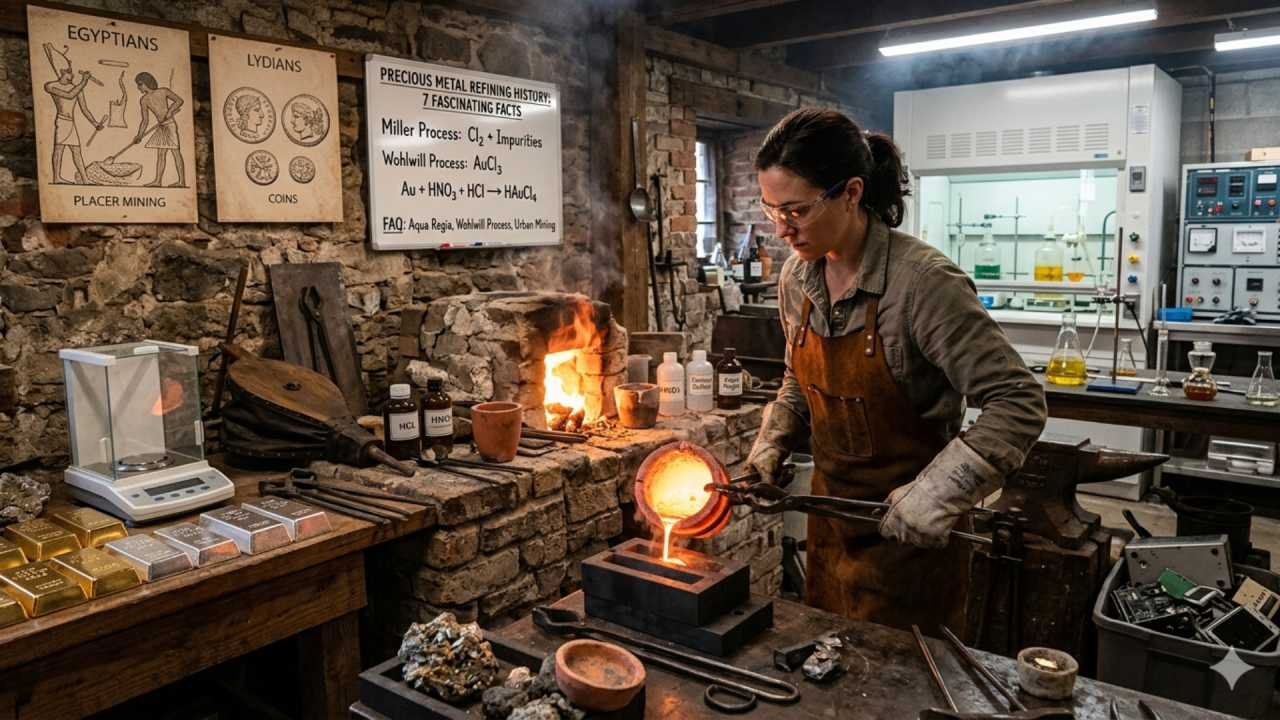
Melting and refining are completely different metallurgical processes. Melting is a purely physical transformation that changes metal from a solid state to a liquid state using heat. While melting can help homogenize a batch of scrap so a representative sample can be taken, it does absolutely nothing to alter the chemical composition or purity of the metal. If you melt down a pile of 14-karat gold jewelry, you will simply end up with a single solid bar of 14-karat gold, still bound to all the copper, silver, nickel, or zinc originally alloyed with it.
Refining, on the other hand, is a highly complex series of chemical and electrochemical procedures specifically designed to isolate and remove impurities, separating the target precious metal from all other materials. The ultimate goal of refining is to achieve strict, globally recognized purity standards, typically 99.9% or 99.99% purity.
To build an understanding of how refiners achieve this extreme purity, three core methods are utilized depending on the material composition:
-
Fire Assay: While primarily used as an analytical tool to determine purity, the underlying principles of cupellation involve melting the metal alongside lead and blowing oxygen over it. This oxidizes base metals like copper and iron, drawing them out and leaving behind a pure bead of precious metal.
-
Chemical Separation: Scrap is dissolved in powerful chemical solutions, such as aqua regia (a precise mixture of nitric acid and hydrochloric acid). Once dissolved, selective precipitating agents are introduced to force a specific metal, like gold, to drop out of the liquid solution as a pure powder, leaving other metals dissolved in the liquid for subsequent recovery phases.
-
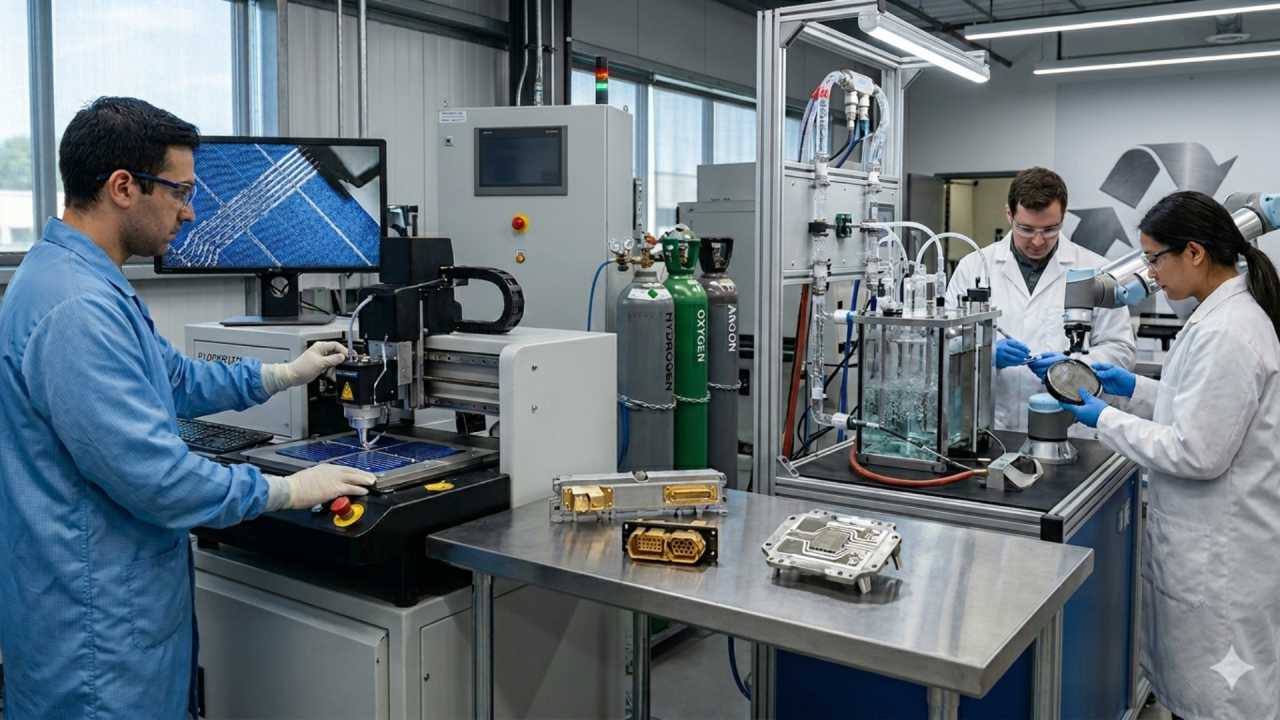
Electrolytic Refining: The impure metal is cast into an anode and placed into an chemical bath. When an electric current is applied, the target precious metal dissolves from the anode and migrates across the liquid to deposit itself onto a cathode sheet, achieving an extraordinarily high level of purity while base metals sink to the bottom as sludge.
Without these intricate chemical interventions, true precious metal recovery and purification cannot occur.
Myth: Only Large Mining Companies Use Refiners
The Common Misconception
Because global refining corporations deal in metric tons of bullion, a misconception persists that professional refining services are exclusive clubs open only to industrial mining operations or multi-million-dollar conglomerates. Individual sellers or small businesses often believe they lack the scale to deal directly with a refiner, choosing instead to sell their scrap to middlemen, pawnshops, or scrap yards for a fraction of its true value.
The Real Facts
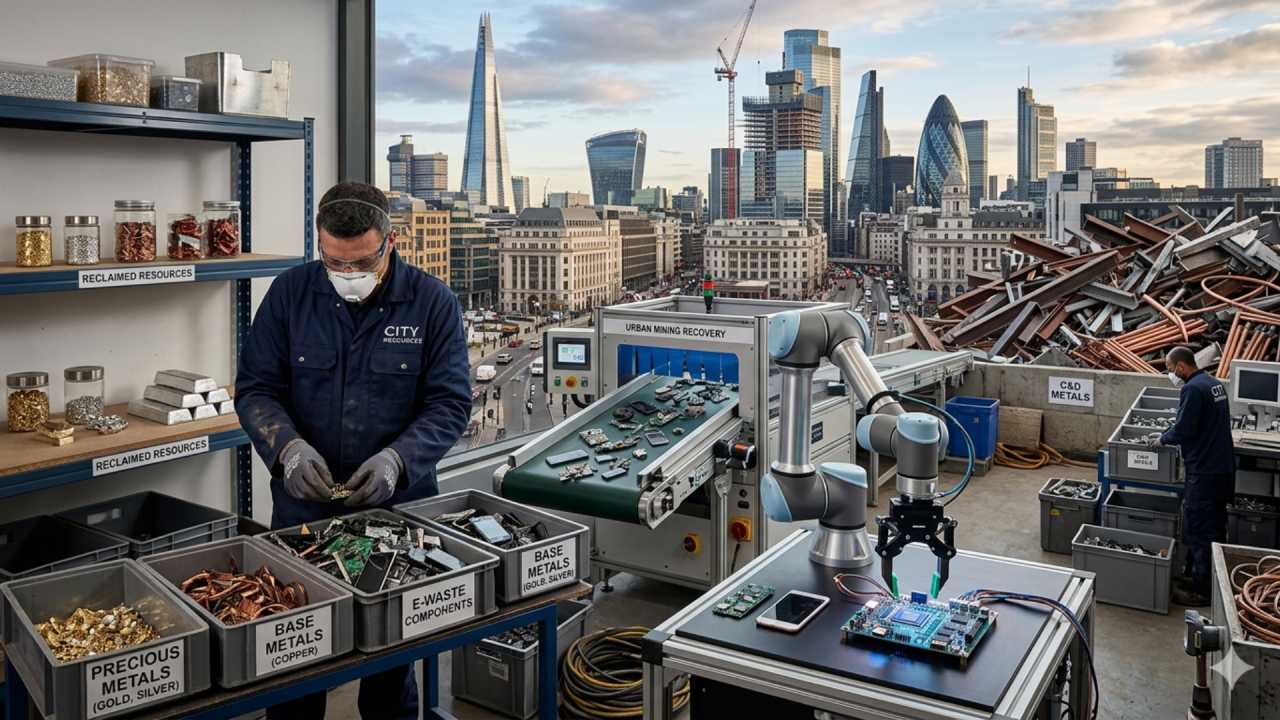
The modern refining economy thrives on decentralized collection networks, commonly referred to as urban mining. While refiners do process mined ore, a significant portion of their daily volume comes from a vast array of small-to-medium enterprises and independent professionals:
-
Jewelers and Watchmakers: Generate polishing dust, bench sweeps, floor clippings, and filings that contain microscopic particles of gold and platinum.
-
Pawnshops and Gold Buyers: Accumulate consumer estate scrap, broken jewelry, and sterling silver flatware that must be batched and processed.
-
Electronics Recyclers: Collect outdated computers, telecommunications equipment, and server racks to harvest high-yield circuit boards.
-
Dental Laboratories: Routinely amass scrap from old crowns, bridges, and production grinds containing platinum-group alloys.
-
Small Manufacturers: Work with specialized electrical contacts, silver solder, or plating baths that degrade over time and require reclamation.
Urban mining is highly efficient because the concentration of precious metals found in scrap materials is frequently orders of magnitude higher than the concentration found in raw earth taken from a traditional mine. For instance, a ton of obsolete smartphones can yield significantly more gold than a ton of high-grade gold ore extracted from the ground. By servicing smaller businesses, refiners keep these valuable streams flowing smoothly back into the industrial manufacturing cycle.
Myth: Refining Precious Metals Is Bad for the Environment
The Common Misconception
Because historic metal processing was notorious for generating heavy smoke, toxic slag heaps, and polluted waterways, many assume that contemporary precious metal refining is inherently destructive to the environment. The use of strong acids and high-temperature furnaces reinforces the narrative that recycling metals creates a severe ecological footprint.
The Real Facts
Modern precious metal refining is heavily regulated and stands as an environmentally beneficial alternative to primary mining. The environmental cost of extracting raw metals from the earth is immense, involving massive open-pit excavations, the displacement of thousands of tons of rock, heavy water consumption, and the use of cyanidation on a massive scale.
By contrast, recycling existing precious metals via refining has a profoundly lower carbon and environmental footprint. The energy required to refine recycled gold, silver, or platinum is a small fraction of the energy needed to mine, crush, transport, and process virgin ore.
Furthermore, reputable modern refiners operate under stringent environmental compliance laws and utilize advanced technology to eliminate ecological risks:
-
Scrubber Systems: Advanced chemical air filtration units trap, neutralize, and clean gaseous emissions and acid fumes before any air is released into the atmosphere.
-
Closed-Loop Water Filtration: Industrial wastewater is treated, neutralized, and recycled back into the refinery’s system, preventing toxic run-off and minimizing overall water usage.
-
Sludge and Waste Management: Base metal residues and chemical byproducts are captured, stabilized, and processed according to strict environmental protocols to prevent soil contamination.
Choosing to refine and reuse metals directly supports the global circular economy, saving energy, preserving landscapes, and ensuring that valuable resources do not end up inside landfills.
Myth: You Need High Volumes to Profit from Refining
The Common Misconception
Many small businesses, dental practices, or independent electronics collectors hold onto boxes of scrap for years, believing that a refiner will simply reject small quantities or that the fees will completely consume any potential profit. They assume that unless they can deliver truckloads of material, the refining process is economically unfeasible.
The Real Facts
While economies of scale certainly exist, high volume is not a prerequisite for a profitable refining transaction. The true determining factor of profitability is not the gross weight of the material, but rather the concentration and yield of the precious metals contained within it.
Even small quantities of high-grade scrap can hold immense financial value. For example, a small container of automotive catalytic converter cores or a handful of dental crowns can be worth thousands of dollars because the concentration of platinum, palladium, or gold is exceptionally high.
Professional refiners utilize highly accurate assaying techniques to determine the exact composition of small batches down to parts per million. Once the true metallic breakdown is known, the net value is calculated based on current market prices. For smaller lots, refiners often utilize batch processing or specialized small-scale induction furnaces, ensuring that independent sellers can capitalize on the inherent value of their scrap without needing industrial-scale quantities.
Myth: All Refiners Offer the Same Returns
The Common Misconception
A dangerous assumption made by many scrap sellers is that precious metal refining is a standardized, utility-like service where every provider delivers identical results and payouts. The logic follows that since the market spot price of gold or silver is fixed globally, any refiner will pay out the exact same amount for a given batch of scrap.
The Real Facts
Significant differences exist between refining companies, and choosing the wrong partner can heavily impact your final payout. Variations in technology, business models, processing efficiency, and transparency mean that two different refiners can yield vastly different financial returns on the exact same lot of material.
When analyzing why payouts vary, several operational realities come into play:
-
Recovery Efficiency: Older, less sophisticated processing setups often fail to extract 100% of the precious metals locked inside complex scrap, particularly when dealing with difficult PGM separations. Advanced refiners utilize cutting-edge chemical extraction methods that maximize the recovery rate, translating directly into a higher yield for the client.
-
Fee Structure Transparency: Some providers lure customers in with promises of low upfront refining fees, only to attach hidden costs later, such as steep assay fees, melting charges, inbound handling penalties, or inflated treatment costs for base metals.
-
Settlement Timelines: Time is money in the commodities market. A refiner with slow turnaround times forces the seller to absorb the risk of market volatility while waiting weeks for a settlement. Efficient refiners offer rapid processing and clear options for locking in spot prices.
To avoid financial losses, it is crucial to understand how to evaluate and choose a reputable refiner based on key operational markers:
                  [Evaluation Criteria for Refiners]
                                  │
         ┌────────────────────────┼────────────────────────┐
         ▼                        ▼                        ▼
┌─────────────────┐      ┌─────────────────┐      ┌─────────────────┐
│  Certifications │      │Assay Trasparency│      │Payout Structure │
└─────────────────┘      └─────────────────┘      └─────────────────┘
 ISO compliance,          Detailed reports         Clear split, no
 industry audits,         showing parts per        hidden handling
 environmental permits    million analysis         or treatment fees
Working with a certified, transparent refinery ensures that you receive an accurate valuation based on true science rather than guesswork.
Myth: Precious Metals Can Be Recovered Easily at Home
The Common Misconception
The internet is flooded with instructional videos, forum threads, and social media guides demonstrating how to extract gold from old computer parts or scrap jewelry using simple household setups. These guides often frame DIY refining as an easy, highly profitable weekend hobby that anyone can execute in their garage or backyard with minimal investment.
The Real Facts
Attempting to refine precious metals at home without professional training, specialized safety gear, and industrial facility controls is exceptionally dangerous, frequently illegal, and economically inefficient.
The chemical processes required to break down and isolate precious metals depend on highly volatile, hazardous substances. The most common DIY methods involve handling concentrated nitric acid and hydrochloric acid to create aqua regia. This reaction releases thick, suffocating clouds of nitrogen dioxide gas, which can cause severe respiratory failure or permanent lung damage upon inhalation. Furthermore, the process generates highly toxic, corrosive liquids that cannot be safely or legally poured down household drains or disposed of in standard trash receptacles without violating strict environmental protection laws.
Beyond the severe physical dangers of chemical burns, explosions, and toxic inhalation, home refining is plagued by poor recovery yields. Lacking the precise temperature controls, professional filtration systems, and electrochemical equipment found in commercial facilities, DIY hobbyists routinely lose a substantial percentage of the precious metals in their chemical waste streams. Ultimately, the money spent on chemical reagents, safety equipment, and lost metal yields far outweighs the small amount of material recovered, making professional refining the only logical choice.
Myth: Electronic Waste Is Mostly Trash
The Common Misconception
To the untrained eye, a pile of discarded desktop towers, old servers, and broken smartphones looks like worthless plastic, glass, and base metal junk. The prevailing public narrative around e-waste focuses almost entirely on the growing global garbage crisis, assuming that these items hold no intrinsic structural value once their operational lifecycle ends.
The Real Facts
Electronic waste represents one of the richest, most valuable concentrations of precious metals available for recovery in the modern economy. Microchips, central processing units (CPUs), memory boards, and gold-plated connector pins all rely heavily on precious metals to ensure rapid, uninhibited electrical signal transmission.
While a single old cellular phone contains only a tiny fraction of a gram of gold, the cumulative math across thousands of devices is staggering. The concentration of gold and silver found in high-grade circuit boards is dramatically higher than the yields obtained from traditional geologic mining operations.
By treating e-waste as a vital resource bank rather than trash, urban refining feeds a critical circular loop. It prevents heavy metals like lead and cadmium from leaching into global ecosystems while simultaneously recovering gold, silver, copper, and palladium to construct the next generation of technological infrastructure.
Myth: Higher Purity Always Means Higher Profit
The Common Misconception
It seems naturally logical to assume that a bar of 99.99% pure gold or silver will automatically net the seller a much larger profit margin than a batch of low-grade, impure scrap metal. Sellers often obsess over achieving maximum purity levels prior to final settlement, believing that purity is the single metric that dictates their bottom-line financial success.
The Real Facts
Profitability in the refining world is determined by a complex matrix of variables, and high metal purity at the start or finish does not automatically guarantee a high net return. True profitability is calculated by balancing market timing, processing costs, percentage yields, and initial acquisition costs.
Consider the economics of processing different types of materials. An incredibly pure piece of fine bullion might yield a very high payout rate, but if the seller purchased that item at a high premium over the spot market price, their net profit margin upon resale could be razor-thin or negative.
Conversely, a business that acquires low-purity industrial scrap or discarded dental waste at a highly discounted entry price can realize substantial profit margins upon refining, even after accounting for the refiner’s treatment charges.
Furthermore, the costs associated with pushing a metal from a standard industrial purity (such as 99.5%) to an ultra-refined state (such as 99.999%) scale up exponentially. The extra chemical steps, specialized machinery, and extended processing times add significant overhead. If the end-buyer or manufacturing application does not strictly require that extreme level of purity, the added refining costs will simply erode the seller’s final net return.
Myth: Precious Metal Refining Is an Outdated Industry
The Common Misconception
Because melting metals dates back thousands of years to the Bronze Age, many people view modern refining operations as an archaic, low-tech industry relying on muscle, simple furnaces, and brute force. There is a general assumption that the field has stagnated, failing to integrate the digital and automated breakthroughs defining other modern industrial sectors.
The Real Facts
The precious metal refining sector is undergoing a massive technological evolution, leveraging cutting-edge automation, artificial intelligence, and advanced chemistry to maximize efficiency and reduce environmental impact.
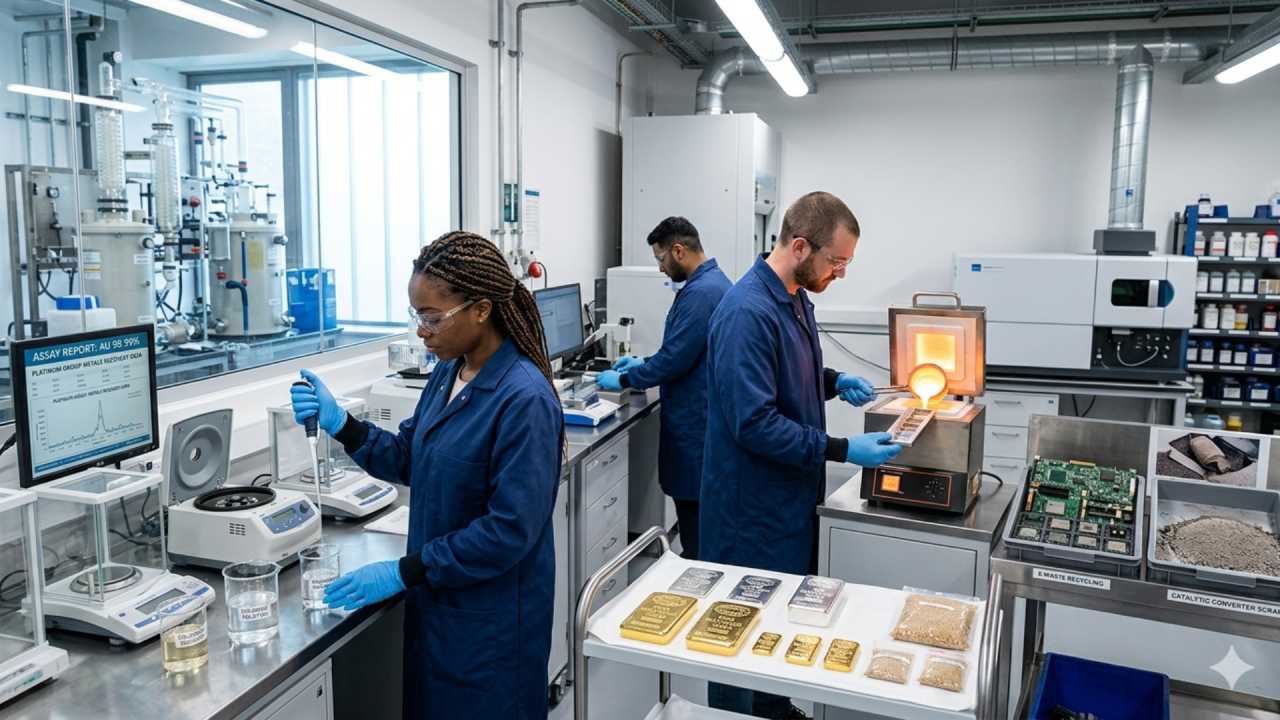
Modern refining facilities look closer to advanced pharmaceutical labs or high-tech semiconductor plants than the dirty foundries of the past. The industry is actively adopting sophisticated systems to optimize every stage of the recovery cycle:
-
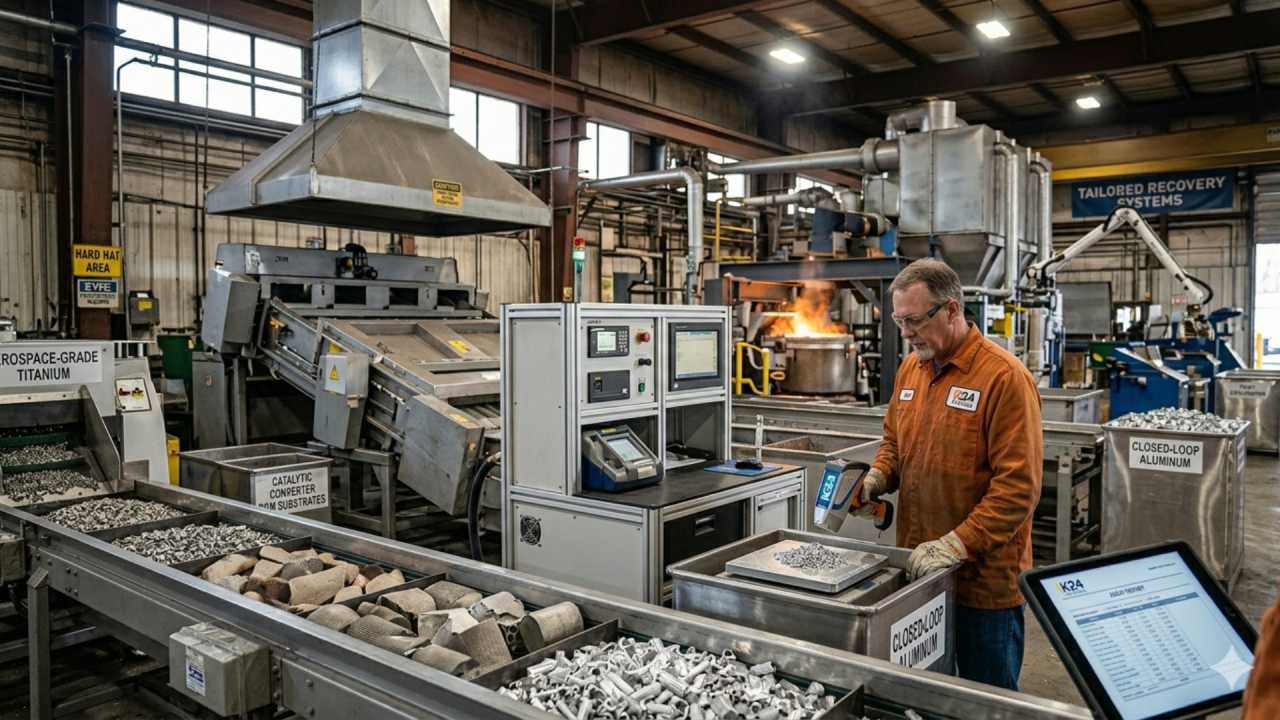
AI-Driven Automated Sorting: High-speed optical sorting systems paired with machine learning algorithms rapidly analyze and categorize complex e-waste streams, instantly identifying high-value components from worthless plastics far faster and more accurately than manual human sorting.
-
Advanced XRF and ICP Assaying: X-ray Fluorescence (XRF) and Inductively Coupled Plasma (ICP) spectrometers allow technicians to non-destructively determine the exact molecular makeup of a melted sample within seconds, accurately detecting trace elements down to parts per billion.
-
Green Hydrometallurgy: Refiners are pioneering new eco-friendly chemical solvents that can selectively dissolve and recover precious metals at room temperature without generating the harsh toxic fumes or heavy carbon emissions historically tied to pyrometallurgical smelting.
These innovations keep the refining sector at the absolute forefront of industrial science, ensuring it can handle the increasingly complex, highly engineered materials found in modern consumer products.
How the Precious Metal Refining Process Actually Works
To fully demystify the industry, it is valuable to trace exactly how scrap material moves through a professional refinery. The transformation from a box of mixed, dirty scrap into certified investment-grade bullion follows a highly disciplined, multi-stage scientific sequence.
Collection and Reception
The process begins when scrap material arrives at the refinery. Each lot is weighed on highly calibrated, certified scales, assigned a unique tracking number, and documented extensively. This initial chain of custody ensures that materials from different clients never mix, preserving accountability.
Homogenization and Sampling
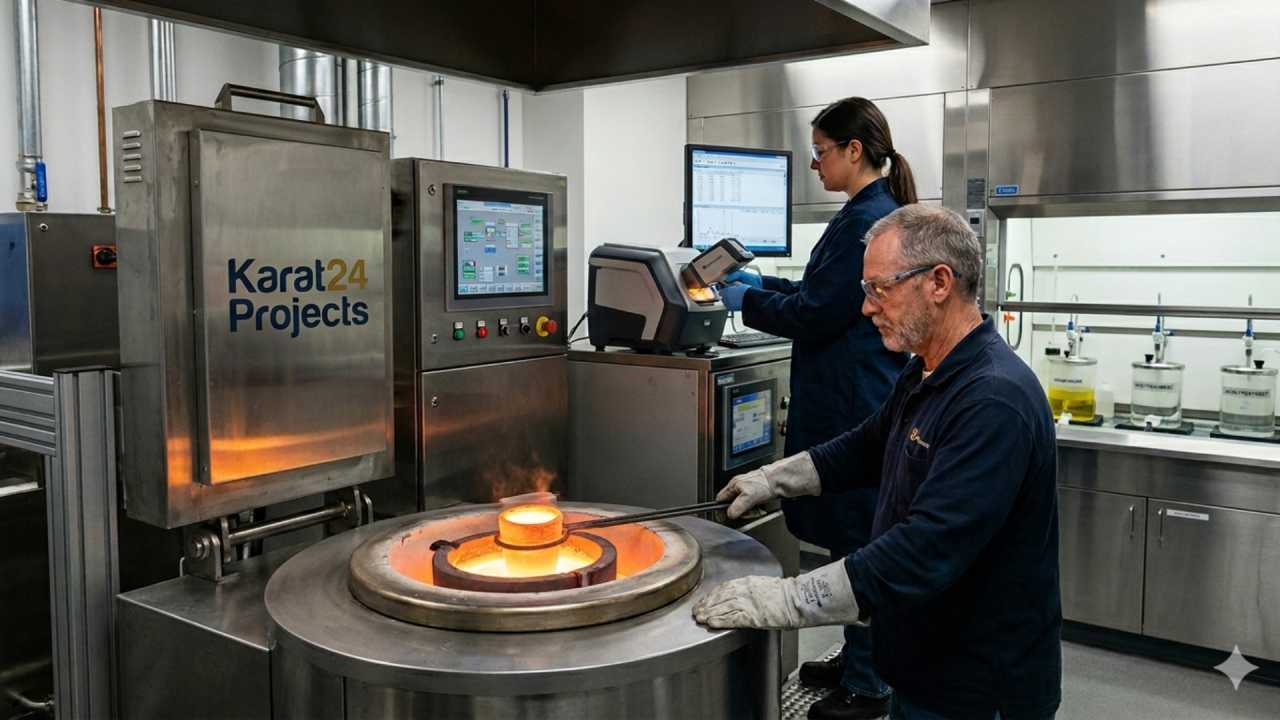
Before an accurate assay can occur, the material must be made completely uniform. If the scrap consists of solid metals, it is placed into an induction furnace and melted down into a liquid state. While molten, the metal is thoroughly stirred to ensure all constituent elements are evenly distributed. A small, representative sample of this liquid is then taken before pouring the remaining metal into bar molds. For materials that cannot be easily melted, like catalytic converter powder or electronic components, the scrap is shredded, milled into a fine dust, and blended thoroughly to ensure uniform sampling.
Assaying
The small sample taken during homogenization is sent directly to the analytical laboratory. Using a combination of traditional fire assaying and modern spectroscopic instruments like ICP or XRF, chemists determine the exact percentage of every precious metal present in the mix. The resulting assay report serves as the financial blueprint for the entire transaction, defining the precise total weight of gold, silver, platinum, or palladium present in the client’s lot.
Smelting and Chemical Extraction
Once the exact contents are known, the bulk material undergoes primary chemical extraction. Depending on the target metals, the bars or powders are introduced to specialized chemical baths. In the case of gold, the material is dissolved in aqua regia. For silver or PGMs, alternative acid or electrochemical solutions are used. These chemical interventions systematically separate base metals (like copper, nickel, and iron) from the high-value precious metals.
Purification and Bullion Creation
Through selective precipitation, the target precious metal is forced to revert from a dissolved liquid state back into a solid metallic powder. This powder is harvested, thoroughly washed to remove any residual chemicals, and dried. The final pure powder is then melted one last time at extreme temperatures and cast into standard commercial forms—such as grains, casting shots, or stamped bullion bars—stamped with a certified purity mark of 99.9% or higher, ready to re-enter the global market.
Industries That Depend on Precious Metal Refining
Precious metal refining is not an isolated market sector; it serves as a foundational pillar supporting a wide range of global industries. Without the continuous stream of recycled materials provided by refiners, manufacturing costs for essential everyday items would skyrocket due to supply constraints in primary mining.
Consumer and Industrial Electronics
Every microchip, circuit board, smartphone, server, and gaming console relies heavily on precious metals to function. Because gold does not tarnish or corrode, it is used to coat critical electrical connectors and micro-wires, ensuring flawless data transmission over decades of use. Silver ink tracks print paths on flexible electronics, and palladium capacitors manage voltage levels within complex power supplies.
Automotive Engineering
The global automotive industry is one of the largest consumers of platinum, palladium, and rhodium. These metals are applied as a micro-layer inside the ceramic honeycomb structure of catalytic converters. They facilitate the vital chemical reactions that transform toxic engine exhaust gases into harmless nitrogen, carbon dioxide, and water vapor. Refining old vehicles ensures a closed-loop supply of these rare metals for new car production.
Aerospace and Defense
Aerospace applications demand materials that can withstand extreme thermal stress, high radiation levels, and intense atmospheric corrosion. Jet engine turbine blades, exhaust nozzles, rocket guidance systems, and satellite communication arrays utilize specialized platinum-rhodium alloys and gold-based brazing alloys to ensure catastrophic failures do not occur under extreme operational conditions.
Medical and Healthcare Technology
Precious metals save lives daily through medical hardware. Platinum is highly biocompatible and conducts electricity flawlessly, making it the premier material for manufacturing pacemaker electrodes, internal catheters, and neurological implants. Additionally, palladium and silver are heavily used in dental restorations and antimicrobial medical coatings due to their natural resistance to bacteria.
Common Materials Sent for Refining
The sheer variety of items that contain recoverable precious metals is expansive. Refiners process a vast spectrum of scrap streams coming out of consumer, commercial, and industrial origins:
-
Jewelry and Luxury Goods: Broken or outdated gold rings, silver necklaces, platinum settings, estate silverware, premium watches, and manufacturing bench sweeps.
-
Obsolete Information Technology: Computer central processing units (CPUs), random access memory (RAM) sticks, gold-plated pins, motherboard connectors, telecom switching gear, and server hard drive platters.
-
Automotive Components: End-of-life catalytic converters, ceramic catalyst monoliths, exhaust sensors, and heavy-duty electrical relays.
-
Dental Scrap: Used or unneeded dental crowns, bridges, porcelain-fused-to-metal restorations, inlays, and gold platinum alloy wires.
-
Industrial and Laboratory Waste: Spent chemical catalysts, factory plating solutions, silver-bearing solder scrap, manufacturing slag, and worn laboratory crucibles.
Recognizing the hidden value inside these everyday items allows businesses and individuals to actively participate in the scrap recovery market rather than letting valuable assets go to waste.
Future Trends in Precious Metal Refining
As technology marches forward, the precious metal refining industry is poised for significant changes driven by global economic shifts and evolving consumer demands. The future of refining belongs to advanced sustainability, deep integration into the circular economy, and adapting to clean energy tech.
The Rise of Electric Vehicles and Battery Infrastructure
While the traditional internal combustion engine reliance on catalytic converters will shift, the transition to electric vehicles (EVs) creates massive new horizons for precious metal recovery. EV battery management systems, autonomous driving arrays, high-power charging grids, and hydrogen fuel cell stacks require significant amounts of silver, platinum, and specialized conductive alloys, keeping the demand for advanced refining exceptionally high.
Urban Mining as a Geopolitical Necessity
As international trade dynamics fluctuate and access to traditional primary mining fields becomes subject to geopolitical tensions, countries are increasingly viewing urban mining as a vital matter of resource security. Extracting precious metals from domestic e-waste and industrial scrap streams provides a reliable, self-sustaining source of raw materials, protecting local technology and manufacturing sectors from foreign supply chain disruptions.
Development of Bio-Refining and Non-Toxic Solvents
The next frontier in chemical refining is the elimination of harsh mineral acids. Researchers are successfully developing bio-refining methods that utilize specialized bacteria or plant-derived organic solvents to selectively bind to and isolate gold and silver molecules from liquid solutions. These green chemistry solutions promise to lower operational hazards and reduce compliance costs, making commercial refining cleaner than ever before.
Final Thoughts
Precious metal refining is far more advanced, sustainable, and essential than many people realize. It is not an ancient craft or a destructive environmental hazard, but a highly sophisticated, technology-driven scientific discipline that acts as a cornerstone of the modern manufacturing world.
By separating myths from facts, businesses, recyclers, and consumers can make smarter, more profitable decisions in a world increasingly dependent on resource recovery. Whether it is understanding that refining encompasses far more than just gold, recognizing the distinct differences between simple melting and true chemical purification, or embracing the immense value hidden inside electronic waste, an accurate understanding of modern refining opens the door to smarter asset management and a more sustainable global economy.
Frequently Asked Questions
What is the difference between melting and refining gold scrap?
Melting and refining are two completely distinct metallurgical stages. Melting is a physical process that uses high temperatures to turn solid metal scrap into a liquid, forming a single homogenized bar or ingot. Melting does not remove any base metals or alloys; it simply blends them. Refining is a complex chemical and electrochemical process that breaks down the homogenized bar to isolate and extract the pure gold from other elements like copper, nickel, or silver, raising the purity level to 99.9% or 99.99%.
How do commercial refiners calculate precious metal scrap value?
Commercial refiners determine the value of a scrap lot by executing a precise chemical evaluation called an assay. First, the material is melted down to distribute all metals evenly throughout the batch. A small sample is then extracted and analyzed using advanced technology like X-ray Fluorescence (XRF) or Inductively Coupled Plasma (ICP) spectroscopy. The refinery multiplies the exact weight of the recovered pure fine metal by the current global market spot price, then subtracts their standard processing and treatment fees to calculate the final net payout.
Why does karat gold jewelry yield less than its stamped value?
Preowned karat gold jewelry frequently yields slightly less fine gold during processing than the hallmark stamp indicates. This occurs because retail jewelry items often contain lower-karat hidden solder lines from initial manufacturing, sizing adjustments, or structural repairs. Additionally, years of surface wear, oxidation of the base alloy metals, and the presence of microscopic dirt or manufacturing adhesives can slightly lower the overall percentage of recoverable fine gold when the batch is melted and analyzed.
What are the environmental regulations for precious metal recycling?
Modern precious metal recycling facilities are strictly governed by environmental compliance laws monitored by regional and national environmental protection agencies. Refiners are required to install advanced chemical air scrubbing units to neutralize acid fumes and nitrous oxide gases before venting. They must also implement closed-loop wastewater treatment systems to safely process chemical residues, preventing harmful heavy metals from entering local water tables or agricultural soils.
Is electronic waste recycling profitable for small businesses?
Yes, urban mining through electronic waste recycling can be highly profitable for small businesses when high-grade materials are properly aggregated. Printed circuit boards, central processing units (CPUs), cell phone components, and server memory chips contain significantly higher concentrations of gold, silver, and palladium per ton than raw geological ore extracted from traditional mines. By collecting these items in bulk and bypassing retail middlemen, small operations can secure solid returns from commercial refineries.
What chemical processes are used in catalytic converter refining?
Refining automotive catalytic converters to extract platinum group metals (PGMs) involves complex hydrometallurgical and pyrometallurgical methods. The ceramic honeycomb bricks are crushed into a fine, uniform powder. This powder is then subjected to high-temperature smelting or dissolved in aggressive acid solutions, such as hot aqua regia or specialized chlorine-based mixtures. Chemists then introduce selective chemical precipitation agents to separate the highly valuable platinum, palladium, and rhodium from the base metals.